Best Time to Climb the Lemosho Route on Mount Kilimanjaro
The Lemosho Route is one of the most scenic and popular routes to climb Mount Kilimanjaro, Africa’s highest peak. For many trekkers, choosing the right time of year to embark on this adventure is just as important as the route itself. The weather conditions on Kilimanjaro can vary greatly depending on the season, and timing your climb can significantly affect your experience, safety, and chances of reaching the summit. In this article, we will explore the best time to climb the Lemosho Route, why the seasons matter, and what you can expect during different periods of the year.
Understanding Kilimanjaro’s Climate and Seasons
Mount Kilimanjaro’s climate is influenced by its location near the equator, but its varying altitude creates multiple climate zones. The mountain experiences two main seasons: the dry season and the rainy season. The dry seasons offer clearer skies, milder temperatures, and more stable conditions, while the rainy seasons bring heavy showers, muddy trails, and unpredictable weather.
The Two Dry Seasons
June to October: Often considered the prime climbing season, this period offers the best overall weather for trekking. Days are usually sunny and dry, with cold nights at higher elevations. The skies tend to be clearer, providing excellent views of the mountain and surrounding landscapes.
Late December to February: This shorter dry season also provides favorable climbing conditions. It is warmer than the June to October season but still offers good chances for clear weather and safer trails.
The Two Rainy Seasons
March to May: Known as the long rainy season, this is the wettest time of the year. Heavy rainfall can make trails slippery and difficult, increasing the risk of accidents and making the climb less comfortable.
November to mid-December: The short rainy season brings sporadic showers, which can also affect trail conditions and visibility.
Why Choose the Dry Seasons for the Lemosho Route?
Choosing to climb the Lemosho Route during the dry seasons significantly enhances your trekking experience. Here’s why:
Safer and More Stable Trails
During the dry seasons, the trails are less muddy and slippery. This makes hiking easier and reduces the chance of falls or injuries. Stable footing is especially important on the steeper sections of the climb, including the Barranco Wall and the final ascent to Uhuru Peak.
Clearer Skies and Better Views
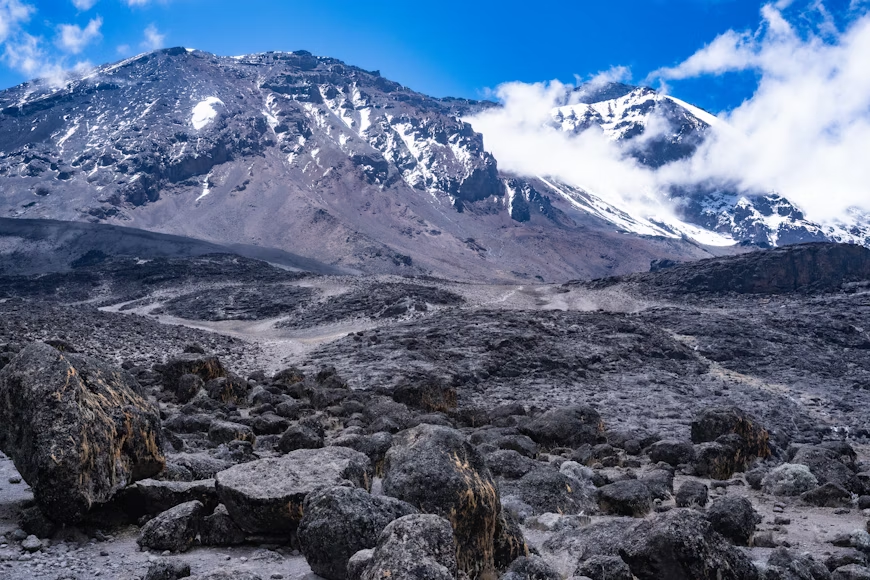
One of the greatest rewards of climbing Kilimanjaro is the breathtaking scenery. Dry seasons provide clearer skies, allowing trekkers to enjoy panoramic views of the mountain, the Shira Plateau, and the surrounding Tanzanian landscape. On summit day, clearer weather increases the chance of witnessing a stunning sunrise from the roof of Africa.
More Comfortable Temperatures
Although temperatures on Kilimanjaro can be cold year-round, the dry seasons generally bring more stable weather with fewer sudden storms. During the June to October season, nights can be very cold, so proper gear is essential. In contrast, the December to February season tends to be warmer, which some trekkers find more comfortable.
Higher Summit Success Rates
Trekkers who climb during the dry seasons tend to have higher summit success rates. Good weather conditions help maintain energy levels and morale, making the strenuous climb more manageable.
What to Expect During the Rainy Seasons
While it is possible to climb Kilimanjaro during the rainy seasons, it comes with challenges that many trekkers prefer to avoid.
Heavy and Persistent Rainfall
The long rainy season from March to May can bring continuous rain, making trails muddy and difficult. This increases the physical demands of the climb and can slow your progress.
Poor Visibility and Cloud Cover
Clouds and mist often shroud the mountain during the rainy seasons, limiting the spectacular views and the chance to see the sunrise from the summit.
Colder and More Unpredictable Weather
Rain combined with high altitude can make conditions feel much colder. Wet clothing and gear can also increase the risk of hypothermia.
Fewer Climbers and Services
Due to the challenging conditions, fewer trekkers visit Kilimanjaro during the rainy seasons. While this means less crowding, it can also mean limited availability of guides and porters, and some facilities may be closed.
Other Factors to Consider When Planning Your Climb
Altitude Acclimatization
Regardless of the season, altitude acclimatization is critical. The Lemosho Route’s longer itinerary of 7 to 8 days helps climbers adjust better, reducing the risks of altitude sickness.
Gear and Preparation
Even in the dry seasons, the weather on Kilimanjaro can be unpredictable. Trekkers should be prepared with proper clothing layers, waterproof gear, and sturdy hiking boots.
Booking and Permits
The dry seasons are peak times for climbing, so it’s important to book your trip and secure permits well in advance.
Personal Preferences
Some trekkers may prefer the warmer December to February season, while others opt for the cooler June to October period. Both seasons have their advantages.
In summary, the best time to climb the Lemosho Route is during the dry seasons from late June to October and from late December to February. These periods offer safer trail conditions, clearer skies, more comfortable temperatures, and higher chances of a successful summit. While Kilimanjaro can be climbed year-round, selecting the dry season helps ensure a more enjoyable and rewarding trekking experience. Proper preparation, gear, and acclimatization remain essential regardless of when you climb.
If you’re planning your Kilimanjaro adventure on the Lemosho Route, timing your climb during these dry months will give you the best opportunity to conquer the mountain safely and create unforgettable memories.