How Does Mikumi National Park Compare to Serengeti National Park?
Tanzania is home to some of Africa’s most spectacular wildlife destinations, and among these, Mikumi National Park and Serengeti National Park stand out as popular choices for safari-goers. While both parks offer incredible wildlife experiences, they differ in many key aspects, including size, wildlife diversity, visitor experience, accessibility, and overall atmosphere. Understanding these differences can help travelers choose the perfect park based on their preferences and expectations.
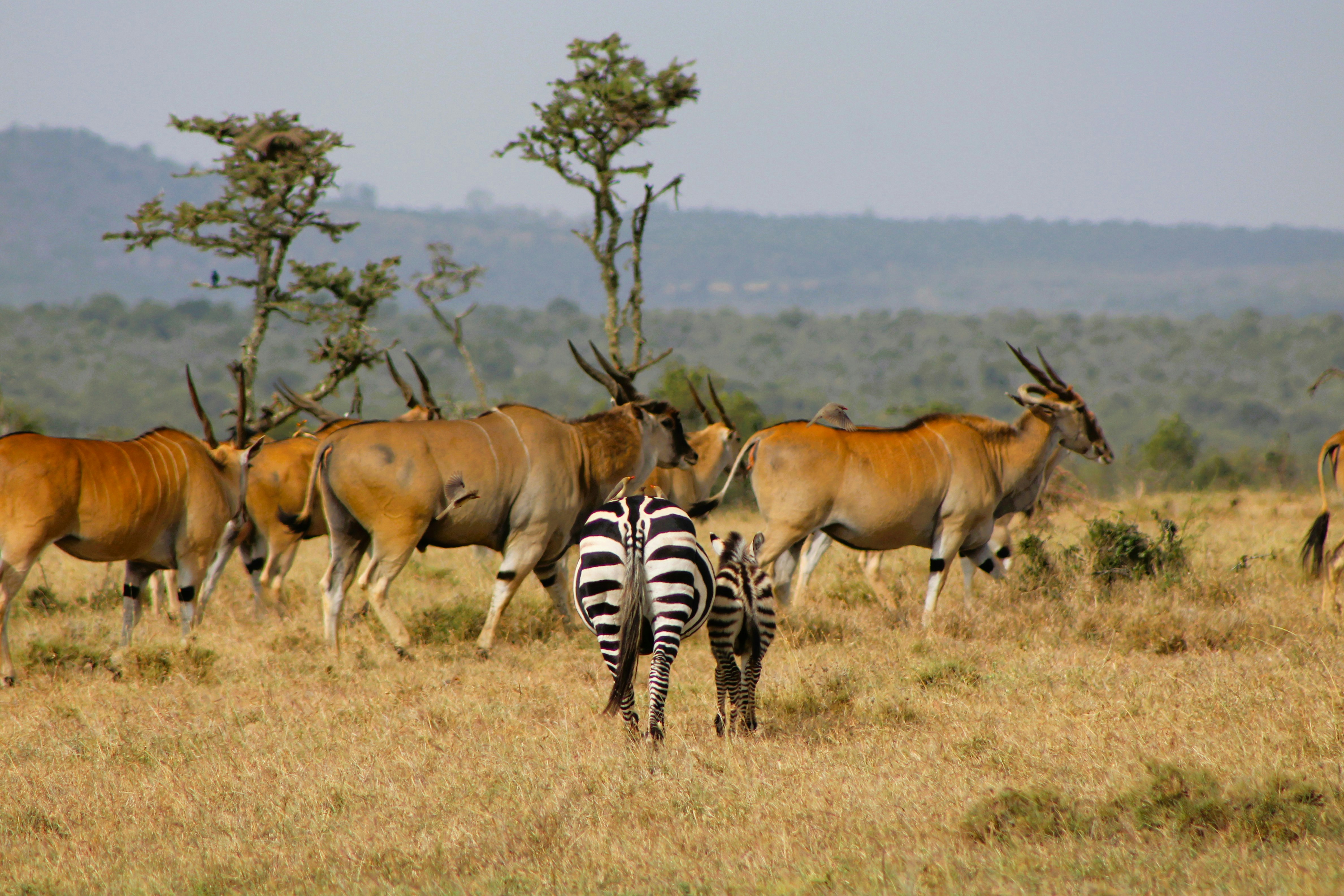
Mikumi National Park is located in the southeastern part of Tanzania and is often considered a more accessible and less crowded alternative to the northern circuit parks like Serengeti. Covering an area of about 3,230 square kilometers, Mikumi is Tanzania’s fourth largest park. Its landscape is a beautiful mix of open savannah, acacia woodlands, and riverine forests, which provides a diverse habitat for a variety of animal species. Mikumi is home to a healthy population of elephants, lions, giraffes, zebras, hippos, and buffalo, among others. Visitors to Mikumi often enjoy a quieter and more intimate safari experience due to the park’s relatively low visitor numbers.
In contrast, Serengeti National Park is Tanzania’s largest and most famous park, spanning approximately 14,700 square kilometers. It is renowned worldwide for the spectacular Great Migration, where over two million wildebeest, zebras, and gazelles travel across the plains in search of fresh grazing. Serengeti’s vast open grasslands and kopjes create one of the most iconic safari landscapes on the planet. The park boasts an exceptionally high density of predators, including lions, leopards, cheetahs, and hyenas, making it a top choice for wildlife enthusiasts eager to witness dramatic predator-prey interactions. Additionally, Serengeti supports a wide variety of bird species and other wildlife, offering an unmatched biodiversity.
One of the key differences between the two parks is accessibility. Mikumi National Park is closer to Dar es Salaam and the southern Tanzanian town of Morogoro, making it a convenient option for travelers coming from Tanzania’s largest city or those on shorter itineraries. The park is easily reachable by road, and day trips from nearby towns are possible. In comparison, Serengeti is located in northern Tanzania and is usually accessed via flights from Arusha or longer road transfers. Its remoteness adds to its allure but requires more planning and travel time.
Visitor facilities also differ significantly. Serengeti offers a wide range of accommodations, from luxury lodges and exclusive tented camps to budget-friendly options scattered throughout the park. This extensive infrastructure caters to all types of travelers and includes specialized services like hot air balloon safaris and guided walking tours. Mikumi’s accommodation options are more limited but include lodges and camps that provide a comfortable base for exploring the park. The smaller visitor numbers at Mikumi mean less competition for prime game-viewing spots, offering a peaceful and laid-back atmosphere.
In terms of wildlife viewing, both parks offer rewarding experiences, but Serengeti’s sheer size and diversity mean it is often considered the ultimate safari destination. The Great Migration alone draws thousands of visitors each year, eager to witness this natural spectacle. Mikumi, meanwhile, provides excellent opportunities to see the “Big Five” (excluding rhinos) in a less touristy setting. It’s a great choice for travelers seeking to avoid the crowds while still enjoying authentic wildlife encounters.
Ultimately, the choice between Mikumi and Serengeti depends on what kind of safari experience you desire. If you’re looking for world-famous wildlife spectacles, vast open landscapes, and a chance to witness one of nature’s greatest events, Serengeti National Park is unmatched. However, if you prefer a more relaxed, off-the-beaten-path safari with easier access and fewer tourists, Mikumi National Park is an excellent option. Both parks showcase Tanzania’s incredible biodiversity and offer memorable adventures for all wildlife lovers.