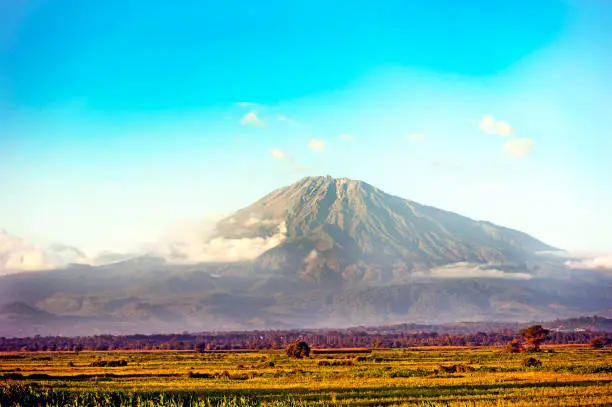
How Hard Is It to Climb Mt Meru?
Mount Meru, standing at 4,566 meters (14,980 feet), is Tanzania’s second highest mountain and a popular trekking destination that offers an adventurous yet manageable alternative to the more famous Mount Kilimanjaro. Many travelers planning a mountain trek in East Africa ask: “How hard is it to climb Mount Meru?” Understanding the difficulty level of this climb is essential to prepare properly and ensure a safe and enjoyable experience. This article explores the physical demands, terrain, altitude challenges, and other factors that determine the hardness of climbing Mount Meru.
Moderate Difficulty Suitable for Many Trekkers
Climbing Mount Meru is generally classified as a moderately challenging trek. It is less strenuous and at a lower altitude than Kilimanjaro but still requires a good level of fitness, stamina, and mental preparation. The trek typically takes between 3 to 4 days, depending on your pace and the chosen route. The climb’s difficulty arises mainly from the altitude, varied terrain, and the need for several hours of hiking each day.
Unlike Kilimanjaro’s longer, steeper routes, Mount Meru’s gradual ascent allows your body more time to acclimatize. This gradual elevation gain helps reduce the risk of altitude sickness, making the climb more accessible to those new to high-altitude trekking. However, the trek still involves some steep and rocky sections, which can be physically demanding, especially for those not accustomed to mountain hiking.
Physical Fitness Requirements
Although Mount Meru is achievable for many people with average fitness, it is not a casual hike. You should have a reasonable level of cardiovascular fitness and endurance to cope with long days of walking uphill, sometimes over uneven and rugged terrain. Prior training, including cardio exercises like running, cycling, or swimming, along with strength training for legs and core, will significantly improve your trekking experience.
Walking several hours each day with a backpack, even if it is light, requires stamina. Regular hiking or walking on hills before your trip can help condition your muscles and improve balance and coordination, which are important for navigating rocky paths. Fitness preparation also helps reduce fatigue, allowing you to enjoy the stunning landscapes and wildlife along the way.
Terrain and Trail Conditions
Mount Meru’s trail takes trekkers through diverse ecosystems and terrain types. The climb starts in dense tropical rainforest, which is relatively easy to walk but can be muddy and slippery during wet conditions. As you ascend, the trail moves into moorland areas with giant lobelias and senecias, requiring careful footing over rocks and uneven ground.
Near the summit, you will encounter alpine desert conditions, which are dry, cold, and windy. The trail becomes steeper and more challenging here, with loose rocks and scree sections that demand careful steps and good balance. Trekking poles are highly recommended for added stability on these parts of the trail.
The changing terrain adds variety to the climb but also demands adaptability from trekkers. Being prepared with proper footwear and trekking equipment is essential to navigate these conditions safely.
Altitude and Acclimatization
One of the main challenges when climbing Mount Meru is the altitude. At 4,566 meters, the summit is high enough to cause symptoms of altitude sickness if you ascend too quickly without proper acclimatization. Common symptoms include headaches, dizziness, nausea, and fatigue.
Fortunately, Mount Meru’s trekking routes are designed to ascend gradually, allowing most climbers to acclimatize well. Spending 3 to 4 days on the mountain helps your body adjust to the lower oxygen levels at higher elevations. Staying well-hydrated, eating nutritious meals, and pacing yourself during the climb are important strategies to prevent altitude sickness.
Your certified guide will monitor your health and advise if you need to slow down or descend to a lower altitude. In rare cases, severe altitude sickness may require turning back, so listening to your body and guide is crucial.
Mental Challenge and Motivation
Beyond physical demands, climbing Mount Meru also presents a mental challenge. Trekking for several days, often in cold and windy conditions near the summit, requires determination, patience, and a positive attitude. Early starts, long hours on the trail, and physical fatigue can test your motivation.
Many trekkers find that mental preparation, such as setting realistic goals, maintaining a steady pace, and focusing on the incredible views and wildlife, helps keep spirits high. Support from guides and fellow trekkers also plays a vital role in maintaining morale during tough moments.
The sense of achievement upon reaching the summit of Mount Meru is immense and makes the effort worthwhile.
Support and Safety Measures
All climbers on Mount Meru are required to trek with a certified guide and an armed park ranger, as the mountain lies within Arusha National Park, home to wild animals such as elephants, buffalo, and leopards. These experts ensure your safety, help navigate the trail, and provide invaluable advice on pacing and acclimatization.
Guides also carry emergency equipment and are trained to respond to altitude sickness or injuries, significantly reducing risks. Having professional support makes climbing Mount Meru safer and more manageable.
Comparisons with Kilimanjaro
Many trekkers choose Mount Meru as a preparation climb before attempting Kilimanjaro. While Kilimanjaro is higher (5,895 meters) and more physically demanding, Mount Meru offers a challenging but less intense alternative. The shorter duration and gentler acclimatization profile make it ideal for beginners or those with limited time.
Mount Meru’s lower altitude and less crowded trails provide a more peaceful experience, with abundant wildlife and lush scenery that Kilimanjaro’s routes do not always offer. However, the physical and mental effort required remains significant and should not be underestimated.
In summary, climbing Mount Meru is a moderately hard but achievable challenge for many trekkers with reasonable fitness and preparation. The difficulty comes from the altitude, changing terrain, and endurance required for multi-day trekking. With proper training, acclimatization, and support from guides, most people can reach the summit and enjoy the stunning views and rewarding experience.
If you are considering a Tanzanian mountain trek but are unsure about your fitness or experience level, Mount Meru offers a fantastic opportunity to test your limits in a beautiful and less crowded setting. It also serves as an excellent acclimatization climb for Kilimanjaro or a stand-alone adventure for those seeking a rewarding challenge.
Proper planning, physical preparation, and mental readiness are the keys to conquering Mount Meru successfully and safely.