The question of how tallest to mount Kilimanjaro is answered by its impressive height of 5,895 meters (19,341 feet), making it the tallest mountain in Africa and the highest free-standing mountain in the world. Climbers exploring how tallest to mount Kilimanjaro will pass through diverse ecological zones—from tropical rainforest to arctic summit—each offering unique scenery and challenges. The climb requires no technical skills, making it accessible to many adventure seekers. Understanding how tallest to mount Kilimanjaro helps you appreciat
How Tallest to Mount Kilimanjaro
The answer to how tallest to mount Kilimanjaro begins with a journey that takes you to the roof of Africa, standing at 5,895 meters (19,341 feet) above sea level. Understanding how tallest to mount Kilimanjaro becomes real as you ascend through five unique climate zones, starting in lush rainforest and continuing through heath, moorland, alpine desert, and finally reaching the arctic summit zone. Whether you choose the scenic Lemosho Route, the popular Machame Route, or the direct Marangu Route, each day reveals the majestic scale of how tallest to mount Kilimanjaro truly is. Most climbs take 6 to 8 days, giving you time to adjust to the altitude while slowly discovering how tallest to mount Kilimanjaro challenges and rewards every climber with breathtaking views and an unforgettable sense of achievement at Uhuru Peak, the highest point in Africa.
What Makes Mount Kilimanjaro the Tallest in Africa?
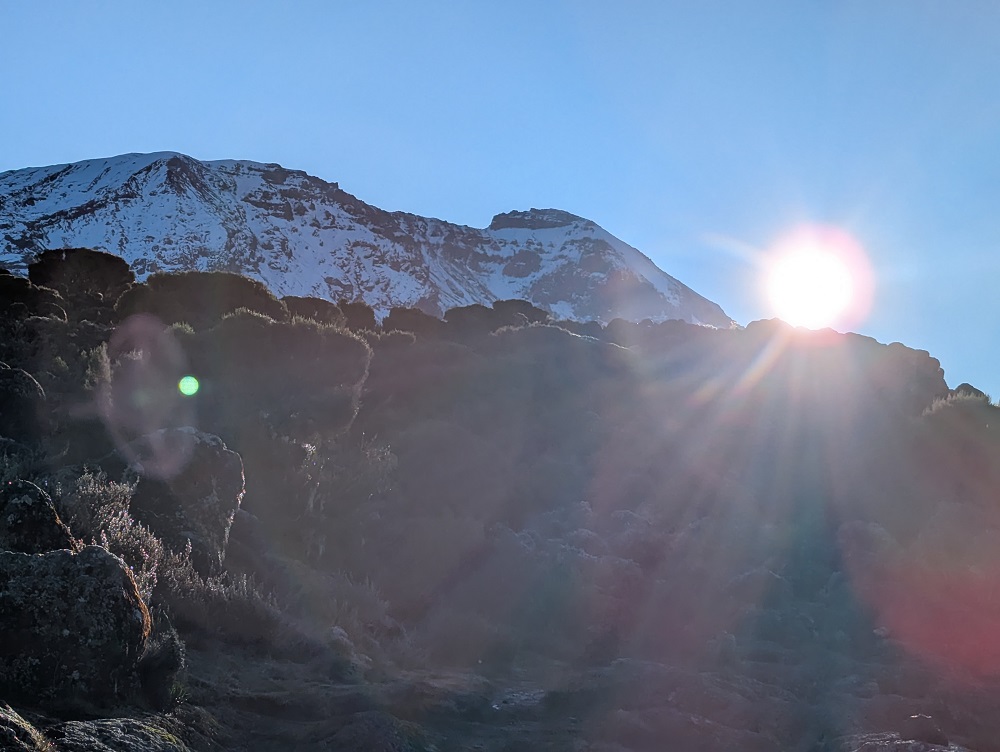
Mount Kilimanjaro stands at 5,895 meters (19,341 feet) above sea level, making it the tallest mountain in Africa and the highest free-standing mountain in the world. Its snow-capped peak rises high above the surrounding plains of Tanzania, attracting thousands of climbers each year. This massive stratovolcano has three cones—Kibo, Mawenzi, and Shira—each telling a story of ancient volcanic activity.
The Official Height of Mount Kilimanjaro
Mount Kilimanjaro measures 5,895 meters (19,341 feet), as recorded by Tanzania’s National Parks Authority and international mapping systems. This makes it the highest point on the African continent and one of the Seven Summits of the world.
A Unique Free-Standing Mountain
Unlike many tall peaks that are part of a mountain range, Kilimanjaro rises alone from the surrounding flat plains of northern Tanzania. This makes it the tallest free-standing mountain in the world—a rare geological wonder.
The Three Volcanic Cones: Kibo, Mawenzi, and Shira
Mount Kilimanjaro is made up of three volcanic cones. Kibo is the tallest and still potentially active, while Mawenzi and Shira are extinct. Kibo houses the famous Uhuru Peak, the summit that climbers aim to reach.
Geological History Behind Its Height
Kilimanjaro was formed by volcanic activity over 1 million years ago. Layer after layer of lava and ash built up its height, creating a towering volcanic mountain that continues to draw interest from geologists and explorers.
Global Significance of Kilimanjaro’s Height
As the tallest mountain in Africa, Kilimanjaro holds global recognition. It represents African pride, draws climbers from around the world, and plays an important role in environmental studies, especially due to its shrinking glaciers.