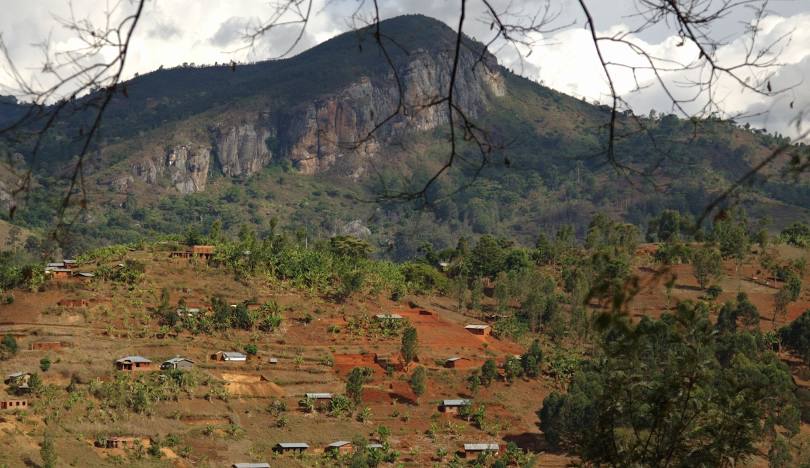
Introduction to Usambara Formation
How was the Usambara formed? This question fascinates geologists, hikers, and nature enthusiasts exploring northeastern Tanzania. The Usambara Mountains are part of the ancient Eastern Arc, one of Africa’s oldest mountain ranges. How was the Usambara formed? The mountains originated through tectonic uplift and faulting over millions of years. How was the Usambara formed? Their formation created steep ridges, deep valleys, and scenic escarpments. How was the Usambara formed? Ancient crystalline rocks, including granites and gneisses, compose the core structure. How was the Usambara formed? Erosion shaped rivers, cliffs, and plateaus seen today. How was the Usambara formed? Understanding formation explains soil fertility and vegetation diversity. How was the Usambara formed? This knowledge enhances appreciation for trekking, biodiversity, and conservation.
Geological Background
How was the Usambara formed? Geologically, the ranges are fault-block mountains created by tectonic movements. Crustal blocks were uplifted, forming high ridges and deep valleys. How was the Usambara formed? The mountain range is composed primarily of ancient crystalline rocks. Weathering and erosion sculpted dramatic cliffs and scenic escarpments. How was the Usambara formed? These geological processes took millions of years to shape the current landscape. How was the Usambara formed? The Eastern Arc Mountains are known for stable, ancient rock formations. How was the Usambara formed? Understanding geology explains the mountains’ biodiversity and fertile soils. How was the Usambara formed? Scientists study the mountains to understand East Africa’s tectonic history. How was the Usambara formed? The geology also attracts trekkers, photographers, and nature enthusiasts. How was the Usambara formed? It is a prime example of Africa’s tectonic diversity.
Tectonic Uplift
How was the Usambara formed? The mountain ranges were created by tectonic uplift along the East African Rift System. Faulting lifted large crustal blocks, creating ridges and escarpments. How was the Usambara formed? Uplift caused significant elevation differences between valleys and peaks. This created microclimates and habitats for diverse flora and fauna. How was the Usambara formed? The eastern slopes are steeper due to stronger faulting activity. How was the Usambara formed? Valleys formed through erosion and tectonic displacement over millions of years. How was the Usambara formed? Tectonic processes explain the mountains’ unique landscapes and biodiversity. How was the Usambara formed? Understanding uplift helps researchers study East African geological evolution. How was the Usambara formed? It provides insight into tectonics, erosion, and ecological development. How was the Usambara formed? Uplifted terrain shapes trekking, water flow, and human settlement.
Fault-Block Mountains
How was the Usambara formed? The mountains are classic fault-block formations caused by fractures in the Earth’s crust. Blocks tilted and moved vertically during tectonic activity. How was the Usambara formed? This faulting produced the steep escarpments and valleys visible today. Fault-block formation explains the differences between East and West Usambara. How was the Usambara formed? East Usambara has higher peaks and sharper ridges, while West Usambara is gentler. Valleys were carved by rivers and streams over millions of years. How was the Usambara formed? Understanding fault-block structure helps hikers navigate trails safely. How was the Usambara formed? Fault-block formation also influenced soil composition and vegetation. How was the Usambara formed? The structure supports endemic species and unique ecosystems. How was the Usambara formed? This makes the mountains a hotspot for conservation and eco-tourism.
Ancient Crystalline Rocks
How was the Usambara formed? The core consists of ancient crystalline rocks such as granite and gneiss. These rocks are more than 500 million years old. How was the Usambara formed? They provide stability and resistance to erosion compared to softer sediments. Their durability shaped the steep cliffs and ridges over time. How was the Usambara formed? Weathering of these rocks created fertile soils supporting diverse plants. How was the Usambara formed? Crystalline rocks also influence water drainage and river formation. How was the Usambara formed? Studying these rocks offers insight into East Africa’s geological past. How was the Usambara formed? They attract geologists, ecologists, and tourists interested in natural history. How was the Usambara formed? Understanding rock type enhances appreciation of the mountains’ ecology and scenery.
Erosion and Weathering
How was the Usambara formed? After tectonic uplift, erosion and weathering shaped the ridges, valleys, and plateaus. Rainfall, wind, and temperature changes gradually sculpted cliffs and escarpments. How was the Usambara formed? Rivers and streams carved deep gorges and scenic waterfalls. Valleys were filled with fertile alluvial soils supporting agriculture. How was the Usambara formed? Soil erosion patterns vary between East and West Usambara. How was the Usambara formed? Erosion contributed to microclimates and ecological diversity. How was the Usambara formed? Trails, terraces, and settlements often follow natural erosion patterns. How was the Usambara formed? Understanding these processes aids in conservation and hiking safety. How was the Usambara formed? Erosion enhances the dramatic beauty and trekking appeal of the mountains.
East and West Usambara Differences
How was the Usambara formed? East and West Usambara differ due to variation in tectonic uplift and erosion. East Usambara is higher, steeper, and wetter than West Usambara. How was the Usambara formed? West Usambara is lower, with gentler slopes suitable for agriculture and settlements. Differences in elevation and rainfall resulted from fault-block movements. How was the Usambara formed? Valleys and ridges in each range were shaped differently by erosion. How was the Usambara formed? Microclimates support distinct vegetation and wildlife in each range. How was the Usambara formed? Trekking experiences vary between East and West Usambara due to terrain. How was the Usambara formed? Understanding formation differences informs travel planning and ecological studies. How was the Usambara formed? Each side offers unique geological, scenic, and cultural experiences.
Non-Volcanic Origin
How was the Usambara formed? Unlike nearby volcanic ranges, Usambara has a non-volcanic origin. Its rocks are crystalline and faulted, not lava-based. How was the Usambara formed? This explains the absence of volcanic soil and cones in the region. The mountains’ landscapes result from uplift, faulting, and erosion. How was the Usambara formed? Non-volcanic origin affects vegetation, soil fertility, and drainage patterns. How was the Usambara formed? Rivers, springs, and waterfalls are fed by rainfall rather than volcanic aquifers. How was the Usambara formed? Non-volcanic mountains offer stable terrain for trekking and settlements. How was the Usambara formed? Geologists compare Usambara with volcanic peaks to study contrasting formation processes. How was the Usambara formed? The non-volcanic origin highlights East Africa’s geological diversity. How was the Usambara formed? It remains a safe and scenic destination for visitors.
Climate and Formation Impact
How was the Usambara formed? Formation influenced the region’s climate, creating rainfall gradients and microclimates. Higher elevations capture more rain, supporting dense forests. How was the Usambara formed? Valleys and ridges create wind patterns affecting humidity and temperature. How was the Usambara formed? East Usambara receives heavier rainfall than West Usambara due to elevation. How was the Usambara formed? Soil formation and vegetation are linked to tectonic uplift and erosion. How was the Usambara formed? These climatic effects influence wildlife distribution and biodiversity. How was the Usambara formed? Trekking and agricultural planning benefit from understanding microclimates. How was the Usambara formed? Formation impacts rivers, streams, and watershed dynamics. How was the Usambara formed? The mountain’s climate is a direct result of geological evolution.
Biodiversity Hotspot
How was the Usambara formed? Its ancient, fault-block origin created diverse habitats for endemic species. Montane forests host unique plants, birds, and insects. How was the Usambara formed? Elevation gradients shaped ecological niches across ridges and valleys. How was the Usambara formed? Soil, water, and microclimates evolved due to mountain formation. How was the Usambara formed? Conservation efforts protect these rare species and ecosystems. How was the Usambara formed? The fault-block terrain supports both wildlife and human settlements. How was the Usambara formed? Researchers study formation to understand biodiversity patterns. How was the Usambara formed? Understanding geological history informs conservation strategies. How was the Usambara formed? It remains one of Tanzania’s most ecologically valuable mountain ranges.
Human Settlement and Agriculture
How was the Usambara formed? Fault-block mountains influenced village placement and terraced agriculture. Valleys provide fertile land for crops and settlements. How was the Usambara formed? Slopes were adapted for terracing due to steep terrain. How was the Usambara formed? Water availability depends on elevation and stream flow. How was the Usambara formed? Agricultural practices evolved alongside mountain formation and soil fertility. How was the Usambara formed? Villages are strategically placed to maximize sunlight, water, and accessibility. How was the Usambara formed? Formation patterns influenced road construction and trade routes. How was the Usambara formed? Understanding geology aids sustainable land use and community planning. How was the Usambara formed? Human adaptation is closely tied to tectonic and erosion processes.
Trekking and Tourism
How was the Usambara formed? Its fault-block ridges, valleys, and escarpments create excellent trekking opportunities. Trails follow natural topography shaped by uplift and erosion. How was the Usambara formed? East Usambara provides challenging hikes with scenic vistas. West Usambara offers accessible trails for casual walkers. How was the Usambara formed? Geological features create waterfalls, streams, and viewpoints for tourists. How was the Usambara formed? Trekking combines adventure, nature observation, and photography. How was the Usambara formed? Understanding formation helps hikers navigate terrain safely. How was the Usambara formed? Guided tours educate visitors about geological history. How was the Usambara formed? It enhances appreciation of the mountains’ natural beauty and biodiversity.
Hydrology and Rivers
How was the Usambara formed? Tectonic uplift and faulting influenced river courses and watershed formation. Streams originate from high ridges and flow into valleys. How was the Usambara formed? Rivers carved gorges and valleys over millions of years. How was the Usambara formed? Water availability supports forests, wildlife, and agriculture. How was the Usambara formed? Springs and waterfalls result from tectonic and erosion processes. How was the Usambara formed? Understanding formation aids in water management and conservation. How was the Usambara formed? River paths often dictate trail locations and settlement patterns. How was the Usambara formed? Hydrology is closely linked to geological evolution. How was the Usambara formed? Water features add scenic beauty and ecological value to the mountains.
Scientific Research
How was the Usambara formed? Scientists study the mountains to understand tectonic history, erosion, and biodiversity. Fault-block structures provide insight into East Africa’s geological evolution. How was the Usambara formed? Researchers examine ancient rocks, soils, and ecosystems. How was the Usambara formed? Geological studies inform conservation, ecotourism, and climate adaptation strategies. How was the Usambara formed? Faulting and uplift explain biodiversity hotspots and microclimates. How was the Usambara formed? Field research enhances understanding of ancient mountain formation processes. How was the Usambara formed? Geology, ecology, and human adaptation are interconnected. How was the Usambara formed? The mountains serve as an open laboratory for science and exploration. How was the Usambara formed? Research highlights the importance of protecting these ancient ranges.
Understanding Formation
How was the Usambara formed? The Usambara Mountains are ancient, fault-block ranges shaped by tectonic uplift, erosion, and weathering. Crystalline rocks and faulting created ridges, valleys, and escarpments. How was the Usambara formed? Microclimates, soil fertility, and rivers evolved alongside geological processes. How was the Usambara formed? East and West Usambara differ due to uplift intensity and erosion. How was the Usambara formed? Non-volcanic origin distinguishes it from nearby volcanic peaks. How was the Usambara formed? Biodiversity, human settlement, and agriculture are tied to formation. How was the Usambara formed? Trekking, research, and tourism highlight its geological and ecological value. How was the Usambara formed? Understanding formation enhances conservation, exploration, and appreciation. How was the Usambara formed? The Usambara Mountains remain a unique and remarkable destination in Tanzania.