Is the Rongai Route Better Than the Lemosho Route?
When planning a Kilimanjaro climb, one of the most important decisions you’ll make is choosing the route. Among the top choices are the Rongai and Lemosho routes—each offering unique experiences, advantages, and considerations. Whether the Rongai Route is better than the Lemosho Route really depends on your priorities: do you want solitude, scenic beauty, ease of climbing, or the best chance of reaching the summit? Let’s break it down to help you decide.
The Rongai Route
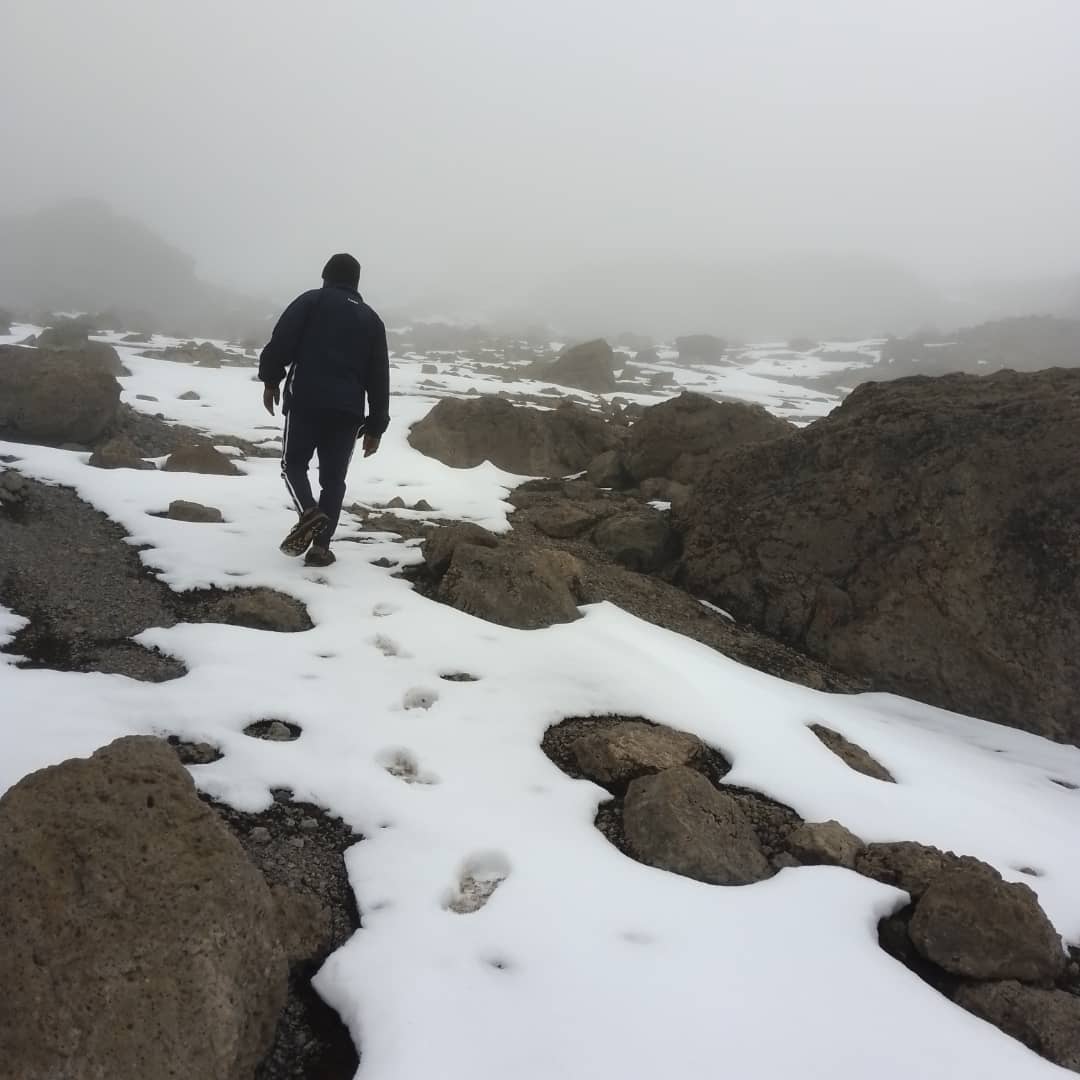
The Rongai Route is the only trail that approaches Mount Kilimanjaro from the northern side, close to the border with Kenya. This route is known for being quiet, less crowded, and drier than the southern approaches, making it a good choice during the rainy seasons. The trail starts in a remote area and winds through beautiful alpine forests and wilderness, offering chances to spot wildlife like colobus monkeys and antelope. It has a gentle gradient, making the walking easier and less physically demanding, especially in the early stages. Rongai is ideal for trekkers who prefer peaceful routes and want a steady, manageable climb. However, it is not as scenic as the Lemosho Route and offers fewer opportunities for proper altitude acclimatization if done in six days, though the seven-day version is much better in that regard.
The Lemosho Route
On the other hand, the Lemosho Route is widely considered one of the most beautiful and well-balanced routes up Kilimanjaro. It starts on the western side of the mountain, crossing the lush rainforest, the wide-open Shira Plateau, dramatic ridges, and iconic features like the Barranco Wall. It merges with the Machame Route after a few days, which means you’ll see more people during the second half of the climb. But the diversity of landscapes, combined with more days on the mountain, allows for better acclimatization and higher summit success rates. Most trekkers complete Lemosho in 7 or 8 days, giving their bodies ample time to adapt to the altitude and reducing the risk of altitude sickness.