
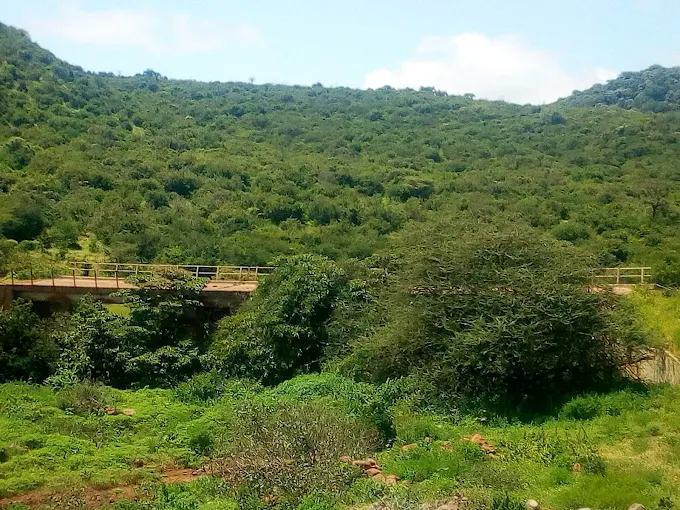
Marsabit National Park in northern Kenya features volcanic landscapes, crater lakes, forests, and savannahs. Visitors can enjoy safaris, hiking, birdwatching, forest and lava exploration, photography, camping, and eco-tourism, experiencing diverse wildlife and scenic northern Kenya landscapes.
Marsabit National Park, located in northern Kenya, is known for its volcanic landscapes and diverse wildlife. The park features forests, lava flows, crater lakes, and open savannahs ideal for safari adventures. Visitors to Marsabit National Park can enjoy wildlife viewing, birdwatching, hiking, and eco-tourism experiences. The park is home to elephants, giraffes, buffalo, lions, leopards, and various antelope species. Marsabit National Park hosts over 350 bird species, including eagles, hornbills, and turacos. Tourists can explore crater lakes, forested hills, and volcanic formations for photography and nature exploration. The park’s unique landscapes provide tranquil and immersive wildlife experiences for visitors. Marsabit National Park offers eco-tourism opportunities for families, researchers, and adventure travelers. Visitors leave with lasting memories of Kenya’s northern biodiversity and geological wonders.
Marsabit National Park is accessible by road from Nairobi, Isiolo, and Moyale with 4x4 vehicles recommended. Most travelers prefer guided tours or private vehicles for convenience and safety. Public transport is limited; hiring a tour operator ensures smooth travel and park access. Scenic routes provide views of northern Kenya’s volcanic hills, savannahs, and rural landscapes. Guides provide information on park entry points, wildlife hotspots, and crater lakes. Tour operators often include park fees, accommodations, and guided activities in packages. Marsabit National Park has main entry points near the town of Marsabit and other southern gates. GPS, maps, and local guides ensure safe navigation inside the park. Reaching Marsabit National Park is part of the adventure and enriches the overall experience.
The dry season from December to March and June to October is ideal for visiting Marsabit National Park. During dry months, wildlife is easier to spot in open savannahs and around crater lakes. Trails and park roads are safer and more accessible in dry conditions. The wet season brings lush vegetation, flowing streams, and vibrant bird activity. Heavy rains can make some areas muddy and difficult for safari drives or hikes. Early mornings and late afternoons provide optimal conditions for wildlife observation. Seasonal planning ensures visitors maximize experiences at Marsabit National Park. Each season offers unique opportunities to explore wildlife, forests, and crater lakes. Tourists can plan activities based on weather, wildlife patterns, and personal preference.
Marsabit National Park features dense forests, volcanic hills, and open savannahs. Wildlife includes elephants, giraffes, buffalo, lions, leopards, hyenas, and antelopes. Bird species are abundant, including eagles, hornbills, turacos, and endemic species. Reptiles, amphibians, and small mammals thrive in forests, lava flows, and lakeshores. Visitors can explore crater lakes, forested trails, and open plains teeming with biodiversity. Marsabit National Park provides excellent opportunities for wildlife observation and photography. Guides help identify species and explain ecological importance for conservation efforts. The park’s biodiversity supports research, eco-tourism, and environmental education initiatives. Exploring Marsabit National Park offers immersive encounters with wildlife and nature.
Wildlife safaris are a top tourist activity to do in Marsabit National Park. Visitors can see elephants, giraffes, buffalo, lions, leopards, and various antelope species. Early morning and late afternoon safaris provide the best wildlife viewing opportunities. Guides explain animal behavior, ecology, and conservation practices to visitors. Safari vehicles allow safe access to remote and scenic areas within the park. Tourists enjoy photography, observation, and breathtaking landscapes during safaris. Marsabit National Park offers peaceful and less crowded safari experiences. Safaris support eco-tourism and wildlife conservation initiatives in the park. Experiencing wildlife in its natural habitat is unforgettable for visitors.
Birdwatching is one of the most popular tourist activities in Marsabit National Park. Visitors can spot over 350 bird species, including eagles, hornbills, and turacos. Guides provide tips for identifying birds and locating optimal viewing locations. Early mornings are ideal for observing birds in feeding, nesting, or perched areas. Photography captures rare and colorful bird species in their natural habitats. Binoculars and field guides enhance the birdwatching experience in the park. Respecting nesting and feeding sites ensures minimal disturbance to wildlife. Marsabit National Park is recognized for its rich avian diversity and ecosystems. Birdwatching complements safaris, hiking, and crater lake exploration for visitors.
Marsabit National Park features several crater lakes surrounded by lush vegetation. Visitors can explore Lake Paradise, Lake Little Paradise, and other volcanic lakes. Guides provide information on lake ecology, aquatic species, and geological history. Photography captures reflections, birdlife, and unique volcanic landscapes. Boating may be available in some lakes for safe observation of hippos and waterbirds. Lake exploration provides serene and educational experiences for tourists. Early morning visits enhance opportunities for wildlife sightings and photography. Crater lakes complement safaris, hiking, and birdwatching experiences in the park. Visitors gain insights into Marsabit National Park’s geology and ecosystems.
Hiking is a popular tourist activity to do in Marsabit National Park. Trails range from forest walks to moderate hikes on volcanic hills and lava flows. Visitors can explore viewpoints overlooking crater lakes, forests, and savannah plains. Guides provide information about plants, wildlife tracks, and ecological features. Hiking tours allow tourists to experience Marsabit National Park’s scenic landscapes. Photography opportunities abound along trails, hills, and lakeshores. Safety instructions and trail maps ensure a secure and enjoyable hiking experience. Tourists can choose guided or self-guided hikes based on experience levels. Hiking enhances the immersive experience of exploring Marsabit National Park.
Photography is a major tourist activity in Marsabit National Park. Visitors capture elephants, giraffes, lions, crater lakes, and scenic landscapes. Early mornings and late afternoons provide optimal lighting for photos. Guides help locate subjects while ensuring safety and minimal disturbance. Photography enhances appreciation for biodiversity and natural beauty. Visitors can document rare species and volcanic formations in the park. Binoculars and zoom lenses improve chances of capturing elusive wildlife. Marsabit National Park offers endless opportunities for nature photography. Photography tours create lasting memories of park exploration and adventure.
Camping is a memorable tourist activity in Marsabit National Park. Visitors can stay in designated campsites or nearby eco-lodges. Camping allows early morning wildlife observation and immersive nature experiences. Facilities provide comfort while maintaining eco-friendly and sustainable standards. Rangers provide guidance and safety measures for overnight stays. Tourists enjoy stargazing and listening to wildlife sounds at night. Reservations are recommended during peak tourist seasons. Camping enhances hiking, birdwatching, and photography experiences. Marsabit National Park camping combines adventure with eco-tourism.
Community visits are engaging tourist activities in Marsabit National Park. Visitors interact with local communities to learn about traditions and livelihoods. Participation supports sustainable development and conservation initiatives. Guides explain the relationship between communities and park ecosystems. Tourists may participate in cultural workshops or eco-tourism programs. Photography and journaling enhance memories of local interactions. Community visits complement wildlife-focused and hiking activities in the park. Visitors gain appreciation for human-environment interactions and conservation. These experiences enrich tourism in Marsabit National Park.
Educational programs are key tourist activities in Marsabit National Park. Visitors learn about wildlife conservation, forest ecosystems, and volcanic geology. Ranger-led tours explain anti-poaching and habitat protection initiatives. Workshops include tree planting, wildlife monitoring, and eco-education. Tourist activities contribute to environmental awareness and sustainable practices. Programs engage students, researchers, and families in hands-on learning. Marsabit National Park promotes responsible tourism through education. Participants gain knowledge about elephants, endemic birds, and crater lakes. Education programs enhance the overall experience of visiting the park.
Exploring forests and lava flows is a top tourist activity in Marsabit National Park. Visitors can hike forested trails and observe wildlife and bird species. Guides provide information on forest ecology, volcanic geology, and plant diversity. Photography captures dramatic landscapes, wildlife, and unique volcanic features. Trails and lookout points provide scenic views of crater lakes and savannahs. Forest and lava exploration complements safaris, birdwatching, and crater visits. Visitors gain insights into Marsabit National Park’s geological and ecological diversity. Walking tours ensure safe and educational exploration of park habitats. These activities enhance adventure, photography, and eco-tourism experiences.
Nighttime observation reveals nocturnal species like hyenas, civets, owls, and small mammals. Guides provide safe access and use torches to spot nocturnal wildlife. Visitors learn about night-time ecology and animal behavior in the park. Night tours are unique tourist activities to do in Marsabit National Park. Photography captures rare nocturnal species and intriguing behaviors. Tourists gain insights into adaptations of animals active at night. Safety rules ensure enjoyable and secure night walks or drives. Night tours complement daytime hiking, safaris, and birdwatching. Marsabit National Park offers memorable nocturnal wildlife experiences.
Adventure tourism in Marsabit National Park combines exploration and nature discovery. Visitors can enjoy safaris, crater exploration, hiking, and birdwatching. Photography, camping, and community visits add excitement and learning opportunities. Guided tours ensure safety while exploring remote and scenic areas. Visitors engage in eco-tourism programs that support conservation initiatives. Marsabit National Park offers experiences suitable for families and researchers. Tourists leave with memorable encounters and a deeper appreciation for nature. Adventure activities complement educational programs and wildlife safaris. Exploring Marsabit National Park guarantees an unforgettable eco-tourism experience.
Marsabit National Park offers diverse wildlife, volcanic landscapes, and unique activities. Visitors encounter elephants, giraffes, lions, antelopes, and over 350 bird species. Guided safaris, crater exploration, hiking, and lakeshore observation enrich experiences. Photography, camping, forest walks, and community visits enhance engagement. The park supports conservation, eco-tourism, and sustainable community initiatives. Marsabit National Park provides a tranquil and immersive natural environment. Visitors leave with lasting memories and a deep appreciation for northern Kenya. It is ideal for families, researchers, and adventure-seeking tourists alike. Choosing Marsabit National Park guarantees an unforgettable eco-tourism experience.