Packing List for Gorilla Trekking in Rwanda
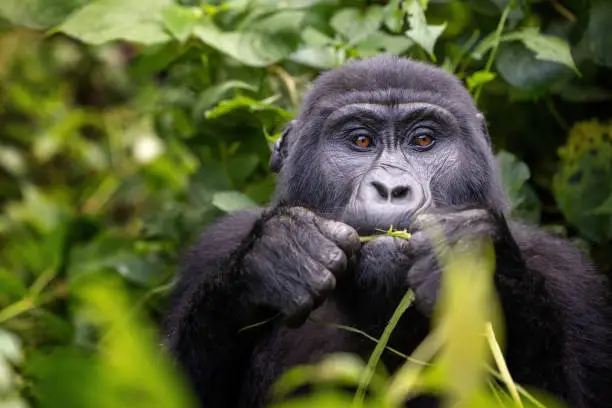
Gorilla trekking in Rwanda is one of the most awe-inspiring wildlife experiences on the planet. Deep in the heart of Volcanoes National Park, visitors have the rare opportunity to hike through thick rainforest and come face-to-face with endangered mountain gorillas in their natural habitat. But the trek is not your average hike—it involves rugged terrain, unpredictable weather, and hours of walking. Proper preparation is key, and what you pack can make or break your adventure. Here’s a complete packing guide to ensure you’re comfortable, safe, and ready for your once-in-a-lifetime gorilla encounter.
Clothing Essentials
Start with long-sleeved shirts and long pants—not just for warmth but to protect against stinging nettles, insect bites, and rough branches. Choose quick-drying, moisture-wicking fabrics that breathe well. Neutral colors like green, brown, or khaki are best for blending into the environment and not disturbing the wildlife. Add a lightweight, waterproof rain jacket or poncho, as rainfall is common in the rainforest, even during dry seasons.
Sturdy waterproof hiking boots are essential. Trails can be muddy, steep, and slippery, especially after rainfall. Make sure your boots are broken in to avoid blisters. Bring thick wool socks and consider packing extra pairs in your daypack. Gaiters are also highly recommended to protect your lower legs from mud and insects. Gardening gloves are often overlooked but very useful for grabbing onto vegetation and vines without hurting your hands.
Daypack & Gear
A small daypack with a rain cover is necessary to carry your essentials during the trek. Inside, pack at least 2 liters of water, energy snacks like granola bars or dried fruit, and personal medications. Insect repellent with DEET is a must to guard against mosquito bites, and sunscreen is useful even in cloudy weather. A wide-brimmed hat or cap, sunglasses, and a buff or scarf can offer added protection from sun, wind, or dust.
Trekking poles or walking sticks (often provided at the park gate or by guides) are extremely helpful on uneven terrain. You may also want to bring a plastic bag or dry bag for wet or muddy clothes or shoes after the hike.
Photography Gear
If you're planning to take photos—which most trekkers do—bring a DSLR or mirrorless camera with a telephoto zoom lens (70–200mm is ideal). The gorillas are often close but never too near, so a zoom is perfect for facial shots without needing to get closer than allowed. Don’t forget extra batteries, memory cards, and a waterproof bag or camera rain cover. Flash photography is not allowed, so ensure your camera works well in low-light conditions.
For those who prefer to travel light, modern smartphones with high-quality cameras also do a fantastic job—just ensure you have protective casing and maybe a small lens cloth for cleaning.
Important Documents & Extras
Bring a copy of your passport, your gorilla trekking permit, and your travel insurance documents. Keep these safe in a waterproof document holder or folder. You may also want to carry cash in small denominations for tipping guides or porters.
Optional but helpful extras include a small first aid kit, wet wipes, hand sanitizer, a travel journal, and a pair of binoculars to enjoy Rwanda’s stunning birdlife along the trail.
Tips Before You Go
Porters are available for hire at the park entrance and are highly recommended, even for fit travelers. They not only carry your bag but also assist you during difficult sections of the trail. Hiring a porter also supports the local community.
The weather can change quickly in the rainforest, so dress in layers and always be prepared for both sun and rain. Remember that the trek can take anywhere from 1 to 6 hours depending on the gorillas' location, so physical preparation and packing smart make a real difference.
Final Thoughts
Gorilla trekking in Rwanda is a bucket-list experience—raw, emotional, and unlike anything else on earth. But success begins with smart preparation. By packing thoughtfully, wearing the right gear, and staying flexible with conditions on the trail, you’ll enjoy the trek and focus on what matters most: witnessing the breathtaking beauty of mountain gorillas in their natural forest home.