Tanzania’s Cultural Diversity
Tanzania is one of Africa’s most culturally diverse countries, home to more than 120 ethnic groups, each with its own language, customs, music, and way of life. From the cattle-herding Maasai to the hunter-gatherer Hadzabe and the farming Chaga, each tribe offers a unique glimpse into human adaptability and history. These communities have lived in harmony with nature for centuries, preserving traditions passed down from generation to generation. For travelers seeking a deeper understanding of Tanzania beyond the safari parks and mountain peaks, exploring its cultural landscape through immersive village visits reveals the heart and identity of the nation.
What Is the Tanzania Culture Village Experience?
The Tanzania Culture Village Experience is an immersive cultural journey that brings visitors face-to-face with the everyday lives of local people. Unlike traditional tourism, which often focuses on sightseeing, this experience offers meaningful interaction—allowing guests to live, learn, and share moments with villagers in their own environment. These visits go beyond observation; travelers participate in real activities, from farming and cooking to storytelling and dance. It’s a chance to understand not only what Tanzanians do, but why they do it offering insight into values, beliefs, and connections to land, family, and heritage.
Top Villages and Tribes to Visit
Several cultural villages across Tanzania open their doors to visitors eager to learn. The Maasai villages near Arusha and Ngorongoro welcome guests with energetic dances and lessons in pastoral life. At Lake Eyasi, the Hadzabe offer a rare chance to explore ancient hunter-gatherer traditions. On the slopes of Mount Kilimanjaro, the Chaga people demonstrate banana and coffee farming techniques, while Makonde communities in the southeast share their world-famous woodcarving skills. Cultural hubs like Mto wa Mbu, Olpopongi Maasai Village, and Machame Village provide well-organized, safe, and authentic experiences that combine hospitality, learning, and cultural depth.
Daily Life and Local Activities
What sets this experience apart is the opportunity to step into the rhythm of village life. Visitors are not treated as tourists but as guests and helpers. You might rise early to help collect firewood, fetch water, or milk cows alongside local families. Learn how to prepare farmland using traditional hoes, or grind maize using stones. Cook meals over firewood stoves, assist in building huts, or herd goats through open grasslands. These small but powerful moments allow you to connect with people not through language, but through shared effort, gestures, and smiles building bonds that last longer than any souvenir.
Traditional Foods and Local Cuisine
Tanzanian cuisine is simple, hearty, and rich in flavor. During a village stay, you’ll get to taste and help prepare local dishes made from freshly harvested ingredients. Staple meals include ugali (a stiff maize porridge), nyama choma (grilled goat or beef), ndizi nyama (banana stew with meat), and makande (a mix of maize and beans). In Chaga villages, banana beer is often served in traditional gourds, while coffee ceremonies involve roasting, grinding, and brewing beans the traditional way. Meals are eaten communally, often from a shared plate, reinforcing the strong sense of family and togetherness that defines Tanzanian culture.
Cultural Performances: Music, Dance, and Storytelling
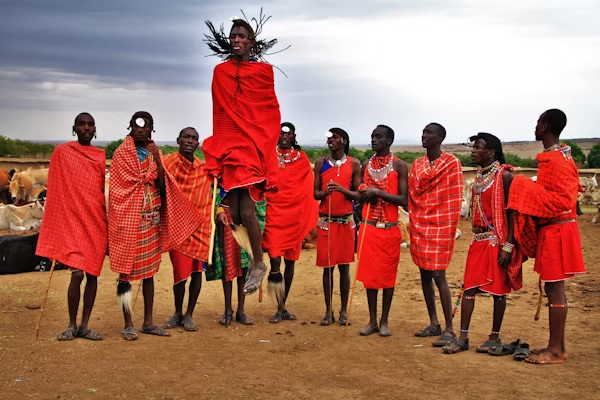
No Tanzanian cultural experience is complete without music and dance. Each tribe has its own rhythms, instruments, and movement styles. The Maasai perform the famous adumu, a warrior jumping dance full of energy and pride. The Sukuma use drums and spears in ceremonial dances that tell stories of bravery. Evenings are often filled with music, laughter, and traditional stories passed down by elders. These oral traditions teach lessons, celebrate ancestors, and keep history alive. Tourists are encouraged to join the dances, clap to the beats, and enjoy the joy that Tanzanians naturally share through performance.
Crafts, Art, and Souvenir Making
Handmade crafts are a vibrant expression of Tanzanian identity. In every village, you’ll find artisans weaving, carving, and creating pieces full of meaning. The Makonde tribe is globally recognized for its intricate wooden masks and sculptures, often depicting ancestral spirits or scenes from daily life. In Maasai communities, women craft colorful beadwork used in jewelry and ceremonial wear. You can also see the creation of woven baskets, pottery, and fabrics like khanga and kitenge, often printed with Swahili proverbs. Many experiences include workshops where you can try your hand at these crafts and purchase directly from the artists, supporting their livelihoods.
Tribal Beliefs, Rituals, and Ancestral Traditions
Each tribe carries a rich spiritual life tied to nature, ancestors, and community. The Maasai, for example, believe in Enkai (a god who controls rainfall and blessings) and follow age-set rituals for warriors and elders. The Hadzabe, living in tune with the wild, hold ceremonies to honor successful hunts and the spirits of the forest. Rites of passage—such as initiation, marriage, and funerals—are deeply symbolic and differ from tribe to tribe. Through respectful dialogue, visitors can learn about these practices, understanding how belief systems shape behavior, relationships, and even village structures.
Impact of Responsible Cultural Tourism
Participating in the Tanzania Culture Village Experience supports more than personal growth it uplifts communities. Many villages use tourism income to improve access to education, health services, clean water, and income-generating projects. Responsible tour operators ensure fair payments, limit cultural exploitation, and train locals in hospitality and sustainability. By engaging respectfully, tourists also help preserve traditional languages, arts, and customs that are at risk of disappearing. Cultural tourism done right promotes dignity, pride, and shared growth creating a two-way exchange that benefits both guests and hosts.
How to Combine Cultural Experiences with Safari or Climbing Adventures
Tanzania is the perfect destination to blend cultural discovery with nature and adventure. Many visitors begin their trip with a safari in Serengeti, Tarangire, or Ngorongoro, and add a cultural day trip to a nearby Maasai or Mto wa Mbu village. For those climbing Mount Kilimanjaro, spending time with the Chaga people before or after the hike offers deeper insight into the mountain’s role in local mythology and agriculture. Cultural visits also pair well with Zanzibar beach holidays, where you can explore Swahili-Arab culture in Stone Town or visit fishing communities. Operators like Kizza Adventures offer custom packages that combine wildlife, culture, and relaxation into one unforgettable journey.
Best Time to Visit Cultural Villages in Tanzania
Choosing the best time to visit Tanzania’s cultural villages significantly enhances the overall experience. Tanzania experiences two main seasons: the dry season, lasting from late June to October, and the wet season, which is divided into short rains from November to December and long rains from March to May. The dry season is widely regarded as the ideal time for cultural visits because the weather is cooler, less humid, and more predictable, making travel easier, especially to remote rural villages where roads may be challenging during rains. During this period, village life tends to be vibrant and active, with many outdoor ceremonies, festivals, and community gatherings taking place. Travelers visiting during these months have the unique opportunity to witness traditional dances, rites of passage, and celebrations in their full cultural context. Additionally, this dry season overlaps with peak safari times, so visitors often combine cultural village tours with wildlife safaris, creating a rich and diverse Tanzanian experience.
Packing Tips and What to Expect on a Culture Tour
Preparing thoughtfully for a cultural village tour in Tanzania will ensure your experience is both comfortable and respectful. Modest, lightweight clothing suited for warm days and cooler evenings is recommended, particularly in highland areas such as around Mount Kilimanjaro. Long sleeves and pants help protect against insects and sun exposure. Wearing neutral or earth tones rather than bright colors is respectful and helps you blend naturally into the environment. Comfortable walking shoes or sturdy sandals are essential since many villages have dirt paths and uneven terrain. Don’t forget to pack sun protection like hats, sunglasses, and sunscreen, plus a light rain jacket or poncho for unpredictable showers during rainy seasons.
Why the Tanzania Culture Village Experience Is Unforgettable
The Tanzania Culture Village Experience is unforgettable because it opens a genuine window into the living traditions of one of Africa’s richest cultural mosaics. Beyond Tanzania’s breathtaking landscapes and renowned wildlife, the true spirit of the nation resides in its people, their stories, and the rhythms of everyday life that have endured for centuries. This experience removes the barrier of typical tourism, replacing it with meaningful human connection. Whether helping milk a cow, grinding maize, or joining in an evening dance, visitors share moments of empathy and understanding that resonate long after the trip ends. Many travelers highlight the warmth and openness of Tanzanian villagers as one of the most memorable aspects. Despite differences in language or modern conveniences, acts of hospitality, shared meals, and storytelling create authentic friendships that deepen cultural appreciation. Witnessing the Maasai’s dynamic jumping dance or listening to elders recount folklore beneath the stars brings history vividly to life, offering travelers not just a glimpse but an immersion into Tanzania’s vibrant cultural heart.