The 8 Rwanda Genocide Memorial Site Location and Fees
The 8 Rwanda genocide memorial site location and fees guide helps travelers understand where each important genocide memorial is located and what to expect when visiting. These memorials serve as powerful places of remembrance and education for the 1994 genocide against the Tutsi. Visitors from around the world come to reflect and learn about the tragic history of Rwanda. Each memorial site is found in a unique region, from urban Kigali to remote hillsides. Knowing the 8 Rwanda genocide memorial site location and fees is essential for proper trip planning. Most sites are free or have modest entrance fees, while guided tours may incur extra charges. This information is useful for tourists, students, historians, and groups seeking to honor victims. Understanding the cost and site placement helps build a respectful and meaningful travel itinerary in Rwanda.
Kigali Genocide Memorial – Location and Entry Fees
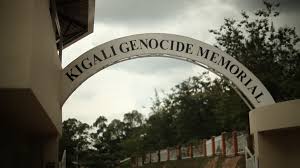
The Kigali Genocide Memorial is the most prominent among the 8 Rwanda genocide memorial site location and fees listings. Located in Gisozi, Kigali, it is only a 10-minute drive from the city center and accessible by taxi or motorbike. This site is the final resting place for over 250,000 victims. Entrance is free for Rwandans and foreign visitors, though a donation of $10–$25 USD is encouraged for international guests. Guided audio tours and multilingual guides are available for an additional fee. The Kigali Genocide Memorial includes exhibitions, mass graves, and memorial gardens. Its central location makes it ideal for anyone starting their memorial site visits. The fees contribute to maintenance and educational programs, making every visit part of a broader healing mission. Visitors are advised to book ahead, especially during genocide commemoration months.
Murambi Genocide Memorial – Location and Entry Fees
Murambi is located in Nyamagabe District, Southern Rwanda, about 3 hours from Kigali. It is one of the most emotional stops listed in the 8 Rwanda genocide memorial site location and fees guide. The site was a technical school where more than 50,000 people were killed. Entry is free for all visitors, but guided tours are available with a suggested donation of $5–$10 USD. It is best to arrange transportation through a local tour operator as public transport can be limited. The site displays preserved remains of victims and artifacts related to the massacre. Murambi is ideal for those seeking a raw and historical perspective of the genocide. Visitors are encouraged to allocate 1–2 hours for their tour. The quiet countryside setting adds to the emotional weight of the experience. Donations go toward preservation and local community education efforts.
Nyamata Genocide Memorial – Location and Entry Fees
Nyamata Genocide Memorial is located in Bugesera District, approximately 35 km south of Kigali. This site is housed in a former church where more than 10,000 victims were massacred in a single day. As part of the 8 Rwanda genocide memorial site location and fees listing, Nyamata is known for its accessibility and powerful displays. Entrance is free for all, with a recommended donation of $5–$10 USD. Guided tours are conducted by local experts and survivors who offer first-hand insights. The memorial maintains its original structure, including victims’ clothing, bullet holes, and crypts below the altar. Visitors can reach the site by private vehicle, public bus, or motorcycle taxi. The tour usually lasts 45 minutes to an hour. The experience is deeply emotional and educational, helping visitors connect with the real human impact of the genocide.
Ntarama Genocide Memorial – Location and Entry Fees
Located about 30 km from Kigali, Ntarama Genocide Memorial is another key destination among the 8 Rwanda genocide memorial site location and fees. It takes roughly one hour by road to reach the site, located in Bugesera District. Like Nyamata, Ntarama was once a church where more than 5,000 people lost their lives. Entrance is free, though a donation of $5–$10 USD is appreciated, especially if using a local guide. The site includes preserved bones, personal belongings, and nearby buildings where killings occurred. It is best visited during daylight hours to fully appreciate its detail and setting. Visitors often combine Ntarama with Nyamata in a half-day tour. Guides are on-site to explain the tragic history and answer questions. The journey is somber but educational, contributing to national remembrance. The fees help support site maintenance and survivor outreach programs.
Bisesero Genocide Memorial – Location and Entry Fees
Bisesero is located in Western Rwanda, near Kibuye in Karongi District. It is one of the most remote in the 8 Rwanda genocide memorial site location and fees list. The site is known for its history of resistance, where Tutsi tried to defend themselves before being overrun. Entrance to the Bisesero memorial is free, but donations of $5–$10 USD are welcomed to help with upkeep. The area is mountainous, so travel requires planning—most visitors arrive via 4x4 vehicles or guided tours. Exhibits include grave sites, photos, and information boards highlighting the courage of those who fought back. The drive to Bisesero offers beautiful views, but the experience is deeply moving. Because of its location, it’s recommended to pair this visit with nearby Lake Kivu attractions. Understanding the location and fees helps visitors properly prepare for the journey.
Nyanza Genocide Memorial – Location and Entry Fees
Nyanza Genocide Memorial is situated in Kicukiro District within Kigali. It is easily reachable via local transport and is part of the 8 Rwanda genocide memorial site location and fees network. This site commemorates more than 4,000 people killed after being abandoned by UN forces during the genocide. Entry is free, with a suggested donation of $5 USD for guided storytelling and explanations. The site includes burial grounds and exhibits that explore the international community’s failure to act. The memorial is often less crowded, offering a more intimate and reflective experience. Many school groups and researchers visit to learn about the geopolitics of genocide. Tours are led by local experts and educators. Visitors should allow at least 45 minutes to explore the area fully. Funds raised through donations support education and youth engagement programs across Rwanda.
Nyarubuye Genocide Memorial – Location and Entry Fees
Nyarubuye is located in the Eastern Province near Kibungo town, roughly a 2.5-hour drive from Kigali. It is one of the rural sites included in the 8 Rwanda genocide memorial site location and fees list. The site was a convent and school where thousands were killed during the genocide. Entrance is free, but a donation of $5–$10 USD is suggested for guided tours. The site includes mass graves, preserved bones, and survivor testimonies shared on-site. Nyarubuye is less visited, making it a quiet but intense place for personal reflection. Transport options are limited, so private cars or tour packages are advised. The surrounding area provides a peaceful yet somber backdrop. Guided visits offer deep historical context and emotional insight. The site continues to promote healing through education and remembrance. Donations support ongoing community programs and maintenance efforts.
Rebero Genocide Memorial – Location and Entry Fees
Rebero Genocide Memorial is located on Rebero Hill in Kigali and completes the 8 Rwanda genocide memorial site location and fees article. It honors politicians and leaders who were killed for opposing the genocide. The site is easily accessible from Kigali city center and provides panoramic views of the city. Entrance is free, and donations are optional, usually around $5 USD. The memorial includes a peaceful garden, plaques with names of the deceased, and a detailed timeline of events. Visitors come here to learn about resistance and moral courage during the genocide. The site is often included in full-day city tours due to its historical and symbolic significance. Guided visits are available upon request. Rebero is a place for both remembrance and reflection, concluding the tour of Rwanda’s genocide memorial sites. It is ideal for travelers who want to end their visit with a message of hope and unity.
Best Time to Visit the 8 Rwanda Genocide Memorial Site Location and Fees
When planning to explore the 8 Rwanda genocide memorial site location and fees, it’s helpful to know the best times to visit. Rwanda has a mild climate year-round, but dry seasons—June to September and December to February—are ideal for travel. These months offer better road conditions and easier access to remote sites like Bisesero and Nyarubuye. Avoiding rainy seasons ensures your journey is safe and comfortable. Visiting in April, during the official genocide commemoration period, is deeply emotional but very impactful. Some sites may be crowded, but special events and survivor testimonies make it a powerful time. Guides are usually available throughout the year, but booking in advance is recommended during peak months. Always check opening hours, as some memorials may close for maintenance or events. Planning your visit around the seasons adds comfort and context to the memorial experience.
How to Travel Between the 8 Rwanda Genocide Memorial Site Location and Fees
Traveling between the 8 Rwanda genocide memorial site location and fees requires good planning. Kigali serves as the best starting point since four major sites—Kigali, Nyanza, Nyamata, and Ntarama—are within short distance. Car rentals and private guided tours are the most reliable travel options. Public buses are available but may not go directly to some rural sites like Murambi and Bisesero. Using a registered tour operator ensures safe and efficient transfers between memorials. Group tours may also reduce transport costs while offering shared learning experiences. Distances between sites vary, from 30 minutes to 5 hours depending on location. It's advisable to plan visits regionally, such as doing Nyamata and Ntarama on the same day. Knowing how to travel between the 8 Rwanda genocide memorial site location and fees ensures a smooth, respectful, and well-paced experience.
Photography Rules at the 8 Rwanda Genocide Memorial Site Location and Fees
Understanding photography rules at the 8 Rwanda genocide memorial site location and fees is crucial for respecting victims and survivors. While some sites allow photography outdoors, many restrict or prohibit it inside museums or near mass graves. Always ask for permission before taking photos, especially at sensitive spots. Guided tours will inform you where photography is acceptable. Using phones or cameras discreetly is essential to maintain a respectful atmosphere. Flash photography is generally discouraged to preserve exhibits and materials. Some memorials may permit limited photography with a guide’s supervision. If allowed, capturing the gardens or symbolic sculptures can be powerful without being intrusive. These rules are in place to preserve dignity and encourage visitors to engage thoughtfully. Following photo guidelines enhances the respectful nature of your visit across the 8 Rwanda genocide memorial site location and fees.
Local Guides at the 8 Rwanda Genocide Memorial Site Location and Fees
Hiring local guides at the 8 Rwanda genocide memorial site location and fees greatly enriches your experience. Most guides are well-trained and some are genocide survivors or descendants with firsthand knowledge. Their insights provide emotional depth, cultural context, and detailed storytelling that enhances your understanding. Guides are available at major memorials like Kigali, Nyamata, and Murambi, and often speak multiple languages including English, French, and Kinyarwanda. Tour operators typically include guide fees in their packages, while some sites suggest donations between $5–$10. Having a guide also helps navigate museum displays, timelines, and outdoor sections of each memorial. These experts make complex histories easier to understand and connect emotionally. Booking a local guide shows support for community employment and education. Overall, using guides at the 8 Rwanda genocide memorial site location and fees offers respectful, informative, and impactful visits.
Group vs Private Tours of the 8 Rwanda Genocide Memorial Site Location and Fees
When exploring the 8 Rwanda genocide memorial site location and fees, visitors often choose between private and group tours. Private tours offer flexibility, privacy, and deeper personalization, allowing you to reflect without rush. Group tours, on the other hand, are more cost-effective and often come with expert commentary and logistical convenience. Groups may include students, researchers, or travelers with shared interest in genocide education. Group sizes are usually small to maintain respectful atmospheres. Both tour types generally include transportation, entrance donation handling, and guides. If your goal is emotional depth and quiet reflection, a private tour may be best. For social connection and shared dialogue, group tours are ideal. Choosing between the two depends on your schedule, budget, and learning preference. Knowing these options ensures you engage with the 8 Rwanda genocide memorial site location and fees in a way that suits your journey.
Tips for Visiting the 8 Rwanda Genocide Memorial Site Location and Fees Respectfully
Visiting the 8 Rwanda genocide memorial site location and fees requires mindfulness and cultural sensitivity. Dress modestly, as these are sacred sites. Speak quietly, especially during guided tours or in reflection areas. Avoid laughing, phone calls, or disruptive behavior. If bringing children, prepare them in advance about the visit’s seriousness. Always follow site-specific rules, including those for photography, food, or video recording. Offering a donation, even if not required, helps support ongoing preservation efforts. Many sites provide guestbooks—consider leaving a respectful message. Take your time to read, observe, and ask questions if you’re on a guided tour. The goal of visiting these sites is to honor the victims and support remembrance. Being respectful during your visit to the 8 Rwanda genocide memorial site location and fees allows for healing, learning, and personal growth.