Which is the Highest Peak of Mount Kenya?
Mount Kenya, the second highest mountain in Africa, boasts three major peaks, but the highest among them is Batian. Standing tall at 5,199 meters (17,057 feet), Batian is not only the highest point on Mount Kenya but also the highest summit in Kenya. Its imposing height and challenging terrain make it a coveted destination for serious climbers and mountaineers from around the world. Unlike the more accessible trekking peak, Point Lenana, Batian requires technical rock climbing skills, making it suitable only for those with proper training and experience.
The Geological Significance of Batian Peak
Batian’s towering summit is the remnant of an ancient stratovolcano formed approximately three million years ago. Over millennia, volcanic activity, combined with intense glacial erosion, has carved the jagged ridges and dramatic cliffs that define the peak today. The mountain’s geology offers fascinating insights into volcanic processes and alpine glaciation, making Batian an important site for scientific study as well as adventure.
Climbing Batian: A Technical Challenge
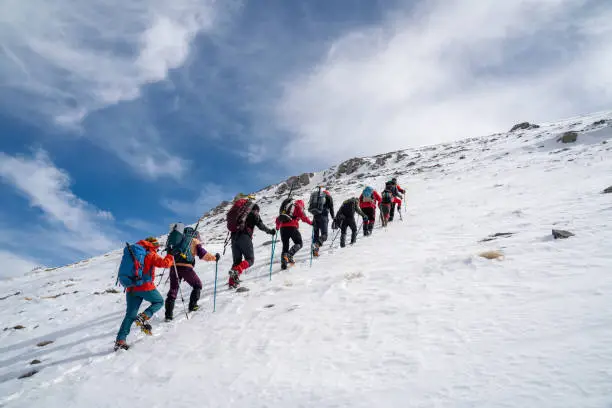
Reaching the summit of Batian is a formidable task that involves technical rock climbing. Unlike hiking peaks, Batian’s ascent requires climbers to use ropes, harnesses, and specialized climbing equipment. The routes to the summit include steep rock faces, exposed ridges, and narrow ledges that test even experienced climbers. Due to these challenges, climbers often undertake the ascent in teams, supported by skilled guides familiar with the mountain’s complex terrain.
Popular Routes to Batian
There are several established routes to the summit of Batian, with the most popular being the Chogoria and Sirimon routes. The Chogoria route is known for its scenic beauty, passing through lush forests, bamboo zones, and alpine moorlands before reaching the rocky summit sections. The Sirimon route, on the other hand, is considered slightly less steep and offers a gradual ascent through varied ecosystems. Both routes eventually converge near the peaks, where climbers must switch from trekking to technical climbing to reach Batian’s summit.
The Trekking Peak: Point Lenana
While Batian remains a peak for technical climbers, most visitors to Mount Kenya aim for Point Lenana, the third highest peak at 4,985 meters (16,355 feet). Point Lenana is accessible via trekking routes and does not require technical climbing skills, making it achievable for hikers with good fitness and acclimatization. The trek to Point Lenana offers stunning views of Batian and Nelion peaks, alpine lakes, and glacial valleys, making it a rewarding experience for many travelers.
Preparing for a Climb to Batian
Climbing Batian requires careful preparation and physical conditioning. Climbers should have experience in rock climbing techniques and be comfortable with heights and exposure. Because the mountain is located in a high-altitude environment, acclimatization is critical to avoid altitude sickness. Most expeditions include several days of trekking to gradually ascend and prepare the body for the final climb. Hiring professional guides and porters is highly recommended for safety and logistical support.
Wildlife and Ecosystems Along the Way
The ascent to Batian is not just a climbing challenge but also a journey through diverse ecological zones. Climbers pass through montane forests filled with indigenous trees and birds, then enter bamboo forests that provide shelter for animals like elephants and monkeys. Higher up, the landscape transitions to Afro-alpine moorlands, home to unique plants such as giant lobelias and groundsels. Wildlife sightings and natural beauty add to the richness of the climbing experience on Mount Kenya.
When to Climb Batian
The best time to attempt the summit of Batian is during the dry seasons, typically from January to early March and from late June to October. These months offer clearer skies, more stable weather, and safer climbing conditions. During the rainy seasons, the mountain can be slippery, with limited visibility and increased risks. Planning a climb during the optimal months enhances the chances of a successful and enjoyable summit.
Challenges and Risks of Climbing Batian
Climbing Batian is demanding and comes with risks. Besides the technical difficulty, climbers face changing weather conditions, potential altitude sickness, and rugged terrain. Sudden storms, cold temperatures, and high winds can make the ascent dangerous. It is essential to be well-prepared, carry appropriate gear, and listen to expert guides. Despite these challenges, the reward of reaching Batian’s summit is immense, offering panoramic views and a profound sense of achievement.
Why Batian is a Must-Visit for Mountaineers
For mountaineers seeking a challenging and unique climb in Africa, Batian stands out as an unforgettable destination. Its combination of geological history, technical climbing routes, and breathtaking alpine scenery makes it a rare jewel. Climbing Batian is not just about reaching the highest point on Mount Kenya but also about experiencing the mountain’s wild beauty and diverse ecosystems. It offers adventure, challenge, and inspiration for those willing to take on its heights.
Conclusion
Batian, the highest peak of Mount Kenya, is a technical mountaineering challenge that rewards climbers with spectacular views and a deep connection to one of Africa’s most iconic mountains. While it requires skill and preparation, the climb is a testament to human endurance and the mountain’s majestic presence. For those passionate about mountaineering, Batian represents the pinnacle of adventure in Kenya and beyond.