Which Kilimanjaro Route Has the High Success Rate?
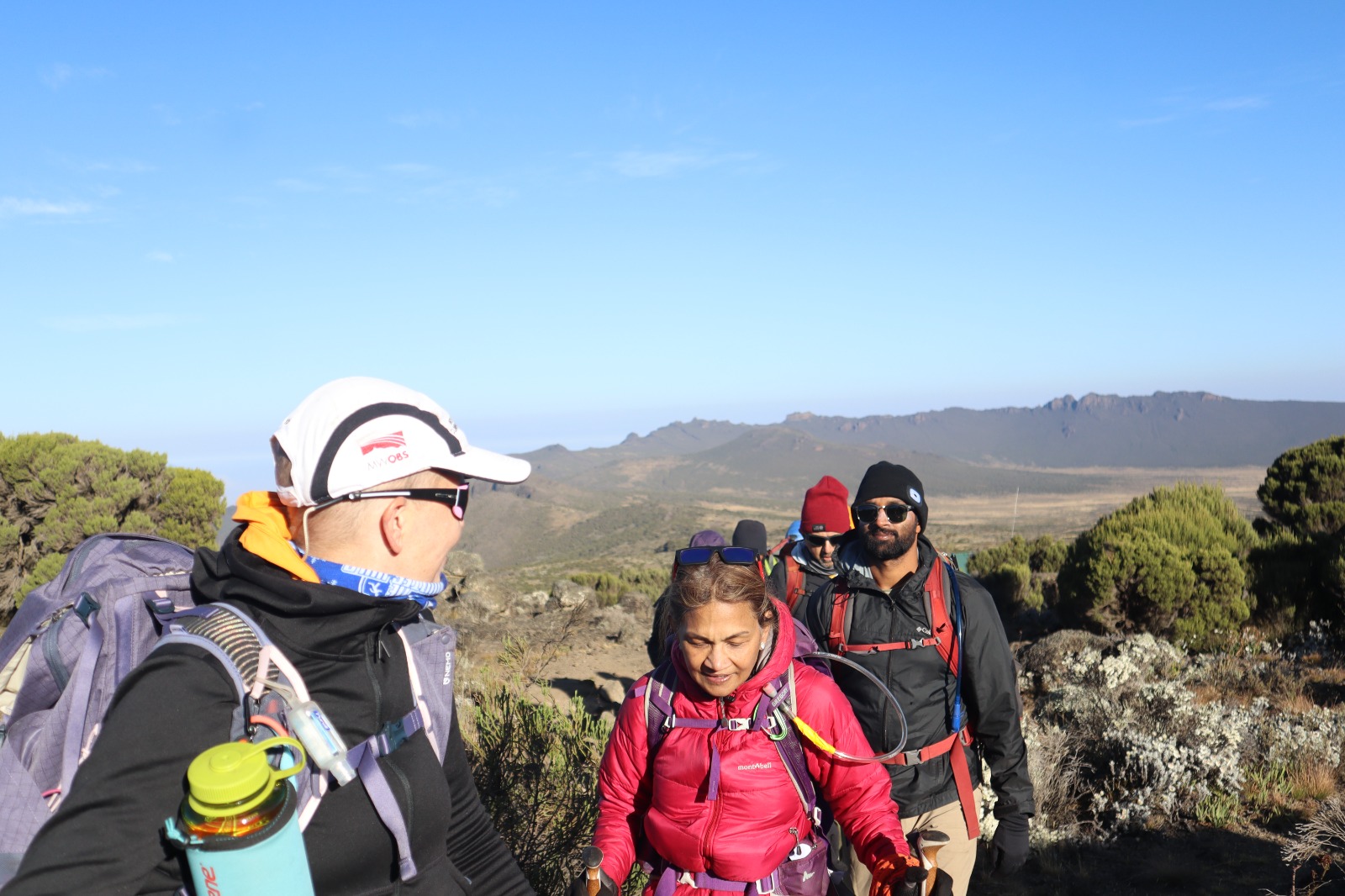
Climbing Mount Kilimanjaro is a dream for many adventure seekers worldwide. Standing at 5,895 meters, it is the tallest peak in Africa and one of the world’s great trekking challenges. However, reaching the summit successfully depends on many factors, the most important being the route you choose. Kilimanjaro offers several routes, each with unique features, terrain, and difficulty levels. This article explores which Kilimanjaro route has the highest success rate and why that matters when planning your climb.
Understanding Kilimanjaro’s Routes and Success Rates
Mount Kilimanjaro has seven main trekking routes, namely Marangu, Machame, Lemosho, Rongai, Northern Circuit, Umbwe, and Shira. Each varies in length, scenery, acclimatization time, and difficulty. When considering which route to take, summit success rate—the percentage of climbers who reach Uhuru Peak—becomes a critical factor.
Success on Kilimanjaro is largely influenced by altitude acclimatization, the body’s ability to adjust to decreasing oxygen levels. The longer and slower the ascent, the better the chances of avoiding altitude sickness and reaching the summit.
The Highest Success Rate: Lemosho Route
Among all Kilimanjaro routes, the Lemosho Route is widely recognized for having the highest success rate, often reaching 85% to 90% when climbed over 7 to 8 days. The route begins on the western side of the mountain, entering through the Shira Plateau, and offers spectacular scenery and less crowded paths.
Why Lemosho Has High Success Rates
The Lemosho Route allows climbers to spend more days on the mountain, providing ample time for proper acclimatization. This longer itinerary usually spans 7 or 8 days, significantly reducing the risk of acute mountain sickness. It also follows the principle of "climb high, sleep low," hiking to higher elevations during the day but sleeping at lower altitudes to help the body adjust.
Additionally, Lemosho offers varied ecosystems, from rainforest to alpine desert, giving climbers a richer experience and mental stimulation that helps maintain motivation. Its less congested trails allow a more relaxed pace, crucial for energy conservation and altitude adaptation.
Northern Circuit Route: The Longest and Most Scenic
Closely following the Lemosho Route in terms of success rate is the Northern Circuit Route, which has the distinction of being the longest route on Kilimanjaro, taking 9 to 10 days. This route approaches the mountain from the north and loops around it, crossing all its major ecological zones.
Why Northern Circuit Success Rates Are High
The Northern Circuit’s long duration allows excellent acclimatization, making its summit success rate comparable to or even slightly higher than Lemosho’s, reaching around 90%. Climbers benefit from gradual altitude gain and several rest days, which improve their chances of reaching the summit.
The Northern Circuit is also less crowded, offering solitude and a unique wilderness experience. The longer trek and the remote nature require strong physical fitness but reward climbers with some of Kilimanjaro’s best panoramic views.
Rongai Route
The Rongai Route, starting from the north near the Kenyan border, is considered easier in terms of terrain and has a success rate around 80% to 85% on a 7-day itinerary. It is less traveled than routes like Machame or Marangu, making it a good choice for those wanting fewer crowds.
Why Rongai Offers a High Success Rate
Rongai’s gentle slope and lower traffic mean climbers can maintain a steady pace with fewer distractions or delays. The route’s approach from the north also offers a different climate, often drier and less humid than the southern routes.
The 7-day itinerary gives enough time for acclimatization, and many climbers appreciate its scenic diversity, including views of Kenya’s Amboseli National Park on clear days.
Machame Route: The Popular "Whiskey Route"
The Machame Route is one of the most popular routes on Kilimanjaro, nicknamed the "Whiskey Route" for its challenging and varied terrain. It has a success rate generally between 75% and 85% over 6 to 7 days.
Factors Affecting Machame’s Success Rate
Machame offers excellent acclimatization opportunities when taken at 7 days, thanks to its “climb high, sleep low” pattern. However, shorter itineraries (5-6 days) can reduce success due to rapid altitude gain.
The trail is steep and demanding at times, requiring good physical fitness. The route is scenic and passes through different zones, including rainforest, moorland, and alpine desert, making it a favorite for those seeking adventure and variety.
Marangu Route: The "Coca-Cola Route"
The Marangu Route is the oldest and often called the “easiest” route because it has hut accommodations instead of camping. However, it has a lower success rate of around 65% to 70% on a typical 5-day itinerary.
Why Marangu Has a Lower Success Rate
Marangu’s shorter duration means less time for acclimatization. Many climbers opt for the 5-day schedule, which moves rapidly from lower elevations to the summit, increasing the risk of altitude sickness.
The huts provide comfort but can be crowded, and the trail is the most popular, sometimes busy and noisy, which can affect rest. Climbers who choose the 6-day version of Marangu have better success rates (up to 80%) due to extra acclimatization.
Umbwe and Shira Routes
The Umbwe Route is the shortest and steepest route on Kilimanjaro, known for its challenging climbs but spectacular scenery. It has a lower success rate, often below 60% on a 5-day trek, due to the rapid ascent and limited acclimatization.
The Shira Route is similar to Lemosho but starts higher on the mountain. Its success rate is good when combined with extra acclimatization days, usually around 75% to 85%.
The Importance of Acclimatization for Success
No matter the route chosen, acclimatization is the key factor influencing summit success. Kilimanjaro’s altitude is the biggest challenge, and the body needs time to adjust to reduced oxygen levels. Longer routes with gradual elevation gain provide the best opportunity for acclimatization, reducing symptoms of altitude sickness such as headaches, nausea, and fatigue.
Tips to Maximize Your Summit Success
Choose a longer itinerary: 7 to 9 days routes improve acclimatization and success.
Listen to your guide: Follow pace and rest advice to avoid altitude sickness.
Stay hydrated and eat well: Fuel your body for the climb.
Train physically: Build endurance and strength before the climb.
Consider your fitness and experience: Match your route choice to your ability.
Choosing the Best Route for You
While many factors influence your Kilimanjaro climb, routes like Lemosho, Northern Circuit, and Rongai offer the highest success rates due to longer acclimatization periods and less crowded trails. If your goal is to reach the summit safely and enjoy the experience, these routes are your best option.
The Machame Route is also a solid choice for those seeking adventure and variety but be mindful of itinerary length. The Marangu Route remains popular for its comfort but requires caution regarding its rapid ascent schedule.