Usambara Moutanins
A Haven for rich biodiversity, boasting over 3,000 plant species and more than 600 tree species, attracting naturalists and nature lovers from around the globe.
The best of Usambara mountains, the best place to see
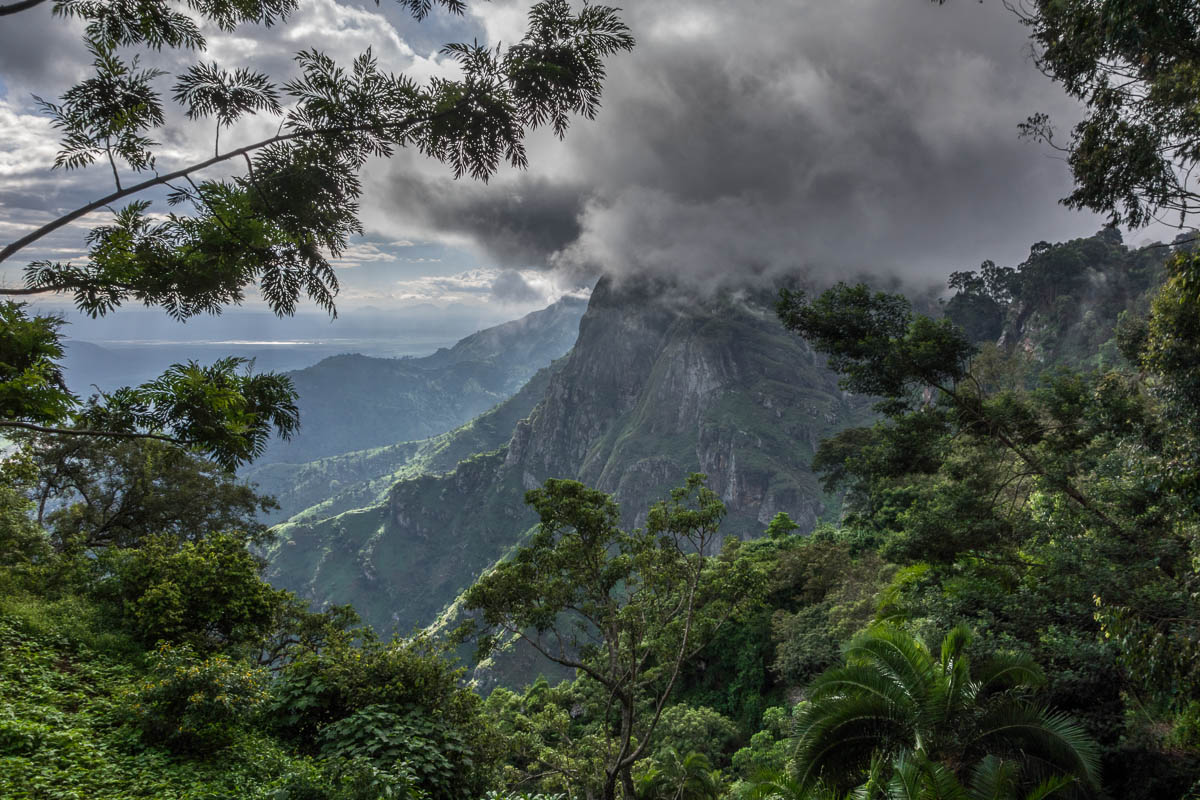
Welcome to the breathtaking Usambara Mountains, a hidden gem in northeastern Tanzania. Managed by Kizza Adventures, this ancient mountain range is part of the Eastern Arc chain, stretching in a crescent from the Taita Hills in southern Kenya to Morogoro and the southern highlands of Tanzania. Estimated to be over 100 million years old, with rocks possibly as ancient as 600 million years, the Usambara Mountains are a treasure trove of biodiversity, offering visitors a unique blend of natural beauty, cultural heritage, and exciting activities.
Exploring the Usambara Mountains with Kizza Adventures
The Usambara Mountains are divided into two sub-ranges: the West Usambaras, accessible from Lushoto, and the East Usambaras, which can be reached through Amani Nature Reserves from Muheza. Each offers distinct experiences, from the cooler, mist-covered forests of the West to the more humid, rain-soaked East. Both sub-ranges are renowned for their rich biodiversity, boasting over 3,000 plant species and more than 600 tree species, attracting naturalists and nature lovers from around the globe.
Activities at Gombe Stream
- Hiking/walking:
- Bird Watching:
- Cultural Visits:
- Biking:
- Waterfalls:
- Forest Walk:
Irente Viewpoint
From Lushoto, hike to this outlook for spectacular views of the village of Mazinde and the Maasai plains almost 1000 meters below. Eat lunch at the Irente Biodiversity Farm in their beautiful flower garden. The trip can be extended with visits to a nearby waterfall and the viewpoints of Kambe and Kwa Mkeke.
Hiking: (5-6 hours, 15 km)
Kisasa Waterfalls
Visit to Kisasa waterfall, a walk through farmland and planted forest to reach this beautiful sight. It is worthwhile to note that the Kisasa waterfall is more majestic than the Mkuzi waterfall however unlike the Mkuzi waterfall, Kisasa waterfall does not have pool for swimming. Also note that the climb down to the waterfall is quite steep. Enjoy your picnic lunch at the waterfall.
Hiking: (4-5 hours)
Magamba Forest
Walk uphill from Lushoto to the royal village of Kwembago, where you learn about the cultural history of the Kilindi ruling clan. From Kwembago you have a beautiful view of Lushoto and the Maasai plains. Proceed to the Magamba rainforests, home to black and white colobus monkeys. Return via an old German Middle School, a German trench dug during the First World War and the village of Magamba.
Hiking: (4-5 hours)
Growing Rock
The “Growing Rock” tour starts from Soni. Walk to the top of the Kwamongo mountain, famous for its butterflies, enjoy views of Soni, Lushoto and the Handeni plains from the peak. Visit the villages of Shashui and Kwemula on the way. Descend to the village of Magila at the foot of the “Growing Rock” to visit a soil conservation project and learn the mystery about the rock.
Bangala River
Walking along river valleys, sometimes wading through the water, you descend to the village of Bangala. On your way you have a beautiful view over the Maasai plains, you will see a traditional irrigation system and can visit a Wasambaa farm. In Bangala you can visit the tree nursery at the primary school and see traditional irrigation systems.
Hiking: (4-5 hours)
Magamba Rainforest
Walk through villages and farm land to the lush rainforest where you can see black-and-white Colobus monkeys. Hike to the peak of the forest where you can enjoy the view of lushoto town and the royal village while you have your lunch, on the way back, pass by the historic royal village of the Kilindi (the Washambaa ruling clan) and an old German bunker dug during World War I.
Hiking: (4-5 hours)
Mkuzi Waterfalls
Drive and then start walking to Mkuzi water fall where you will enjoy the pleasant environment and later walk back to Lushoto
Hiking: (4-5 hours)
Ndelemai Forest
Visit one of the primary tropical rain forest which remains after the destruction of forests in Usambara Mountains and get a big chance for sporting animals such as Columbus monkeys, squirrels, butterflies, chameleons, flowers endemic species such as Ocotea usambariensis. Also you can visit Sakhrani mission for trying macadamia nuts.
Hiking: (4-5 hours)
Mtae View Point
This is combination of various attractions such as visiting traditional village, rain forests, A world view point, pottery women. During this trip you will be able to see much more of the traditional lifestyle of the Shambaa people. Don’t miss it as it will make your holiday memorable.
Hiking: (3-4 hours)
Best Time to Visit Usambara Moutanins
Although the climate is comfortable year-round, paths get too muddy for trekking during the rainy season from March through May. The best time to visit is from June to November, after the rains and when the air is clearest.
OTHER RELATED TANZANIA SAFARI
Please do not hesitate to CONTACT US. as we offer affordable prices to our clients.