


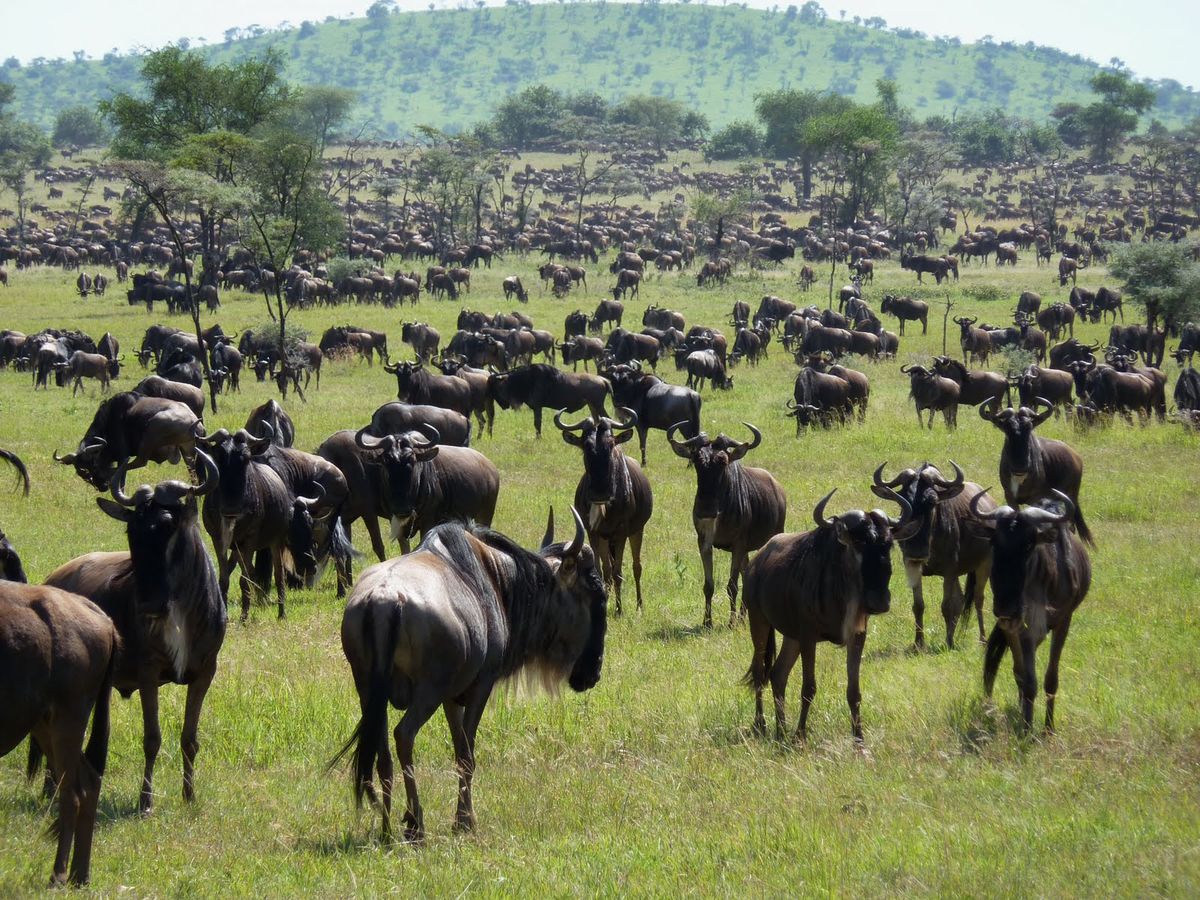
9-Day Grand Luxury Safari & Zanzibar: Lake Manyara, Serengeti, Ngorongoro & Zanzibar
Experience Tanzania's wild heart on a grand luxury safari through Lake Manyara, Serengeti, and Ngorongoro Crater, then fly to Zanzibar for three nights of pristine beach relaxation. The ultimate grand safari + beach combination of wildlife, culture, spice, and paradise.
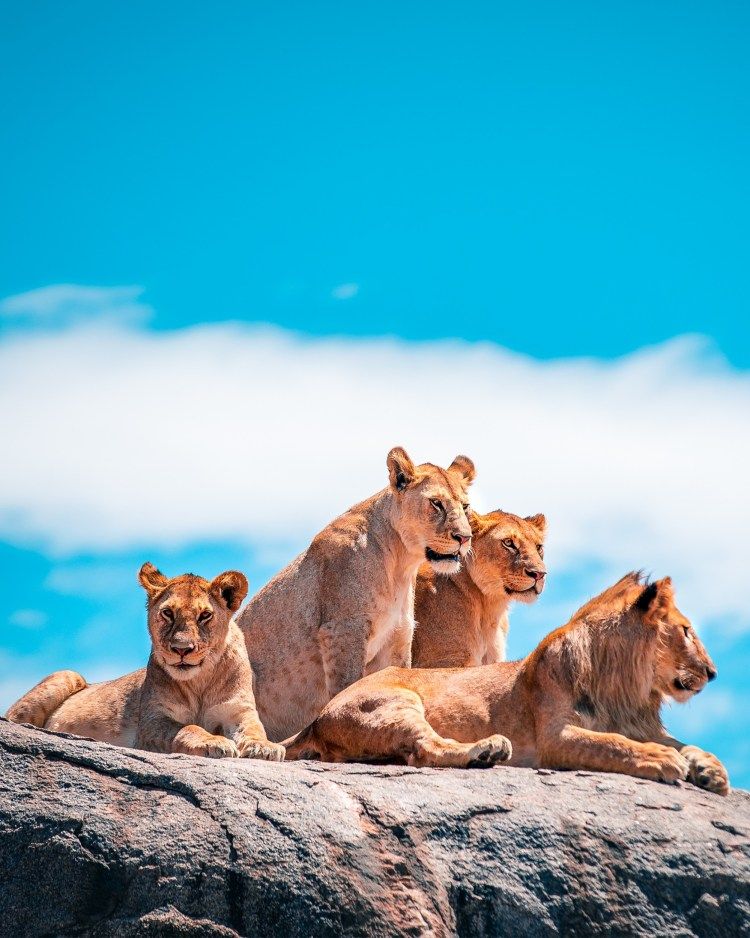
9-Day Grand Luxury Safari & Zanzibar
Picture this: you begin your journey in Lake Manyara National Park, famous for its tree-climbing lions, then venture into the vast Serengeti plains, descend into the Ngorongoro Crater — a UNESCO World Heritage Site teeming with wildlife. From there, you venture deep into the Serengeti for thrilling game drives, and finally fly to the pristine white sands of Zanzibar. That's the power of our 9-day grand luxury safari & Zanzibar combo.
Our 9-Day Grand Luxury Safari & Zanzibar is designed for travellers who want both adventure and relaxation. Over nine days, you'll explore four spectacular destinations in a private 4x4, track the Big Five, and unwind on Zanzibar's turquoise coastline — all with hand-picked luxury lodges and a beach resort that redefine hospitality.
Every detail is taken care of: private guide, all meals, park fees, flights, transfers, and beach resort accommodation. You simply show up and experience Tanzania at its most magnificent.
As you sip sundowners overlooking the Serengeti plains one day and walk on Zanzibar's powder-soft sand the next, you'll wonder why you didn't book this combo sooner.
- Fly-in safari — Lake Manyara, Serengeti, Ngorongoro & Zanzibar
- Luxury lodges in Lake Manyara, Serengeti & Ngorongoro
- Private 4x4 game drives with expert guide
- Ngorongoro Crater descent & Big Five game drive
- 3 nights Zanzibar beach resort (half board)
- Price: $4,500 — $5,500 USD*
*Depends on accommodations & number of days
Detailed Itinerary
Day-by-day breakdown of your 9-day grand luxury safari & Zanzibar experience from Lake Manyara to Zanzibar.
Morning: Your 9-day grand luxury safari begins with a 7:00 AM pickup from your Arusha hotel or Kilimanjaro International Airport. After a brief orientation with your safari coordinator, you will meet your private guide and depart for Lake Manyara National Park. The scenic drive passes through the Great Rift Valley escarpment with breathtaking views.
Midday: Arrive at Lake Manyara’s main gate. Begin your first game drive immediately. Lake Manyara is famous for its tree-climbing lions — a rare behaviour seen in only two lion populations in Africa. The park is also home to vast elephant herds, giraffes, zebras, and thousands of flamingos along the soda lake.
Afternoon: Enjoy a picnic lunch at one of the scenic viewpoints overlooking the lake. The afternoon game drive explores the lakeshore where buffalo, hippos, and diverse waterbirds congregate. With over 400 bird species, Lake Manyara is a birdwatcher’s paradise.
Evening: Check into your luxury lodge overlooking Lake Manyara as the sun sets. Enjoy sundowner drinks with panoramic views across the Rift Valley. A gourmet dinner is served in the dining room.
Accommodation: Lake Manyara Luxury Lodge or similar (en-suite bathroom, hot shower, private veranda)
Meals: Lunch & Dinner
Morning: Start at 6:30 AM with tea or coffee delivered to your room. Depart for a final morning game drive in Lake Manyara when wildlife is most active. Visit the hippo pool area and scan the acacia trees for the park’s famous tree-climbing lions.
Midday: Return to the lodge for breakfast and check out. Depart for the Serengeti, passing through the Ngorongoro Conservation Area. Stop at the Ngorongoro view point for panoramic photo opportunities.
Afternoon: Arrive at Serengeti National Park’s Naabi Hill Gate. Begin your first Serengeti game drive as you descend into the Seronera Valley. Continue to your camp with excellent opportunities to see lions, cheetahs, and vast herds.
Evening: Check into your luxury camp in Central Serengeti. Sundowner drinks overlooking the endless plains. A gourmet dinner under the stars.
Accommodation: Central Serengeti Luxury Camp or similar
Meals: Breakfast, Lunch & Dinner
Morning: A full day exploring the Serengeti begins at sunrise. Morning game drive through the Seronera Valley, the Serengeti’s wildlife epicentre. The Seronera River attracts predators and prey alike — lions stalk the riverbanks, leopards rest in the sausage trees, and cheetahs patrol the open grasslands.
Midday: Bush breakfast at a scenic kopje. Continue through the Maasai Kopjes area, famous for lion prides. Thousands of zebras and wildebeest dot the landscape.
Afternoon: Picnic lunch. The afternoon drive explores the south-eastern plains where the Great Migration herds gather. Visit the Retima Hippo Pool. Optional hot air balloon safari (additional cost).
Evening: Return to camp. Sundowner drinks with panoramic views. Dinner featuring gourmet cuisine.
Accommodation: Central Serengeti Luxury Camp or similar
Meals: Breakfast, Lunch & Dinner
Morning: Early morning game drive in the Serengeti. Capture the sunrise over the vast plains. A final search for any remaining Big Five species before departing for Ngorongoro.
Midday: Return to camp for breakfast and check out. Depart for Ngorongoro, passing through the Conservation Area. Stop at the crater viewpoint for panoramic photos of this UNESCO World Heritage Site.
Afternoon: Descend into the Ngorongoro Crater floor for an unforgettable game drive. Home to over 25,000 large mammals including endangered black rhino, dense lion prides, spotted hyenas, and vast herds of zebra and wildebeest.
Evening: Ascend to your crater rim lodge. Sundowner drinks with the crater below. Gourmet dinner with breathtaking views.
Accommodation: Ngorongoro Crater Rim Lodge or similar
Meals: Breakfast, Lunch & Dinner
Morning: Sunrise game drive on the crater rim. Watch the morning mist rise from the crater floor as wildlife emerges. Return to the lodge for a full breakfast.
Midday: Check out and transfer to Lake Manyara Airstrip for your scenic flight to Zanzibar (approx 2 hours). Panoramic views of the Maasai Steppe, coastline, and spice islands.
Afternoon: Arrive at Zanzibar International Airport. Transfer to your beach resort. Afternoon at leisure — swim in the infinity pool or walk along the white sand beach.
Evening: Sunset stroll followed by a welcome dinner at the resort’s oceanview restaurant. Fresh seafood and Swahili spices.
Accommodation: Zanzibar Beach Resort (4-star, ocean view room)
Meals: Breakfast, Lunch & Dinner
Morning: Choose your Zanzibar adventure. Option 1: Snorkelling at Mnemba Atoll — a protected marine reserve with crystal-clear waters, coral gardens, sea turtles, and tropical fish. Option 2: Spice Plantation Tour — visit a traditional spice farm to see cloves, vanilla, nutmeg, and cinnamon growing.
Afternoon: Continue your chosen activity or relax at the resort with a spa treatment. Alternatively, a sunset dhow cruise along the Zanzibar coast.
Evening: Candlelit dinner on the beach at the resort.
Accommodation: Zanzibar Beach Resort (4-star)
Meals: Breakfast, Lunch & Dinner
Morning: Leisurely breakfast at the resort. Morning at leisure on the beach — swim, read, or enjoy water sports.
Afternoon: Stone Town walking tour — explore the historic UNESCO-listed old town with narrow alleyways, carved wooden doors, and bustling bazaars. Visit the House of Wonders, Old Fort, and the Anglican Cathedral.
Evening: Visit the Darajani Market for spices and souvenirs. Enjoy dinner at a local Stone Town restaurant.
Accommodation: Zanzibar Beach Resort (4-star)
Meals: Breakfast, Lunch & Dinner
Morning: Ultimate relaxation day. Sleep in, enjoy a late breakfast, and spend the morning on the pristine beach. Optional activities: kayaking, paddleboarding, or a cooking class learning Swahili cuisine.
Afternoon: Last chance to soak up the tropical paradise. Swim in the turquoise waters, enjoy a spa treatment, or simply read under a palm tree.
Evening: Farewell dinner at the resort. Fresh seafood and Zanzibari specialities as you watch the sunset over the Indian Ocean.
Accommodation: Zanzibar Beach Resort (4-star)
Meals: Breakfast, Lunch & Dinner
Morning: Enjoy a final Zanzibar breakfast at the resort. Take one last walk on the beach. Check out by 10:00 AM. Your driver will transfer you to Zanzibar International Airport for your departure flight.
Farewell: Reflect on an incredible 9-day journey: the tree-climbing lions of Lake Manyara, the vast Serengeti plains with the Big Five, the breathtaking Ngorongoro Crater, and the pristine beaches of Zanzibar. This is Tanzania at its most magnificent. Karibu tena (welcome again).
Meals: Breakfast
Why Choose the 9-Day Grand Luxury Safari & Zanzibar?
Most travellers don't realise how much a safari & beach combo transforms the experience. Here's why savvy travellers choose this itinerary.
Two Experiences in One Trip
Get the best of both worlds — thrilling Big Five game drives in Lake Manyara, Serengeti, and Ngorongoro followed by pure relaxation on Zanzibar's pristine beaches. No compromise needed.
7 Private Safari Drives
With 7 game drives across Lake Manyara, Serengeti, and Ngorongoro, you'll have exceptional wildlife viewing opportunities. Our expert guides know exactly where to find lions, leopards, elephants, and more.
Premium Lodges & Beach Resort
Enjoy hand-picked luxury lodges with gourmet dining and spas during your safari, then unwind at a 4-star beach resort in Zanzibar with infinity pools and ocean views.
Scenic Flight to Zanzibar
Your trip includes a spectacular flight from Lake Manyara to Zanzibar — panoramic views of the coastline and spice islands from above. A memorable journey in itself.
Flexible & Customisable
Prefer more beach days? Add a hot air balloon over the Serengeti? Add Zanzibar excursions like spice tours, snorkelling, or Stone Town walks. This itinerary bends to your preferences.
Sustainable & Responsible
We partner with eco-certified lodges and resorts, employ local guides, and support community conservation. Your trip directly benefits Tanzanian communities and wildlife protection.
Price range: $4,500 — $5,500 USD — depends on accommodations & number of days
Safari & Beach Route Map
Your 9-day journey from Lake Manyara to Zanzibar — every leg mapped out for maximum wildlife, culture, and beach time.
Day 1: Lake Manyara
Arrive at Lake Manyara National Park. Afternoon game drive. Tree-climbing lions, flamingos, elephants. Overnight at luxury lodge.
Day 2: Manyara to Serengeti
Morning game drive at Manyara, then scenic drive to Serengeti. Afternoon game drive in Seronera Valley. Overnight at luxury camp.
Day 3: Full-Day Serengeti
Full day exploring central Serengeti. Morning and afternoon game drives. Optional hot air balloon. Big Five sightings.
Day 4: Serengeti to Ngorongoro
Morning game drive, then to Ngorongoro. Descend into the crater for game drive. Black rhino, lions, hippos. Overnight at crater rim lodge.
Day 5: Ngorongoro to Zanzibar
Sunrise crater drive, then scenic flight from Lake Manyara Airstrip to Zanzibar. Afternoon at leisure on pristine beaches.
Day 6-8: Zanzibar Leisure
Three days of pure paradise: snorkelling at Mnemba Atoll, spice tours, Stone Town, dhow cruises.
Day 9: Departure
Leisure morning on the beach. Check out and transfer to Zanzibar International Airport.
Interactive Safari Map
Your 9-day grand luxury safari covers Lake Manyara, Serengeti, Ngorongoro & Zanzibar.
Key Locations
- Arusha
Departure city
Day 1: Depart - Lake Manyara NP
Tree-climbing lions, flamingos
Day 1-2: Safari - Serengeti NP
Great Migration, Big Cats
Day 2-4: Safari - Ngorongoro Crater
UNESCO, Big Five, black rhino
Day 4-5: Crater - Zanzibar
Beaches, excursions
Day 5-9: Beach
Why Choose Kizza Adventures?
We're not just another tour operator "- we're Tanzanian locals who live, breathe, and protect this land every day.
Local Tanzanian Experts
Born and raised in Tanzania. Our knowledge comes from growing up here, not from a textbook.
Private Safaris Only
No group joining "- every safari is private for your party only. Your vehicle, your guide, your schedule.
Experienced Guides
All guides have 8+ years experience, professional certifications, and specialist knowledge in wildlife, birds, and photography.
Custom Itineraries
Every safari is tailored to your interests, budget, and schedule. No fixed templates "- your trip, your way.
Transparent Pricing
No hidden fees. What we quote is what you pay. All taxes, park fees, and service charges included.
Excellent Reviews
5.0★ average rating from 187+ verified reviews on Google, TripAdvisor, and SafariBookings.
Fast Response Time
We respond to inquiries within 1 hour during business hours. Most questions answered in under 30 minutes.
24/7 Support
From booking to departure, your dedicated safari consultant is available anytime via WhatsApp. On-ground support throughout.
What Animals Will You See?
The Serengeti ecosystem hosts the highest concentration of large mammals on Earth. Here's what awaits you.
Lion
Serengeti has ~3,000 lions. See prides hunting on the plains.
Leopard
Often spotted on kopjes & riverine trees. Seronera Valley is prime.
Elephant
Large herds in Serengeti & Ngorongoro. Crater has ~300 elephants.
Black Rhino
Endangered. Ngorongoro has the best sighting rates (~30 individuals).
Buffalo
Massive herds of 1,000+ seen on open plains. Cape buffalo everywhere.
Cheetah
Serengeti's open plains are perfect for cheetah sightings.
Giraffe
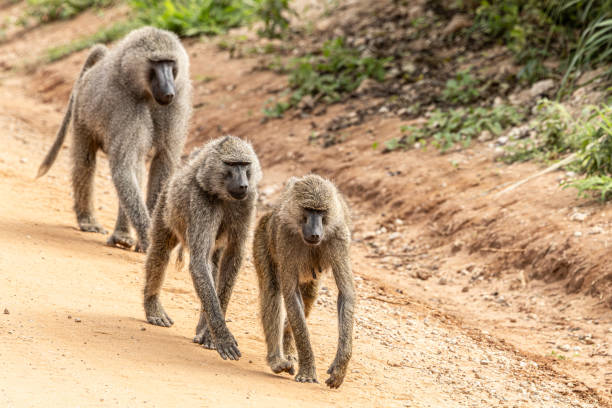
Maasai giraffe common in acacia woodlands of Serengeti.
Zebra
Thousands of zebras on migration or resident in the Serengeti.
Hippo
Grumeti River & Hippo Pool in Ngorongoro. Watch at safe distance.
Crocodile
Grumeti River has some of Africa's largest Nile crocodiles (5m+).
Wild Dog
Endangered. Serengeti is one of the best places to spot them.
500+ Birds
Fish eagles, flamingos, ostriches, secretary birds, hornbills "- birders paradise.
From Our Guide's Notebook: Where We Spot the Big Five
Real sightings data from our last season of 9-day grand luxury safari & Zanzibar trips. These are the exact locations where our guides consistently find the Big Five "- straight from Daniel's field notes.
Lion
Best spot: Seronera Valley, kopjes near the Seronera River confluence. Lions are sighted on 94% of our 9-day grand luxury safaris here "- the kopjes provide shade and hunting vantage points.
Seronera Valley "- 25 min from Seronera airstrip
Leopard
Best spot: The fig trees along the Seronera River and the rocky outcrops of the Moru Kopjes. Leopards are most active at dawn. We have a 78% sighting success rate on this itinerary.
Moru Kopjes "- morning drives only
Elephant
Best spot: Grumeti River area (Day 3 of our itinerary) and the Gorigor Swamp in Ngorongoro. Large herds of 50-100 are common near the Grumeti. Elephants sighted on 99% of safaris.
Grumeti River "- 2hr drive west of Seronera
Buffalo
Best spot: The short-grass plains of central Serengeti and the crater floor. Herds of 200-1,000 Cape buffalo are common. The Ngorongoro Crater floor has a resident population of ~4,000 buffalo.
Crater floor "- seen on every descent
Black Rhino
Best spot: Ngorongoro Crater floor, specifically the Lerai Forest edge and the marsh areas near the Gorigor Swamp. We sight rhinos on 82% of our crater descents "- one of the highest rates in East Africa.
Ngorongoro Crater "- Day 5 of this itinerary
Cheetah
Best spot: The open short-grass plains of the south-eastern Serengeti, near Naabi Hill Gate. Our guides track cheetah movements via radio "- sighting rate on this itinerary is 68%.
Naabi Plains "- best in dry season
Data compiled from 86 safari & beach trips between June 2024 and July 2026. Sighting rates are for this specific itinerary only.
Wildlife Sighting Checklist
Your personal checklist for the Big Five and beyond. Print this table or save it to your phone before you travel.
| Animal | Sighting Probability | Best Time | Best Location on This Safari |
|---|---|---|---|
Lion | 94% | Year-round, best dawn & dusk | Seronera Valley kopjes |
Leopard | 78% | Year-round, dawn drives | Moru Kopjes, Seronera River fig trees |
Elephant | 99% | Year-round | Central woodlands, Grumeti River |
Buffalo | 98% | Year-round | Short-grass plains, crater floor |
Black Rhino | 82% | Year-round, crater descents | Ngorongoro Crater (Lerai Forest) |
Cheetah | 68% | Dry season (Jun-Oct) | Naabi Plains, south-eastern Serengeti |
Giraffe | 95% | Year-round | Acacia woodlands throughout |
Hippo | 90% | Year-round | Grumeti River, Ngorongoro Hippo Pool |
Crocodile | 85% | Year-round | Grumeti River, Seronera River pools |
Zebra | 99% | Year-round | All plains areas |
Wild Dog | 35% | Year-round, rare | Western Corridor, open plains |
Wildebeest | 100% | Year-round | Migration location varies by season |
Hyena | 92% | Year-round, dawn & dusk | All areas, especially near predator kills |
High = 60%+ | Moderate = 30-60% | Low = under 30%
Meet Your Expert Safari Guide
Your guide is the difference between a good safari and a life-changing one. Every Kizza Adventures guide is a born-and-raised Tanzanian with years of professional experience.
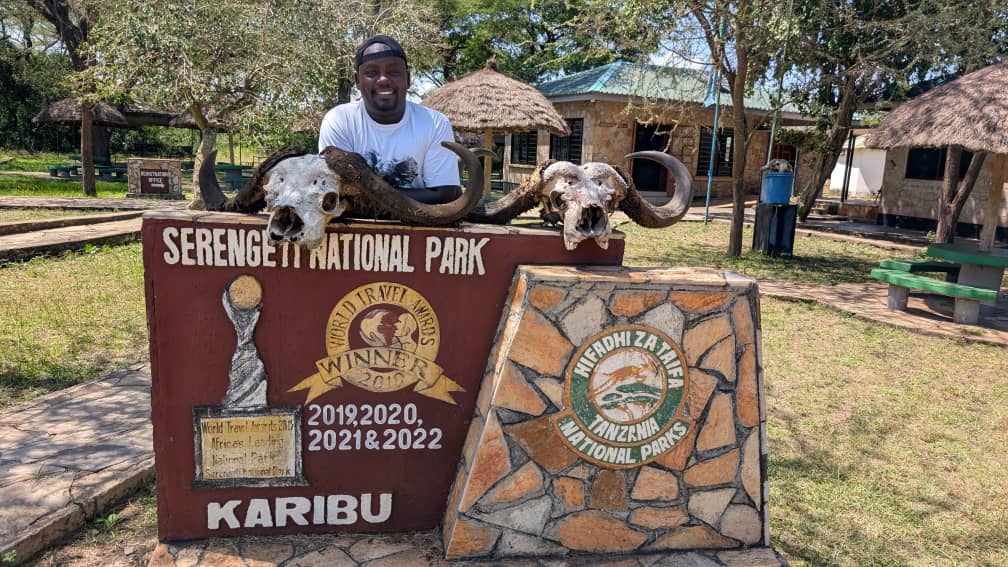
Daniel Mrith "- Kizza Adventures Safari Guide
"Jambo! I'm Daniel, born and raised at the foot of Mount Kilimanjaro in a small village called Moshi. I've been guiding safaris for over 12 years "- I started as a driver-guide assistant, learning every river crossing, kopje, and lion pride territory by heart before I ever led my first solo trip. I still get excited every time I enter the Serengeti.
My most memorable sighting? Last July, we watched a cheetah mother teach her three cubs to hunt on the Serengeti plains "- it took over two hours, and by the end there wasn't a dry eye in the vehicle. These are the moments a guide book can't prepare you for.
I know the Serengeti like my backyard "- where the lions are resting at 10 AM, where the leopards hunt at dusk, and where the migration will be based on the last rains. Let me show you the Tanzania I grew up loving."
Premium Luxury Lodges
Each lodge is hand-selected for its location, service, cuisine, and views. Your comfort is guaranteed.
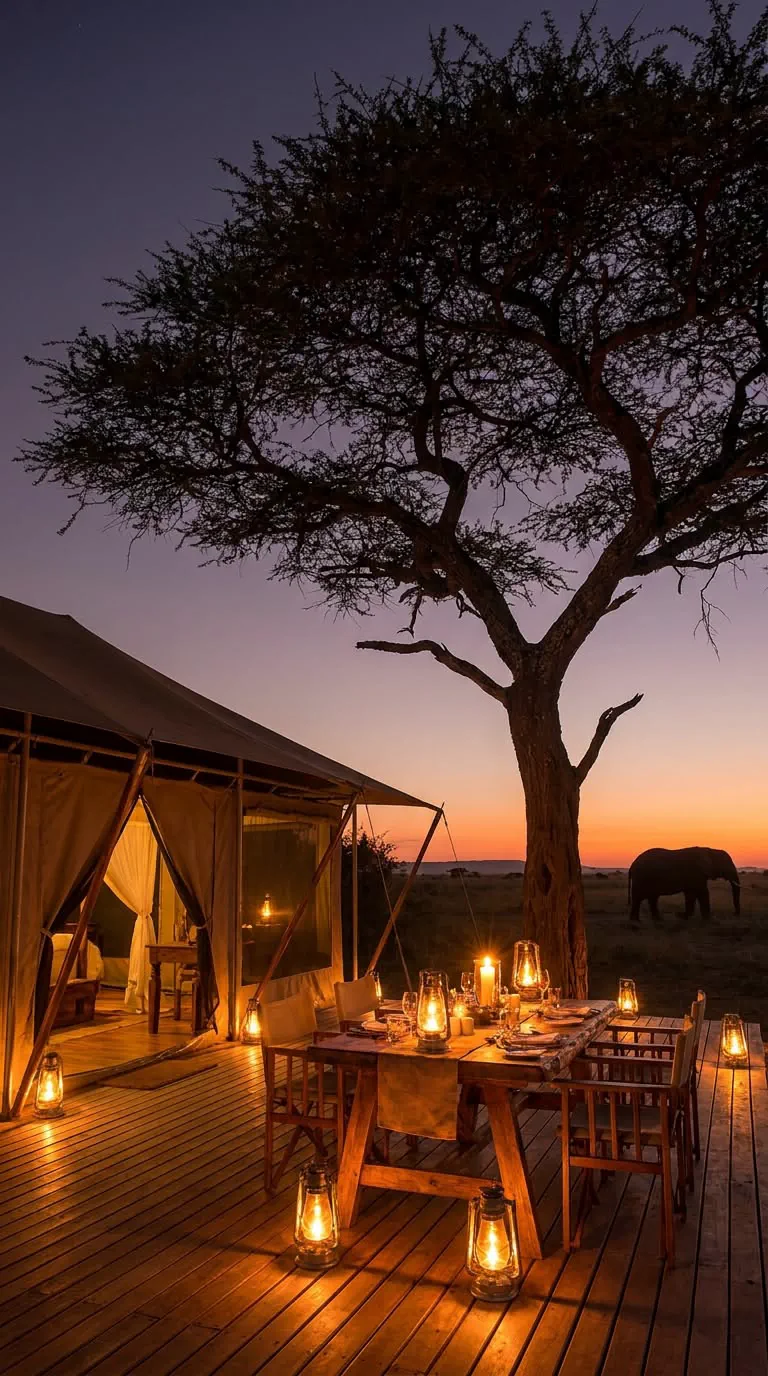
Serengeti Luxury Lodge (Nights 1"-3)
Perched on a hillside overlooking the Serengeti plains, this lodge offers spacious stone-and-thatch suites with private verandas, indoor/outdoor bathrooms, and panoramic views. The infinity pool overlooks a watering hole frequented by wildlife.
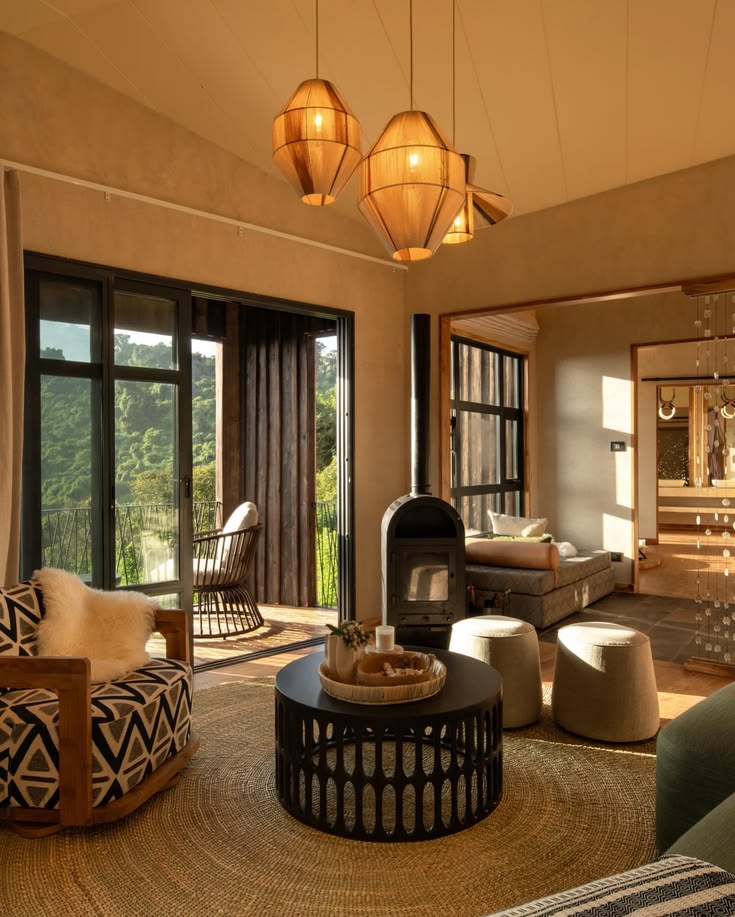
Ngorongoro Crater Rim Lodge (Nights 4"-5)
Set on the edge of the Ngorongoro Crater at 2,286 metres, this lodge offers jaw-dropping views of the caldera below. Each suite features floor-to-ceiling windows, a fireplace, and a private terrace. The restaurant serves world-class cuisine with a view you'll never forget.
Lodges subject to availability. Equivalent or superior alternatives may be used. Contact us for current lodge selections.
Your Scenic Flight to Paradise
After your safari adventure, enjoy a spectacular flight from the Serengeti to Zanzibar. Here's exactly what to expect.
Aircraft Type
Cessna Grand Caravan or similar high-wing aircraft (12–14 passengers). High wings mean unobstructed views from every window. Comfortable, air-conditioned cabin for your journey to the coast.
Scenic Coastal Views
The flight takes you over the Serengeti plains, the Maasai steppe, and the Indian Ocean coastline. Watch as the savannah gives way to turquoise waters and the spice islands of Zanzibar come into view.
Baggage Allowance
15 kg (33 lbs) per person in soft-sided duffel bags for the safari portion. Hard suitcases can be stored at our Arusha office. Pack light for the beach — we provide complimentary beach bags if needed.
Safety Standards
All aircraft are maintained to international standards. Pilots are certified with 1,000+ flying hours. Regular safety audits and strict weather minimums ensure your safety is never compromised.
Your Pilot & Crew
Professional pilots provide safety briefing and commentary during the flight. Upon landing at Zanzibar Airport, our driver meets you for a scenic transfer to your beach resort.
Arrival in Zanzibar
Touch down at Zanzibar's Abeid Amani Karume International Airport. The warm tropical air and spice-scented breeze welcome you immediately. A short 30–60 minute transfer takes you to your beachfront resort.
Private 4x4 Toyota Land Cruiser
Your vehicle is more than transport "- it's your mobile observation deck, dining room, and photography platform for the road safari portion (Days 1"-6).
Toyota Land Cruiser (Pop-Up Roof)
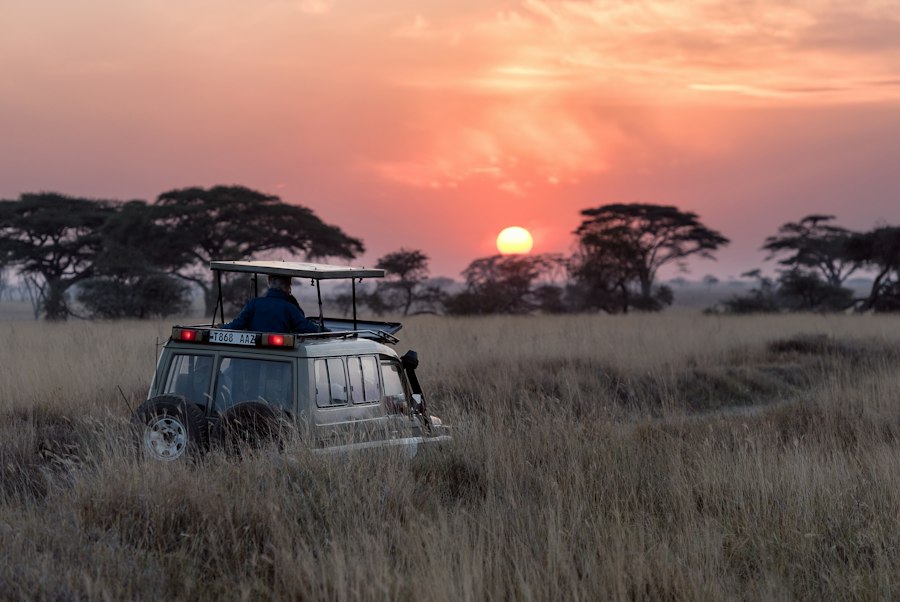
Our fleet consists of customized Toyota Land Cruisers with pop-up roofs for 360-degree game viewing. Each seat is a window seat. The vehicle seats a maximum of 6 guests "- we never overcrowd.
Charging Ports & Fridge
Every vehicle has USB and 12V charging ports for your cameras and devices. A cooler box with bottled water, soft drinks, and snacks is restocked daily. Additional alcohol available on request.
Binoculars, Guide Books & First Aid
Each vehicle is equipped with Swarovski binoculars, wildlife reference books, bird identification guides, a comprehensive first aid kit, and emergency communication equipment (satellite phone in remote areas).
Photography-Friendly Design
Vehicles have removable window panels for unobstructed photography, bean bags for lens stabilization, and a guide who understands positioning for the best light and composition.
Vehicle WiFi (Select Areas)
Complimentary WiFi is available in lodge areas and most park gates. Our vehicles carry portable hotspots where coverage is available, so you can share your safari moments live.
Complimentary Drinks & Snacks
Stay hydrated with bottled water, soft drinks, beer, and wine. Snacks include nuts, biscuits, fresh fruit, and local treats. Bush breakfasts and sundowners are part of the experience.
The Great Migration & Best Time to Visit
The Serengeti ecosystem changes dramatically throughout the year. Here's when to go and what to expect.
The Great Migration "- Nature's Greatest Spectacle
The Great Migration involves over 1.5 million wildebeest, 400,000 zebras, and 200,000 gazelles moving in a continuous cycle across the Serengeti-Mara ecosystem. This 9-day grand luxury safari & Zanzibar itinerary is positioned to maximize your chances of witnessing this phenomenon.
December"-March: Calving season in the southern Serengeti (Ndutu area). Thousands of calves born daily. Predator action is at its peak.
April"-May: Migration moves through central Serengeti. Long rains "- fewer crowds, lush landscapes, lower rates.
June"-October: Dry season. Migration concentrates in northern Serengeti. River crossings at Grumeti and Mara Rivers "- the most dramatic wildlife viewing of the year.
November: Short rains. Migration moves south. Good wildlife viewing with fewer tourists.
We track the migration in real-time and adjust your itinerary to be where the animals are.
Month-by-Month Wildlife Calendar
Temperature range: 18°C (64-F) mornings to 28°C (82-F) afternoons. Crater rim evenings drop to 10°C (50-F) "- bring a jacket.
Great Migration Month-by-Month Tracker
Follow the herds across the Serengeti-Mara ecosystem. Our guides update this in real-time based on current migration patterns.
We track the migration by satellite and guide reports. Your itinerary adapts to where the herds are.
Safari Photography Guide
Capture the Serengeti like a pro. Our guides are trained to help you get the shot.
Recommended Gear
DSLR or mirrorless with a telephoto zoom (200-400mm or 100-400mm ideal). A wide-angle (16-35mm) for landscapes and camp shots. Spare batteries and memory cards are essential "- charging available at all lodges.
Golden Hour Magic
The best light is 6:00"-8:30 AM and 4:30"-6:30 PM. Our game drives are scheduled around these windows. The low angle creates warm tones, long shadows, and dramatic wildlife portraits.
Drone Regulations
Drones are strictly prohibited in Tanzanian national parks without special permits. Do not bring a drone "- it will be confiscated at the airport. We offer professional aerial footage upon request (pre-arranged).
Guide Positioning
Our guides communicate with each other via radio to share sightings. They position the vehicle at the optimal angle for light, composition, and safety. Don't hesitate to ask your guide to move the vehicle for a better shot.
Vehicle Bean Bags
Each vehicle has a window-mount bean bag for lens stabilization. This is more effective than a tripod and allows quick setup when the action is happening. We also carry a monopod in the vehicle.
Protect Your Gear
Dust is the #1 enemy of camera equipment. Bring a camera dust blower, lens cleaning cloths, and a rain cover (dust cover). Zip-lock bags for memory cards and batteries. Avoid changing lenses in open air when possible.
What to Pack for Your Safari & Beach Trip
Pack for both safari and beach. Soft duffel bags recommended (15 kg limit for light aircraft). Pack smart — every item counts.
Essential Packing
- Soft-sided duffel bag (no hard suitcases)
- Lightweight neutral-coloured clothing (khaki, beige, olive)
- Warm fleece or jacket (mornings & crater rim: 10°C)
- Comfortable walking shoes / trainers
- Sun hat, sunglasses & high-SPF sunscreen
- Insect repellent (DEET-based for evenings)
- Camera + telephoto lens + spare batteries
- Binoculars (we provide Swarovski, but bring your own if you prefer)
Nice to Have
- Swimming costume (lodges have pools)
- Headlamp / small torch
- Reusable water bottle (lodges provide filtered water)
- Power bank / multi-port USB charger
- Notebook & pen for wildlife journal
- Dry bag for camera gear (dust protection)
- Small day pack for game drives
- Basic medical kit (plasters, antiseptic, paracetamol)
Essential Travel Tips for Tanzania
Everything you need to know before you arrive "- visa, vaccines, money, SIM cards, and more.
Visa Requirements
Most nationalities require a visa for Tanzania. E-visa available at visa.immigration.go.tz (apply 2+ weeks before travel). Visa on arrival also available at JRO/NBO airports "- $50 USD for US citizens, $50 for most others. Check your country's specific requirements.
Health & Vaccinations
Yellow Fever certificate required if travelling from an endemic country. Recommended: Hepatitis A, Typhoid, Tetanus, and routine vaccinations. Malaria prophylaxis is strongly recommended "- consult your doctor 4-6 weeks before travel.
Travel Insurance
Comprehensive travel insurance is mandatory. Must cover medical evacuation, trip cancellation, baggage loss, and emergency repatriation. We recommend World Nomads, SafetWing, or your local provider. We do not sell insurance but can advise on adequate coverage.
Money & Tipping
USD is widely accepted. Carry small bills ($1, $5, $10, $20) for tips and incidentals. ATMs available in Arusha but unreliable in safari areas. Recommended tipping: guide $20-30/day, cook $10-15/day. Credit cards accepted at lodges (3-5% surcharge).
SIM Cards & Internet
Buy a local SIM at JRO airport arrivals or in Arusha. Vodacom and Airtel have the best coverage in safari areas. 10GB data costs ~$10. Lodge WiFi is available but can be slow in remote areas. WhatsApp works well throughout most of the Serengeti.
Tipping Culture & Etiquette
Tanzania has a tipping culture. Tipping is not mandatory but is appreciated. Safari guides rely on tips as a significant part of their income. Tipping guideline: Safari guide $20-30 per person per day. Lodge staff $5-10 per day. Use the lodge tip box for general staff.
Honeymoon & Family Safari Options
Make your 9-day grand luxury safari & Zanzibar trip extra special with tailored experiences for couples and families.
Honeymoon Safari & Beach
Celebrate your honeymoon with Africa's most romantic safari experience. Private dinners under the stars, champagne sundowners on the Serengeti plains, a hot air balloon ride over the savannah, and a private bush breakfast just for two. Our lodges offer honeymoon suites with four-poster beds, private plunge pools, and in-room spa treatments.
Special honeymoon inclusions: welcome bottle of Champagne, honeymoon cake, romantic turndown service, and a complimentary upgrade to the best available suite (subject to availability).
From $200 "- $5,000/person "- depends on accommodations & number of days
Family Safari & Beach
This safari is suitable for families with children aged 6+. Children are fascinated by the wildlife, and our guides are experienced in engaging young adventurers. Special family-friendly accommodations with interconnecting rooms or family suites available.
Children's activities include: junior ranger programs, wildlife sketching, animal tracking lessons, Maasai beadwork, and stargazing sessions. Children under 12 receive 40% discount on the adult rate. Children under 6 can join private safaris in our vehicle.
Family pricing available on request "- children's rates & interconnecting rooms
What Our Guests Say
Real reviews from guests who have experienced this 9-day grand luxury safari & Zanzibar trip. Every review is verified.
"The 9-day grand luxury safari & Zanzibar combo was the best decision we made. Instead of spending an entire day driving, we were in the Serengeti having lunch by midday. The lodges were incredible, our guide knew exactly where to find the animals. We saw the Big Five by day two!"
"This was our honeymoon and it exceeded every expectation. The private dinner on the Serengeti plains with champagne at sunset was magical. The Ngorongoro Crater descent is something everyone should experience at least once."
"I've been on safari before but never like this. The safari & beach combo changes everything "- we were fresh and excited for every game drive. Our guide was incredibly knowledgeable. The lodge on the crater rim "- I dream about that view."
Frequently Booked Together
Make the most of your Tanzania adventure — combine your safari & beach trip with these popular add-ons.
Safari Gallery — Experience It Before You Arrive
Browse through moments captured on our 9-Day Grand Luxury Safari & Zanzibar trips. All images are from actual Kizza Adventures safaris.
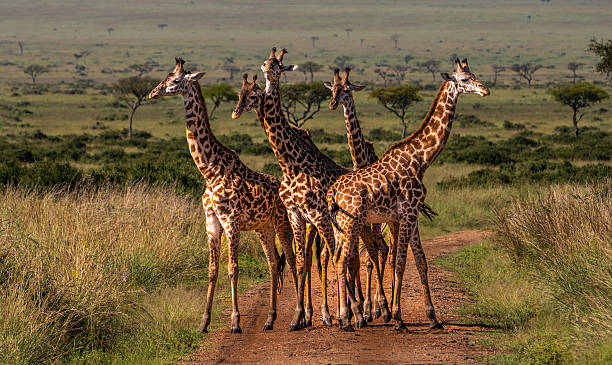
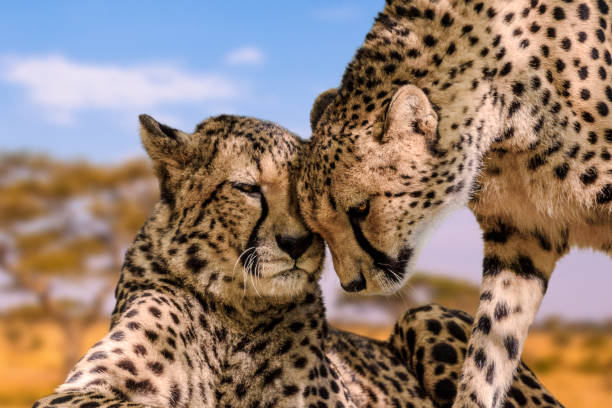
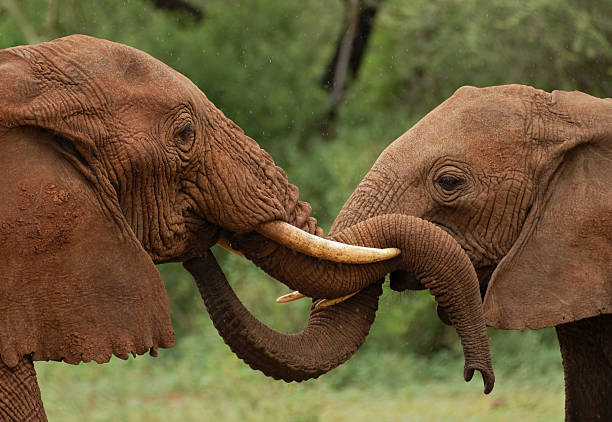
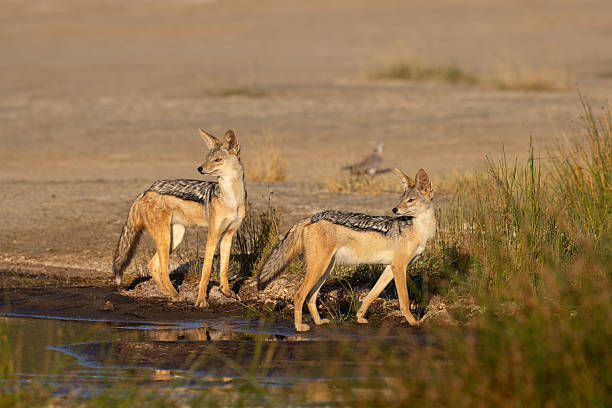
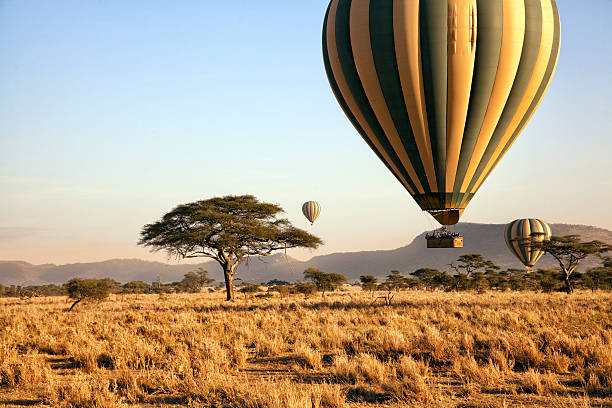
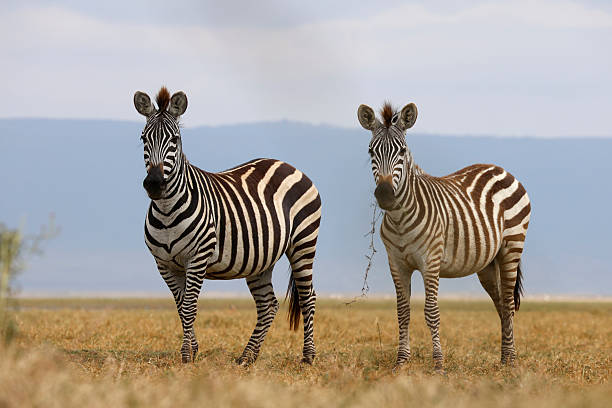
More than 40 original images available in our full gallery. View complete gallery ?
How Does This Safari & Beach Compare?
Not sure which itinerary is right for you? Here's how the 9-Day Grand Luxury Safari & Zanzibar stacks up against our other packages.
| Feature | 6-Day Fly-In | 7-Day Luxury | 9-Day Grand Luxury Safari & Zanzibar ★ | Zanzibar Only | Budget Camping |
|---|---|---|---|---|---|
| Duration | 6 days / 5 nights | 7 days / 6 nights | 9 days / 8 nights | 4 days / 3 nights | 6 days / 5 nights |
| Price From | $3,500/person | $5,800/person | $200 — $5,000 | $1,200/person | $1,600/person |
| Transport | ✓ Road + Flight | ✓ Flight | ✓ Road + Flight | ✓ Flight | ✗ Road |
| Accommodation | Luxury Lodges | Premium Luxury | Luxury Lodges + Beach Resort | Beach Resort | Camping |
| Game Drives | 7 | 9 | 9 Private Safaris | 0 | 6 |
| Parks Visited | Serengeti + Ngorongoro | Serengeti + Ngorongoro + Tarangire | Lake Manyara + Serengeti + Ngorongoro + Zanzibar | None (Beach only) | Serengeti + Ngorongoro |
| Big Five | ✓ 99% | ✓ 99% | ✓ 99% | ✗ N/A | ✓ 85% |
| Beach Time | ✗ No | ✗ No | ✓ 3 Nights Zanzibar | ✓ 3 Nights | ✗ No |
| Guide | Private | Private Expert | Private Expert | Self-guided | Shared |
| Best For | Safari focus | In-depth exploration | Safari + Beach combo | Beach holiday | Budget travellers |
Safari & Beach Video Highlights
Watch the Serengeti and Zanzibar come alive through our lens. Real moments from actual Kizza Adventures trips.
View our full video library on YouTube ↗
Inclusions & Pricing — 9-Day Grand Luxury Safari & Zanzibar
Everything you need to know about what's covered, from the grand luxury safari to your Zanzibar beach stay.
Included
- Private 4x4 road safari with pop-up roof (Days 1–6)
- Professional English-speaking safari guide (Days 1–7)
- 6 nights luxury lodge accommodation (Lake Manyara, Serengeti, Ngorongoro)
- 3 nights Zanzibar beach resort (half board)
- Full board meals on safari (breakfast, lunch, dinner)
- Bottled drinking water throughout safari
- Park entrance fees & conservation fees
- Serengeti to Zanzibar flight (scheduled)
- All airport/airstrip transfers
- Game drives as per itinerary (9 private safaris)
- Ngorongoro Crater descent fee
- 24/7 support from Kizza Adventures team
- Emergency evacuation cover
Not Included
- International flights
- Travel insurance (mandatory)
- Tanzania visa ($50-$100)
- Tips for guides, lodge & beach resort staff
- Personal expenses (souvenirs, spa, laundry)
- Premium imported wines & champagne
- Hot air balloon safari ($550/person optional)
- Spice tour / snorkelling gear in Zanzibar
- Accommodation before/after safari
Pricing Per Person
| Number of Guests | Peak Season (Jun"-Oct & Dec"-Jan) | Green Season (Nov & Feb"-May) |
|---|---|---|
| 2 guests | $8,500 / person | $6,500 / person |
| 3 guests | $7,800 / person | $6,000 / person |
| 4 guests | $7,200 / person | $5,700 / person |
| 5-6 guests | $6,800 / person | $5,500 / person |
| Solo traveller | $10,500 | $8,200 |
* Prices are in USD per person and include all taxes, flights, lodge accommodation, private game drives, meals, park fees, and transfers. 30% deposit to confirm. Balance due 30 days before departure. Free cancellation up to 60 days. Contact us for current availability and exact pricing for your dates.
Trip Cost Calculator
Select your group size and preferred season for an instant estimate.
Estimate only "- contact us for exact pricing and availability
How to Book Your Safari
Booking your dream safari is simple. Just 5 steps from inquiry to adventure.
Send an Inquiry
Contact us via WhatsApp, email, or our website form with your preferred dates and group size.
Receive Your Custom Itinerary
We'll design a personalized safari plan within 24 hours "- tailored to your interests and budget.
Confirm Your Booking
Review and approve the itinerary. We'll handle all lodge reservations, park permits, and flight bookings.
Pay Deposit
A 30% deposit secures your safari. Balance is due 30 days before departure. Secure payment via bank transfer, card, or PayPal.
Travel to Tanzania
Receive your pre-departure guide, packing list, and travel tips. Arrive in Tanzania "- we'll take care of the rest!
Frequently Asked Questions
Everything you need to know about this 9-day grand luxury safari & Zanzibar experience.
Ready to Experience Safari & Beach?
Book your 9-Day Grand Luxury Safari & Zanzibar today and experience Tanzania at its finest — from Lake Manyara's tree-climbing lions to Zanzibar's turquoise waters. Private itinerary, expert guide, and 24/7 support — all included.
30% deposit secures your booking — Free cancellation up to 60 days