


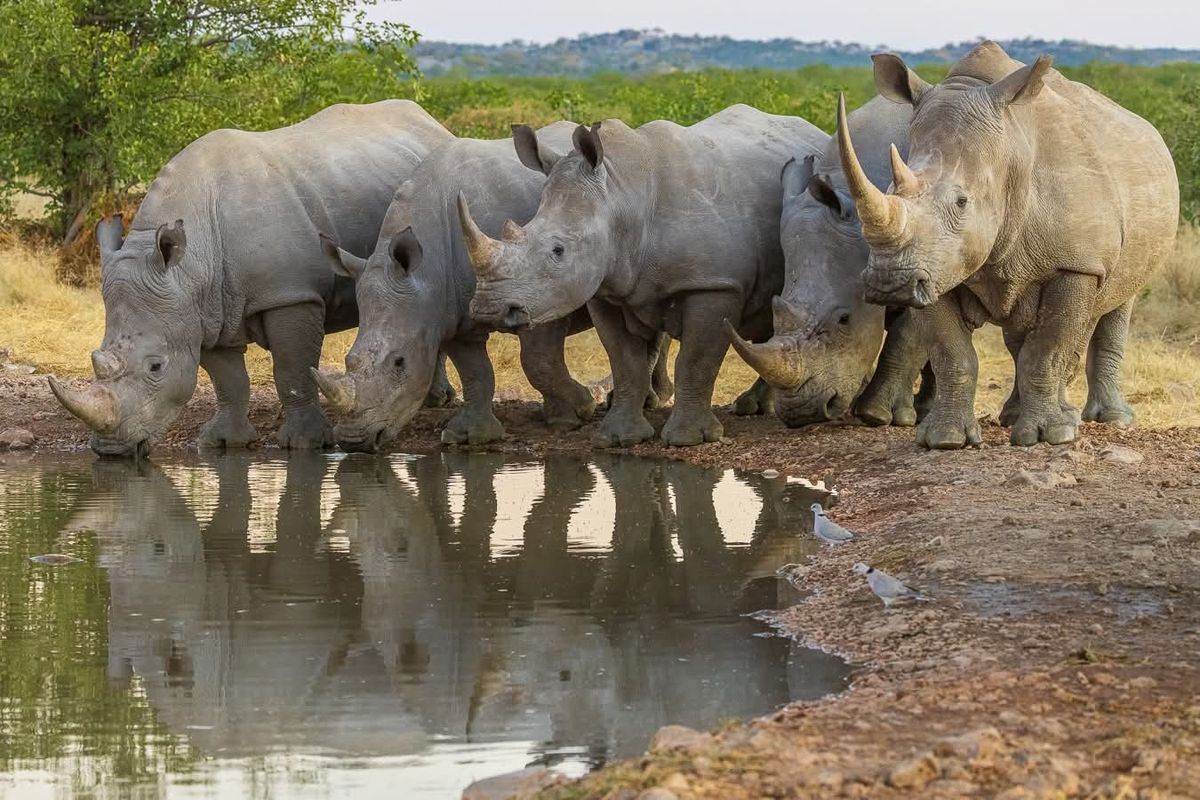
3-Day Tanzania Sharing Serengeti Safari - Tarangire, Ngorongoro Crater & Central Serengeti on a Small-Group Circuit
A compact northern Tanzania safari connecting Tarangire's elephant country, the Ngorongoro Crater and Central Serengeti's endless wildlife plains — designed for travellers who want a shared, value-focused Tanzania safari without losing the essential wildlife experience.
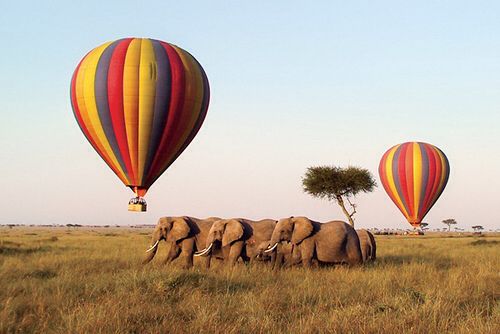
A Short Tanzania Safari That Connects Three Legendary Wildlife Landscapes
This 3-day Tanzania sharing safari is built around a classic northern circuit: start in Arusha, explore Tarangire National Park, descend into the Ngorongoro Crater, then continue into the Central Serengeti before returning to Arusha. It is compact, but each day has a clear wildlife purpose.
Tarangire brings the elephants and ancient baobabs. Ngorongoro adds a concentrated crater-floor wildlife experience. Serengeti then opens into one of Tanzania's defining wildlife landscapes, where game drives are shaped by season, water, grazing and predator movement. Official Tanzania sources currently describe Tarangire for elephant herds and baobab landscapes and identify Serengeti's core activities as game drives and balloon safari.
- Tarangire elephant & baobab safari
- Ngorongoro Crater wildlife drive
- Central Serengeti game drives
- Shared / small-group vehicle format
- Breakfast, lunch & dinner planned
- 2 nights, 3 days
Everything You Need to Know at a Glance
Duration
This trip runs for 3 days and 2 nights, with drives scheduled across the featured areas on each day.
Safari Style
This is a shared / small-group safari, designed to keep the per-person cost of the classic northern circuit lower than a fully private tour.
Start Point
The safari is planned to start and finish in Arusha, northern Tanzania, with a morning departure on day one.
The Parks
This trip connects Tarangire, the Ngorongoro Crater and Central Serengeti — the classic northern Tanzania wildlife circuit.
Where You Sleep
Night one is in the Karatu / Ngorongoro area and night two is in or near Central Serengeti. The exact camps or lodges are confirmed at booking.
Meals Included
Breakfast, lunch and dinner are included across the three days of the safari.
Safari Transport
Travel is by road in a safari vehicle shared with your small group, with guided game drives in each park.
Price on Request
Pricing depends on season, group size, days travelled and accommodation level. A confirmed quote is sent after you share your dates.
3-Day Tanzania Sharing Safari Itinerary — Day by Day
Follow the journey hour by hour through three of northern Tanzania's defining safari landscapes — from Arusha to Tarangire, across the Ngorongoro highlands and down into the Serengeti, with every day's route, wildlife focus, meals, accommodation and practical rhythm clearly explained.
Route of the day: Arusha departure → Tarangire National Park → game-drive circuit → exit toward the Makuyuni/Karatu corridor → overnight in the Karatu / Ngorongoro area.
Early morning — Group meeting and departure from Arusha: After the confirmed pickup time, join your sharing safari vehicle and fellow travellers in Arusha. The driver-guide introduces the day's route, explains wildlife-viewing etiquette, luggage and water arrangements, and sets expectations for the shared-vehicle schedule. Because this is a group safari, the departure sequence can include agreed hotel pickups before the vehicle leaves Arusha.
Late morning — Enter Tarangire National Park: Travel toward Tarangire and begin the first major wildlife chapter of the safari. Tarangire's scenery changes from cultivated and settled areas outside the park into dry-country woodland, open savanna, river corridors and the park's characteristic giant baobabs. The exact game-drive loop follows the season, road conditions and the guide's wildlife reading.
- Wildlife focus: elephants, giraffe, zebra, wildebeest, buffalo, impala, baboons and diverse birdlife are among the species that may be encountered; lion and other predators are possible but never guaranteed.
- Landscape focus: baobab-dotted country, acacia and woodland zones, seasonal wetlands and the Tarangire River system.
- Guide interpretation: the guide explains how water availability, forage and season influence where animals concentrate, especially during drier periods.
Lunch — In the park: A picnic or packed safari lunch is planned for the day's route where the confirmed operation permits it. The exact stop follows park rules, the vehicle's route and the group's game-viewing schedule rather than a fixed restaurant-style lunch hour.
Afternoon — Final Tarangire game viewing and exit: Continue the game drive through suitable wildlife habitat, allowing time for photography and interpretation. The group then exits Tarangire and continues toward the Karatu / Ngorongoro area. This transfer is part of the northern-circuit journey: the landscape gradually rises toward the highlands and the vegetation changes as you approach the Ngorongoro region.
Evening — Check-in and reset: Arrive at the confirmed accommodation in the Karatu / Ngorongoro area. Check in, freshen up and enjoy dinner. The guide uses the evening briefing to explain the early start for the Ngorongoro Crater the following morning, including the importance of being ready on time for a shared safari departure.
Accommodation: One night in the Karatu / Ngorongoro area at a confirmed lodge or tented camp. The exact property, room category and meal plan are confirmed against the booking dates and group arrangement.
Meals: Breakfast according to the pre-safari accommodation arrangement; picnic/packed lunch during the Tarangire day; dinner at the confirmed Karatu-area accommodation.
Day 1 travel reality: This is a full road-and-game-drive day. Pickup timing, park entry procedures, wildlife encounters and road conditions can all affect the final arrival time at the accommodation.
Route of the day: Karatu breakfast → Ngorongoro Crater descent → wildlife drive on the crater floor → designated lunch arrangement → crater ascent → highland road toward Serengeti → Central Serengeti / Seronera arrival and, where conditions allow, an introductory game drive.
Early morning — Breakfast and crater departure: Start early from the Karatu / Ngorongoro area. The group descends toward the crater at the appropriate time for the confirmed itinerary and park access arrangements. The change in elevation is dramatic: cultivated highlands and forested slopes give way to the broad crater floor below.
Morning to early afternoon — Ngorongoro Crater wildlife drive: Spend the main wildlife portion of the morning exploring different parts of the crater floor. Your guide interprets the relationship between open grassland, water, woodland pockets and the animals that use them. The objective is not to race from one sighting to another, but to understand the crater as a functioning ecosystem.
- Wildlife focus: zebra, wildebeest, gazelles, buffalo, hippo and hyena are possible; lion sightings can occur; black rhinoceros may be encountered but should never be promised.
- Behavior focus: predator activity, grazing herds, bird interactions and movement between water and feeding areas provide the guide's main interpretation points.
- Photography focus: the crater combines close wildlife viewing with dramatic escarpment walls and changing light across the floor.
Lunch — Crater / route arrangement: Lunch is normally handled as a picnic or packed meal under the confirmed operation and park rules. The timing is deliberately flexible because the group may stay longer at an important wildlife encounter or adjust the route to changing conditions.
Afternoon — Ngorongoro highlands to Serengeti plains: After the crater experience, ascend from the floor and continue west toward Serengeti. This transition is one of the strongest storytelling moments of the safari: the cool highland environment gives way to increasingly open country as the route approaches the Serengeti ecosystem.
Late afternoon — Enter the Serengeti: Once inside the Serengeti route, the group may continue with an introductory game drive when park timing, road conditions and the confirmed accommodation location allow. This creates the first glimpse of the plains, kopjes and wildlife country that define the Serengeti.
Evening — Central Serengeti arrival: Reach the confirmed Central Serengeti / Seronera-area accommodation, check in and enjoy dinner. The guide then prepares the group for the final morning wildlife drive and the long return to Arusha on Day 3.
Accommodation: One night in or near Central Serengeti / Seronera at a confirmed camp, tented camp or lodge. Property and room category are confirmed before travel.
Meals: Early breakfast; picnic/packed lunch during the crater and transfer portion; dinner at the confirmed Serengeti accommodation.
Day 2 travel reality: This is the most geographically varied day of the trip. Timing depends on crater access, wildlife viewing, road conditions and the distance to the confirmed Serengeti accommodation.
Route of the day: Early Central Serengeti game drive → breakfast or packed option → final wildlife loop toward the appropriate exit → road journey east toward Arusha → agreed Arusha drop-off.
Pre-dawn / early morning — Final Serengeti wildlife drive: Leave camp early when the light is soft and wildlife can be active. Your guide reads fresh tracks, alarm calls, herd movement, recent sightings and road accessibility to decide how to use the final game-viewing window. In a sharing vehicle, the route also balances the group's shared priorities so that everyone has a meaningful final Serengeti experience.
Morning wildlife focus: Central Serengeti's mixture of open plains, rocky kopjes, grassland and river-associated habitat can support lions, leopards, cheetahs, elephants, buffalo, giraffe, zebra, wildebeest, hyenas and rich birdlife. No checklist is guaranteed; the quality of the observation and the interpretation around it are the goal.
- Photography: use the softer morning light for wildlife portraits, landscape layers, silhouettes and environmental images.
- Guide interpretation: ask why the animals are in that place, what tracks show, how weather has affected movement and how the current conditions compare with the broader seasonal pattern.
- Final game drive: continue toward the chosen exit while allowing enough time for the return journey to Arusha.
Breakfast: Depending on the confirmed lodge schedule, breakfast may be taken before the drive, after the early wildlife loop or as a packed arrangement. The final meal timing is confirmed with the accommodation and guide.
Late morning to afternoon — Return road journey: Leave the Serengeti and begin the overland return toward Arusha. This is a substantial transfer leg, so the group should expect a long vehicle day rather than a second full Serengeti game-drive day. A packed or arranged lunch is used according to the confirmed itinerary and route.
Arrival in Arusha: The safari finishes with drop-off at the agreed Arusha location. The exact arrival time is not guaranteed because road traffic, wildlife stops, gate timing and weather can affect the journey.
Accommodation: No safari-night accommodation is included after the Day 3 Arusha arrival. Pre- or post-safari hotel nights can be added separately when requested and confirmed.
Meals: Breakfast; picnic/packed lunch or arranged meal during the return journey; dinner is not part of the standard 3-day / 2-night safari unless a separate evening arrangement has been added.
End of safari: Your 3-day Tanzania sharing safari concludes in Arusha, leaving you positioned for an onward journey to Kilimanjaro Airport, Moshi, Zanzibar or another Tanzania destination according to your confirmed travel plan.
Why Choose a 3-Day Tanzania Sharing Safari via Tarangire, Ngorongoro & Serengeti?
The strength of this route is contrast: elephants and baobabs, a crater ecosystem and the open Serengeti plains in one compact northern circuit.
Sharing the vehicle spreads safari logistics across the group, making a 3-day Tanzania safari more accessible than a dedicated private vehicle itinerary.
Tarangire, Ngorongoro and Serengeti each has a different visual and ecological character, so the journey feels bigger than its three days.
Designed for travellers with limited time who still want the classic northern Tanzania safari sequence.
A small-group format can create a social atmosphere while keeping the focus on wildlife and photography.
The route introduces three of northern Tanzania's most recognized safari landscapes in one trip.
Add Serengeti nights, Lake Manyara, Tarangire nights, Kilimanjaro or Zanzibar when time allows.
Your Route: Arusha → Tarangire → Ngorongoro → Serengeti → Arusha
A classic northern Tanzania road circuit designed to reach the Serengeti while still experiencing Tarangire and Ngorongoro.
Morning departure, Tarangire game drive, picnic lunch and evening transfer to the Karatu / Ngorongoro area.
Early crater wildlife drive, lunch, then the highland-to-plains transition into Serengeti.
Morning game drive followed by the long return road journey to Arusha.
Interactive Safari Map
Follow the Arusha → Tarangire → Ngorongoro → Serengeti road circuit stop by stop, with travel days matched to the itinerary below.
- Arusha
Start and finish
Day 1 depart • Day 3 return - Tarangire
Elephants and baobabs
Day 1 game drive - Ngorongoro
Crater wildlife drive
Day 2 morning - Central Serengeti
Main Serengeti wildlife zone
Day 2 afternoon + Day 3 morning
Why Choose Kizza Adventures for a Sharing Safari?
The product is designed around clear routing, practical group logistics and a straightforward northern Tanzania wildlife experience.
Route planning and wildlife interpretation are built around Tanzania's northern safari landscape.
This page is deliberately structured as a shared/small-group product rather than mixing private and group promises.
Tarangire, Ngorongoro and Serengeti are shown in the actual sequence of travel.
Extra Serengeti nights or other northern circuit destinations can be requested where suitable.
Pricing is confirmed against dates, group size, accommodation and final inclusions.
Wildlife is observed according to park rules, with no guaranteed sightings advertised.
Guests receive a clear operational plan before departure, including packing and travel details.
Contact the safari team directly for current availability and the correct current quotation.
What Animals May You See on the Tarangire–Ngorongoro–Serengeti Route?
Three ecosystems create a broad wildlife checklist, from elephant country and crater-floor grazers to Serengeti predators and migrating herbivores.
One of Tarangire's signature wildlife experiences, especially around water and woodland habitats.
Possible across Tarangire, Ngorongoro and Serengeti habitats; sightings depend on daily movement.
More elusive and often associated with trees, riverine habitat and quiet viewing moments.
Large herds may be encountered in suitable grazing and water-rich areas.
Possible in the Ngorongoro and northern Tanzania ecosystem, but sightings are uncommon and never guaranteed.
Regularly encountered across the grasslands and open habitats of the northern circuit.
Seasonal movement and resident herds contribute to the Serengeti wildlife spectacle.
Especially characteristic of Tarangire's woodland and open savanna mosaics.
Open plains provide suitable hunting habitat, although sightings are never promised.
Possible around suitable permanent or seasonal water bodies, particularly the crater setting.
Adaptable predators and scavengers encountered in several habitats along the route.
Tarangire is especially notable for bird diversity; the wider circuit adds raptors, waterbirds and open-country species.
How a Safari Guide Reads the Northern Tanzania Landscape
The best viewing is not just about driving to animals — it is about understanding why they are there, what changed overnight and how the landscape shapes behavior.
Rivers, swamps, crater pools and seasonal water points influence where animals gather and how long they remain.
Footprints and disturbed ground can reveal recent movement before an animal becomes visible.
Birds and antelope may react to predators before the predator is visible to people.
Herd density and fresh grazing can indicate where herbivores are spending time.
Tarangire woodland, Ngorongoro crater grassland and Serengeti plains require different viewing strategies.
Morning and late afternoon can produce different activity patterns and more favorable photographic light.
Wildlife locations shown here describe habitats and typical search logic, not guaranteed sightings.
Wildlife Sighting Checklist
Use this field checklist to understand the species this northern Tanzania route may place within reach.
| Animal | Potential Encounter | Best Viewing Context | Route Area |
|---|---|---|---|
Elephant | Strong | Water / woodland / dry season concentration | Tarangire |
Lion | Strong | Open plains and predator-rich habitats | Ngorongoro / Serengeti |
Leopard | Possible | Riverine trees and quiet areas | Serengeti / Tarangire |
Buffalo | Strong | Grazing areas and water-rich habitats | Ngorongoro / Serengeti |
Black Rhino | Rare | Suitable protected crater/woodland habitat | Ngorongoro / northern Tanzania |
Zebra | Strong | Open grasslands | All three safari areas |
Wildebeest | Strong | Grasslands and seasonal migration zones | Serengeti / Ngorongoro |
Giraffe | Strong | Woodland and savanna | Tarangire |
Cheetah | Possible | Open plains with broad visibility | Serengeti / Ngorongoro |
Hippo | Possible | Water bodies | Ngorongoro / Serengeti |
Birds | Strong | Wetlands, woodland, river and open country | Especially Tarangire |
No sighting is guaranteed. Animal movement varies with weather, season, food, water and the day-to-day conditions of the ecosystem.
Meet Your Expert Safari Guide
The master blueprint's guide profile remains in the same place and uses the same image asset; operational guide identity and credentials should be confirmed against the final assigned guide.
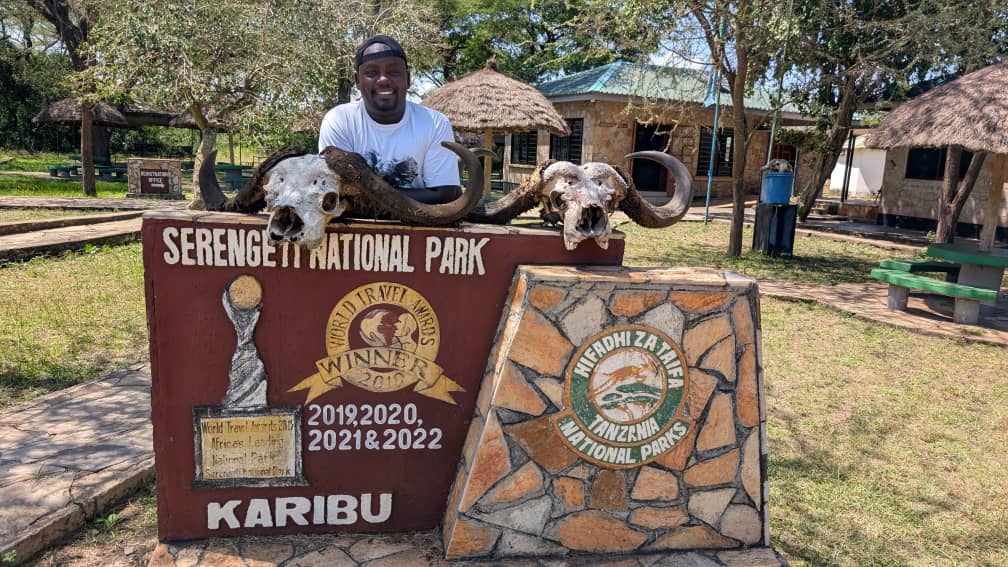
Your final assigned guide is confirmed with the operational safari booking. The guide's role is to manage road timing, wildlife interpretation, group coordination and safe game viewing across Tarangire, Ngorongoro and Serengeti.
On a sharing safari, a good guide is especially important because the day has to balance the interests and practical needs of several travellers without losing the wildlife objective of the route.
Accommodation for the 3-Day Tanzania Sharing Safari
The accommodation pattern keeps the route efficient: one night near Ngorongoro and one night in or near Central Serengeti.
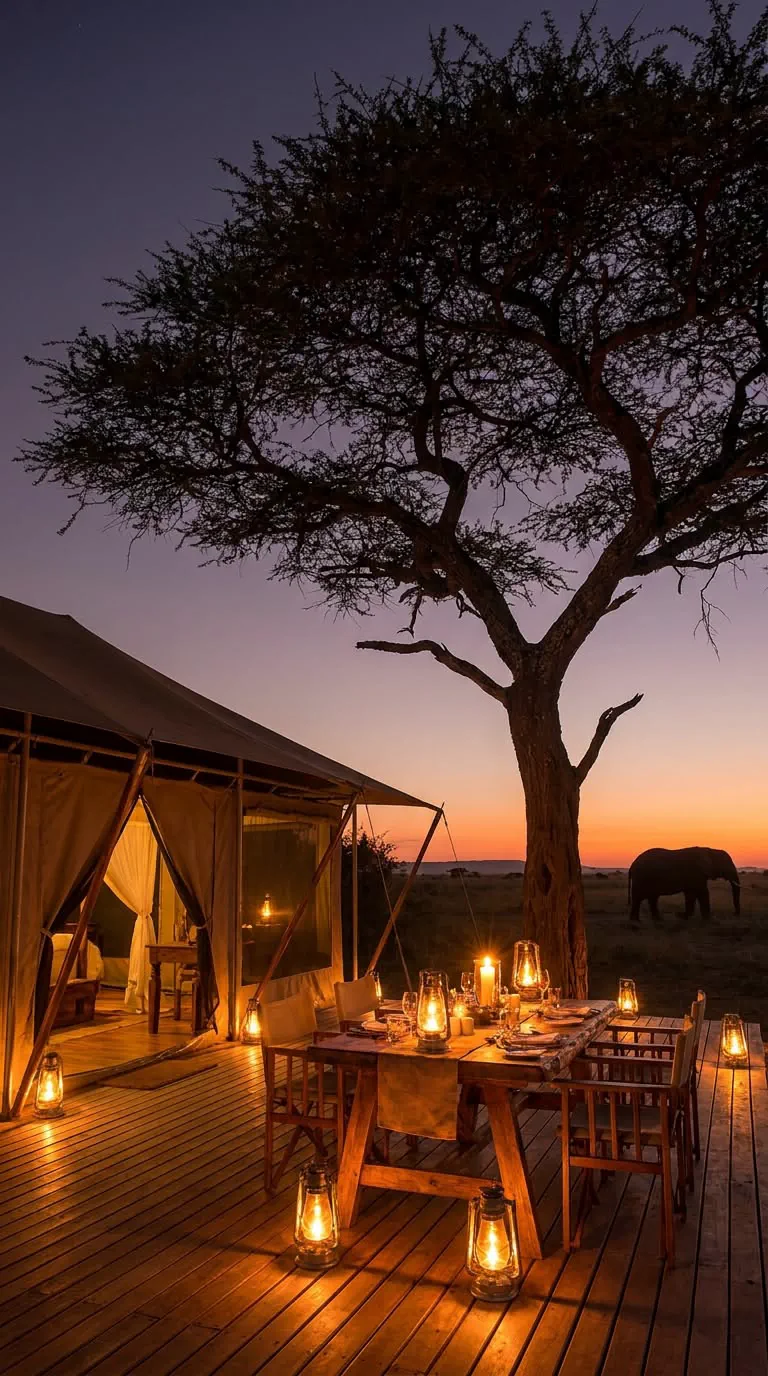
A practical overnight base after Tarangire and before the early Ngorongoro Crater drive. Property and room basis are confirmed at booking.
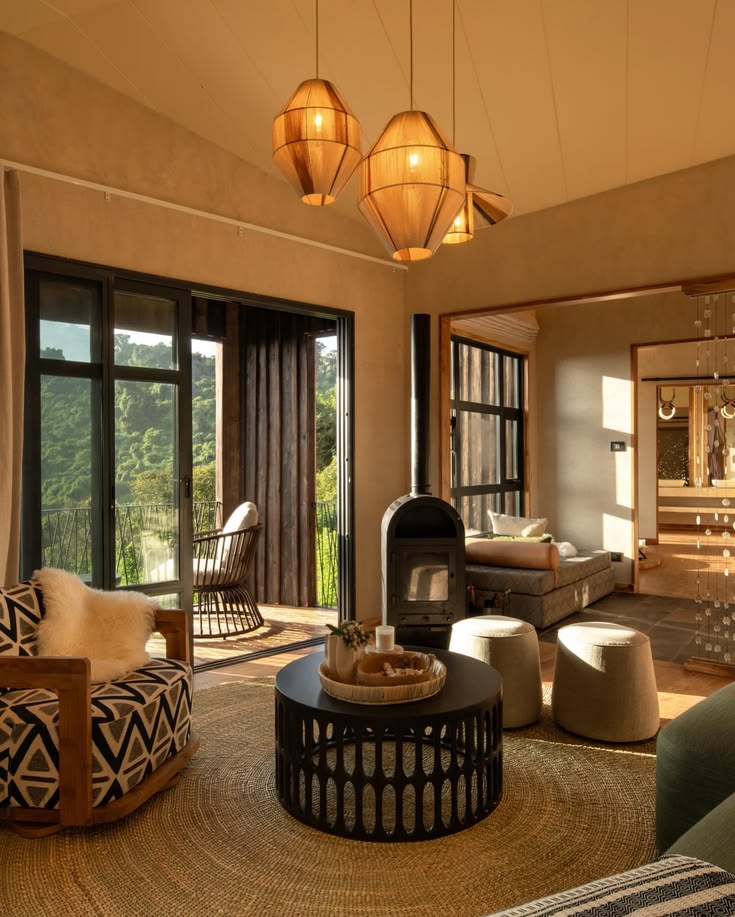
Staying near Central Serengeti keeps the group close to the ecosystem for the final morning game drive. Specific property is confirmed with the quotation.
Equivalent or superior properties may be substituted when necessary because of availability, season or operational logistics.
Road Safari Experience from Arusha to Serengeti
Unlike a fly-in itinerary, this route lets the landscape change visibly from town and farmland to woodland, crater highlands and open Serengeti plains.
Watch the geography change as the safari leaves Arusha, enters the Tarangire landscape, climbs toward the Ngorongoro highlands and then descends toward Serengeti.
Seats, timing and stops are coordinated among the group, so exact departure and arrival times may vary from a private safari.
Soft-sided luggage is recommended for safari vehicles. Your booking confirmation should carry the final luggage instructions for the shared vehicle.
The guide works within park entry and exit regulations; the itinerary is therefore planned around official opening times and road conditions.
Tarangire's baobabs, Ngorongoro's crater walls and Serengeti's open plains create three very different visual chapters.
This product is road-based. A fly-in Serengeti alternative should be treated as a separate product with its own flight and baggage rules.
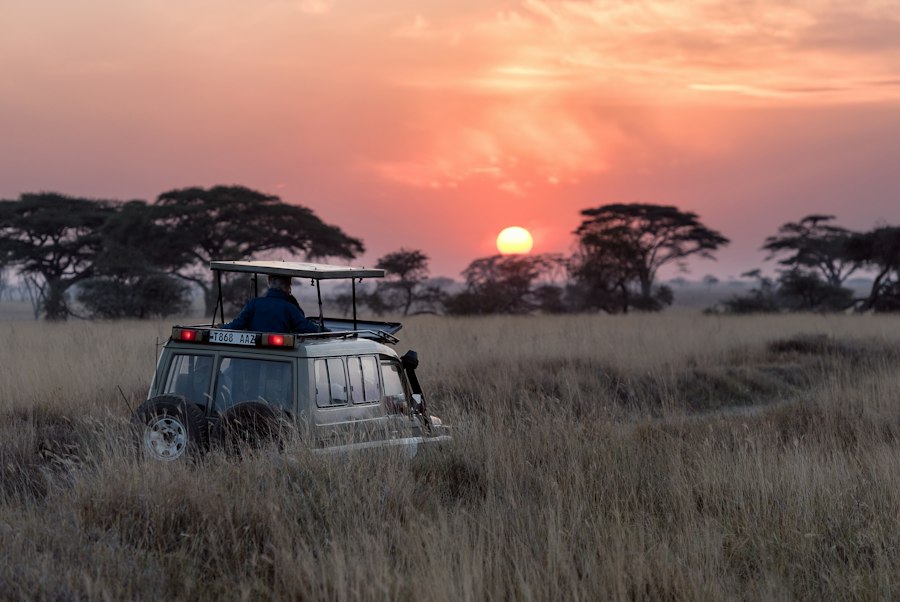
Safari Vehicle for the Sharing Group
Comfort matters on a northern circuit with long road transfers and multiple wildlife-viewing stops.
Designed to provide elevated viewing during wildlife drives where the vehicle configuration allows it.
Vehicle capacity depends on the confirmed operator configuration and final group composition.
Carry drinking water and personal essentials according to the final safari packing instructions.
Keep binoculars accessible and follow the guide's positioning instructions around wildlife.
Sharing means considering other travellers' viewing angles, so patience and communication help everyone get a better experience.
Remain inside the vehicle except where the guide and park regulations specifically permit getting out.
Best Time for a 3-Day Tarangire, Ngorongoro & Serengeti Safari
This route works year-round, but each park changes character with rainfall, grazing and seasonal wildlife movements.
Great Migration & Wildlife Timing in Serengeti
The Serengeti part of this safari is planned around the ecology of the ecosystem rather than a fixed guaranteed herd location.
Seasonality is a planning framework. Herd location can change with rainfall, pasture and animal movement.
Safari Photography Guide for a 3-Day Shared Safari
A compact route can still produce strong images when you prepare for changing habitats and shared-vehicle viewing.
Useful for distant wildlife without needing to approach animals.
Use the low sun for texture and atmosphere, especially in Serengeti and Tarangire landscapes.
Coordinate with the guide so everyone can get a clear angle without blocking another traveller's view.
Dust and road vibration are part of safari travel; keep lenses covered when not shooting.
Use wide compositions for Tarangire baobabs, crater walls and Serengeti horizons.
Predator movement, herd dynamics and elephant interactions often tell a stronger story than a static portrait.
What to Pack for Your 3-Day Tanzania Sharing Safari
Pack for warm afternoons, cooler mornings, dust, photography and a full day of road travel.
- Soft-sided safari bag
- Neutral, lightweight clothing
- Warm layer for early mornings
- Comfortable closed shoes
- Hat, sunglasses and sunscreen
- Insect repellent
- Camera, batteries and power bank
- Passport and travel documents
- Small daypack
- Binoculars
- Light rain jacket
- Reusable water bottle
- Dust protection for electronics
- Basic personal medication
- Small torch/headlamp
- Notebook for wildlife observations
Essential Tanzania Safari Travel Information
Exact operational requirements can vary by nationality and travel date, so use official Tanzania sources and your final booking documents for current requirements.
Travel with a passport valid for the required period and verify Tanzania visa or entry requirements for your nationality before departure.
Consult a qualified travel-health professional for vaccines, malaria prevention and any personal medical preparation.
Comprehensive travel insurance is strongly recommended for medical treatment, evacuation, cancellation and baggage disruption.
Carry a practical combination of payment methods. Remote safari areas may not offer dependable ATM access or continuous card service.
Mobile coverage varies across the safari route. Treat wilderness connectivity as intermittent rather than guaranteed.
Stay on designated tracks, remain in the vehicle when required and follow guide and park instructions. TANAPA specifically advises respecting wildlife safety rules and restrictions.
Who Is This 3-Day Sharing Safari Best For?
The route suits travellers who value the classic northern circuit but need a compact schedule and shared-safari price structure.
Excellent for people travelling alone or as a couple who prefer sharing a safari vehicle rather than paying for an entire private vehicle.
Tarangire's elephants and baobabs, Ngorongoro's crater landscapes and Serengeti's plains provide a strong variety of photographic subjects.
Families can request the shared itinerary, but should consider the long road days and confirm the accommodation's child policy before booking.
Strong fit for travellers with three days available who want more than a single-park day trip.
What Makes a Good Sharing Safari Experience?
The strongest group safaris balance wildlife ambition with realistic road timing, shared preferences and clear accommodation information.
Look for a route that explains exactly where you sleep, how long the road transfers are and which parks are visited each day.
Ask how many travellers are normally placed in the vehicle and how the operator handles different viewing preferences within a shared group.

Frequently Booked Together
Extend the short safari into a longer Tanzania itinerary when time allows.
Safari Gallery — Experience the Journey Before You Arrive
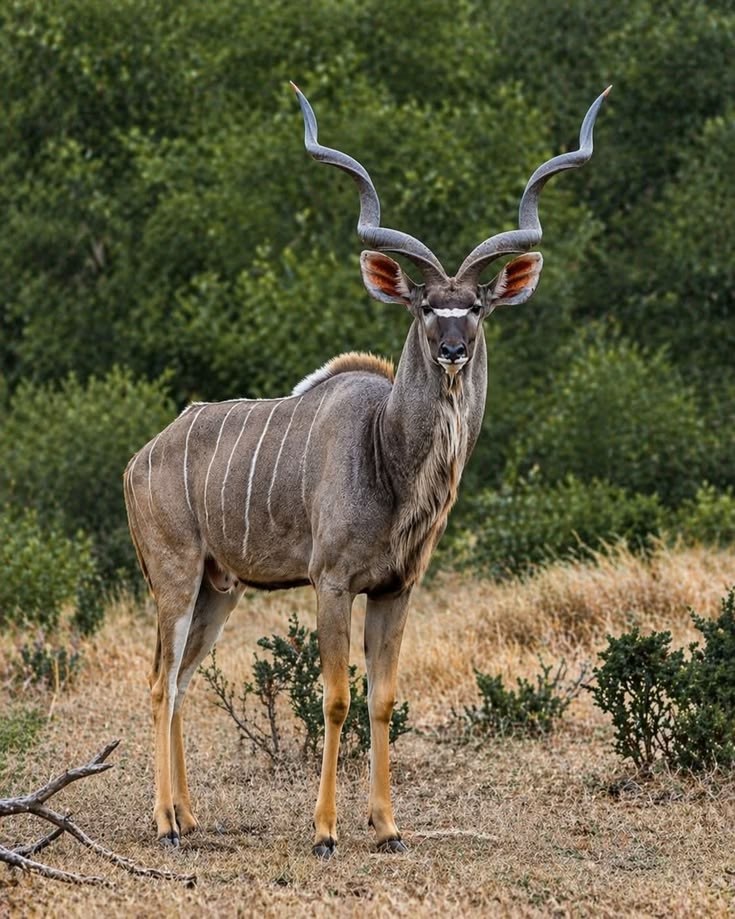
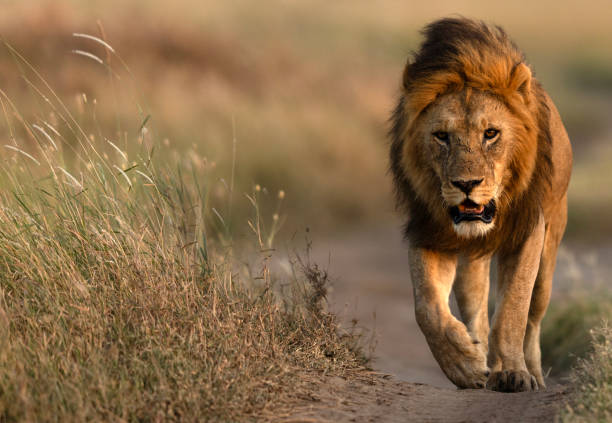
Baobab country, the crater floor at dawn and the endless Serengeti plains — a preview of the landscapes on this route.
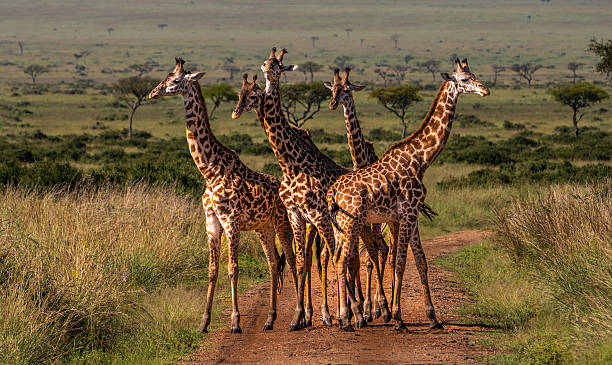
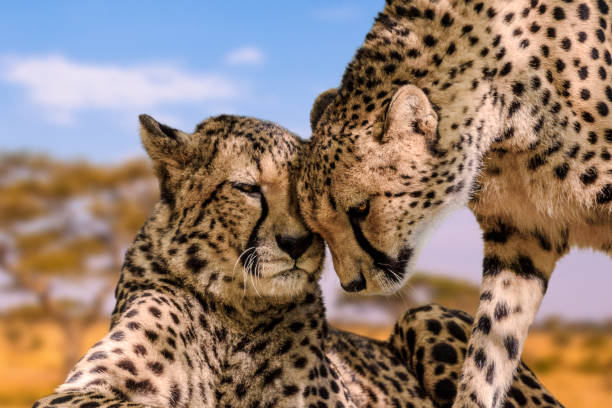
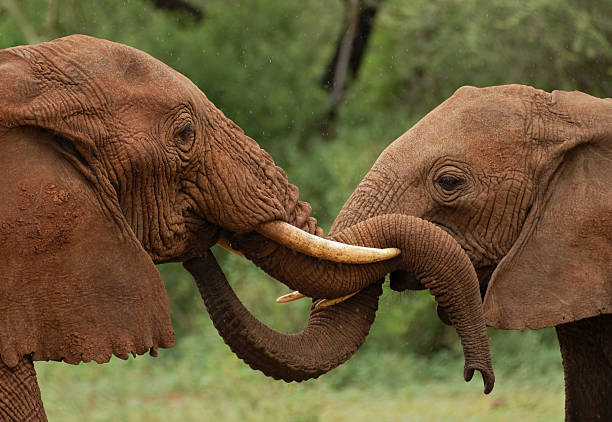
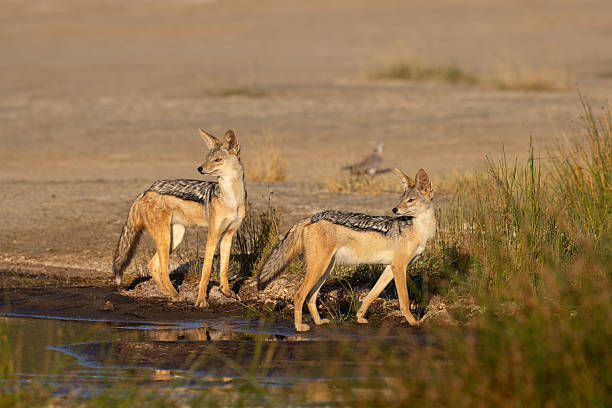
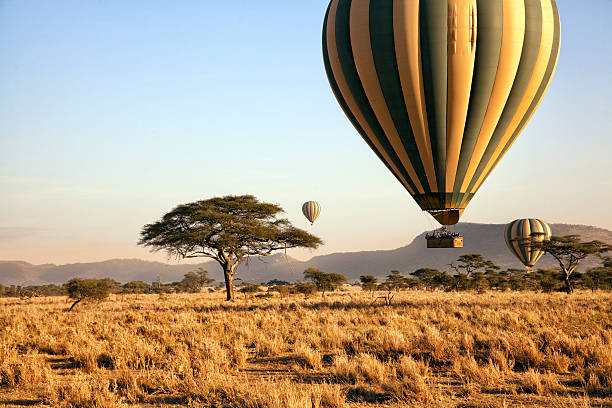
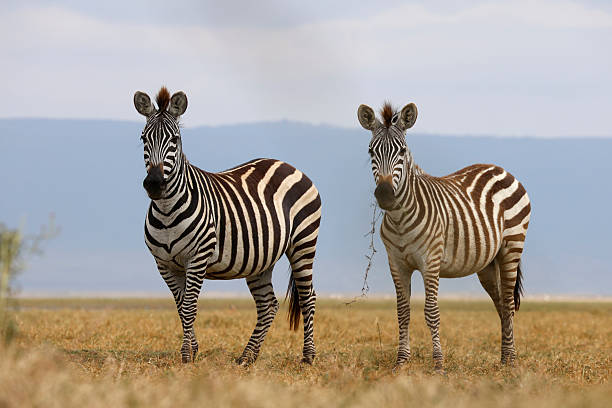
Frames from Tarangire, Ngorongoro and the Serengeti. View complete gallery →
How Does This 3-Day Sharing Safari Compare?
A sharing safari trades some privacy for a lower-cost way to experience Tanzania's northern circuit.
| Feature | 3-Day Sharing Safari | Private 3-Day Safari | Longer Serengeti Safari | Fly-In Serengeti Safari |
|---|---|---|---|---|
| Style | Sharing / small group | Private | Private or group | Private / scheduled flight |
| Route | Tarangire + Ngorongoro + Serengeti | Custom | More Serengeti nights | Serengeti-focused |
| Road Time | High | High but flexible | Moderate / high | Lower road time |
| Best For | Value + classic circuit | Privacy + flexibility | Wildlife depth | Convenience |
Safari Video Highlights
Use the same visual video component as the master page for Serengeti storytelling and pre-trip inspiration.
Explore more Tanzania safari videos on YouTube →
Inclusions, Exclusions & Your Current Safari Quote
The final quotation should be treated as the operational source of truth for your exact travel dates, group size and accommodation.
- Sharing / small-group safari vehicle
- Professional safari driver-guide
- 2 nights accommodation
- Breakfast, lunch and dinner as confirmed
- Tarangire game drive
- Ngorongoro Crater game drive
- Serengeti game drives as listed in the itinerary
- Applicable park and conservation charges stated in the quotation
- Arusha pickup and return according to confirmed arrangement
- International flights
- Tanzania visa / entry costs
- Travel insurance
- Personal purchases and laundry
- Tips / gratuities
- Premium drinks unless listed
- Pre- or post-safari accommodation
- Optional activities not stated in the final itinerary
3-Day Tanzania Sharing Safari Price
| Quote Field | Current Arrangement |
|---|---|
| Price Per Person | Current price — confirmed in your quote |
| Safari Style | Sharing / small-group |
| Accommodation | Confirmed by travel date and availability |
| Transport | Shared safari vehicle |
| Duration | 3 days / 2 nights |
Price depends on travel dates, number of travellers, accommodation category, current park/conservation fees and the exact inclusions. Request the live quotation rather than relying on a static web price.
How to Book the 3-Day Tanzania Sharing Safari
The product is simple to request: send your date and group details, then confirm the current shared-safari availability.
Share your preferred start date and number of travellers.
Confirm whether the sharing departure can operate on your dates.
Review the Karatu and Serengeti accommodation proposed for your booking.
Get the current price, inclusions, park charges and payment instructions.
Receive the operational itinerary and prepare for your Arusha pickup.
Begin your Tarangire–Ngorongoro–Serengeti adventure.
Frequently Asked Questions About the 3-Day Tanzania Sharing Serengeti Safari
Practical answers for travellers comparing shared, small-group and private Tanzania safari options.
Ready for a 3-Day Tanzania Safari?
Join a shared northern Tanzania safari from Arusha to Tarangire, Ngorongoro and Serengeti — built for wildlife, value and a memorable first taste of Tanzania.
Request the current departure availability, group size and quotation for your dates.