


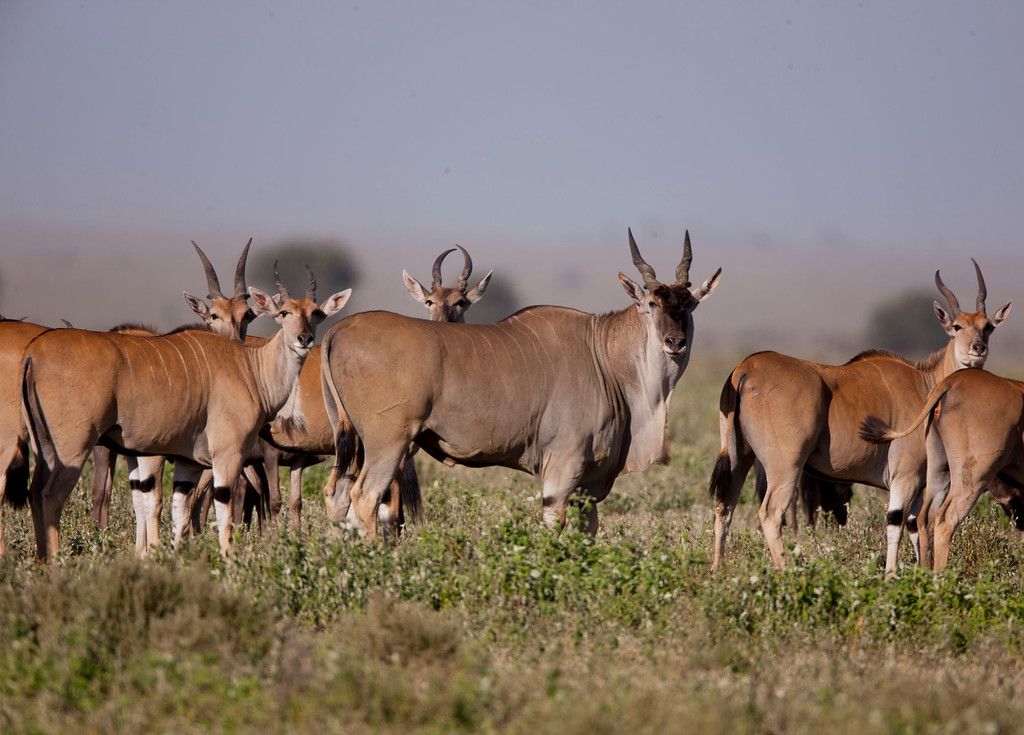
10-Day December Luxury Serengeti Migration Safari — Ten Days Greeting the Homecoming
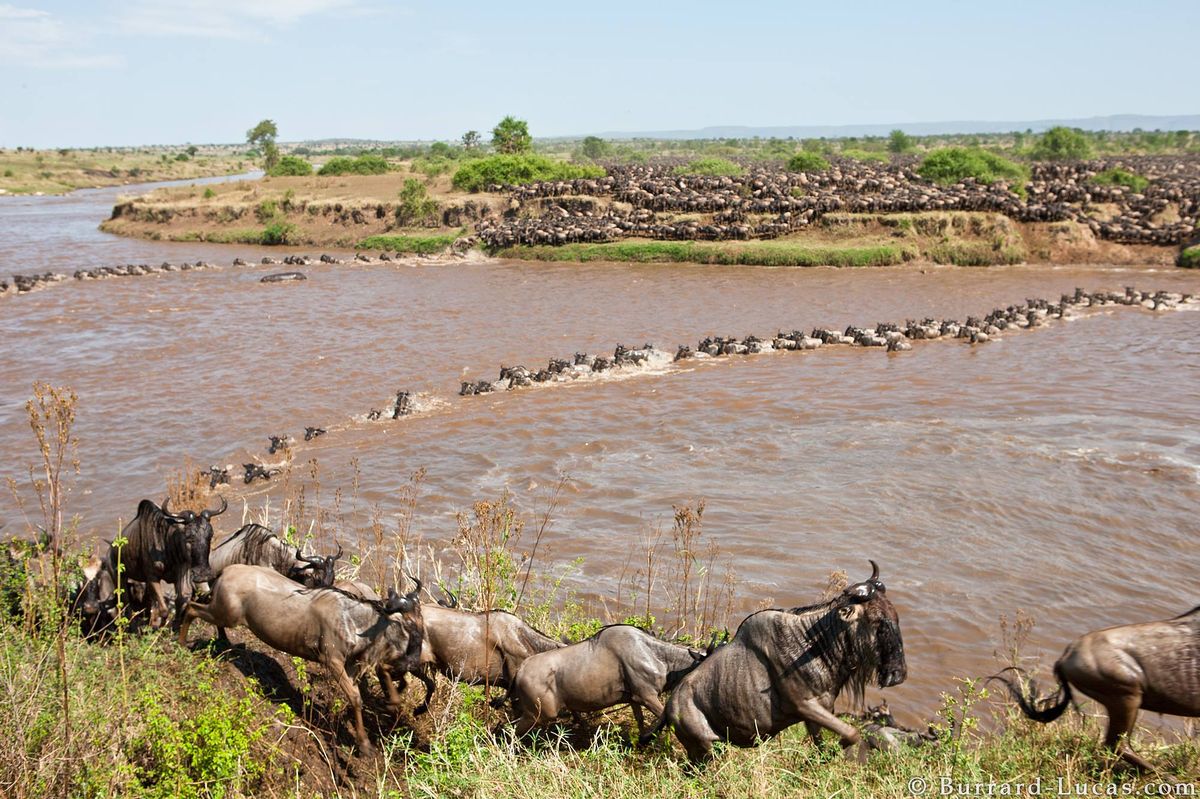
Book the 10-Day December Luxury Serengeti Migration Safari in the Serengeti: herd movement, column structure, and the scale of the plains. Ten Days Greeting the Homecoming
December is the longest version of the arrival trip because settling takes longer than passing: lines resolving into residence, green deepening by the day, lakes filling through the month. This 10-day December migration safari gives the homecoming the days it deserves, with patience as the method and honesty as the contract. Whether you are searching for a 10 day migration safari, a migration Serengeti safari, or a private departure for two, the operating rhythm is the same: an early start, a full day on the plains, and an honest account at the end of it about what you actually saw. Every departure is run out of Arusha with a licensed Tanzanian guide, a private 4x4, and an overnight confirmed against your dates.
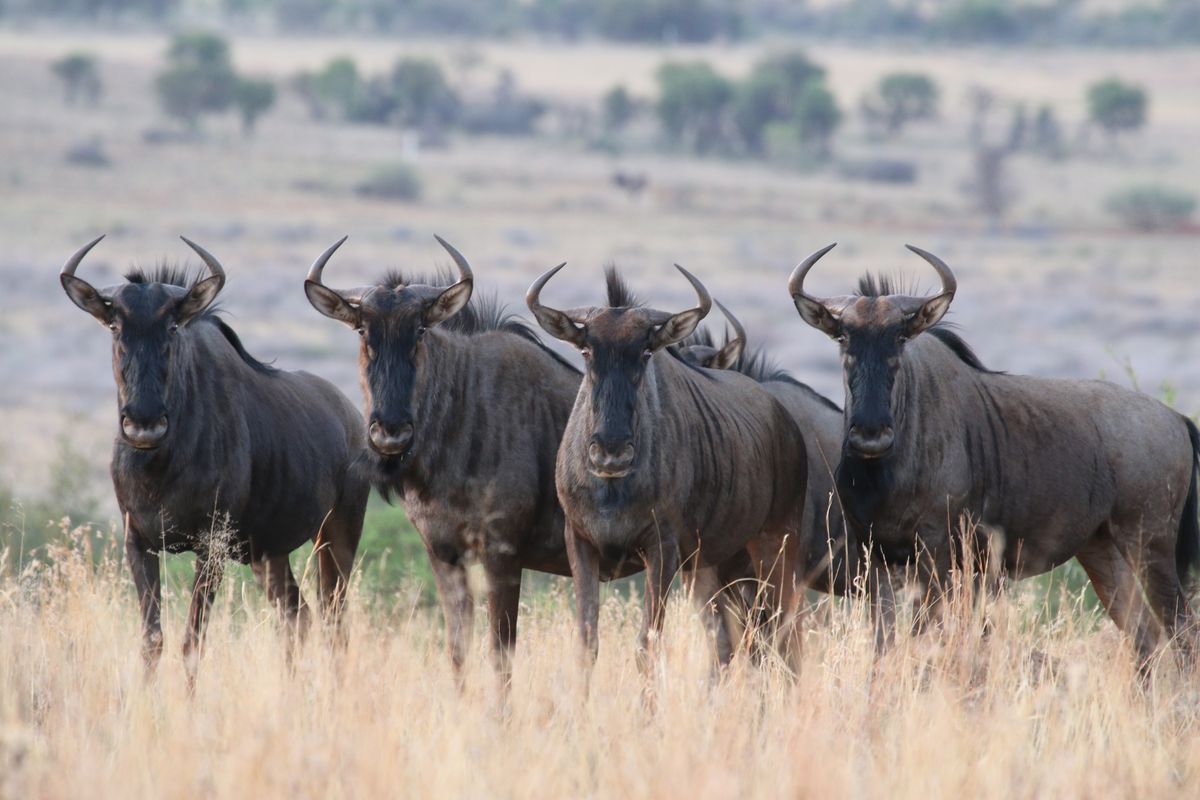
Time to Watch Arrival Become Residence
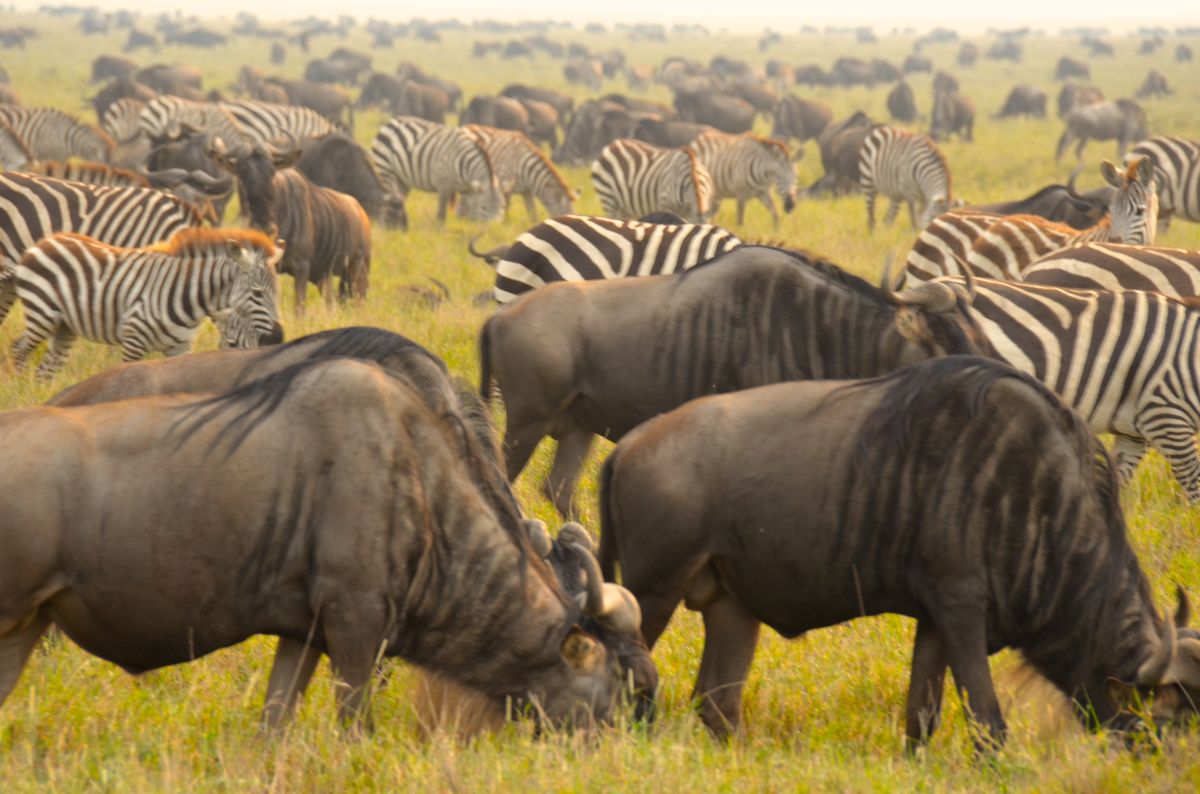
Most December itineraries are written as if the herds were either here or coming, and the truth is more rewarding: they arrive daily in loose lines and settle visibly onto green grass within days. Ten days is enough to watch the transition complete, from fresh trails to grazing residence, with the season greening around the process.
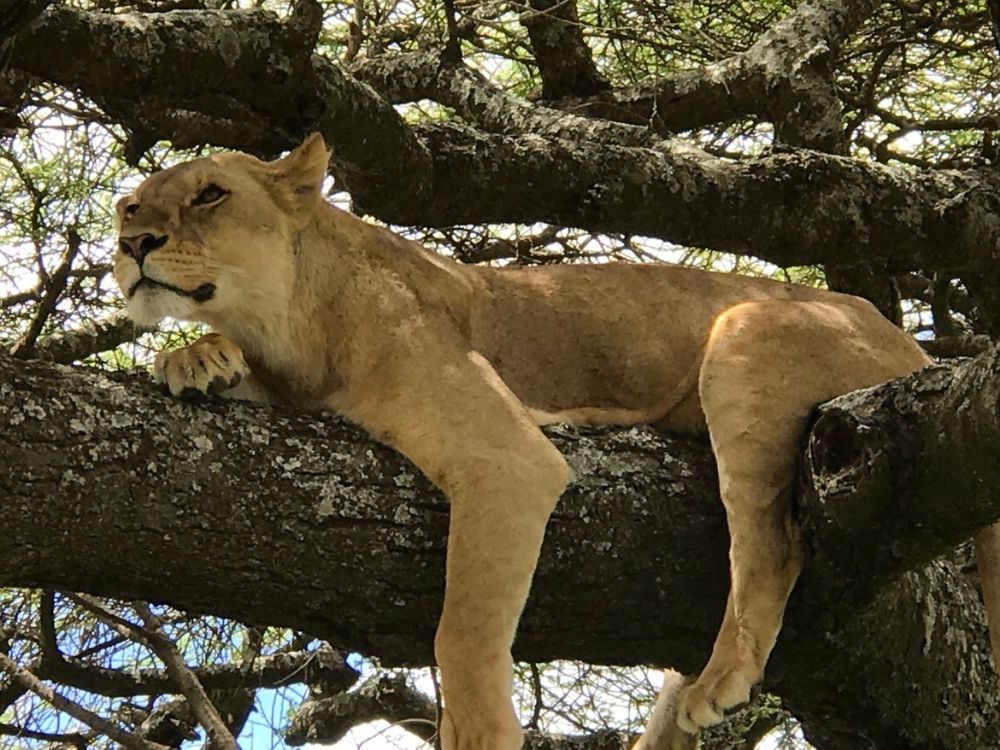
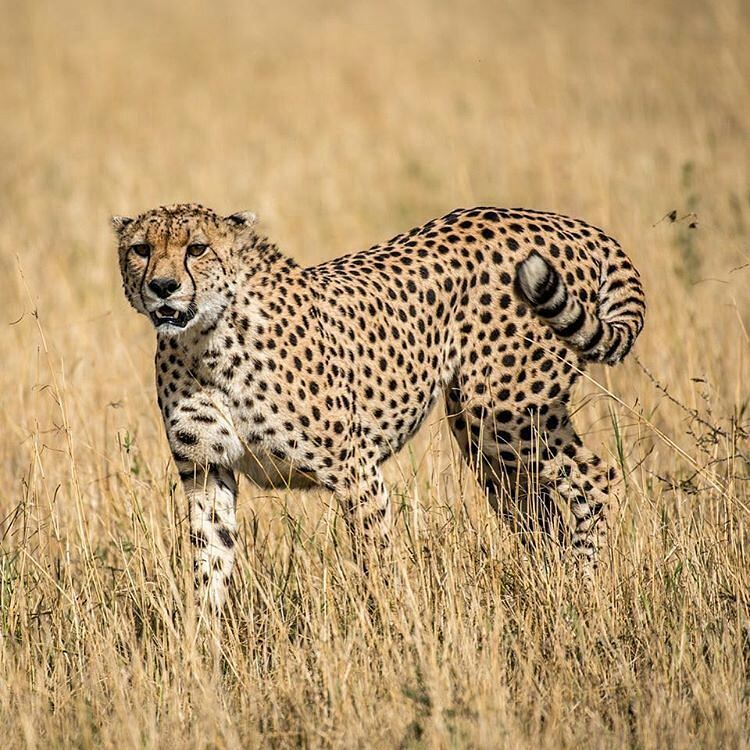
The second half of the argument is the green south itself. Naabi lions on new grass, drainage leopards active in wet cover, Ndutu lakes filling with flamingos, open-floor cheetahs on morning rounds: a complete safari that needs no herds at all, which means a slow arrival week still delivers superbly.
- Ten days watching arrival resolve into residence
- Fresh lines scored fresh every dawn through December
- Filling Ndutu lakes with flamingos and fresh tracks
- Green-season residents performing between showers
- Private 4x4, arrival positions and live-quoted extensions
10-Day December Migration Safari at a Glance
The practical shape of the trip, including the parts of December that are genuinely uncertain. Accommodation is confirmed on booking.
How the ten days are used
Because the herds are genuinely moving, this is the one category where repositioning days are part of the plan rather than a sign of a bad morning. A shorter trip has to choose, and choosing usually means dropping the middle-of-the-day sessions that produce most of the images. 10 days keeps a dawn and a late-afternoon session on every day of the safari and still leaves room to work the same ground twice rather than only passing it.
What the month brings
Fresh arrival lines daily, greening short grass, filling lakes and holiday atmosphere. Settling watched properly.
What we can and cannot tell you
There is no single place to be in December. Your guide is positioned according to where the movement actually is, checked each evening, and we do not publish predicted herd positions or crossing dates.
What fills the week
Post-rut sessions in the west, resident predator work around the granite, central Serengeti game viewing and wetland time through the middle of the day.
Vehicle and guide arrangement
A private vehicle is standard, and in December it matters for a second reason: low-density distribution means the right guide matters more, not less, when there are fewer vehicles to follow.
What the season does to driving
Rain becomes more likely through the month and side tracks soften. Main tracks stay usable, and we plan to them rather than to a road that existed last month.
What the stay depends on
Position, property, room type and meal plan are all confirmed against your dates, and in December the position is often the thing that changes as the herds move.
What moves the quote
Dates, group size, accommodation category and the repositioning the season makes necessary. Send your dates and we will itemise the whole arrangement.
Sample December Migration Safari Itinerary — 10 Days
A working shape that is deliberately flexible. In December the herds move and the itinerary moves with them, and your guide confirms the position each evening rather than working to a fixed route.
Getting there: You are collected from Arusha after an early breakfast and the day runs south of the highlands straight onto the short grass: down past the crater viewpoint, through the Naabi gate, and out onto plains that are already greening. It is a half-day drive with the herds ahead of you rather than behind.
The safari activity: By mid-afternoon the vehicle is glassing the southern plains for the first arrival lines. The overnight sits on the short grass itself so the first proper session begins among arriving herds before first light. The guide is reading how far the arrival has progressed and where the greenest grass already holds herds, and the itinerary is deliberately placed to meet the homecoming.
What you might see: December short grass greens by the day after the short rains, and the herds filter in from the north-east in loose purposeful lines. No calving concentrations yet; this is the arrival, with the season's main event still weeks away. Road condition, park access and the highland weather can all change the arrival time, and the guide will re-order the day rather than compress it if the drive runs long.
Meals and timing: Lunch is taken on the road, dinner is served at camp, and lights-out is early because the group will be moving well before dawn. First overnight on the southern short grass, chosen for dawn access to the arrival lines.
How this day is judged: The guide is reading how far the arrival has progressed and where the greenest grass already holds herds, and the itinerary is deliberately placed to meet the homecoming. The day is not measured by how many animals are ticked off but by whether the time spent in the country was used properly, which is why the afternoon session matters as much as the dawn one.
Road flow: The vehicle is moving before first light so that you are on open short grass as the sun comes up. The morning is spent working the arrival lines, which in December show as fresh trails and small groups bedding down on new grass.
The working part of the day: Late morning moves to the lake edges for waders and drinking game, and the afternoon is a slow session watching the plains fill as more groups arrive through the heat haze.
Wildlife context: Arrival mornings are the gentlest of the migration year: no pressure, no crowds, just direction slowly resolving into residence. The day's plan follows whatever the dawn reveals. The plains can look extraordinary or simply empty depending on the week's weather and where the herds have actually settled, and the plan moves with them.
Practical rhythm: Breakfast is served in the field on the tailgate, the vehicle carries a cool box and water between drives, and the group is back at camp with an hour of light to spare. Overnight on the southern short grass, in the position that proved best that evening.
How this day is judged: The guide is reading how far the arrival has progressed and where the greenest grass already holds herds, and the itinerary is deliberately placed to meet the homecoming. The day is not measured by how many animals are ticked off but by whether the time spent in the country was used properly, which is why the afternoon session matters as much as the dawn one.
How the day opens: The vehicle leaves camp early for the Naabi kopje country on the short-grass edge, where resident lions hold granite through the arrival and leopards work the drainage lines below. The circuit is slow and uncrowded.
On the ground: Midday is spent on the greening margins below the kopjes, where grazers concentrate on the newest grass and the birdlife thickens daily. The afternoon can be spent watching arrival lines file past from a kopje top.
Reading the country: Naabi in December is the calmest lion ground of the southern season: residents undisturbed, newcomers filing past, and almost no traffic while the world waits for calving. Resident cats are never predictable, and a quiet-looking block of rock can stay empty all morning. The tracking effort is what usually pays, not the waiting.
Comfort and breaks: Water and a snack are carried in the vehicle, and the group returns late enough to catch soft light on the rock faces. Overnight in the kopje or plains position that produced the best session of the day.
How this day is judged: The guide is reading how far the arrival has progressed and where the greenest grass already holds herds, and the itinerary is deliberately placed to meet the homecoming. The day is not measured by how many animals are ticked off but by whether the time spent in the country was used properly, which is why the afternoon session matters as much as the dawn one.
Morning movement: The morning starts on the plains and then turns into the southern drainage country, where seasonal water wakes everything: figs leafing, frogs calling, leopards moving in wet cover between showers.
The session: Midday is a waiting game at the pool edges forming with the rains. December riverine is green, loud and alive in a way no dry month matches.
The species question: Southern drainage leopard in the green season hunt more by day than at any other time, and the wet tracks record their nights perfectly. Fig-tree lines after rain hold the month's best birding. Leopard here are genuinely difficult to see in thick cover, and this habitat asks for patience rather than distance. Sightings are possible on any morning and cannot be promised.
Pacing the day: Rain covers stay out all day, and the afternoon opens up again on the plains edge washed clean. Overnight on the plains side of the drainage belt, keeping the leopard ground within reach.
How this day is judged: The guide is reading how far the arrival has progressed and where the greenest grass already holds herds, and the itinerary is deliberately placed to meet the homecoming. The day is not measured by how many animals are ticked off but by whether the time spent in the country was used properly, which is why the afternoon session matters as much as the dawn one.
Driving and repositioning: The day opens at the Ndutu lakes, filling fast with the short rains. Flamingos arrive in their thousands, pelicans follow the rising water, and the shorelines record everything that drank overnight.
Watching and waiting: Late morning and afternoon work the expanding shorelines, which change visible daily. Hippo pods redistribute to the fresh water, and waders crowd the new mud by the hundred.
Landscape and game: December lakes are the fastest-filling water of the southern season: a shoreline walked at dawn is underwater by evening. The day is built around that renewal. Water levels change with the rains and channels that are drivable in one week may be soft or closed in another, so the lake work is planned around what is actually passable.
Logistics: Midday may include a proper shower, taken in the vehicle with the birds for company. The group returns to camp on roads checked for soft spots. Overnight close to the filling lakes, where the dawn session starts from the fresh shoreline.
How this day is judged: The guide is reading how far the arrival has progressed and where the greenest grass already holds herds, and the itinerary is deliberately placed to meet the homecoming. The day is not measured by how many animals are ticked off but by whether the time spent in the country was used properly, which is why the afternoon session matters as much as the dawn one.
The transfer: A longer repositioning day runs north to Seronera, and the contrast is the point: the arriving south behind, the settled centre ahead, with resident prides on routine among greening grass.
What the morning is for: The afternoon is spent around Seronera on the central residents, gloriously calm in December. The last session is a slow one on the kopjes above the river.
What is out there: Seronera in December sits between the arrival and the calving crowds in the best way: green, quiet, and full of residents going about ordinary business. Central Serengeti roads carry more traffic than the south, and the resident populations here are reliable but never guaranteed on any single morning.
Breaks and overnight: The day includes a longer drive on roads that may be soft in patches, so the group arrives with time for a proper afternoon session rather than a rushed one. Overnight in the central Serengeti, in the Seronera area.
How this day is judged: The guide is reading how far the arrival has progressed and where the greenest grass already holds herds, and the itinerary is deliberately placed to meet the homecoming. The day is not measured by how many animals are ticked off but by whether the time spent in the country was used properly, which is why the afternoon session matters as much as the dawn one.
Travel and arrival: No repositioning is planned today. The vehicle goes straight to whichever ground the arrivals favour most and stays there, watching loose lines resolve into grazing residence through the day.
The core hours: The whole day is one long session broken by rain showers, with the group returning to the same arriving ground at different lights. Each shower restarts the activity and the watching.
Country and characters: Arrival ground in December rewards staying put: herds come to the green rather than past it, and a fixed position watches the season settle instead of chasing it. A day with no repositioning can produce very little, and the value is cumulative rather than immediate. Weather is the usual reason a session is cut short.
Meals and timing: Breakfast in the field, rain covers always ready, and a relaxed afternoon with a later return to camp. Overnight at the same camp as the previous night, because the day involves almost no movement.
How this day is judged: The guide is reading how far the arrival has progressed and where the greenest grass already holds herds, and the itinerary is deliberately placed to meet the homecoming. The day is not measured by how many animals are ticked off but by whether the time spent in the country was used properly, which is why the afternoon session matters as much as the dawn one.
Moving into position: A second stationary day shaped around the rain rhythm: dawn session in clear air, midday pause through the shower, afternoon session in the extraordinary post-storm light that follows.
The main event of the day: The morning is spent where yesterday worked and the afternoon testing how the shower changed the ground. Rain resets scent, tracks and positions, so every shower is new information.
What you might see: December light after rain on green grass is among the finest in the safari year. The guide plans the whole day around being out for it. A day with no repositioning can produce very little, and the value is cumulative rather than immediate. Weather is the usual reason a session is cut short.
Practical rhythm: A dry change of clothes rides in the vehicle and the group is out for the whole day regardless of showers. Overnight at the same or a nearby camp, keeping the ground within a short drive.
How this day is judged: The guide is reading how far the arrival has progressed and where the greenest grass already holds herds, and the itinerary is deliberately placed to meet the homecoming. The day is not measured by how many animals are ticked off but by whether the time spent in the country was used properly, which is why the afternoon session matters as much as the dawn one.
Getting there: The final complete day is spent entirely on game, with the vehicle free to follow whatever is happening. In December that usually means one last arrival-line morning and a last green evening in soft light.
The safari activity: The group is out from before dawn into the last usable light, with the middle of the day spent in one or two places that have earned their keep. Nothing is rushed.
Wildlife context: By this point the guide knows which grass is newest, which pools filled last, and where the arrivals are bedding, and the last day spends that knowledge rather than gathering more. A day with no repositioning can produce very little, and the value is cumulative rather than immediate. Weather is the usual reason a session is cut short.
Comfort and breaks: The camp packs quietly in the background so that departure the next morning is not a scramble. Evening meal and an early night. Last full overnight on safari, at the position that produced the strongest sessions of the trip.
How this day is judged: The guide is reading how far the arrival has progressed and where the greenest grass already holds herds, and the itinerary is deliberately placed to meet the homecoming. The day is not measured by how many animals are ticked off but by whether the time spent in the country was used properly, which is why the afternoon session matters as much as the dawn one.
Road flow: The group is up before first light for one final session, and the drive back to Arusha begins after breakfast in the field. December returns run on roads that may be soft in patches, broken properly at the Ngorongoro viewpoint.
The working part of the day: The last session is short and unhurried, usually an hour to two. The return runs from greening southern plains to the cool showery highlands in half a day.
Reading the country: Early light on the last morning is often the best light of the trip, especially after overnight rain. December highlands are green, cool and showery, and waterproofs stay out all the way home. Arrival timing cannot be scheduled either. What varies between weeks is how many herds have reached the south and how green the short grass already is, and the guide adjusts the route to the arrival actually found that week. Departure day is exposed to the same rain and road conditions as arrival, so the return is timed with slack in it.
Pacing the day: Breakfast in the field, a long drive back through the highlands, and arrival in Arusha in the afternoon. Lunch is packed and taken on the road. No overnight on safari; the trip ends on arrival back in Arusha for onward travel or a night in town.
Closing the safari: Because December herds arrive daily on the short grass, being there takes precedence over chasing, and the quiet days belong to the residents. Anything not seen in 10 days can be added to a longer itinerary rather than forced into this one, and the guide writes down the ground and the timing that worked so a return trip can start from the same knowledge.
Why a December Migration Safari?
December is not the month people book this trip for, which is precisely why it is worth considering. Here is the case, including what you give up.
You See the Herds Decide, Not Just Move
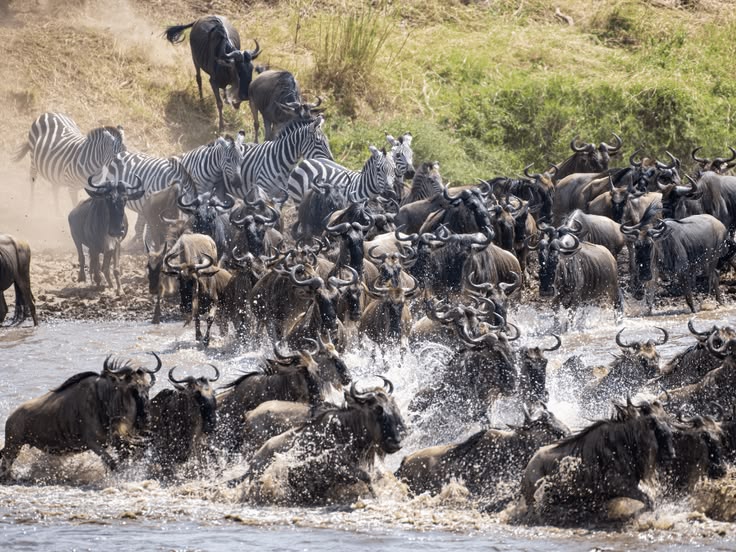
December gives you a river. December gives you the decision itself: the moment a plain full of animals gets up and starts walking, and the front of that movement pulling away from the tail. It is less dramatic and more revealing.
The Green Season Is Genuinely Beautiful
The Serengeti in December is not the dusty monochrome of the dry months. There is new green on the drainage lines, storm light on the hills, and a landscape that looks considerably bigger than it does in December.
Far Fewer Other Vehicles
Traffic collapses after the north-grass season. You will regularly have good game to yourself on ground that is genuinely busy in earlier in the season, and a private vehicle plus a local guide becomes the difference between a good day and an ordinary one.
The Residents Come Forward
With the attention off the migrating herds, the central Serengeti's resident lions, leopards, cheetahs and rhino become markedly easier to find. For anyone whose interest is predators rather than wildebeest, December is arguably a better month than the famous one.
Longer Light and Softer Weather
Rains become more likely later in the month, and a morning shower is a gift for photography and for light on the plain. It also means side tracks can soften, which is the real cost and is planned around rather than ignored.
Honest About the Trade
If you specifically want river crossings, choose December to December. December gives you movement, resident game, dry season and quiet, and it will not give you a crossing. We would rather say that now than in Arusha on arrival.
Your Route: Arusha → Southern Plains → Arrival Lines → Second Green System → Arusha
A two-position homecoming campaign that rotates green systems with arrivals and spends everything learned in the closing days.
You are collected from Arusha after an early breakfast and the day runs south of the highlands straight onto the short grass: down past the crater viewpoint, through the Naabi gate, and out onto plains that are already greening.
The vehicle is moving before first light so that you are on open short grass as the sun comes up.
The vehicle leaves camp early for the Naabi kopje country on the short-grass edge, where resident lions hold granite through the arrival and leopards work the drainage lines below.
The morning starts on the plains and then turns into the southern drainage country, where seasonal water wakes everything: figs leafing, frogs calling, leopards moving in wet cover between showers.
The day opens at the Ndutu lakes, filling fast with the short rains.
A longer repositioning day runs north to Seronera, and the contrast is the point: the arriving south behind, the settled centre ahead, with resident prides on routine among greening grass.
No repositioning is planned today. The vehicle goes straight to whichever ground the arrivals favour most and stays there, watching loose lines resolve into grazing residence through the day.
A second stationary day shaped around the rain rhythm: dawn session in clear air, midday pause through the shower, afternoon session in the extraordinary post-storm light that follows.
The final complete day is spent entirely on game, with the vehicle free to follow whatever is happening.
Return road to Arusha, timed so you arrive with the afternoon still ahead.
Interactive Safari Map — December Migration Circuit
The southern ground, the central Serengeti and the central resident-predator country the week moves between.
- Arusha
Start and finish
Road transfers both ends - Ndutu & the Short Grass
Calving and plain game
The southern block - Seronera & the Kopjes
Resident lions, leopard and cheetah
Central Serengeti - Western Lakes & Drainage
Waterbirds and general game
Western corridor
Why Choose Kizza Adventures?
Why travellers booking a green-season movement safari rather than a headline crossing itinerary choose us.
In December the itinerary is built to be adjusted. Your guide checks where the herds actually are each evening and the plan moves with them, which is the only approach that works in a month defined by movement.
We do not sell December as a cheaper version of December. It is quieter, greener and excellent for residents and resident predators, and it is not crossing season. That is said before you book, not discovered on arrival.
Local crews know which tracks hold after rain, where the side roads turn to mud, and which alternative reaches the same ground when they do not. This is unglamorous knowledge and it is the difference between a smooth repositioning day and a wasted one.
If the movement runs ahead of the itinerary, we will bring a day forward. Deliberately rigid itineraries are the main way that a moving-herd trip goes wrong.
The central days are built for lions, leopard, cheetah and rhino rather than for wildebeest photographs, because that is what December is genuinely good at and most itineraries ignore it.
We do not publish crossing predictions or herd coordinates. In December that would be fiction, and anyone offering it is selling a month away from the one that matters.
Guides who work with long lenses will help with positioning and with getting you out of the light behind other vehicles, which matters more in a low-traffic month when frames are easy to improve.
Property, room type, meal plan, vehicle and the repositioning plan are confirmed in writing before you travel, with nothing left to guess at on arrival.
What Animals Will You See?
Arriving herds, settling grazers and green-season residents across a ten-day December window. Honestly assessed, with no calving-season claims.
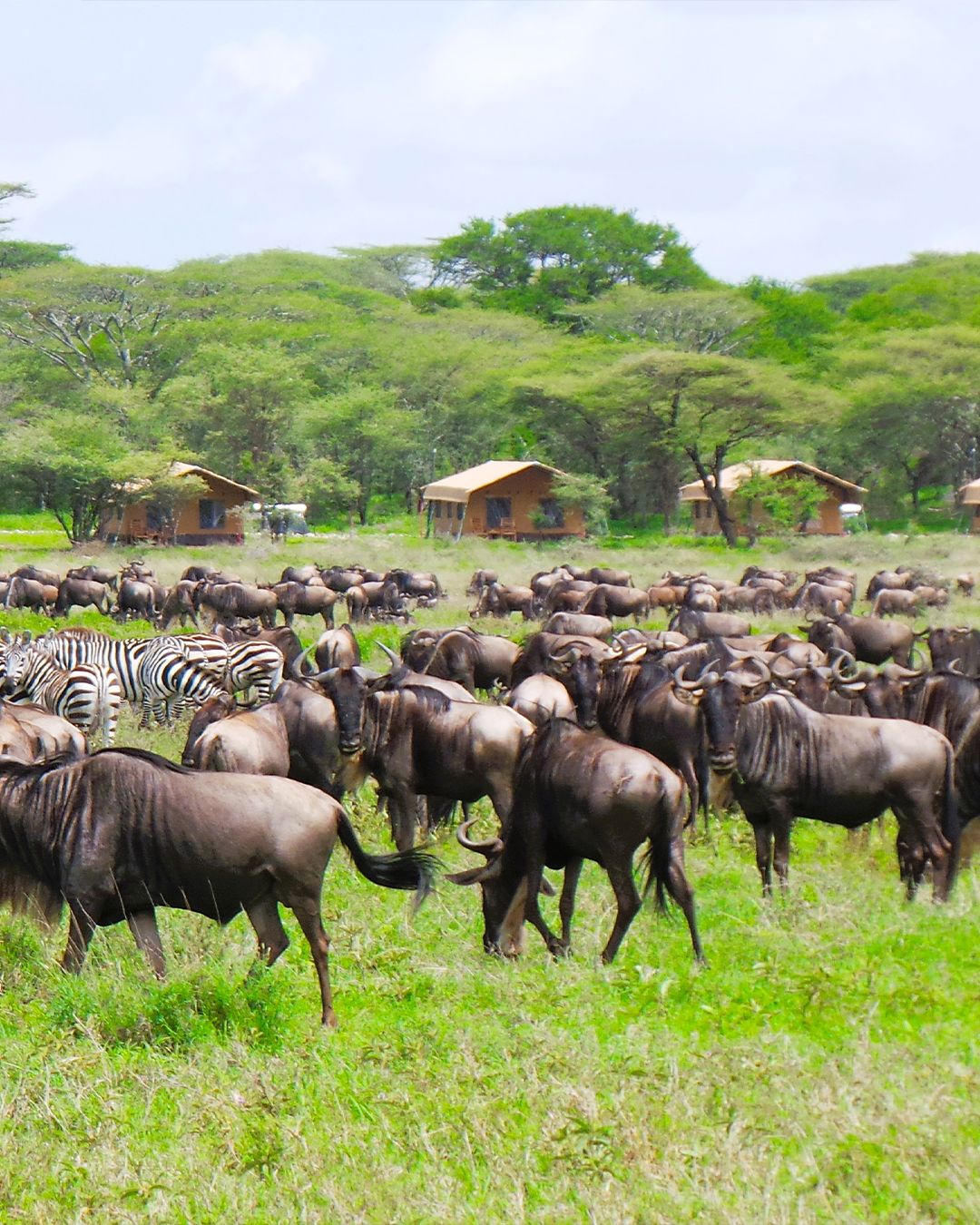
Loose purposeful lines filtering in daily. Ten days means watching several arrival waves rather than betting a short trip on one.
Early arrivals bedding onto the greenest patches. Watching lines resolve into residence is December's signature pleasure.
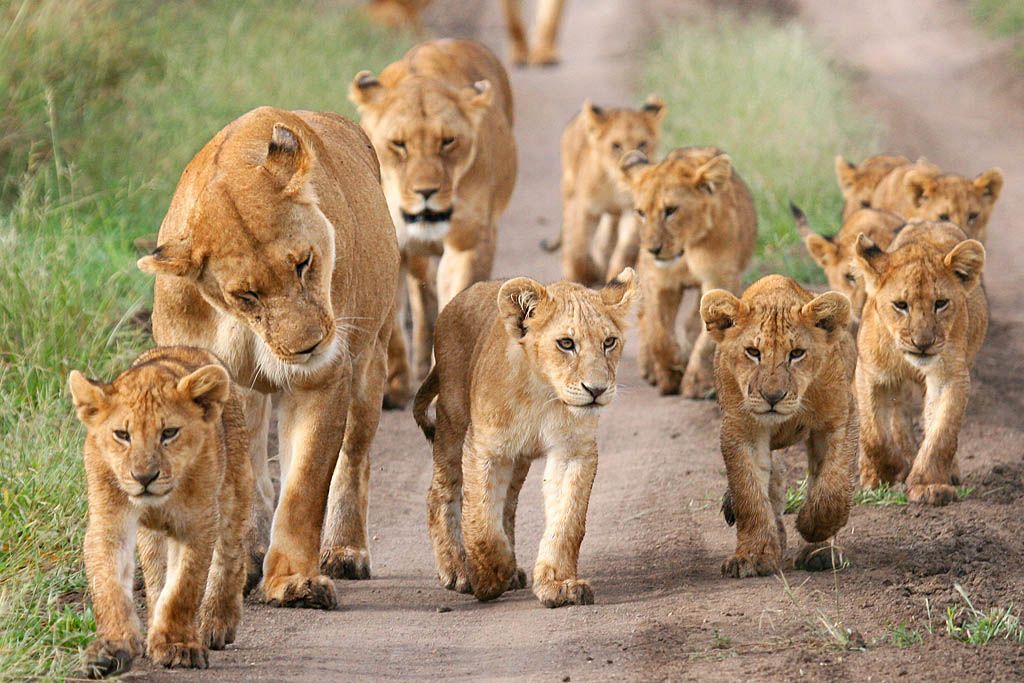
Naabi residents and arrival followers, known as individuals by the second week. Routine plus homecoming in one trip.
Southern drainage lines worked between showers. A longer trip affords the waiting a short trip cannot.
Open short-grass hunts in morning cool. Fully visible country, fully honest odds.
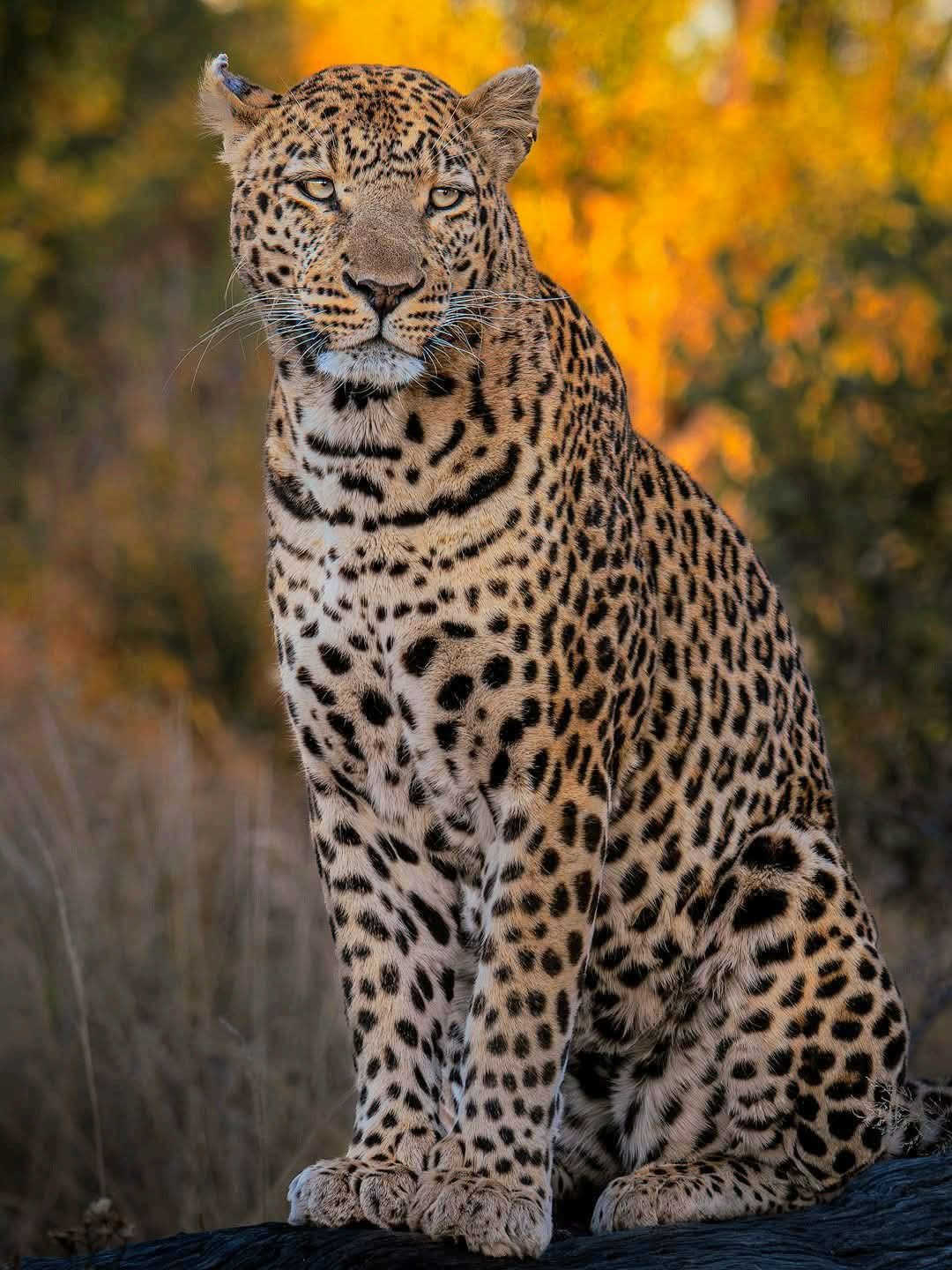
Den mornings plus night economy heard from camp. The constant predator of the whole ten days.
Concentrating at filling water as December advances. Their routines become landmarks across a long stay.
The lakes as a twice-daily constant: arrival gauge, subject and shade in one.
Arriving companions and margin constants, composing against new green across the days.
Arriving by the thousand on filling lakes. The bird list of a ten-day December trip embarrasses shorter itineraries.
Storm thermals plus new-grass hunting. Late-year raptors riding the rains' edge.
From Our Guide's Notebook: Reading a Moving Season
What a December guide actually looks at, and why the itinerary has to be willing to change.
The logbook is the plan
Best spot: Every line scored daily: freshness, direction, light, result. The second half runs on the first half's data, which is the entire advantage of length.
Daily arrival scores
Rest days are working days
Best spot: A planned kopje day mid-trip resets eyes and ears. Granite, pools and riverine on purpose, lines untouched, returns sharper.
The scheduled pause
Settling shows in stages
Best spot: Lines today, bedding tomorrow, grazing residence by the weekend. The guide reads the transition and the vehicle is placed ahead of it.
Reading settling
Endings matter
Best spot: The last two days return to the greenest ground of the trip with everything learned. Most long trips peak at the end by design, not luck.
The closing green
Wildlife Sighting Checklist
Realistic potential across a ten-day December window on the arriving south. Length watches settling honestly.
| Animal | Potential Encounter | Best Viewing Context | Best Area |
|---|---|---|---|
Arriving Herds | Strong | Fresh lines daily | Short-grass trails |
Settling Grazers | Strong | Resolving into residence | Greenest patches |
Lion | Strong | Followers and residents, known by week two | Naabi and lakes |
Hyena | Strong | Night economy plus dens | Edges and margins |
Elephant & Buffalo | Strong | Filling-water routines | Woodland and lakes |
Hippopotamus & Crocodile | Strong | Twice-daily constant | Ndutu lakes |
Giraffe & Zebra | Strong | Constant companions | Across the route |
Flamingos & Waterbirds | Strong | Arriving by the thousand | Filling shorelines |
Raptors | Strong | Storm thermals | Plains sky |
Leopard | Possible | Affords the waiting | Drainage lines |
Cheetah | Possible | Open grass mornings | Short grass |
No arrival wave is guaranteed on any morning, but ten days across the greening south is the closest position to full coverage. Everything else here is routine.
Meet Your Safari Guide
The person deciding which way the vehicle goes each morning, and reading a season that will not hold still.
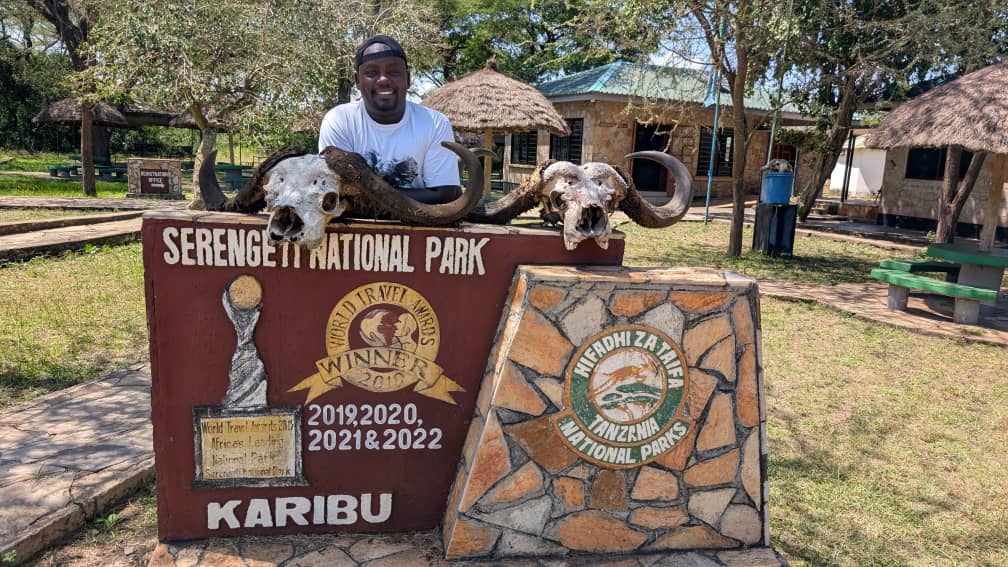
Your Kizza Adventures Guide
Your guide is with you all ten days, and a long December trip is a different job from a short one: less chasing, more watching. Arrival lines are scored daily, green age ranked by patch, resident routines learned to the individual, and the plan compounds instead of restarting.
Expect the second half to feel completely different from the first: familiar lines, known prides, greenest grass mapped. That compounding is what ten days buy, and the guide's logbook is the proof of it.
Where December Migration Travellers Sleep
Position is the thing that changes in December, so every property is confirmed against your actual dates rather than described in advance.
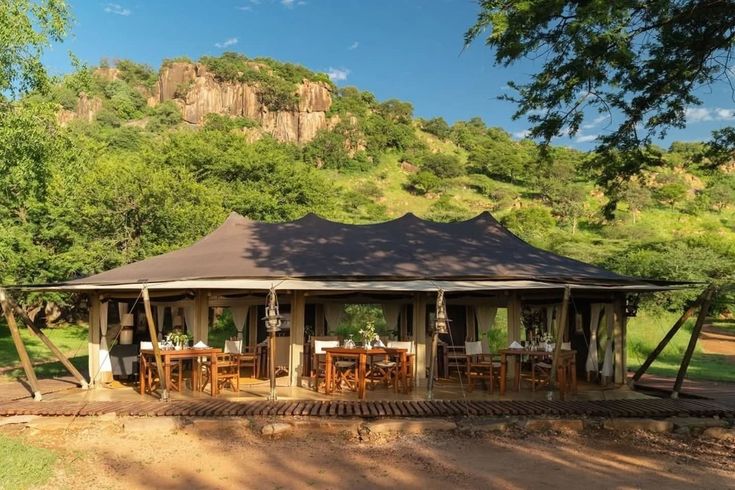
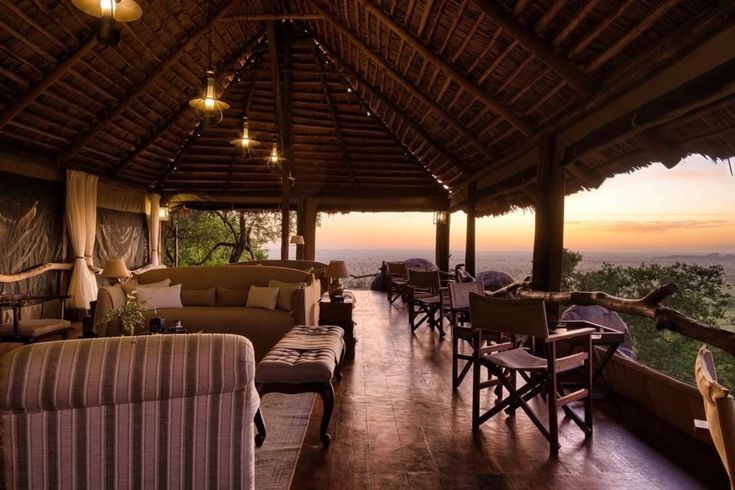
Arrival Base (Nights 1 to 5)
The first position covers the opening arrival days, close enough for pre-dawn trail reading every morning and lake shade at noon.
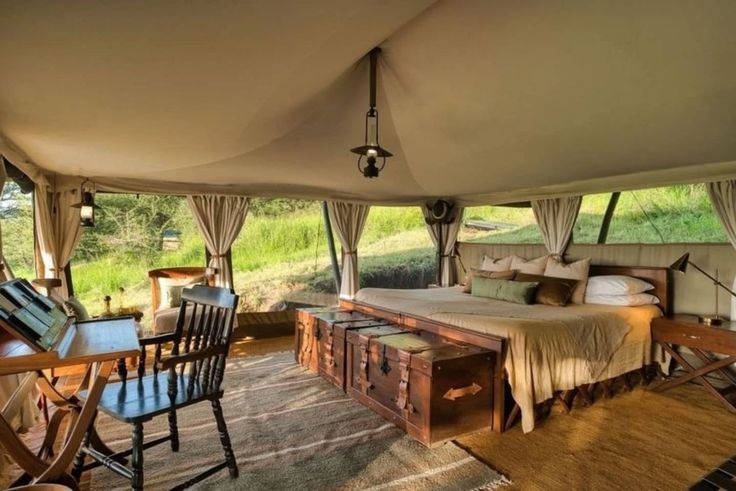
Second Green Position (Nights 6 to 9)
The second position follows the greenest grass: new patches, fresh pools, and the knowledge banked in the first half spent in the second.
Extra Nights & Zanzibar Extension
A festive extension night is never wasted in December. Extend, or finish on the coast for the holidays.
Lodges subject to availability. Equivalent or superior alternatives december be used. Contact us for the current lodge selections for your dates.
Getting to the Homecoming Ground for Ten Days
One half-day arrival, then almost no transit for ten days.
The Arusha Run
Roughly four to five hours each way to Ndutu via the Ngorongoro rim and Naabi descent. After arrival, the vehicle barely transits again: plains, lakes, kopjes and riverine all sit inside the southern loop.
Rotation, Not Relocation
The mid-trip move is a short hop between green patches, done at noon with kit packed once. Long-stay travel is measured in minutes, not hours.
Rain-Aware Routing
December tracks vary with showers. Routes are planned each evening to what is open, which is what makes a two-position ten-day plan workable.
Why Length Beats Speed
Short trips sample arrivals; long trips watch them settle. The vehicle strategy follows: be there early, hold long, move only on evidence.
Roads and Surfaces
Graded dirt varying daily with rain. Slow speeds and flexible routing; the driving feels like the season it is.
Flights and Arrival Times
Land the day before, strictly. Ten days starting tired wastes the most precious dawns of the trip, doubly so over the holidays.
Your Safari Vehicle
The ground days need standing height, a driver who can read tracks, and the ability to leave a fruitless patch without negotiating it.
The standard requirement. Animals on open ground are often far away and low, and standing height is the difference between watching a herd and photographing it.
A private vehicle is standard, so the person reading the season is the person driving you to it, and the day stays flexible when the movement or the light changes.
The most important thing in the vehicle in December. A guide who knows which drainage the columns took is worth more here than a guide who knows the best viewpoint, because the viewpoint is not the point this month.
Power for cameras and phones in the vehicle, which matters on days that start before five and finish after the last light is gone from the plain.
Water and soft drinks carried through the driving day, with the hot middle hours best spent at water or resting rather than circling the plain.
A pair in each vehicle. Bring your own if you are particular about glass, and you will use them constantly on the north days.
Best Time to Join a December Migration Safari
December is the first month a long arrival trip makes full sense. Here is the honest comparison.
December gives arriving herds across enough weeks for a ten-day strategy to function: fresh lines, greening grass, filling lakes and holiday atmosphere. Shorter December trips sample the same arrival with less coverage. November offered green angles with fewer arrivals; January brings newborns with far more vehicles.
Where the Herds Are, Month by Month
The annual loop, and where a full-length December arrival campaign sits on it.
December Migration Safari Photography Guide
Ten days of arrivals, green and storm light: a portfolio trip at gentle press.
Ten days should return lines, settlers, residents, landscapes, details and behaviour. Plan coverage across categories, not one hero frame pursued for days.
A trip on two green systems beats ten different mornings. Light angles memorised, backgrounds known, arrivals read like weather.
Naabi lions, drainage leopards, lake hippos: the middle-day portfolio when arrivals rest. Shoot them with full intent, not as filler.
December rain arrives fast. Covers on the kit all day, dry bags in the vehicle, full clean nightly.
What to Pack for a December Migration Safari
Dry season: rain, mud, deeper colour on the plains, and long days on the move.
Clothing for Ten December Days
- Two warm-layer sets: ten wet dawns destroy one set with rain and cold
- Quick-dry neutrals exclusively; bend-side visibility discipline for a long stay
- Two pairs of closed waterproof shoes rotated daily, plus camp shoes for midday
- Dry bags, hats, gloves in duplicate; losses happen on long trips
- Festive layers for holiday evenings in camp
Camera and Field Kit
- 200-400mm primary plus backup body strategy; ten days with one body is a gamble
- Cards and batteries for 10,000+ frames; resupply exists only in Arusha
- Full rain covers and sensor-cleaning kit; wet weeks destroy the careless
- Laptop plus two backup drives with the enforced twice-daily routine
- Bean bag plus window mount; tripod for lake reflections on rest days
Essential Travel Information
The practicalities worth reading before you book, including the one that decides whether this month suits you.
Your passport needs a valid margin beyond your travel dates, and the Tanzania visa is arranged before you arrive rather than at the border. Holiday travel needs earlier visa margins.
Wash-and-rotate planning beats overpacking. Camps handle laundry; the vehicle carries the daily layers.
Festive faces on the trails across ten days. Courtesy compounds like knowledge; the guide manages both, with Christmas inventory planned ahead.
Land two days before if possible over the holidays. A ten-day trip starting rested is worth more than any single arrival morning.
Tanzanian shillings for small expenses across ten days; the tip custom for guides and camp staff is explained properly on booking, with festive-season guidance included.
Honeymoon & Family Options
How a green-season movement week works for a honeymoon or a family group, including the parts that are quieter and less spectacular than December.
A December Honeymoon With the Park to Yourselves
A green-season December week is arguably the most private safari we offer. Traffic drops by an order of magnitude after the north-grass season, and there are afternoons when you are the only vehicle on ground that is packed a month later. For a couple who wants long, quiet days rather than a queue at a famous crossing, that is worth a great deal.
We arrange private vehicle time, sundowners away from other tables where the camp allows it, and a bush breakfast or private dinner as a quoted add-on. The honest trade is that you will not be chasing a river crossing, and if the spectacle of a mass crossing is the reason you came, December to December serves you better. December trades spectacle for stillness, and we will say so plainly.
Family Safari With a December Migration
A ten-day December migration trip is a superb holiday education for a family with teenagers: arrival reading, green ecology, photography mentoring and genuine waiting rewarded. The curriculum builds day on day.
Middays are school, rest and new pools; mornings and evenings are fieldwork. We set assignments, review frames, and keep the vehicle stocked for long days that young attention spans can actually survive over the holidays.
Verified Guests on This 10-Day December Migration Safari
Verified traveller reviews live on our public TripAdvisor profile rather than being reproduced here.
Every review for this safari is published on our own TripAdvisor profile rather than reprinted here, so what you read is what other travellers actually posted.
Running a December trip? Send us your question and we will answer it from the same trip, with the same guide, on WhatsApp.
Frequently Booked Together
Additions travellers most often pair with a December migration safari.
December Migration Safari Gallery
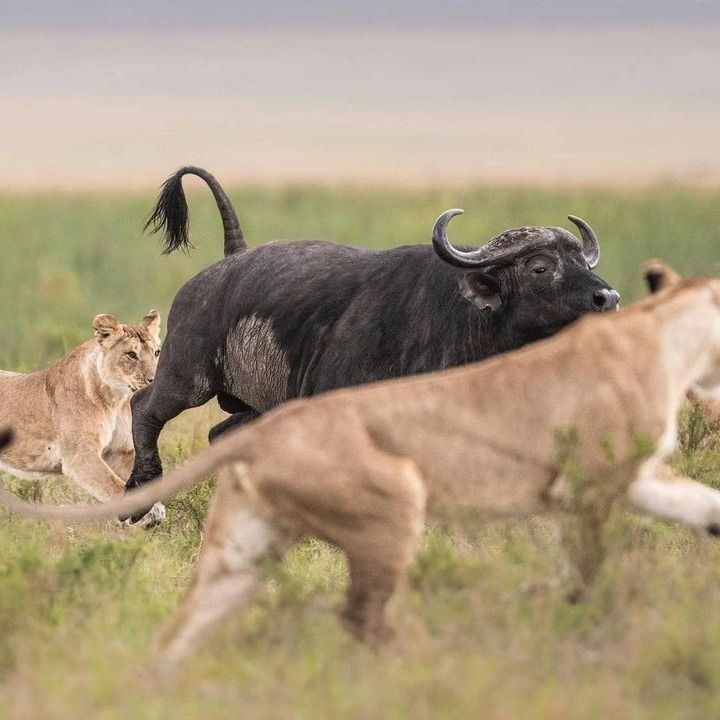
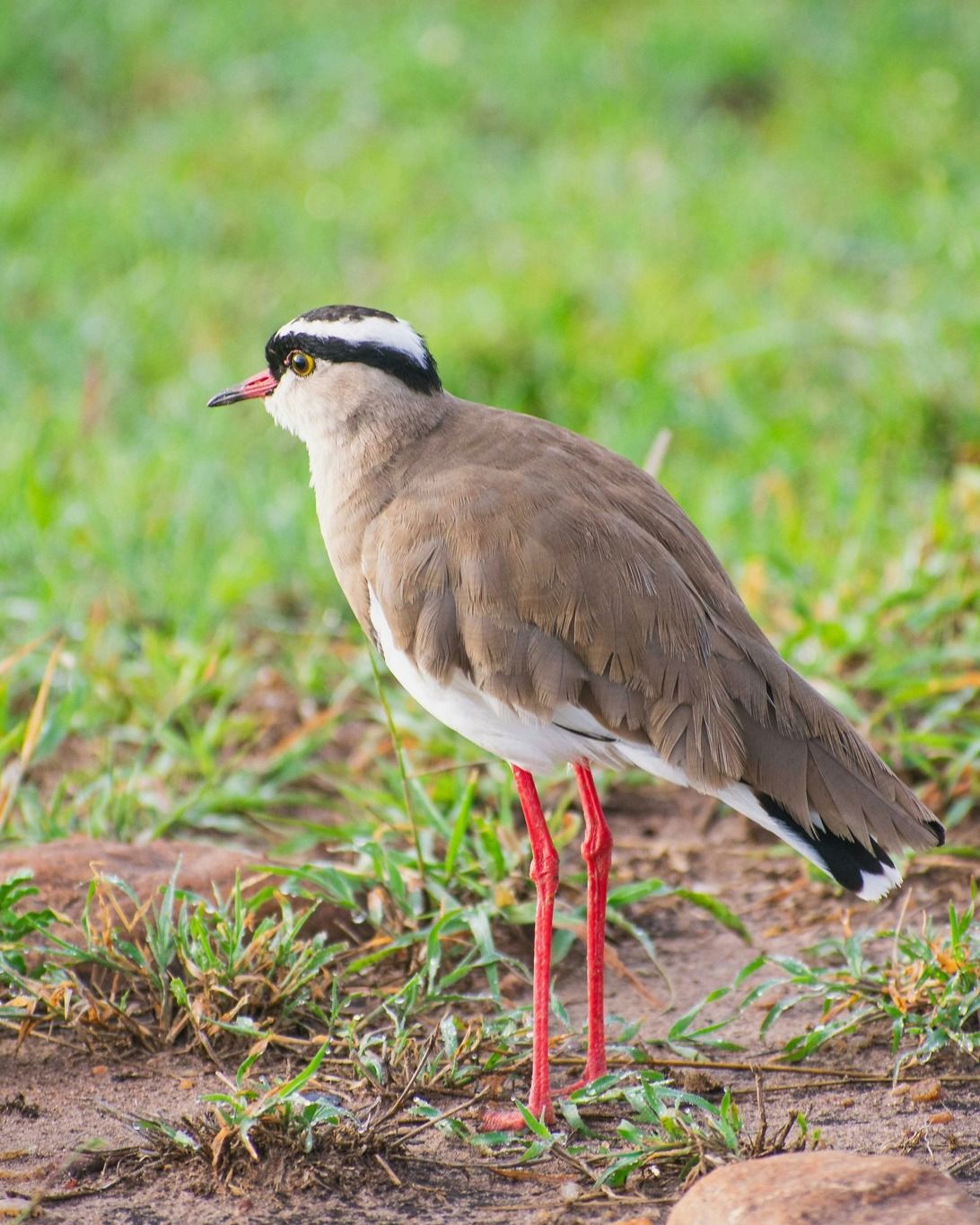
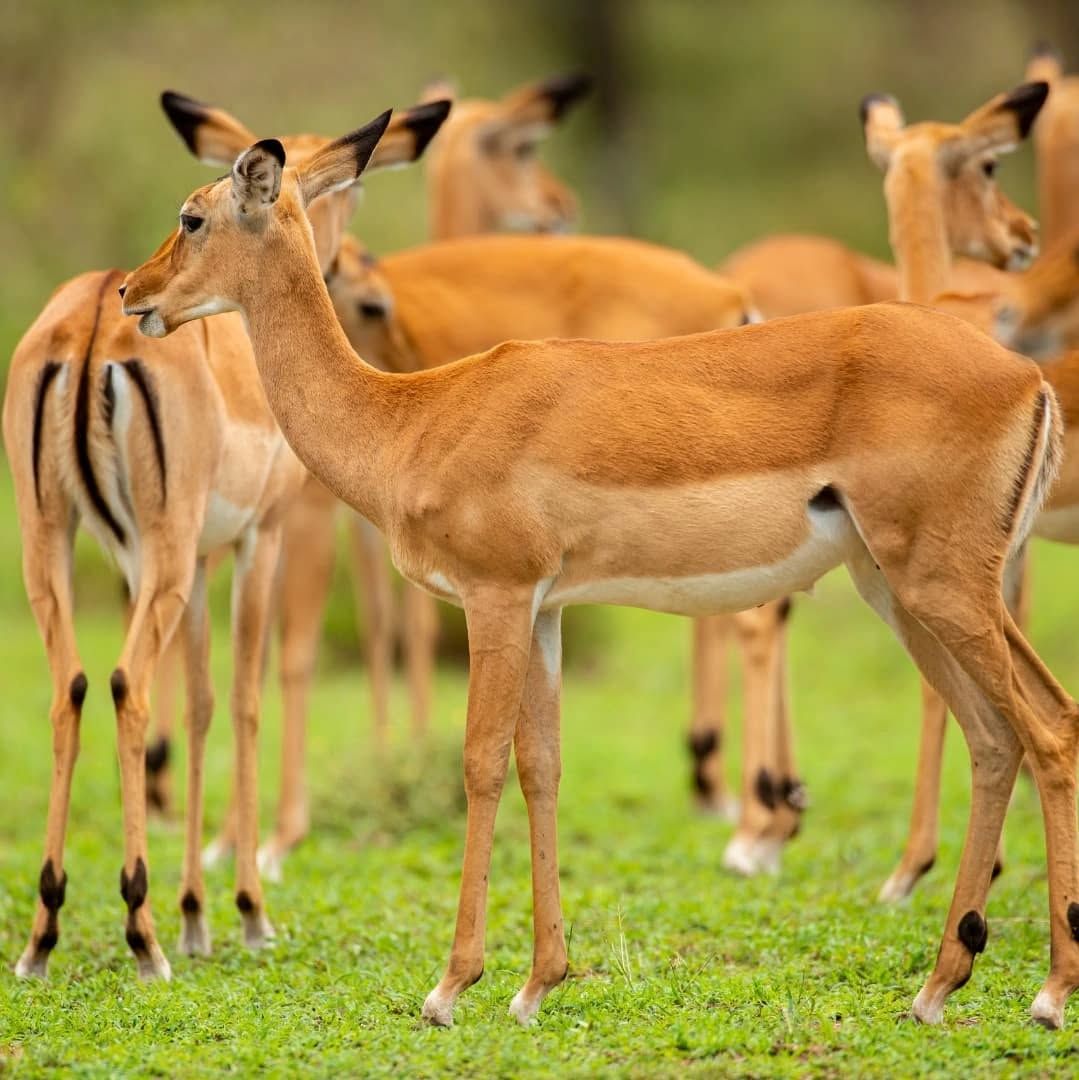
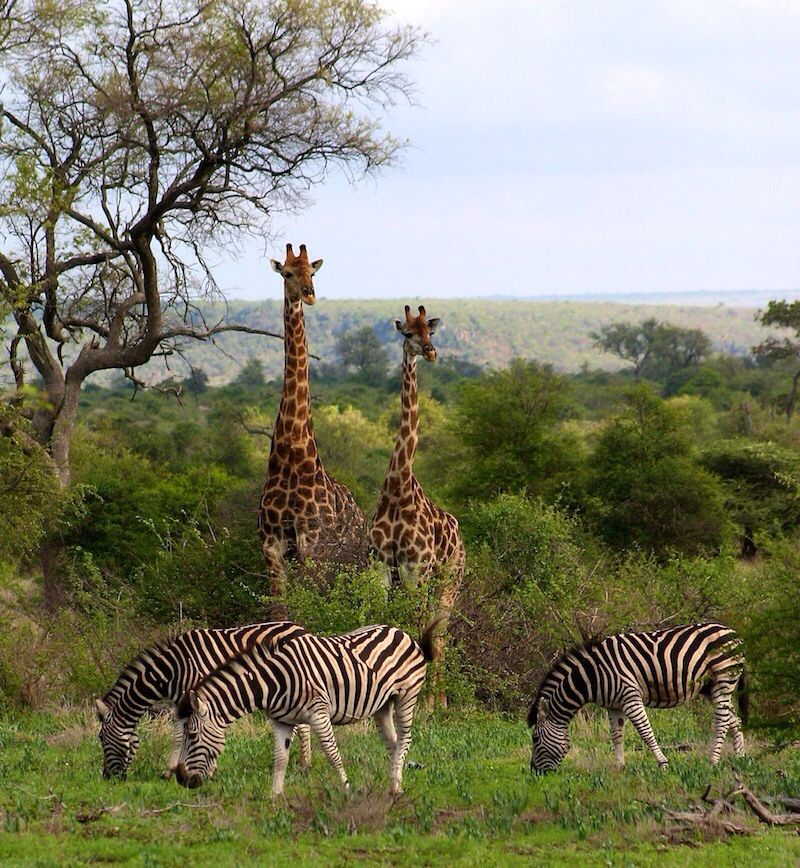
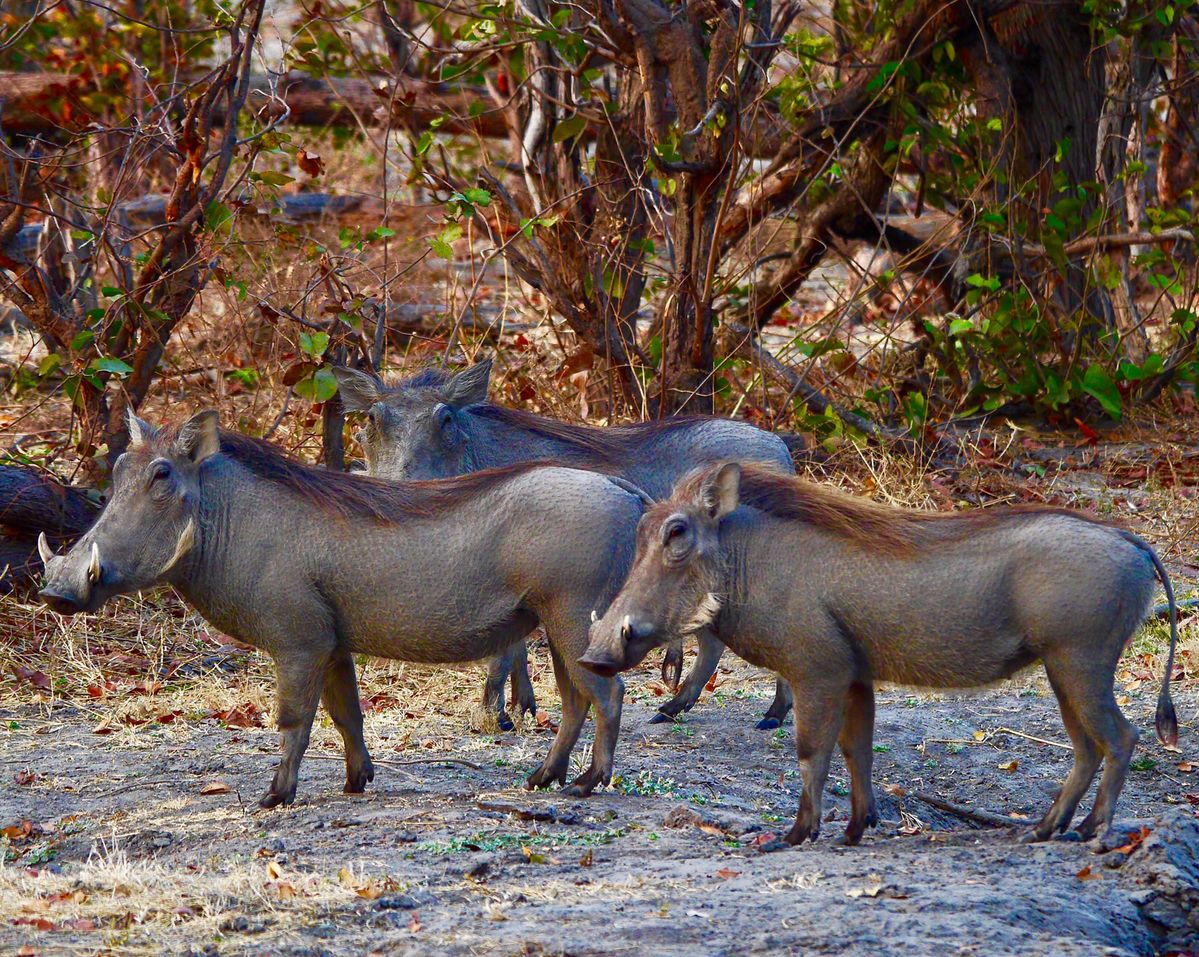
Frames from the crossing season trails, the post-rut ground, the north and the resident country. View complete gallery →
How Does This Safari Compare?
Where a 10-day December movement safari sits against a classic crossing itinerary.
| Feature | 10-Day December Migration | Classic Crossing Safari |
|---|---|---|
| Herd behaviour | ten days on the ground that suits this category | River crossings |
| Season focus | Dry season, low traffic, residents | Peak crossing months |
| Other vehicles | Far fewer, often none on good ground | Heavy, especially at crossings |
| Landscape | New green, storm light, wide plains | Dust, dry grass, compressed herds |
| Best for | Travellers with 10 days wanting migration | Travellers whose goal is a crossing |
Experience on Film
A visual summary of what a December green-season week looks like, from the crossing season trails to the kopjes.
Video highlights are shared with confirmed bookings. Ask for the current footage when you enquire, so you are seeing this season rather than an old clip.
Inclusions & Your Quote
What this arrangement covers, and what it does not.
Included
- Safari vehicle with pop-up roof and your own driver-guide throughout
- Four nights' accommodation per the confirmed plan
- Meals per the confirmed meal plan
- Park and conservation fees as applicable
- All repositioning road transfers within the itinerary
- Round-trip road transfer from Arusha
Not Included
- International flights
- Tanzania visa
- Travel insurance
- Tips for guides and camp staff
- Personal expenses and premium drinks
- Pre- or post-safari nights in Arusha
Your Quote, Built Around Your Dates
| Quote Field | Your Arrangement |
|---|---|
| Per Person | Current price — confirmed in your quote |
| Accommodation | Category and position confirmed on booking |
| Vehicle | Private as standard |
| Repositioning | Included within the 10-day plan |
* The total depends on travel dates, group size and accommodation category. Because December is a movement month, the property selection is confirmed against the season's direction for your window. No fixed price is shown here — request your current quote below.
How to Book Your Safari
Six steps, and how long each one realistically takes. December is a quieter month for demand but the properties that suit it are fewer.
Tell us your ten-day window, group size and priorities. December arrival lines vary by week and holiday pressure varies by date.
A full breakdown with the two-position strategy, green logic, accommodation set out and arrival honesty in plain terms.
Once the quote is right we hold both positions and the vehicle while you confirm. Ten-day December blocks, especially holidays, are finite.
A deposit secures the trip with the balance due before arrival, stated plainly in confirmation.
Final vouchers, guide details, arrival plan, kit and laundry logistics, transfer arrangements: everything in writing before you travel.
Collected from Arusha or the airport, briefed on the trip that evening, on fresh trails before first light next morning.
Frequently Asked Questions About the December Migration Safari
The questions we are actually asked about a December movement safari, including the one everyone asks first.
Ready for Ten Days Greeting Homecoming?
Fresh lines at dawn, green grass at noon, storm light in the evening, all followed south through the homecoming.
Enquire now for current availability — no deposit requested at this stage