


.jpg)
Kilimanjaro Climbing: The Complete Guide to Every Route
Climb Mount Kilimanjaro with Kizza Adventure
Moderate and beginner-friendly
Marangu is graded Moderate: steady trekking with no technical climbing. The real challenge is altitude, especially on summit day, which is why pace and itinerary choice matter.
Across this guide: Marangu suits first-timers, Umbwe is for experienced trekkers only, and the longer Lemosho and Northern Circuit itineraries give the gentlest altitude profile. Whatever you choose, start with our Kilimanjaro packing list.
Five or six days on the mountain
Two itinerary lengths are available. The 6-day option adds valuable time at Horombo for acclimatization before the Kibo summit section.
Per route: Machame 6–8 days, Lemosho 6–11, Marangu 5–6, Rongai 5–6, Northern Circuit 8–11, Umbwe 5–6, Shira seasonal. Compare every route duration before you decide.
How the days affect the outcome
Success runs about 75-85% overall, around 85% on the 6-day itinerary. More days on the mountain means more time for the body to adapt to altitude.
Marangu runs around 85% on six days; on every route, more days mean more adaptation time. See Marangu Route itineraries.
Gate to gate and back
Roughly 64 kilometres round trip from gate to gate along the Marangu trail, spread across the climbing days and the descent.
Marangu’s 64 km is the shortest loop; the Northern Circuit covers the most ground as the longest route. Trace them in the Marangu section and the Northern Circuit section.
The roof of Africa
All routes aim for Uhuru Peak at 5,895 metres. On Marangu the summit bid starts from the Kibo Hut area.
Every route on this page ends at the same roof — see how each route reaches it.
Sleep in mountain huts
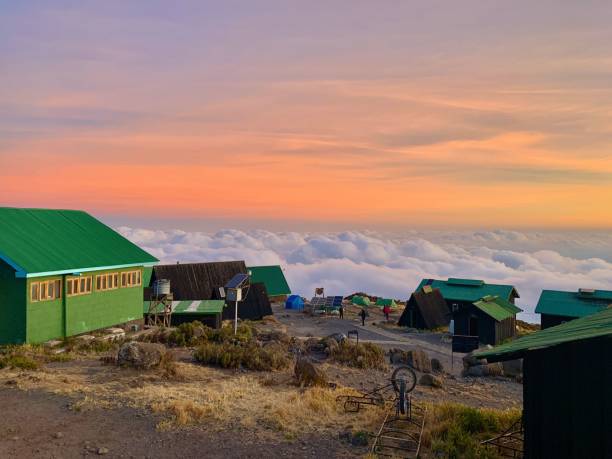
Marangu is the only route with hut accommodation: Mandara, Horombo and Kibo huts replace tents on this climb.
Other main routes use crew-pitched tented camps instead — see the hut-based Marangu itineraries.
When to climb
The dry months bring the most stable trekking conditions. Wet months can make the forest trails slippery underfoot.
Tell us your travel dates and we will confirm the best window — see all Kilimanjaro climb options.
What the climb costs
From $1,650 to $2,200 per person depending on itinerary length and group size. Your exact quote is confirmed at booking.
Marangu starts at $1,650; longer and private itineraries cost more than short group departures. How sharing costs works is explained in our group climb cost guide.
Climb Mount Kilimanjaro with Kizza Adventure Kilimanjaro treks.
Mount Kilimanjaro is not simply a mountain that you climb and leave behind. It is a journey through changing landscapes, changing temperatures, different ecological zones and, eventually, an environment where the air is thin and every step requires patience.
At 5,895 metres above sea level, Mount Kilimanjaro is the highest mountain in Africa and one of the world's most recognizable mountain destinations. The summit, Uhuru Peak, stands on Kibo, the highest of Kilimanjaro's three major volcanic formations. The mountain also includes Mawenzi at 5,149 metres and the Shira formation at approximately 3,962 metres.
For many people, the dream begins with a simple question:
Which Kilimanjaro route should I take?
There is no single answer.
The route you choose determines where your journey begins, the scenery you experience, how the trail develops as you gain altitude, where you sleep, how much time you spend on the mountain and how your body has an opportunity to adapt to the altitude. Browse all Kilimanjaro treks and itineraries.
At Kizza Adventure, we organize Kilimanjaro climbs through the major established trekking approaches, including Machame, Lemosho, Marangu, Rongai, Northern Circuit, Umbwe and Shira. The mountain's official park information also identifies these routes and the Mweka route, which is primarily associated with descent rather than being a separate route to the summit.
This guide explains what makes each route different, what you actually experience on the mountain and what you should consider before choosing your itinerary.
Understanding Mount Kilimanjaro Before Choosing a Route
Kilimanjaro is a volcanic mountain rather than a conventional technical climbing peak. The standard trekking routes take you through a remarkable sequence of environments as you move from the lower slopes toward the summit.
The lower mountain is characterized by cultivated land and forest. Higher up, the forest gradually gives way to heath and moorland. Beyond the vegetation line, the landscape becomes increasingly open and dry, eventually becoming an alpine desert around the higher elevations. Near the summit, the environment is cold, exposed and dramatically different from the tropical conditions experienced lower down.
This change happens within a relatively short horizontal distance because the mountain rises almost 6,000 metres above sea level.
That is one of the reasons Kilimanjaro is so unusual. During one climb, you can walk through a lush mountain forest, cross open moorland, pass through volcanic high-altitude terrain and finally stand in a cold summit environment.
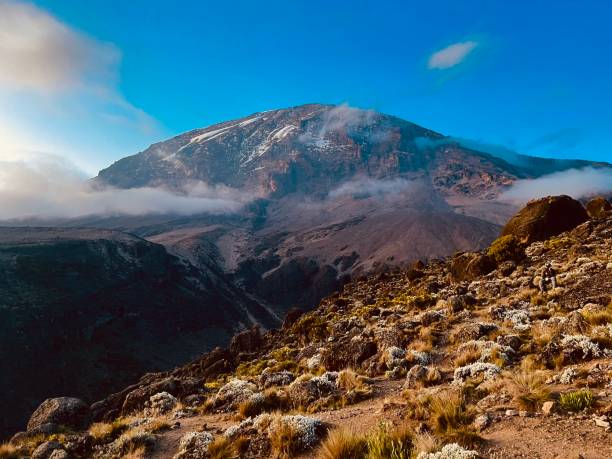
The mountain is also home to several important natural features, including the Shira Plateau, Kibo crater area, Mawenzi peaks, high-altitude desert and remaining icefields.
The Seven Main Kilimanjaro Trekking Routes
Although all successful summit routes ultimately lead toward Uhuru Peak, they do not provide the same experience.
.jpg) Machame RouteRead the complete route section
Machame RouteRead the complete route section
.jpg) Lemosho RouteRead the complete route section
Lemosho RouteRead the complete route section
.jpg) Marangu RouteRead the complete route section
Marangu RouteRead the complete route section
 Rongai RouteRead the complete route section
 Northern Circuit RouteRead the complete route section
 Umbwe RouteRead the complete route section
 Shira RouteRead the complete route section
Route Overview
- Approach: Southern slopes
- Stay: Designated tented camps
- Duration: 6, 7 or 8-day itineraries
- Summit: Uhuru Peak, 5,895m
- Descent: Via Mweka Gate
Machame Route
The Machame Route approaches Kilimanjaro from the southern side and has become one of the best-known trekking approaches on the mountain. View the 8-day Machame group itinerary.
The character of Machame changes significantly as the climb progresses. The beginning takes place in the forest, where the trail is surrounded by dense vegetation and the atmosphere can be humid. As the elevation increases, the forest gradually opens and the landscape becomes more exposed.
One of the things that makes Machame interesting is that the route does not simply take you steadily uphill in a straight line. The trail moves through different camps and elevations, allowing the itinerary to include sections that help the body adjust to the changing altitude.
After leaving the forest and entering the higher mountain environment, the scenery becomes increasingly dramatic. The trail eventually connects with the southern circuit of Kilimanjaro, where landmarks such as Barranco, Karanga and Barafu become part of the summit approach.
The Barranco section is particularly memorable because of the imposing rock wall that rises above the valley. Although it looks intimidating from a distance, the route is a trekking route rather than a technical rock-climbing route, and climbers move through it with the assistance of their mountain crew.
From the higher camps, the mountain begins to feel completely different. Vegetation becomes scarce, the temperature drops and the final summit preparation begins.
Machame can therefore provide a very varied experience within one climb: forest at the beginning, open mountain landscapes in the middle and high-altitude volcanic terrain toward the summit.
For travellers who want a route with varied scenery and enough time to experience several sides of Kilimanjaro, Machame is one of the routes worth considering.
Kizza Adventure operates Machame climbs in different itineraries, including private climbs and group departures.
Machame Route tour and itinerary options can be explored on the Kizza Adventure Kilimanjaro pages.
Kizza Adventure operates Machame climbs in 6, 7 and 8-day itineraries — see all Machame Route options.
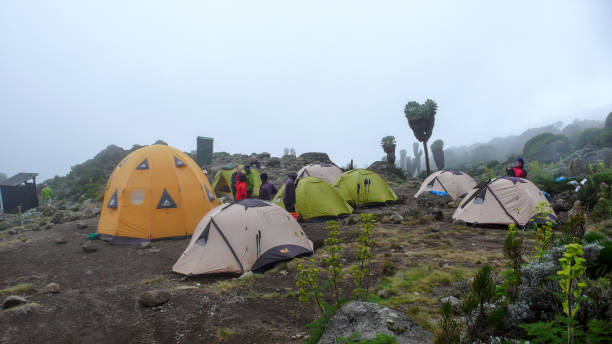
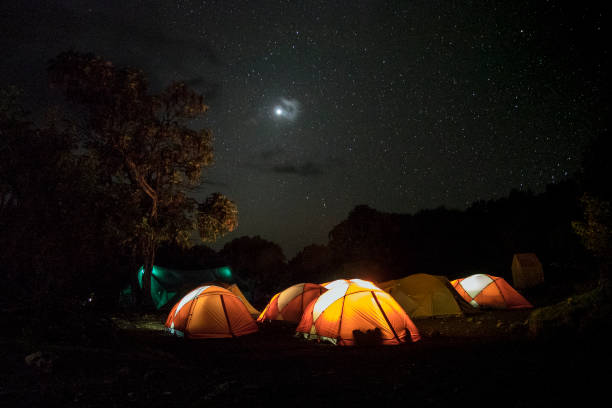
A camping route: the crew carries, pitches and strikes tents at each designated camp, with hot meals prepared fresh every day.
Why Choose Machame?
Advantages & Disadvantages — is the Machame right for you? Let’s break it down honestly.
Advantages
Disadvantages
Route Overview
- Approach: West, via the Shira Plateau
- Stay: Designated tented camps
- Duration: 6 to 11-day itineraries
- Summit: Uhuru Peak, 5,895m
- Descent: Via Mweka Gate
Lemosho Route
Lemosho begins on the western side of Kilimanjaro and is known for giving climbers a longer approach before joining the higher mountain circuit.
This longer approach is important because climbing Kilimanjaro is not simply about covering distance. The body needs time to respond to increasing altitude, and the way an itinerary is structured can make a significant difference to the overall experience.
The early stages of Lemosho pass through the western forest before the trail moves toward the Shira Plateau.
The Shira Plateau is one of the most distinctive areas of Kilimanjaro. It is part of the ancient volcanic structure of the mountain and provides wide views across a high-altitude landscape. The Shira area also gives climbers a sense that they have moved well beyond the lower forest and into the true mountain environment.
From Shira, the route continues across the mountain toward the southern circuit. Depending on the itinerary, climbers encounter areas around Lava Tower, Barranco, Karanga and eventually the high camps used for the summit attempt.
One of the main reasons travellers choose longer Lemosho itineraries is the amount of time they can spend gradually gaining altitude.
Instead of treating the mountain as a race toward the summit, the longer approach allows the climb to develop day by day.
Lemosho is particularly attractive to travellers who want a longer mountain experience, varied landscapes and an itinerary that provides more time for acclimatization. View the 6-day Lemosho group itinerary.
At Kizza Adventure, we can arrange Lemosho climbs according to the number of days available and the type of experience the traveller wants.
Lemosho Route tour and itinerary options can be explored on the Kizza Adventure Kilimanjaro pages.
Kizza Adventure operates Lemosho climbs from 6 to 11 days — see all Lemosho Route options.
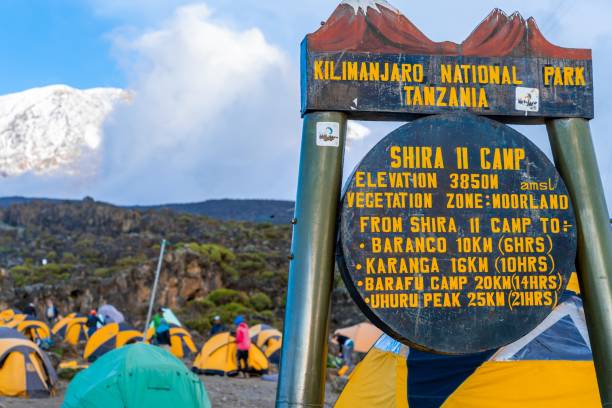
Tented camps throughout: porters carry the camp equipment ahead, so tents are ready when you arrive each afternoon.
Why Choose Lemosho?
Advantages & Disadvantages — is the Lemosho right for you? Let’s break it down honestly.
Advantages
Disadvantages
Route Overview
- Approach: Southeastern slopes
- Stay: Huts: Mandara, Horombo, Kibo
- Duration: 5 or 6-day itineraries
- Summit: Uhuru Peak, 5,895m
Marangu Route
Marangu is different from the other major routes because accommodation on the mountain is provided in huts rather than tents. View the 5-day Marangu private itinerary.
The route approaches Kilimanjaro from the southeastern side and passes through the forest before reaching the higher vegetation zones.
For someone who has never climbed Kilimanjaro before, the hut system can be an important consideration. Instead of sleeping in a tent at every camp, climbers on Marangu use designated mountain huts at locations such as Mandara, Horombo and Kibo. TANAPA identifies these huts as part of the Marangu route accommodation system.
The lower section of Marangu passes through forest, where the environment is very different from the dry upper mountain. As the route continues toward Horombo, the vegetation becomes more open and the mountain landscape becomes increasingly exposed.
Horombo is an important part of the route because it provides an opportunity for climbers to spend additional time at altitude on longer itineraries.
From Horombo, the trail continues toward the Kibo area. The landscape becomes drier and more barren as the mountain rises.
The final section toward the summit is physically demanding. At this elevation, the challenge is not only the distance but also the reduced amount of oxygen available in the atmosphere.
Marangu is often selected by travellers who prefer hut accommodation and a more established trail environment.
It is important, however, not to confuse a hut-based route with an easy climb. Kilimanjaro's altitude remains the same regardless of where you sleep, and the summit section remains demanding.
Kizza Adventure provides Marangu itineraries for travellers who prefer the hut experience and want to climb Kilimanjaro with a professional mountain crew.
Marangu Route tour and itinerary options can be explored on the Kizza Adventure Kilimanjaro pages.
Kizza Adventure operates Marangu climbs in 5 and 6-day hut itineraries — see all Marangu Route options.
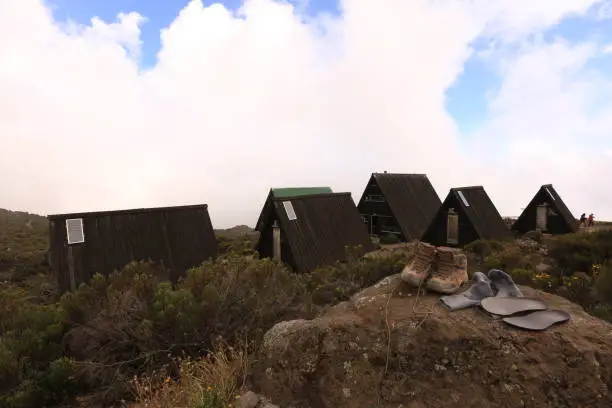
The only hut-based route: Mandara, Horombo and Kibo huts replace tents, so no camping gear is needed on the mountain.
Why Choose Marangu?
Advantages & Disadvantages — is the Marangu Route right for you? Let’s break it down honestly.
Advantages
Disadvantages
Route Overview
- Approach: Northern side, near the Kenya border
- Stay: Designated tented camps
- Duration: 5 or 6-day itineraries
- Summit: Uhuru Peak, 5,895m
Rongai Route
Rongai provides a very different perspective of Kilimanjaro because it approaches the mountain from the northern side, close to the Kenya border.
The northern side of the mountain has a different visual character from the southern slopes. It is generally drier, and the early stages of the route can feel more remote.
For travellers who want to see a less familiar side of Kilimanjaro, Rongai offers an opportunity to experience the mountain from a different direction.
The route gradually moves from the lower northern slopes toward the higher mountain environment. Along the way, the vegetation changes as elevation increases, eventually giving way to the open terrain around the higher camps.
One of the interesting aspects of Rongai is that the route approaches the summit from a different side before connecting with the upper mountain.
This means that the experience is not simply about reaching Uhuru Peak. The approach itself is part of what makes the route different.
Rongai can be particularly attractive to travellers looking for a quieter trekking environment and a northern approach to Kilimanjaro.
Kizza Adventure offers Rongai itineraries for private climbers and selected group departures, with the number of days planned according to the traveller's schedule and acclimatization needs.
Rongai Route tour and itinerary options can be explored on the Kizza Adventure Kilimanjaro pages.
Kizza Adventure operates Rongai climbs in 5 and 6-day itineraries — see all Rongai Route options.
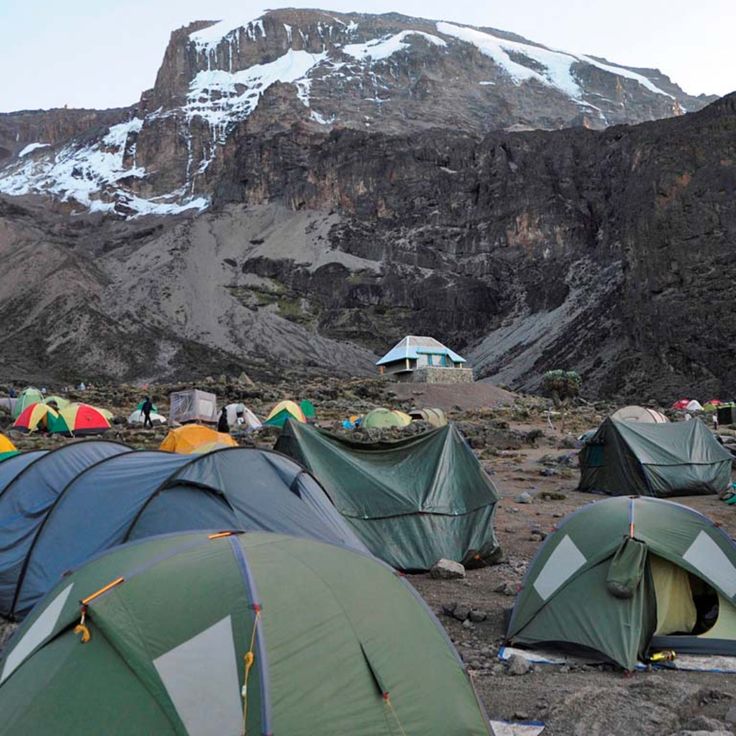
A camping route on the drier northern side: the crew sets up tented camps each afternoon with meals prepared fresh.
Why Choose Rongai?
Advantages & Disadvantages — is the Rongai right for you? Let’s break it down honestly.
Advantages
Disadvantages
Route Overview
- Approach: Full northern circuit of the mountain
- Stay: Designated tented camps
- Duration: 8 to 11-day itineraries
- Summit: Uhuru Peak, 5,895m
- Descent: Via Mweka Gate
Northern Circuit Route
The Northern Circuit is the longest of the major Kilimanjaro trekking routes and takes a much wider path around the mountain before reaching the summit approach.
Instead of moving quickly toward the southern or eastern summit routes, the Northern Circuit spends considerably more time exploring the northern side of Kilimanjaro.
This makes the route different in both geography and rhythm.
A longer route means more days on the mountain. It also provides more time for the body to experience gradual changes in elevation.
For a traveller who has enough time, the Northern Circuit can therefore offer a more extended Kilimanjaro experience rather than a short approach followed by an immediate summit attempt.
The scenery also changes as the route moves around the mountain. Climbers experience broad high-altitude landscapes and quieter sections before eventually joining the summit approach.
The final climb toward Uhuru Peak still presents the same fundamental challenge: altitude, cold, physical fatigue and the need to maintain a slow and controlled pace.
The Northern Circuit is therefore not simply a route for people looking for a longer holiday. It is an option for someone who genuinely wants to spend more time experiencing Kilimanjaro.
Kizza Adventure offers the Northern Circuit as a longer trekking itinerary for travellers who have enough time and want to explore more of the mountain before attempting the summit.
Northern Circuit Route tour and itinerary options can be explored on the Kizza Adventure Kilimanjaro pages.
Kizza Adventure operates Northern Circuit climbs from 8 to 11 days — see all Northern Circuit options.
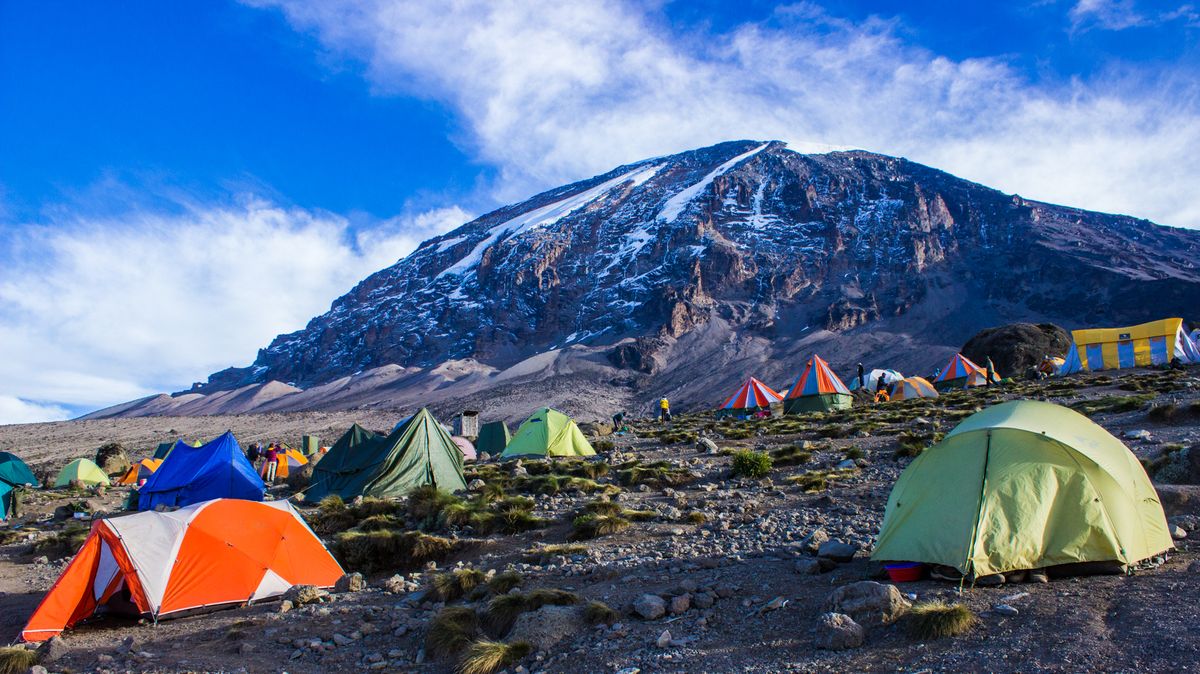
The longest camping itinerary: more nights in tented camps and more time to settle into the mountain rhythm.
Why Choose Northern Circuit?
Advantages & Disadvantages — is the Northern Circuit right for you? Let’s break it down honestly.
Advantages
Disadvantages
Route Overview
- Approach: Steep direct southern approach
- Stay: Designated tented camps
- Duration: 5 or 6-day itineraries
- Summit: Uhuru Peak, 5,895m
- Descent: Via Mweka Gate
Umbwe Route
Umbwe is one of the more direct approaches to the mountain and is known for its steep character, particularly during the early stages.
The route begins in the forest and gains elevation relatively quickly. The trail can feel physically demanding because of the combination of steep terrain and rapid elevation gain.
As the route continues upward, the environment changes from forest to open mountain terrain before joining the higher southern circuit.
The character of Umbwe makes it different from routes that use a longer, more gradual approach.
For experienced trekkers who understand the demands of mountain climbing, the route can provide a more direct and challenging experience.
However, direct does not mean better, and shorter does not mean easier.
On Kilimanjaro, the major challenge is not simply how steep the trail feels. The body also has to adapt to altitude, and an itinerary that gains elevation too quickly can make that process more difficult.
That is why route selection should be based on more than the number of days or the idea that a particular route is more adventurous.
Kizza Adventure can help experienced trekkers determine whether an Umbwe itinerary is appropriate for their available time, previous trekking experience and desired mountain experience.
Umbwe Route tour and itinerary options can be explored on the Kizza Adventure Kilimanjaro pages.
Kizza Adventure operates Umbwe climbs in 5 and 6-day itineraries for experienced trekkers — see all Umbwe Route options.
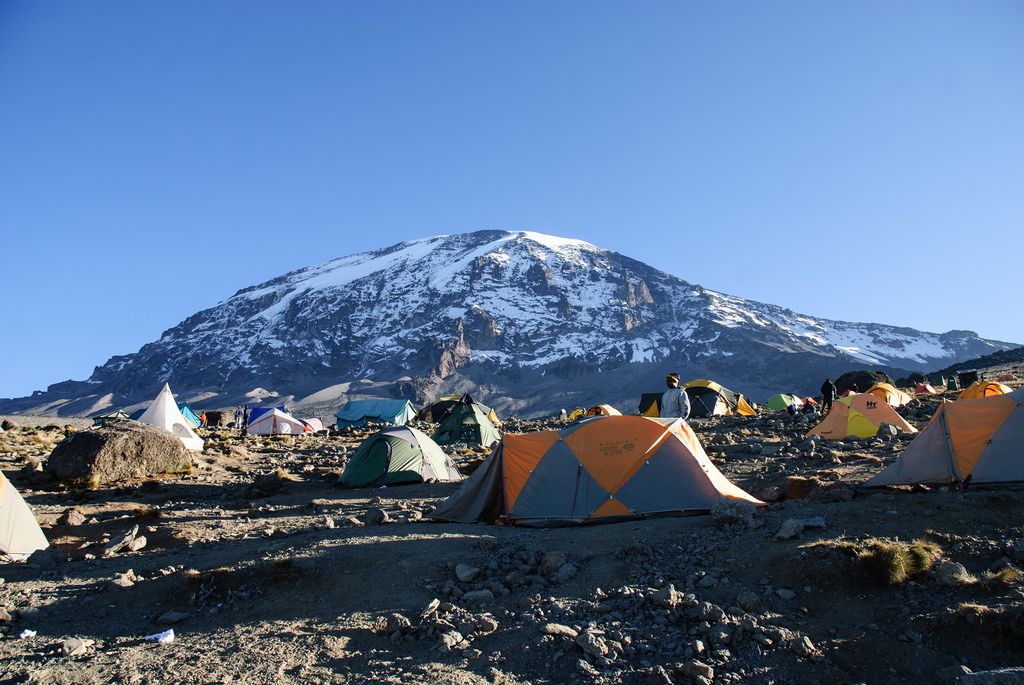
A camping route for experienced trekkers: compact tented camps support the fast, direct line up the mountain.
Why Choose Umbwe?
Advantages & Disadvantages — is the Umbwe right for you? Let’s break it down honestly.
Advantages
Disadvantages
Route Overview
- Approach: West, across the Shira Plateau
- Stay: Designated tented camps
- Duration: Seasonal departures and longer itineraries
- Summit: Uhuru Peak, 5,895m
- Summit approach: Southern mountain circuit
Shira Route
The Shira Route approaches Kilimanjaro from the west and shares part of the western mountain environment with Lemosho.
Its defining feature is the Shira Plateau, an ancient volcanic landscape that forms one of the most distinctive areas of Kilimanjaro. TANAPA identifies Shira as one of the mountain's major volcanic formations and places it at approximately 3,962 metres.
Because the Shira approach reaches higher elevations relatively early, it is important to understand that starting high on the mountain can change how the body responds to the trek.
The route is therefore not simply a shorter version of Lemosho.
It has its own character, and the early altitude exposure is one of the reasons itinerary design matters.
From the Shira area, the route connects with the higher mountain circuit and continues toward the southern approach to the summit.
The landscape around Shira is wide, open and volcanic. The vegetation is very different from the lower forest, and the views across the plateau can be one of the highlights of the journey.
For climbers interested in the western side of Kilimanjaro and the Shira landscape, this route offers a distinctive way of experiencing the mountain.
Kizza Adventure can arrange Shira itineraries depending on availability, route regulations and the number of days required for the planned climb.
Shira Route tour and itinerary options can be explored on the Kizza Adventure Kilimanjaro pages.
Ask about the seasonal Shira departure and western-approach itineraries crossing the Shira Plateau.
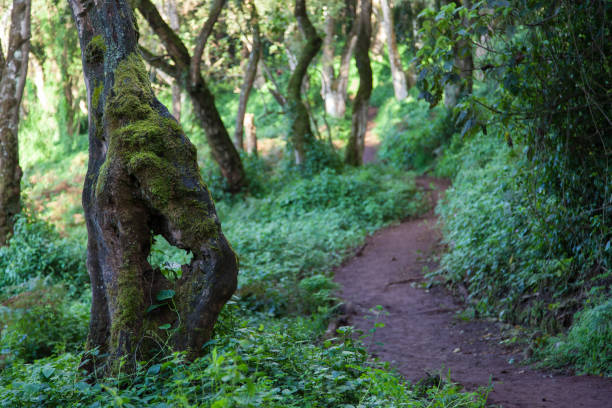
Western camping itineraries crossing the ancient Shira Plateau, with tented camps set by the mountain crew.
Why Choose Shira?
Advantages & Disadvantages — is the Shira right for you? Let’s break it down honestly.
Advantages
Disadvantages
Route Overview
- Format: Shared or private helicopter flights
- Sights: Kibo Peak (5,895m) and glaciers
- Price: From $1,000 per person shared
- Booking: 30% deposit secures the flight
Kilimanjaro Helicopter Tour
A luxury scenic flight around Africa’s highest peak — for travellers short on time, celebrating something big, or simply wanting the ultimate view of Kibo and its glaciers.
Shared scenic flights run at $1,000 per person, private charters for up to 5 people at $4,500 per trip, with sunrise and sunset options adding $200. A 30% deposit secures the booking, with full details on the Kilimanjaro helicopter tour page.
Flights operate with licensed pilots under standard aviation safety procedures, departing around the Moshi and Arusha side of the mountain.

Helicopter flight options can be explored on the Kizza Adventure helicopter tour page.
Ask about shared departures or a private charter — see all helicopter tour options.
Why Choose Helicopter Tour?
Advantages & Disadvantages — is the Helicopter Tour right for you? Let’s break it down honestly.
Advantages
Disadvantages
Route Overview
- Format: Guided 1-day mountain bike descent
- Route: 4,000m drop-off to 900m farmland
- Stats: 32 km · 3–4 hrs riding · 9 hrs total
- Bike: Full-suspension bike provided
Kilimanjaro Bike Tour
A 1-day mountain bike descent from 4,000 metres to the farmlands at 900 metres — alpine desert, rainforest and villages in a single ride on a provided full-suspension bike.
Riding time runs 3–4 hours inside a 9-hour day with transfers and lunch. Full breakdown, costs and dates on the Kilimanjaro bike tour page.
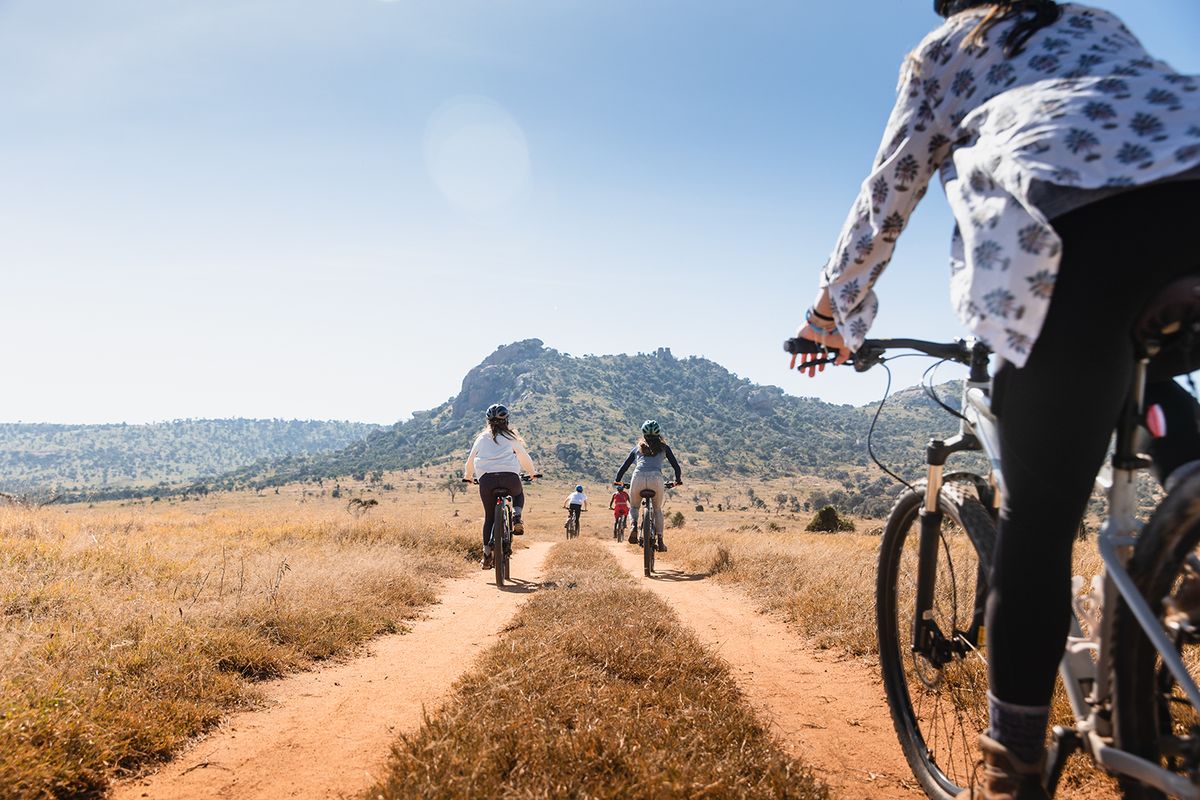
Bike descent options can be explored on the Kizza Adventure bike tour page.
Combine it with a climb or safari — see all bike tour options.
Bring: cycling shorts, moisture-wicking jersey, light jacket (cold 4,000m start), closed-toe shoes, sunscreen SPF 50+, sunglasses with strap.
We provide: full-suspension bike, full-face helmet, knee & elbow pads, padded gloves, water and soft drinks.
Leave behind: heavy backpacks, valuables, bulky camera gear, alcohol. Full lists: packing checklist · itinerary · fact sheet.
Why Choose Bike Tour?
Advantages & Disadvantages — is the Bike Tour right for you? Let’s break it down honestly.
Advantages
Disadvantages
Mweka Route: The Important Difference
Mweka is sometimes listed alongside Kilimanjaro's climbing routes, but there is an important distinction.
Mweka is primarily used as a descent route rather than a standard independent route for climbing to Uhuru Peak.
After completing the summit attempt, climbers on several southern and western routes descend toward Mweka Gate.
This distinction matters because travellers searching online may see Mweka listed as one of the Kilimanjaro routes and assume that it is another route they can choose for the ascent.
It is mainly part of the way down the mountain.
TANAPA's official information identifies Mweka Gate as a descent point, while its Kilimanjaro route map shows the relationship between Mweka and the main climbing approaches.
Kilimanjaro Elevation Chart
Follow the mountain from the trailhead toward Uhuru Peak at 5,895 metres. Select a route to see an illustrative climb-high / descend profile using representative gate, camp and summit elevations.
Profile values are representative rather than a promise of an exact day-by-day itinerary. Camp locations and route schedules can vary by itinerary, park operations and weather.
Kilimanjaro Safety Protocol
Kilimanjaro is a high-altitude mountain environment. Safe planning means taking acclimatization, weather, trail discipline and changing symptoms seriously from the first day.
Kilimanjaro National Park states that climbs must be guided by a licensed operator. Stay with your professional mountain crew, follow park instructions and never treat the mountain as a solo trek.
Choose an itinerary that gives your body time to adjust, ascend at a controlled pace and use rest or acclimatization days where the itinerary provides them.
Tell your guide promptly about headache, unusual breathlessness, dizziness, nausea, weakness or other symptoms that develop at altitude. Do not hide symptoms to continue climbing.
Conditions can change rapidly with elevation. Carry appropriate cold-weather and rain gear, a headlamp and any personal medicines you have been advised to bring.
Follow marked trails and camp rules, observe park guidance, practice Leave No Trace principles and do not take unapproved shortcuts across the mountain.
A summit attempt is never more important than a safe descent. If a guide or park official recommends stopping or descending because of symptoms or conditions, follow that instruction immediately.
Kilimanjaro Weather Calendar
Tanzania’s national-park guidance describes two main rainy periods and two main drier windows. Conditions still vary with elevation, and summit weather can be cold at any time of year.
Generally part of the December–early March drier season described by TANAPA.
A generally drier month; summit conditions remain cold and high-altitude.
Conditions move toward the long-rain period; flexibility becomes more useful.
Part of the main wet season around the mountain base; wet trails and cloud are possible.
Still within the long-rain period; route and gear planning should allow for wetter conditions.
TANAPA describes the main dry season as beginning in late June.
Within the main late-June to September dry-season window.
Typically one of the clearer, drier windows, while nights at high altitude remain cold.
Still within the dry-season window identified in TANAPA’s visitor information.
The short-rain period is commonly associated with October and November.
Expect a higher chance of rain on the lower mountain; the north side can be relatively drier.
TANAPA places December in the drier-season window, although weather can change quickly at altitude.
Season labels are planning guidance, not a weather guarantee. Always check the current forecast and park/guide advice close to departure.
Best Route by Season
There is no universal “best” route. Use this planner to see which route characteristics line up with your travel month and available time, then confirm the final choice with your guide or operator.
The number of days matters because altitude acclimatization is part of the route decision. A longer itinerary can change what is practical, even when the trailhead is the same.
What Actually Happens on a Kilimanjaro Climb?
A Kilimanjaro climb is not one long walk from the gate to the summit.
It is a gradual journey through different elevations.
On the first days, the body is still operating in an environment relatively close to normal sea-level conditions. As the climb progresses, the air becomes thinner and the physical response becomes more noticeable.
Walking speed therefore becomes important.
A good Kilimanjaro climb is not about being the fastest person in the group. It is about maintaining a pace that allows the body to continue functioning as the altitude increases.
This is why guides frequently encourage climbers to walk slowly.
The phrase "pole pole" is not simply a tourism slogan. It reflects the practical reality of high-altitude trekking.
You may feel strong on the first day and still find the higher mountain difficult later. You may be physically fit and still experience altitude-related symptoms. You may be an experienced hiker and discover that altitude affects you differently from previous mountains.
The mountain does not reward rushing.
The Summit Day
The summit attempt is normally the most demanding part of the climb.
After several days of trekking, you arrive at a high camp from which the final ascent begins.
The timing is generally chosen so that climbers can reach the upper mountain during the early morning hours.
At this altitude, the cold can be severe, the terrain is exposed and the pace is deliberately slow.
Every climber reacts differently.
Some people move steadily for hours. Others need frequent short breaks. The guide's role is to monitor the group, maintain a controlled pace and respond to changing conditions.
Eventually, climbers reach the upper summit area and continue toward Uhuru Peak.
Standing at 5,895 metres is not simply a photograph moment. It is the result of every previous day on the mountain: every early morning, every slow step, every meal, every rest period and every decision to continue carefully.
After reaching the summit, the journey is not finished.
The descent begins, and climbers continue downward toward the appropriate camp before eventually leaving the mountain.
Why More Days Can Matter
One of the biggest mistakes people make when planning Kilimanjaro is looking only at the shortest possible itinerary.
The mountain is not difficult because the walking distance is impossible.
The major issue is altitude.
TANAPA advises visitors to plan for altitude, choose itineraries that allow acclimatization, ascend slowly, stay hydrated and report symptoms promptly to their guide.
For that reason, the number of days should be treated as an important part of the route decision.
A longer itinerary does not guarantee that somebody will reach Uhuru Peak. Mountain weather, individual response to altitude, physical condition and other factors still matter.
But additional time can allow the body to adapt progressively rather than forcing the climb into a compressed schedule.
At Kizza Adventure, we therefore help clients choose an itinerary based not only on price and available holiday days, but also on the practical demands of climbing at high altitude.
What You Need to Prepare
Preparing for Kilimanjaro does not mean that you need to become a professional mountaineer.
You do, however, need to take the mountain seriously.
Regular walking, hiking, cardiovascular exercise and longer uphill walks can help you prepare your body for several consecutive days of trekking.
Your equipment also matters.
A proper Kilimanjaro packing list should include suitable hiking footwear, warm layers, waterproof clothing, gloves, a warm hat, sunglasses, sunscreen, a headlamp, water bottles or a hydration system, trekking poles, personal medication and appropriate sleeping equipment.
The temperature near the summit can be dramatically different from the conditions in Moshi or on the lower slopes.
You therefore need to prepare for both warm and cold conditions.
Kizza Adventure can also assist climbers with equipment preparation and mountain logistics before departure.
Camping and Hut Accommodation
Your accommodation on Kilimanjaro depends largely on the route.
Marangu uses designated mountain huts, while the other main trekking routes use designated tented camps operated under the mountain's park system and licensed tourism arrangements.
Camping on Kilimanjaro is not the same as camping at a normal campsite.
You are sleeping at increasing elevations, temperatures can fall considerably at night and the mountain environment can change quickly.
This is why the work of the mountain crew is such an important part of the climb.
Guides, porters and cooks support the expedition by helping with camp logistics, food preparation, equipment and the daily organization of the trek.
At Kizza Adventure, we recognize that the mountain crew is not an accessory to the climb. They are part of the team that makes the journey possible.
Kilimanjaro Climbing with Kizza Adventure
Kizza Adventure is based in Tanzania and organizes Mount Kilimanjaro climbs for travellers from different parts of the world.
Our goal is to make the climbing experience organized, realistic and personal from the moment you begin planning until you descend from the mountain.
We offer private Kilimanjaro climbs as well as group-join opportunities, depending on the route and departure date.
We can help you choose between Machame, Lemosho, Marangu, Rongai, Northern Circuit, Umbwe and Shira based on your available time, preferred style of accommodation, trekking experience and expectations.
The climb includes the mountain logistics required for the selected itinerary, with professional guides and mountain crew supporting the journey.
All Kilimanjaro climbs must be conducted through licensed operators and according to the rules of Kilimanjaro National Park. TANAPA states that solo trekking is not permitted and that climbers must follow designated routes, park regulations and guide instructions.
We also believe that climbing Kilimanjaro should be conducted responsibly.
The mountain is a protected environment, and climbers have a responsibility to avoid littering, respect the designated trails, follow camp regulations and treat the mountain and its surrounding communities with respect.
Which Route Is Right for You?
If you have only a few days available, you may naturally look at the shorter itineraries. If you have more time, you have the opportunity to choose an itinerary that allows the mountain to unfold more gradually.
If accommodation in mountain huts is important to you, Marangu provides that option.
If you want a southern route with varied scenery, Machame may fit your plans.
If you prefer a longer western approach, Lemosho gives you more time to experience the mountain before reaching the upper circuit.
If you want to approach from the north, Rongai offers a different side of Kilimanjaro.
If you have sufficient time and want a longer journey around the mountain, Northern Circuit provides the most extended approach.
If you are an experienced trekker looking for a steeper and more direct approach, Umbwe is an option to discuss carefully with your operator.
If the Shira Plateau and western approach appeal to you, Shira provides another way to experience the mountain.
There is no need to choose a route simply because somebody calls it the "best route.
The better question is:
Which route is appropriate for your time, experience, expectations and ability to spend several days at altitude?
That is the question we help our clients answer at Kizza Adventure.
Your Kilimanjaro Journey Starts in Tanzania
Every route has its own beginning.
Machame begins differently from Marangu.
Lemosho feels different from Rongai.
Umbwe has a different character from Northern Circuit.
Shira gives you a different perspective of the mountain.
But eventually, the routes converge around the great volcanic mountain of Kibo and lead toward the same objective: Uhuru Peak at 5,895 metres.
The climb is not only about reaching the highest point.
It is about the forest below the clouds.
It is about the changing landscape.
It is about walking beside people from different countries.
It is about waking up in a cold mountain camp and continuing when your body would rather stay inside the sleeping bag.
It is about learning to slow down.
It is about watching the landscape change as you gain altitude.
And finally, it is about standing on the summit of Africa and looking back at the journey that brought you there.
Kizza Adventure is ready to help you plan that journey from Tanzania.
Choose your route.
Choose your dates.
Prepare properly.
Then take the first step toward Uhuru Peak.
Explore the Kilimanjaro Route Guide by Topic
Machame and Marangu sections in the complete guide.
Western ApproachesLemosho and Shira sections in the complete guide.
Northern ApproachRongai and the northern mountain perspective.
Longer JourneyNorthern Circuit and its extended mountain experience.
Direct ApproachUmbwe and the considerations around a steeper approach.
Descent RouteWhy Mweka is primarily associated with descent.
Compare representative elevation shapes across the major routes.
Your Safety MattersReview core safety principles before the climb.
Weather CalendarSee the main dry and rainy planning windows.
Route PlannerUse your month and available days to explore route options.
Fun QuizTest your Kilimanjaro knowledge in five questions.
Packing ListEvery item for the climb, plus printable checklists.
Helicopter TourSee Kibo and the glaciers from the sky.
Bike TourRide 32 km down from 4,000 metres.
Real Moments on Kilimanjaro
.jpg)
.jpg)

Kilimanjaro Fun Quiz
Five quick questions based on the guide. No pressure — finish the quiz and see your score instantly.
Kilimanjaro Packing List
The exact gear checklist from our printable Kilimanjaro packing list — essentials first, then recommended extras.
- ✓ Base layer (merino wool/synthetic) x2 Essential
- ✓ Mid layer (fleece or softshell) Essential
- ✓ Insulated jacket (down/synthetic) Essential
- ✓ Waterproof shell jacket Essential
- ○ Lightweight hiking t-shirt x2 Recommended
- ○ Sun hoodie Optional
- ✓ Hiking trousers (quick-dry) x2 Essential
- ✓ Thermal leggings / base layer bottoms Essential
- ✓ Waterproof rain pants Essential
- ○ Comfortable trekking shorts Recommended
- ○ Softshell trousers Recommended
- ✓ Waterproof hiking boots (broken in!) Essential
- ✓ Camp shoes / sandals Essential
- ✓ Trekking socks (wool/synthetic) x4 Essential
- ○ Liner socks (blister prevention) Recommended
- ○ Gaiters Recommended
- ✓ Sun hat / cap with visor Essential
- ✓ Warm beanie / wool hat Essential
- ✓ Sunglasses (UV400 / glacier grade) Essential
- ✓ Headlamp + extra batteries Essential
- ✓ Gloves — lightweight (trekking) Essential
- ✓ Gloves — heavy (summit / waterproof) Essential
- ○ Buff / neck gaiter Recommended
- ✓ Sleeping bag (-15°C rated) Essential
- ✓ Trekking poles (adjustable) Essential
- ✓ Daypack (30-40L) Essential
- ✓ Duffel bag (60-80L for porters) Essential
- ✓ Water bottles / hydration bladder (3L) Essential
- ✓ Water purification tablets Essential
- ○ Sleeping bag liner Recommended
- ✓ Personal first aid kit Essential
- ✓ Diamox — consult your doctor Essential
- ✓ Sunscreen SPF 50+ Essential
- ✓ Lip balm with SPF Essential
- ✓ Wet wipes / biodegradable Essential
- ✓ Hand sanitiser Essential
- ○ Blister plasters / moleskin Recommended
- ○ Electrolyte powder sachets Recommended
- ✓ Passport (valid 6+ months) Essential
- ✓ Travel insurance certificate Essential
- ✓ Tanzania tourist visa Essential
- ✓ Power bank 10,000mAh+ Essential
- ✓ Universal travel adapter Essential
- ○ Camera / GoPro + spare batteries Recommended
- ○ Dry bags for electronics Recommended
- ○ Ear plugs (for windy nights) Recommended
- ○ Snacks (energy bars, nuts, chocolate) Recommended
- ○ Cash (USD/TZS for tips & extras) Recommended
- ○ Reusable coffee / tea cup Optional
- ○ Book / Kindle Optional
- ○ Playing cards / small games Optional
Frequently Asked Questions About Kilimanjaro Climbing
Kizza Adventure
Kilimanjaro Climbing in Tanzania for,.
Private Climbs | Group Join | All Major Routes | Professional Mountain Crew
Request Your Kilimanjaro Climbing Itinerary her kizzaadventures@gmail.com or +255734335668.
Plan Your Kilimanjaro Journey
Use the complete route guide above to compare the mountain approaches, then contact Kizza Adventure to plan your dates, route and trekking arrangements.