


Kilimanjaro Private Rongai 6-Day
The Rongai 6-Day private climb offers ~85% summit success with Camping accommodation on the Northern Route.
Rongai — Kilimanjaro's Quiet Northern Approach
Rongai is the only route that climbs Kilimanjaro from the north, starting at Nalemoru Gate near the Kenyan border. Far from the southern crowds, it crosses farmland and pine forest where colobus monkeys move through the canopy, then climbs through moorland with the Kenyan plains glittering below.
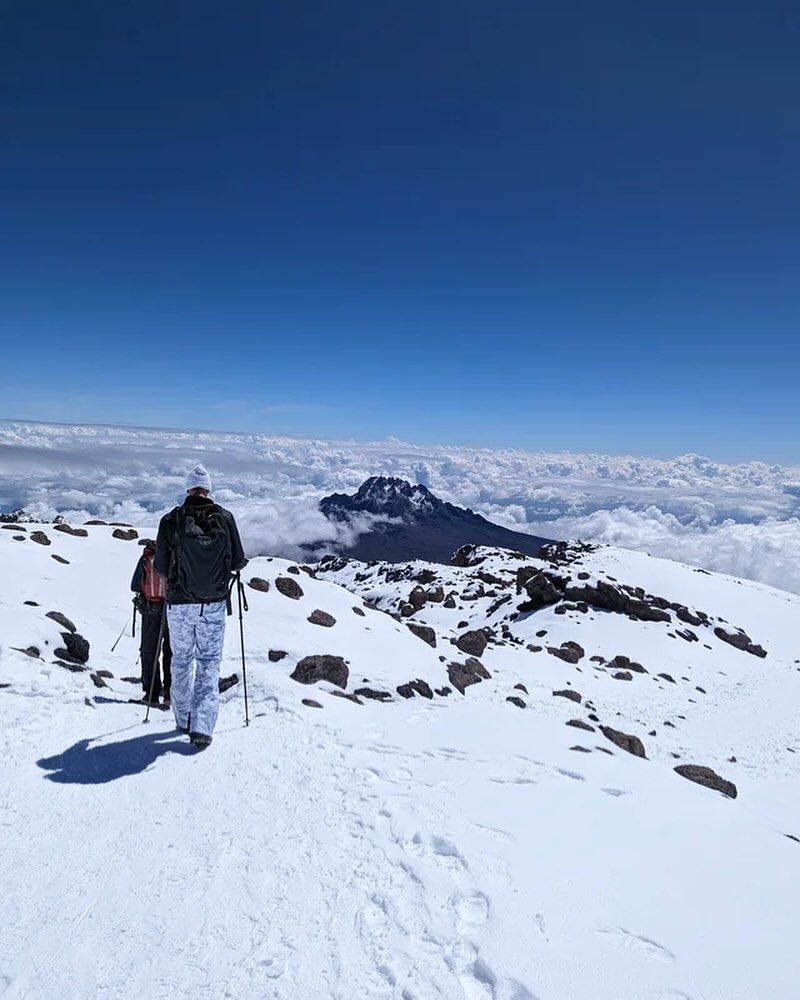
The trail strings together characterful northern camps — Simba, Second Cave, Kikelewa — before the jewel of the route: Mawenzi Tarn at 4,330 metres, a mountain lake camp beneath Mawenzi's jagged spires that many call the most beautiful campsite on Kilimanjaro. From there the route crosses the barren Saddle to School Hut and attacks the summit via Gilman's Point, descending the Marangu trail.
Rongai is also the driest route on the mountain, holding markedly less rain than the southern slopes — the smart choice for the wetter months and for trekkers who dislike mud. Around 70 kilometres of the mountain's least-walked ground.
Kizza Adventure runs Rongai privately for one to six travellers, with guides who know the northern side's water, weather and wildlife intimately.
6 Days — The Recommended Rongai With the Tarn Night
Six days is the Rongai done properly: five nights including the crucial Mawenzi Tarn stop, which breaks the ascent and gives the body a genuine acclimatization gift before the Saddle crossing.
5 Days — Fast and Direct
The shortest Rongai skips the Tarn's full benefit and pushes harder between camps. Cheaper and quicker, but the acclimatization math tightens — best left to trekkers with altitude history.
6 Days — This Itinerary, The Wise Booking
The Mawenzi Tarn night transforms the climb: a stunning camp, a shorter day around it, and far better adaptation for School Hut night. For almost every Rongai trekker, six days is the right call.
One extra night, one legendary lakeside camp, and a far stronger summit position — that is the entire six-day argument, and it wins easily.
Tented Camps on the Dry Side
Five nights under canvas: Simba Camp in the forest edge, Kikelewa in the moorland, Mawenzi Tarn beneath the spires, School Hut in the high desert, and Horombo on the descent — with Moshi hotels framing the trek.
Camp standard:
- Four-season mountain tents, two per tent
- Sleeping mats included; expedition bags rentable
- Dining tent with hot cooked meals
- Fresh trail lunches packed daily
- Private guides, cook and porters for your party
- Hot washing water at every camp
- Oxygen, first aid and radios with the guides
Northern camps stay drier than southern ones — tents, gear and morale all benefit. Mawenzi Tarn camp alone justifies the tent: sunrise on the spires from your door is a memory money rarely buys.
Moderate Gradients, Steady Altitude Gain
Rongai's walking is moderate throughout — no walls, no scrambling, no exposure. Trails climb steadily through forest, moorland and alpine desert on gradients kinder than the southern routes' steeps.
The challenge is the steady upward pressure across six days and a long summit night from School Hut via Gilman's Point. Altitude, cold and the Saddle's barren expanse test resolve more than technique. The drier underfoot conditions are a genuine blessing — less mud, surer footing, drier camps.
Prepare with:
- Regular walking building to 6-hour days
- Hill or stair sessions with a daypack
- Broken-in waterproof boots
- Full summit-night cold layering
- Poles for the long Marangu-route descent
- Steady pacing discipline from Nalemoru Gate
Moderate trail plus six sensible days makes Rongai one of the fairest climbs on Kilimanjaro — demanding enough to feel earned, graded enough to feel achievable.
School Hut to Uhuru via Gilman's Point
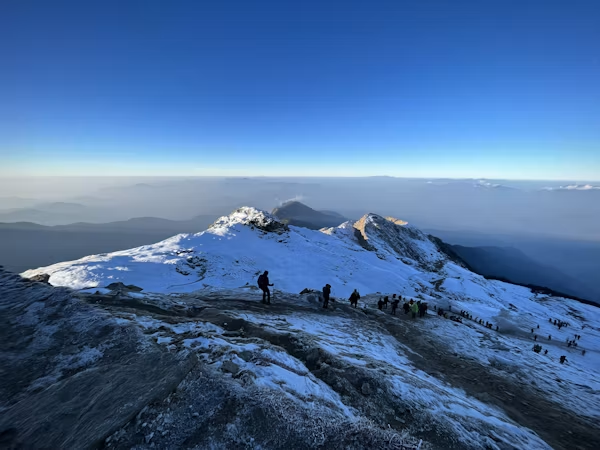
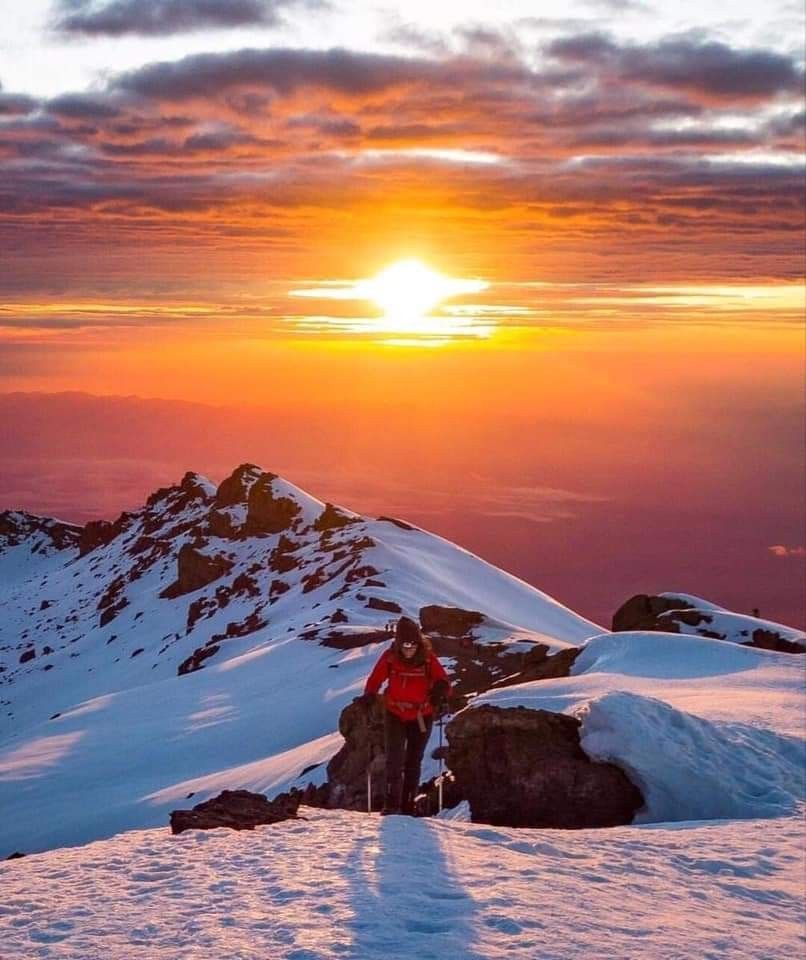
Summit night leaves School Hut around midnight for the long pull to Gilman's Point at 5,681 metres — sunrise over Mawenzi as the crater rim appears — then the rim traverse via Stella Point at 5,756 metres to Uhuru Peak at 5,895 metres (19,341 feet).
Green for Gilman's Point, gold for Uhuru Peak. Descent follows the Marangu trail to Horombo Hut for the last mountain night, then out to Marangu Gate the next morning.
Your Rongai summit advantages:
- Mawenzi Tarn acclimatization banked mid-trip
- A drier, often clearer summit-night sky on the north-east approach
- Quieter trails to Gilman's — no southern-route queues in the dark
- School Hut's high launch position
Kizza Adventure guides pace the dark hours pole-pole, monitor warmth and hydration relentlessly, and time the rim arrival for the Mawenzi sunrise trekkers cross continents to see.
Private on the Quietest Trailhead
Rongai starts where the crowds don't: a long drive to Nalemoru Gate, then days of near-empty trail. With a private party of one to six, that quiet becomes absolute — your guide, your crew, your rhythm, and often not another trekker in sight until the summit slopes.
The northern route rewards attention — colobus troops, Kenya views, the Tarn at golden hour — and private pacing gives you the freedom to stop for all of it.
Private on Rongai means:
Silence as Standard
The route is quiet; your format keeps it that way from gate to Gilman's.
Wildlife Pauses
Stop for monkeys, eland signs and viewpoints without negotiating with a group.
Summit Night Your Way
Midnight start and rim pacing arranged for your party alone.
Solo travellers thrive here: a private northern expedition with a dedicated guide is solitude at its finest.
~85% Summit Success — The Tarn Night Dividend
For our 6-day Rongai private climb we use an estimated ~85% summit success benchmark. The Mawenzi Tarn night does the decisive work — breaking the ascent, banking adaptation, and positioning the Saddle crossing and School Hut night for success.
Estimates guide; they never guarantee. Weather and personal altitude response still rule summit night.
The 85% stands on:
- The Mawenzi Tarn acclimatization night
- Moderate northern gradients throughout
- Drier conditions keeping trekkers stronger
- School Hut's high launch camp
- Private guiding for six or fewer climbers
- Steady hydration and slow walking discipline
Six days with the Tarn night is Rongai as it should be climbed — and 85% is what that care returns.
About This Package
The Kilimanjaro Private Rongai 6-Day is the ultimate exclusive climb for those who want the mountain to themselves. You’'ll have your own dedicated mountain guide and support team — no joining with strangers. Climb at your own pace on your chosen dates. See the full day-by-day itinerary below.
The Rongai Route is a great path on Kilimanjaro with Camping accommodation — spacious tents with comfortable sleeping pads set at some of the most beautiful campsites on the mountain. This makes it an excellent choice for trekkers seeking a true wilderness experience. Check our camping details here. The trail is well-graded and manageable, with a moderate difficulty that most fit beginners can handle.
All-inclusive park fees camping equipment meals guides porters transfers. Flexible start dates.
This package is perfect for: Serious trekkers wanting maximum success rates with stunning scenery.
Why You’ll Love This Climb
Flexible Dates
Choose your own start date — private climbs depart any day of the week.
Professional Mountain Guides
Certified, English-speaking guides with extensive summit experience and first-aid training.
Premium Camping
Spacious tents with comfortable sleeping pads set at scenic campsites.
Summit Uhuru Peak
Stand at 5,895m above sea level on the Roof of Africa — a life-changing achievement.
Daily Fresh Meals
Three hearty meals prepared daily by our dedicated mountain cook — dietary needs accommodated.
Airport Transfers Included
Free pickup from Kilimanjaro International Airport (JRO) on arrival day.
KPAP Ethical Climb
We are a KPAP partner ensuring fair wages, proper gear, and ethical treatment of all porters.
Your Private Team
Exclusive guide and porter team dedicated to you and your party only — no strangers.
Your 6-Day Rongai Adventure
85% summit success on the Northern Route.
Nalemoru Gate to Simba Camp
3-4 hrs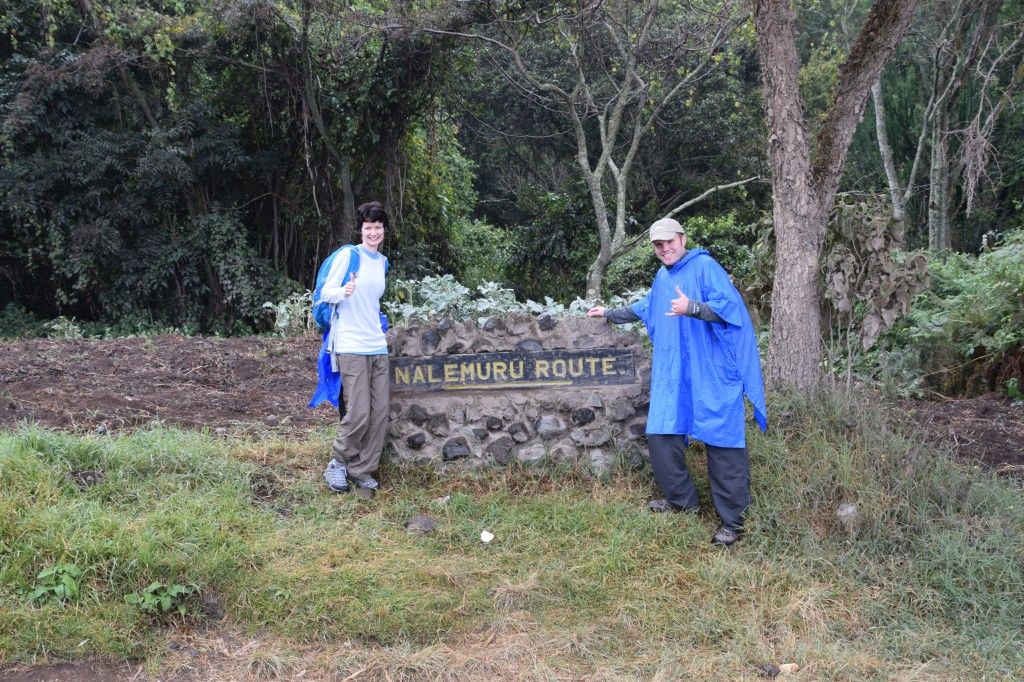
The Rongai Route begins at Nalemoru Gate on the remote northern side. After registration you pass through farmland and pine forest before entering the rainforest.
The trail is peaceful and quiet with few other trekkers. Keep an eye out for colobus monkeys.
Simba Camp (2,625m) is a forest clearing with basic facilities. The northern stars shine brilliantly.
Simba Camp to Second Cave
6-8 hrs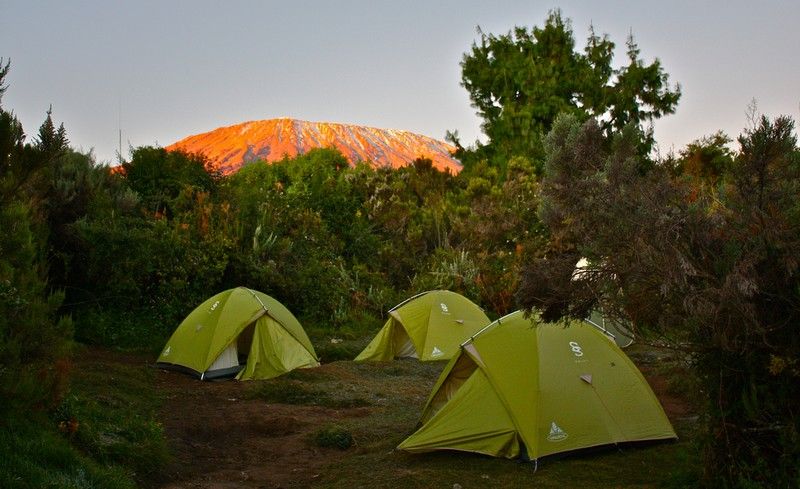
The trail climbs through open moorland with expansive views of the Kenyan plains. Giant heathers and lobelias dot the landscape.
You pass the First Cave and Second Cave natural rock formations. The views of Mawenzi and Kibo become increasingly dramatic.
Second Cave Camp (3,450m) offers incredible sunset views over the savannah.
Second Cave Camp to Kikilewa Camp
4-5 hrs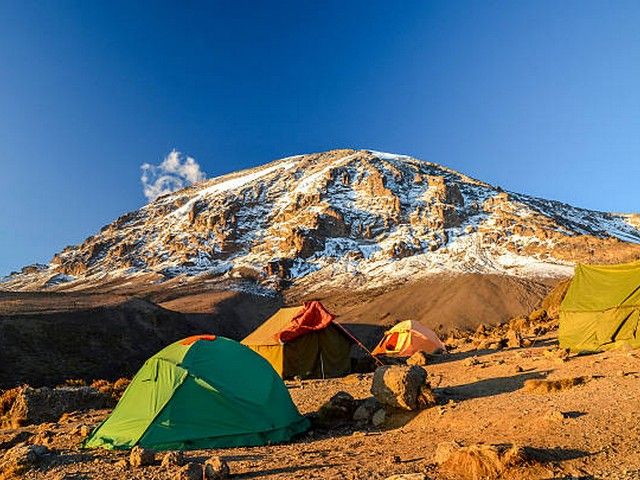
Short day traversing alpine desert. The landscape becomes increasingly barren and lunar-like.
The shorter walk allows for excellent acclimatisation. Enjoy the views of both Kibo and Mawenzi.
Kikilewa Camp (3,630m) sits in a sheltered valley with spectacular sunset views.
Kikilewa Camp to Kibo Hut
5-7 hrs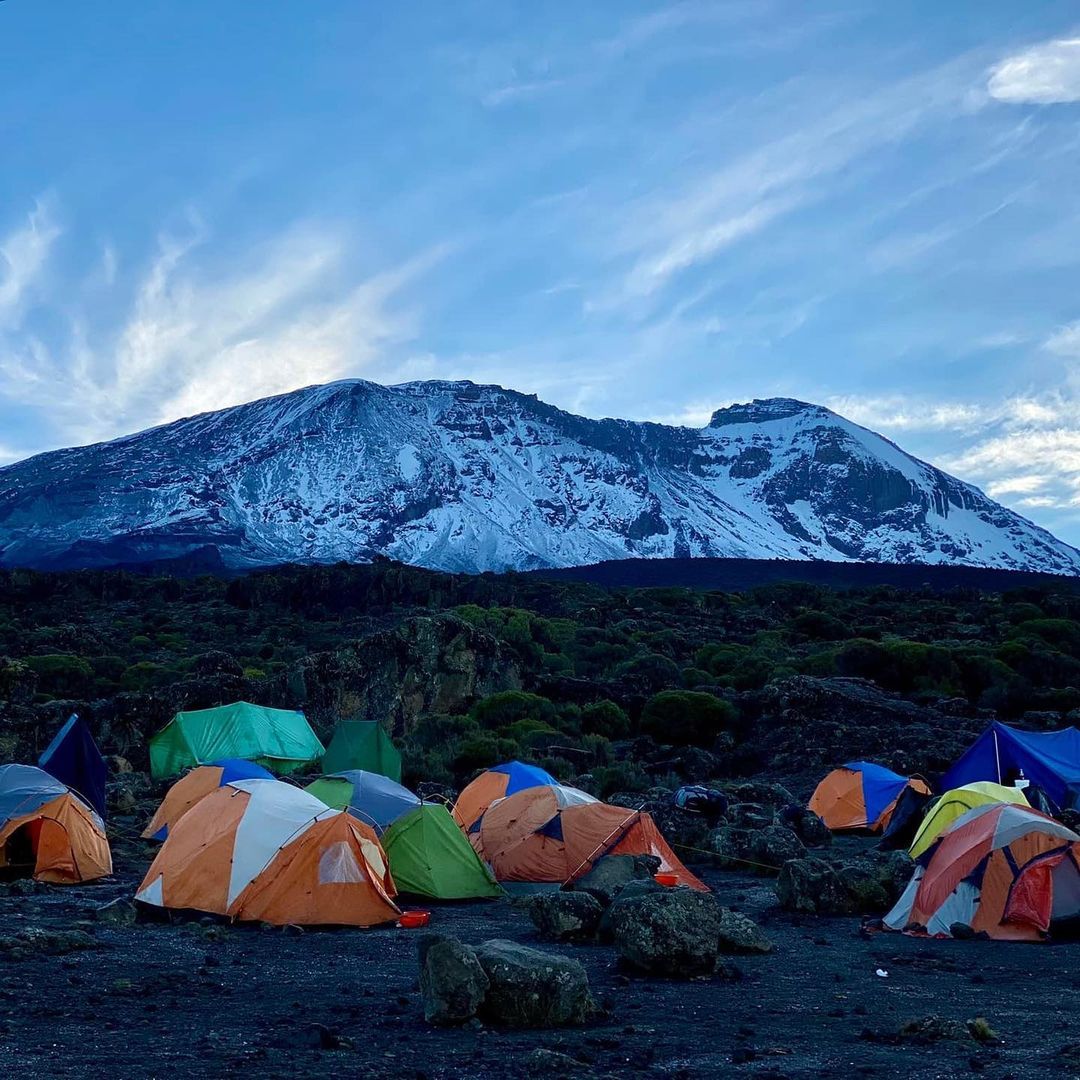
Climb to Kibo Hut (4,703m) via the eastern approach joining the Rongai Route at the Saddle. The terrain is alpine desert.
The trail is a steady climb across volcanic scree. Views of the summit glaciers are breathtaking.
Kibo Hut is a basic stone shelter. Early dinner and early bedtime before the midnight summit attempt.
Kibo Hut to Uhuru Peak to Horombo Hut
10-14 hrs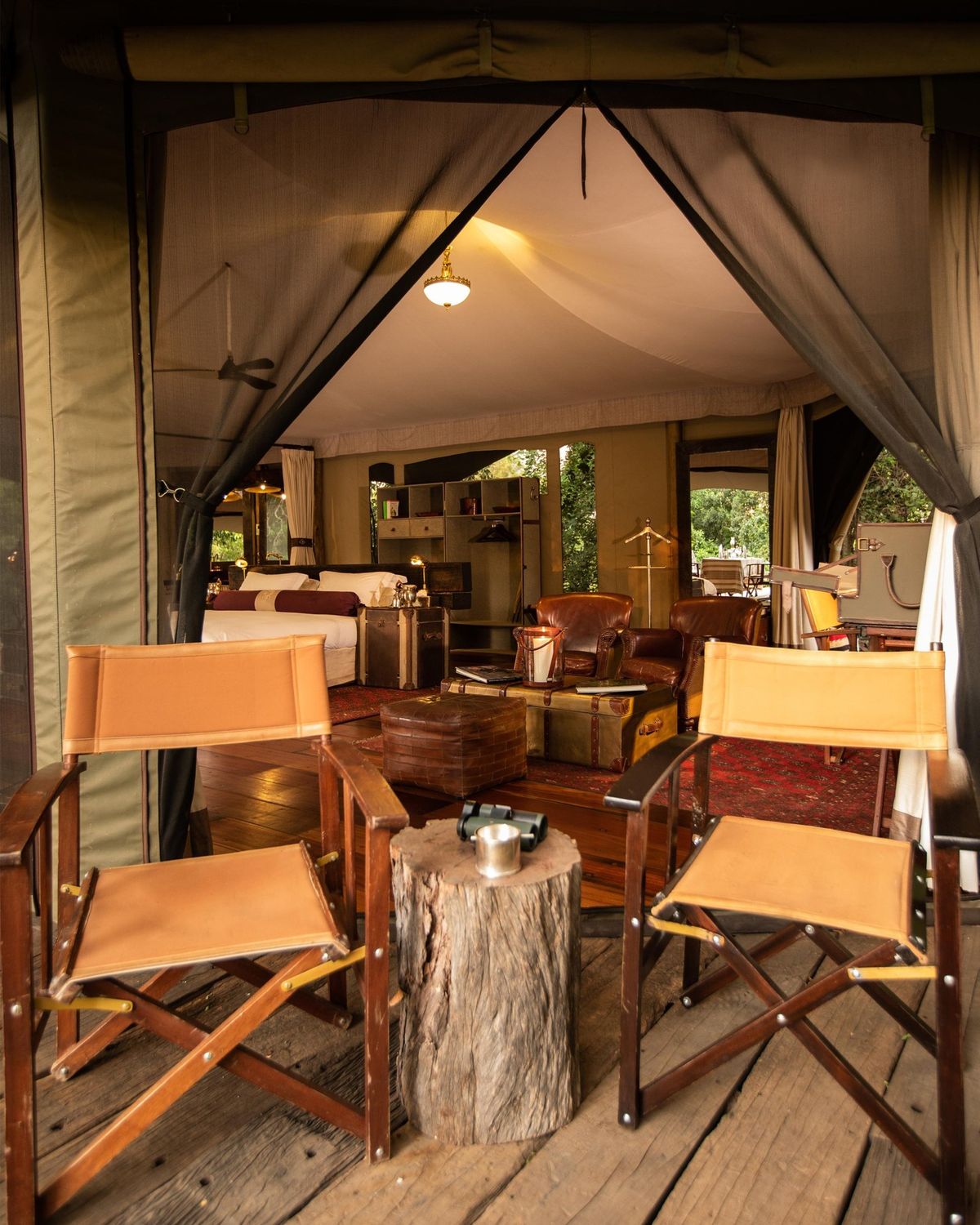
Midnight summit push via Gilmans Point (5,681m). The trail is relentless switchbacks up loose scree.
Dawn breaks as you reach the crater rim. The northern sunrise is spectacular. Continue to Stella Point and Uhuru Peak.
You stand at 5,895m the highest point in Africa. Descent to Horombo Hut for a well-earned rest.
Horombo Hut to Marangu Gate to Moshi
5-7 hrs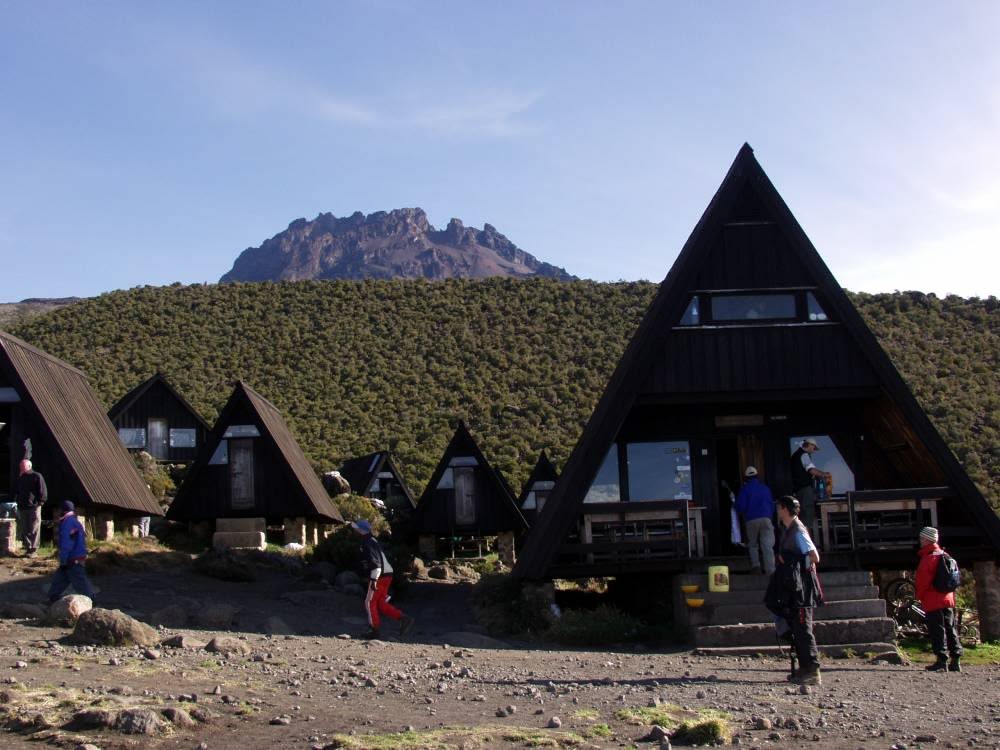
Final descent through moorland and rainforest. Pass Horombo and Mandara Huts.
Sign out at Marangu Gate and receive summit certificates. Transfer to Moshi.
Celebrate your northern traverse of Kilimanjaro!
What’s Included & What’s Not
Included
- Kilimanjaro National Park entry fees
- Camping/hut fees for all nights on the mountain
- Certified English-speaking mountain guide
- Professional cook and support porters
- All meals on the mountain (3 meals/day)
- Filtered drinking water throughout the trek
- Camping fees for all nights on the mountain
- Emergency oxygen cylinder and pulse oximeter
- Park rescue fees and emergency evacuation coverage
- Airport transfers (Kilimanjaro International Airport)
- Transport to/from London Gate (start) & Mweka Gate (exit)
- 18% VAT and all government taxes
Excluded
- International flights to/from Tanzania
- Tanzania visa fees ($50–$100 depending on nationality)
- Travel insurance (mandatory — must cover high-altitude trekking)
- Personal trekking gear and equipment
- Rental equipment (sleeping bag, trekking poles, etc.)
- Alcoholic beverages and snacks
- Laundry services
- Tips for guides, cook, and porters (recommended: $150–$250 total)
- Personal expenses and souvenirs
Understanding the Climb
The Rongai 6-Day is rated moderate but achievable for anyone with reasonable fitness and determination.
Fitness Required
You should be comfortable walking 4–8 hours per day over uneven terrain. Start a training routine 8–12 weeks before your climb — focus on hiking, stair-climbing, and cardiovascular exercise.
Technical Level
No technical climbing skills are needed. The Rongai Route is a non-technical trek. The trail is well-graded and manageable with a moderate difficulty that most fit beginners can handle — your guide will assist you.
Altitude Challenges
The main challenge is altitude. Our 6-day itinerary includes proper acclimatisation with a gradual ascent profile. You climb high, sleep low, and follow the pole-pole (slowly, slowly) philosophy.
Mental Preparation
Summit night is mentally demanding — a 12–16 hour push in darkness and cold. Trust your training, trust your guide, and take it one step at a time. A positive mindset is your most important gear.
How We Keep You Safe
Your safety is our highest priority. Our certified guides follow strict medical protocols on every climb.
Acute Mountain Sickness (AMS)
AMS can affect anyone regardless of fitness. Symptoms include headache, nausea, dizziness, and fatigue. Our guides are trained to recognise early warning signs and take immediate action — the only cure is descent.
Acclimatisation & Hydration
Our 6-day itinerary is designed for optimal acclimatisation with a gradual ascent profile. Drink 4–5 litres of water daily. We carry filtered water and remind you to drink regularly — clear urine is a good sign.
Daily Health Checks
Twice-daily health checks with pulse oximeter readings, blood pressure, and AMS symptom assessment. Any sign of altitude sickness triggers immediate response and assisted descent if needed.
Emergency Procedures
We carry emergency oxygen, comprehensive medical kits, and satellite phones. Pre-established evacuation routes with standby vehicles. Mandatory travel insurance with mountain evacuation coverage required.
Upcoming Departure Dates
Private climbs depart any day of your choice. Pick your preferred date and we’ll confirm within 24 hours.
Flexible Departure — Any Day You Choose
Private climbs have no fixed schedule. Tell us your preferred date and we’ll confirm your guide and team within 24 hours.
Pick Your Start DatePackage Price & Options
All-inclusive private climb price for the Rongai 6-Day
Payments accepted via bank transfer, credit card, PayPal, or cryptocurrency.
Kilimanjaro Weather & Seasons
Kilimanjaro can be climbed year-round, but the best conditions are during the dry seasons from June–October and December–March.
| Month | Season | Weather | Temperature | Crowds | Recommendation |
|---|---|---|---|---|---|
| January | Dry | Warm & clear | 15–25°C | Moderate | Recommended |
| February | Dry | Warm & clear | 15–25°C | Moderate | Recommended |
| March | Short Rains | Afternoon showers | 15–25°C | Low | Good |
| April | Long Rains | Wet & muddy | 12–22°C | Low | Possible |
| May | Long Rains | Wet & muddy | 12–22°C | Low | Possible |
| June | Dry | Cool & clear | 10–20°C | Moderate | Recommended |
| July | Dry | Cool & clear | 10–20°C | High | Recommended |
| August | Dry | Cool & clear | 10–20°C | High | Recommended |
| September | Dry | Mild & clear | 12–22°C | Moderate | Recommended |
| October | Dry | Mild & clear | 12–22°C | Moderate | Recommended |
| November | Short Rains | Afternoon showers | 15–25°C | Low | Good |
| December | Dry | Warm & clear | 15–25°C | Moderate | Recommended |
The Rongai Route performs well year-round. For the best experience, book during June–October or December–February for clear skies and optimal summit conditions.
Climb Profile at a Glance
See the terrain you’ll cover. Each bar shows the altitude at key camps and landmarks along the Rongai Route.
Kilimanjaro Route Comparison
Not sure which route is right for you? Compare the most popular Kilimanjaro routes below.
| Route | Days | Difficulty | Success Rate | Accommodation | Scenery |
|---|---|---|---|---|---|
| Marangu | 5–6 | Moderate | ~75% | Huts | Rainforest to Alpine |
| Machame | 6–8 | Challenging | ~85% | Camping | Scenic & varied |
| Lemosho | 6–11 | Challenging | ~90% | Camping | Pristine & diverse |
| Rongai | 5–6 | Moderate | ~80% | Camping | Remote & wild |
| Northern Circuit | 8–11 | Challenging | ~93% | Camping | Remote & panoramic |
| Umbwe | 5–6 | Very Challenging | ~65% | Camping | Steep & direct |
Tented Camp Accommodation
Well-spaced camps for optimal acclimatisation on the Premium Route.
Forest Camp
Altitude 2,800m. Forest clearing on western approach.
Barranco Camp
Altitude 3,960m. Valley camp with giant groundsels.
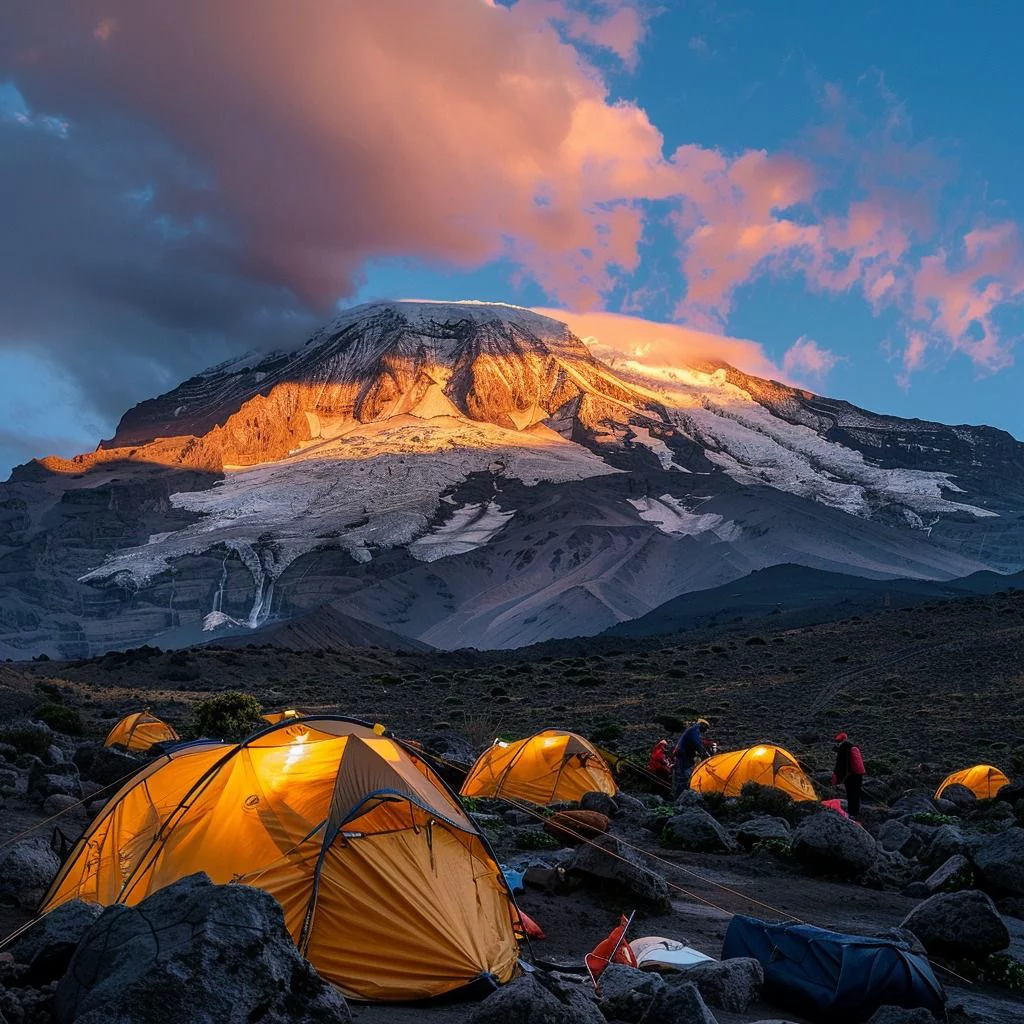
Barafu Camp
Altitude 4,673m. Summit high camp on rocky ridge.
Ultimate Kilimanjaro Packing List
Everything you need to reach Uhuru Peak — download our free comprehensive packing guide.
Proper packing can mean the difference between a successful summit and a struggle. Kilimanjaro takes you through five climate zones — from warm rainforest at the base to freezing Arctic conditions at 5,895m. Our expert guides have created a complete packing checklist covering every layer, piece of gear, and essential item you’ll need.
At Kizza Adventures, we review every climber’s gear before departure to maximise safety and summit success.
Printable page — open, then print or save as PDF.
Frequently Asked Questions
Ready to Join the Next Climb?
Reserve your spot on the Kilimanjaro Private Rongai 6-Day or talk to our team about customising your adventure. We’re here to help every step of the way.