


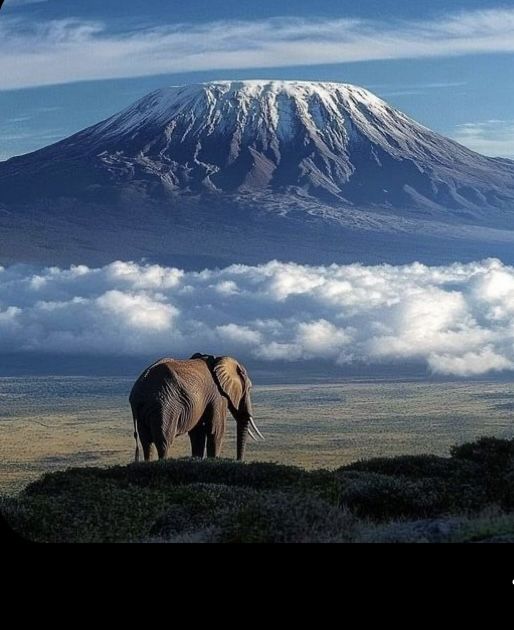
Rongai Route — The Northern Approach to Climb Mount Kilimanjaro
Everything you need to know about climbing Kilimanjaro via the remote Rongai Route — the only route approaching the mountain from the north.
What is the Rongai Route?
The Rongai Route is the only Kilimanjaro climbing route that approaches the mountain from the north, near the Kenyan border. It is the least crowded route and offers a true wilderness experience. The route begins in remote farmland and ascends through pristine forest, moorland, and alpine desert, joining the summit trail near Kibo Hut. With a 6-7 day itinerary and a moderate difficulty level, Rongai is an excellent choice for climbers seeking solitude and a unique perspective of Kilimanjaro.
One of the biggest advantages of the Rongai Route is its consistency — it receives less rainfall than routes on the southern side of the mountain, making it a reliable choice during the wetter months. The northern side of Kilimanjaro is also drier, so you're less likely to encounter muddy trails and slippery conditions.
The Rongai Route is ideal for first-time trekkers, families, and groups who want a less crowded, more authentic wilderness experience. The gradual ascent and moderate daily distances make it accessible for climbers of all fitness levels, while still providing spectacular views of Kibo and Mawenzi peaks.
Advantages & Disadvantages
Is the Rongai Route right for you? Let's break it down honestly.
Pros
- Least Crowded — the quietest route with the fewest climbers
- Unique Northern Views — completely different perspective of Kili
- Drier Trail Conditions — less rainfall than southern routes
- Moderate Difficulty — accessible for first-time trekkers
Cons
- Lower Success Rate — 80-85% due to shorter acclimatization
- Less Scenic Variety — doesn't traverse the Shira Plateau
Complete Rongai Route Overview
Rongai Route — Day-by-Day Itinerary
Here's what each day looks like on the 7-day Rongai Route. The 6-day option combines Days 4 and 5.
Your Rongai adventure begins at Nalemuru Gate on the northern side of Kilimanjaro. After registration, you'll start your trek through open farmland and plantation forest. The trail gradually ascends through giant heather and pine-like trees. Simba Camp is perched on a ridge with views stretching across the Kenyan plains. The air is fresh and the trail is quiet — you'll likely have the path to yourself.
Today you ascend through beautiful moorland covered in heather and protea plants. The trail is gentle and the views of Mawenzi peak become more dramatic as you gain altitude. Second Cave is a natural shelter used by climbers for decades. From the camp, you can see the vast plains of Kenya stretching to the horizon.
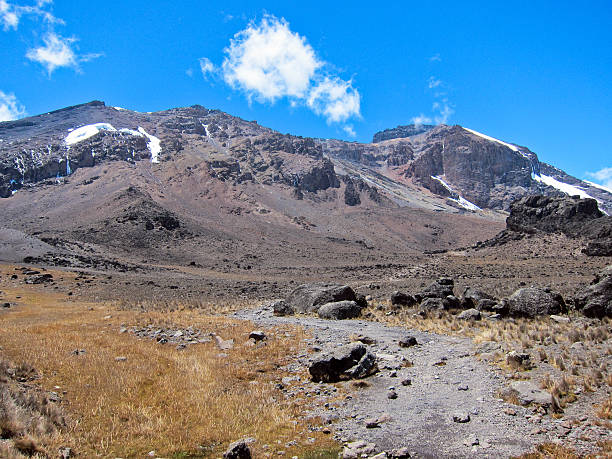
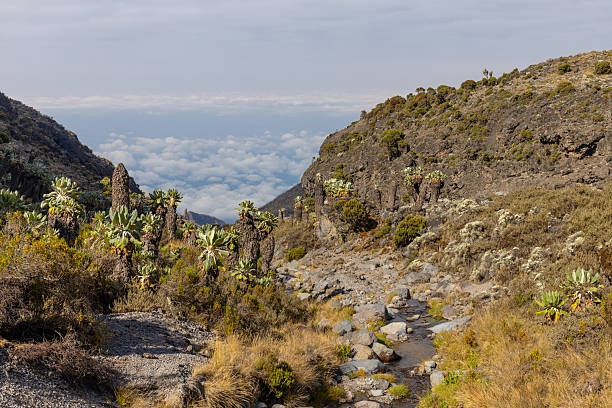
A day of traversing the upper moorland with incredible views of both Kibo and Mawenzi peaks. The trail undulates across several ridges and valleys. You'll pass the Third Cave and continue to Kikilewa Camp, set in a sheltered valley. The plant life here includes giant groundsels (Senecio) and lobelias that look like they belong in a Dr. Seuss book.
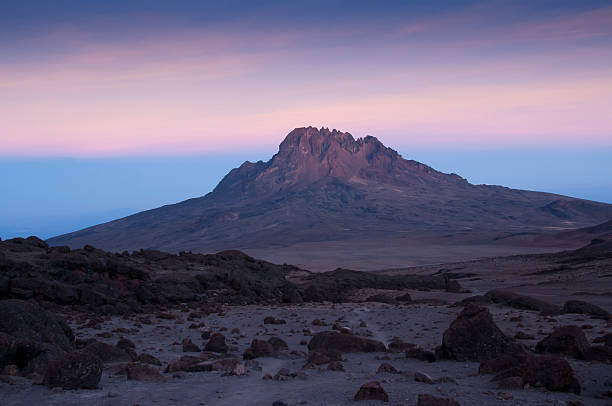
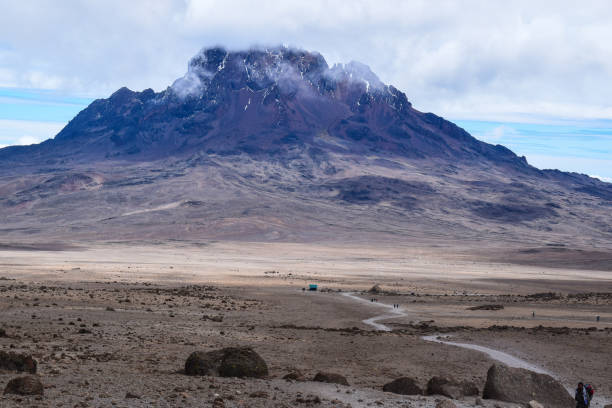
A challenging day as you ascend into the alpine desert zone. The vegetation becomes sparse and the landscape takes on a lunar quality. Mawenzi Tarn Camp is stunningly situated beneath the towering spires of Mawenzi Peak. The tarn (small lake) reflects the dramatic peak above. This is one of the most beautiful campsites on any Kilimanjaro route.
You'll traverse across the lunar-like Saddle between Mawenzi and Kibo. The trail is exposed and the sun at this altitude is intense. Kibo Hut is a basic stone hut at the base of the summit cone. Rest is critical today. After an early dinner, you'll rest before the midnight summit attempt.
Summit day begins around midnight. The ascent to Gilman's Point (5,681m) on the crater rim takes 5-7 hours. From there, you'll continue to Stella Point and then Uhuru Peak. The sunrise from the summit is indescribable. After celebrating, you descend to Kibo Hut for a brief rest, then continue down to Horombo Hut for the night.
A joyful descent through the lush rainforest. The trail is well-maintained and the oxygen-rich air feels wonderful. At Marangu Gate, you'll receive your summit certificates and meet your transfer vehicle. The drive back to Moshi or Arusha is filled with celebration and reflection on your incredible achievement.
Rongai Route Campsites
The Rongai Route is a camping route. Here are the campsites you'll stay at.
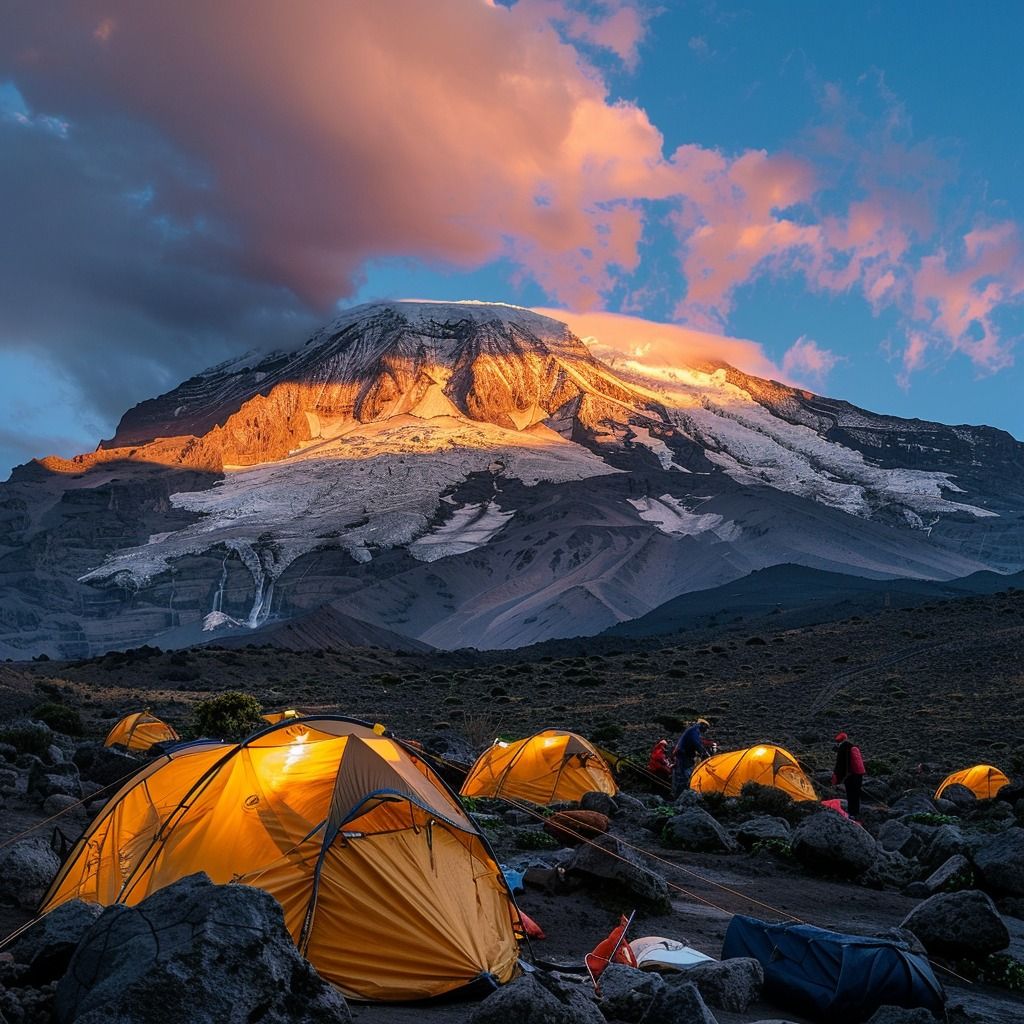
Simba Camp (2,625m)
Elevation: 2,625m
Terrain: Forest clearing tent platform
Facilities: Tent platform, basic toilets
Water: Stream water (treated)
Perched on a ridge with sweeping views of the Kenyan plains. The forest is alive with birdsong and the trail is refreshingly quiet.
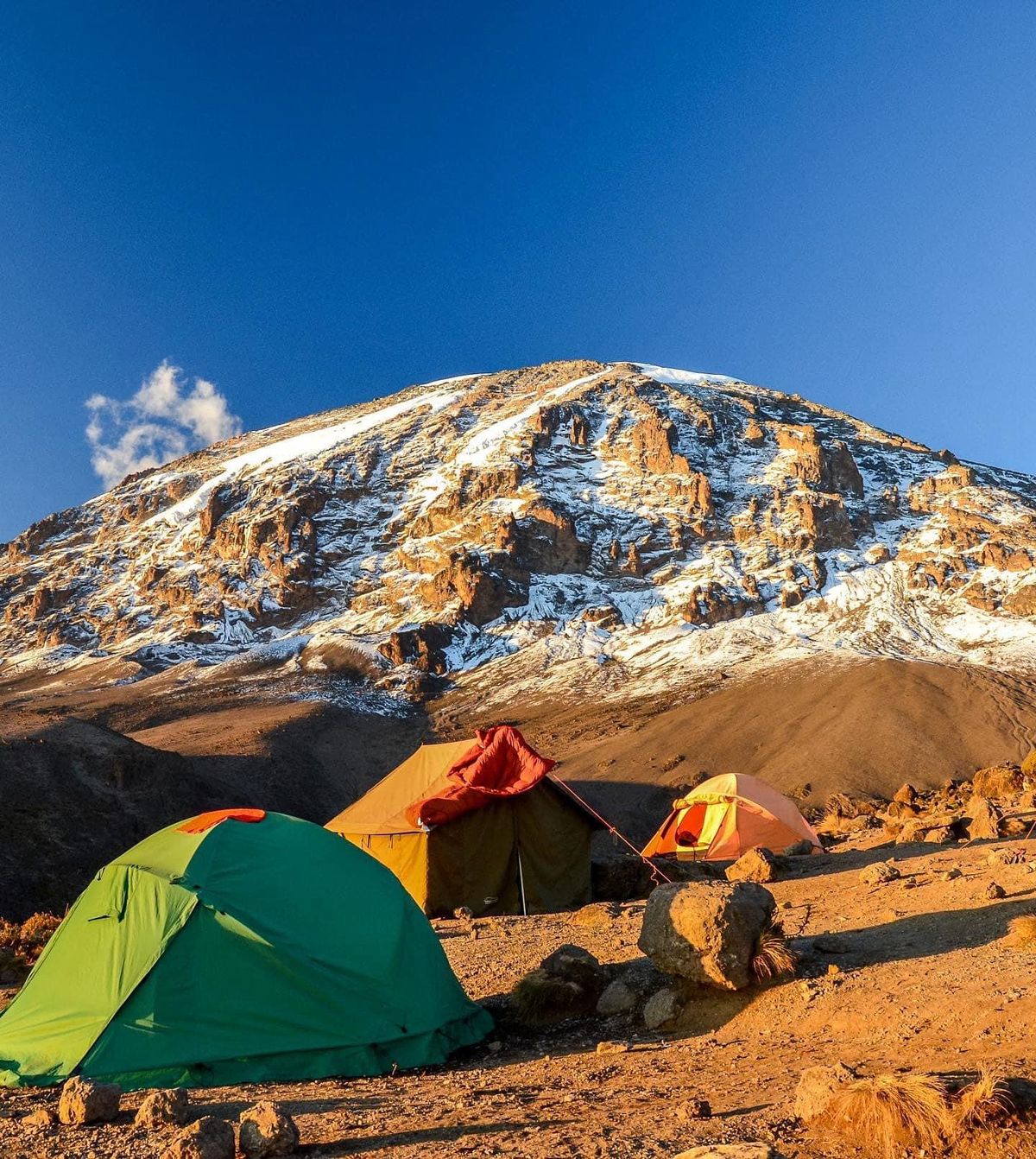
Second Cave Camp (3,450m)
Elevation: 3,450m
Terrain: Natural rock shelter area
Facilities: Tent platform, basic toilets
Water: Piped water available
A natural shelter used by climbers for decades. Stunning views of Mawenzi peak and the Kenyan plains stretching to the horizon.
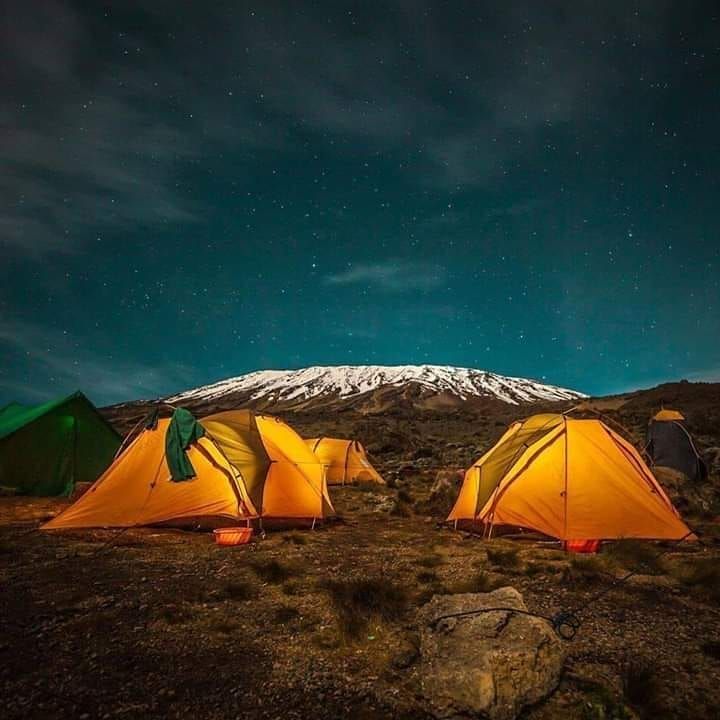
Kikilewa Camp (3,600m)
Elevation: 3,600m
Terrain: Sheltered moorland valley
Facilities: Tent platform, basic toilets
Water: Stream water (treated)
Set in a sheltered valley with giant groundsels and lobelias dotting the landscape. Views of both Kibo and Mawenzi peaks are magnificent.
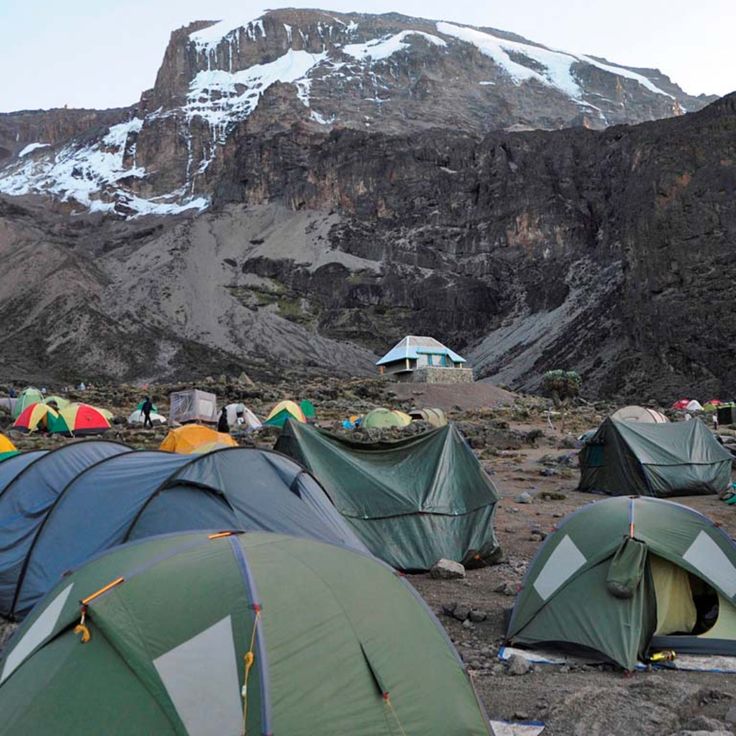
Mawenzi Tarn Camp (4,300m)
Elevation: 4,300m
Terrain: Below Mawenzi peak
Facilities: Tent platform, basic toilets
Water: Tarn water (treated)
Stunningly situated beneath the towering spires of Mawenzi Peak. A small tarn (lake) reflects the dramatic peak above — one of the most beautiful campsites on any route.
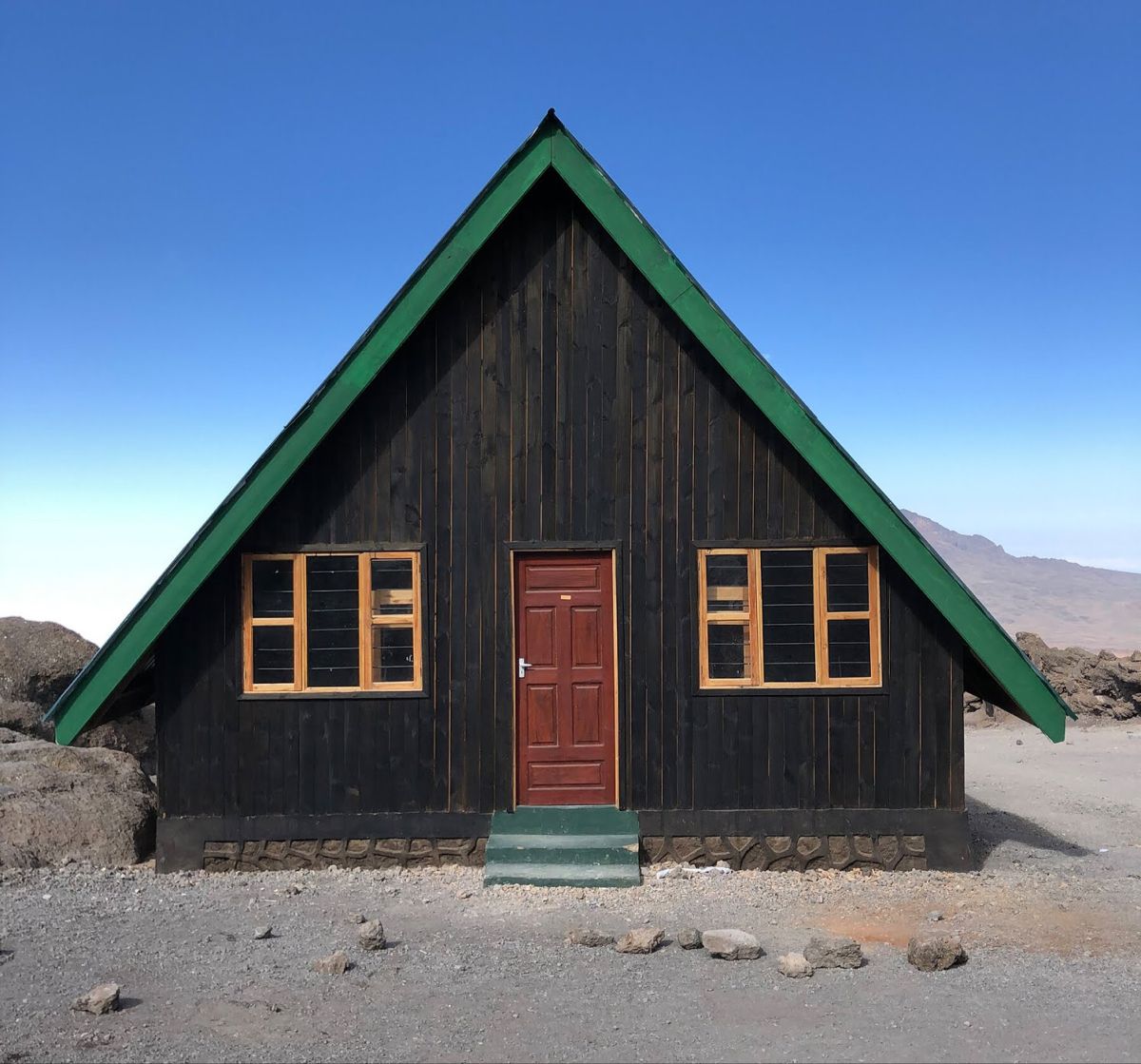
Kibo Hut (4,703m)
Elevation: 4,703m
Terrain: Base of summit cone
Facilities: Basic stone hut / tented camp
Water: Limited — carry from Mawenzi Tarn
The summit base camp on the northern side. A basic stone hut and tented area at the base of the summit cone. Rest is critical before the midnight summit attempt.
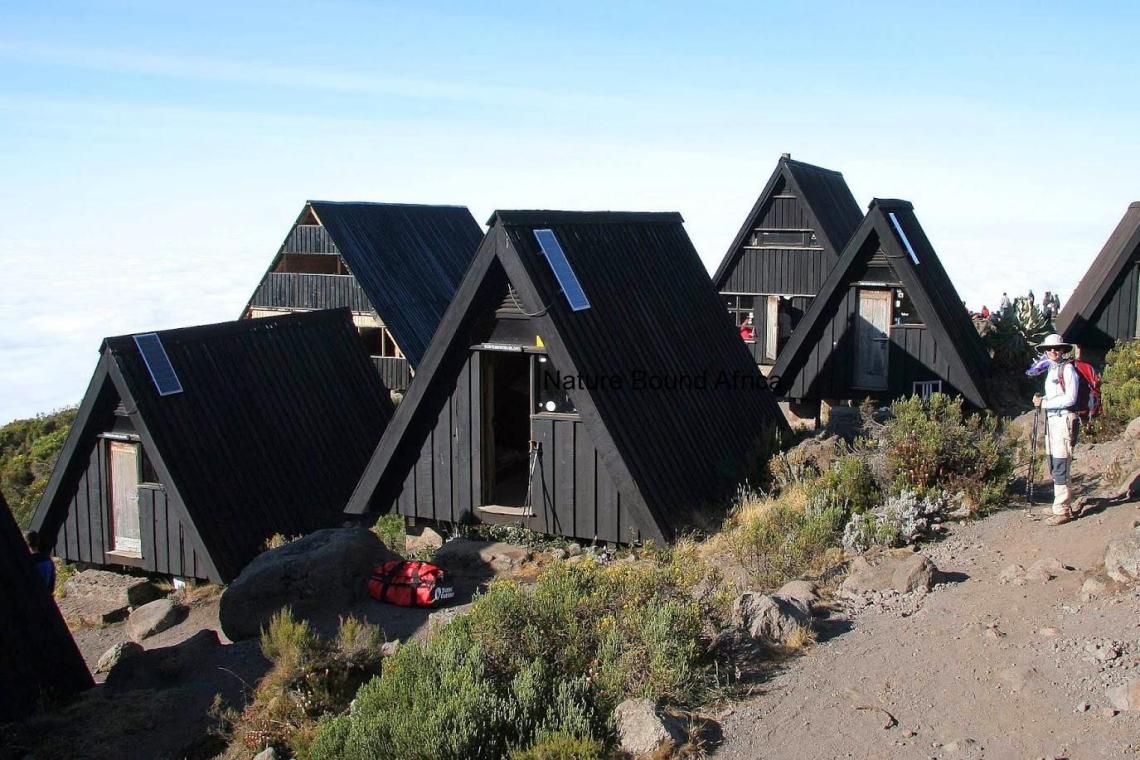
Horombo Hut (3,720m)
Elevation: 3,720m
Terrain: Large hut complex on descent
Facilities: Hut accommodation, basic toilets
Water: Running water available
A large hut complex on the descent from the summit. Your final night on the mountain with a chance to rest and celebrate your incredible achievement with your crew.
Understanding Altitude on the Rongai Route
Altitude sickness is the biggest challenge. Knowledge is your best defence.
Altitude sickness (AMS) affects nearly everyone above 3,000m to some degree. The Rongai Route's 7-day itinerary gives you adequate time to acclimatize. The gradual nature of the route makes it more accessible for first-time trekkers, but you should still respect the altitude. Symptoms include headache, nausea, dizziness, and fatigue. Prevention is everything — climb slowly, stay hydrated, eat well, and listen to your guide.
Pole pole (slowly slowly in Swahili) is the golden rule. Your guides are trained to recognize early signs of altitude sickness and will make critical decisions about whether it's safe for you to continue. Trust their judgment — they have your safety as their top priority.
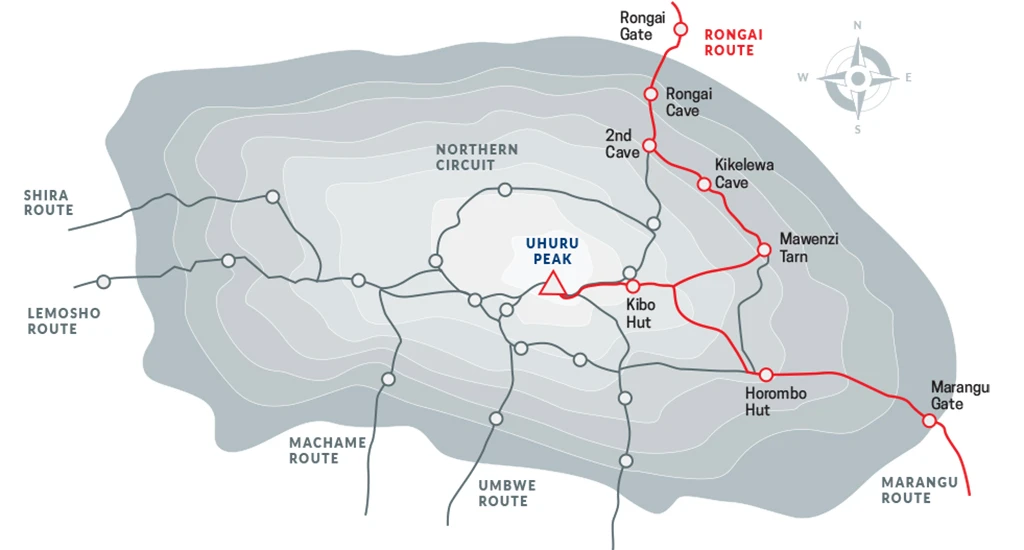
Rongai Route Map & Trail Overview
Visualise the entire Rongai Route from start to summit and down via Marangu.
How Hard Is the Rongai Route?
The Rongai Route is rated as moderate — making it one of the more accessible Kilimanjaro routes. The trail is gradual, there are no steep scrambles like the Barranco Wall, and daily distances are manageable. Summit night is still challenging, but the overall difficulty is lower than Machame or Lemosho. This makes Rongai an excellent choice for first-time trekkers and families.
Who can climb? Active individuals with reasonable fitness levels are well-suited for the Rongai Route. You should be comfortable walking 4-6 hours a day over varied terrain. Previous high-altitude experience is helpful but not essential — what matters most is your body's response to altitude, which is impossible to predict before you go.
Training recommendation: Start preparing 2-3 months before your climb. Focus on cardiovascular fitness (hiking, running, cycling, stairs) and leg strength (squats, lunges). Practice hiking with a loaded daypack on varied terrain. Don't underestimate mental preparation — summit night will push you beyond where you thought your limits were.
Rongai Route Summit Success Rate
The overall summit success rate for the Rongai Route is approximately 80-85%. The 7-day option offers a higher success rate of 85-90% due to the extra acclimatization day. The 6-day option achieves around 80%.
At Kizza Adventures, our Rongai Route success rate on the 7-day itinerary consistently reaches 88%. This is thanks to proper acclimatization protocols, experienced guides trained in altitude sickness recognition, and careful health monitoring with pulse oximeters at every stage.
Expert tip: The key to success on Rongai is pacing yourself. The gradual nature of the route helps, but you must still trust the itinerary, follow your guide's advice, and maintain a consistent intake of water and food throughout each day.
When Should You Climb the Rongai Route?
The Rongai Route is unique because it receives less rainfall than the southern routes. This means it's a good choice year-round, but the best conditions are during the dry seasons: June to October and December to March.
June-October: This is the peak climbing season. Expect clear skies, excellent visibility, and colder summit nights. Daytime temperatures at lower elevations are pleasant (15-25°C) while summit night temperatures drop to -15°C to -25°C.
December-March: The second dry season. Generally good conditions with slightly warmer temperatures. January and February are particularly popular. The mountain is less crowded than June-October.
April-May & November: The rainy seasons. While Rongai still sees less rain than other routes during this period, trails can still be muddy and clouds may obscure views. We recommend the dry seasons for the best experience.
Ultimate Kilimanjaro Packing List
Everything you need to reach Uhuru Peak — download our free comprehensive packing guide.
Proper packing can mean the difference between a successful summit and a struggle. Kilimanjaro takes you through five climate zones — from warm rainforest at the base to freezing Arctic conditions at 5,895m. Our expert guides have created a complete packing checklist covering every layer, piece of gear, and essential item you'll need.
At Kizza Adventures, we review every climber's gear before departure to maximise safety and summit success.
View Full Packing ListPrintable page — open, then print or save as PDF.
How Much Does the Rongai Route Cost?
The cost of climbing Kilimanjaro via the Rongai Route typically ranges from $1,900 to $2,500 per person for a 7-day itinerary. Prices vary based on group size, season, and included services. At Kizza Adventures, we offer transparent pricing with no hidden fees.
| Package | Price (USD) | Details |
|---|---|---|
| 6-Day Rongai Route | $1,900-$2,200 | Per person, group joining |
| 7-Day Rongai Route | $2,200-$2,500 | Per person, group joining |
| Private 7-Day Rongai Route | From $2,800 | Per person, private climb |
Why prices vary: Group discounts are available for parties of 4+. Peak season (June-Oct) commands higher prices. Luxury add-ons like private guides, premium equipment, and extra porters increase costs. Always check what's included before booking — we pride ourselves on all-inclusive transparency.
Rongai vs Other Kilimanjaro Routes
How does Rongai compare to Kilimanjaro's other climbing routes?
| Feature | Machame | Marangu | Lemosho | Rongai | Northern Circuit | Umbwe |
|---|---|---|---|---|---|---|
| ★ Our Pick | Scenic | Easiest | Best Success | Remote | Longest | Toughest |
| Difficulty | Challenging | Moderate | Challenging | Moderate | Moderate-Challenging | Very Challenging |
| Days | 6-7 | 5-6 | 7-8 | 6-7 | 8-9 | 5-7 |
| Scenery | Excellent | Good | Excellent | Good | Excellent | Excellent |
| Success Rate | 85-90% | 75-85% | 90-95% | 80-85% | 95%+ | 70-80% |
| Crowds | High | High | Moderate | Low | Low | Low |
| Accommodation | Camping | Huts | Camping | Camping | Camping | Camping |
| Price Range | $2,100-2,750 | $1,650-2,200 | $2,050-3,500 | $1,900-2,500 | $2,500-3,500 | $1,800-2,500 |
| Our Recommendation | Best value | Beginners | Best overall | Rainy season | Max success | Experienced only |
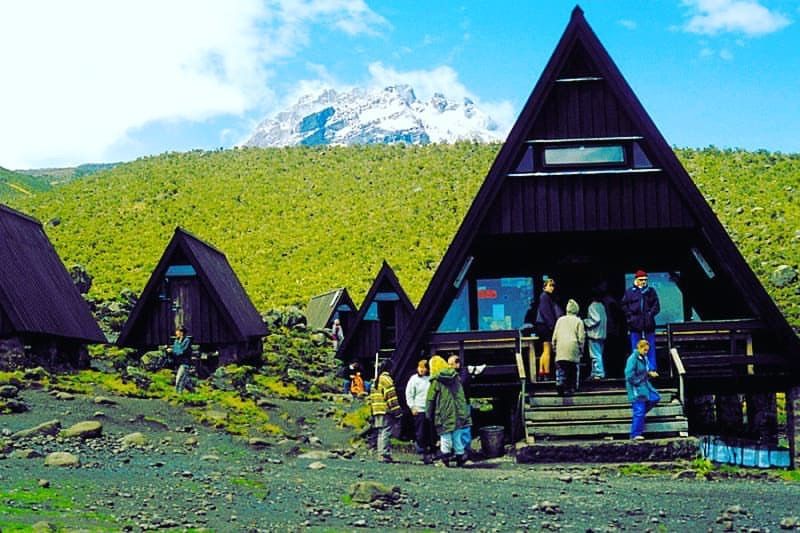
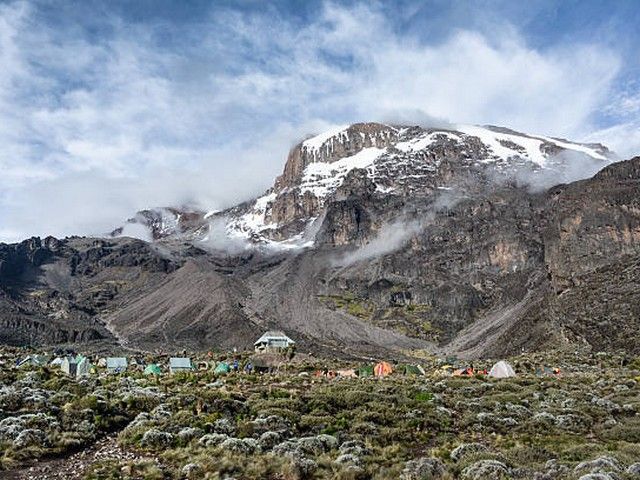
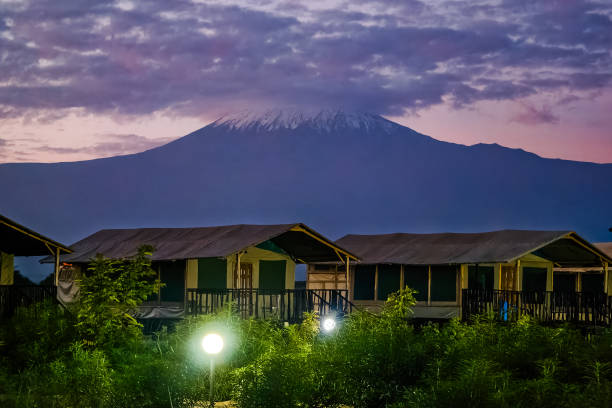
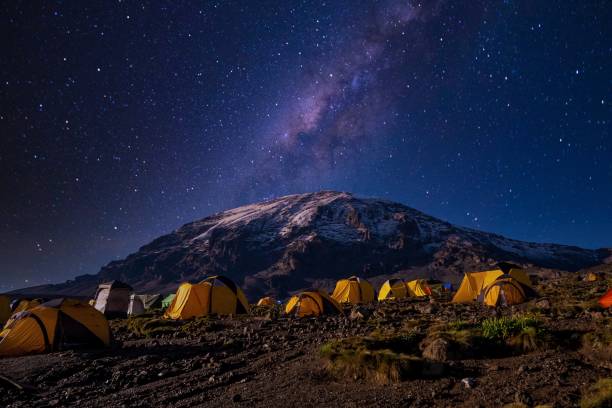
Rongai Route Photo Gallery
Rongai Route — Frequently Asked Questions
Everything you need to know before you go.
Planning Your Tanzania Adventure
Everything you need to prepare for your Kilimanjaro climb and Tanzania trip.
Ready to Climb the Rongai Route?
Speak with a local Kilimanjaro expert today. Get a free, custom itinerary in under 24 hours.