


Kilimanjaro Full Moon Trek — Experience Africa's Highest Peak Under the Full Moon
Experience the most magical night of your life — summiting Africa’s highest peak bathed in ethereal full moonlight. Our guided 8-day Lemosho Route trek is timed precisely so your summit night aligns with the full moon for an unforgettable experience.
8 Days Timed to the Full Moon
Departures timed so summit night falls under a full moon: the glaciers glow silver, headlamps become optional, and the crater rim walk happens in natural moonlight.
Eight days with seven nights gives the schedule plus the spectacle — our most romantic summit format.
$2,800 Group Join Under Moonlight
Full 8-day Lemosho service — fees, crew, tents, meals, transfers — in a moonlit group departure priced per person for joining travellers.
Moonlight included free; the memories are priceless.
Lemosho — Best Route for Full Moon
Lemosho's open western aspects and high camps face the moonrise perfectly: Shira nights silvered, Barranco Wall moonlit, summit ridge glowing all the way to Stella Point.
No route shows off the full moon like the premium western traverse.
99% Summit Success by Moonlight
Eight days of gradual adaptation plus a moonlit summit night — cool, calm, clearly visible trail — stacking every advantage for success.
Moonlight steadies nerves and footing alike: summit nights don't come kinder.
Moderate for All Fitness Levels
Eight unhurried days make this the gentlest full-moon summit on offer: manageable stages, rest built in, and guides pacing for the whole group.
If you can walk hilly trails for a week, you can summit by moonlight.
5,895m in Silver Light
Uhuru Peak under a full moon: glaciers shining, crater shadows sharp, sunrise igniting the ice — the most photographed summit on Kilimanjaro, and you will see why.
Summit photos need no flash when the moon does the lighting.
What Is a Kilimanjaro Full Moon Trek?
An 8-day guided trek on the Lemosho Route timed so your summit night coincides with the full moon — the most magical way to reach the Roof of Africa.
The Kilimanjaro Full Moon Trek is the ultimate expression of adventure and natural wonder. We carefully schedule our 8-day Lemosho Route itinerary so that summit night aligns with the full moon, transforming the already awe-inspiring climb into something truly transcendent. As you ascend through the darkness toward Uhuru Peak at 5,895m, the moon casts silver light across the ancient glaciers, carving dramatic shadows into the volcanic landscape.
This is not a gimmick — it is a thoughtfully planned experience that combines the highest success-rate route (Lemosho) with the most spectacular celestial timing. The full moon provides natural illumination for your summit push, reducing reliance on headlamps and allowing you to fully appreciate the otherworldly beauty of Kilimanjaro’s ice fields under moonlight. For those seeking the deepest connection with Africa’s highest peak, the full moon trek is the definitive experience.
Why Climb Kilimanjaro During a Full Moon?
Moonlit Summit
Summit Uhuru Peak under a brilliant full moon — the glaciers shimmer, shadows dance, and the experience is pure magic
Best Route: Lemosho
The 8-day Lemosho Route offers the highest success rate and perfectly aligns summit day with the full moon
99% Summit Success
Our expert guides, acclimatisation protocol, and 8-day itinerary deliver the highest summit success rate on the mountain
Small Groups
Maximum 12 climbers per departure. Personalised attention, flexible pacing, and a tight-knit group experience
Fixed Full Moon Dates
12 guaranteed departures per year, one for each full moon. Plan your climb around the lunar calendar with confidence
Photography Paradise
Moonlit glaciers, long lunar shadows, and incredible night photography opportunities that daytime climbers miss
Full Moon Departure Dates
Each departure is scheduled so summit night falls on or within 24 hours of the full moon for the most spectacular experience.
| Full Moon Date | Departure Date | Summit Night | Route | Spots | Book |
|---|---|---|---|---|---|
| Jan 3 | Dec 27 | Jan 3 | Lemosho 8-Day | Available | Book Now |
| Feb 1 | Jan 25 | Feb 1 | Lemosho 8-Day | Available | Book Now |
| Mar 3 | Feb 23 | Mar 3 | Lemosho 8-Day | Available | Book Now |
| Apr 1 | Mar 25 | Apr 1 | Lemosho 8-Day | Limited | Book Now |
| May 1 | Apr 24 | May 1 | Lemosho 8-Day | Available | Book Now |
| May 30 | May 23 | May 30 | Lemosho 8-Day | Available | Book Now |
| Jun 28 | Jun 21 | Jun 28 | Lemosho 8-Day | Available | Book Now |
| Jul 28 | Jul 21 | Jul 28 | Lemosho 8-Day | Limited | Book Now |
| Aug 27 | Aug 20 | Aug 27 | Lemosho 8-Day | Available | Book Now |
| Sep 25 | Sep 18 | Sep 25 | Lemosho 8-Day | Available | Book Now |
| Oct 24 | Oct 17 | Oct 24 | Lemosho 8-Day | Available | Book Now |
| Nov 23 | Nov 16 | Nov 23 | Lemosho 8-Day | Available | Book Now |
| Dec 22 | Dec 15 | Dec 22 | Lemosho 8-Day | Limited | Book Now |
Departures fill fast. We recommend booking 3–4 months in advance, especially for June–October and December dry season full moons.
Best Routes for a Kilimanjaro Full Moon Trek
Not all routes work well for full moon alignment. Here is how the major routes compare.
| Route | Days | Full Moon Fit | Success Rate | Difficulty | Why Choose |
|---|---|---|---|---|---|
| Lemosho | 8 | Excellent | 95% | Moderate | Best full moon alignment, high success, scenic western approach |
| Northern Circuit | 9 | Excellent | 97% | Moderate | Longest route, best acclimatisation, remote wilderness |
| Machame | 7 | Good | 88% | Moderate-Challenging | Popular scenic route, slightly shorter |
| Rongai | 6 | Fair | 82% | Moderate | Dry season option, northern approach, less crowded |
| Marangu | 5 | Fair | 72% | Moderate | Only route with hut accommodation, shorter but lower success |
| Umbwe | 6 | Limited | 65% | Challenging | Steep, direct, for experienced climbers only |
We recommend the 8-day Lemosho or 9-day Northern Circuit for the best full moon summit alignment and highest success rates.
How Does a Full Moon Improve Summit Night?
The Moonlit Summit
Imagine standing at 5,895m with the full moon casting your shadow on the glaciers below. The ice fields shimmer with an ethereal blue-white glow, and the crater rim is carved in dramatic silver light. Headlamps are barely needed as the natural light illuminates the entire landscape.
Night Sky Wonders
While the full moon washes out fainter stars, the brightest planets and constellations remain visible. The Southern Cross, Jupiter, Venus, and Orion are often seen alongside the moon. The interplay of moonlight and stars creates a celestial spectacle.
Perfect Summit Conditions
Full moon nights on Kilimanjaro are typically clear and calm. The dry season full moons (June–October, December–February) offer the best summit conditions with minimal cloud cover and stable temperatures.
Photography Magic
The full moon creates extraordinary photography opportunities. Capture moonlit glaciers, long lunar shadows stretching across volcanic scree, and the iconic summit sign bathed in silver light. For astro-landscape photography, this is the ultimate setting.
What Will You See During a Full Moon Summit?
The full moon transforms Kilimanjaro's summit night into a visual spectacle that daytime climbers never experience.
Moonlit Glaciers
The ancient ice fields of Kilimanjaro take on an ethereal blue-white glow under the full moon. The Rebmann Glacier, Ratzel Glacier, and the iconic Furtwangler Glacier shimmer with reflected silver light, their crevasses carved into dramatic relief by the low-angle moonlight. This is the most photographed sight on any full moon climb.
The Night Sky
While the full moon is the main event, the surrounding sky puts on its own show. The Southern Cross hangs brilliantly in the southern sky, Jupiter and Venus often shine alongside the moon, and Orion rises over the African plains. The interplay of moonlight and stars at 5,895m is a sight that stays with climbers forever.
The Clouds Below
From the summit at 5,895m, you are above the clouds. The full moon illuminates the cloud layer stretching across the plains of Tanzania and Kenya, creating an endless silver-white carpet that glows beneath you. The distant peaks of Mount Meru and Mawenzi rise from the cloud sea like islands.
Long Lunar Shadows
At altitude under a full moon, shadows stretch dramatically across the volcanic landscape. Your own shadow is cast sharply on the glaciers below you, and the crater rim is carved in stark relief. The play of light and shadow creates a three-dimensional lunar landscape that feels otherworldly.
Sunrise from the Summit
As dawn breaks after the full moon summit, you experience a rare double spectacle — the fading moonlight on one side and the first rays of the African sun on the other. The glaciers catch the golden light, and the shadow of Kilimanjaro stretches across the plains below. This 15-minute window is the most magical moment of the entire climb.
The Summit Sign
The iconic Uhuru Peak summit sign is a powerful sight under the full moon. Moonlight glints off the metal, and climbers gather for photographs that are dramatically different from daytime shots. The sign reading “Congratulations! You are now at the summit of Mount Kilimanjaro, Africa's Highest Point, 5,895m” takes on a special significance in the silver light.
Day-by-Day Full Moon Itinerary
Our carefully designed itinerary ensures summit night falls on the full moon for the most magical experience possible.
Moshi to Londorossi Gate to Mti Mkubwa Camp
2,950mYour adventure begins with pickup from your Moshi hotel. After a 2-hour drive to Londorossi Gate, you complete park registration and begin your trek through pristine montane rainforest. The trail is gentle and the air is alive with bird calls and the rustle of colobus monkeys. Overnight at Mti Mkubwa Camp.
Mti Mkubwa Camp to Shira Camp 1
3,500mThe trail climbs steadily through the forest, then transitions into heath and moorland. The vegetation changes dramatically as you gain altitude. Emerging above the treeline, the vista opens onto the vast Shira Plateau with views of Kibo's ice-capped summit.
Shira Camp 1 to Shira Camp 2 via Cathedral Point
3,800mA relatively short day focused on acclimatisation. You trek across the spectacular Shira Plateau with optional side excursion to Cathedral Point (3,872m). The views of the summit icefields from the plateau are among the most photographed on Kilimanjaro. The full moon begins to wax toward its peak.
Shira Camp 2 to Barranco Camp via Lava Tower
3,950mA challenging day with the iconic Lava Tower ascent to 4,600m for acclimatisation before descending to Barranco Camp. The "climb high, sleep low" strategy is critical for summit success. Barranco Camp sits in the valley below the great Barranco Wall, surrounded by giant groundsels and lobelias.
Barranco Camp to Karanga Camp
4,000mMorning climb up the famous Barranco Wall — a steep but non-technical scramble with exhilarating exposure. The wall demands focus but rewards with stunning views. After the wall, the trail traverses the Karanga Valley with its dramatic ridges and glacial moraines.
Karanga Camp to Barafu Camp
4,640mA short but steep climb to Barafu Camp, the final camp before summit night. The terrain becomes alpine desert — stark, rocky, and lunar-like. Rest and hydrate. Your guide briefs you on the summit plan as the full moon rises brilliantly over the African plains. Tonight is the night.
Summit Night — Barafu to Uhuru Peak to Mweka Camp
5,895mYou wake at midnight. The full moon illuminates the landscape like daylight — no headlamp needed. The climb to Stella Point is a slow, determined grind through the volcanic scree under the moon's silver gaze. At Stella Point (5,756m), you rest briefly before the final push to Uhuru Peak, the highest point in Africa at 5,895m. You arrive at sunrise as the first rays of the sun mix with the fading moonlight — an indescribably beautiful moment. After photos and celebration, you descend all the way to Mweka Camp in the rainforest.
Mweka Camp to Mweka Gate to Moshi
1,800mYour final morning on the mountain. The descent through the lush rainforest is a gentle end to an epic journey. At Mweka Gate you sign out and receive your summit certificate. Your driver returns you to your Moshi hotel for a hot shower and celebration dinner.
What's Included & What's Not
Included
- Professional English-speaking mountain guide (certified by Kilimanjaro National Park)
- Assistant guides, cook, and porters (ratio: 1 porter per 2 climbers)
- All park fees, camping fees, and rescue fees
- High-quality 4-season mountain tent
- Sleeping mat, mess tent, camp table and chairs
- All meals on the mountain (breakfast, lunch, dinner, snacks)
- Hot drinks and purified water throughout
- Emergency oxygen cylinder and pulse oximeter
- First aid kit and satellite phone
- Hotel transfers (pickup and drop-off in Moshi)
- Summit certificate
Not Included
- International flights
- Visa fees (Tanzania tourist visa $50–$100)
- Travel insurance (mandatory, must cover high-altitude trekking)
- Personal hiking gear and clothing
- Sleeping bag (rental available $30)
- Tips for guides, porters, and cook (recommended $180–$250 total)
- Accommodation in Moshi (arrangement available on request)
- Alcoholic beverages
- Personal expenses and souvenirs
Packing List for a Full Moon Trek
Kilimanjaro Full Moon Trek Cost
Group join departure | Maximum 12 climbers
Luxury Full Moon Kilimanjaro Expeditions
For those seeking the ultimate comfort and exclusivity, our luxury full moon climb delivers a premium mountain experience.
Premium Camping
Spacious 4-season mountain tents with thick sleeping pads, premium Western-mountaineering sleeping bags, camp cots, and private toilet tents. Our luxury camps include a dedicated dining tent with tables, chairs, and solar lighting for evening meals under the moon.
Gourmet Mountain Meals
A dedicated chef prepares fresh, high-quality meals on the mountain including soups, pasta, grilled chicken, fresh vegetables, fruit, and even cake on summit night. Dietary requirements accommodated with advance notice. Hot drinks and purified water available throughout.
Private Guide & Porter Team
Your own private English-speaking guide with dedicated assistant guide, cook, and porter team. This means flexible pacing, personalised attention, and the ability to adjust the itinerary to your needs. The guide-to-climber ratio on luxury climbs is 1:1 for the summit push.
Extra Amenities
Luxury clients receive a satellite phone for emergency communication, hot water bottles at night, daily summit weather forecasts via satellite, and a celebratory sparkling wine toast at Uhuru Peak under the full moon. Airport transfers and Moshi hotel accommodation included.
Luxury Full Moon Trek — $4,800 per person (private, 1–2 climbers) or $3,800 per person (private, 3+ climbers). Includes premium equipment, gourmet meals, private team, and all park fees.
Inquire About Luxury ClimbPhotography Tips for Full Moon Climbs
Capture the magic of your full moon summit with these photography tips from our guides.
Camera Setup
A DSLR or mirrorless camera with manual controls is ideal. Bring a wide-angle lens (14-24mm or 16-35mm) for landscapes and a fast prime lens (35mm f/1.8 or 50mm f/1.4) for low-light summit shots. A compact camera with manual mode is a good backup.
Bring a Tripod
A lightweight travel tripod is essential for sharp moonlit photos. The carbon fibre Gitzo or Peak Design travel tripods are excellent choices at 1.2kg. Without a tripod, low-light shots will be blurry. Practice setting it up with gloves before summit night.
Camera Settings
For moonlit landscapes: ISO 800-3200, aperture f/2.8-f/4, shutter speed 1/30-1/125 depending on moon brightness. Shoot in RAW format for flexibility. Use manual white balance (daylight or 4500K) for accurate moonlit colours. Bracket your exposures for safety.
Battery & Gear Tips
Cold drains batteries fast. Carry 3-4 fully charged batteries and keep spares in an inner pocket close to your body. A 10,000mAh+ power bank for phone charging is essential. Keep your camera in your sleeping bag overnight to prevent condensation.
Best Photo Moments
The golden hour before sunrise at the summit is the prime photography window. The full moon will be setting in the west as the sun rises in the east, creating a rare double-light scenario. Capture climbers at the summit sign, the glaciers, and the sunrise over Mawenzi.
Smartphone Photography
Modern smartphones can capture excellent moonlit photos. Use Pro/Manual mode (ISO 800-1600, shutter 1/30-1/60). Avoid digital zoom. Use the ultra-wide lens for landscape shots. Clean the lens frequently. For night mode, brace the phone against a rock or use a small Gorillapod tripod.
Safety During a Full Moon Summit
Your safety is our top priority. Here is how we ensure a safe and successful full moon summit.
Professional Guide Team
All our guides are certified by Kilimanjaro National Park with Wilderness First Responder (WFR) training. Each group has a lead guide with 10+ years of experience, plus assistant guides who monitor each climber’s condition throughout the summit push. Guide ratio is 1 guide per 3 climbers minimum.
Health Monitoring
We monitor blood oxygen saturation and heart rate twice daily using medical-grade pulse oximeters. Any climber showing signs of AMS (Acute Mountain Sickness) receives immediate attention. Our guides are trained to make difficult decisions about descents for safety.
Emergency Oxygen
Every group carries emergency oxygen cylinders and a comprehensive first aid kit including Gamow bags (portable hyperbaric chambers). Our base team maintains satellite phone contact with evacuation services in Moshi and Nairobi for any medical emergency.
Night Navigation
Summit night navigation is handled by experienced guides who know the route intimately, even in darkness. Each climber still needs a headlamp with spare batteries for safety. The full moon is an enhancement for visibility, not a substitute for proper safety equipment.
Cold Weather Preparedness
Summit night temperatures range from -10°C to -20°C (14°F to -4°F). We provide a detailed clothing briefing before departure. Multiple layers, insulated boots, and proper gloves are essential. Hand warmers and chemical toe warmers are recommended.
Insurance Requirement
All climbers must have comprehensive travel insurance that covers high-altitude trekking (above 5,000m) and emergency evacuation by helicopter. We recommend World Nomads or Allianz Global Assistance. Proof of insurance is required before departure.
Altitude and Acclimatization
Understanding altitude is key to a successful summit. Here is how our itinerary helps you acclimatise safely.
How Acclimatization Works
Acclimatization is the process of your body adapting to lower oxygen levels at altitude. The key strategy is “climb high, sleep low” — ascending to a higher altitude during the day, then descending to sleep at a lower altitude. Our 8-day Lemosho Route is specifically designed around this principle.
Altitude Profile of the Route
Our 8-day Lemosho itinerary features gradual altitude gain with strategically placed acclimatisation days. The route climbs from 2,950m at Londorossi Gate to 5,895m at Uhuru Peak over 8 days, with the Lava Tower ascent to 4,600m (Day 4) being a critical “climb high” day before descending to sleep at 3,950m.
Hydration & Nutrition
Proper hydration is the single most important factor in preventing altitude sickness. We provide 3-4 litres of purified water daily plus hot drinks. High-carbohydrate meals are served throughout. We recommend avoiding alcohol and sleeping tablets during the climb.
Recognising Altitude Sickness
Symptoms include headache, nausea, dizziness, fatigue, and shortness of breath. Mild symptoms are common and manageable. Moderate or severe AMS requires immediate descent. Our guides are trained to identify early warning signs. Never ignore symptoms — tell your guide immediately.
Altitude Medication
Diamox (Acetazolamide) can help prevent and reduce altitude sickness symptoms. Consult your doctor before the climb. Our guides can advise on dosage and timing. We do not provide Diamox — you must bring your own supply. Other useful medications include ibuprofen for headaches.
Acclimatisation Tips
Climb slowly (the slogan “pole pole” means “slowly slowly” in Swahili), stay hydrated, eat well, sleep at least 7 hours per night, avoid overexertion, and communicate openly with your guide about how you feel. Our 99% summit success rate is a direct result of these practices.
Best Time to Climb Kilimanjaro Under the Full Moon
| Full Moon Season | Weather | Rating | Notes |
|---|---|---|---|
| January | Dry, clear, cool | Excellent | Peak season, book early |
| February | Dry, clear, warm | Excellent | Best visibility |
| March | Start of long rains | Fair | Afternoon cloud possible |
| April | Heavy rain | Fair | Wet trail, fewer climbers |
| May | Heavy rain | Fair | Wet trail, green landscape |
| June | Dry, cool, clear | Excellent | Clear summit nights |
| July | Dry, cool, clear | Excellent | Best full moon conditions |
| August | Dry, cool, clear | Excellent | Peak season |
| September | Dry, warm | Excellent | Excellent conditions |
| October | Dry, warm | Excellent | End of dry season |
| November | Short rains | Fair | Afternoon showers |
| December | Dry, clear | Excellent | Holiday season, book early |
Frequently Asked Questions About Kilimanjaro Full Moon Treks
Kilimanjaro Full Moon Trek Photos
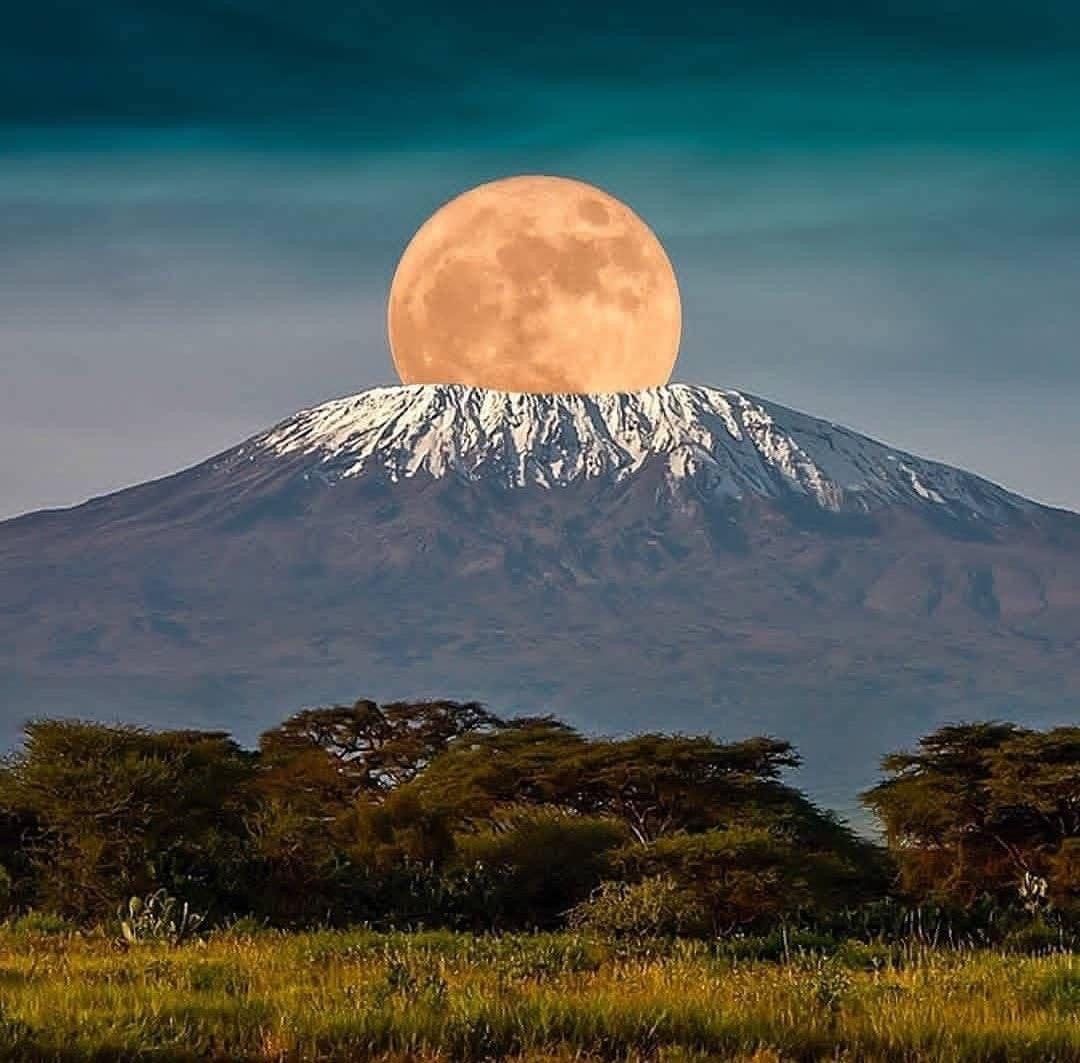
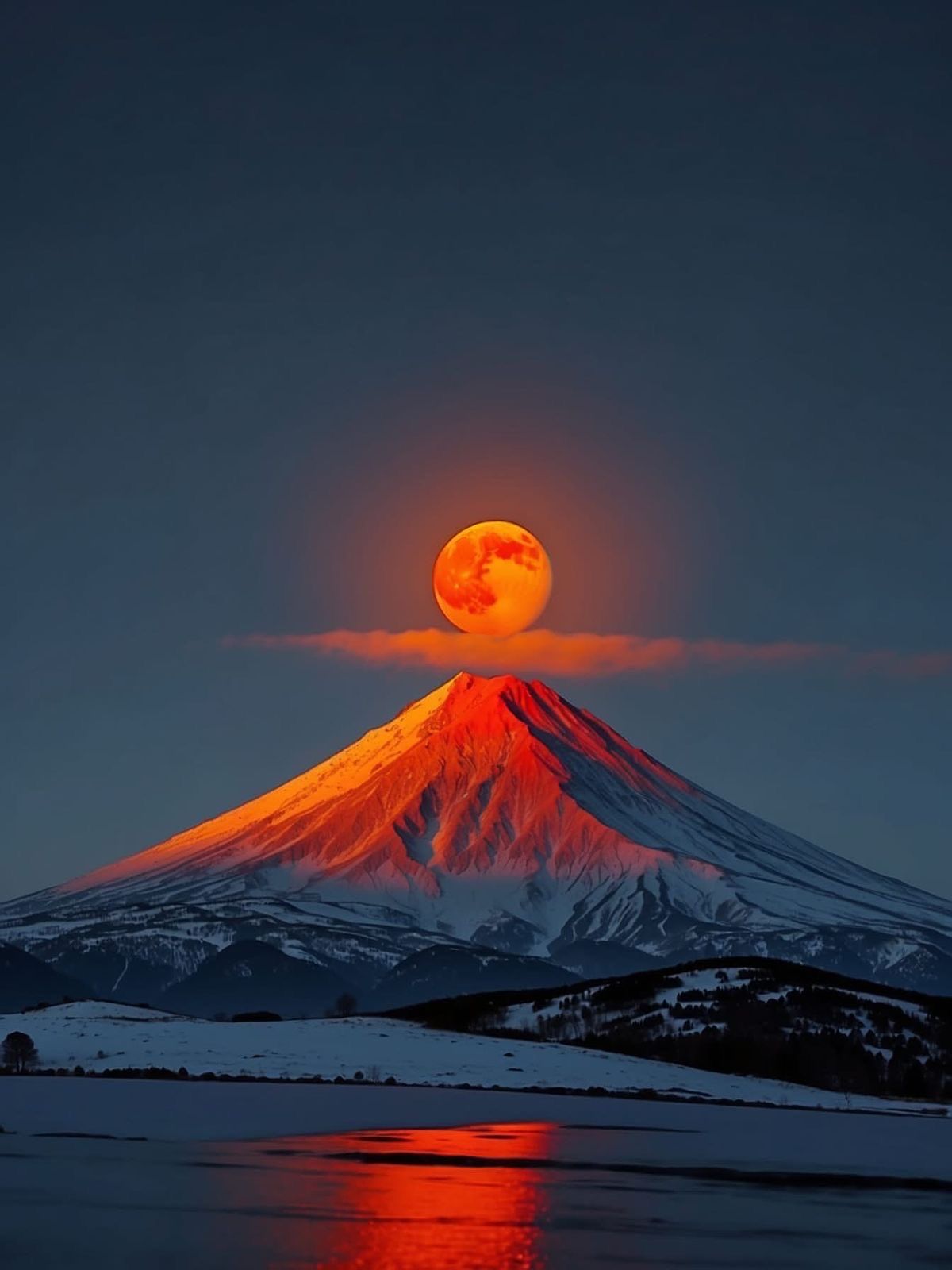
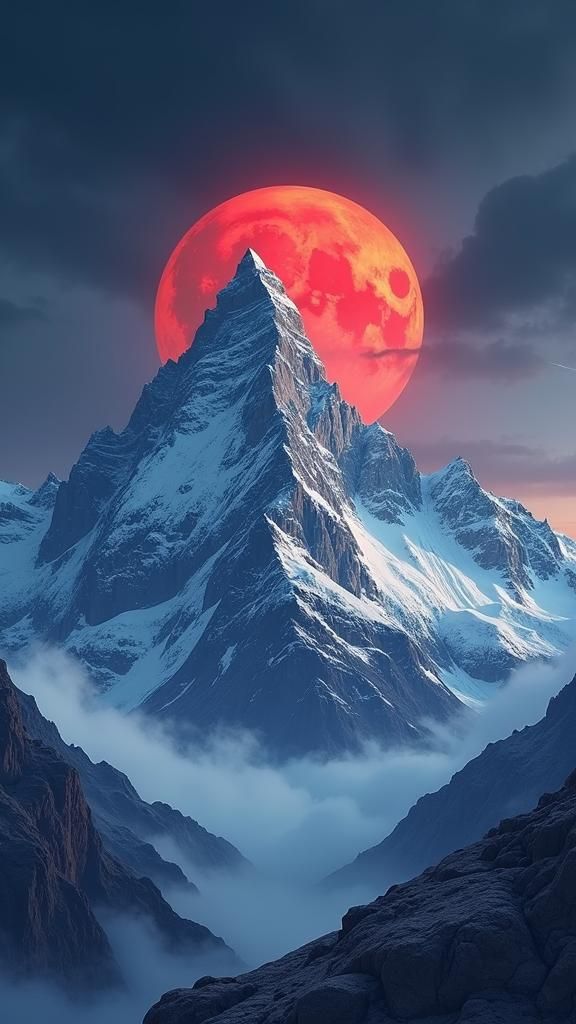
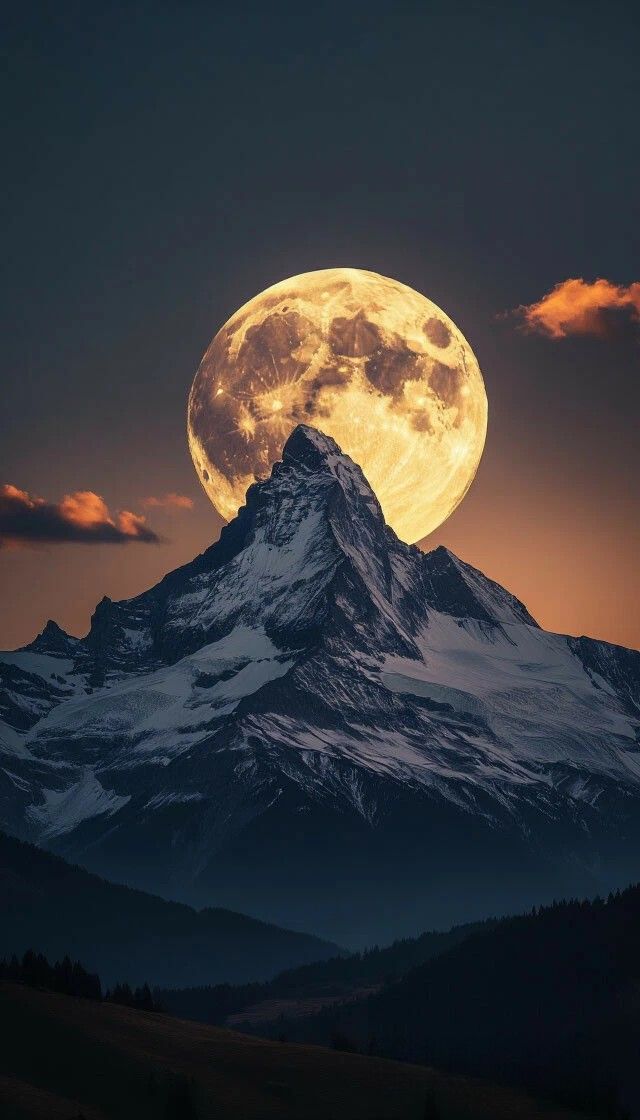
Where the Full Moon Trek Happens
More Kilimanjaro Adventures

Helicopter Tour
Soar above Kilimanjaro’s snow-capped summit in a luxury helicopter. 1-hour scenic flight.
View Tour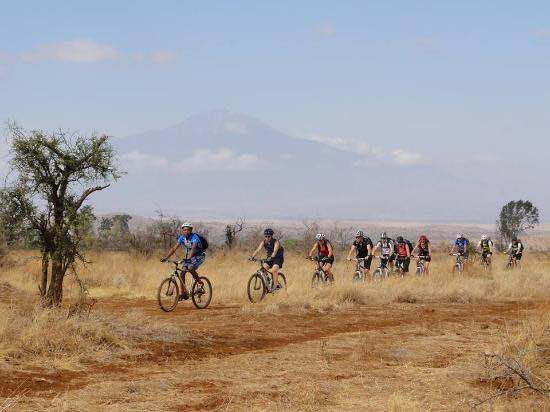
Kilimanjaro Bike Tour
Mountain bike descent from 4,000m through rainforest and farmland. Full-day adrenaline adventure.
View Tour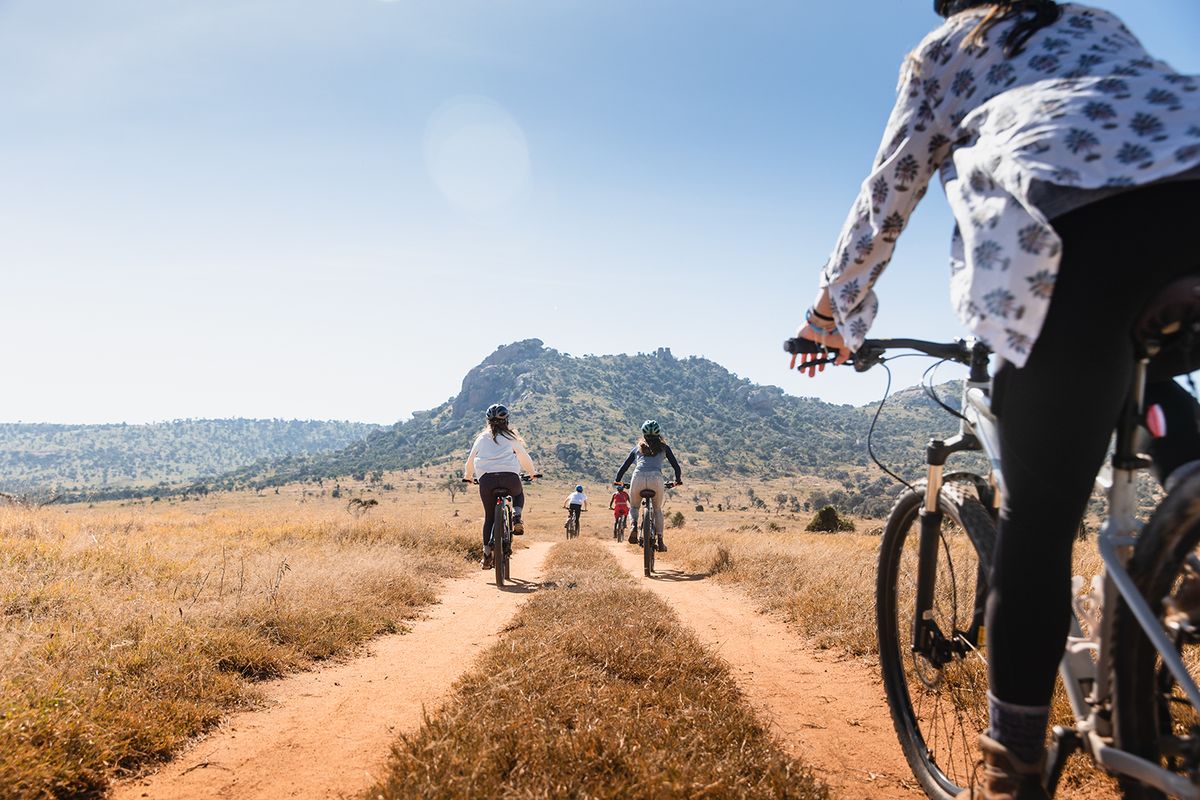
Lemosho Route
The full Lemosho Route experience across all durations. Best success rate and most scenic route.
View RouteReady to Summit Kilimanjaro Under the Full Moon?
Book your Kilimanjaro Full Moon Trek today. 30% deposit secures your date. Free cancellation up to 60 days before departure.
Share the Full Moon Experience
Help others discover this magical adventure.