


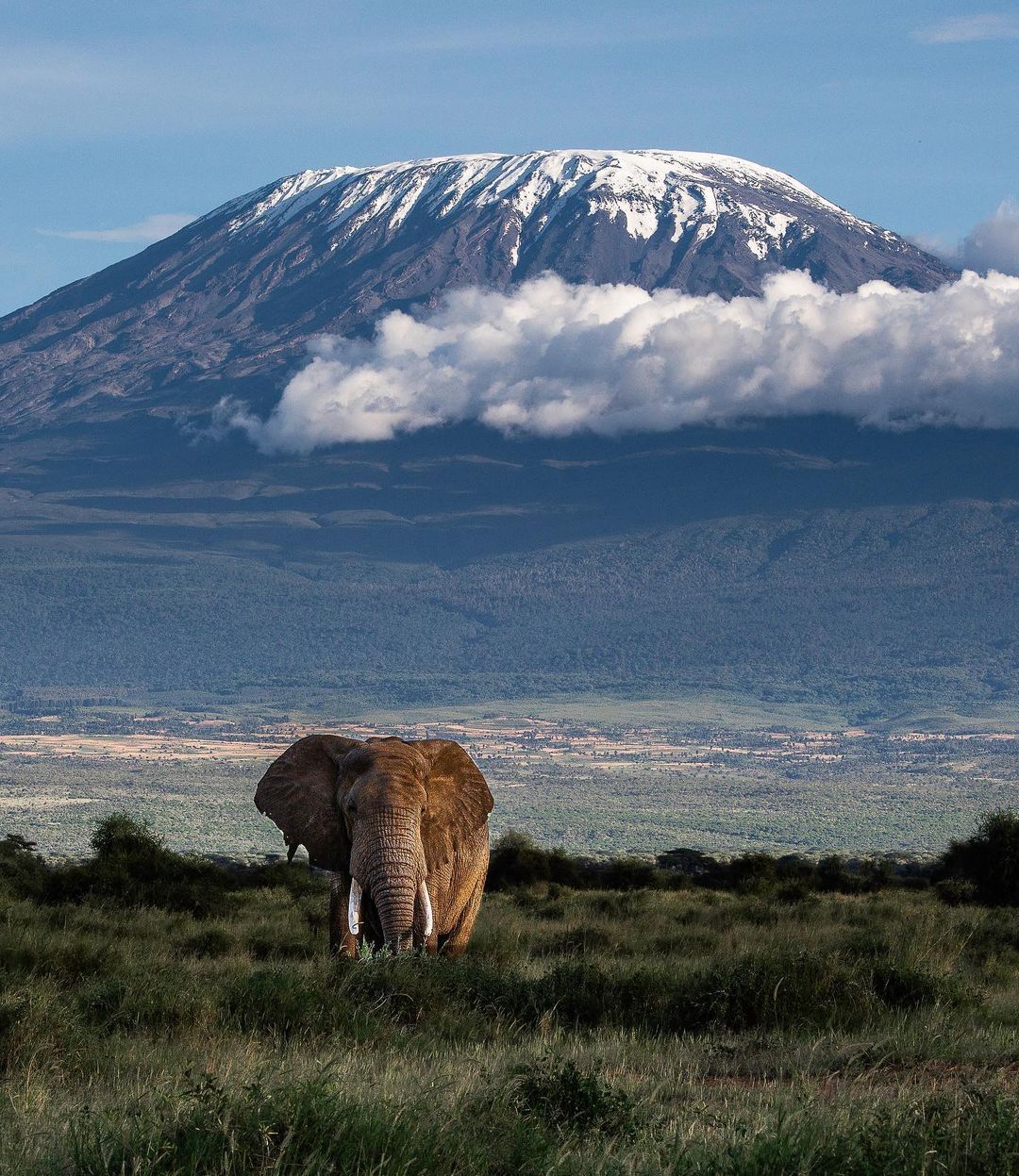
Kilimanjaro Group Join Marangu 5-Day
Climb Kilimanjaro with weekly group departures — the most affordable way to reach the Roof of Africa. Sleep in huts, trek through rainforest and alpine desert, and stand on Uhuru Peak with new friends from around the world.
Marangu in Five Days — The Shortest Trail to the Roof
Five days gate to gate makes Marangu the shortest standard route on Kilimanjaro. From Marangu Gate at roughly 1,870 metres on the south-east side, the trail climbs through rainforest to Mandara Hut, crosses moorland past Maundi Crater to Horombo Hut, pushes over the Saddle to Kibo Hut, and attacks the summit via Gilman's Point — then retraces the same round trip back down.
The Coca-Cola nickname marks this as the historic comfort route: huts instead of tents, gentle gradients, the mountain's most established infrastructure. It is every climber's fastest roof-of-Africa option — and its most unforgiving acclimatization schedule.
Book five days with open eyes. The trail is kind; the timetable is not. This itinerary belongs to trekkers who have met altitude before and know how their body answers it.
5 Days — Fastest, Cheapest, Most Demanding of Time
Four nights on the mountain: Mandara, Horombo, Kibo, and Horombo again on the way down. No spare day anywhere in the schedule.
5 Days — This Itinerary
Minimum time, minimum cost, maximum demand on your acclimatization. Every stage must go to plan — there is no buffer day to absorb a slow day or a rough night. Only experienced high-altitude trekkers should choose it.
6 Days — The Upgrade That Changes Everything
A full acclimatization day at Horombo with a Mawenzi-side hike transforms the climb. Same mountain, same huts, dramatically better odds. If your dates can stretch by a single day, take it.
Our advice is blunt because the mountain is blunt: five days saves a day and risks the summit. Six days is the Marangu done properly.
Four Nights in Mountain Huts
Even on the express schedule, Marangu sleeps you in huts: Mandara's A-frames at the forest edge, Horombo's large bunkhouse complex twice (up and down), and the stone Kibo Hut crouched in the high desert beneath the summit.
Your hut nights include:
- Bunk beds with mattresses — no tent, no groundsheet
- Dining halls serving hot meals away from the weather
- Running water and flush toilets at Mandara and Horombo
- Shelter from the rain and wind that tents can only filter
- A roof over summit-night nerves at Kibo
- Hot food from your crew at every stage
Bring a proper sleeping bag — huts supply beds and walls, not warmth. And while dormitories are shared mountain buildings, your trekking days are shared with the group: one pace, one plan, and guides watching every member.
On a five-day push, sleeping solid matters doubly. The hut advantage is real rest in the few nights you get.
Moderate Walking, Maximum Altitude Pressure
Underfoot, five-day Marangu is the easiest trek we sell: broad gentle trails, zero scrambling, no walls, no exposure. A fit walker handles every step of the path itself without drama.
The difficulty is compressed time. Roughly 4,000 metres of sleeping-altitude gain in three nights gives acclimatization almost no runway, so headaches, nausea and sleeplessness strike faster here than on longer routes. Summit night from Kibo — scree to Gilman's Point in freezing dark — then becomes a genuine ordeal for the under-acclimatized.
Take this itinerary only if you:
- Have slept high before and handled it well
- Arrive fit enough for consecutive 6–8 hour days
- Accept lower summit odds than the 6-day in exchange for speed
- Commit to slow walking on trail that invites speed
- Will turn around on your guide's call without argument
Moderate terrain plus a severe schedule equals a serious mountain. Respect the second half of that equation and the huts will carry you far.
Kibo to Uhuru — The Longest Night, The Shortest Trip
Around midnight at Kibo Hut, headlamps on: the scree zigzags past Hans Meyer Cave to Gilman's Point at 5,681 metres, usually near sunrise, then the rim walk via Stella Point to Uhuru Peak at 5,895 metres (19,341 feet). Green certificate for Gilman's, gold for Uhuru.
There is no rest day behind you and a brutal descent ahead — back to Kibo, then all the way to Horombo the same day, 12-plus hours on your feet. On the five-day, summit day is where the compressed schedule sends its bill.
What gets you to the signboard on five days:
- Altitude experience that lets you read your own body
- Ruthless pacing — slower than feels necessary from the first step
- Water and food forced down on schedule, appetite or not
- Warmth: every layer on before the cold bites, not after
- Attentive guides monitoring the whole group through the dark hours
Summiting on five days is earned, not given. Those who do it carry the story forever — ask any of them.
Climb With the World — 4 to 12 Per Departure
Our Marangu 5-day group join departs weekly with parties of four to twelve travellers from across the globe — the sociable, budget-friendly way up Kilimanjaro. Solo travellers love this format: arrive alone, summit with friends.
Five days leaves no room for passengers — every member commits to the pace, the plan and the pole-pole discipline from Marangu Gate.
Why group join works on five days:
- Fixed weekly departures — no minimum numbers, we go regardless
- Certified guides with a low climber-to-guide ratio
- Shared motivation on the long Kibo summit night
- New summit friends from around the world
- The lowest per-person price on the mountain
Short trip, sharp format, great company: five days with a group that wants it as badly as you do.
~75% Summit Success — Honest Numbers for a Fast Climb
For our 5-day Marangu group join climb we use an estimated ~75% summit success benchmark. Experienced guiding lifts it above unguided averages — but no guiding fully offsets a missing acclimatization day, so it trails our 6-day Marangu clearly.
Consider this number a contract with conditions: it assumes a fit, altitude-aware climber who follows the plan exactly.
How to hold up your end:
- Arrive with high-altitude nights already in your legs if possible
- Hydrate aggressively from the Marangu Gate queue onward
- Walk embarrassingly slowly on the gentle lower trail
- Eat full meals even when the altitude dulls hunger
- Sleep, rest, and skip the sunset viewpoints if tired
- Follow summit-night instructions to the letter
Want better odds on the same mountain? The sixth day at Horombo is the best money in Kilimanjaro climbing. Want speed with open eyes? Five days, expert guides, full commitment — welcome aboard.
About This Package
The Kilimanjaro Group Join Marangu 5-Day is the classic Coca-Cola Route — the only climb on the mountain with hut accommodation and the fastest path to Uhuru Peak. You’ll join a weekly scheduled group of first-time trekkers and adventurers from around the world, led by certified guides with 200-plus summits each. See the full day-by-day itinerary below.
The Marangu Route is the only path on Kilimanjaro with hut accommodation — meaning you sleep in a bunk bed inside Mandara, Horombo and Kibo huts rather than a tent. This makes it an excellent choice for first-time trekkers who want a slightly more comfortable experience. Check our hut details here. Five days is direct and demanding, best for fit climbers comfortable with a brisk altitude gain.
Everything is included: park fees, meals, guides, porters, transfers, and emergency support. You just need to bring your personal gear and a sense of adventure. With guaranteed weekly departures, you never have to worry about minimum numbers — we go regardless. Check pricing and availability or read our FAQ.
This package is perfect for: Solo travellers, budget-conscious climbers, first-time trekkers, and anyone who loves meeting new people on the mountain.
Why You’ll Love This Climb
Guaranteed Departure
Weekly groups leave every Monday and Thursday — no minimum numbers needed.
Professional Mountain Guides
Certified, English-speaking guides with extensive summit experience and first-aid training.
Comfortable Hut Accommodation
Sleep in heated mountain huts with proper beds — no tent camping required.
Summit Uhuru Peak
Stand at 5,895m above sea level on the Roof of Africa — a life-changing achievement.
Daily Fresh Meals
Three hearty meals prepared daily by our dedicated mountain cook — dietary needs accommodated.
Airport Transfers Included
Free pickup from Kilimanjaro International Airport (JRO) on arrival day.
KPAP Ethical Climb
We are a KPAP partner ensuring fair wages, proper gear, and ethical treatment of all porters.
Small Friendly Groups
Maximum 12 climbers per group means personal attention from your guides throughout the trek.
Your 5-Day Marangu Adventure
Every day brings a new landscape, a new challenge, and a new memory. Here’s exactly what to expect.
Marangu Gate to Mandara Hut
4–5 hrs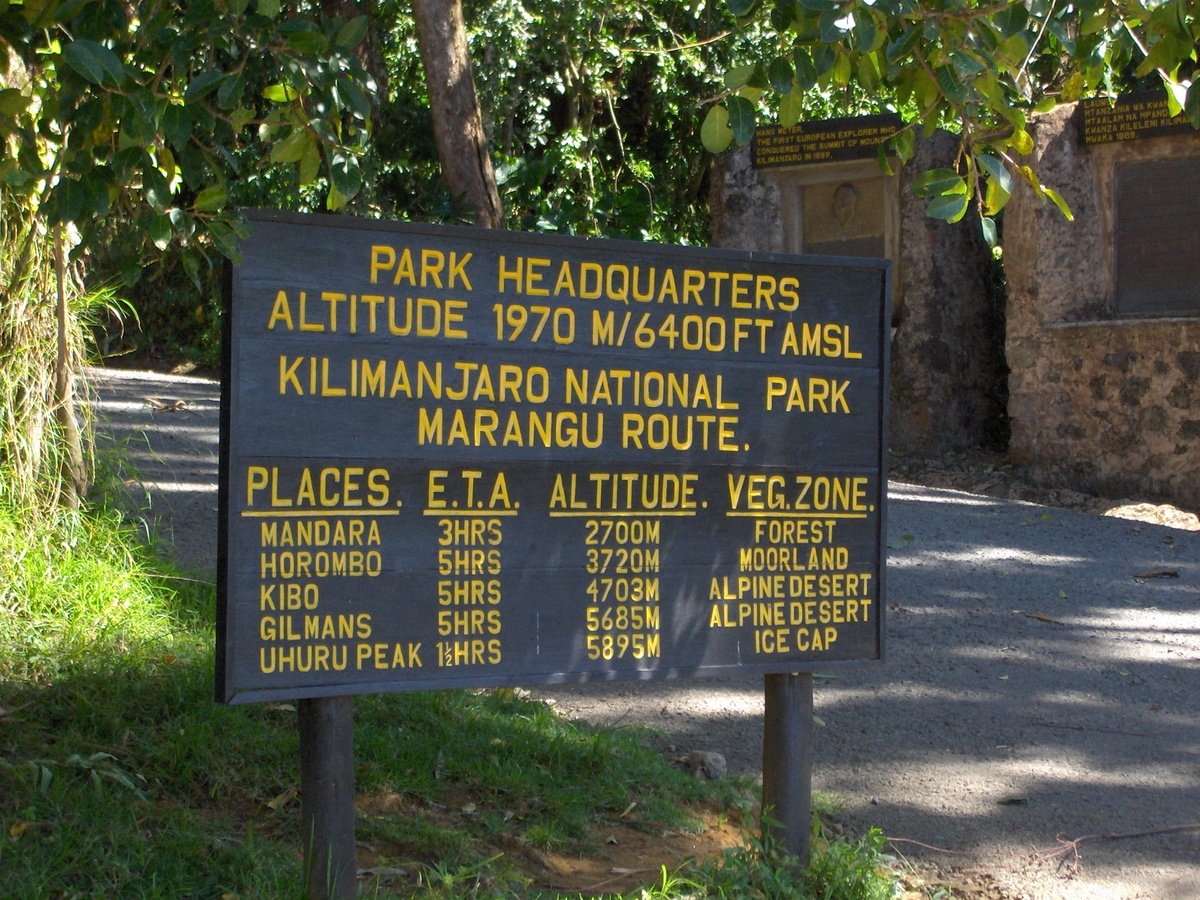
The adventure begins at Marangu Gate, where the air is thick and sweet with the scent of the rainforest. After park registration and a group photo, you step onto the trail and immediately feel the cool shade of towering camphorwood and podocarpus trees. The path is wide and well-trodden — a gentle introduction to Kilimanjaro trekking.
Keep your eyes peeled for black-and-white colobus monkeys leaping through the canopy and the flash of colourful sunbirds flitting between giant heathers. The trail gradually climbs through a series of gentle switchbacks, crossing small streams that gurgle over mossy rocks. Your guide will point out medicinal plants used by the Chagga people and share stories of the mountain’s spirits.
Mandara Hut appears like a mountain chalet nestled in a clearing at 2,700m. The wooden A-frame huts sleep 6–8 people in bunk beds with mattresses. After settling in, take a short walk to the nearby Maundi Crater for your first panoramic view of the Kibo summit in the distance. Dinner is a hearty affair — soup, stew, vegetables, and fruit.
Mandara Hut to Horombo Hut
6–8 hrs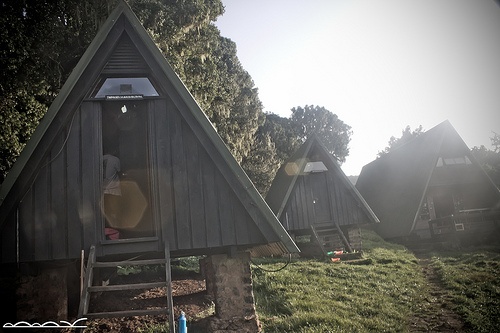
Morning breaks golden through the trees as you leave the forest behind. The trail opens dramatically onto rolling heathland dotted with towering giant groundsels and lobelias — prehistoric-looking plants that grow only above 2,800m. The path climbs steadily as the vegetation shrinks and the views expand in every direction.
By midday, you’ve entered the moorland zone. The sun feels stronger here, but the air is noticeably thinner. Your guide sets a slow “pole pole” pace — Swahili for “slowly, slowly” — a phrase you’ll hear a hundred times. You pass the distinctive “Giraffe Rocks” formations and stop for a picnic lunch with Mawenzi peak glowering in the distance.
Horombo Hut appears as a cluster of sturdy stone-and-wood buildings in a wide valley at 3,720m. The views of Kibo are staggering at sunset — the glaciers catch fire in shades of orange and pink. There is a small shop here selling snacks and drinks, and the common room is cosy with a wood-burning stove where climbers gather to share stories.
Horombo Hut to Kibo Hut
6–8 hrs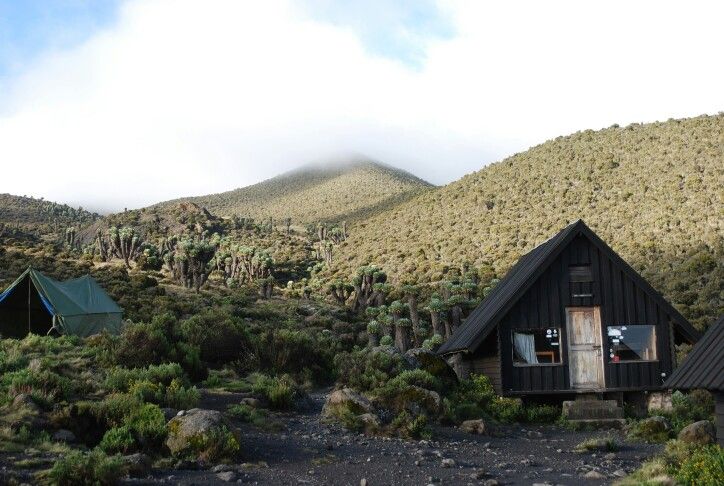
Today you cross the famous “Saddle” — a vast, lunar-like expanse of volcanic scree nestled between the peaks of Mawenzi and Kibo. The trail is exposed and the landscape is surreal: nothing grows here except a few hardy lichens. The crunch of volcanic gravel underfoot and the keening wind are the only sounds.
This is the most physically demanding day before the summit, not because of steepness but because of the altitude. You’ll feel every step. Breathe deeply, walk slowly, and focus on putting one foot in front of the other. Your guide will check your oxygen saturation levels at regular intervals.
Kibo Hut (4,703m) is basic but functional — a stone shelter with dormitory bunk beds and no heating. The temperature drops well below freezing after sunset. After an early dinner of carbohydrate-rich pasta and soup, your guide will brief you on the summit attempt. Lights out by 7:00 PM. Sleep comes hard at this altitude, but rest with your eyes closed is still valuable.
Kibo Hut to Uhuru Peak to Horombo Hut
10–14 hrs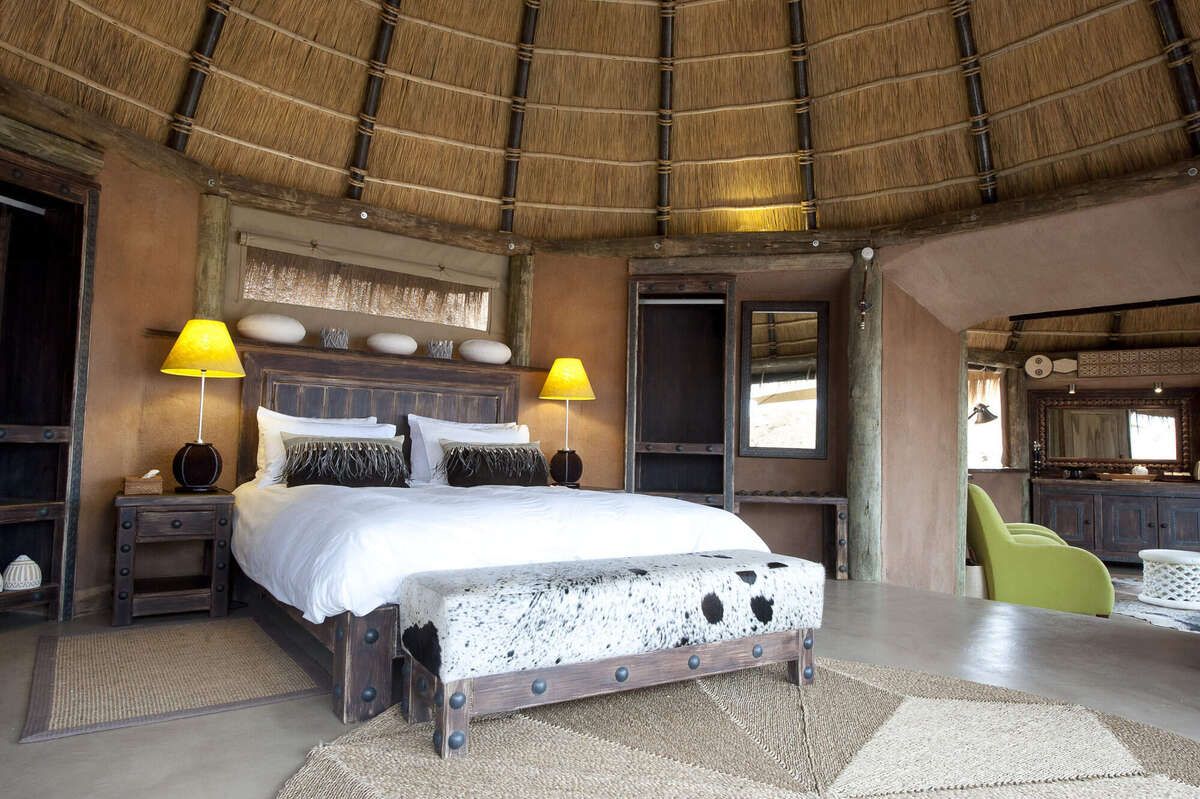
The alarm sounds at 11:30 PM. You pull on your layers in the freezing darkness, lace your boots with numb fingers, and step out into a world of stars. The sky above Kilimanjaro is impossibly clear — the Milky Way arcs overhead like a river of diamonds. A hot cup of tea and a biscuit in hand, you begin the final climb.
The trail is a series of relentless switchbacks up loose scree. Each step takes effort. The guides sing softly in Swahili to keep morale high. After five or six hours, the first glow of dawn appears on the eastern horizon. The cold is bitter — temperatures can drop to -15°C at the summit — but the rising sun warms your heart if not your fingers.
Gilman’s Point (5,681m) on the crater rim is the first milestone. From here, you walk along the edge of the massive crater, past steaming fumaroles and ancient glaciers that gleam electric blue in the morning light. Another hour brings you to Stella Point (5,756m), and finally — the moment you came for — Uhuru Peak, 5,895m. You’re standing on the Roof of Africa. Tears, hugs, photos, and an overwhelming sense of accomplishment wash over you. Your guide hands you the coveted gold certificate.
The descent is long but joyful. You drop from 5,895m to 3,720m in a single day, passing back through all the climate zones in reverse. By late afternoon, you collapse into your bunk at Horombo Hut, exhausted but triumphant.
Horombo Hut to Marangu Gate → Moshi
5–7 hrs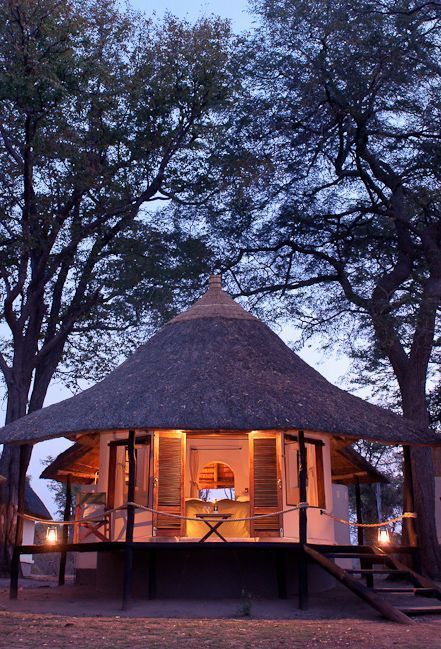
Breakfast tastes better than any meal you’ve ever had. You made it. After a group photo with Kibo as your backdrop, you begin the final descent through the moorland and back into the lush rainforest. The trail is steep in places — take care on the slippery roots and rocks.
The air grows thicker and warmer with every kilometre. You shed layers as the temperature climbs. The forest sounds return — birdsong, insects, the rustle of monkeys in the canopy. By late morning you reach Marangu Gate, where you sign out and receive your official summit certificate — gold for Uhuru Peak, green for Gilman’s Point.
Your driver is waiting. The transfer back to Moshi takes about an hour. A hot shower, a cold beer, and a celebration dinner await. You’ve climbed Kilimanjaro. You’re a different person now — prouder, stronger, connected to something ancient and wild. Welcome to the summit family.
What’s Included & What’s Not
Included
- Kilimanjaro National Park entry fees
- Camping/hut fees for all nights on the mountain
- Certified English-speaking mountain guide
- Professional cook and support porters
- All meals on the mountain (3 meals/day)
- Filtered drinking water throughout the trek
- Hut accommodation (Mandara, Horombo, Kibo)
- Emergency oxygen cylinder and pulse oximeter
- Park rescue fees and emergency evacuation coverage
- Airport transfers (Kilimanjaro International Airport)
- Transport to/from Marangu Gate
- 18% VAT and all government taxes
Excluded
- International flights to/from Tanzania
- Tanzania visa fees ($50–$100 depending on nationality)
- Travel insurance (mandatory — must cover high-altitude trekking)
- Personal trekking gear and equipment
- Rental equipment (sleeping bag, trekking poles, etc.)
- Alcoholic beverages and snacks
- Laundry services
- Tips for guides, cook, and porters (recommended: $150–$250 total)
- Personal expenses and souvenirs
Upcoming Departure Dates
Weekly guaranteed departures every Monday and Thursday. No minimum numbers required.
| Departure Date | Availability | Seats Left | |
|---|---|---|---|
| Mon, Jul 6, 2026 | Available | 7 | Book Now |
| Thu, Jul 9, 2026 | Available | 5 | Book Now |
| Mon, Jul 13, 2026 | Limited | 3 | Book Now |
| Thu, Jul 16, 2026 | Available | 8 | Book Now |
| Mon, Jul 20, 2026 | Limited | 2 | Book Now |
| Thu, Jul 23, 2026 | Available | 6 | Book Now |
| Mon, Jul 27, 2026 | Available | 9 | Book Now |
| Thu, Jul 30, 2026 | Full | 0 | Join Waitlist |
Package Price & Options
All-inclusive group join price for the Marangu 5-Day climb
Payments accepted via bank transfer, credit card, PayPal, or cryptocurrency.
Mountain Hut Accommodation
Marangu is the only route with proper mountain huts. No tent required.
Mandara Hut
Altitude: 2,700m. Wooden A-frame huts with bunk beds, mattresses, solar lighting, and a common dining area. Flush toilets available nearby.
Horombo Hut
Altitude: 3,720m. Stone-and-wood huts with dormitory bunks, a heated common room with a wood stove, hot drinks available at the small shop.
Kibo Hut
Altitude: 4,703m. Basic stone shelter with bunk beds and mattresses. No heating. The starting point for your midnight summit attempt.
Ultimate Kilimanjaro Packing List
Everything you need to reach Uhuru Peak — download our free comprehensive packing guide.
Proper packing can mean the difference between a successful summit and a struggle. Kilimanjaro takes you through five climate zones — from warm rainforest at the base to freezing Arctic conditions at 5,895m. Our expert guides have created a complete packing checklist covering every layer, piece of gear, and essential item you’ll need. Hut sleeping needs only a light sleeping bag — save the weight for summit-night warmth.
At Kizza Adventures, we review every climber’s gear before departure to maximise safety and summit success.
Printable page — open, then print or save as PDF.
Frequently Asked Questions
Related Tours
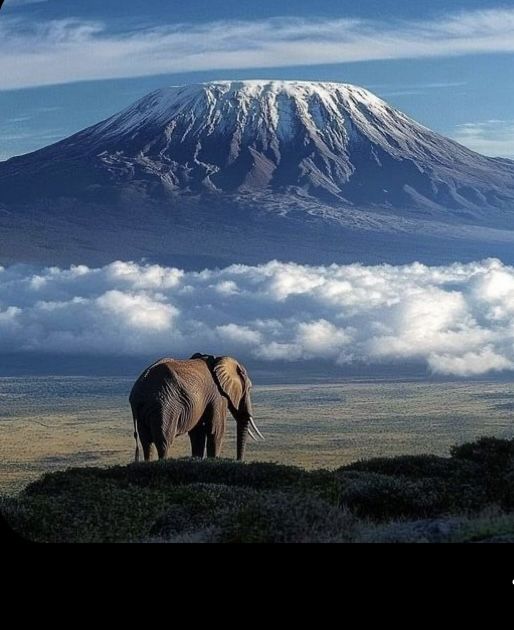
Marangu 6-Day
Extra acclimatisation day at Horombo Hut. Higher summit success rate with the same hut accommodation comfort.
View Package
Machame 7-Day
The scenic “Whiskey Route” with camping, diverse landscapes, and an 85% summit success rate.
View Package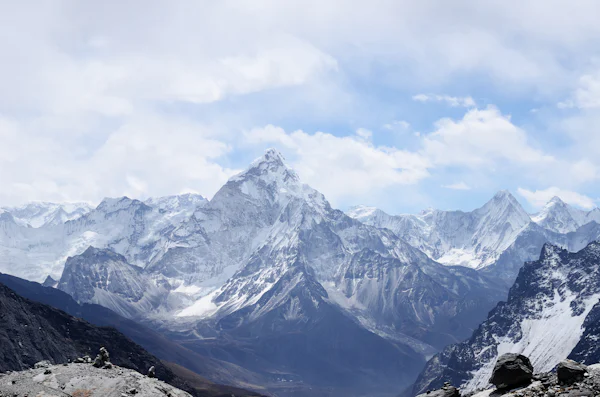
Lemosho 8-Day
Premium route with the best acclimatisation. 90%+ summit success through remote, pristine wilderness.
View PackageReady to Join the Next Climb?
Reserve your spot on the Kilimanjaro Group Join Marangu 5-Day or talk to our team about customising your adventure. We’re here to help every step of the way.