


8-Day June Luxury Serengeti Game Drive Safari — Banks, Forest and Kopjes in the First Dry Month
Book the 8-Day June Luxury Serengeti Game Drive Safari in the Serengeti: general game, predators, and the full range of Serengeti habitats. The Corridor With the Volume Turned Up
June is the month the western corridor stops being quiet. The Grumeti crossings are under way, the banks draw vehicles and predators alike, and a classic vehicle safari finally has spectacle to go with its substance. This 8-day June game drive safari works the corridor floor, the banks, the forest and the kopjes with a private 4x4: residents plus crossings, without August's crowds. Whether you are searching for a 8 day game drive safari, a game drive Serengeti safari, or a private departure for two, the operating rhythm is the same: an early start, a full day on the plains, and an honest account at the end of it about what you actually saw. Every departure is run out of Arusha with a licensed Tanzanian guide, a private 4x4, and an overnight confirmed against your dates.
A Full Safari, in Its First Loud Month
A game drive safari is the format most people picture when they say Serengeti: long days in a vehicle, a guide reading the landscape, and an animal list that builds as the days go on. June delivers that format just as the corridor switches on. You will still spend sessions on a pride or a pool with no other vehicle in sight, and you will spend the bank hours in company, which is exactly the right mixture.
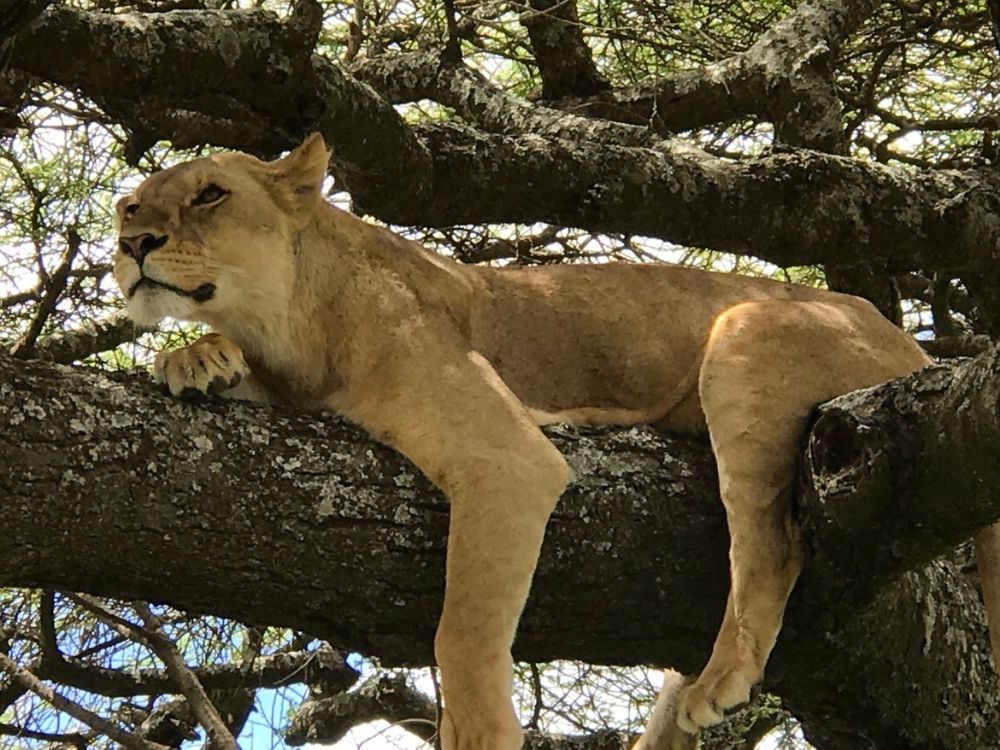
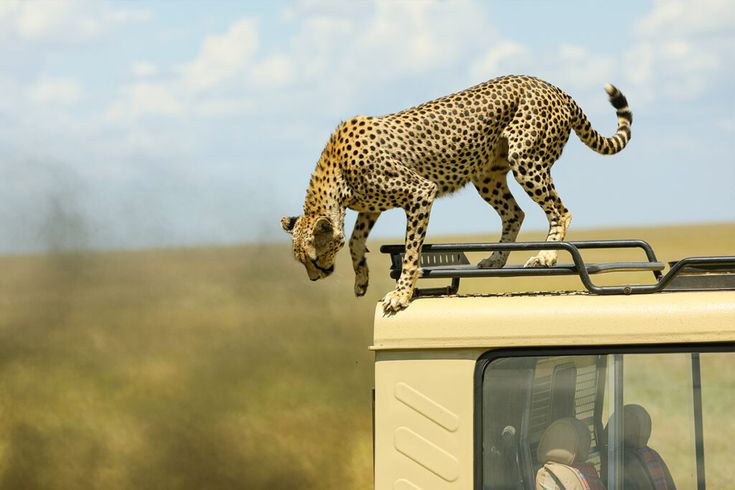
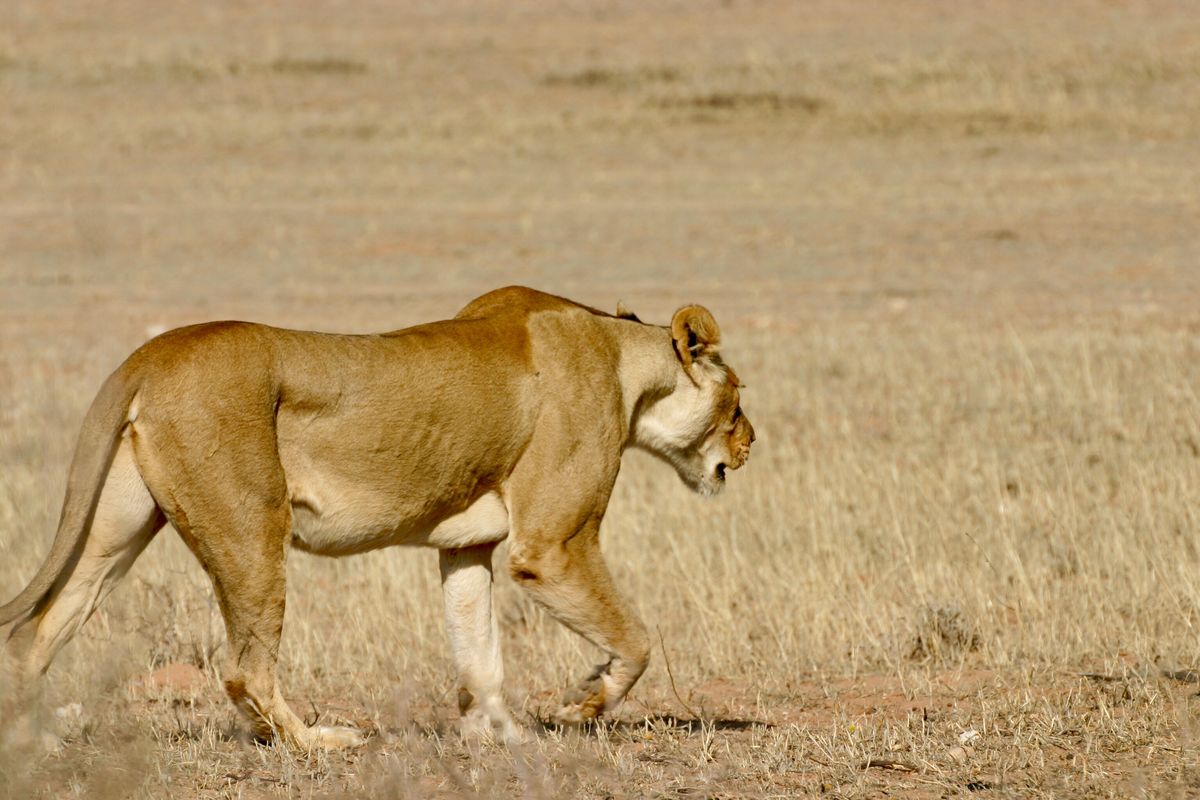
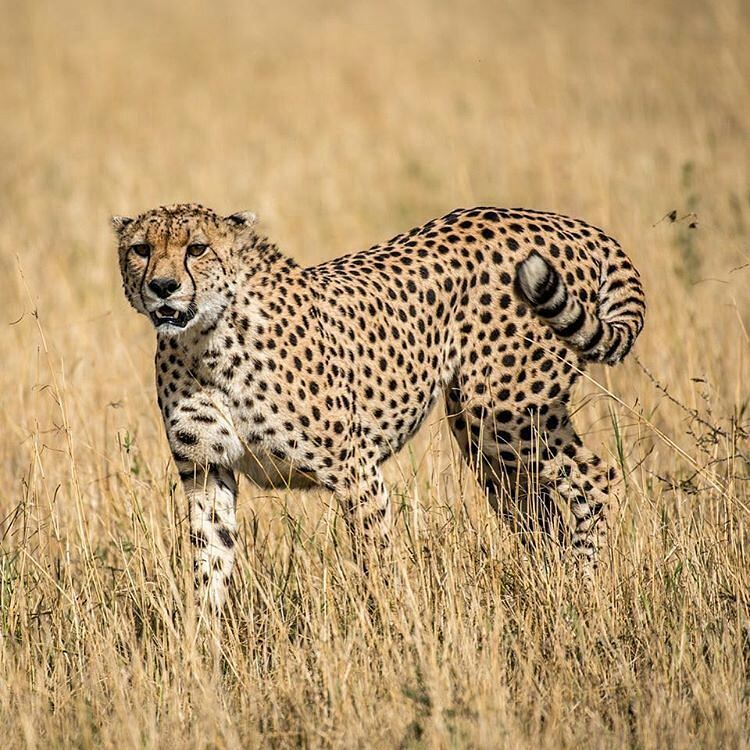
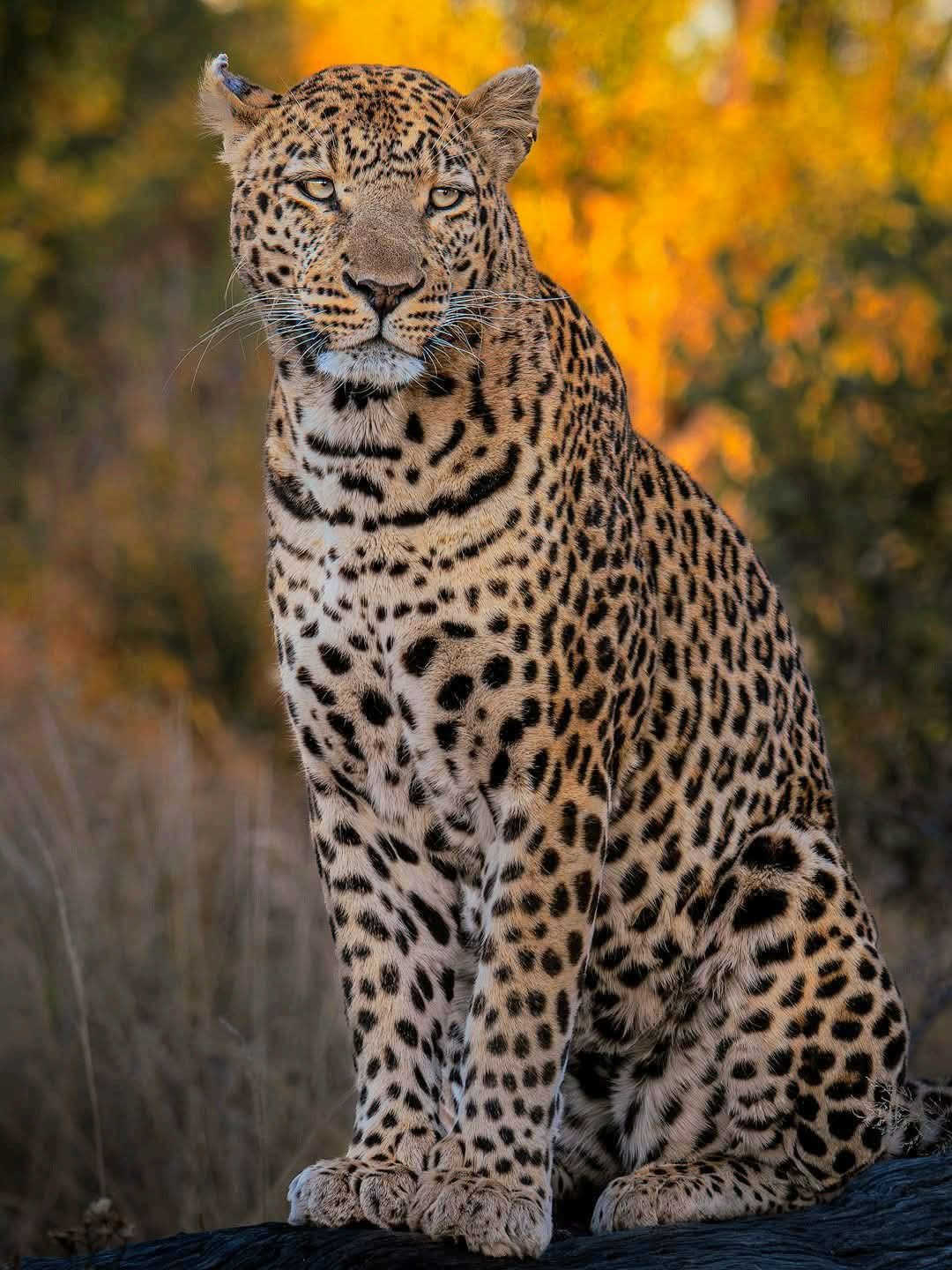
The wildlife picture in June pairs residents with movement. Lions hold territory and work the banks, leopards hunt the Grumeti forest, cheetahs use the drying floor, and the columns provide the moving backdrop that makes every resident sighting better. It is a complete safari in every sense that matters, with dust replacing mud as the daily negotiation.
- Private 4x4 with pop-up roof and your own guide throughout
- Bank sessions at the working Grumeti crossings
- Resident pride territory, forest leopard and open-floor cheetah
- Drying-corridor birding: raptors, pool species and riverine birds
- June traffic: busy banks, empty everything else
Game Drive Safari Facts
The practical detail of an 8-day June game drive itinerary, including what is confirmed before you travel rather than assumed.
How the eight days are used
This is a balanced itinerary: not as fixed as a photography trip and not as compressed as a short trip. It suits guests who want to understand the park rather than hunt one subject. A shorter trip has to choose, and choosing usually means dropping the middle-of-the-day sessions that produce most of the images. 8 days keeps a dawn and a late-afternoon session on every day of the safari and still leaves room to work the same ground twice rather than only passing it.
Why a private vehicle is standard
Holding a bank position all morning without negotiation is the method, and none of it is possible in a shared vehicle.
How pricing is structured
The cost is driven by the vehicle and the guide rather than by a per-person package, so the quotation is built around your dates and group.
Why the day is shaped this way
Pressure hours belong to the river; the middle of the day belongs to forest, pools and kopjes; the glow brings the vehicle back to the banks.
Where the days are spent
Grumeti banks and forest for crossings and leopard, corridor kopjes for resident prides, with a Seronera transit day for the central residents.
What June traffic is like
The banks draw vehicles at prime hours while the rest of the corridor stays quiet, which is why dawn staking and resident middays are the method.
What to expect in the field
Cool clear dawns, especially at the river, warming fast to dry dusty middays. An early shower is possible; mud is not the story any more.
How pricing works
Send your dates and we will itemise the arrangement, including accommodation category and any single supplement.
8-Day June Game Drive Safari Itinerary
A day-by-day account of the route, the sessions and what each day realistically holds. Drive times and sighting outcomes depend on road conditions, animal movement and weather, all of which change week to week in June.
Getting there: You are collected from Arusha after an early breakfast and the day is mostly road: up through the Ngorongoro highlands, down past the crater viewpoint, and on through Seronera into the western corridor. The tracks are dry again after the rains, so the drive runs faster than a May arrival, but it is still the longest day of the trip and it is done first on purpose.
The safari activity: By late afternoon the vehicle is off the transit road and reading the corridor floor. The overnight sits inside the western block so the first proper session begins before first light, at the banks if the columns are already piling there. The vehicle moves between corridor habitats rather than staying on one, and the guide is looking for the change between them: gold grass to river forest, column to crossing bank, morning cool to midday heat.
What you might see: June grass is turning from green to gold, and the herds are no longer arriving at the Grumeti but working it: crossing, milling, regrouping and crossing again. The rut has quietened, which makes the movement easier to read than in May. Road condition, park access and the highland weather can all change the arrival time, and the guide will re-order the day rather than compress it if the drive runs long.
Meals and timing: Lunch is taken on the road, dinner is served at camp, and lights-out is early because the group will be moving well before dawn. First overnight in the western corridor, chosen for the shortest possible run to the Grumeti banks at first light.
How this day is judged: The vehicle moves between corridor habitats rather than staying on one, and the guide is looking for the change between them: gold grass to river forest, column to crossing bank, morning cool to midday heat. The day is not measured by how many animals are ticked off but by whether the time spent in the country was used properly, which is why the afternoon session matters as much as the dawn one.
Road flow: The vehicle is moving before first light so that you are on open ground as the sun comes up. The morning is spent working the floor the columns crossed overnight, reading churned mud and flattened grass the way a newspaper is read.
The working part of the day: Late morning moves into the Grumeti forest for shade and leopard ground, and the afternoon is a long session at the banks with the engine off more often than not.
Wildlife context: June mornings are cool and often misty at the river, burning off fast. Predators work the banks where the night's crossing has left stragglers, and the day's plan follows whatever the dawn reveals. The plains can look extraordinary or simply empty depending on the week's weather and where the herds have actually settled, and the plan moves with them.
Practical rhythm: Breakfast is served in the field on the tailgate, the vehicle carries a cool box and water between drives, and the group is back at camp with an hour of light to spare. Overnight in the western corridor, in the position that proved best that evening.
How this day is judged: The vehicle moves between corridor habitats rather than staying on one, and the guide is looking for the change between them: gold grass to river forest, column to crossing bank, morning cool to midday heat. The day is not measured by how many animals are ticked off but by whether the time spent in the country was used properly, which is why the afternoon session matters as much as the dawn one.
How the day opens: The whole day is built around the banks. The vehicle is in position before first light at the crossing point the guide trusts most, and then the day becomes a waiting game played properly: engine off, eyes on the far bank, radio quiet.
On the ground: If a column commits, the morning makes itself. If nothing crosses, the banks still produce: crocodiles holding station, hippo pods shifting in the pools, martial eagles working the thermals above the commotion of yesterday.
Reading the country: June is the first month when a full day at one bank is a legitimate strategy rather than a gamble. Crossings happen on the herds' schedule, which means some days deliver nothing and one day delivers everything. Western roads are slower and can become soft in the wet, and this is a long enough day's drive that the guide may shorten the afternoon in favour of the morning session.
Comfort and breaks: Water and shade are carried for a long stationary day, and the group returns late enough to catch the last light on the water. Overnight in the western corridor, close to the bank that earned the day.
How this day is judged: The vehicle moves between corridor habitats rather than staying on one, and the guide is looking for the change between them: gold grass to river forest, column to crossing bank, morning cool to midday heat. The day is not measured by how many animals are ticked off but by whether the time spent in the country was used properly, which is why the afternoon session matters as much as the dawn one.
Morning movement: The morning starts at the pools and then turns into the fig-tree forest that lines the Grumeti, which in June is the corridor's second subject after the crossings themselves. Leopard, colobus and forest birds fill the hours between bank sessions.
The session: Midday checks the banks once from a new angle, because a column that would not move at dawn sometimes moves at noon. The afternoon belongs to the forest edge and the drainage lines below it.
The species question: The forest in June is drier underfoot than in May, which makes for quieter walking-country viewing from the vehicle and better odds of finding leopard on the move between kills. Leopard here are genuinely difficult to see in thick cover, and this habitat asks for patience rather than distance. Sightings are possible on any morning and cannot be promised.
Pacing the day: A long slow midday is planned for, with water available, and the afternoon opens up again on the corridor floor. Overnight near the Grumeti forest belt, keeping the pools and the banks within reach.
How this day is judged: The vehicle moves between corridor habitats rather than staying on one, and the guide is looking for the change between them: gold grass to river forest, column to crossing bank, morning cool to midday heat. The day is not measured by how many animals are ticked off but by whether the time spent in the country was used properly, which is why the afternoon session matters as much as the dawn one.
Driving and repositioning: The day opens at the western pools, which in June are drawing down after the rains. Falling water concentrates everything: waders on the new mud, hippos packed tighter, fish eagles working harder for the same fish.
Watching and waiting: Late morning and afternoon work the drainage lines as they dry, which is a different safari from May's wetlands: tracks readable in firm mud, channels passable that were closed a month ago, and new ground opening daily.
Landscape and game: This is the last month the pools are a full-day subject before the dry season shrinks them. The birding is still strong but changing fast as the water drops. Water levels change with the rains and channels that are drivable in one week may be soft or closed in another, so the lake work is planned around what is actually passable.
Logistics: Midday is spent in the vehicle or at a shaded pool stop, and the group returns to camp before the heat peaks. Overnight close to the water, where the dawn session starts from the pool edge rather than the plain.
How this day is judged: The vehicle moves between corridor habitats rather than staying on one, and the guide is looking for the change between them: gold grass to river forest, column to crossing bank, morning cool to midday heat. The day is not measured by how many animals are ticked off but by whether the time spent in the country was used properly, which is why the afternoon session matters as much as the dawn one.
The transfer: The vehicle leaves camp early for the western kopje country, where granite outcrops break the gold grass and the early-dry light does the photographer's work unasked. The circuit is slow because the residents move with the shade.
What the morning is for: Midday is spent on the woodland margins below the kopjes, and the afternoon can be spent on a kopje viewpoint watching the corridor empty and fill as columns shift between water and grazing.
What is out there: Resident leopard, cheetah and lion hold these kopjes through the year. In June the open floor around them carries crossing traffic, so the cats hunt more often and more visibly than in the quiet months. Resident cats are never predictable, and a quiet-looking block of rock can stay empty all morning. The tracking effort is what usually pays, not the waiting.
Breaks and overnight: Water and a snack are carried in the vehicle, and the group returns late enough to catch hard low light on the rock faces. Overnight in the kopje or corridor position that produced the best session of the day.
How this day is judged: The vehicle moves between corridor habitats rather than staying on one, and the guide is looking for the change between them: gold grass to river forest, column to crossing bank, morning cool to midday heat. The day is not measured by how many animals are ticked off but by whether the time spent in the country was used properly, which is why the afternoon session matters as much as the dawn one.
Travel and arrival: A longer repositioning day takes the group east toward Seronera, and the drive itself is part of the safari: the corridor's gold grass gives way to central kopjes and riverine forest, and the herds thin as the residents take over the story.
The core hours: The afternoon is spent in the central Serengeti around Seronera, where permanent water and granite hold the resident lions regardless of where the columns are. The last session is a slow one on the kopjes above the river.
Country and characters: Seronera in June is at its most reliable: dry roads, settled residents, and almost no crossing-season traffic yet. It is the calmest big-cat ground of the movement months. Central Serengeti roads carry more traffic than the south, and the resident populations here are reliable but never guaranteed on any single morning.
Meals and timing: The day includes a longer drive on dry roads, so the group arrives with time for a proper afternoon session rather than a rushed one. Overnight in the central Serengeti, in the Seronera area.
How this day is judged: The vehicle moves between corridor habitats rather than staying on one, and the guide is looking for the change between them: gold grass to river forest, column to crossing bank, morning cool to midday heat. The day is not measured by how many animals are ticked off but by whether the time spent in the country was used properly, which is why the afternoon session matters as much as the dawn one.
Moving into position: The group is up before first light for one final session, and the drive back to Arusha begins after breakfast in the field. Dry June roads make the return faster than a rains-month equivalent.
The main event of the day: The last session is short and unhurried, usually an hour to two, because everything worth photographing has already been seen by this stage. The return is broken by the Ngorongoro viewpoint and any stops the guide thinks are worth making.
What you might see: Early light on the last morning is often the best light of the trip, and the animals are used to the vehicle by now. June highlands are cool and clear, and dust replaces mud as the thing to manage. Predators are never promised in any category of trip. This itinerary is built to show the whole range of what the park offers in a given week rather than to hang everything on one animal that may not appear. Departure day is exposed to the same rain and road conditions as arrival, so the return is timed with slack in it.
Practical rhythm: Breakfast in the field, a long drive back through the highlands, and arrival in Arusha in the afternoon or early evening. Lunch is packed and taken on the road. No overnight on safari; the trip ends on arrival back in Arusha for onward travel or a night in town.
Closing the safari: This is a balanced June circuit: crossings watched but never chased, habitats covered in turn, and evenings kept free for whatever the banks produced that day. Anything not seen in 8 days can be added to a longer itinerary rather than forced into this one, and the guide writes down the ground and the timing that worked so a return trip can start from the same knowledge.
Why June for a Classic Safari
The case for the green season on a standard vehicle itinerary, stated without pretending it beats the dry months for everything.
Working crossings
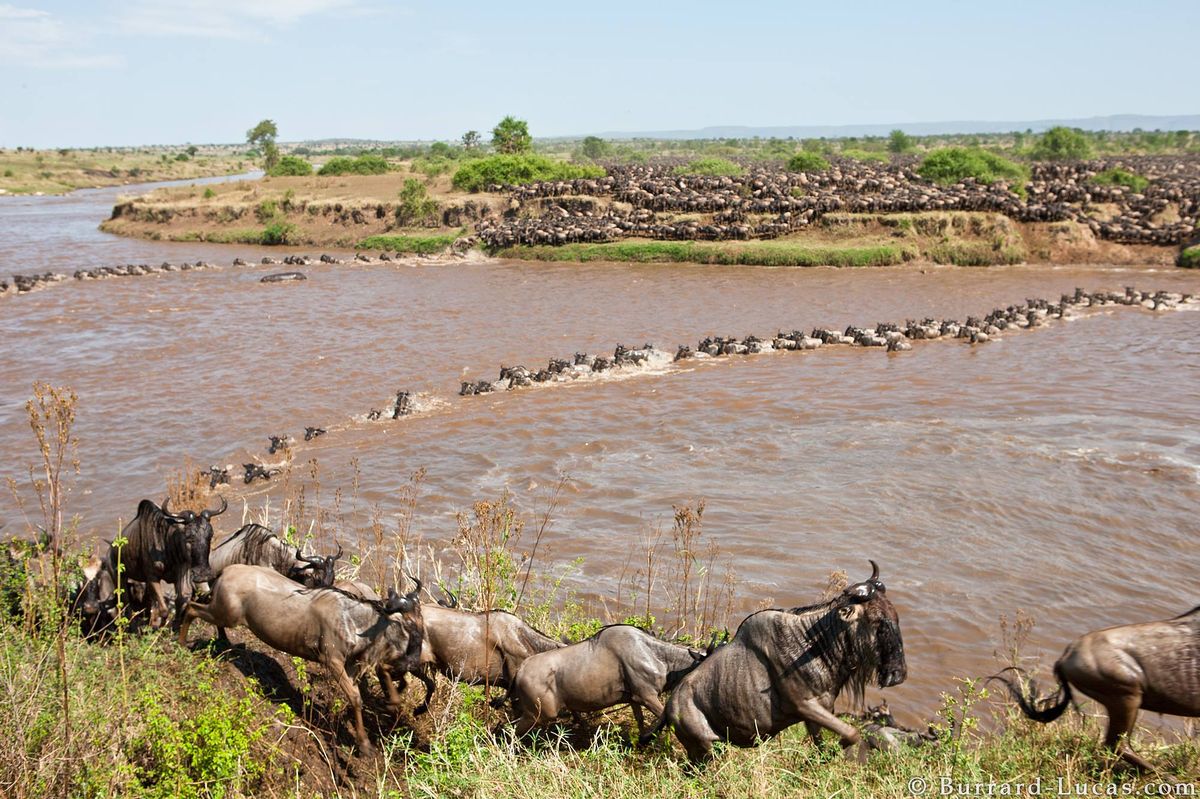
The Grumeti crosses most June weeks, and a vehicle safari is the right format for it: staked dawn positions, patient middays, and the mobility to switch banks when pressure moves.
Residents plus movement
Corridor lions, forest leopards and drying-floor cheetahs hold territory through the crossing season, so every non-crossing hour is still a full safari rather than waiting time.
Gold-green scenery
Curing grass, dust-filtered light and clean dry air photograph completely differently from the rains months. It is a legitimately dramatic-looking park, not a consolation prize.
Raptor and pool bonus
Building thermals over the banks, drawing pools concentrating waders and fish eagles, and riverine birds holding the forest lines add a layer the dry deep-season does not offer.
The trade you accept
You are giving up the Mara's scale and genuine solitude at the water. If the Mara specifically is your reason for coming, July and August are the months and we will tell you that in writing before you book.
Dry roads, dust protocol
Firm tracks keep every bank reachable before dawn; dust replaces mud as the daily management task. We build the itinerary to use the roads, not fight them.
Your Route: Arusha → Western Corridor → Grumeti Banks → Forest & Kopjes → Arusha
A loop that works banks, forest, kopjes and pools in turn so no habitat repeats the same light twice.
You are collected from Arusha after an early breakfast and the day is mostly road: up through the Ngorongoro highlands, down past the crater viewpoint, and on through Seronera into the western corridor.
The vehicle is moving before first light so that you are on open ground as the sun comes up.
The whole day is built around the banks. The vehicle is in position before first light at the crossing point the guide trusts most, and then the day becomes a waiting game played properly: engine off, eyes on the far bank, radio quiet.
The morning starts at the pools and then turns into the fig-tree forest that lines the Grumeti, which in June is the corridor's second subject after the crossings themselves.
The day opens at the western pools, which in June are drawing down after the rains.
The vehicle leaves camp early for the western kopje country, where granite outcrops break the gold grass and the early-dry light does the photographer's work unasked.
A longer repositioning day takes the group east toward Seronera, and the drive itself is part of the safari: the corridor's gold grass gives way to central kopjes and riverine forest, and the herds thin as the residents take over the story.
Return road to Arusha, timed so you arrive with the afternoon still ahead.
Where the Game Drive Safari Goes
A central circuit loop with a southern extension, chosen because that is where the resident wildlife is in June.
- Arusha
Start and finish
Road transfers both ends - Western Lakes & Drainage
Waterbirds and general game
Western corridor - Seronera & the Kopjes
Resident lions, leopard and cheetah
Central Serengeti - Western Corridor
Column and column-crossing country
Only while the herds push
Why Choose Kizza Adventures for a June Game Drive
The practical reasons our clients choose us for a central circuit itinerary, none of which depend on the month.
You are not negotiating for a bank position with seven other people. Holding a staked dawn, moving between banks and working quiet resident ground are only possible in your own vehicle.
A guide who has driven the Grumeti circuit for years knows the bank histories, the leopard lines and the cheetah ground, and works from that knowledge rather than from searching each morning.
Our guides lose a morning to a pressured bank rather than chase a rumour from another vehicle. That is the single biggest difference between a crossing seen and a crossing heard about.
We put you on ground suited to what you want to see, not on whatever is closest to camp, and we say so when bank pressure or access limits an option.
June travel means firm tracks, cool river dawns and dust by noon. We plan around pressure readings rather than fixed timetables.
Bean bags and window mounts are fitted as standard, because a private vehicle that cannot carry a long lens properly is not much use at a staked bank.
Property, room type, meal plan and vehicle are all confirmed in writing before you travel, so nothing about the trip is left to guesswork on arrival.
No operator can schedule a crossing, a leopard or a cheetah hunt. We tell you what is likely, what is possible and what cannot be promised, before you pay anything.
What You Can Expect to See in June
Crossing banks, resident cats and corridor plain game in the first loud month. Honestly assessed.
Under way at the Grumeti most June weeks. Watched from staked positions, never chased, and never promised for any single morning.
Resident corridor prides plus bank followers. The most reliable big cat of the month, on territory and on the move.
Grumeti forest and fig lines. June's firm dust reads beautifully, which raises track encounters well above sighting promises.
Drying open floor with improving visibility. Morning cool hours are the honest window.
Ikorongo and corridor woodland herds, concentrated as water draws down. Approached with full respect at all times.
Grumeti pools at working volume. Midday hours belong to the water.
Constant on the margins, part of every day's texture.
Bank edges at night, dens at dawn. The corridor's night shift, heard before seen.
A genuine maybe in the kopje country, approached slowly and never promised.
Thermals building over the banks, pools drawing down. The drying month concentrates birds as surely as mammals.
Notes From the Field
The working knowledge a guide applies each morning, which is what actually separates a productive day from a long one in the vehicle.
Banks have timetables, not schedules
Best spot: Pressure builds overnight and releases at first light or not at all. The 6 a.m. read decides the whole day, and a second bank is always planned.
The dawn pressure read
Residents fill the gaps
Best spot: A quiet river morning is a kopje morning. The guide's resident round — dens, fig lines, shade rocks — is a full safari hiding inside the crossing trip.
The backup round
Dust is data
Best spot: June air shows movement the eyes miss: columns, vehicles and weather all sign themselves in dust. The horizon gets glassed as often as the banks.
Reading the air
Evenings belong to the cats
Best spot: As bank traffic thins, residents hunt. The last two hours on kopje and forest edge routinely out-produce the middle of the day.
The evening shift
June Game Drive Sightings Checklist
Realistic potential across an 8-day June window in the western corridor.
| Animal | Potential Encounter | Best Viewing Context | Best Area |
|---|---|---|---|
Wildebeest Crossings | Strong | Working banks most weeks | Grumeti banks |
Lion | Strong | Residents and bank followers | Kopjes and banks |
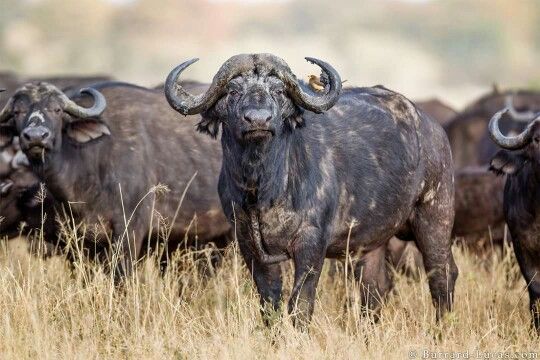
Elephant & Buffalo | Strong | Concentrating at water | Woodland and pools |
Hippopotamus & Crocodile | Strong | Pools at working volume | Grumeti pools |
Hyena | Strong | Night shift at the banks | Edges and dens |
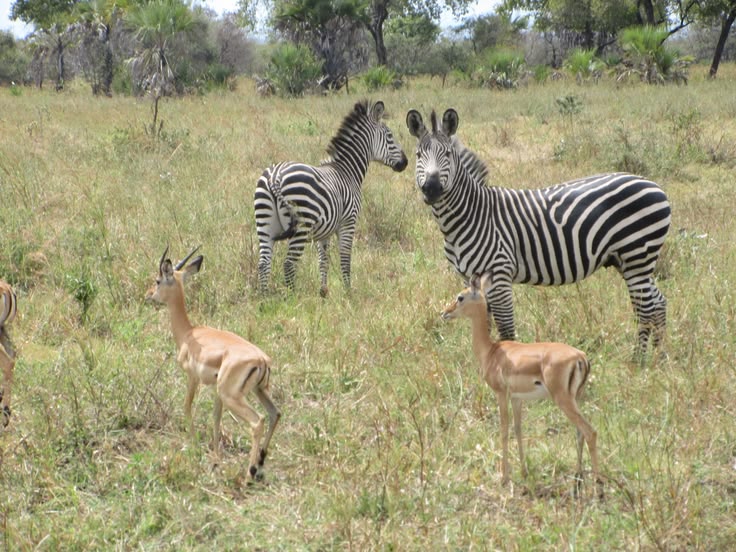
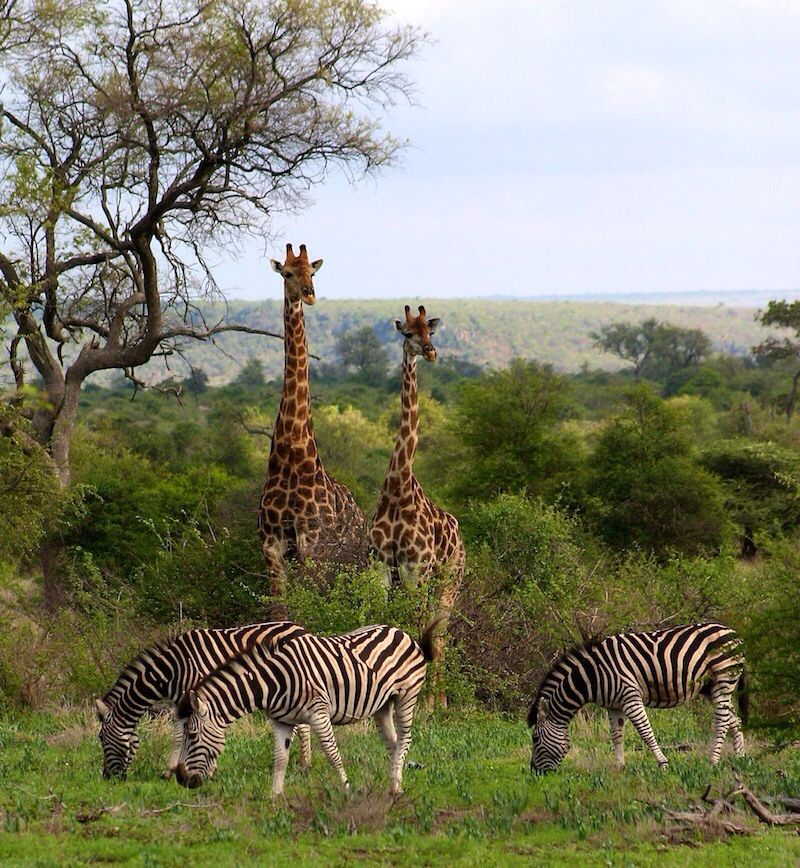
Giraffe & Zebra | Strong | Constant on the margins | Across the route |
Raptors & Waterbirds | Strong | Thermals and drawing pools | Banks and sky |
Leopard | Possible | Forest lines, firm-dust tracks | Grumeti forest |
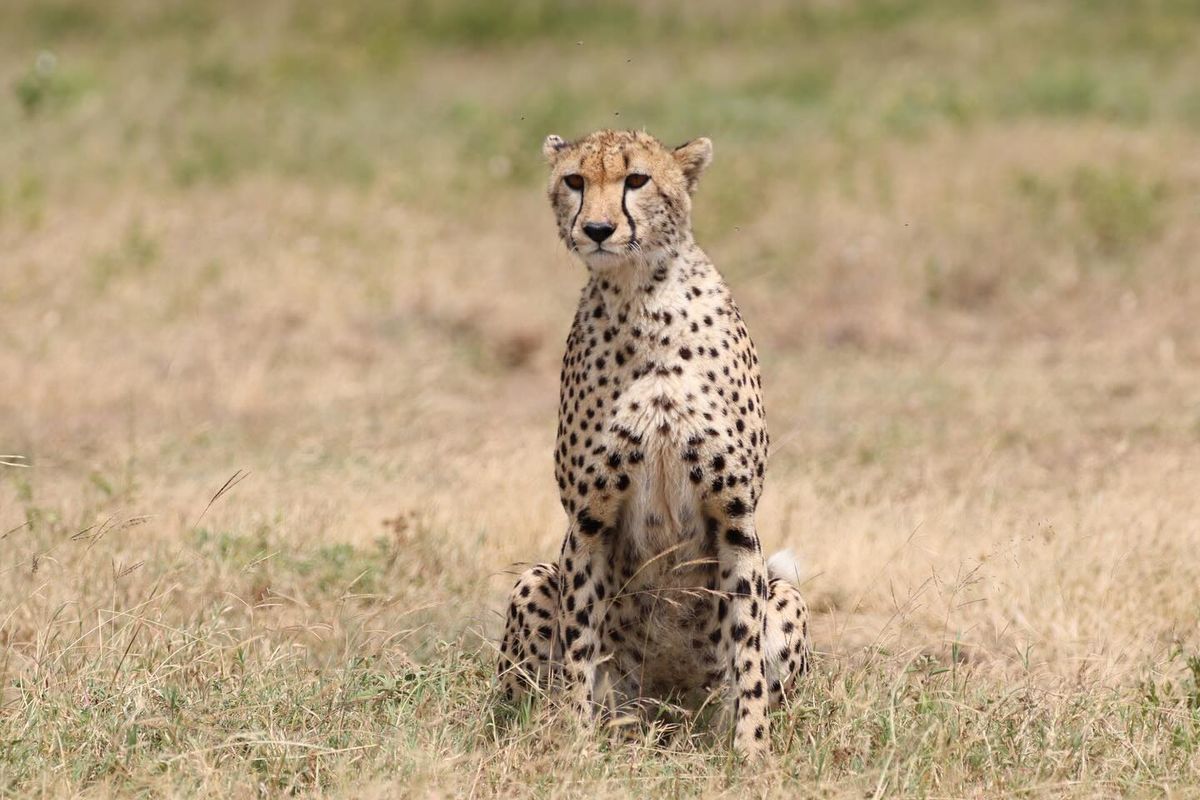
Cheetah | Possible | Cool hours, honest window | Drying floor |
Black Rhino | Possible | Solitary, slow approach | Kopje country |
No sighting and no crossing is guaranteed. Bank pressure shifts daily, and June weeks range from spectacular to watchful.
Meet Your Guide
Your guide is with you from the first session to the last, and on a game drive itinerary their knowledge is the trip.
Your Kizza Adventures Guide
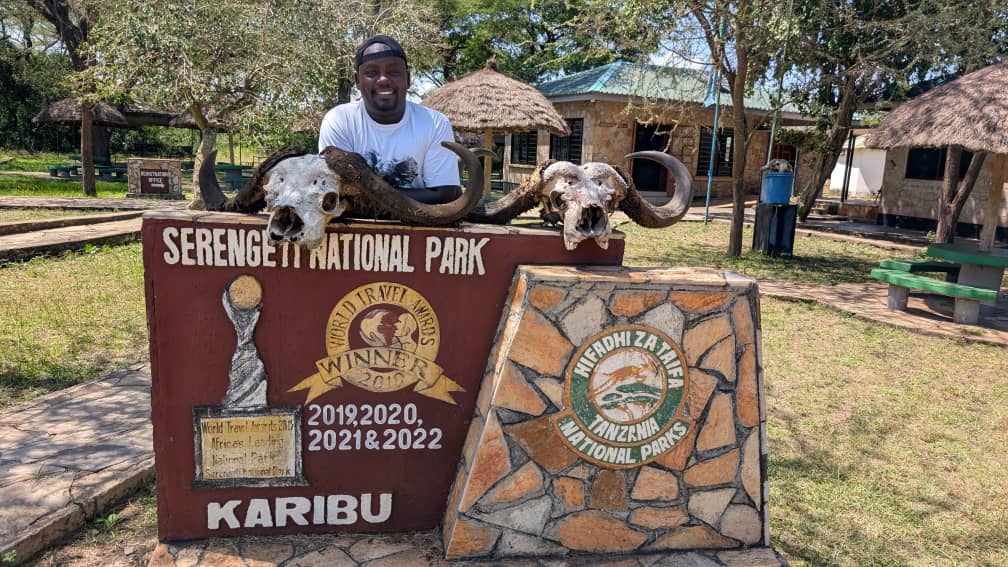
Your guide is with you all 8 days, reading the corridor's two stories at once: the banks, where the crossings set the schedule, and the resident ground, where routine produces the rest. Knowing when to leave a quiet bank for working kopjes is the whole skill of a June game drive.
Expect early bank positions held without apology and midday moves made decisively. The most valuable thing you take from five June days is a working map of how the corridor fits together, which the guide builds with you day by day.
Game Drive Safari Accommodation
Position matters more than category on any safari, and in June it matters more still, because you want to be on the right ground within minutes of leaving camp.
Corridor Position (Nights 1 & 2)
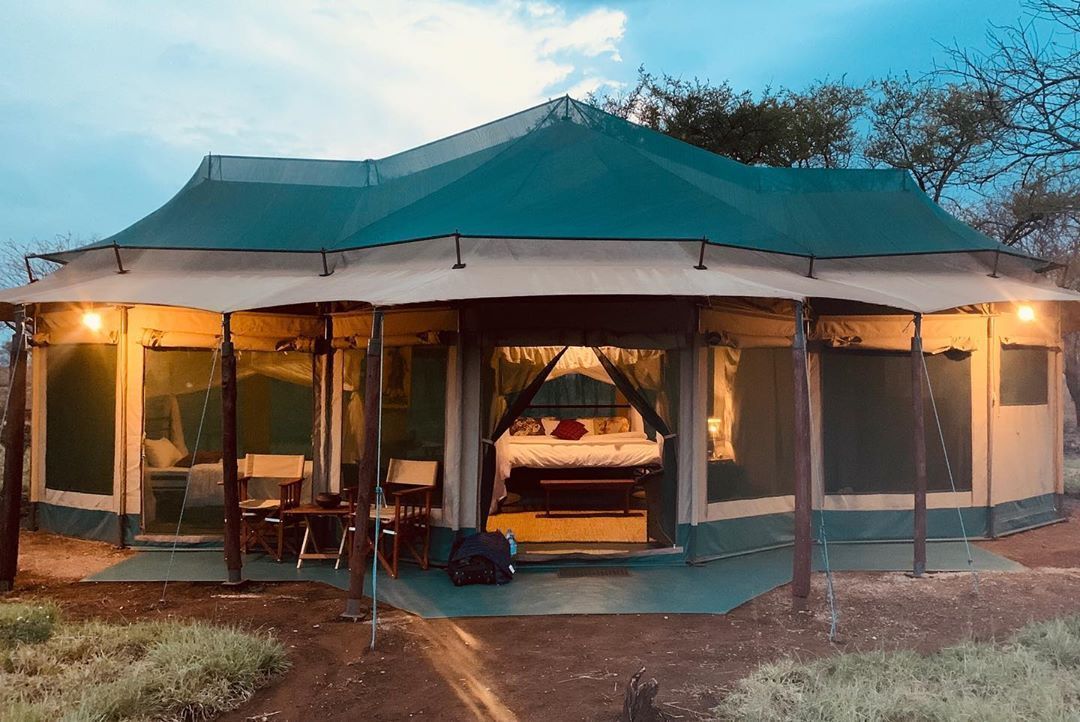
Placed for a quick reach to the banks and the kopje margins at first light, with the forest belt within easy repositioning.
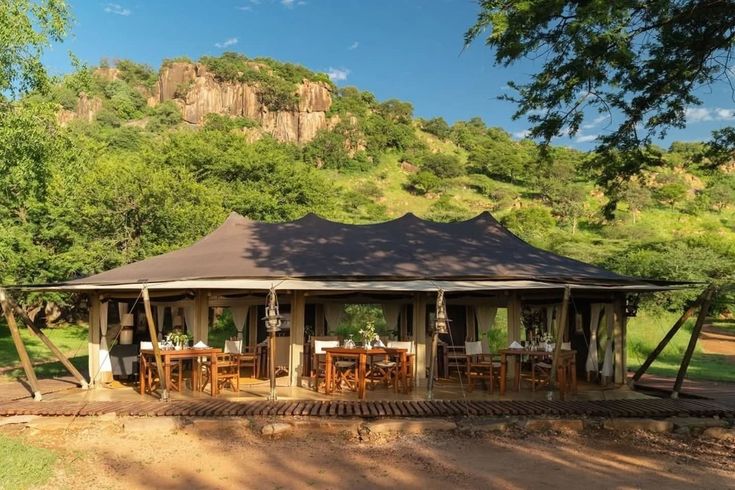
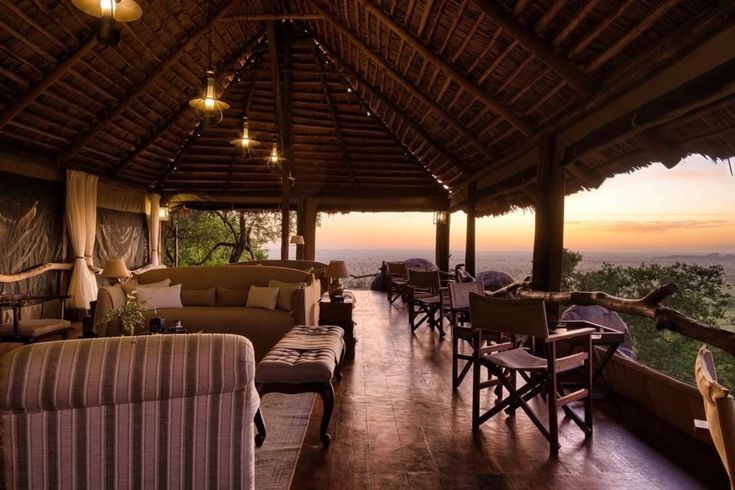
Bank or Forest Position (Nights 3 & 4)
The second half sits where the action is: bank-side for crossing weeks, forest-side when the river rests. Quoted from live availability.
Extra Nights & Zanzibar Extension
One more bank morning is the highest-value night in June. Add it, or finish on the coast.
Lodges subject to availability. Equivalent or superior alternatives june be used. Contact us for the current lodge selections for your dates.
Getting to the Western Corridor
Dry June roads to the corridor, with the days built around banks rather than transit.
The Arusha Run
Roughly five hours each way on dry, fast roads with a stop at the Ngorongoro rim. Day one still ends with an evening session rather than a full drive.
Banks Before Breakfast
The vehicle is at the water before first light on bank days. Transfers and repositions are deliberately stacked into the middle hours so dawn is never spent in transit.
Dry Roads, Dust Protocol
June tracks are firm throughout the corridor. Speeds rise, dust rises faster: closed windows on transits, cloths out at every stop.
Why the Circuit Loops
Banks, forest, kopjes, pools: the loop is designed so no habitat is visited twice in the same light, and the whole corridor gets covered without backtracking.
Roads and Surfaces
Graded dirt, firm and dusty. Bank approach tracks are slow by design; everything else moves well.
Flights and Arrival Times
Most guests land into Kilimanjaro the day before. June's dry roads forgive tighter schedules, but the arrival-evening session is still worth protecting.
The Safari Vehicle
A game drive vehicle is a working tool. This is what it is specified as, and why each part of it matters.
The pop-up roof and the drop-down window are what give you the photographic and viewing positions a normal saloon cannot offer, and they are fitted as standard.
Being able to move a short distance and wait without negotiating with a full load is the entire reason a private vehicle is standard here.
A bean bag lets a long lens be worked for six hours without wrecking your arms or losing the subject.
Camera batteries and phones are used hard in the field and cold dawn air drains them faster than you expect.
June brings green season dust and rain in the same week, and a lens cloth cleaned on the move is worth having in the vehicle.
Several pairs are carried for scanning and for birding stops, which in June are more productive than most visitors expect.
Best Time to Join a June Game Drive Safari
June is the first month a classic drive gets crossings with its residents. Here is the honest comparison.
June pairs working Grumeti banks with settled resident predators and drying roads, before the August crowds. The cost is bank competition at prime hours and dust everywhere. July and August bring bigger Mara drama with far more vehicles; May brings solitude with no crossings under way.
Great Migration Position in June
The annual loop, and where a June driving circuit sits on it.
June Game Drive Photography Notes
Bank patience, dust light and resident routines: what a driving photographer actually works with in June.
Water sets the range, so the 200-400mm lives on the body all bank morning. Frame pressure points, not the whole river.
Early-dry dust glows for the first ninety minutes and the last sixty. Midday is for pools, shade and card management.
The same pride at the same kopje three dawns running beats one lucky crossing frame. Work the routine subjects daily.
Dust on a transit ruins more frames than missed moments. Caps on, bags shut, clean at camp, every day.
Packing List for a June Game Drive Safari
What to bring for a green-season vehicle safari, and what you can safely leave behind.
Clothing for June Driving Days
- A genuinely warm layer for pre-dawn bank waits; June riverside dawns bite before the sun
- Neutral dust-hiding mid-tones; black shows every particle by nine
- Buff, hat and sunglasses as a set, not options
- Closed shoes with grip for bank slopes and granite viewpoints
- A fleece for open-vehicle evenings; wind chill surprises first-timers
Camera and Field Kit
- 200-400mm as the working lens for fixed-distance banks
- A wide or short tele for dust landscapes and storm-build afternoons
- Two bodies if possible; lens changes at the banks cost frames
- Batteries, cards and blower; bank days are long with no resupply
- Bean bag supplied and essential for staked-out mornings
June Travel Tips
Weather, roads, altitude and daily rhythm for a central circuit safari in June.
Your passport needs a valid margin beyond your travel dates, and the Tanzania visa is arranged before you arrive rather than at the border.
Near-cold at the river before dawn, hot and dusty by noon. Layer in the vehicle and shed as the banks warm.
Prime banks draw other vehicles. We arrive first, hold position, and use the quieter hours and resident ground to balance the busy ones.
Land the day before to protect the arrival-evening session, which in June often produces the trip's first lion.
Tanzanian shillings for small expenses; the tip custom for guides and camp staff is explained properly on booking.
Honeymoon & Family Options
How a classic game drive itinerary works for a honeymoon or a family group, and where it does not suit.
A Classic Safari Honeymoon, Quietly Done
A game drive safari is a genuinely good honeymoon format because it is unhurried in the way that matters. You are outside every day, in beautiful country, with a guide who handles all of the decisions, and the evenings are free for sundowners and long dinners. June is better than most months for it, because the traffic is low enough that you will regularly have a pride or a waterhole to yourselves on what would otherwise be a crowded viewpoint.
The honest trade is that 8 days of dawn starts are not restful in the way a beach holiday is. A couple who wants stimulation every hour will find the middle of the day slow, and a couple who is willing to sit still on a pride for two hours will have the best honeymoon we have ever arranged. We will tell you honestly which of those you are, rather than sell the wrong week.
Family Safari With a June Game Drive
The vehicle-as-classroom works at full power in June: crossings to watch, residents to learn, guides who teach tracking and behaviour between sightings. Children of most ages stay engaged because something is always happening.
We build the days around young attention spans: big mornings, pool-and-shade middays with activities, and evening sessions that end before tiredness does. Private vehicle means the plan bends to the children, never the reverse.
Verified Guests on This 8-Day June Game Drive Safari
What past travellers say about running a Serengeti game drive with us.
Every review for this safari is published on our own TripAdvisor profile rather than reprinted here, so what you read is what other travellers actually posted.
Running an June trip? Send us your question and we will answer it from the same trip, with the same guide, on WhatsApp.
Frequently Booked Together
Add-ons and extensions most often combined with an June central circuit itinerary.
Image Gallery
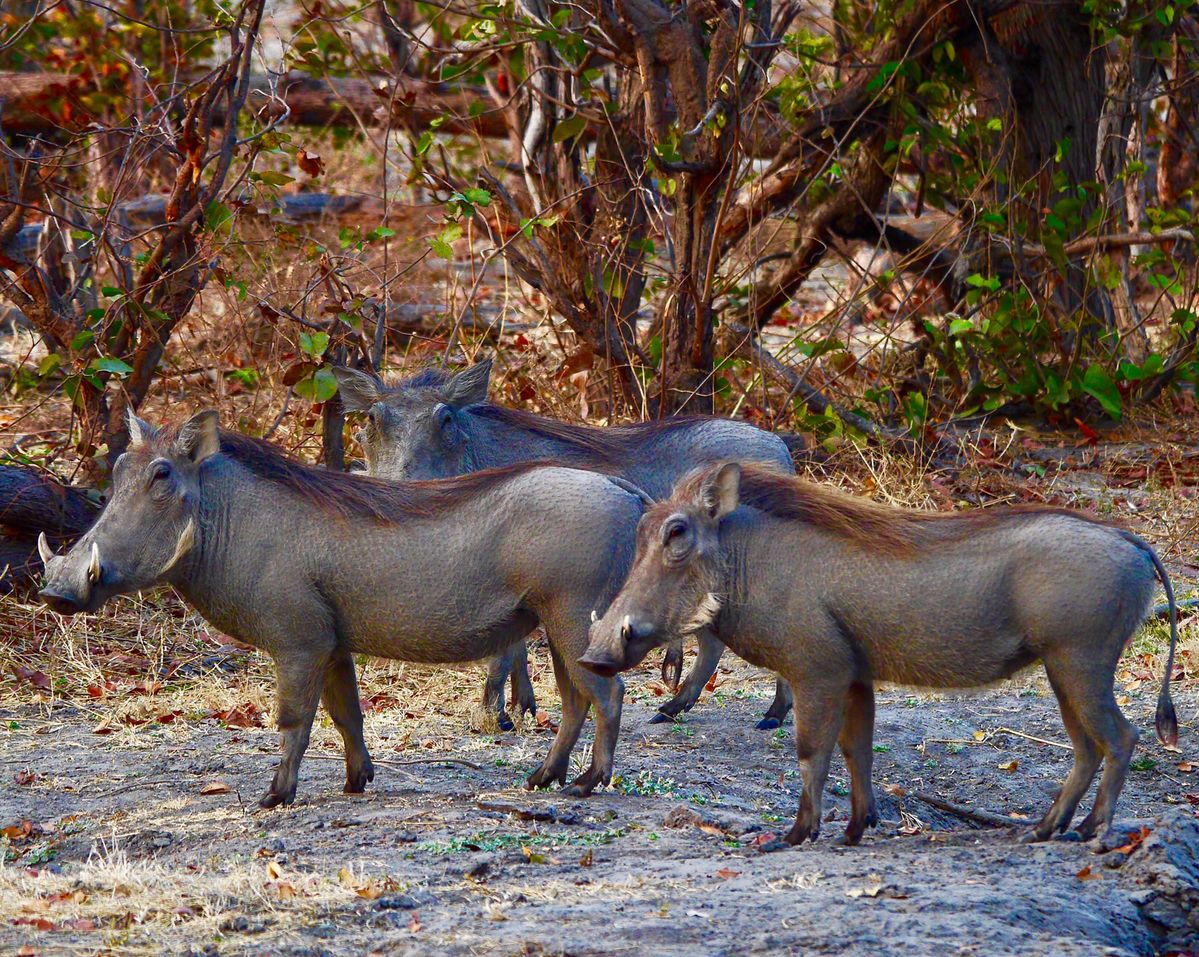
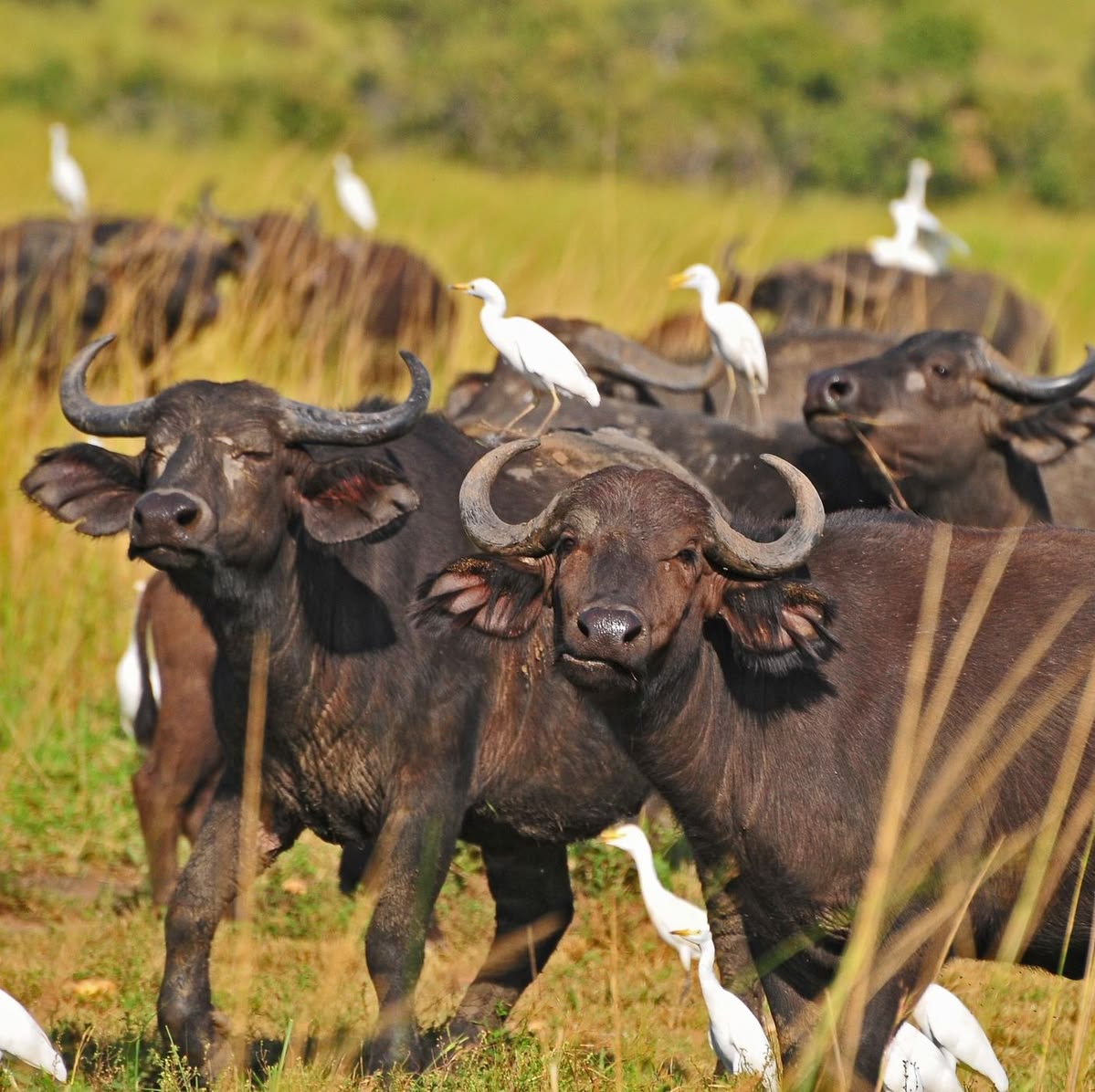
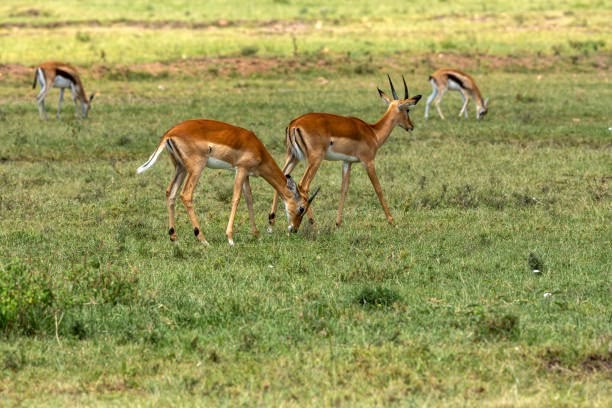
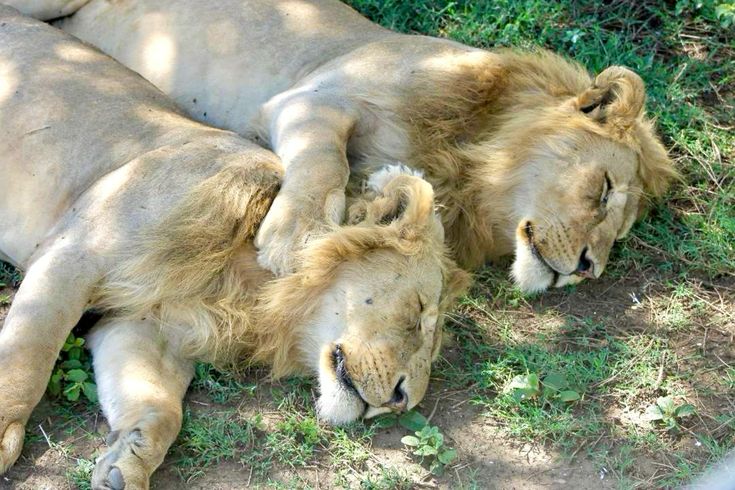
Images are representative of the ground and seasons this itinerary uses, not of a specific traveller's trip. View complete gallery →
June Game Drive Compared
Where a quiet green-season central circuit sits against the busiest months of the year, so you can decide which trade suits you.
| Feature | 8-Day June Game Drive | Peak Dry Season Safari |
|---|---|---|
| Primary subject | eight days on the ground that suits this category | The same Big Five alongside the migrating herds |
| Method | Repetition on fixed ground, repositioning by light | Long drives between fixed positions |
| Traffic | Very low, often alone on good ground | Heavy, especially at crossings and in the southern season |
| Scenery | Green grass, clean skies after rain, mist in the drainage lines | Dust, clear air and long flat horizons |
| Birding | Migrants and short-rain pools add a genuine birding layer | Good dry-season birding without the migrant movement |
| Best for | Travellers with 8 days wanting game drive | Travellers whose priority is the migration and the crossings |
Video Section
What an 8-day June central circuit looks like in motion, at the hours it actually works.
Video highlights are shared with confirmed bookings. Ask for the current footage when you enquire, so you are seeing this season rather than an old clip.
Inclusions and Exclusions
What the quotation covers, what it does not, and the items we price separately.
Included
- Safari vehicle with pop-up roof and your own driver-guide throughout
- Bean bags and window mounts fitted for long-lens work
- All accommodation as listed for the itinerary nights
- All meals per the confirmed meal plan
- Park entry fees and all road and activity levies
- Round-trip road transfer from Arusha or the airport
Not Included
- International flights to and from Tanzania
- Tanzania visa, which is arranged before you arrive
- Travel insurance, including medical and evacuation cover
- Gratuities for guides and camp staff
- Personal expenses, premium drinks and laundry
- Pre- or post-safari nights in Arusha
Your Quote, Built Around Your Dates
| Quote Field | Your Arrangement |
|---|---|
| Per Person | Current price — confirmed in your quote |
| Vehicle | Private, with pop-up roof and fittings |
| Accommodation | Position chosen for reach and first light |
| Guide | Central circuit specialist throughout |
We quote rather than publish prices, because the cost depends on your dates, group size, accommodation category and vehicle configuration. Add-ons such as a night drive, a photographic vehicle upgrade or extra nights are quoted separately, and we will tell you which of them actually changes your trip.
How to Book
Six steps from first message to departure. Nothing is charged until you have seen a written itinerary and confirmed the property.
Tell us your dates, group size and priorities: banks, residents or both. June weeks differ, and we match the circuit to the river's actual state.
A full breakdown with the circuit day by day, accommodation set out, and the crossing honesty in plain terms.
Once the quote is right we hold accommodation and vehicle while you confirm. June is the first busy-ish month, so holds run shorter than May's.
A deposit secures everything with the balance due before arrival, stated plainly in confirmation.
Final vouchers, guide details, circuit plan and transfer arrangements in writing before you travel.
Collected from Arusha or the airport, briefed on the banks that evening, at the water before first light next morning.
Frequently Asked Questions
The questions we are asked most often about an June game drive safari, answered as honestly as we can.
Ready for the Corridor at Full Volume?
Working banks at dawn, residents through the middle hours, and a private 4x4 throughout, in the first dry month of the movement.
Enquire now for current availability — no deposit requested at this stage