


Arusha – Serengeti Direct Safari Route: Straight to the Plains, No Park Detours
Follow the fastest overland safari from Arusha to the Serengeti direct — the Arusha to Serengeti road safari skips Tarangire, Manyara and the Ngorongoro Crater to put your game-driving hours straight into the central Serengeti plains, with two-day escapes up to full six-day circuits.
The Arusha – Serengeti Direct Road Safari Route
The Arusha – Serengeti direct route is the focused overland line between the safari gateway town and the Serengeti National Park. It draws a straight, time-efficient corridor from Arusha to the central Serengeti around Seronera, skipping the game-park detours that stretch other circuits.
By banking nearly every driving hour on the journey itself, the direct route suits travellers who want maximum time on the plains: two-day escapes cover a Serengeti arrival and game drives, while three to six-day circuits build out dawn and dusk loops, migration-movement days and optional northern extensions. The road passes farmland, the Great Rift Valley outlook and park-entry formalities before the plain opens — and the route can also be served by light-aircraft transfer when the road option is not required.
- Arusha start and finish
- No intermediate park detours
- Central Serengeti / Seronera focus
- Shared, private & luxury options
- From 2-day quick safaris to 6+ days
- Fly-in alternative available
Everything You Need to Know at a Glance
Start & Finish
This route starts and finishes in Arusha, Tanzania, the standard base for northern circuit safaris.
The Route
The planned driving route is Arusha → Central Serengeti (Seronera). Road conditions, park access and gate processing are confirmed at booking.
Length is Flexible
This route runs as anything from a very compact 2-day Serengeti escape to a longer 6-day-plus circuit. Your exact number of days and nights is confirmed when you book.
Core Wildlife Areas
The core wildlife area is the central Serengeti, with optional northern or southern extensions possible depending on the season and the confirmed itinerary.
How You Travel
Road safaris use a safari vehicle as standard, with a fly-in alternative available on request.
Safari Format
This route operates as a shared, small-group or private safari. The format and group size are confirmed when you book.
Best Time to Go
Safaris run year-round. The dry season is the most popular window, while the green season brings greener scenery and quieter parks.
Price on Request
Pricing depends on season, group size, days travelled and accommodation level. A confirmed quote is sent after you share your dates.
Arusha – Serengeti Direct, Explained
Each stage of the direct route moves you purposefully toward the plains. Follow the journey from the Arusha gateway, through the eastern approach and park entry, into central Serengeti — then home.
Route stage: The direct safari begins in Arusha, where the group meets the driver-guide and confirms the plan. The road heads west out of town toward Karatu and the northern circuit corridor that leads to the Serengeti's eastern approach — the most direct overland line from town.
Safari activity: There is usually no game drive during this transfer stage; the value of the direct route is that transfer time is spent moving, not detouring through other parks. Briefings cover the confirmed route, picnic logistics and park etiquette for the days ahead.
Wildlife focus: Wildlife viewing starts once the vehicle enters the protected ecosystem. This stage deliberately banks all viewing time for the Serengeti plains rather than spending morning hours in intermediate parks.
Destination context: Arusha sits beneath Mount Meru and is the gateway to Tanzania's northern safari circuit. Kilimanjaro International Airport and Arusha airport deliver travellers who want maximum park time on minimum transit.
Meals and timing: Departure times vary with hotel pickups and the confirmed schedule — direct-route mornings start early so the crossing of the entry corridor happens in daylight.
Overnight and logistics: Overnight in Arusha before the early departure, or connect straight from an inbound flight where timing allows. Pre-safari hotel nights are arranged only where separately confirmed.
Travel reality: The direct routing leaves little slack — late inbound flights or heavy traffic push the whole first day. Firm up timings with the team on arrival, not in advance.
Route stage: The road climbs through Karatu farmland and the Great Rift Valley outlook before joining the eastern approach to the Serengeti ecosystem, entering the park through the Naabi Hill Gate area.
Safari activity: Park-entry formalities, permits and vehicle checks are handled at the gate before the first Serengeti game drive begins. On 2-day transfers the next morning's activity may begin immediately after entry; on longer circuits a welcome drive runs toward the first camp.
Wildlife focus: The eastern gateway country — acacia woodland, open grassland and the plains edge — is where the Serengeti first shows itself: zebra and wildebeest moving with the grass, elephant in the drainage lines and predator country opening ahead.
Destination context: Naabi Hill is one of the traditional road entrances to the Serengeti National Park. Entry checks can involve queueing and are subject to the operational conditions of the day.
Meals and timing: Picnic or packed safari lunches are planned where the confirmed operation permits. Lunch usually happens after gate formalities, once inside the protected area.
Overnight and logistics: Most itineraries continue toward Central Serengeti accommodation after entry, with the exact camp or lodge depending on the chosen tier and the confirmed route.
Travel reality: Gate processing time is unpredictable and depends on arrivals, operational staffing and park conditions. Expect the crossing to take as long as the team and officials direct.
Route stage: The landscape opens into the central Serengeti around Seronera: open plains, rocky kopjes, riverine woodland and the predator habitat that anchors the safari days.
Safari activity: Game drives here are shaped by the season, water, grazing and predator movement. Where timing and park access allow, travellers work the river circuit at dawn, the kopjes at midday and the open plains toward dusk.
Wildlife focus: Seronera's riverine belt is leopard and lion country; the surrounding plains carry cheetah, hyena clans and the great herds in season. With no intermediate parks before this stage, the Serengeti receives the trip's entire game-viewing budget.
Destination context: Central Serengeti blends short-grass plains, scattered kopjes, watercourses and acacia stands. It is the classic heart of the park and a dependable base for multi-day wildlife circuits.
Meals and timing: Lunch is normally handled as a picnic or packed meal under the confirmed operation and park rules. Timing stays flexible because dawn starts and long loops set the rhythm.
Overnight and logistics: Most itineraries stay one or more nights in or near Central Serengeti. Lodges and tented camps follow the confirmed tier and the final route plan.
Travel reality: Serengeti is a vast ecosystem and wildlife movement changes with rainfall, pasture and season. Herd location, predator activity and road conditions flex every plan made in Arusha.
Route stage: The return to Arusha retraces the eastern corridor, a long scenic transfer that closes the direct loop and gives a last look at the plains edge.
Safari activity: A final pre-departure game drive is possible where timing and park access allow, before the group checks out and begins the drive back. Many travellers use the morning loop as the trip's last photography window.
Wildlife focus: The homeward leg passes back through country already covered — the eastern gateway woodland and the plains edge — rather than new game areas. Expect scenery and roadside wildlife only by chance.
Destination context: The descent from park country back toward Karatu and the Arusha plains mirrors the outbound climb in reverse. It is a day for counting highlights, not chasing new ones.
Meals and timing: Lodge and camp kitchens set the meal hours; dawn drives and the homeward transfer run on packed options. Confirm the last-morning breakfast timing the night before checkout.
Overnight and logistics: Drop-off runs to the confirmed Arusha point — hotel, airport or onward connection. Same-day flights need a generous buffer against traffic and checkpoints.
Travel reality: The homeward road is long and arrival times flex with traffic, gate checks, weather and stops. Treat the published arrival as an estimate confirmed on the ground.
Your Route: Arusha → Serengeti → Arusha
A direct northern Tanzania road circuit that puts its full wildlife budget into the Serengeti, without the Tarangire, Manyara or Ngorongoro detour.
Meet the team in Arusha, confirm the plan and begin the direct road journey west.
Climb through farmland and the Rift Valley outlook toward the Serengeti's eastern gateway.
Park formalities, then the first open-plains views of the Serengeti ecosystem.
Dawn, midday and dusk game drives in the park's classic predator country.
Final morning drive, then the homeward road journey east and your drop-off.
Interactive Safari Map
Follow the Arusha → Serengeti direct road circuit stop by stop, with each leg matched to the route stages above.
- Arusha
Safari gateway
Start and finish - Naabi Hill Gate
Eastern park entrance
Entry formalities - Central Serengeti
Open-plains wildlife zone
Main Serengeti time
Best Time to Travel the Arusha – Serengeti Direct Route
The route works year-round, but central Serengeti changes character with rainfall, grazing, seasonal wildlife movement and park access conditions.
Wildlife Along the Arusha – Serengeti Direct Route
One ecosystem worked hard: the central Serengeti's open plains, riverine woodland and kopjes deliver a concentrated predator-and-herbivore experience.
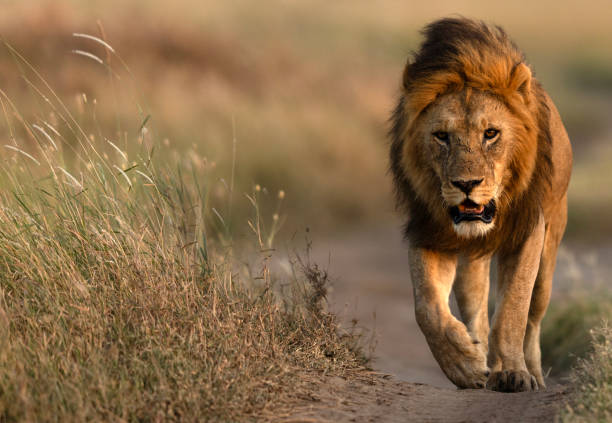
Central Serengeti is classic lion country; sightings depend on daily movement and the season.
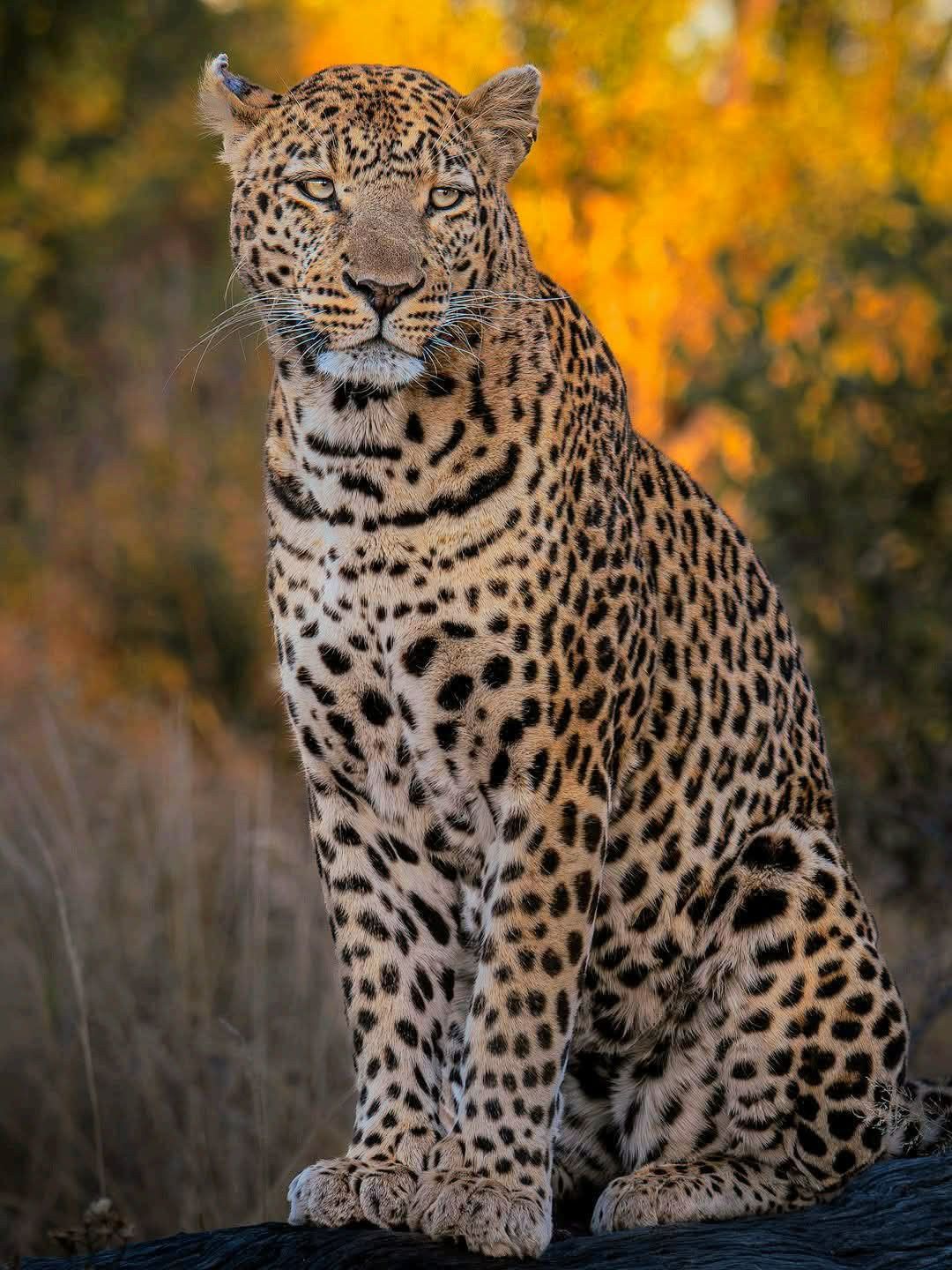
More elusive, often associated with riverine trees, kopjes and quiet viewing moments.
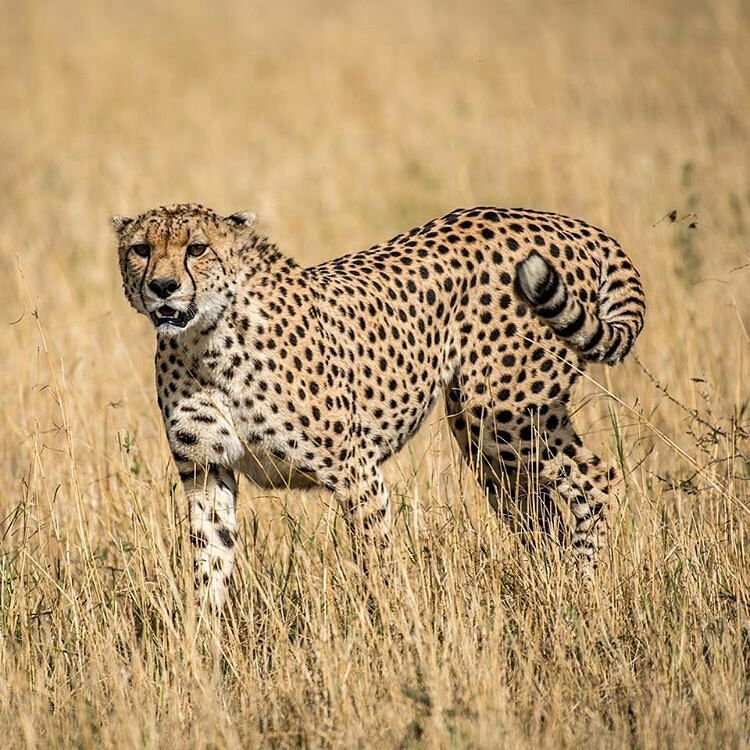
The open plains around Seronera are among the better areas to find cheetah on the hunt.
Elephants move with water and season, gravitating to river lines and drainage tracks.
The Seronera waterways and permanent pools are dependable hippo areas.
Large herds may be encountered in suitable grazing and water-rich areas.
Regularly seen across the grasslands and open habitats of the central circuit.
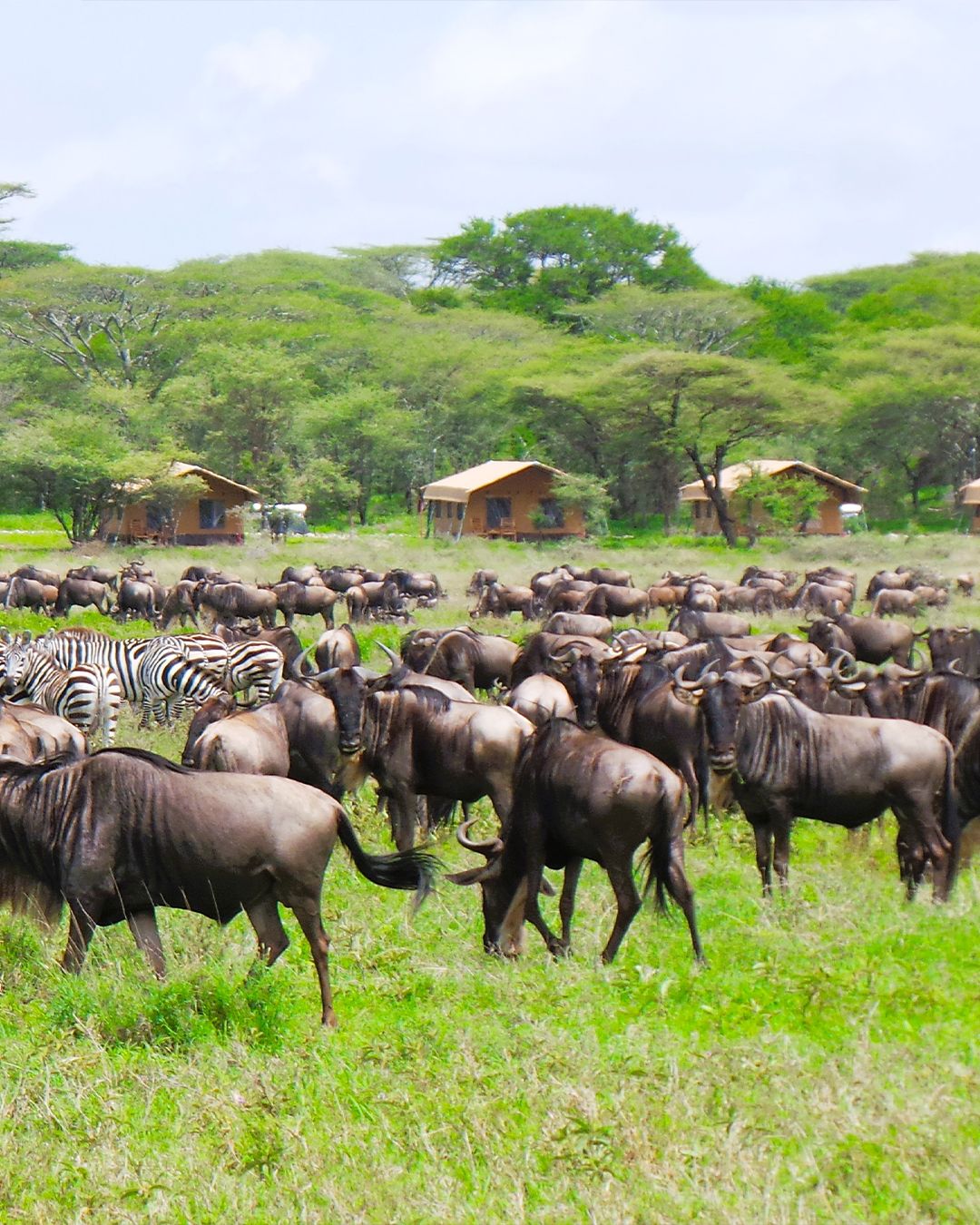
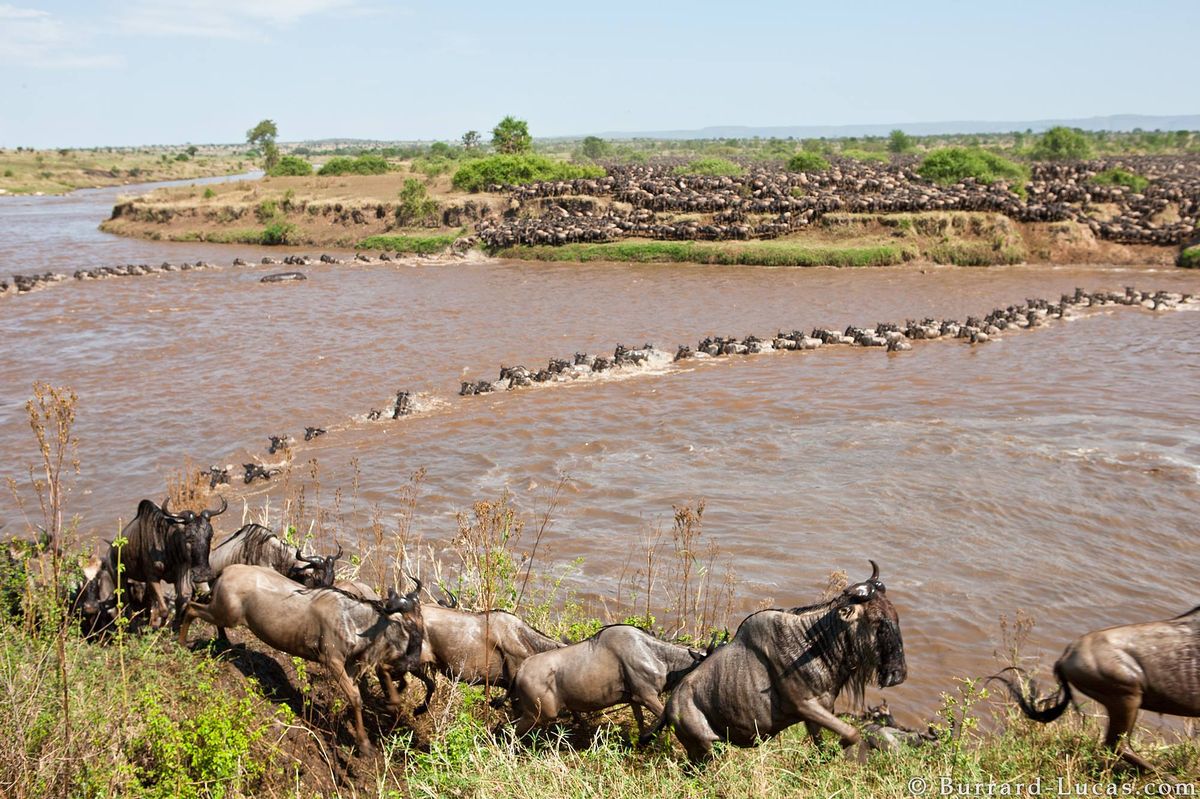
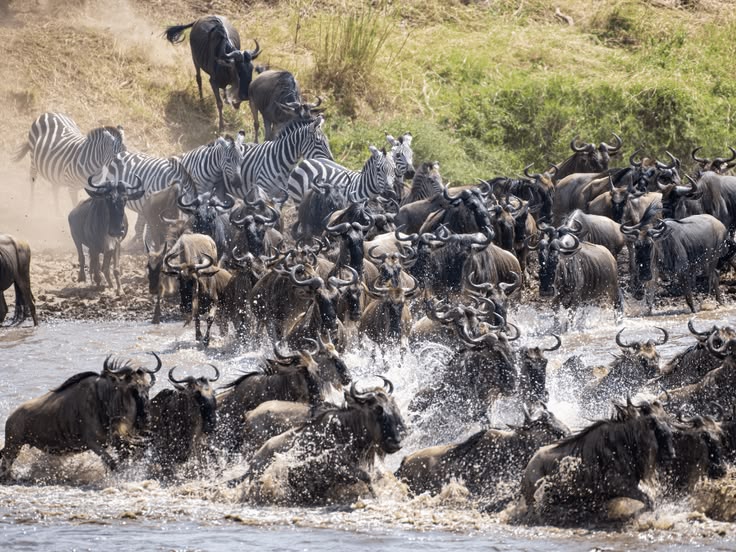
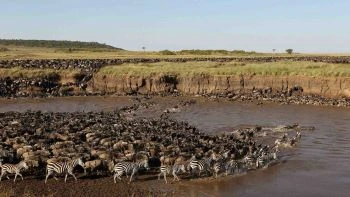
Seasonal movement and resident herds contribute to the Serengeti wildlife spectacle.
Open Serengeti savanna and acacia lines; giraffe are regularly recorded.
Clans work the plains and hunt alongside dawn and dusk movements.
Open-country canids add interest to plains drives.
Secretary birds, raptors, starlings and open-country species add year-round diversity.
| Animal | Potential Encounter | Best Viewing Context | Route Area |
|---|---|---|---|
Lion | Strong | Open plains and riverine predator habitat | Central Serengeti |
Leopard | Possible | Riverine trees and quiet areas | Central Serengeti |
Cheetah | Possible | Open short-grass plains | Central Serengeti |
Elephant | Strong | River lines and drainage areas | Central Serengeti |
Hippo | Strong | Seronera waterways and permanent pools | Central Serengeti |
Buffalo | Strong | Grazing areas and water-rich habitats | Central Serengeti |
Zebra | Strong | Open grasslands | Central Serengeti |
Wildebeest | Strong | Grasslands and seasonal migration zones | Central Serengeti |
Giraffe | Possible | Savanna and acacia lines | Central Serengeti |
Hyena | Strong | Open plains, dawn and dusk | Central Serengeti |
Birds | Strong | Open country, waterlines and savanna | Central Serengeti |
No sighting is guaranteed. Animal movement varies with weather, season, food, water and the day-to-day conditions of the ecosystem.
Tanzania Safari Packages on the Arusha – Serengeti Direct Route
Every itinerary below uses the direct Arusha to Serengeti connection. Compare short game-drive escapes, private luxury circuits and migration-focused departures, then request the current quotation for your dates.
Prices are on request and confirmed against dates, group size and accommodation. Equivalent or superior properties may be substituted when necessary.
Why Choose Kizza Adventures for This Route?
The direct route is planned around efficient road logistics, maximum Serengeti time and a wildlife-first approach to the plains ecosystem.
Route planning and wildlife interpretation are built around Tanzania's northern safari landscape.
The direct corridor puts your whole wildlife budget into the Serengeti rather than transit parks.
Shared, luxury and private options all follow the same direct route.
Extra Serengeti nights, northern extensions or a Crater visit can be requested.
Pricing is confirmed against dates, group size, accommodation and final inclusions.
Wildlife is observed according to park rules, with no guaranteed sightings advertised.
Guests receive a clear operational plan before departure, including packing and travel details.
Contact the safari team directly for current availability and the correct current quotation.
Road Route vs Fly-In Serengeti Safari
This page covers the direct road circuit. A fly-in safari is a separate product with its own flight, baggage and cost rules.
| Feature | Road Route (This Page) | Fly-In Serengeti Safari |
|---|---|---|
| Transport | Road safari direct to the Serengeti | Scheduled or light aircraft flight to an airstrip |
| Landscape | Overland transition through the eastern corridor | Serengeti-focused, less transit time |
| Road Time | Medium-High | Low |
| Best For | Flexibility + value | Time-saving + convenience |
| Typical Route | Arusha → Serengeti direct | Arusha / Zanzibar → Serengeti airstrip |
Essential Tanzania Safari Travel Information
Operational requirements vary by nationality and travel date, so use official Tanzania sources and your final booking documents for current requirements.
Travel with a passport valid for the required period and verify Tanzania visa or entry requirements for your nationality before departure.
Consult a qualified travel-health professional for vaccines, malaria prevention and any personal medical preparation.
Comprehensive travel insurance is strongly recommended for medical treatment, evacuation, cancellation and baggage disruption.
Carry a practical combination of payment methods. Remote safari areas may not offer dependable ATM access.
Mobile coverage varies across the route. Treat wilderness connectivity as intermittent rather than guaranteed.
Stay on designated tracks, remain in the vehicle when required and follow guide and park instructions at all times.
Safari Gallery — Experience the Route Before You Arrive
The open plains, kopjes and wildlife of the Serengeti — a preview of the direct route's landscapes.
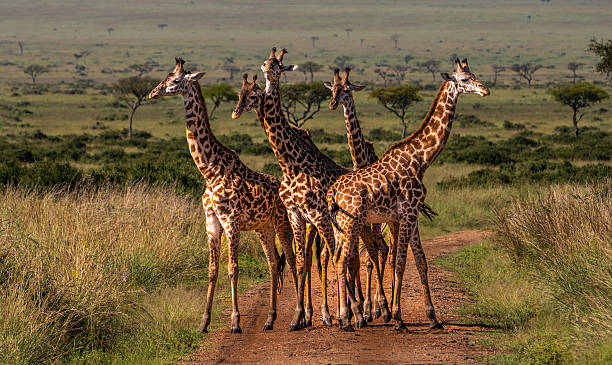
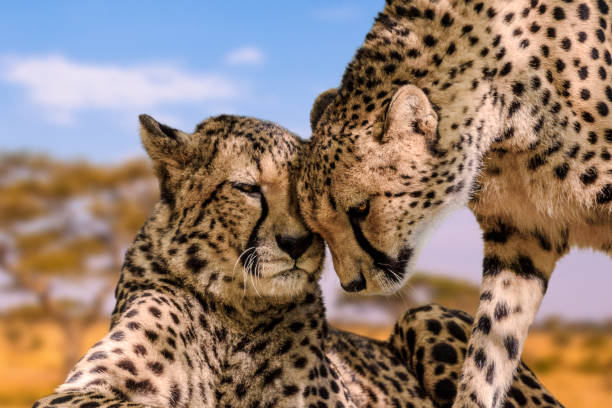
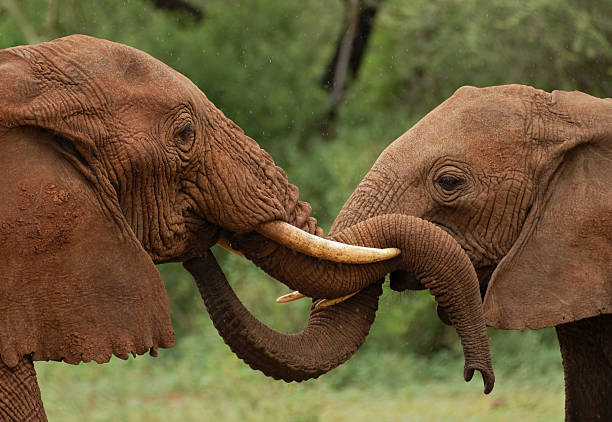
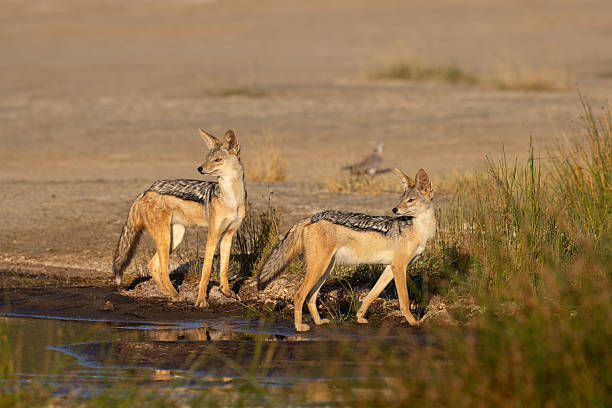
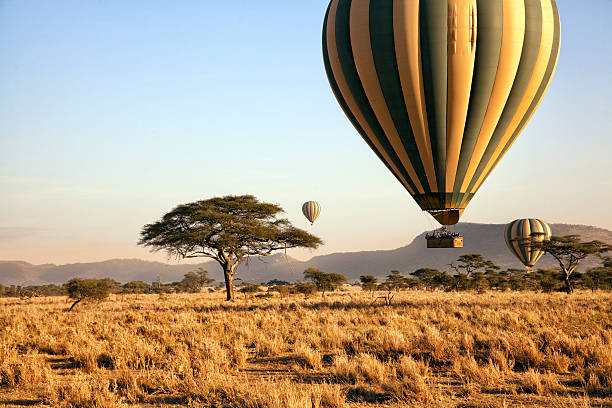
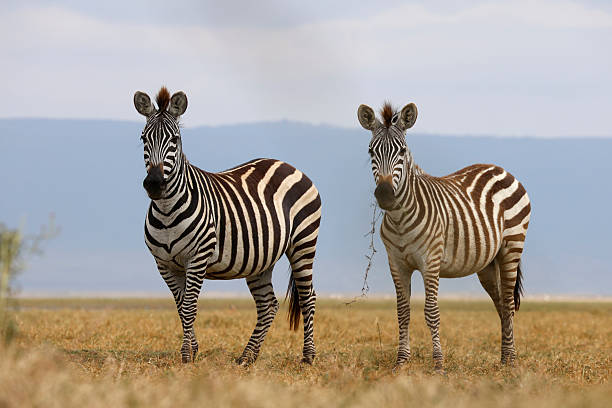
Frames from the Serengeti and the northern circuit. View complete gallery →
Frequently Asked Questions About the Arusha – Serengeti Direct Route
Practical answers for travellers planning a direct road safari from Arusha to the Serengeti plains.
How to Book a Safari on This Route
Requesting this route is straightforward: send your dates and group details, then confirm current availability and the correct current quotation.
Share your preferred start date and number of travellers.
Decide between shared, small-group or private travel and your preferred budget tier.
Confirm whether your dates can operate on the Arusha – Serengeti direct route.
Review the proposed lodges or camps along the route.
Get the current price, inclusions, park charges and payment instructions.
Receive the operational itinerary and prepare for your Arusha departure.

Ready to Travel the Arusha – Serengeti Direct Route?
Plan the direct road safari from Arusha to the central Serengeti plains — choose a shared, private or luxury itinerary and request the current quotation for your dates.
Availability, group size and pricing are confirmed on booking.