


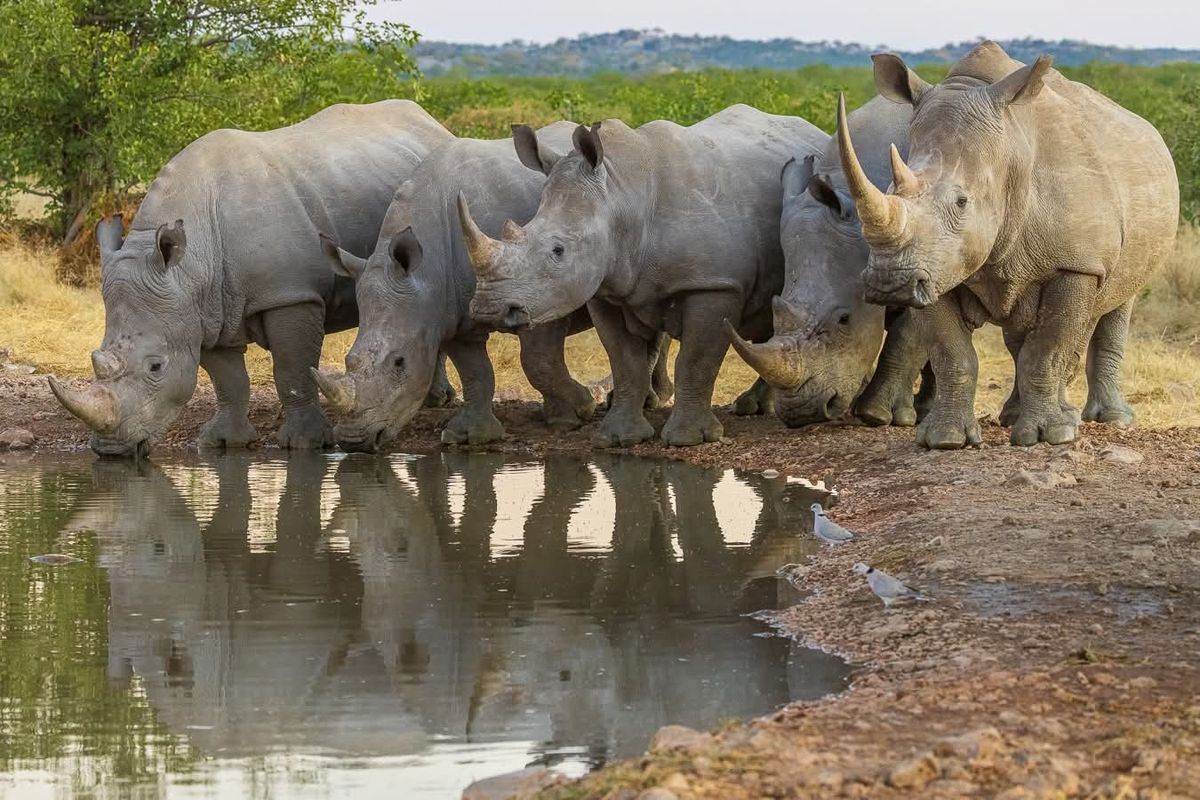
Arusha – Tarangire – Ngorongoro – Serengeti Safari Route: Elephant Country, Crater Floor & Endless Plains
Follow the classic northern Tanzania road safari from Arusha to the Serengeti via Tarangire National Park and the Ngorongoro Crater — the Arusha – Tarangire – Ngorongoro – Serengeti route that links elephant country, a crater ecosystem and the endless Serengeti plains, with real safari packages for every budget and pace.
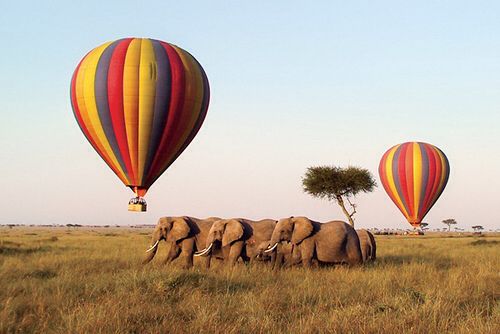
The Classic Arusha – Tarangire – Ngorongoro – Serengeti Safari Route
The Arusha – Tarangire – Ngorongoro – Serengeti route is the definitive northern Tanzania road safari circuit. It begins in Arusha, the safari gateway beneath Mount Meru, and threads three of the country's best-known wildlife areas into one continuous journey: the elephant-and-baobab country of Tarangire National Park, the concentrated wildlife of the Ngorongoro Crater, and the open plains of the Serengeti.
Because the route links very different habitats, the scenery changes constantly as the road climbs from lowland woodland into the Ngorongoro highlands and then opens onto the Serengeti plains. Safari packages on this route range from compact three-day shared departures to week-long mid-range and luxury itineraries, and the route can also be travelled privately or extended to Zanzibar.
- Arusha start and finish
- Tarangire elephants & baobabs
- Ngorongoro Crater wildlife drive
- Serengeti plains game drives
- Shared, private & mid-range options
- Extendable to Zanzibar
Everything You Need to Know at a Glance
Start & Finish
This route starts and finishes in Arusha, Tanzania, the standard base for northern circuit safaris.
The Route
The planned driving route is Arusha → Tarangire → Ngorongoro → Serengeti. Road conditions, park access and border processing are confirmed at booking.
Length is Flexible
This route runs as anything from a short 3-day safari to a longer 12-day tour. Your exact number of days and nights is confirmed when you book.
Core Wildlife Areas
The core wildlife areas are tarangire • ngorongoro • serengeti. Each offers a different habitat, and actual sightings depend on season, wildlife movement and luck.
How You Travel
Road safaris use a safari vehicle as standard, with a fly-in alternative available on request.
Safari Format
This route operates as a shared, small-group or private safari. The format and group size are confirmed when you book.
Best Time to Go
Safaris run year-round. The dry season is the most popular window, while the green season brings greener scenery and quieter parks.
Price on Request
Pricing depends on season, group size, days travelled and accommodation level. A confirmed quote is sent after you share your dates.
Arusha – Tarangire – Ngorongoro – Serengeti, Explained
Each stage of the route has its own landscape, wildlife focus and practical rhythm. Follow the journey from the safari gateway in Arusha, through Tarangire and the Ngorongoro Crater, and on to the Serengeti plains before the return road journey.
Route stage: Arrive in Arusha, meet the safari team, confirm the plan and prepare for the northern circuit road journey toward Tarangire elephant country, the Ngorongoro highlands and the Serengeti plains beyond.
Safari activity: There is usually no game drive in Arusha itself, but the town is where the safari is organised. Briefings cover the confirmed route, picnic logistics, park etiquette and the departure order, and the vehicle is checked and loaded for the Tarangire leg.
Wildlife focus: Arusha town is not a game-viewing destination — the wildlife story starts tomorrow at Tarangire's river. Travellers with a spare day sometimes add nearby Arusha National Park or a cultural walk, but only where separately arranged and confirmed.
Destination context: Arusha sits beneath Mount Meru and acts as the gateway to Tanzania's northern safari circuit. Kilimanjaro International Airport and the smaller Arusha airport feed the town, whose markets, outfitters and safari offices exist almost entirely for the parks ahead.
Meals and timing: Meals depend on your pre-safari accommodation arrangement. Departure times vary with hotel pickups, road traffic and the confirmed schedule for the Tarangire drive.
Overnight and logistics: Bank a pre-safari night in Arusha or connect straight from an inbound flight — either way the Tarangire departure needs you rested and packed. Extra hotel nights are arranged only where separately confirmed.
Travel reality: Arusha traffic and staggered hotel pickups set the real departure time. Treat the first-day schedule as a ground-confirmed plan, not a fixed timetable.
Route stage: Leave Arusha and travel the tar road toward Tarangire National Park — about 118 km, roughly 2.5 hours with the usual stops — where the northern circuit's first major wildlife chapter begins among dry-country baobabs and the river-grained plains.
Safari activity: A full game drive explores the park's river system and seasonal water sources where animals gather. The route follows the Tarangire River bends and marsh margins with unhurried photography stops, and a picnic lunch is fitted around the drive.
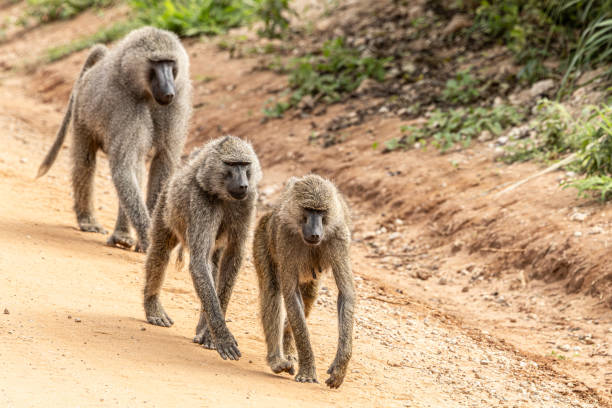
Wildlife focus: Tarangire is elephant country first: big herds work the river alongside buffalo, zebra, wildebeest and giraffe, with baboon troops and rich birdlife filling the midday hours. Lion and other predators are possible but never promised — dry-season concentrations are strongest, green-season herds scatter wider.
Destination context: Giant baobabs tower over mixed woodland, the river threads the park's centre, and the Silale swamp margins hold water deep into the dry months. It is the classic first park of the northern circuit for good reason — big, open and immediately rewarding.
Meals and timing: A picnic or packed safari lunch is planned for the day's route where the confirmed operation permits it. Lunch timing flexes around wildlife sightings rather than the clock.
Overnight and logistics: Many itineraries continue after Tarangire to the Makuyuni and Karatu corridor for an overnight in the Karatu or Ngorongoro area, positioning the vehicle for the crater descent. Lodges, tented camps or campsites follow the product tier confirmed at booking.
Travel reality: Wildlife encounters, park entry procedures and road conditions all affect the day's final arrival time. Elephants and other species move with water and forage, so the route bends toward the herds rather than a fixed loop.
Route stage: Travel from the Karatu and Tarangire corridor into the Ngorongoro highlands, climb to the crater rim and descend the 600 m wall onto the floor for one of the route's defining wildlife mornings.
Safari activity: A crater game drive usually forms the main wildlife portion of the morning. The guide interprets the relationship between open grassland, swamp edges and the soda lake, pacing the loops so the fixed climb-out window is never rushed.
Wildlife focus: The crater holds some of Africa's densest resident game: lion prides on the grass, huge buffalo herds, hippo pods, hyena clans and flamingo shallows on Lake Magadi. Black rhino have their best-documented Tanzanian ground here yet stay uncommon and are never promised.
Destination context: The world's largest intact volcanic caldera reads as a natural amphitheatre — grassland rings, the Gorigor Swamp greens, Lerai forest pockets and the lake's shimmer. Its enclosed geography is exactly why so much wildlife stays year-round.
Meals and timing: Lunch is normally handled as a picnic or packed meal under the confirmed operation and park rules. Timing stays flexible because the descent window and floor route set the day's shape.
Overnight and logistics: Crater access is subject to park access, permits and capacity limits, so the exact descent time and duration are confirmed with your booking. Most itineraries overnight on the highlands or near Karatu before the Serengeti leg.
Travel reality: Crater permits, wildlife viewing and road conditions can all affect timing on this stage. No responsible safari guarantees a full set of sightings — the floor gives odds, not promises.
Route stage: Continue from the Ngorongoro highlands into the Serengeti ecosystem via Naabi Hill Gate, where the landscape finally opens into the plains, kopjes and wildlife movements the whole route has been building toward.
Safari activity: Game drives in the Serengeti are shaped by the season, water, grazing and predator movement. Where timing and park access allow, travellers combine riverine loops, kopje circuits and migration-line checks guided by ranger reports.
Wildlife focus: Central Serengeti around Seronera mixes resident predators — lion prides, leopards in the fig trees, cheetah on the short grass — with the great migration's columns in season. Crossings and herd positions are never promised; resident game carries the quieter months superbly.
Destination context: Endless short-grass plains run to granite kopjes, each a lion lookout or hyrax colony, while the Seronera River threads the valley with year-round water. It is the largest and wildest stage of the route.
Meals and timing: Serengeti lodges and camps run fixed meal hours, with packed breakfasts and picnic lunches covering dawn starts and long loops. Your guide syncs each day's drive plan with the kitchen every evening.
Overnight and logistics: Most itineraries overnight in or near Central Serengeti before the return to Arusha. The return is a substantial road transfer through the highlands, so departure days start early.
Travel reality: Serengeti is a vast ecosystem and wildlife movement changes with rainfall, pasture and season. Herd location, predator activity and road conditions all flex the day — flexibility is the price of the best sightings.
Your Route: Arusha → Tarangire → Ngorongoro → Serengeti → Arusha
A classic northern Tanzania road circuit designed to reach the Serengeti while still experiencing Tarangire and the Ngorongoro Crater.
Arrive in Arusha, meet the safari team and prepare for the northern circuit road journey.
Game drive among baobab country and river corridors, then onward toward the Karatu / Ngorongoro area.
Descend to the crater floor for a concentrated wildlife drive before climbing to the highlands.
Enter the Serengeti ecosystem for game drives shaped by season, water and predator movement.
Final morning game drive, then the return road journey east toward Arusha and your drop-off.
Interactive Safari Map
Follow the Arusha → Tarangire → Ngorongoro → Serengeti road circuit stop by stop, with each leg matched to the route stages above.
- Arusha
Safari gateway
Start and finish - Tarangire
Elephants and baobabs
First wildlife chapter - Ngorongoro
Crater wildlife drive
Concentrated game viewing - Central Serengeti
Open-plains wildlife zone
Main Serengeti time
Best Time to Travel the Arusha – Tarangire – Ngorongoro – Serengeti Route
The route works year-round, but each area changes character with rainfall, grazing and seasonal wildlife movement.
Wildlife Along the Tarangire–Ngorongoro–Serengeti Route
Three ecosystems create a broad wildlife experience, from elephant country and crater-floor grazers to Serengeti predators and seasonal herbivore movement.
A Tarangire signature, especially around water and woodland habitats.
Possible across Tarangire, Ngorongoro and Serengeti; sightings depend on daily movement.
More elusive, often associated with trees, riverine habitat and quiet viewing moments.
Large herds may be encountered in suitable grazing and water-rich areas.
Possible in the Ngorongoro ecosystem, but sightings are uncommon and never guaranteed.
Regularly seen across the grasslands and open habitats of the northern circuit.
Seasonal movement and resident herds contribute to the Serengeti wildlife spectacle.
Especially characteristic of Tarangire's woodland and open savanna mosaics.
Open plains provide suitable hunting habitat, though sightings are never promised.
Possible around permanent or seasonal water bodies, particularly in the crater setting.
Adaptable predators and scavengers encountered in several habitats along the route.
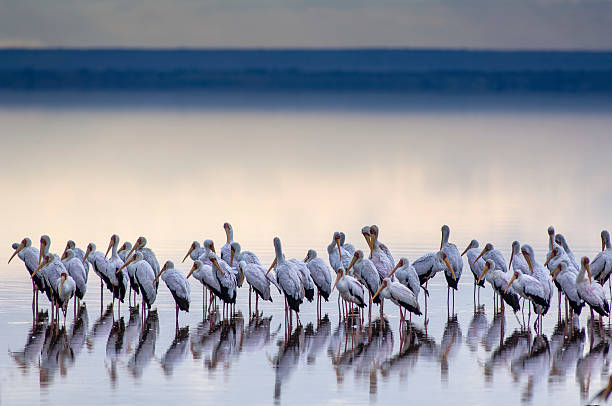
Tarangire is especially notable for bird diversity; the wider circuit adds raptors and waterbirds.
| Animal | Potential Encounter | Best Viewing Context | Route Area |
|---|---|---|---|
Elephant | Strong | Water / woodland / dry-season concentration | Tarangire |
Lion | Strong | Open plains and predator-rich habitats | Ngorongoro / Serengeti |
Leopard | Possible | Riverine trees and quiet areas | Serengeti / Tarangire |
Buffalo | Strong | Grazing areas and water-rich habitats | Ngorongoro / Serengeti |
Black Rhino | Rare | Suitable protected crater / woodland habitat | Ngorongoro |
Zebra | Strong | Open grasslands | All three areas |
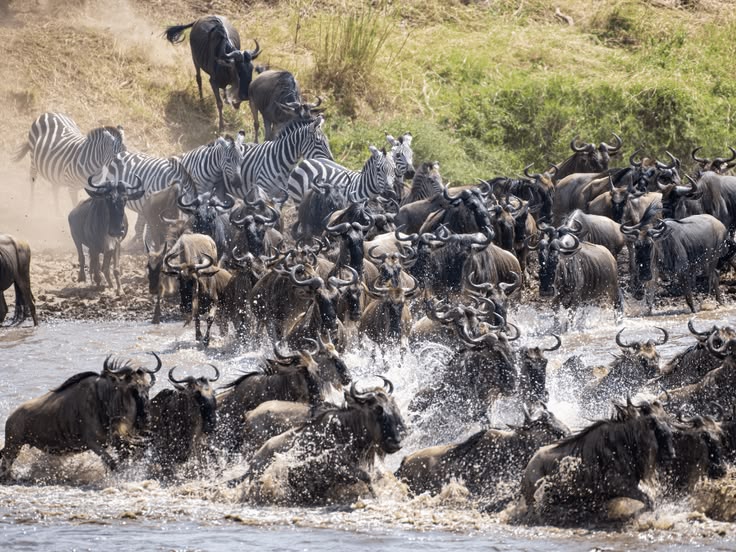
Wildebeest | Strong | Grasslands and seasonal migration zones | Serengeti / Ngorongoro |
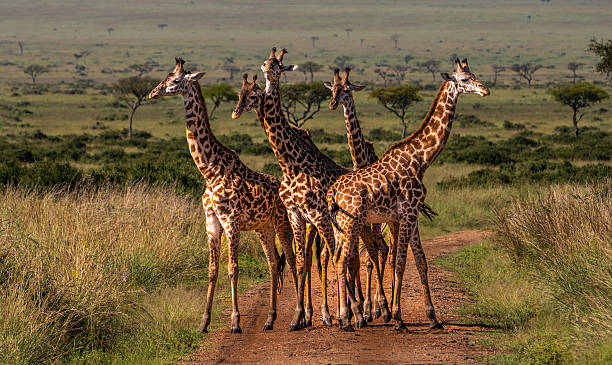
Giraffe | Strong | Woodland and savanna | Tarangire |
Cheetah | Possible | Open plains with broad visibility | Serengeti |
Birds | Strong | Wetlands, woodland, river and open country | Especially Tarangire |
No sighting is guaranteed. Animal movement varies with weather, season, food, water and the day-to-day conditions of the ecosystem.
Tanzania Safari Packages on the Arusha – Tarangire – Ngorongoro – Serengeti Route
Every itinerary below follows this northern circuit road route. Compare shared, budget, mid-range and honeymoon options, then request the current quotation for your dates.
Prices are on request and confirmed against dates, group size and accommodation. Equivalent or superior properties may be substituted when necessary.
Why Choose Kizza Adventures for This Route?
The route is planned around clear sequencing, practical road logistics and a straightforward northern Tanzania wildlife experience.
Route planning and wildlife interpretation are built around Tanzania's northern safari landscape.
Shared, budget, mid-range and honeymoon options all follow the same classic route.
Tarangire, Ngorongoro and Serengeti are shown in the actual sequence of travel.
Extra Serengeti nights, Zanzibar or other northern circuit destinations can be requested.
Pricing is confirmed against dates, group size, accommodation and final inclusions.
Wildlife is observed according to park rules, with no guaranteed sightings advertised.
Guests receive a clear operational plan before departure, including packing and travel details.
Contact the safari team directly for current availability and the correct current quotation.
Road Route vs Fly-In Serengeti Safari
This page covers the road circuit. A fly-in safari is a separate product with its own flight, baggage and cost rules.
| Feature | Road Route (This Page) | Fly-In Serengeti Safari |
|---|---|---|
| Transport | Road safari through Tarangire & Ngorongoro | Scheduled or light aircraft flight |
| Landscape | Full overland transitions | Serengeti-focused, less road time |
| Road Time | High | Low |
| Best For | Classic circuit + value | Time-saving + convenience |
| Typical Route | Arusha → Tarangire → Ngorongoro → Serengeti | Arusha / Zanzibar → Serengeti airstrip |
Essential Tanzania Safari Travel Information
Operational requirements vary by nationality and travel date, so use official Tanzania sources and your final booking documents for current requirements.
Travel with a passport valid for the required period and verify Tanzania visa or entry requirements for your nationality before departure.
Consult a qualified travel-health professional for vaccines, malaria prevention and any personal medical preparation.
Comprehensive travel insurance is strongly recommended for medical treatment, evacuation, cancellation and baggage disruption.
Carry a practical combination of payment methods. Remote safari areas may not offer dependable ATM access.
Mobile coverage varies across the route. Treat wilderness connectivity as intermittent rather than guaranteed.
Stay on designated tracks, remain in the vehicle when required and follow guide and park instructions at all times.
Safari Gallery — Experience the Route Before You Arrive
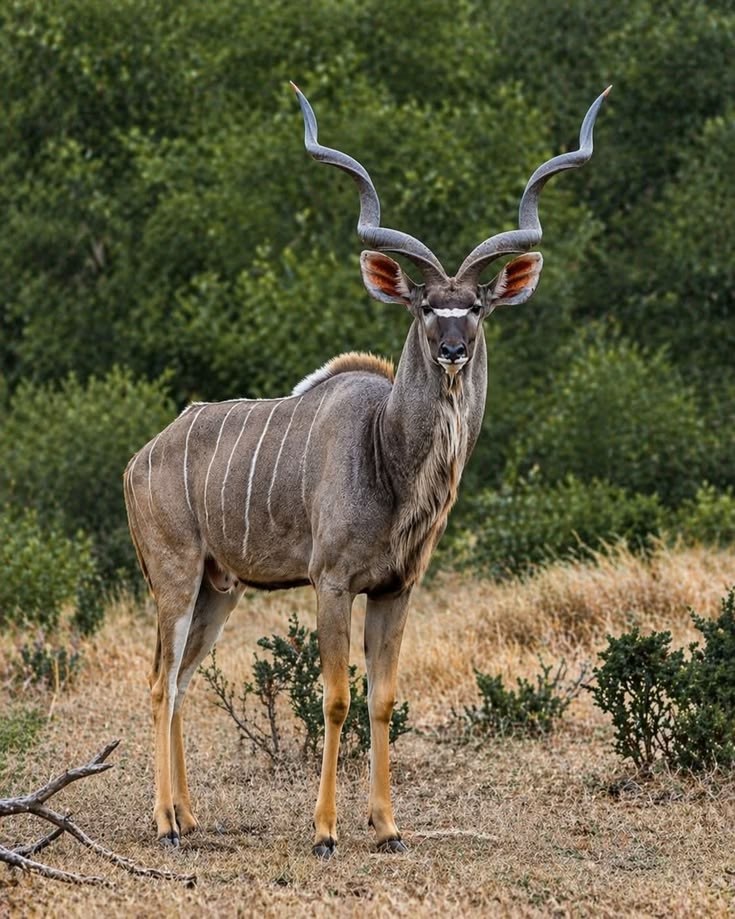
Baobab country, the crater floor and the endless Serengeti plains — a preview of the landscapes along this route.
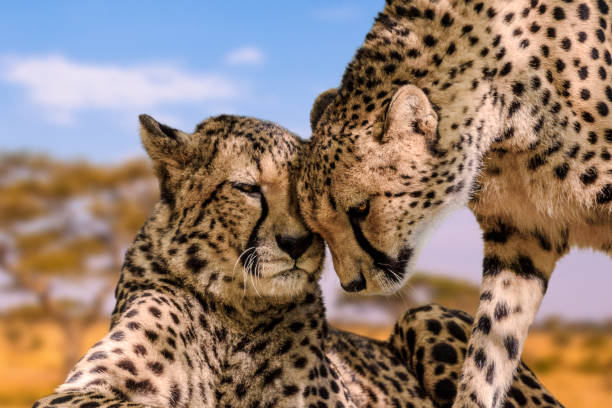
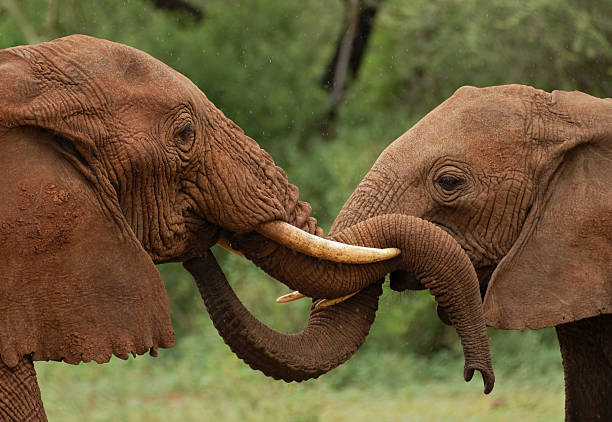
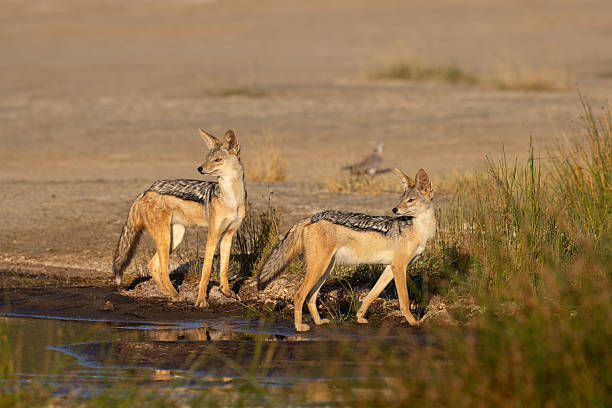
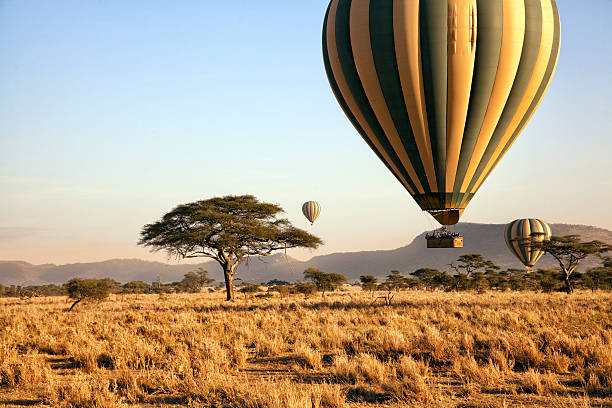
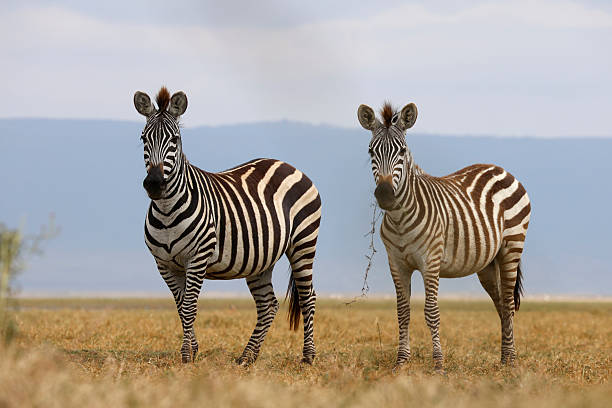
Frames from Tarangire, Ngorongoro and the Serengeti. View complete gallery →
Frequently Asked Questions About the Arusha – Tarangire – Ngorongoro – Serengeti Route
Practical answers for travellers planning a northern Tanzania road safari on this classic circuit.
How to Book a Safari on This Route
Requesting this route is straightforward: send your dates and group details, then confirm current availability and the correct current quotation.
Share your preferred start date and number of travellers.
Decide between shared, small-group or private travel and your preferred budget tier.
Confirm whether your dates can operate on the Arusha – Tarangire – Ngorongoro – Serengeti route.
Review the proposed lodges or camps along the route.
Get the current price, inclusions, park charges and payment instructions.
Receive the operational itinerary and prepare for your Arusha departure.

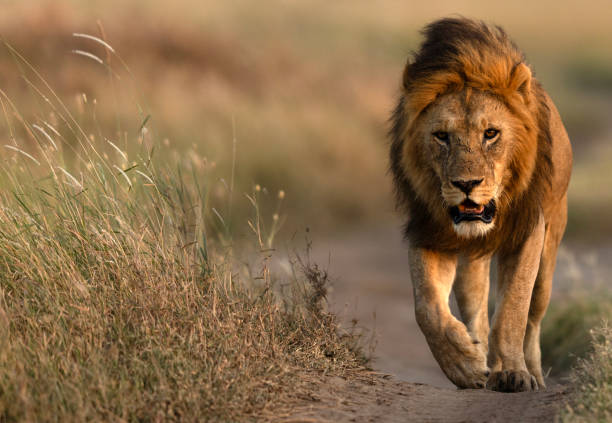
Ready to Travel the Arusha – Tarangire – Ngorongoro – Serengeti Route?
Plan the classic northern Tanzania road safari from Arusha through Tarangire and the Ngorongoro Crater to the Serengeti plains — choose a shared, budget, mid-range or honeymoon itinerary and request the current quotation for your dates.
Availability, group size and pricing are confirmed on booking.