


10-Day October Luxury Serengeti Big Cat Safari — Seronera Residents Between the Waves
Book the 10-Day October Luxury Serengeti Big Cat Safari in the Serengeti: resident lion, leopard and cheetah, and the tracking that finds them. Seronera Residents Between the Waves
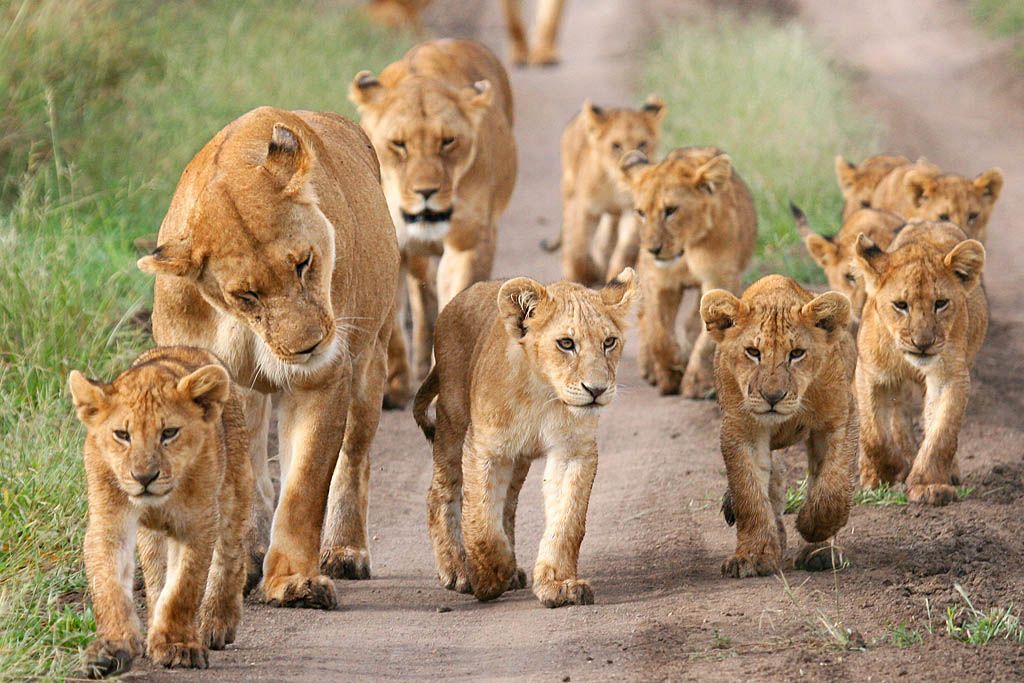
October gives the central predator country its calmest month: Seronera prides on undisturbed routine, Moru leopards on night-shift patterns, open-floor cheetahs in lengthening cool, all performing while southbound herds file past as background. This 10-day October big cat safari works residents on repetition with movers as a bonus, never a promise. Whether you are searching for a 10 day big cat safari, a big cat Serengeti safari, or a private departure for two, the operating rhythm is the same: an early start, a full day on the plains, and an honest account at the end of it about what you actually saw. Every departure is run out of Arusha with a licensed Tanzanian guide, a private 4x4, and an overnight confirmed against your dates.
Routine Cats With a Moving Backdrop
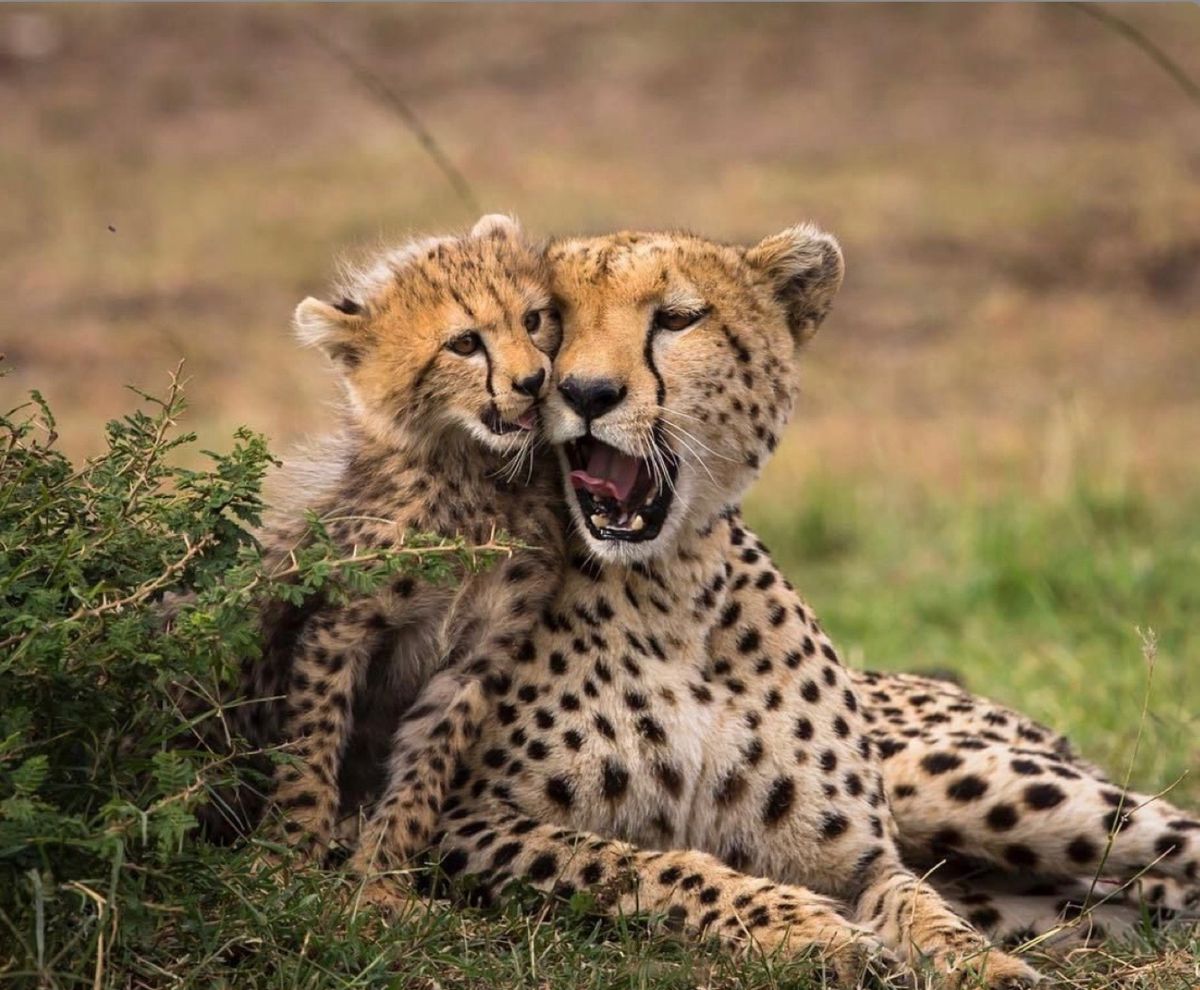
A big cat safari in October is built on the calmest residents of the dry half-year. Seronera prides hold the same kopjes they held all season, now without any competition for shade or attention; Moru leopards hunt riverine lines the crowds vacated months ago; open-floor cheetahs work the central plains in morning cool. Southbound herds file through as a living backdrop.
October adds the one commodity the Mara months cannot offer residents: solitude with substance. Unwatched animals hold still longer and behave more, while fresh southbound lines keep every dawn interesting. Combined with dry roads and clear skies, that makes October the most balanced resident-predator month of the year.
- Seronera prides, Moru leopards and open-floor cheetahs on routine
- Southbound herds as living backdrop, never the promise
- Repetition across five dawns and dusks without competition
- Dry roads, clear skies, light traffic: easy working conditions
- No promised leopards, prides or encounter numbers
10-Day October Big Cat Safari at a Glance
The practical shape of a predator-focused week, including what we can and cannot tell you in advance. Accommodation is confirmed on booking.
How the ten days are used
The middle of the day is the working part of a cat safari, not dead time. Vehicles sit in the heat near water, which is exactly where the cats are resting. A shorter trip has to choose, and choosing usually means dropping the middle-of-the-day sessions that produce most of the images. 10 days keeps a dawn and a late-afternoon session on every day of the safari and still leaves room to work the same ground twice rather than only passing it.
What the week is actually about
Lions on territory, leopards on their ranges, cheetah on the open ground and rhino in the east. These are the animals that live here, and four days is enough to start understanding the patterns.
What the month brings
Seronera and Moru residents on calm undisturbed routine, southbound lines passing through, dry roads and light traffic.
What improves your chances
Working the same ground at different hours across several days. Guides read territory and range rather than searching randomly, and that is why a repetition week outperforms a single long drive.
Vehicle and guide arrangement
A private vehicle is standard, and on a predator week it is what lets you sit on productive ground for two hours rather than negotiating your way out of it.
How many people share the vehicle
Limited so that everybody gets a window and can work without being crowded. One vehicle position is one photograph.
What the stay depends on
Position has to serve two separate predator grounds, so properties are confirmed against your dates and the subjects you want.
What moves the quote
Dates, group size and accommodation category, with a private vehicle for the full week available on request. Send your dates and we will itemise the arrangement.
Sample October Big Cat Safari Itinerary — 10 Days
A week planned around repetition rather than search, because resident animals reward the same ground worked at different hours across several days.
Getting there: You are collected from Arusha after an early breakfast and the day runs the familiar road: up through the Ngorongoro highlands, down past the crater viewpoint, and onto the Serengeti floor at Seronera. It is a half-day drive rather than a full one, which is the first advantage of a central October itinerary.
The safari activity: By mid-afternoon the vehicle is glassing the central plains for the first sign of southbound movement. The overnight sits inside the Seronera block so the first proper session begins on resident ground before first light. The vehicle works Seronera kopjes and river lines while the herds file past south, and the guide is looking for residents hunting undisturbed between the waves.
What you might see: October central grass is dry, short and open, and the herds filter through in loose southbound lines rather than masses. Resident prides hold every kopje, and the first rains are still weeks away. Road condition, park access and the highland weather can all change the arrival time, and the guide will re-order the day rather than compress it if the drive runs long.
Meals and timing: Lunch is taken on the road, dinner is served at camp, and lights-out is early because the group will be moving well before dawn. First overnight in the central Serengeti, chosen for dawn access to both resident ground and the southbound trails.
How this day is judged: The vehicle works Seronera kopjes and river lines while the herds file past south, and the guide is looking for residents hunting undisturbed between the waves. The day is not measured by how many animals are ticked off but by whether the time spent in the country was used properly, which is why the afternoon session matters as much as the dawn one.
Road flow: The vehicle is moving before first light so that you are on open ground as the sun comes up. The morning is spent working the central floor for southbound lines, which in October show as fresh trails and small purposeful groups rather than columns.
The working part of the day: Late morning moves into the riverine forest for shade and leopard ground, and the afternoon is a long slow session on the kopjes with the engine off more often than not.
Wildlife context: Central October mornings are cool, clear and still, with dust hanging low over the trails. The day's plan follows whatever the dawn reveals, with residents as the reliable core and movers as the bonus. The plains can look extraordinary or simply empty depending on the week's weather and where the herds have actually settled, and the plan moves with them.
Practical rhythm: Breakfast is served in the field on the tailgate, the vehicle carries a cool box and water between drives, and the group is back at camp with an hour of light to spare. Overnight in the central Serengeti, in the position that proved best that evening.
How this day is judged: The vehicle works Seronera kopjes and river lines while the herds file past south, and the guide is looking for residents hunting undisturbed between the waves. The day is not measured by how many animals are ticked off but by whether the time spent in the country was used properly, which is why the afternoon session matters as much as the dawn one.
How the day opens: The vehicle works west into the corridor, where the southbound herds funnel through familiar country in October. The trails here are old friends from the northward months, now walked the other way.
On the ground: Afternoon is spent at the Grumeti pools, quieter now but still holding hippo, crocodile and the resident game the columns have left behind. The last light is used on the water where the southbound lines drink.
Reading the country: October corridor days feel like an encore: same ground as May and June, emptier, calmer, with the movement reversed. Resident predators hunt the stragglers the main herds left behind. Western roads are slower and can become soft in the wet, and this is a long enough day's drive that the guide may shorten the afternoon in favour of the morning session.
Comfort and breaks: Roads are dry and fast, so the day covers good distance without hurrying any single session. Water and snacks are carried throughout. Overnight in the western or central-western position, chosen against the last session.
How this day is judged: The vehicle works Seronera kopjes and river lines while the herds file past south, and the guide is looking for residents hunting undisturbed between the waves. The day is not measured by how many animals are ticked off but by whether the time spent in the country was used properly, which is why the afternoon session matters as much as the dawn one.
Morning movement: The morning starts on the plains and then turns into the central riverine country, following fig-tree lines and sandy banks that the resident leopards use year-round regardless of where the herds are.
The session: Midday is a waiting game in the shade, and the vehicle sits engine-off for a long time. October riverine is dry underfoot and quiet, which makes for the best leopard-tracking conditions of the dry half-year.
The species question: Leopard country here is defined by structure: figs, drainage cuts, fallen limbs along the Seronera waterways. The bird list in October riverine is at its dry-season thinnest, which makes every sighting count. Leopard here are genuinely difficult to see in thick cover, and this habitat asks for patience rather than distance. Sightings are possible on any morning and cannot be promised.
Pacing the day: A long stationary midday is planned for, with water available, and the afternoon opens up again on the plains edge. Overnight on the plains side of the riverine belt, keeping the leopard ground within reach.
How this day is judged: The vehicle works Seronera kopjes and river lines while the herds file past south, and the guide is looking for residents hunting undisturbed between the waves. The day is not measured by how many animals are ticked off but by whether the time spent in the country was used properly, which is why the afternoon session matters as much as the dawn one.
Driving and repositioning: The vehicle leaves camp early for the Moru kopjes, which in October stand pale above browning grass in the clearest light of the dry season. Resident lions, leopard and cheetah all hold these rocks through the southbound passage.
Watching and waiting: Midday is spent on the woodland margins below the kopjes, where elephant move through in the heat and the shade is deepest. The afternoon can be spent on a kopje viewpoint watching southbound lines thread the plains below.
Landscape and game: Moru in October is the classic central safari ground at its calmest: no calving crowds, no crossing traffic, just residents and the passing herds. The circuit runs early and late with the middle given to shade. Resident cats are never predictable, and a quiet-looking block of rock can stay empty all morning. The tracking effort is what usually pays, not the waiting.
Logistics: Water and a snack are carried in the vehicle, and the group returns late enough to catch hard low light on the rock faces. Overnight in the kopje or plains position that produced the best session of the day.
How this day is judged: The vehicle works Seronera kopjes and river lines while the herds file past south, and the guide is looking for residents hunting undisturbed between the waves. The day is not measured by how many animals are ticked off but by whether the time spent in the country was used properly, which is why the afternoon session matters as much as the dawn one.
The transfer: The day opens at the central pools, which in October are at their lowest before the short rains. Everything that drinks must come here, which makes a small pool the densest game viewing per square metre of the trip.
What the morning is for: Late morning and afternoon work the shorelines as waders crowd the last mud and fish eagles work openly. The middle of the day belongs entirely to the water's edge.
What is out there: October pools are the end of the dry-season story: what needs water cannot be anywhere else, and what does not need it has already left. The trade is company, which at central water in October is minimal. Water levels change with the rains and channels that are drivable in one week may be soft or closed in another, so the lake work is planned around what is actually passable.
Breaks and overnight: Midday is spent in full shade at the water with the engine off, and the group returns to camp before the heat peaks. Overnight close to the water, where the dawn session starts from the pool edge rather than the plain.
How this day is judged: The vehicle works Seronera kopjes and river lines while the herds file past south, and the guide is looking for residents hunting undisturbed between the waves. The day is not measured by how many animals are ticked off but by whether the time spent in the country was used properly, which is why the afternoon session matters as much as the dawn one.
Travel and arrival: The whole day stays central, working the Seronera residents at their calmest: prides on strict routine, leopards on known lines, cheetahs on morning rounds, all performing without audiences.
The core hours: Midday is spent at the river pools with the residents' own rhythms. The afternoon returns to the kopjes for the evening hunt window, when October light slants low and gold.
Country and characters: Seronera in October is the programme's calm core: dry roads, settled territories, southbound herds passing through as background. It fishes as the trip's deep breath. Central Serengeti roads carry more traffic than the south, and the resident populations here are reliable but never guaranteed on any single morning.
Meals and timing: Breakfast in the field, water carried through the middle hours, and a relaxed afternoon with a later return to camp. Overnight in the central Serengeti, in the Seronera area.
How this day is judged: The vehicle works Seronera kopjes and river lines while the herds file past south, and the guide is looking for residents hunting undisturbed between the waves. The day is not measured by how many animals are ticked off but by whether the time spent in the country was used properly, which is why the afternoon session matters as much as the dawn one.
Moving into position: No repositioning is planned today. The vehicle goes straight to whichever trails carry the freshest southbound sign and stays with the front all day, because in October the movement is found by reading, not by covering miles.
The main event of the day: The whole day is one long session broken by the heat of the middle hours. The guide works fresh trails, resident tips and the direction of small groups rather than chasing rumours from the north.
What you might see: October fronts are subtle: no masses, no dust columns visible for kilometres, just direction read correctly. The discipline is to trust the morning's reading all day. A day with no repositioning can produce very little, and the value is cumulative rather than immediate. Weather is the usual reason a session is cut short.
Practical rhythm: Breakfast in the field, water carried through the middle hours, and a relaxed afternoon with a later return to camp. Overnight at the same camp as the previous night, because the day involves almost no movement.
How this day is judged: The vehicle works Seronera kopjes and river lines while the herds file past south, and the guide is looking for residents hunting undisturbed between the waves. The day is not measured by how many animals are ticked off but by whether the time spent in the country was used properly, which is why the afternoon session matters as much as the dawn one.
Getting there: The final complete day is spent entirely on game, with the vehicle free to follow whatever is happening. In October that usually means one last front check in the morning and a last kopje evening in slanting light.
The safari activity: The group is out from before dawn into the last usable light, with the middle of the day spent in one or two places that have earned their keep. Nothing is rushed.
Wildlife context: By this point the guide knows which trails are fresh, which residents perform, and where the herds are heading, and the last day spends that knowledge rather than gathering more. A day with no repositioning can produce very little, and the value is cumulative rather than immediate. Weather is the usual reason a session is cut short.
Comfort and breaks: The camp packs quietly in the background so that departure the next morning is not a scramble. Evening meal and an early night. Last full overnight on safari, at the position that produced the strongest sessions of the trip.
How this day is judged: The vehicle works Seronera kopjes and river lines while the herds file past south, and the guide is looking for residents hunting undisturbed between the waves. The day is not measured by how many animals are ticked off but by whether the time spent in the country was used properly, which is why the afternoon session matters as much as the dawn one.
Road flow: The group is up before first light for one final session, and the drive back to Arusha begins after breakfast in the field. October returns run fast on hard dry roads, broken properly at the Ngorongoro viewpoint.
The working part of the day: The last session is short and unhurried, usually an hour to two. The return runs from moving central plains to the cool clear highlands in half a day.
Reading the country: Early light on the last morning is often the best light of the trip. October highlands are clear and settled, and dust is the only thing to manage all the way home. Predator sightings cannot be promised, and even a good week can include days with little. Resident cats are far more reliable than any migrating predator, which is why this trip is built around kopjes, riverine and water rather than around the herds. Departure day is exposed to the same rain and road conditions as arrival, so the return is timed with slack in it.
Pacing the day: Breakfast in the field, a long drive back through the highlands, and arrival in Arusha in the afternoon. Lunch is packed and taken on the road. No overnight on safari; the trip ends on arrival back in Arusha for onward travel or a night in town.
Closing the safari: This is a patient October circuit: Seronera kopjes at dawn, river lines at dusk, and the passing herds supplying action in between. Stillness between waves is the method. Anything not seen in 10 days can be added to a longer itinerary rather than forced into this one, and the guide writes down the ground and the timing that worked so a return trip can start from the same knowledge.
Why an October Big Cat Safari?
Resident predators reward repetition, and October gives you the lowest traffic of any month. Here is the case, honestly.
The Animals Everyone Ignores
For most of the year the entire vehicle density in the Serengeti is pointed at wildebeest. The lions, leopards, cheetahs and rhino that live here year-round get a fraction of the attention. October gives you them at their most available.
Territory Is Learnable
A resident pride holds ground and uses it the same way repeatedly. Over four days a guide can position you where the animals will be, rather than searching for something that is passing through. That is a genuine skill advantage and it belongs to the repetition week.
Green Season Means Prey Is Present
The return of grazing herds to the southern and central block means the predator country has prey in it. A predator-focused week in the deep dry can be thin; in October it is not.
Clean Backgrounds and Long Lenses
Low traffic means you can work a subject at a distance, with open green behind it and no other vehicle in the frame. In a crowded month the same shot is impossible.
New Grass as Light
A metre of new grass bounces soft light into an animal's shadow side and gives you natural fill on the face. October cat portraits look the way they do partly because of the ground they were made on.
The Honest Limits
A leopard is not a booking. Nobody who tells you otherwise has been on this ground recently. What we can offer is the right country, the right hours, a guide who knows the territory, and four days of repetition, which is genuinely the difference between a poor week and a good one.
Your Route: Arusha → Central Plains → Calm Kopjes → Riverine & Pools → Arusha
A tight calm-territory loop that works kopjes, riverine and pools in turn, with transfers kept off the working hours.
You are collected from Arusha after an early breakfast and the day runs the familiar road: up through the Ngorongoro highlands, down past the crater viewpoint, and onto the Serengeti floor at Seronera.
The vehicle is moving before first light so that you are on open ground as the sun comes up.
The vehicle works west into the corridor, where the southbound herds funnel through familiar country in October.
The morning starts on the plains and then turns into the central riverine country, following fig-tree lines and sandy banks that the resident leopards use year-round regardless of where the herds are.
The vehicle leaves camp early for the Moru kopjes, which in October stand pale above browning grass in the clearest light of the dry season.
The day opens at the central pools, which in October are at their lowest before the short rains.
The whole day stays central, working the Seronera residents at their calmest: prides on strict routine, leopards on known lines, cheetahs on morning rounds, all performing without audiences.
No repositioning is planned today. The vehicle goes straight to whichever trails carry the freshest southbound sign and stays with the front all day, because in October the movement is found by reading, not by covering miles.
The final complete day is spent entirely on game, with the vehicle free to follow whatever is happening.
Return road to Arusha, timed so you arrive with the afternoon still ahead.
Interactive Safari Map — October Big Cat Circuit
The pride territory, the riverine leopard country and the open cheetah plains.
- Arusha
Start and finish
Road transfers both ends - Seronera & the Kopjes
Resident lions, leopard and cheetah
Central Serengeti - Western Lakes & Drainage
Waterbirds and general game
Western corridor - Western Corridor
Column and column-crossing country
Only while the herds push
Why Choose Kizza Adventures?
A big cat safari is only as good as the guide's knowledge of territory. That is the entire argument.
Our big cat guides have spent years on this ground and know the pride territories, the leopard trees and the cheetah open ground. That knowledge is what converts a week of searching into a week of positioning.
Four days on the same country at different hours is the correct method for resident animals. An itinerary that relocates every morning is built for travelling herds, and it is the wrong tool here.
The single most valuable instruction a guide can give on a predator week is to sit still. Ours do, and they will lose a morning to it rather than drive somewhere else.
One vehicle position is one photograph, and the ability to remain on productive ground without negotiating it is the difference between working a subject and driving past one.
Nobody is bumped to make room, nobody is added mid-morning, and nobody chases. Slow approaches produce calm animals, and calm animals produce behaviour.
No promised leopards, no pride counts, no invented encounter rates. You get the right ground in the right hours and an honest account of the week, including the animals you did not see.
Bean bags, window mounts, charging points and dust management. On a green-season trip with rain and dust in the same week, all four matter.
Property, room type, meal plan, vehicle and the ground plan for the week are confirmed in writing before you travel, with nothing left to guess at on arrival.
What Animals Will You See?
The calm central residents in their most balanced month, with realistic expectations. Honestly assessed.
Seronera residents the headliners, on calm undisturbed routine. Known individuals by day three.
Moru and riverine lines in lengthening patience. October riverine is dry, quiet and beautifully trackable.
Open central floor in morning cool. Fully visible country, fully honest odds.
Den mornings plus night economy heard from camp. The constant predator of the whole trip.
Central woodland herds at the lowest pools. Approached with full respect at all times.
Southbound backdrop holding some prey on resident ground while the rest filters south.
Low central pools as the midday subject between territory sessions.
Constant on the woodland edges, first animal of most dawns.
A genuine maybe in the quiet Moru corners, approached slowly and never promised.
Late thermals over moving herds; kettles now always mean something specific.
From Our Guide's Notebook: Working Territory Instead of Searching
What the big cat guides actually do differently, and why four days beats one long drive.
Calm is timetable
Best spot: Residents keep hours the calm month reveals: shade by ten, water by four, hunting edges at dusk. The timetable is the sighting.
The calm timetable
Listening beats glassing
Best spot: Pride calls and leopard saws place dawns better than any scanning. Ears first on every October morning.
Ears-first dawns
Fronts enrich routines
Best spot: Southbound lines passing through stir residents into extra activity without disturbing routine. The overlap weeks are the richest.
Overlap bonus
Stillness is sharper
Best spot: A staked calm kopje beats three driven ones. October rewards the vehicle that waits where routine lives.
Staked routines
Wildlife Sighting Checklist
Realistic potential across a 10-day October window on calm central ground.
| Animal | Potential Encounter | Best Viewing Context | Best Area |
|---|---|---|---|
Lion | Strong | Calm undisturbed residents | Moru and Seronera |
Hyena | Strong | Dens and night economy | Margins and edges |
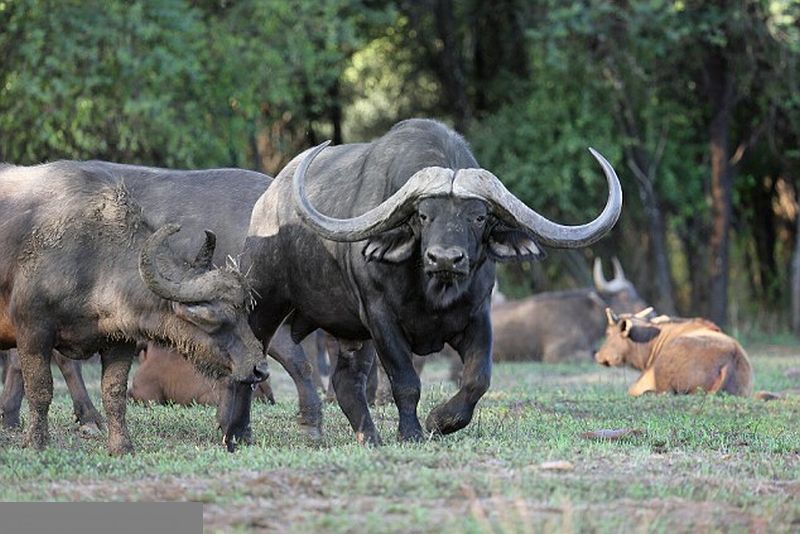
Elephant & Buffalo | Strong | Lowest-pool routines | Woodland and pools |
Hippopotamus & Crocodile | Strong | Low pools midday | Central pools |
Wildebeest & Zebra | Strong | Southbound backdrop | Plains and water |
Giraffe | Strong | First animal at dawn | Woodland edges |
Raptors & Vultures | Strong | Specific kettles | Plains and sky |
Leopard | Possible | Dry trackable riverine | Moru and riverine |
Cheetah | Possible | Morning cool, open floor | Central plains |
Black Rhino | Possible | Quiet Moru corners | Kopje country |
No sighting is guaranteed. Territories stay quiet by design; passing herds do not disturb them.
Meet Your Safari Guide
The person who knows which pride is where, which tree the leopard uses, and when to wait.
Your Kizza Adventures Guide
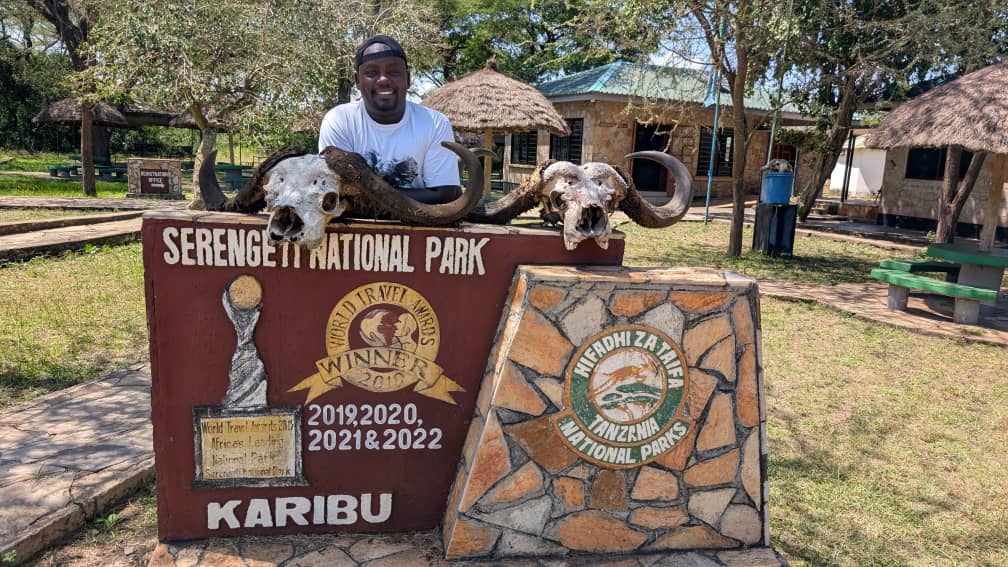
Your guide is with you all 10 days and carries the central territories in memory: Seronera pride ranges, Moru leopard lines, open-floor cheetah ground, all worked year-round rather than seasonally. That knowledge, not luck, is what an October big cat safari runs on.
Expect dawns placed from night listening, middays on pools and shade, and dusks on territory while southbound lines file past in good light. The most valuable takeaway is a working map of how central residents use their ground when herds move through.
Where October Big Cat Travellers Sleep
On a predator itinerary the position is chosen for how quickly the vehicle can be on working ground at first light, not for the view.
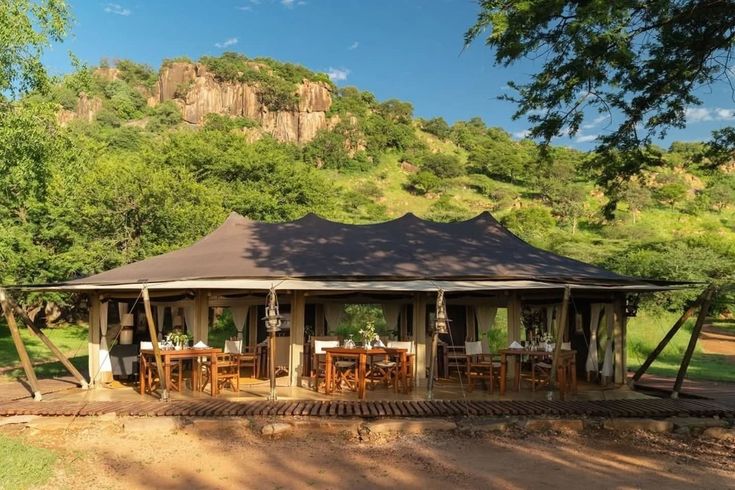
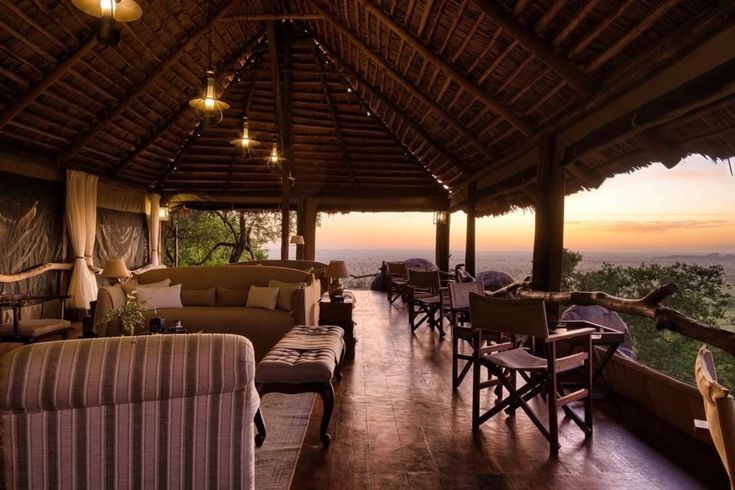
Territory Position (Nights 1 & 2)
Placed for first light on the resident kopjes, with riverine lines and open floor within easy repositioning.
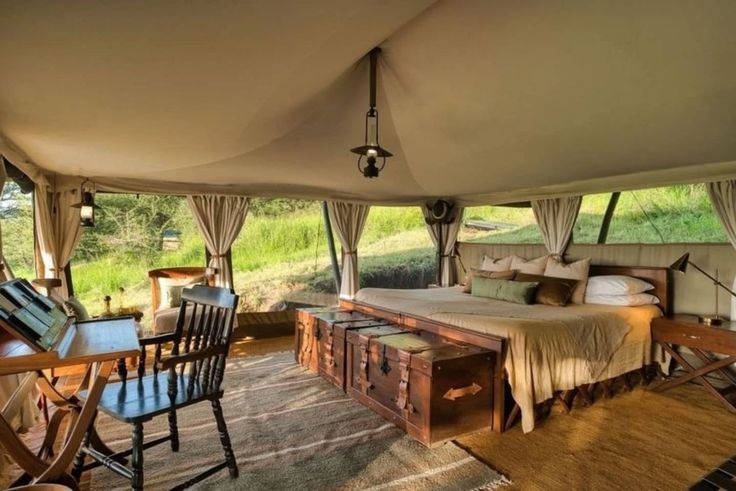
Moru Edge Position (Nights 3 & 4)
For the leopard rock nights and the open cheetah ground, chosen for quiet access rather than scenery.
Extra Nights & Zanzibar Extension
A sixth dawn on calm territory is where October results arrive. Add it, or finish on the coast.
Lodges subject to availability. Equivalent or superior alternatives october be used. Contact us for the current lodge selections for your dates.
Getting to the Calm Centre
A half-day drive to Seronera, then territory days with almost no transit.
The Arusha Run
Roughly four to five hours each way to Seronera via the Ngorongoro rim. Day one still ends with an evening kopje session, never a full drive after that road.
Territory Hops, Not Transits
Seronera, Moru, riverine and pools all sit inside the calm loop. After arrival the vehicle works short hops between known ground.
Dry Roads, Soft Dust
October tracks are hard and fast with moderate dust. Covers and sealed kit on all moves, lighter touch than peak months.
Dawns Placed From Listening
Night sound decides the dawn position: pride calls, leopard saws, trail silence. Placed before light on evidence.
Roads and Surfaces
Graded dirt, hard throughout. Kopje and riverine approaches stay slow; everything else moves well.
Flights and Arrival Times
Land the day before. The central drive cannot follow an international arrival and still produce an evening session.
Your Safari Vehicle
On a big cat safari the vehicle is a camera platform and a waiting room, and it is configured for both.
Standing height and a wide window aperture, because the animals are often low, distant and behind a shoulder.
Standard on this itinerary, and non-negotiable in practice: the ability to remain on productive ground without negotiating it is the method.
Fitted for long-lens work. On a predator week the first frame at 240mm is rarely the best one, and a bean bag is what lets you wait.
Power for batteries in the field, which on a repetition week is used hard across long dawns and evenings.
Blower, cloths and covers. October gives you soft tracks in the morning and dust on the lens by ten.
A pair in the vehicle, and the first tool of the morning. Bring your own if you are particular about glass; on this itinerary you will use them constantly.
Best Time to Join an October Big Cat Safari
October is the calmest resident-predator month of the dry half-year. Here is why.
October gives Seronera and Moru residents on calm undisturbed routine, southbound herds as backdrop, dry roads and light traffic. September offered northern territories with easing company; November brings green angles with rain risk. For calm with substance, October is unmatched.
Where the Herds Are, Month by Month
The annual loop, and why calm central residents peak as herds filter south.
October Big Cat Safari Photography Guide
Routine subjects in clear dry light, worked without queues.
The same kopje five dawns running produces better frames than five new kopjes. Learn one calm territory deeply.
Stable dry air and hard low sun. Vehicle low, lens low, backgrounds chosen before the cat arrives.
Southbound lines behind a resting pride elevate territory portraits. Compose the movement as context.
Present and manageable. Sealed bags, minimal changes, full clean nightly.
What to Pack for an October Big Cat Safari
Long lenses, dust and rain management, and warmth for pre-dawn sessions on open ground.
Clothing for October Territory Days
- Warm layers plus windproof shell for staked trail dawns
- Dust-managed mid-tones; black still shows by nine
- Closed grippy shoes for kopje viewpoints and riverine edges
- Buff, warm hat and gloves for the first staked hour
- Sun protection for persistent high-altitude glare
Camera and Field Kit
- 200-400mm minimum for territory work; longer where you have it
- Second body ready for herd-backdrop frames
- Bean bag essential for staked mornings; window mount for tracking
- Batteries, cards, blower and sensor kit; dust persists, manageable
- Binoculars: reading distant routines decides moves
Essential Travel Information
The practicalities worth reading before you book, including the weather question that decides how a green-season predator week runs.
Your passport needs a valid margin beyond your travel dates, and the Tanzania visa is arranged before you arrive rather than at the border.
Biting staked dawns, warm bright middays, pleasant evenings. Three wardrobes, one vehicle, rotated gently.
Residents watched alone; the front thin. The itinerary balances both deliberately across 10 days.
Land the day before. The arrival-evening kopje session sets the territory tone for the whole trip.
Tanzanian shillings for small expenses; the tip custom for guides and camp staff is explained properly on booking.
Honeymoon & Family Options
How a predator-focused week works for a honeymoon or a family group, and where it does not suit.
A Big Cat Honeymoon With Almost Nobody Else Around
An October big cat week is a genuinely distinctive honeymoon format, because the days are long, quiet and slow rather than full, and the traffic collapse means you will regularly be the only vehicle on ground that is busy a month later. Sundowners on a plain that belongs to you that evening, and a private dinner or bush breakfast arranged as a quoted add-on, are the natural shape of the week.
The honest trade is patience. A big cat safari involves sitting still for hours waiting for something to happen, and a couple who wants stimulation every hour will be bored by it. If that describes you, we will quote a driving itinerary with more movement and tell you plainly that the predator week is not what you are looking for.
Family Safari With an October Big Cat
Children around ten and up with patience get the best-value predator education in the calm season: the same lions dawns running become characters, tracking games fill waits, and the vehicle serves young attention spans.
Sessions bend without breaking: shorter stakes, pool middays, evening sessions ending on highs. Private vehicle means the plan serves the children, never the reverse.
Verified Guests on This 10-Day October Big Cat Safari
Verified traveller reviews live on our public TripAdvisor profile rather than being reproduced here.
Every review for this safari is published on our own TripAdvisor profile rather than reprinted here, so what you read is what other travellers actually posted.
Running an October trip? Send us your question and we will answer it from the same trip, with the same guide, on WhatsApp.
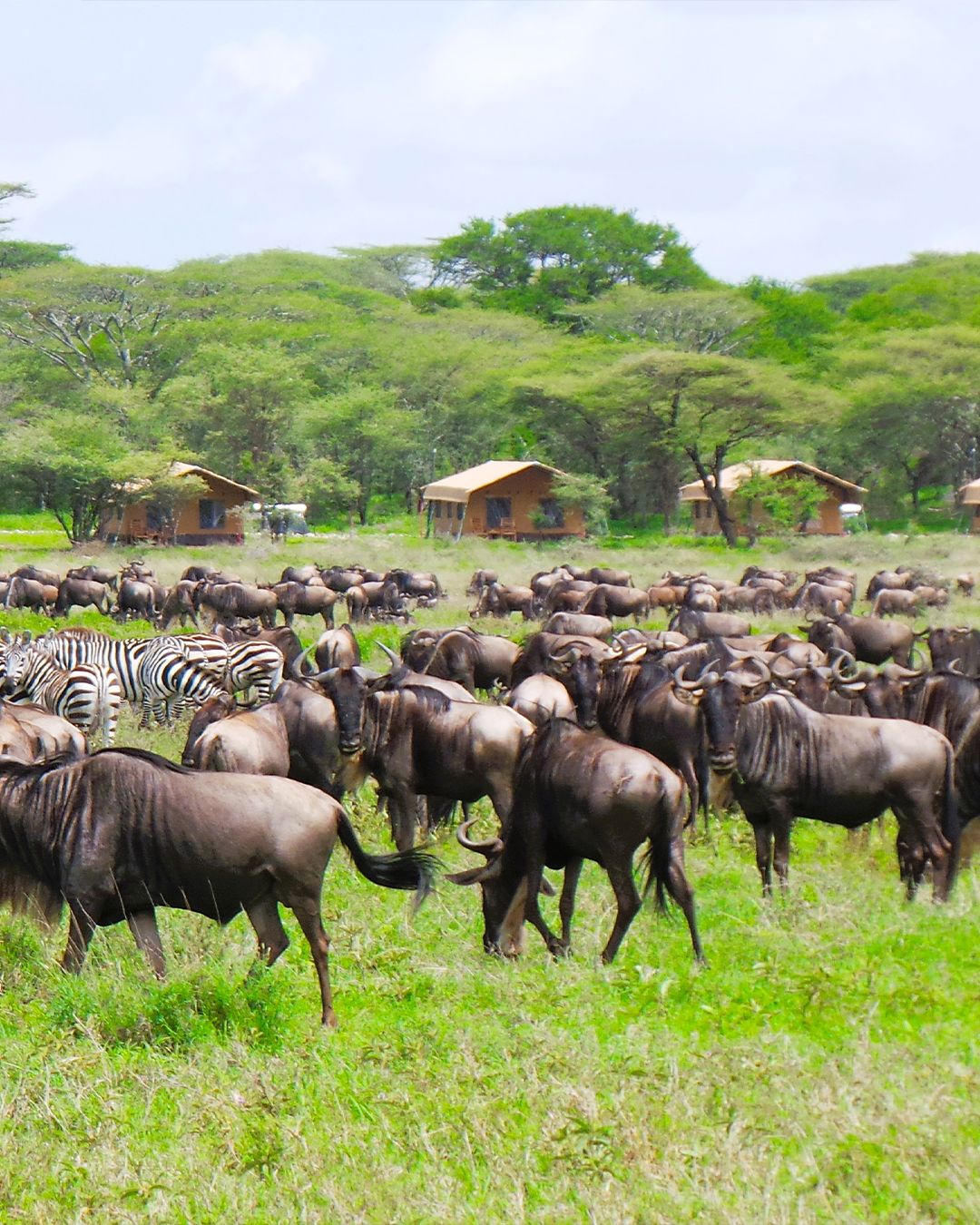
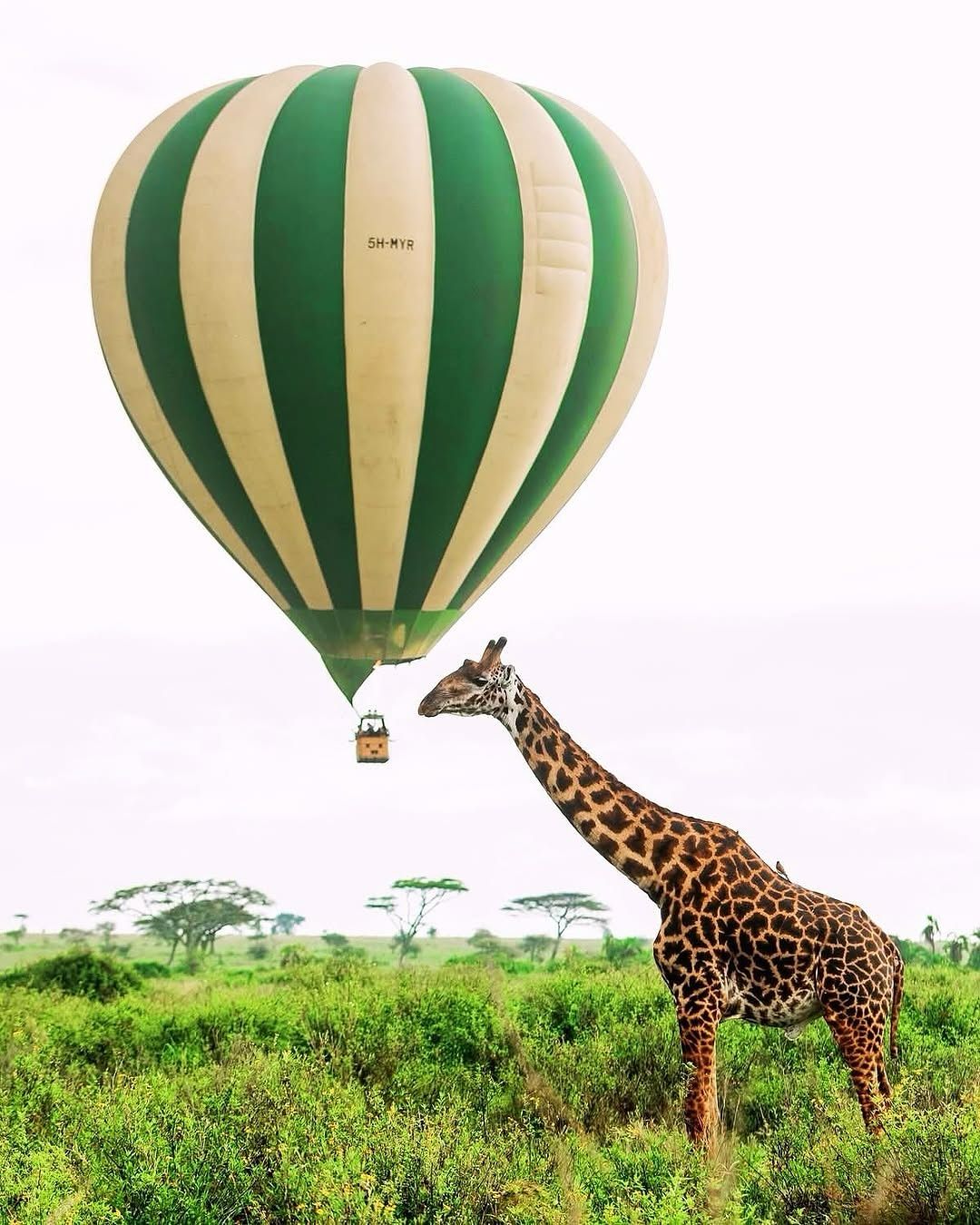
Frequently Booked Together
Additions travellers most often pair with an October big cat safari.
October Big Cat Safari Gallery
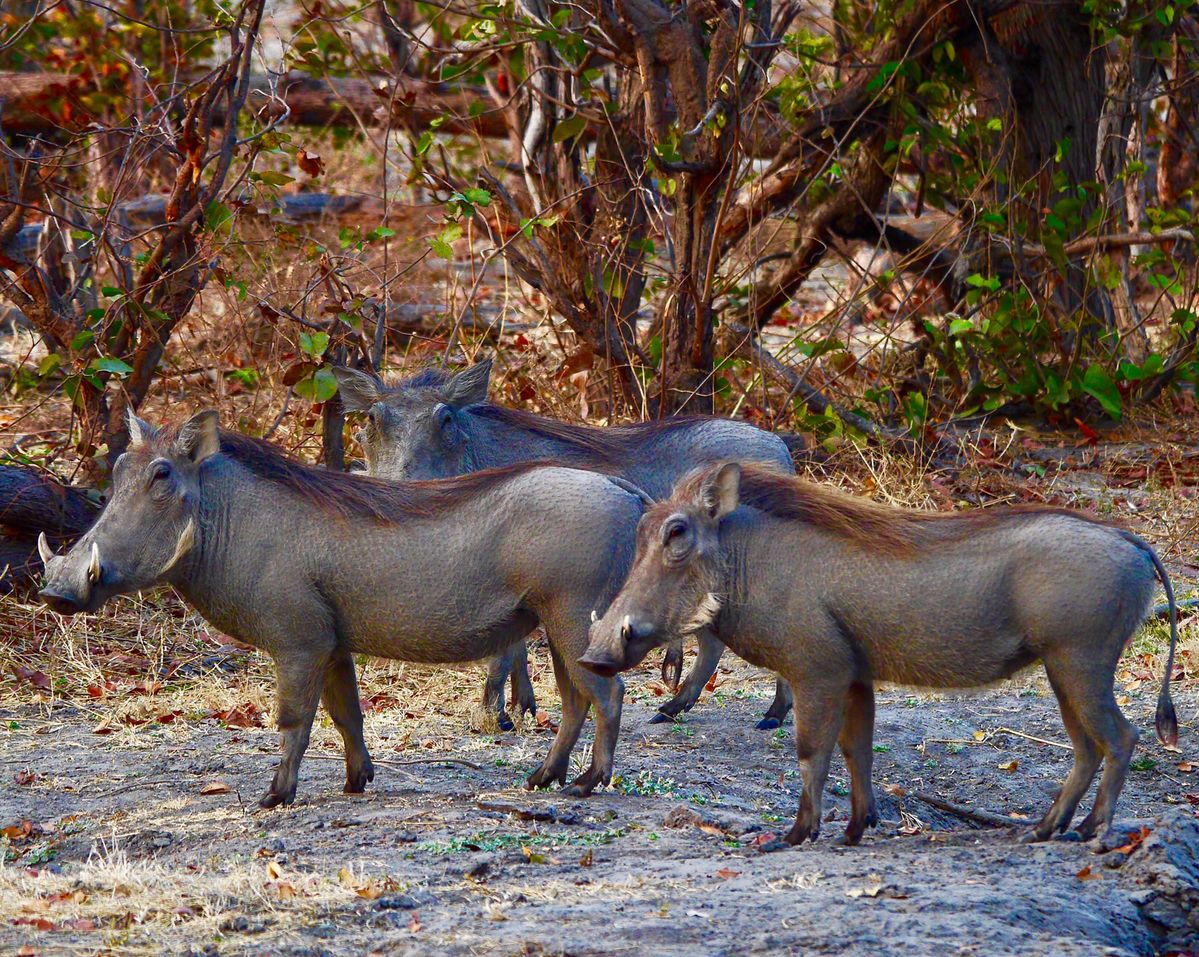
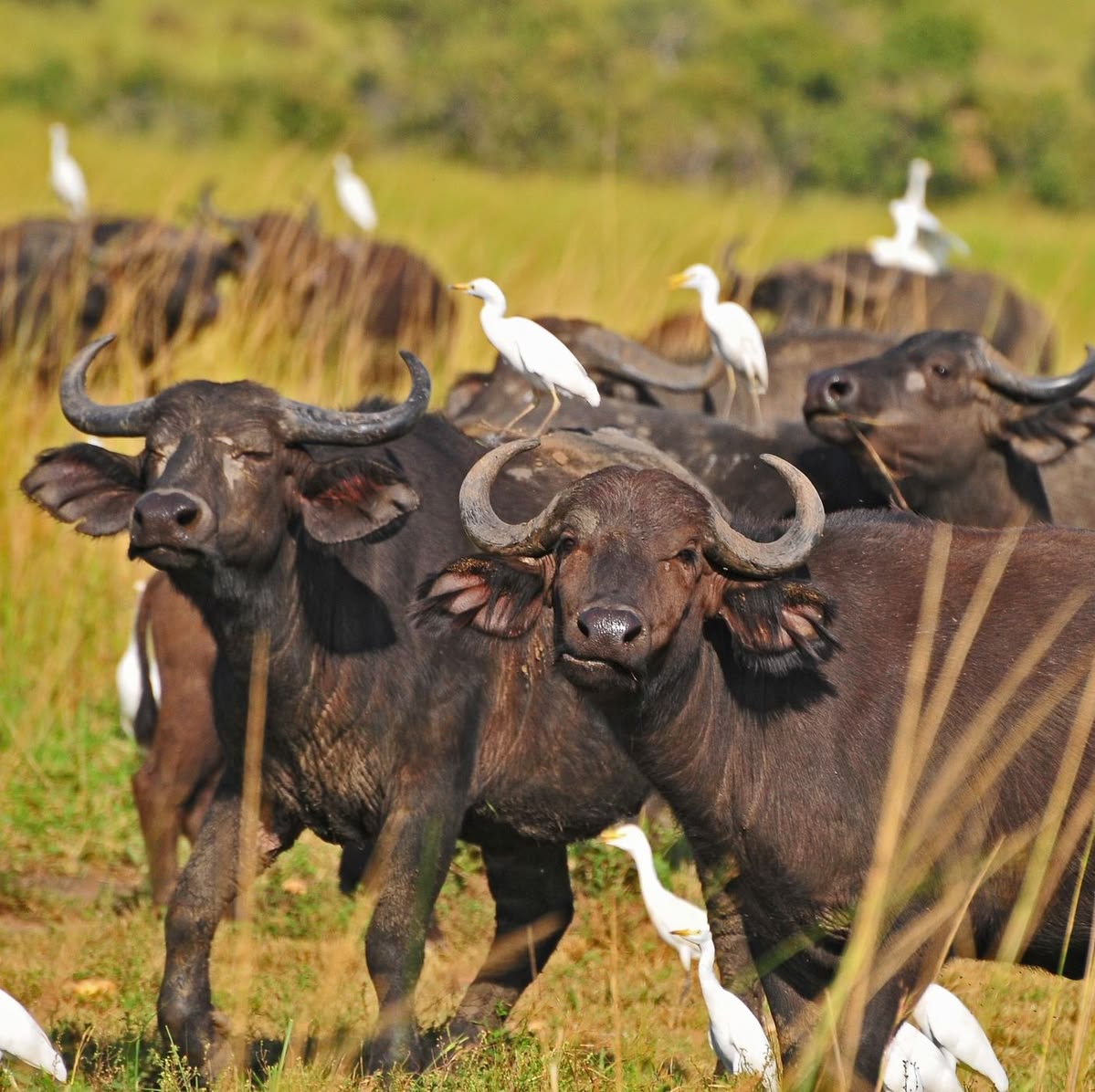
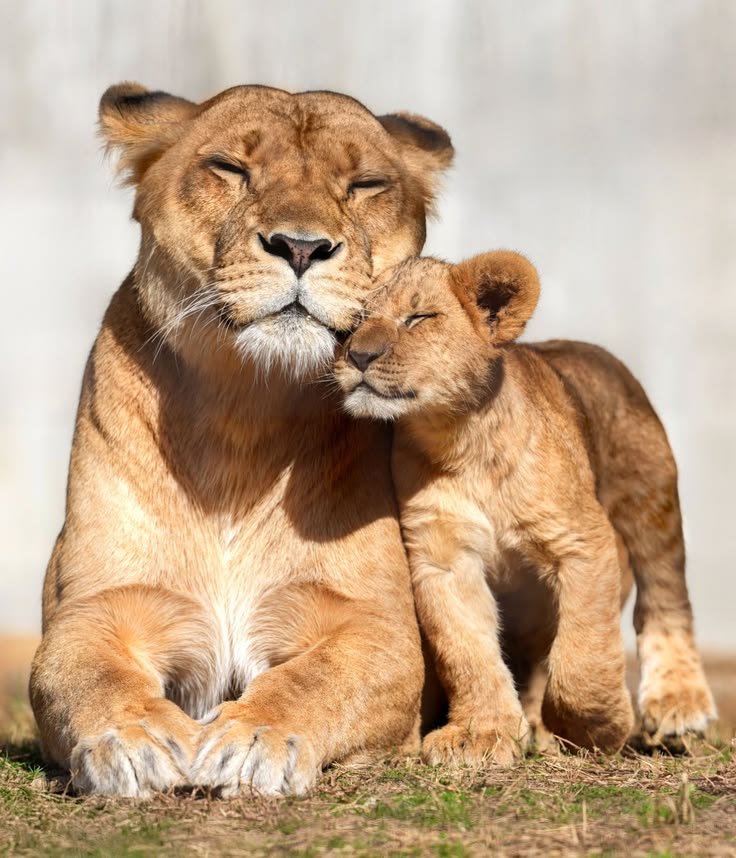
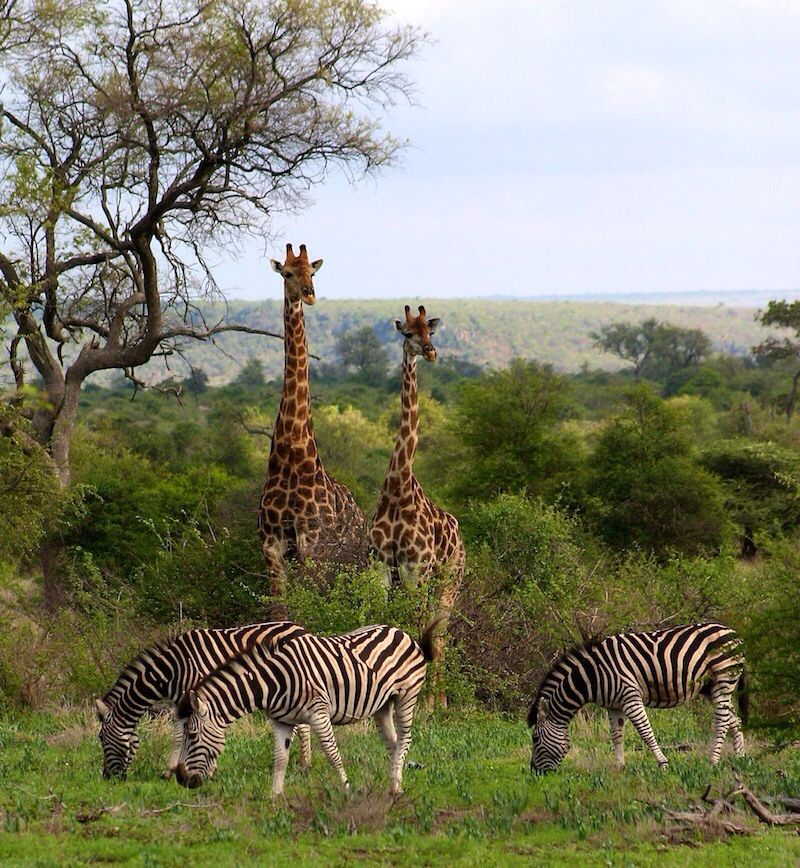
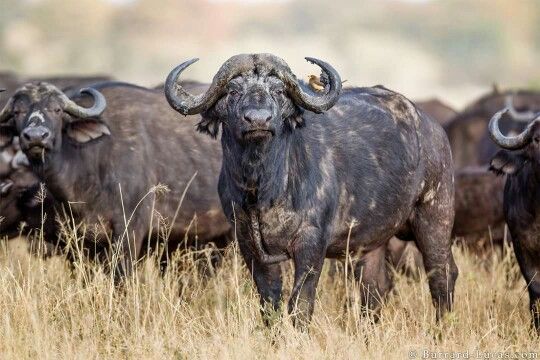
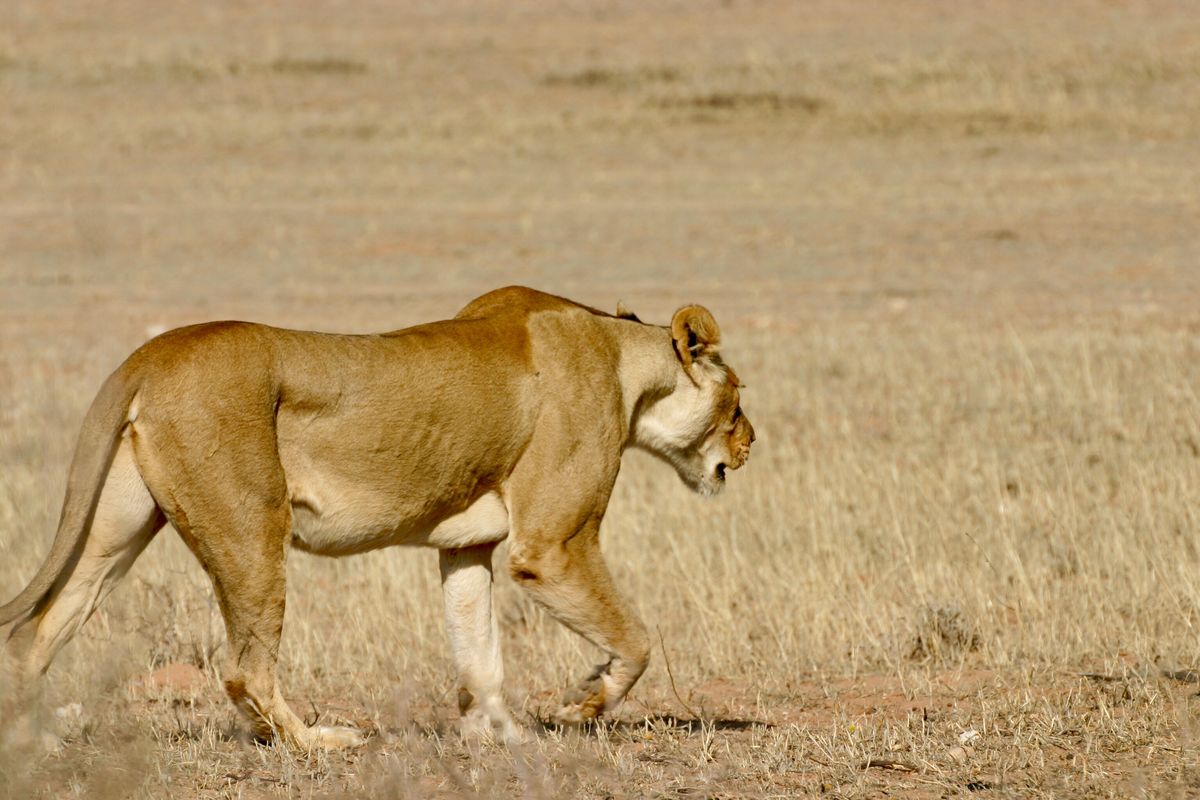
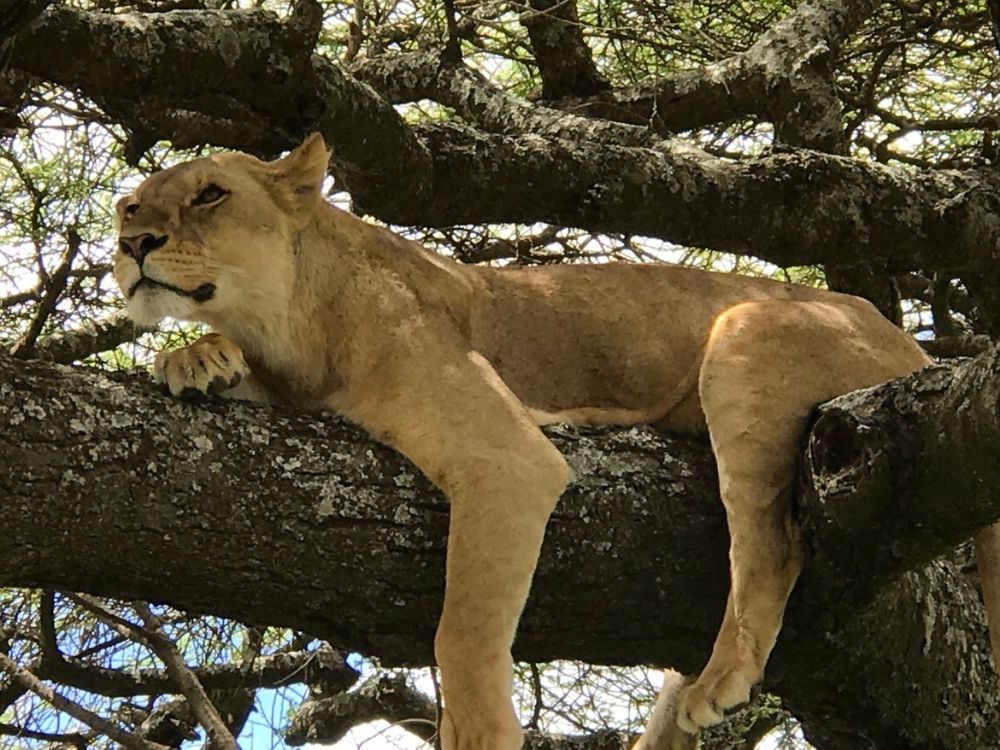
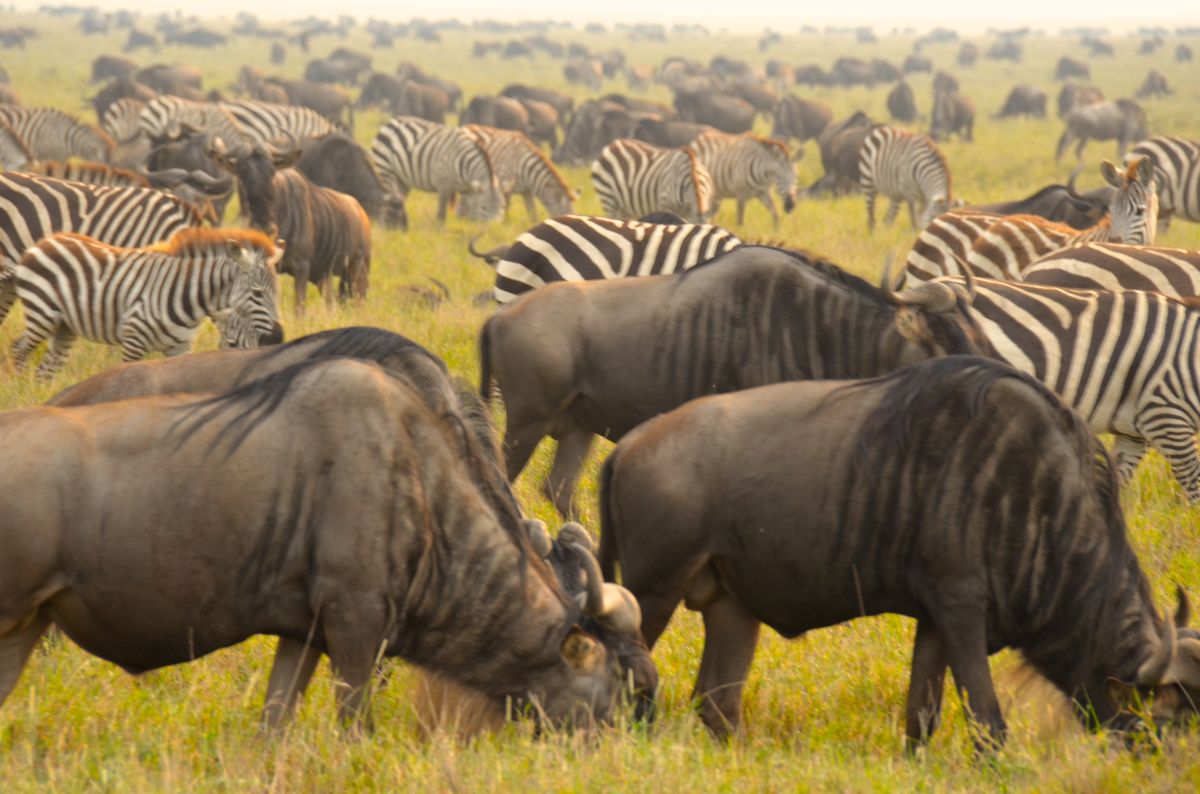
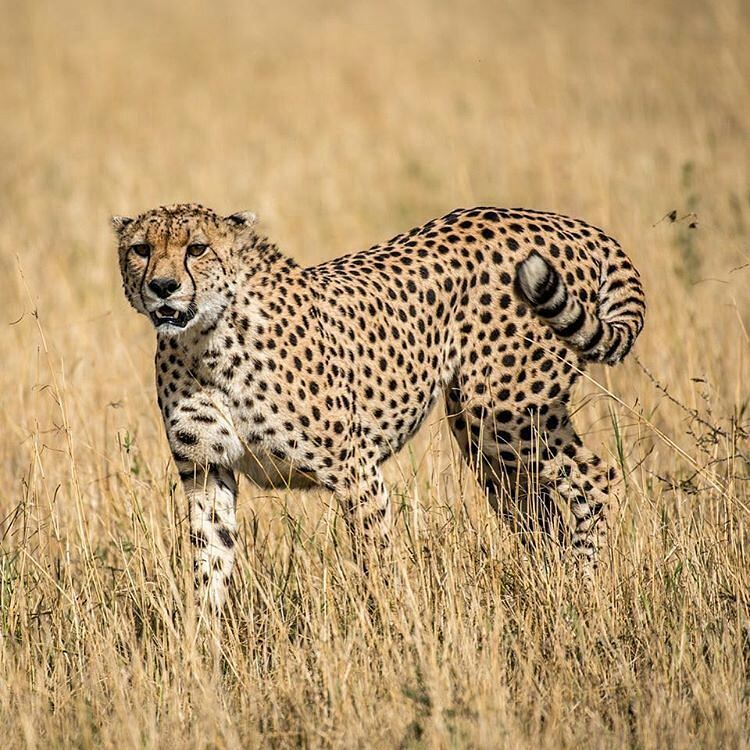
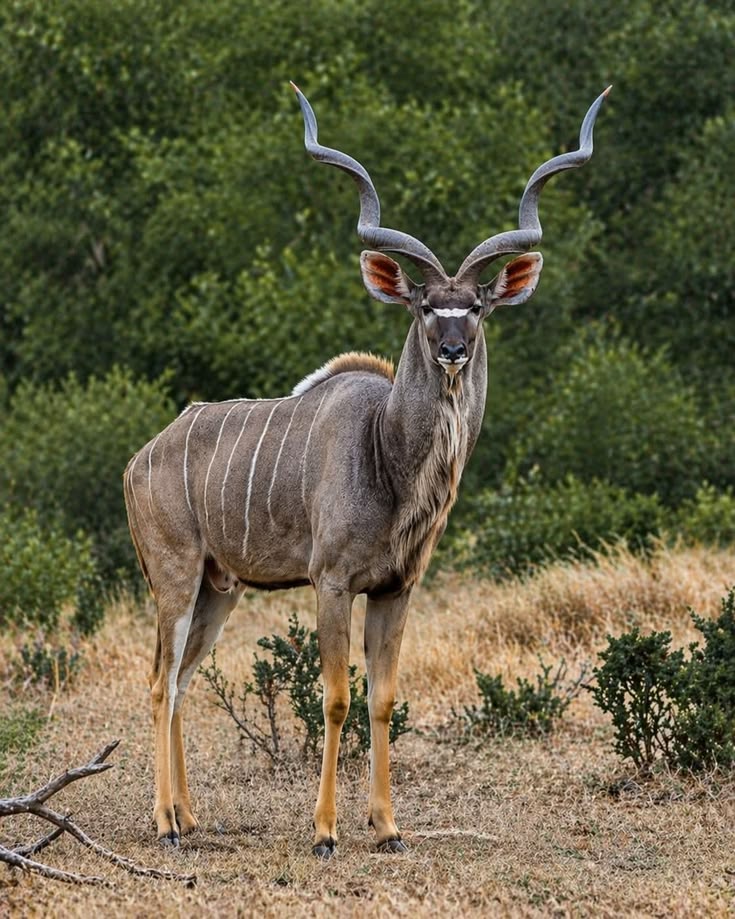
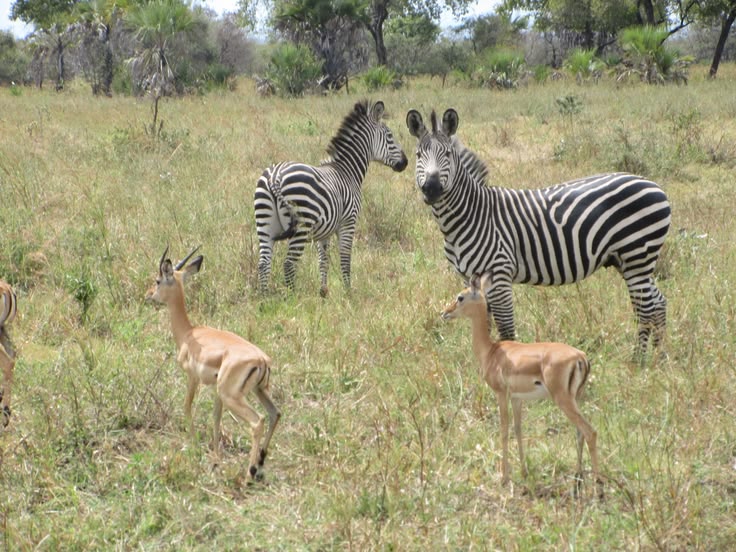
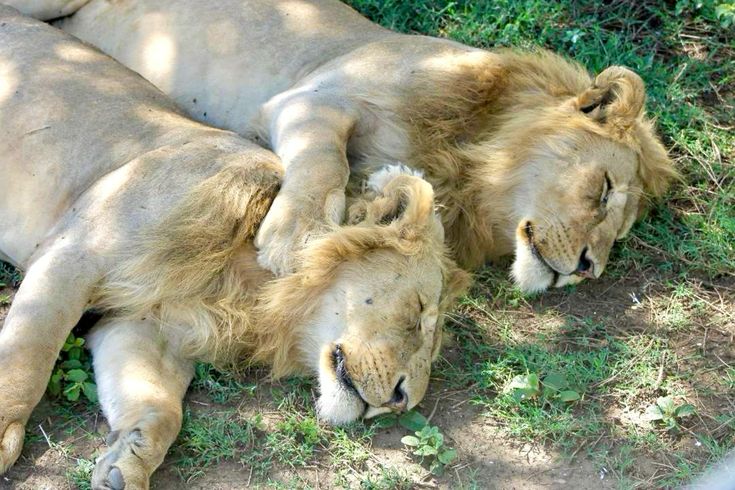
Frames from four days of repetition: the same ground, different hours, and the animals that use it. View complete gallery →
How Does This Safari Compare?
Where a 10-day October big cat safari sits against a longer predator itinerary and against a migration-focused one.
| Feature | 10-Day October Big Cat | Classic Migration Safari |
|---|---|---|
| Primary subject | ten days on the ground that suits this category | Moving wildebeest herds |
| Method | Repetition on fixed ground | Repositioning to follow movement |
| Traffic | Very low, often alone on good ground | Heavy, especially at crossings |
| Time horizon | Days, not hours | Hours, not days |
| Best for | Travellers with 10 days wanting big cat | Travellers chasing a specific event |
Experience on Film
A visual summary of a October big cat week, from pride territory to the eastern rhino country.
Video highlights are shared with confirmed bookings. Ask for the current footage when you enquire, so you are seeing this season rather than an old clip.
Inclusions & Your Quote
What this arrangement covers, and what it does not.
Included
- Safari vehicle with pop-up roof and your own predator-specialist driver-guide
- Bean bags and window mounts fitted for long-lens work
- Four nights' accommodation per the confirmed plan
- Meals per the confirmed meal plan
- Park and conservation fees as applicable
- Round-trip road transfer from Arusha
Not Included
- International flights
- Tanzania visa
- Travel insurance
- Tips for guides and camp staff
- Personal expenses and premium drinks
- Pre- or post-safari nights in Arusha
Your Quote, Built Around Your Dates
| Quote Field | Your Arrangement |
|---|---|
| Per Person | Current price — confirmed in your quote |
| Vehicle | Private, configured for long-lens work |
| Accommodation | Position chosen for first light |
| Guide | Predator-ground specialist throughout |
* The total depends on travel dates, group size and accommodation category. Positions on this itinerary are selected for reach onto working ground at first light, which is why the quote varies between date ranges. No fixed price is shown here — request your current quote below.
How to Book Your Safari
Six steps, and how long each one realistically takes. October is quieter for demand but the positions that work for predators are few.
Tell us your dates, group size and cat priorities. October territories differ subtly by week.
A full breakdown with calm-territory strategy day by day, accommodation set out, and sighting honesty in plain terms.
Once the quote is right we hold accommodation and vehicle while you confirm. October holds run easier than peak months.
A deposit secures everything with the balance due before arrival, stated plainly in confirmation.
Final vouchers, guide details, territory plan and transfer arrangements in writing before you travel.
Collected from Arusha or the airport, briefed on the territories that evening, on calm ground before first light.
Frequently Asked Questions About the October Big Cat Safari
The questions we are actually asked about a predator week, including the one nobody likes asking.
Ready for Days on Calm Territory?
Five dawns on undisturbed central ground while herds filter south, in the calmest big-cat month of the dry half-year.
Enquire now for current availability — no deposit requested at this stage