


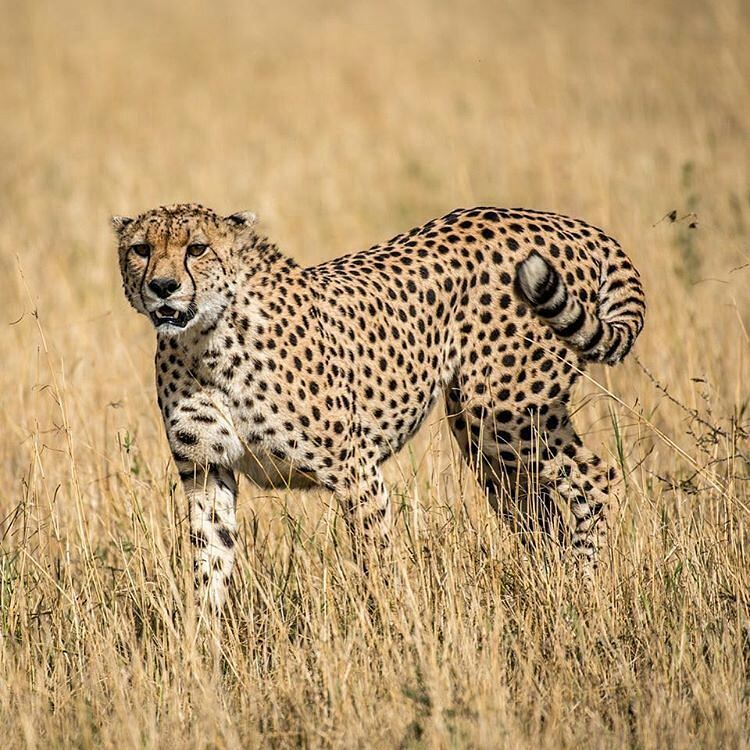
October Serengeti Safari Guide: Eastern Plains & Namiri — Cheetah Country Before the Rains
An October Serengeti safari heads to the remote eastern plains: Namiri's open grass with sensational cheetah densities, gazelle seas and the fewest vehicles in the park, before the short rains green the skies and the migration turns south.
The October Serengeti Safari: Eastern Cheetah Country
October is the eastern plains at their best. The dry-season end holds game on the shrinking waters, Namiri's open grass delivers the Serengeti's best cheetah odds, and herds begin their nervous turn south as the short rains threaten. With almost no vehicles, the eastern horizon belongs to you.
Days work the open grass, gazelle seas, kopje edges and far herd lines at nyamtheir fastest hours, with termite-mound stakeouts for the coursing action. Longer loops arc through Seronera and the crater, or fly on to Zanzibar. Availability, camps and prices are confirmed against your dates at booking.
Everything You Need to Know at a Glance
Eastern Serengeti
The remote eastern grassland around Namiri delivers October's open-country spectacle.
Cheetah Focus
Sensational cheetah densities, huge gazelle herds, topi, kopje cats and the east's far-horizon cast.
Seasonal Timing
October closes the dry season as the migration edges south; the grass still holds.
Open Country
Open blocks, kopje edges, wooded margins and the far herd lines frame the October plan.
How You Travel
Long Arusha road transfers past Seronera plus eastern game drives in a private 4WD with an eastern guide.
Field Time
Full days rotate termite-mound stakeouts, grassland sweeps and kopje-edge circuits.
When to Go
October is the eastern grass classic; the short rains soon change the sky.
Price on Request
Pricing depends on season, group size, nights and accommodation. A confirmed quote follows your dates.
Where Octobers Take You: Grass to Herd Lines
Each stage works one October priority — cheetah grass, gazelle seas, kopje edges and the east's far horizons before the rains.
Region stage: October is the eastern grass at its best, and the open sightlines are what make this the Serengeti's strongest cheetah month.
Safari activity: Termite-mound stakeouts and slow grassland sweeps, working the open blocks where the sightlines run for kilometres.
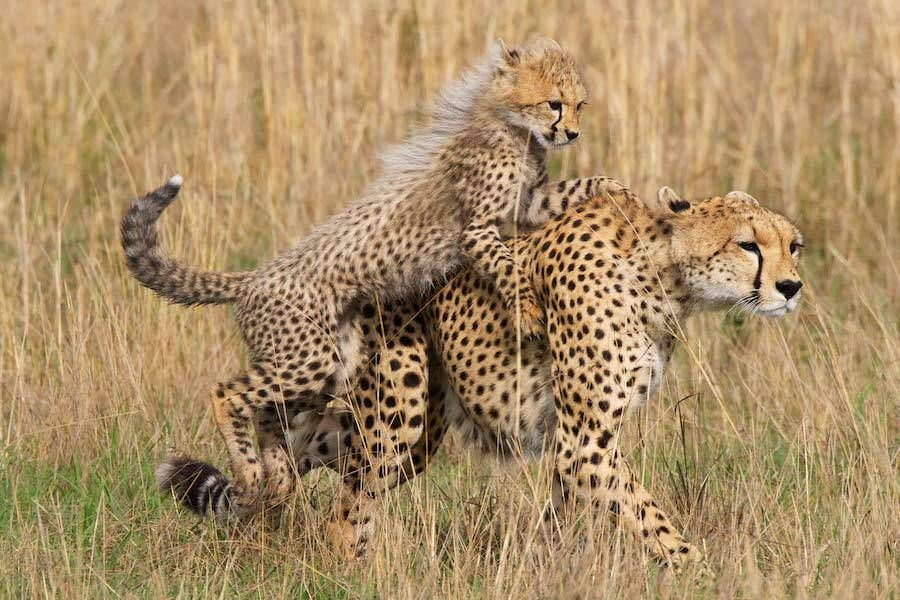
Wildlife focus: Cheetah mothers, cubs and coursing singles, with topi, hartebeest and gazelle as the supporting cast.
Destination context: Short grass, no obstacles and a large prey base is the cheetah equation, and the east satisfies all three.
Meals and timing: Cheetah activity peaks in the middle hours when the grass is hottest, which inverts the usual rhythm.
Overnight and logistics: Grassland camps sit in open country, so the middle-of-the-day stakeout is genuinely convenient.
Travel reality: Hunts are never guaranteed. What October guarantees is the habitat and the odds, which is a different promise.
Region stage: The east holds enormous ungulate numbers, and October is when they are visible in every direction at once.
Safari activity: Long driving loops across the open blocks, stopping wherever the herds are standing rather than at fixed points.
Wildlife focus: Thousands of gazelle, topi, hartebeest and zebra, with predators working the same ground.
Destination context: Scale is the eastern signature, and dry-season water is what concentrates that scale into view.
Meals and timing: The open blocks reward a long lens and a long lunch, because the drive between sightings is part of the day.
Overnight and logistics: Open-country camps make the long loops easy rather than a sequence of transfers.
Travel reality: Herds in the east are resident but mobile, so exact positions shift daily and are confirmed by the guide.
Region stage: The eastern kopje edges and termite mounds are the structure that turns open grass into a working safari.
Safari activity: Stakeout sessions on the mounds through the middle hours, then kopje-edge loops late in the day.
Wildlife focus: Lion prides resting on the kopjes, cheetah on the mounds, and elephants at the scattered water points.
Destination context: A landscape that is almost featureless still works because the mounds and kopjes create structure and shade.
Meals and timing: Mound stakeouts run through the heat, with the kopje edges taking over as the air cools.
Overnight and logistics: Mound-view camps and kopje-edge positions make the middle hours workable rather than punishing.
Travel reality: Mound use rotates through the season, so the productive mounds are chosen against current activity.
Region stage: The longer October plans add the far blocks and swing west to the valley, which is where the migration is drifting as the season turns.
Safari activity: Open-grass days, far-block loops and a westward leg to Seronera's big-cat country.
Wildlife focus: Eastern cheetah and gazelle scale, valley lions and leopards, and a change of country entirely.
Destination context: October is the month the season turns, so a loop that follows the herds south is unusually well timed.
Meals and timing: Full board in the east, with a lighter rhythm on the long transfer to the valley.
Overnight and logistics: Eastern camps and the valley block are confirmed together so the arc runs cleanly in either direction.
Travel reality: The short rains can break early in October, and the first rain changes the eastern picture quickly.
Your October: Grass → Herds → Edges → Horizons
An eastern circuit that fishes each open-country character in its best hour, from Arusha and back — with island options on the grand loop.
Meet at your hotel or airport and drive past Seronera toward the east.
Cheetah country on the open blocks.
Thousands of ungulates across the same grass.
Lions on the rock, cheetah on the mounds.
Resident cats on the westward leg.
The road back west, or a flight out of the region.
Interactive Safari Map
Follow the Arusha → Namiri → far blocks → kopje edges circuit stop by stop.
- Arusha
Safari capital gateway
Start and return by road - Namiri Plains
October's cheetah ground
Middle-hour stakeouts - Gazelle Sea Lines
Scale on the open blocks
Long driving loops - Gol Kopjes
Lions on the rock
Late-day edge loops - Far Blocks
Remote eastern grass
Full-day loops
Best Time to Visit in October
October is the eastern grass classic — dry-season end with cheetah action at full tempo.
Wildlife of Your October Safari
Speed, numbers and big skies before the short rains change the season.
The east's defining predator, at its most visible in October.
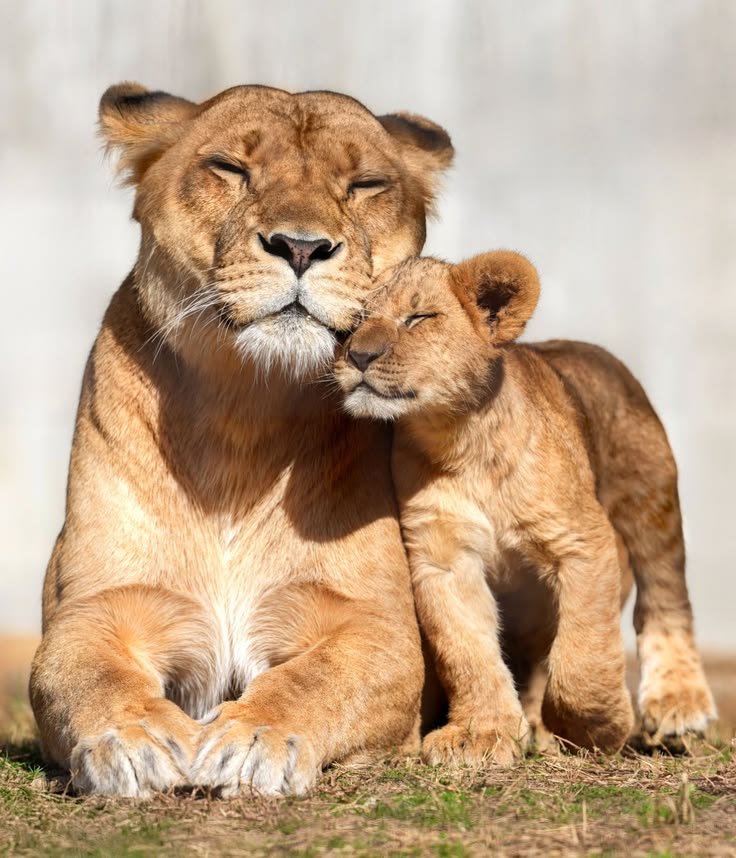
Kopje prides resting through the heat.
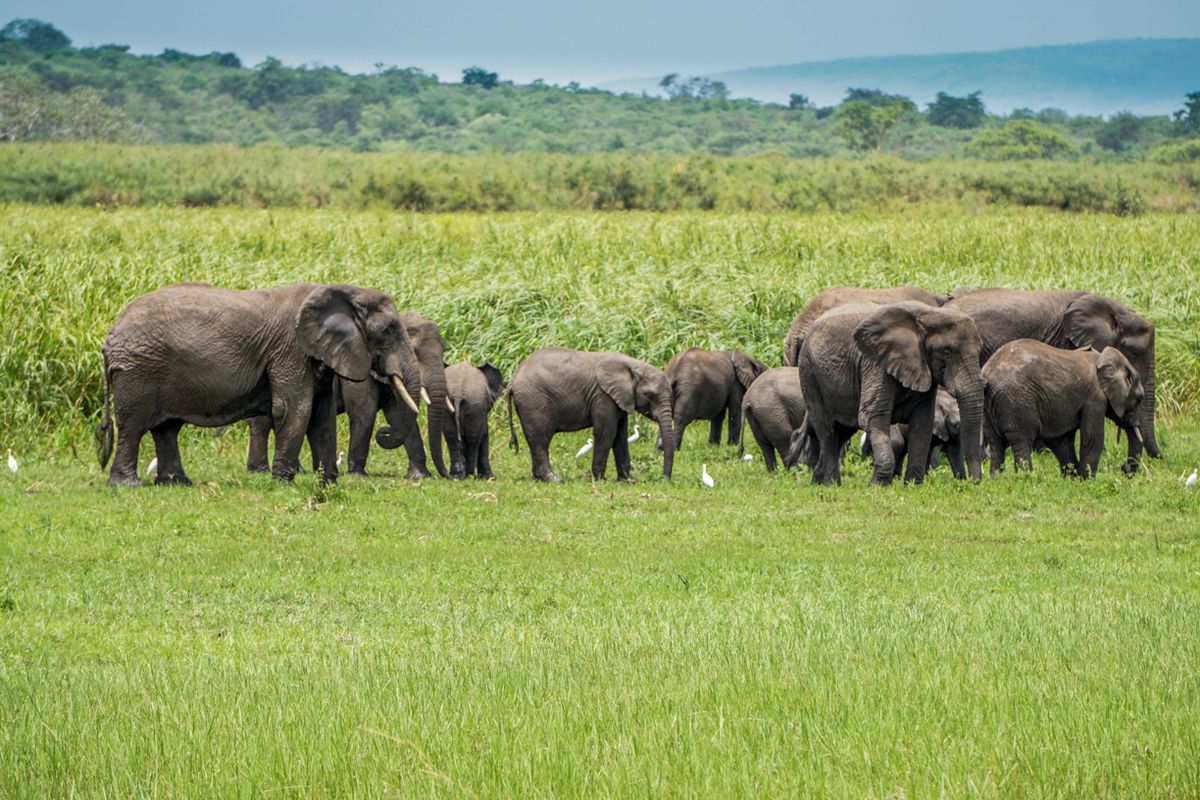
Moving between the scattered eastern water points.
Thousands across the open blocks.
Standing tall on the eastern termite mounds.
Large herds through the same grass.
Groups strung across the open country.
Scattered through the eastern woodland edge.
Herds at the eastern water points.
Clans working the open ground.
Dancing on the wetland edge at the far blocks.
Hunting the open ground from the mounds.
| Animal | Potential Encounter | Best Viewing Context | Best Area |
|---|---|---|---|
Cheetah | Strong | Mound stakeouts through the middle hours | Namiri plains |
Lion | Possible | Kopje resting through the heat | Gol kopjes |
Elephant | Strong | Moving between eastern water points | Eastern water |
Plains Gazelle | Strong | Open blocks in thousands | Eastern grass |
Topi | Strong | Standing on the termite mounds | Mounds & grass |
Hartebeest | Strong | Large herds in the open | Eastern grass |
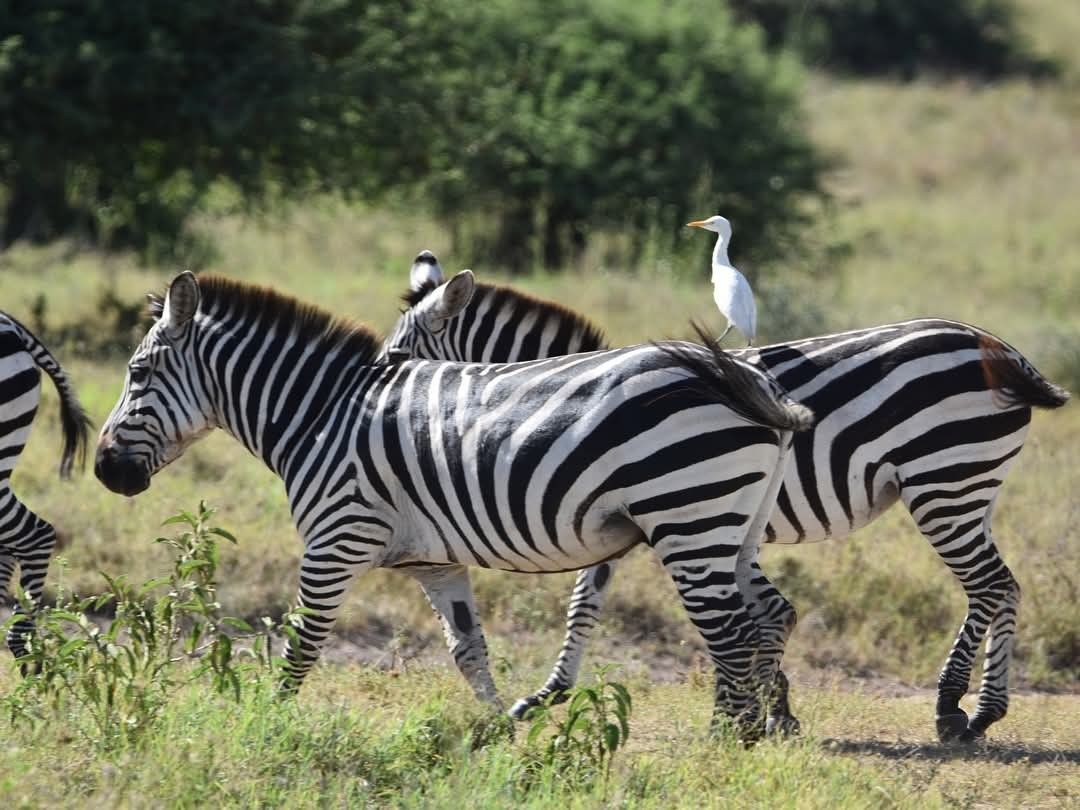
Zebra | Strong | Groups across the open country | Eastern grass |
Giraffe | Possible | Woodland edge browsing | Eastern woodland |
Buffalo | Strong | Herds at the water points | Eastern water |
Spotted Hyena | Possible | Clans in the open ground | Open blocks |
Grey Crowned Crane | Possible | Wetland edge at the far blocks | Far blocks |
No sighting is guaranteed. Animal movement varies with weather, season, food, water and the day-to-day conditions of the ecosystem.
Tanzania Safari Packages for October
Every itinerary below works the remote eastern grass from Arusha — or flies to Zanzibar on the grand loop. Compare the three-day express, the four-day cheetah loop, the six-day grass circuit, the seven-day remote week and the twelve-day grass-to-island expedition, then request the current quotation for your dates.
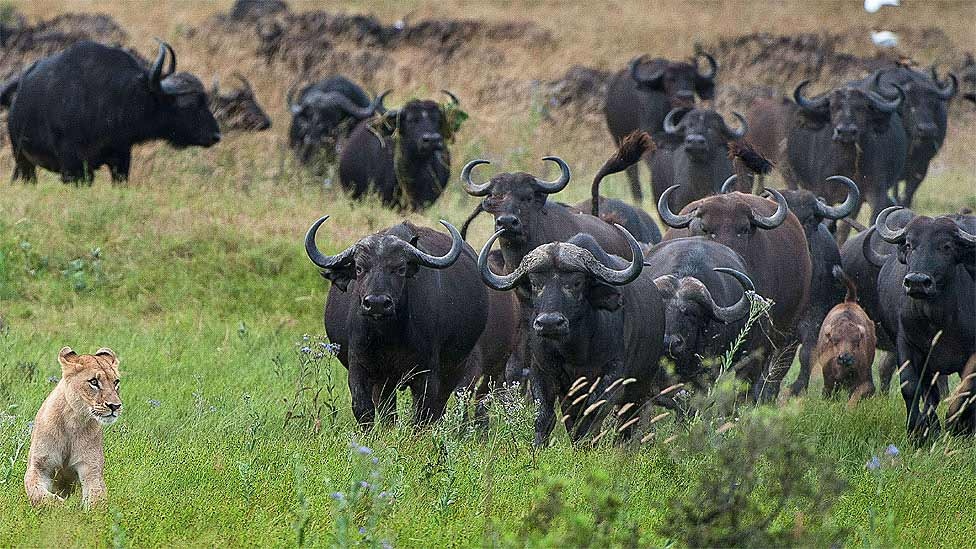
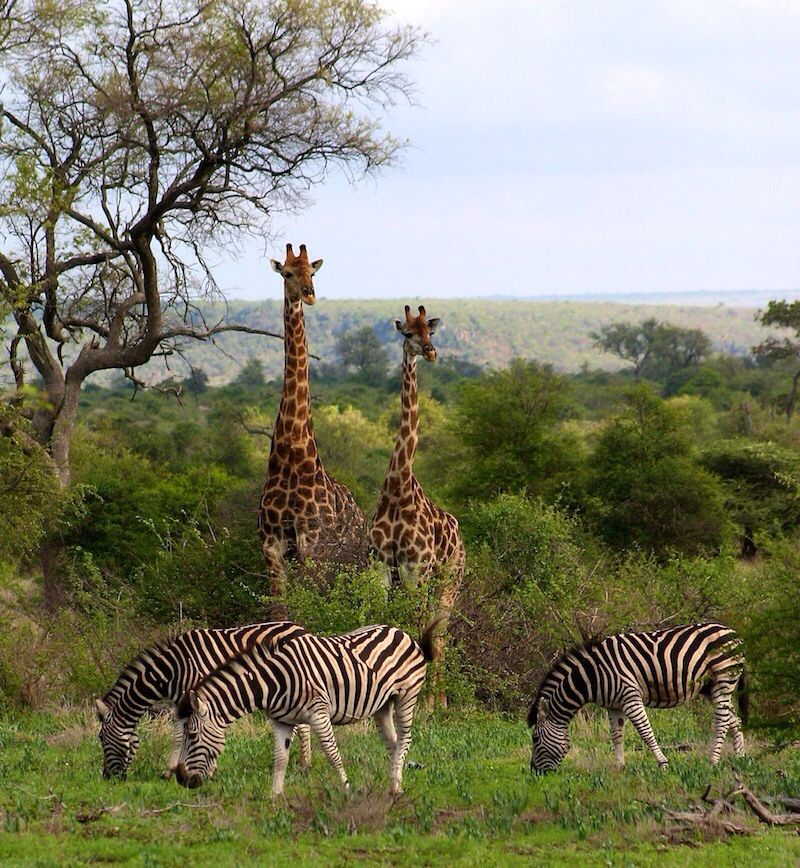
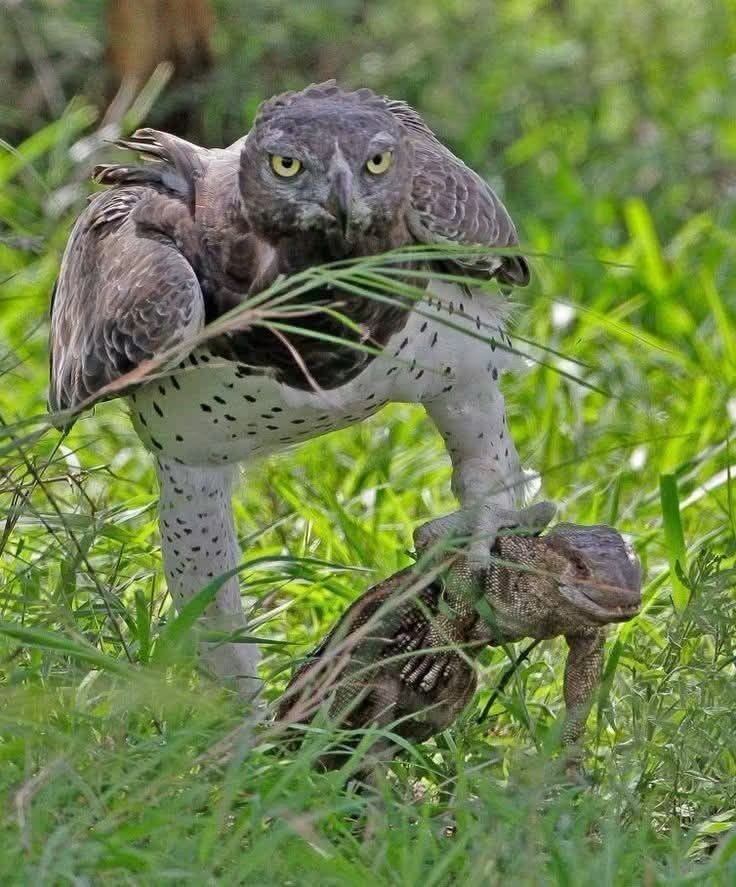
Prices are on request and confirmed against dates, group size, gates, accommodation and transfers. Equivalent or superior properties may be substituted when necessary.
Why Choose Kizza Adventures for October?
Your October safari is planned around grass windows, herd reports and maximum open-country time with a wildlife-first approach.
October routes are built around the middle hours, when the east's cheetah activity actually happens.
Termite-mound and kopje positions are chosen against current activity rather than assumed.
The east offers the best odds in the park, and the itinerary says odds rather than promise.
The first short rains are expected to alter the eastern picture, and the plan flexes for that.
The quietest month in the park is used to run longer, wider eastern loops.
Pricing is confirmed against dates, group size, gates, accommodation and inclusions.
Wildlife is observed to park rules, with no guaranteed sightings advertised.
The safari team answers current availability and quotation questions directly.
October Eastern Safari vs Peak-Season Safari
October is the opposite of peak season: fewer animals in one place, more of the park to yourself, and a different predator entirely.
| Feature | October Eastern Plains (This Page) | Peak-Season Southern Safari |
|---|---|---|
| Headline | Cheetah country and open scale | Newborn herds at maximum density |
| Vehicle numbers | The lowest of the year | The highest of the year |
| Predator focus | Cheetah on open grass | Predators on the calving grounds |
| Landscape | Vast open eastern blocks | Dense southern short grass |
| Best for | Cheetah, solitude and photography | First-time migration trips |
Essential Safari Travel Information
Operational requirements vary by nationality and travel date, so use official Tanzanian sources and your final booking documents for current October requirements.
Carry a passport valid for the required period and confirm current Tanzanian entry requirements for your nationality before departure.
Eastern access runs through the main gates, and the exact route and timing are confirmed with the park at booking.
Speak to a qualified travel-health professional about vaccines, malaria prevention and any personal medical preparation.
Comprehensive travel insurance is strongly recommended for medical treatment, evacuation, cancellation and baggage disruption.
The remote east is almost entirely offline, so plan around being unreachable for days.
Stay on designated tracks, remain in the vehicle when required, and follow guide and park instructions.
Safari Gallery — See October Before You Arrive
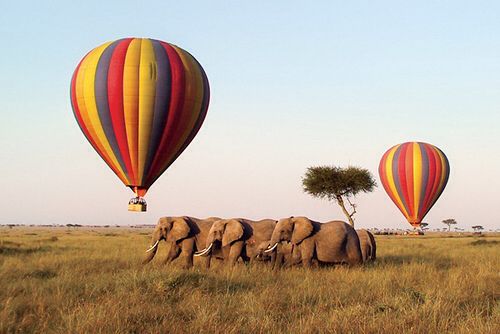
Open cheetah grass, gazelle seas and kopje edges of the October eastern Serengeti.
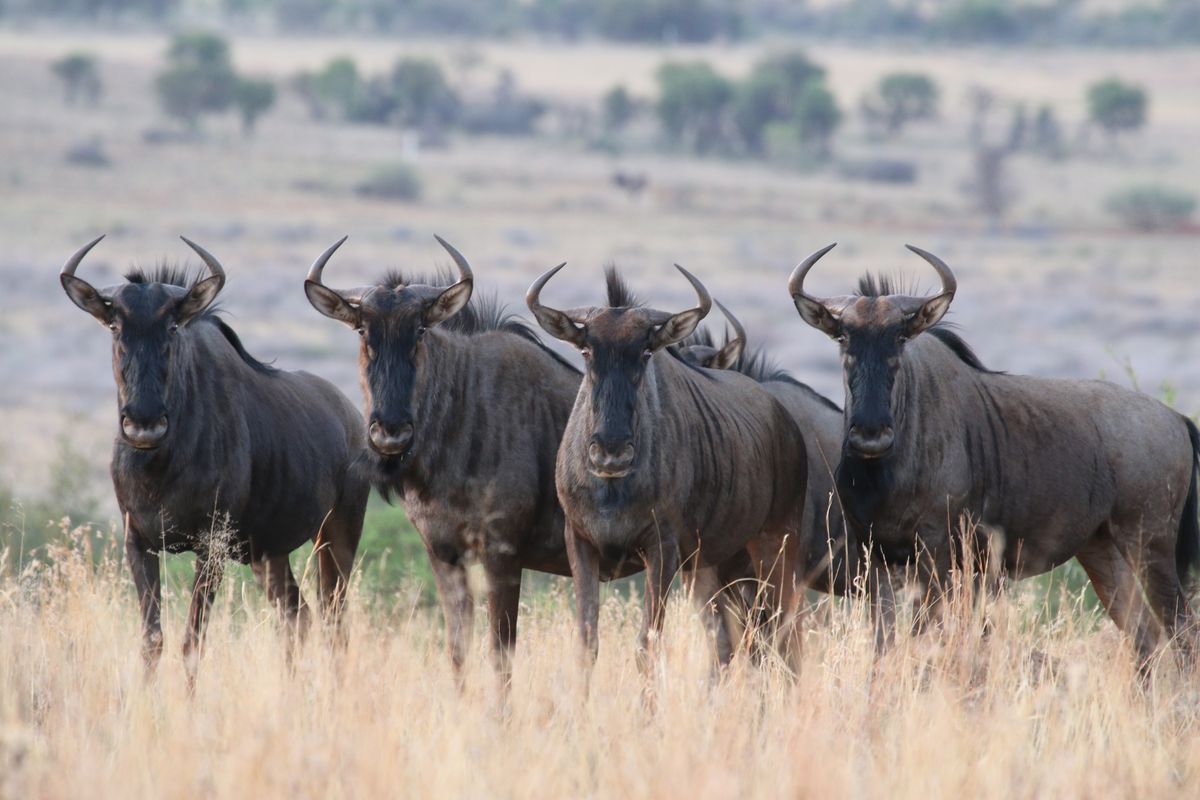
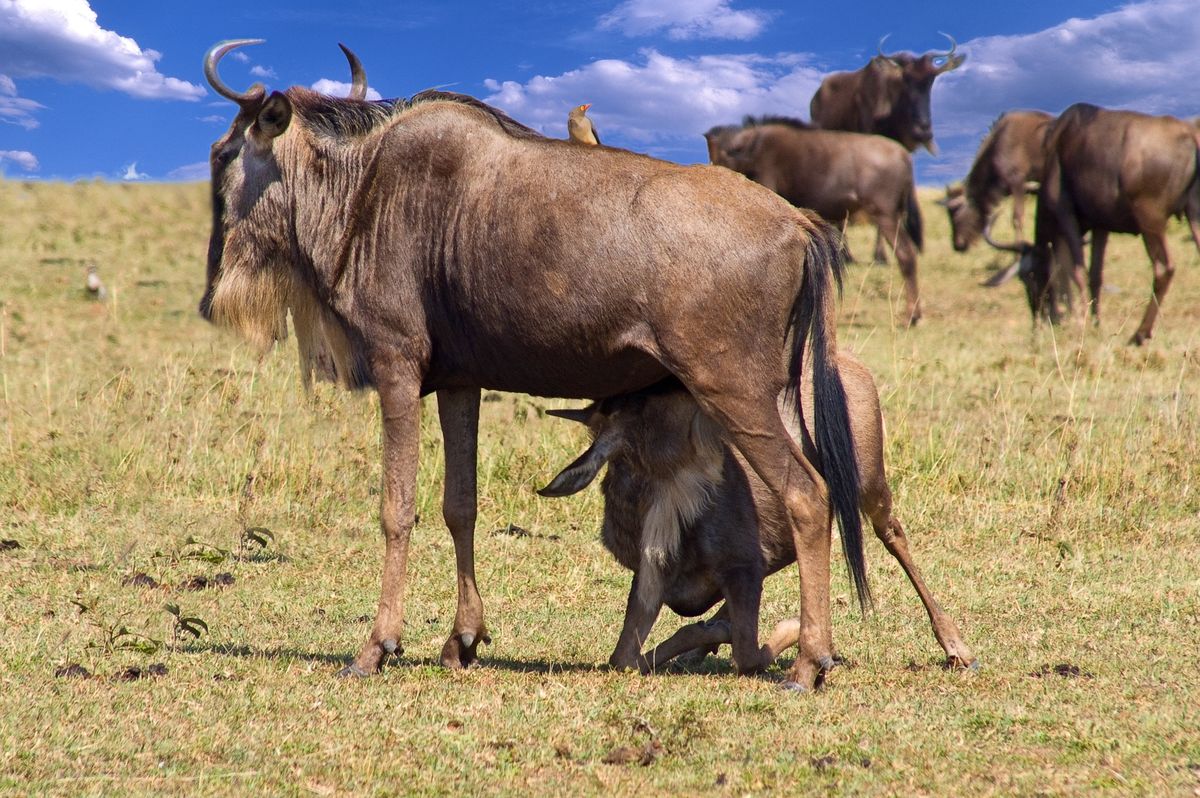
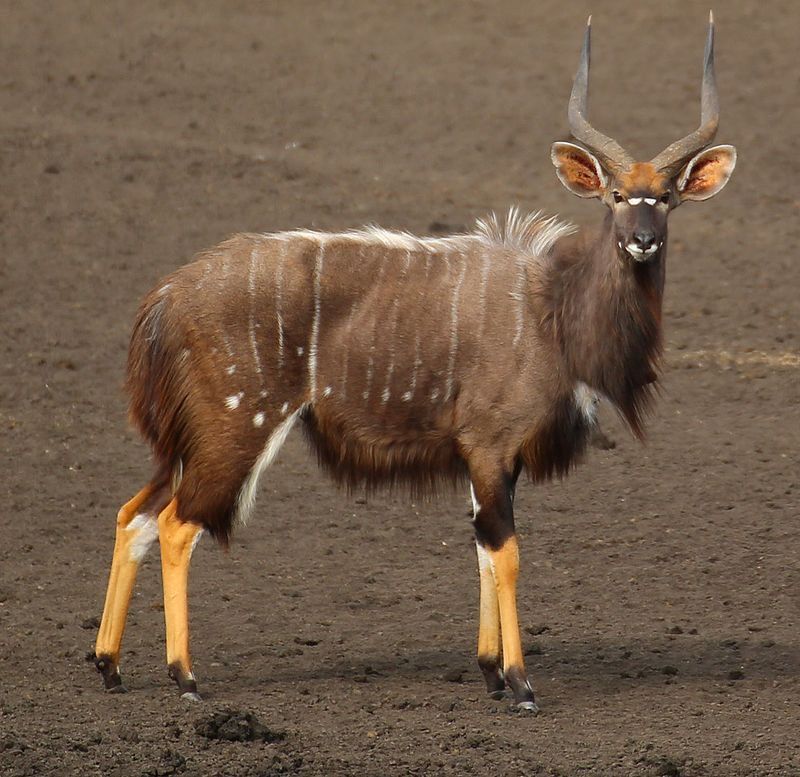
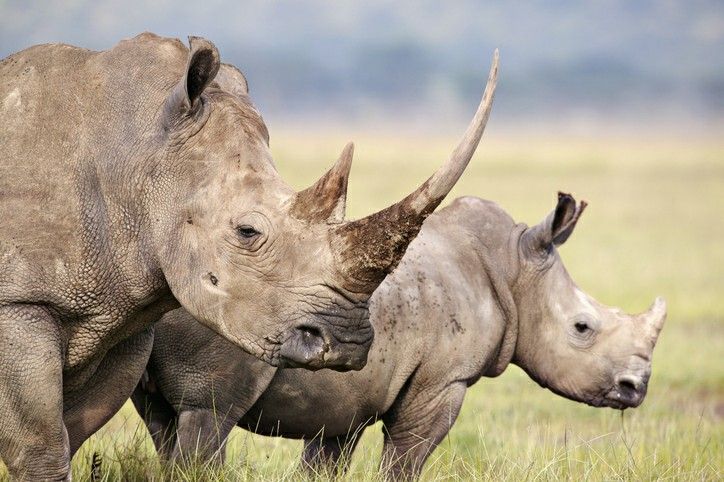
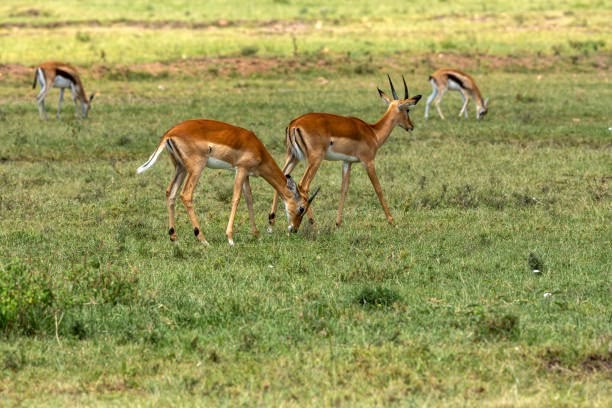
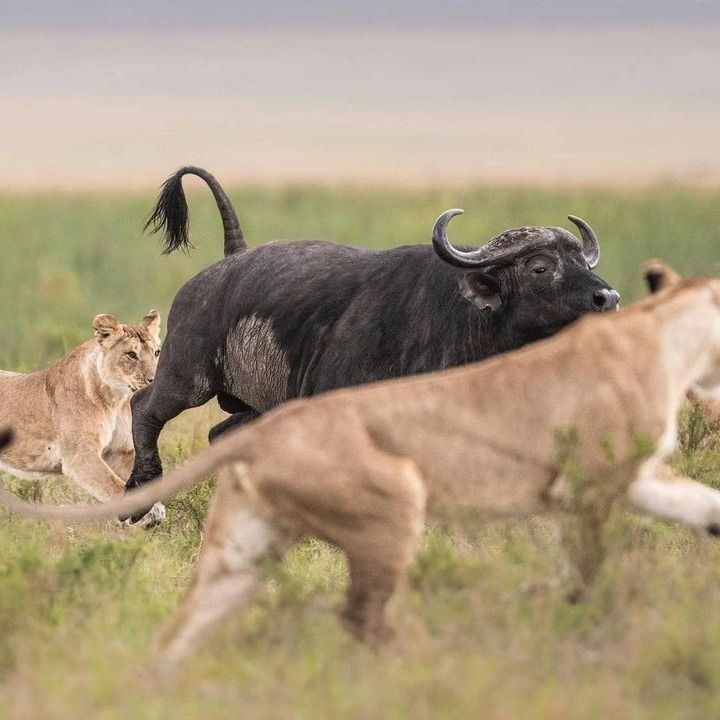
Frames from the Namiri plains, the mounds and the kopje edges. View complete gallery →
Frequently Asked Questions About October Serengeti Safari
Practical answers for travellers planning a safari in October, the eastern plains before the rains.
How to Book a Safari in October
Booking an October safari is straightforward: send your dates and group details, then confirm eastern availability and the correct current quotation.
Share your preferred start date, Arusha hotel and number of travellers.
Decide between the 3, 4, 6, 7 or 12-day eastern plan.
Lock camps and mound positions against current activity reports.
Look over the proposed camps and any valley nights on the longer arcs.
Get the current price, inclusions, park charges and payment instructions.
Receive the operational itinerary and packing list for your Arusha arrival.
Ready for the October Cheetah Plains?
Plan an October Serengeti safari on the eastern Namiri grass — choose a 3, 4, 6, 7 or 12-day itinerary, confirm eastern availability for your dates and request the current quotation.
Eastern availability, nights and pricing are confirmed on booking.