


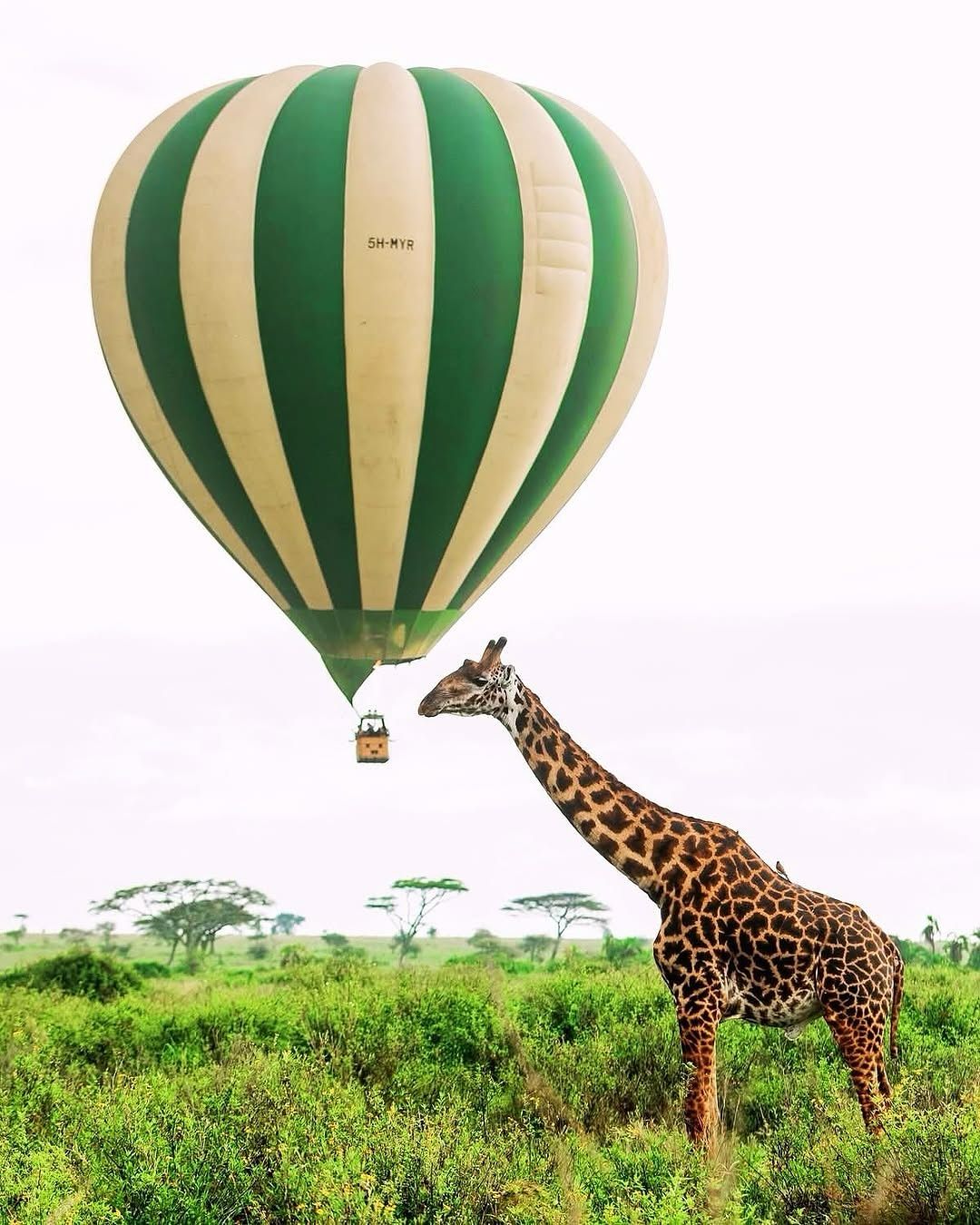
4-Day March Luxury Serengeti Balloon Safari — Sunrise Above Tanzania’s Endless Wild Plains
Book the 4-Day March Luxury Serengeti Balloon Safari in the Serengeti: the aerial view of the herds, then plains game at ground level. The Best Light in the Park, From a Basket
March is the most under-sold month for a balloon safari in the Serengeti, and the reason is simple: it builds cloud. A dawn here can have a lit background behind the herds, a shaft of sun on the drainage lines and a hundred kilometres of visible distance, which is not a thing you get reliably in the dry months. This 4-day March balloon safari gives you that one flight and four full days of ground time beneath it, with the flight positioned so a grounded morning costs you the flight and not the safari. Whether you are searching for a 4 day balloon safari, a balloon Serengeti safari, or a private departure for two, the operating rhythm is the same: an early start, a full day on the plains, and an honest account at the end of it about what you actually saw. Every departure is run out of Arusha with a licensed Tanzanian guide, a private 4x4, and an overnight confirmed against your dates.
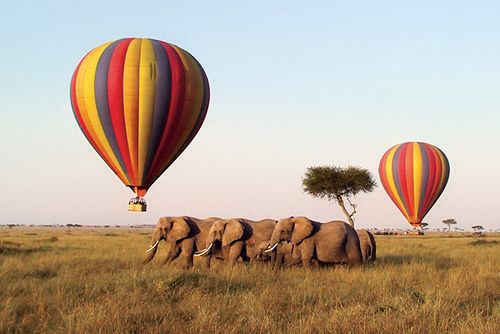
Green Season From Above, and the Herds Leaving
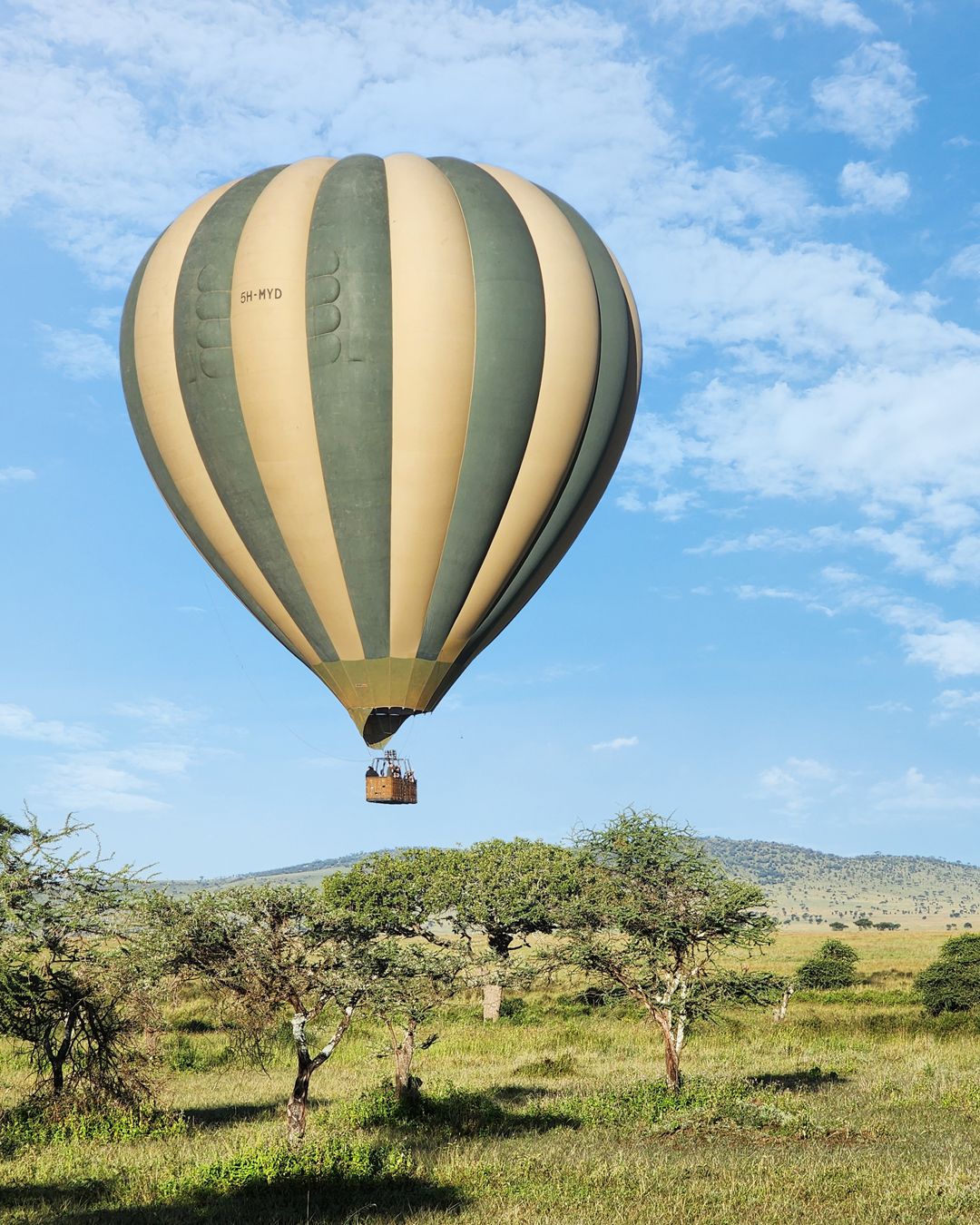
A balloon over the Serengeti in March is a completely different proposition from a balloon over the Serengeti in August. There is no dust hanging in the air, the plain is green on the drainage lines and brown where the herds have grazed it, and storm cloud builds over the western hills through the afternoon and is still there at dawn. The contrast between the lit plain and the dark sky behind it is the reason photographers book this month, and it is visible from about two thousand feet.
It is also, honestly, a small weather-dependent part of a much larger week, and March builds cloud more readily than the dry months do. Flights launch in the dark and are stood down when the wind, cloud or rain is against them. So the itinerary is built so the ground plan works either way, your four ground days are planned whether or not the burner ever lights, and we will tell you the real flight position for your window before you book.
- One sunrise balloon flight over the Serengeti green season
- Rescheduled rather than cancelled if the morning is grounded
- Four full ground days on the plain, the lakes and the kopje margins
- Very low vehicle numbers on the ground beneath the balloon
- No promised flight date, herd position or light conditions
4-Day March Balloon Safari at a Glance
The practical shape of the trip before any detail. March is a quieter month on the ground, so the flight is the anchor rather than the crowds. Accommodation is confirmed on booking.
How the four days are used
The flight is a fixed window around sunrise and everything else is arranged around it, so these are short, well-used days rather than long ones. A shorter trip has to choose, and choosing usually means dropping the middle-of-the-day sessions that produce most of the images. 4 days keeps a dawn and a late-afternoon session on every day of the safari and still leaves room to work the same ground twice rather than only passing it.
What the flight arrangement is
One sunrise flight on the launch dates operating for your window. Flights can be stood down for wind, cloud or rain and are moved to another morning in the itinerary where one remains.
What the month brings
The best cloud and light of the year for a flight, the worst odds of a clear morning, and traffic on the ground that is a fraction of February's.
What fills the rest of the week
Dawn sessions on the plain as the herds move north, a day on the resident predators around the granite, the western lakes through the middle of the day and late returns.
Vehicle and guide arrangement
A private vehicle is standard. With traffic this light, being able to sit still on a productive subject for an hour is worth more here than in a crowded month.
How the hours are used
The flight and the ground dawns are the anchors. The hot middle of the day goes to the lakes, a long lunch and resting, which is what keeps early starts achievable across 4 days.
What the stay depends on
Property, room type and meal plan are confirmed against your dates. The launch schedule in use for your window shapes the first overnight, and that is confirmed rather than assumed.
What moves the quote
Dates, group size, accommodation category and the current flight schedule for your window, with the flight shown as its own line. Send your dates and we will itemise the whole arrangement.
Sample March Balloon Safari Itinerary — 4 Days
A working shape for the trip. Flight timing is decided by the morning's conditions rather than by us, and the ground plan absorbs that whichever way it goes.
Getting there: Departure is early from Arusha and the road climbs through the Ngorongoro highlands, with a stop at the viewpoint if the weather is clear. March traffic on the roads is heavier than in January, so the arrival day is used for transfer and positioning only.
The safari activity: The group settles onto the short grass in the afternoon and takes a first evening glassing, which in March is genuinely useful because it shows where the herds are already concentrating. The overnight is placed against whatever that evening revealed. The morning belongs to the launch corridor and the flight itself, with the rest of the day given to plains game viewing from the vehicle at the landing site and afterwards.
What you might see: The southern herds in March are splitting up as the season turns, with the first columns starting to push north-west and the southern calving tail still on the ground. Green grass everywhere makes the movement easy to read. Road condition, park access and the highland weather can all change the arrival time, and the guide will re-order the day rather than compress it if the drive runs long.
Meals and timing: Lunch on the road, dinner at camp and an early night. March weather can include afternoon storms, so the group is usually in camp before the rain arrives. First overnight on the southern short grass, close to the current centre of the herds.
How this day is judged: The morning belongs to the launch corridor and the flight itself, with the rest of the day given to plains game viewing from the vehicle at the landing site and afterwards. The day is not measured by how many animals are ticked off but by whether the time spent in the country was used properly, which is why the afternoon session matters as much as the dawn one.
Road flow: The group is at the launch site before first light, which in this month means the southern launch corridor, with the herds already beginning to move. Launch happens in the dark and on a signal, and the basket carries a small number of passengers with the pilot controlling the flight throughout.
The working part of the day: The flight itself lasts roughly an hour and drifts with the morning wind, so the route is set by the day rather than chosen. Baskets only move once airborne, which gives the strange and completely silent experience of a sunrise from two hundred metres up. The landing is a soft one in open grass, and the field breakfast is served on the spot afterwards.
Wildlife context: From the basket the scale of the plains becomes obvious in a way the ground can never show: herd lines, the courses of the drainage, the animal movement that you simply cannot see from a vehicle. The herds below are wild and completely indifferent to the basket passing overhead. The flight depends on wind and weather at dawn. If it cannot launch, it moves to the next morning or is credited against the safari, and no basket moves on the ground.
Practical rhythm: Warm layers are needed for the pre-dawn launch without exception, and it is worth noting that passengers are asked to remain seated and follow the pilot's instructions during the flight. Overnight in the position used for the launch, so the early start is not a long drive in the dark.
Camera and timing: The morning belongs to the launch corridor and the flight itself, with the rest of the day given to plains game viewing from the vehicle at the landing site and afterwards. The hours either side of that session are the ones that matter most for images, and the middle of the day is deliberately left loose for rest, review and moving quietly into the next position.
How the day opens: The morning looks for the remaining nursery clusters rather than the main herd, because in March the small late-calving groups are often separated from the main flow. Those groups are also where the predator pressure is most concentrated.
On the ground: Midday is spent near water where the last stragglers come in to drink, and the afternoon session is a slow return across ground the group has already learned. The guide is looking for the front of the movement as much as for animals.
Reading the country: March calving is a tail rather than a peak, and some days will produce very little. That is normal for the month and the itinerary is built to reward the days when movement is visible rather than the days when it is not. Calving cannot be scheduled and no guide will promise a newborn on the ground; what is predictable in these weeks is herd concentration and the predator activity that follows it.
Comfort and breaks: Breakfast in the field, water carried throughout, and an early return to camp ahead of possible afternoon storms. Overnight on the short grass in the position that gave the best session of the day.
Camera and timing: The morning belongs to the launch corridor and the flight itself, with the rest of the day given to plains game viewing from the vehicle at the landing site and afterwards. The hours either side of that session are the ones that matter most for images, and the middle of the day is deliberately left loose for rest, review and moving quietly into the next position.
Morning movement: One last early session at the current position, then breakfast in the field and the drive back to Arusha. The route is the same road travelled on arrival, with a stop at the Ngorongoro viewpoint if the morning is clear.
The session: The final session is short and unhurried because the trip has already delivered and the priority is an easy return. The highlands look completely different on the way down from the plains.
The species question: Last-morning light is often the best of the trip, and the animals are entirely used to the vehicle by this stage. March can deliver heavy rain on the highlands, which adds time to the drive. Flights are weather-dependent and can be moved to the following morning or cancelled if the wind is unserviceable. Balloons carry a limited number of passengers and the basket does not move while it is on the ground. Departure day is exposed to the same rain and road conditions as arrival, so the return is timed with slack in it.
Pacing the day: Breakfast in the field, packed lunch on the road, and arrival in Arusha in the afternoon or early evening. No overnight on safari; the trip ends on arrival back in Arusha.
Closing the safari: The flight is a fixed window around sunrise and everything else is arranged around it, so these are short, well-used days rather than long ones. Anything not seen in 4 days can be added to a longer itinerary rather than forced into this one, and the guide writes down the ground and the timing that worked so a return trip can start from the same knowledge.
Why a March Balloon Safari?
March gives you the best light in the park and the worst odds of a clear morning. Here is the whole case, including that trade.
The Best Light in the Serengeti From the Air
Building storm cloud behind a lit plain is the shot every photographer wants and the dry months rarely deliver. In March the sky is doing the work, and from two thousand feet you can see the whole weather system at once.
Green Season Colour From Above
No dust, clean air, a hundred kilometres of visible distance, and a plain that is half green flush and half grazed brown. The aerial palette in March is unlike anything the dry months produce.
See the Season's Departure From Above
The columns leaving the short grass are the most legible thing in the park from a balloon, and March is the month they do it. You will see the front of the movement and the grazed ground behind it in a single frame.
A Real, Private Morning
A dawn with the vehicle stationary and almost nobody else on the plain is a quiet experience, and in March the flight morning is often emptier than the whole day will be.
The Ground Days Are the Actual Trip
Four full days of dawn sessions, kopje predators, wetland game and late returns. A flight on its own is a morning; this is a safari with an extraordinary morning attached to it.
Honest About the Cloud
March builds cloud more readily than the dry months, and flights are stood down for wind, cloud and rain. The ground plan is built so a stand-down costs you the flight rather than the safari, and we will tell you the real flight position in writing.
Your Route: Arusha → Launch Corridor → Southern Plain → Western Lakes → Moru Kopjes → Arusha
A road safari built around one flight and four days of using the landscape at ground level, with the launch corridor placed so you are not crossing the plain in the dark.
Departure is early from Arusha and the road climbs through the Ngorongoro highlands, with a stop at the viewpoint if the weather is clear.
The group is at the launch site before first light, which in this month means the southern launch corridor, with the herds already beginning to move.
The morning looks for the remaining nursery clusters rather than the main herd, because in March the small late-calving groups are often separated from the main flow.
Return road to Arusha, timed so you arrive with the afternoon still ahead.
Interactive Safari Map — March Balloon Circuit
The plain, the launch corridor and the places the four ground days use.
- Arusha
Start and finish
Road transfers both ends - Ndutu & the Short Grass
Calving and plain game
The southern block - Western Lakes & Drainage
Waterbirds and general game
Western corridor - Seronera & the Kopjes
Resident lions, leopard and cheetah
Central Serengeti
Why Choose Kizza Adventures?
Why travellers booking a green-season balloon combination choose us.
The flight is slotted into an itinerary that still works if it is stood down. That is a design decision rather than a promise, and it means a grounded morning does not cost you the day.
We do not sell a guaranteed sunrise, and we will tell you which mornings cleared in the last week and what the build-up has been doing. March flights are less certain than August flights and we would rather say so than discover it with you.
The schedule for your window is confirmed in writing when it can be. Until then you will be told exactly what the position is, including when it is a longer wait than you hoped.
With traffic this light, the value is in being on good ground at first light rather than in escaping crowds, and we plan the days around the light and the subject rather than around a queue.
Four of the 4 days are ordinary safari days, run by the guide who would handle a full Serengeti circuit. Reading a moving herd on a green plain is the skill that actually matters this month.
The kopje day is built for the animals that stay, which in March is the most under-used advantage of the season, and most itineraries ignore it.
We do not publish animal counts, herd positions or flight confirmations in advance. You get the right ground in the right hours and an honest account of what you did and did not see.
Property, room type, meal plan, vehicle and flight arrangement are confirmed in writing before you travel, with nothing left to guess at on arrival.
What Animals Will You See?
The southern plain as the herds begin to leave it, plus the residents the kopje day is built around. Honestly assessed.
Plentiful, but distributed as moving columns rather than settled blocks. From the basket you see the shape of the movement; on the ground you see it pass.
The later cohorts of the season are still on the ground, in smaller and more scattered aggregations than at the February peak.
Resident in the western and central woodland, and the animals that keep a predator population in residence rather than transient.
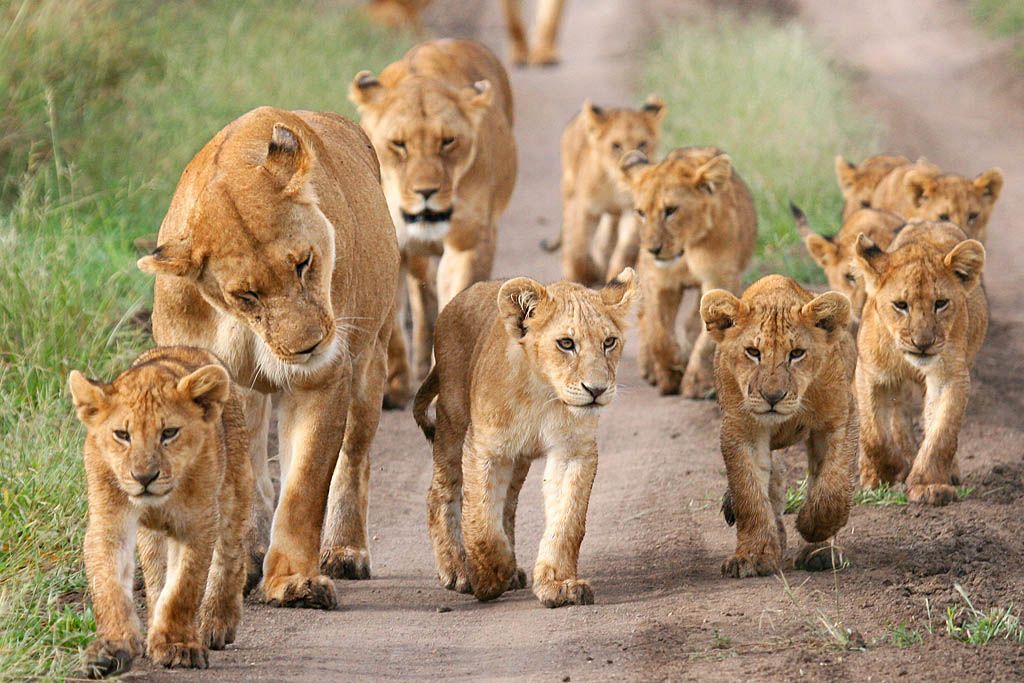
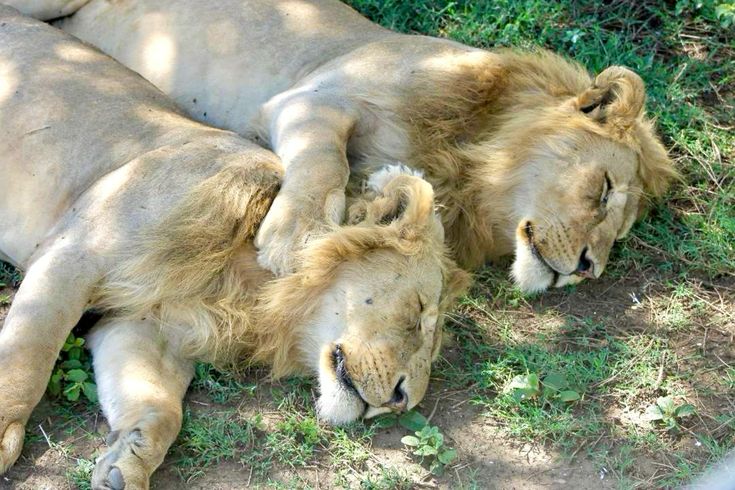
Resident prides on the kopjes and around water. March is one of the best months of the year for finding them, because the migrating herds have taken every other vehicle's attention.
The most persistent predator in the Serengeti, working the margins of every herd and usually audible long before it is visible.
Frequently the most visible big cat on open ground, where low vegetation suits hunting and termite mounds give a vantage.
Better prospects in the woodland margins and along drainage lines than on open grass, particularly around fig trees and river edges.
A genuine possibility in the kopje country, in a small but robust population. Always approached slowly and never promised.
Family herds in the western woodland, with reliable drinking and bathing behaviour at permanent water through the middle of the day.
Held in the permanent pools and rivers, present through the hot hours when everything else is standing still.
Concentrated on the shallow western lakes, with flock numbers moving with the water level through the season.
Constant and informative. Circling vultures mark a kill, from a vehicle or from the basket, and the birdlife in a green month is at its most abundant.
From Our Guide's Notebook: Flying and Driving a Green Season
What the flight shows you in March, what it does not, and how the two halves of the week fit together.
The weather is the first subject
Best spot: In a green month the pilot and the ground guide are making the same decision from different angles: is the sky going to open at first light, or not. The honest morning briefing on day one is worth listening to closely.
The afternoon build-up that decides the dawn
The basket goes low, not high
Best spot: A flight here is not a scenic cruise at altitude. The pilot works with what the animals are doing and comes down low enough to pick out individuals, which is why a flight is about an hour rather than longer.
Working height over the moving columns
A grounding is not a lost day
Best spot: A stood-down morning simply becomes a dawn drive, and on a green plain with one month of calving behind it that is a strong morning in its own right. The flight moves to another window. Guides plan knowing this will sometimes happen.
Any position on the plain
Brown and green tells the story
Best spot: From the air, the grazed brown and the new flush read as a map of the season: where the herds have been, where they are, and which way they are going. It is the most legible thing about a March flight.
Grazed brown against green flush on the plain
No dust means a longer view
Best spot: In the dry months the sightline is a few hundred metres. In March you can see the shape of a whole drainage from two thousand feet, which is the single biggest difference in the flight between the seasons.
The long sightline of a clear green-season morning
The plain is emptier than you think
Best spot: Traffic collapses after the calving season, and the flight morning is the emptiest the plain gets all day. Do not expect a February-style crowd from the basket in March, and recognise that as a feature.
Near-empty ground beneath the basket
Wildlife Sighting Checklist
Realistic potential for a 4-day March window in the southern and central Serengeti.
| Animal | Potential Encounter | Best Viewing Context | Best Area |
|---|---|---|---|
Wildebeest Herds | Strong | Moving columns along the drainage lines | Southern plain and corridor |
Newborn Calves | Strong | Later cohorts, scattered | Southern plain |
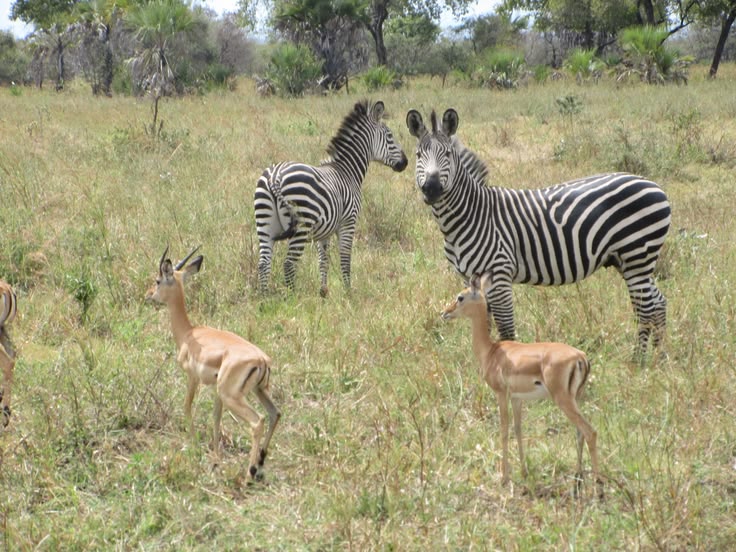
Zebra & Buffalo | Strong | Resident herds in drainage country | Western woodland |
Lion | Strong | Kopje shade and water points | Central Serengeti |
Cheetah | Strong | Open grass and termite mounds | Southern and eastern plains |
Hyena | Strong | Herd margins, audible before visible | Throughout the route |
Elephant | Strong | Woodland and permanent water | Western woodland |
Hippopotamus & Crocodile | Strong | Permanent pools, middle of the day | Western lakes |
Flamingo & Pelican | Strong | Shallow water, numbers move with level | Western lakes |
Leopard | Possible | Woodland edges and fig-tree lines | Woodland margins |
Black Rhino | Possible | Solitary, approached slowly | Kopje country |
No sighting is guaranteed. Movement varies with the rains, grass condition and the herds' own decisions, and the timing of the northward departure shifts between years.
Meet Your Safari Guide
The person deciding where the vehicle goes each morning, handling the ground logistics around the flight, and briefing you honestly on the sky.
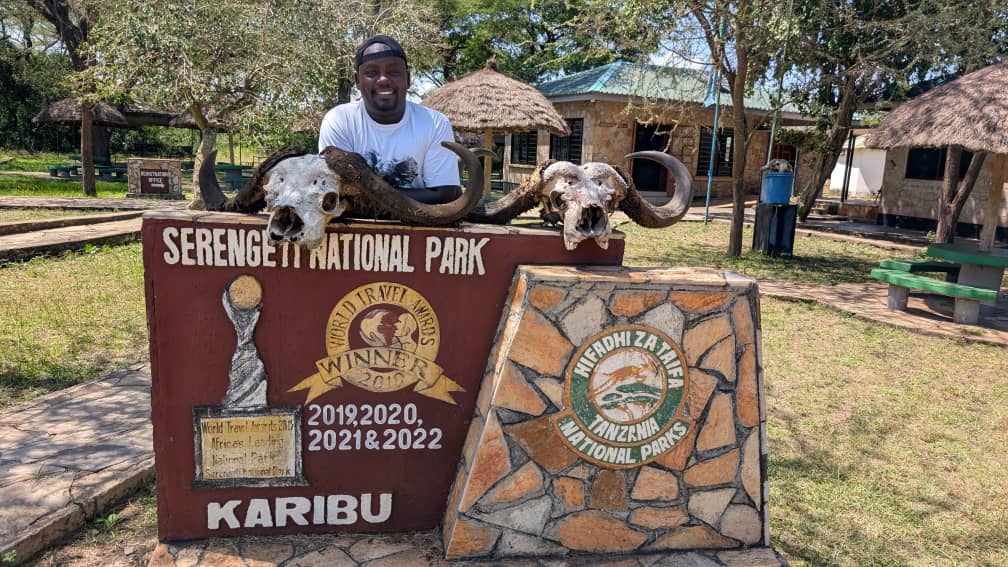
Your Kizza Adventures Guide
Your guide is with you from the Arusha pickup to the return and handles the ground logistics around the flight as well as the driving. On a balloon itinerary that coordination is real work: the launch schedule decides where you sleep, when you are collected in the dark, and when the vehicle has to be where. In March it also means reading the sky with the pilot, because the weather is doing the deciding.
Expect to be told the real position on the flight before you ask, because the guide is usually the first person to know. The more useful thing they can pass on is a way of reading the landscape: where the columns are running, which margin the hyena are using, which ridge the game takes as a corridor, and how much of the morning's light you will have before the weather changes.
Where March Balloon Travellers Sleep
The launch schedule in use for your window shapes the first position, so every property is confirmed against your actual dates rather than described in advance.
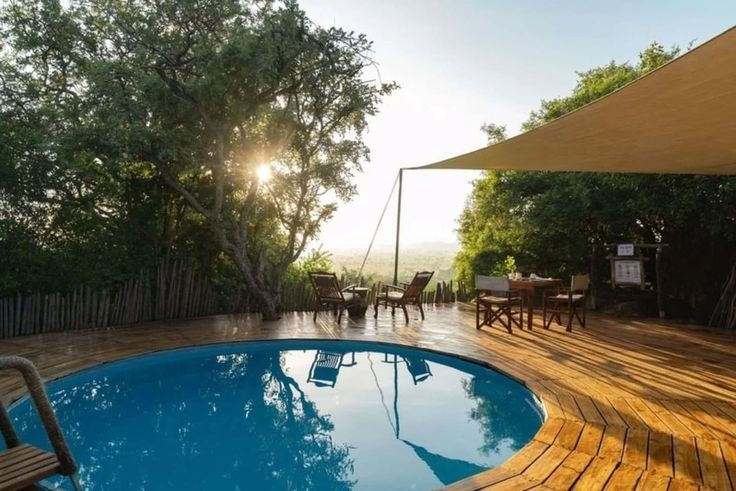
Launch Corridor Overnight (Night 1)
Placed close to the launch corridor so you are not driving across the plain in the dark before a flight, which is the part of the balloon morning most operators get wrong. Property, room type and meal plan are confirmed in the booking system against your dates.
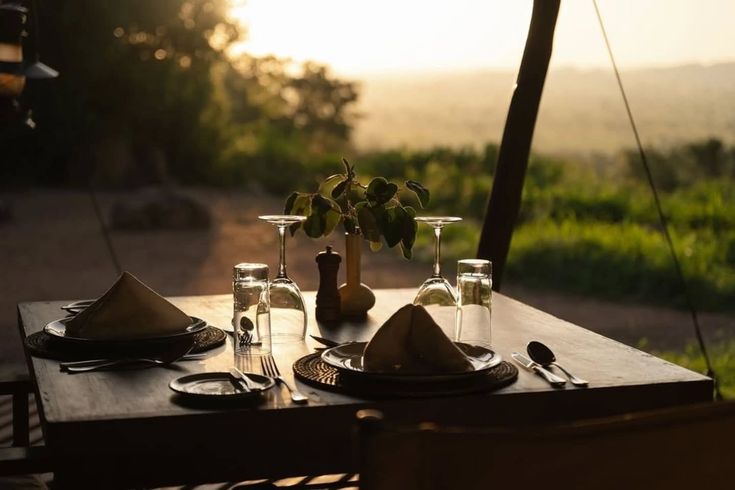
Plain and Kopje Overnights (Nights 2 to 4)
Placed for the dawn plain sessions and for a reach into the kopje country for the resident predator day. In a quiet month the best positions are easier to secure than in February, and every property is quoted from live availability for your specific dates.
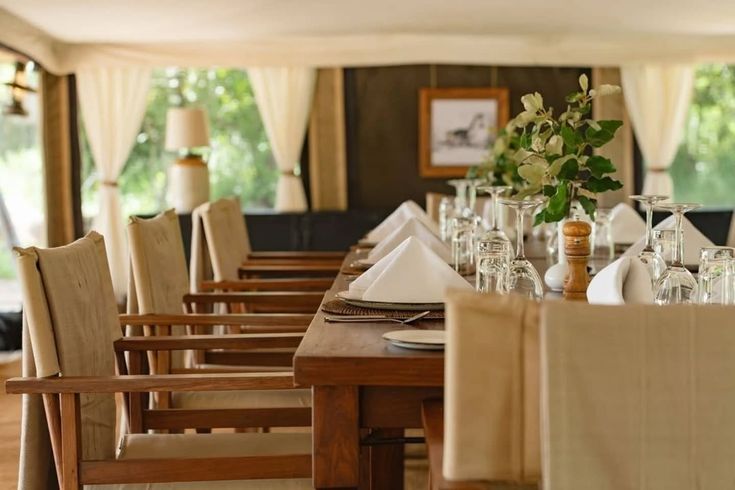
Extra Nights & Zanzibar Extension
Add a night to give the herds a further morning, or to try a second flight on a different month's weather. Every add-on is quoted against live availability for your dates rather than at a fixed headline rate.
Lodges subject to availability. Equivalent or superior alternatives may be used. Contact us for the current lodge selections for your dates.
Getting to the Southern Serengeti
Where the driving actually goes, and what green-season surfaces cost you in time. Flight days add an early start on top.
The Arusha Run
Roughly four to five hours each way depending on road and roadworks, with a stop at the Ngorongoro rim. It is the largest single time commitment of the trip and it sits on both ends of it.
Flight-Day Logistics
On a flight morning the crew want you at the launch site well before dawn, which is why the first overnight is positioned close rather than convenient. Expect a quiet, early, orderly departure and a very long day afterwards.
Green-Season Surfaces
Rain becomes more likely through March and side tracks soften. Main tracks stay usable, and we plan to the road that is open rather than the road that existed last month.
Why Day One Is Short
Because of the drive, day one is arrival and weather briefing rather than a full game drive. Trying to add one makes the group tired before the sky has been assessed even once.
Roads and Surfaces
Main tracks are graded dirt with soft sections out on the plains. Slow speeds protect the undercarriage, and protect the experience: this is not a safari where covering ground quickly helps.
Flights and Arrival Times
Most guests land into Kilimanjaro the day before. Flying the same morning as the pickup leaves no margin, and on a day when a flight is already planned it is not a risk worth taking.
Your Safari Vehicle
The ground days need standing height, power for the batteries, and a driver who can sit still on good ground for an hour.
The standard requirement on the ground days. Animals on open ground are often far away and low, and standing height is the difference between watching and photographing.
A private vehicle is standard, so the person reading the season is the person driving you to it, and the day stays flexible when the ground or the light changes.
Available on request for long-lens work, and more useful in a low-traffic month when you have the time to wait for the frame rather than take the one available.
Power for cameras and phones in the vehicle, which matters more than it sounds when you are out before dawn on a flight morning and away from camp entirely.
Water and soft drinks carried through the driving day, with the hot middle hours best spent at the lakes or resting rather than circling the plain.
A pair in each vehicle. Bring your own if you are particular about glass, and you will be using them constantly on the ground days and in the flight.
Best Time to Join a March Balloon Safari
March gives the best light of the year and the least certain flying. Here is the honest comparison.
For the light and the sky, March to June are the months, because the season builds afternoon cloud and that cloud is still there at dawn. For the certainty of flying, July to October generally give the clearer dawns, because the atmosphere is drier and more stable. No month removes the weather dependency: flights are never a calendar certainty in any month, and we will always tell you the real position for your window.
Where the Herds Are, Month by Month
The annual loop, and where the March ground days sit on it.
March Balloon Safari Photography Guide
Two very different photographic problems in one itinerary, and March makes both of them easier and harder in specific ways.
A balloon basket is a poor platform for long lenses: it moves, it vibrates with the burner, and there is no bean bag. Shoot the landscape, the light, the weather system and the pattern of the herds from the air, and leave the animal photography to the ground days.
March gives you the frame everybody wants: a lit plain under a dark sky with storm building behind it. Expose for the sky, bracket, and be in the basket for the first hour when the light is doing the most.
From a thousand feet a moderate wide or short tele is the right tool, not a heavy long lens. Bring both, and use the long one from the ground where it earns its weight in this low-traffic month.
Drone use is restricted in the Serengeti and is not something to improvise on the day. Ask us about current permissions before you fly anything, including over the plain.
The dawn sessions on the plain are where the sharp, tight frames come from, and they need a full battery bank. Cold before sunrise and heat by ten drain them faster than a normal day would.
The western lake systems offer still water, bird life and a completely different palette, which balances an otherwise green-and-gold set and gives the hot middle of the day something worth making.
What to Pack for a March Balloon Safari
A very early start, a cold basket before sunrise, possible afternoon rain, and a lot of camera gear that needs power.
Clothing for Balloon Mornings and Dawns
- Warmer than you expect before sunrise in a basket, and a proper insulated jacket rather than a windbreaker alone
- A waterproof shell: March builds cloud and showers are possible, including on a landing field
- Soft-sided duffel bag rather than a hard suitcase, because it packs flat and moves easily in the dark
- Neutral-coloured layers: khaki, beige, olive, so you blend on the plain at dawn
- A hat that will not blow off in the basket, and sunglasses for the burner glare
- Boots that handle soft ground, plus a cloth for the lens dust the plains produce constantly
Camera, Lens and Field Kit
- Telephoto lens, ideally 200-400mm or longer, for the four ground days
- A wide or short tele for the flight itself, since the basket is a poor long-lens platform
- Spare batteries kept warm, because cold before sunrise drains them quickly
- Weather covers or a dry bag for the body, and a blower rather than a cloth for grit
- Bean bag or support for long dawn sessions from the vehicle
- A second memory card and an off-board backup, because repositioning days are long
Essential Travel Information
The practicalities worth reading before you book, including the one that changes how the week runs.
Your passport needs a valid margin beyond your travel dates, and the Tanzania visa is arranged before you arrive rather than at the border.
Malaria precautions are advised year-round for the Serengeti region and should be started before you travel. Bring repellents and cover up at dusk, which on a dawn start means taking the repellent with you.
Flights are stood down for wind, cloud and rain and moved to another morning where the itinerary allows. March builds cloud more readily than the dry months, and we will confirm the flight position in writing rather than implying certainty.
Tanzania runs on East Africa Time and this itinerary is built around darkness and light rather than the clock. Land the day before: a delayed international flight on a flight morning is a real and avoidable risk.
Coverage follows the main camps and towns rather than the plains. Offline maps and a downloaded photo backup are worth setting up before you arrive.
Tanzanian shillings for the smaller expenses, and a tip custom for guides, balloon crew and camp staff that we will explain properly on booking.
Honeymoon & Family Options
How a green-season balloon week works for a honeymoon or a family group.
A March Honeymoon Above the Green Plain
A balloon flight over a green plain under building storm cloud, followed by breakfast in the field, is a genuinely good honeymoon morning and there is nothing hurried about it. March suits a couple who wants atmosphere and space: the light is the best of the year, the ground beneath the basket is close to empty, and the field breakfast is private in a way that has nothing to do with whether other travellers are nearby.
We arrange private vehicle time, sundowners away from other tables where the camp allows it, and a bush breakfast or private dinner as a quoted add-on. The honest trade is that March flights are less certain than August flights, because the season builds cloud. If a certain sunrise matters more to you than the best light, July to October is the better window and we will say so plainly.
Family Safari With a March Balloon
A balloon flight works well for families with children old enough to be interested and to sit still in a basket for an hour, which in practice means around six and up. Younger children generally do better on the ground days, and the itinerary is built so a flight-free morning is a good morning rather than a waiting room. March has one genuine advantage for families: the ground is quieter than in February, so there is more space and less crowding around the good sightings.
Junior ranger tasks, sketching and tracking activities can be built into the long middle-day hours, and we will adjust the daily pace to the youngest person in the vehicle. Lodge and room configurations are confirmed with your booking rather than assumed, and we will be honest if a date is too tight for the accommodation you want.
Verified Guests on This 4-Day March Balloon Safari
Verified traveller reviews live on our public TripAdvisor profile rather than being reproduced here.
Every review for this safari is published on our own TripAdvisor profile rather than reprinted here, so what you read is what other travellers actually posted.
Running a March trip? Send us your question and we will answer it from the same trip, with the same guide, on WhatsApp.
Frequently Booked Together
Additions travellers most often pair with a March balloon safari.
March Balloon Safari Gallery
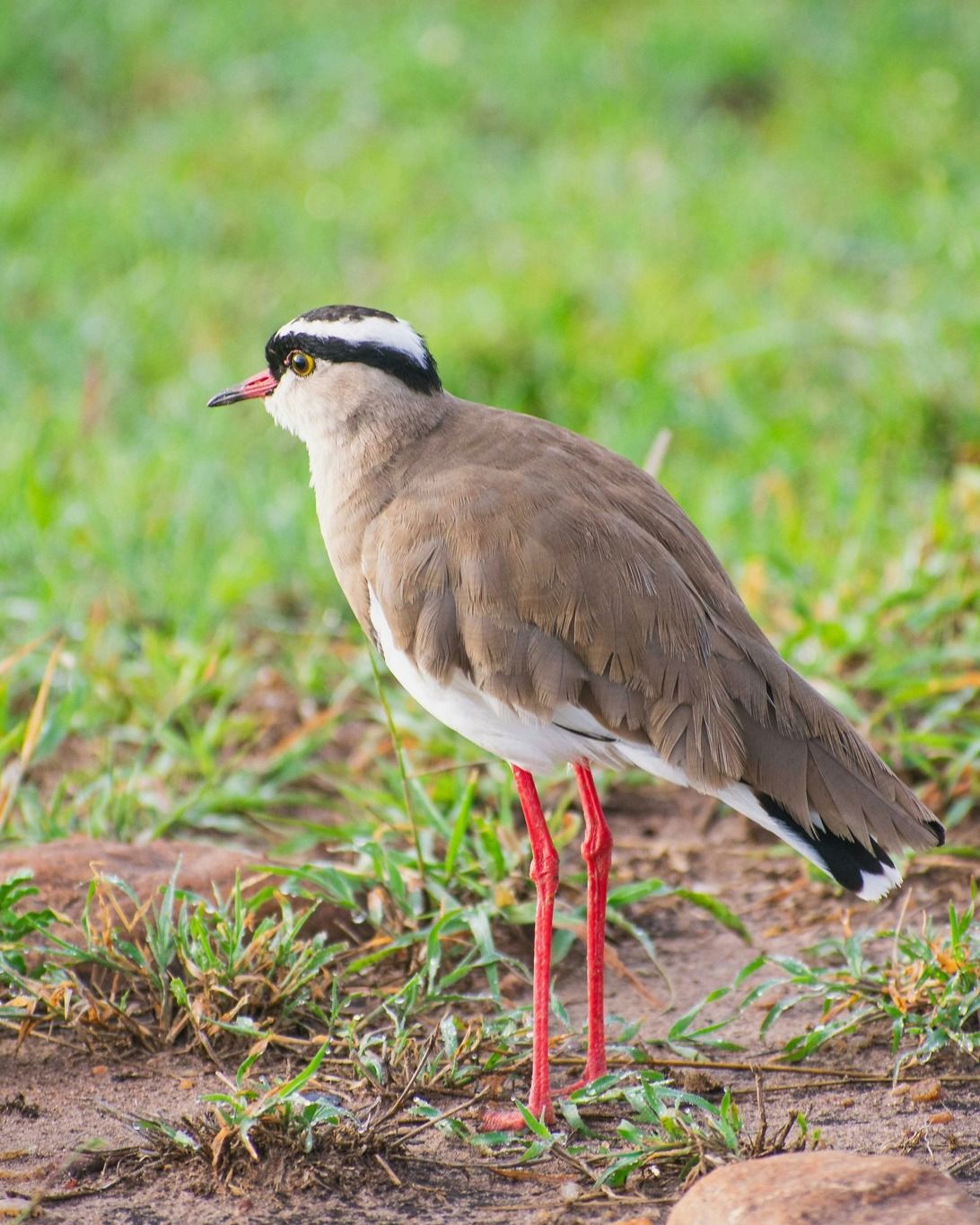
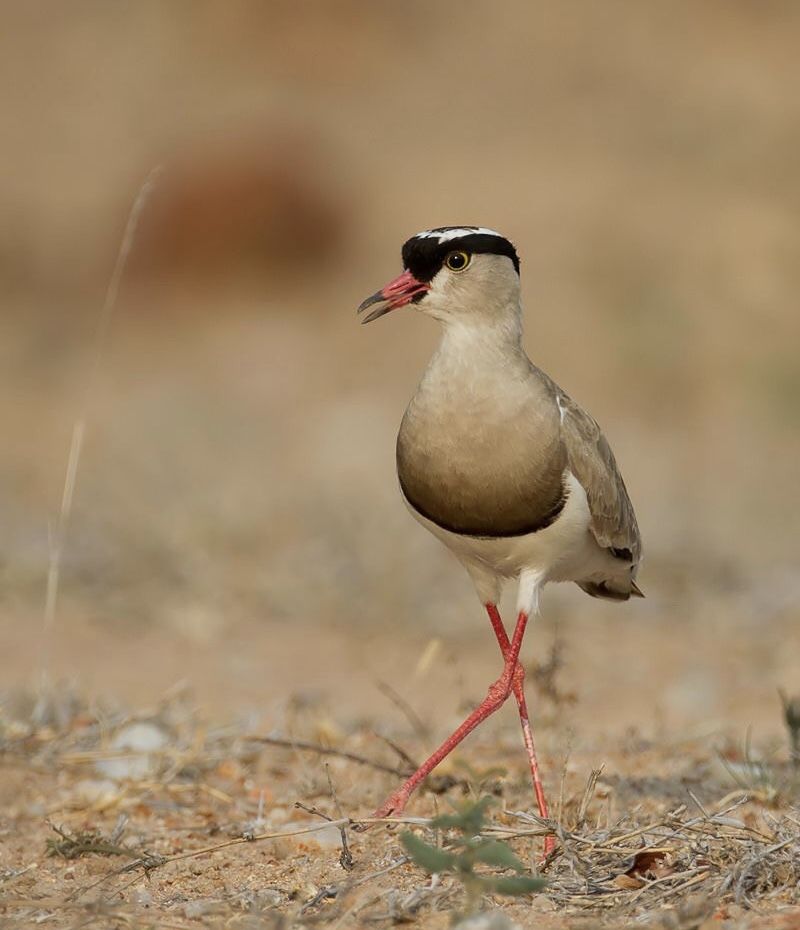
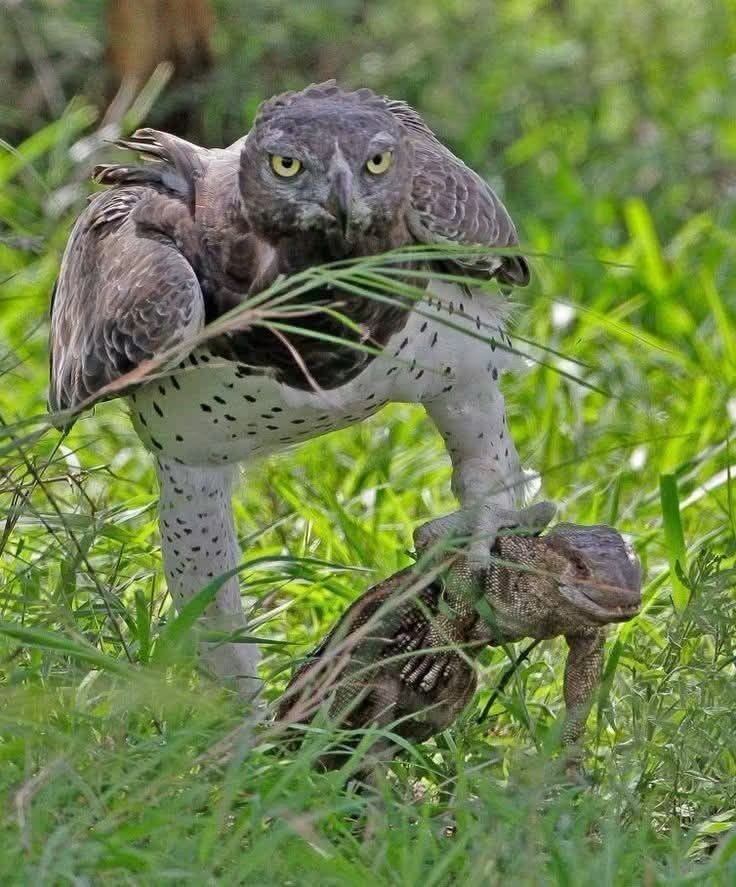
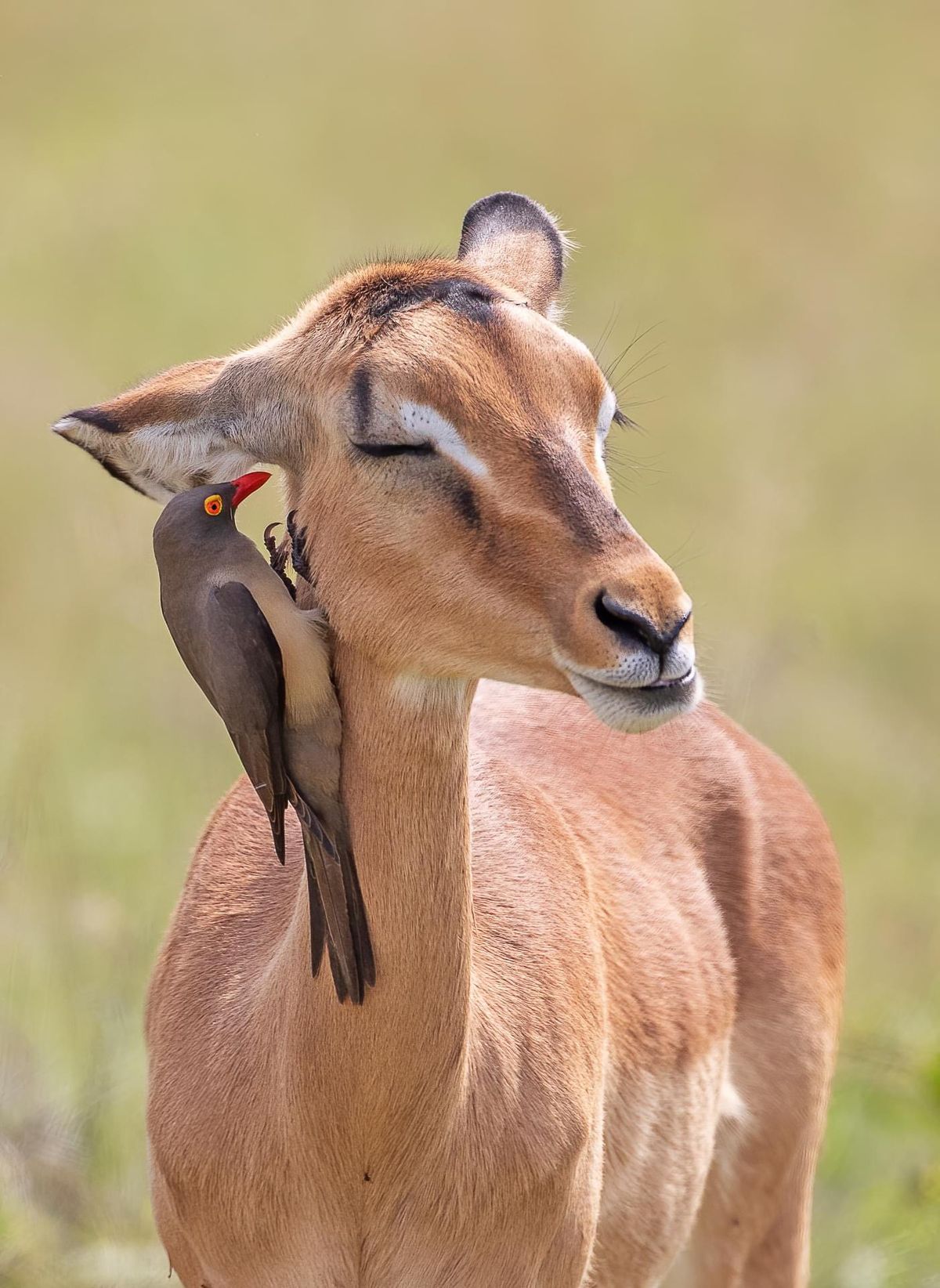
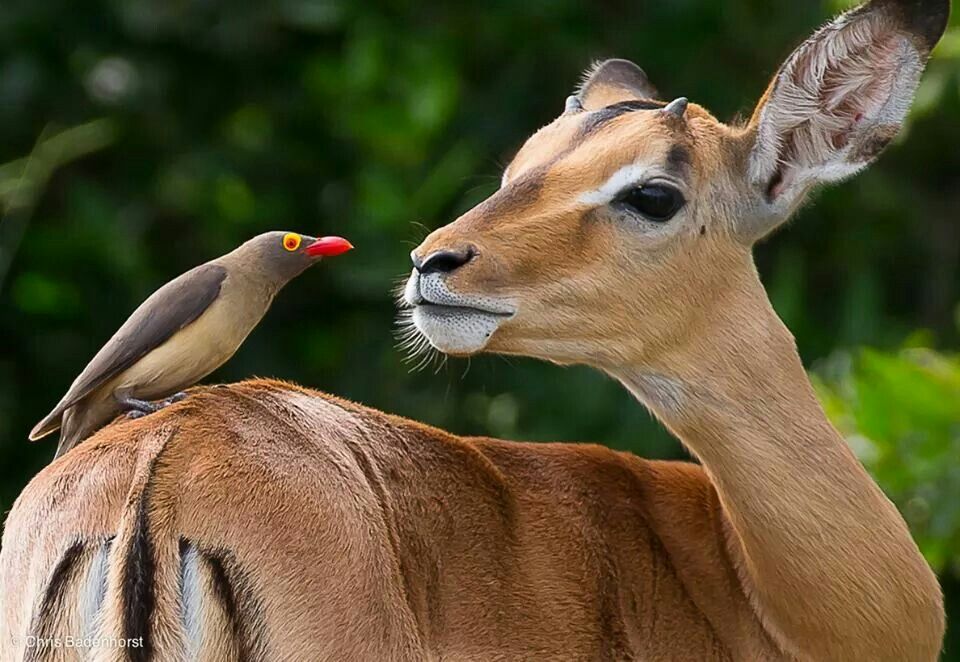
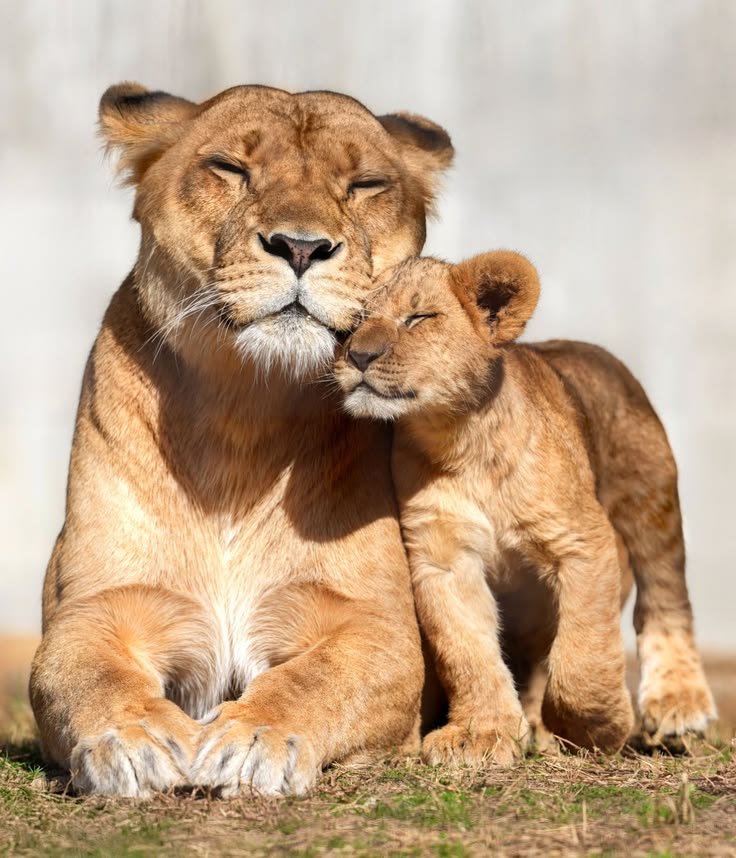
Frames from the flight and from the four ground days that carry the rest of the week. View complete gallery →
How Does This Safari Compare?
Where a 4-day March balloon safari sits against a dry-season flight combination.
| Feature | 4-Day March Balloon | Dry-Season Balloon Flight |
|---|---|---|
| Light in the air | four days on the ground that suits this category | Clear, harder, more contrast |
| Flight certainty | Lower; the season builds cloud | Generally higher in July to October |
| Ground traffic | Very low | Higher in peak season |
| Herd position | Departing, spread, followed not fixed | Your choice of dates |
| Best for | Travellers with 4 days wanting balloon | Travellers who want a certain sunrise |
Experience on Film
A visual summary of what a March balloon week actually looks like, flight and ground days alike.
Video highlights are shared with confirmed bookings. Ask for the current footage when you enquire, so you are seeing this season rather than an old clip.
Inclusions & Your Quote
What this arrangement covers, and what it does not.
Included
- One sunrise balloon flight on the launch dates operating for your window
- Safari vehicle with pop-up roof and your own driver-guide on the ground days
- Four nights' accommodation per the confirmed plan
- Meals per the confirmed meal plan, including the field breakfast after a flown morning
- Park and conservation fees as applicable
- Round-trip road transfer from Arusha
Not Included
- International flights
- Tanzania visa
- Travel insurance
- Tips for guides, balloon crew and camp staff
- Personal expenses and premium drinks
- Pre- or post-safari nights in Arusha
Your Quote, Built Around Your Dates
| Quote Field | Your Arrangement |
|---|---|
| Per Person | Current price — confirmed in your quote |
| Balloon Flight | Quoted separately, subject to the schedule for your window |
| Accommodation | Category confirmed on booking |
| Vehicle | Private as standard on the ground days |
* The total depends on travel dates, group size, accommodation category and the current flight schedule. Flights depend on flying conditions and are confirmed only when they can be. No fixed price is shown here — request your current quote below.
How to Book Your Safari
Six steps, and how long each one realistically takes. The flight schedule for your window governs how much of this can be settled early.
Tell us your travel dates, group size and where you are flying from. For a balloon itinerary the dates matter more than usual, because the flight schedule for your window is what decides the rest of the week.
You get a full breakdown with the balloon flight quoted separately as its own line, the accommodation category set out, and the flight dependency on the schedule for your window stated in plain terms rather than buried.
Once the quote is right we place a courtesy hold on the accommodation while you confirm, so the property does not disappear while you decide. The flight slot is confirmed as part of that process, subject to the schedule.
A deposit secures the booking. The balance is due before arrival, and the schedule is stated plainly in your confirmation rather than left to be worked out.
Final vouchers, your confirmed property and room type, the launch-area position for your window, transfer arrangements, and a day by day outline for the guide to work from.
You are collected from Arusha as planned. The WhatsApp thread stays open through the trip, and it is the fastest route to us on a flight morning if conditions change or the flight is stood down.
Frequently Asked Questions About the March Balloon Safari
The questions we are actually asked about a green-season balloon combination, including the one about cloud that decides most enquiries.
Ready for a Sunrise Above the Green Plain?
One flight over the best light and colour the Serengeti offers, and four full days on the ground beneath it, with the weather dependency explained before you book.
Enquire now for current availability — no deposit requested at this stage