


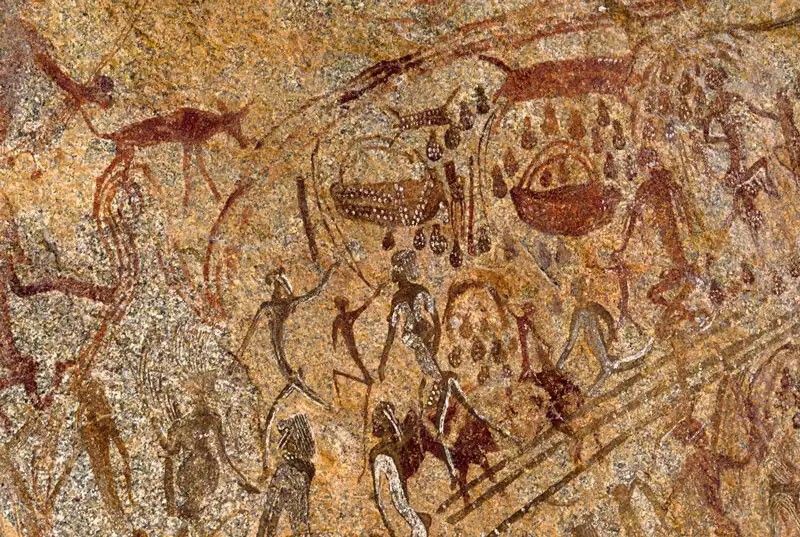
6-Day November Luxury Serengeti Walking Safari — First Green Weeks on Foot
Book the 6-Day November Luxury Serengeti Walking Safari in the Serengeti: the ground-level Serengeti: tracks, grassland, bird life and the same game at a different range. First Green Weeks on Foot
November is the most instructive walking month of the year: soft mud recording every track overnight, new grass pulling grazers into view, rain pools filling as you watch, and frog choruses marking water after dark. This 6-day November walking safari alternates armed-ranger foot days on softening ground with full vehicle days at the new pools and kopjes. Whether you are searching for a 6 day walking safari, a walking Serengeti safari, or a private departure for two, the operating rhythm is the same: an early start, a full day on the plains, and an honest account at the end of it about what you actually saw. Every departure is run out of Arusha with a licensed Tanzanian guide, a private 4x4, and an overnight confirmed against your dates.
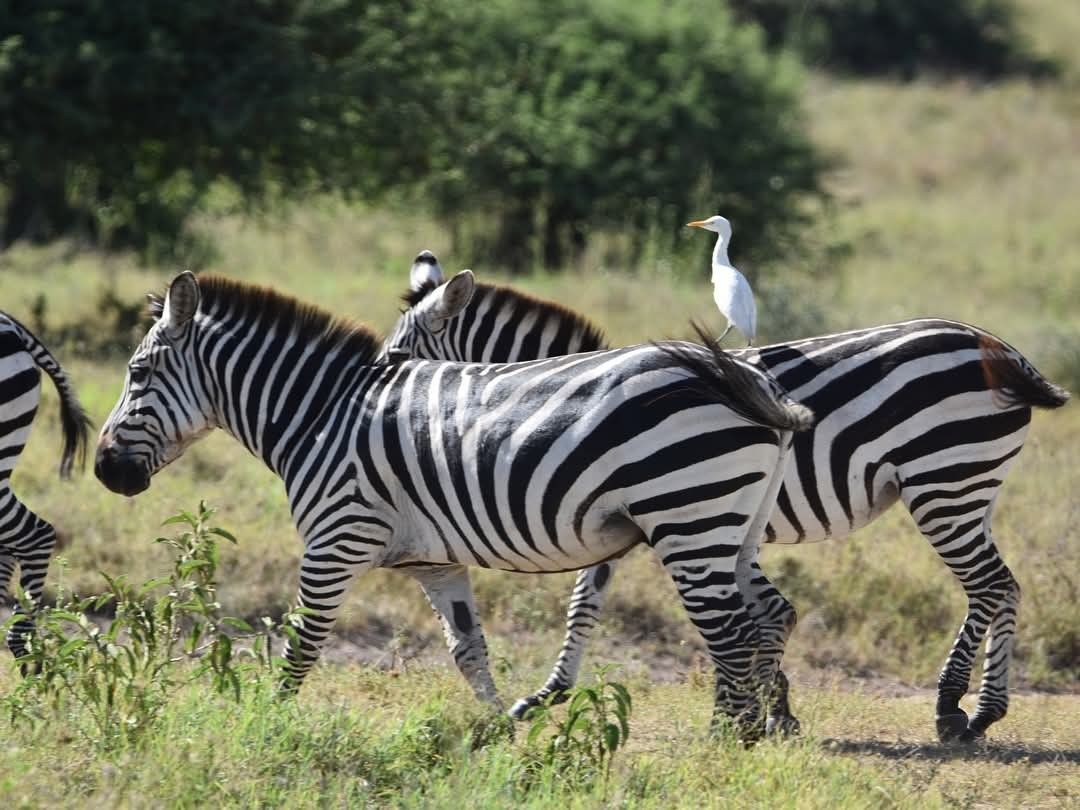
Soft Mud, New Grass, Full Chorus
On foot you experience the Serengeti at roughly one-tenth the area per hour that a vehicle covers, and November makes those hours count differently: every track fresh in soft mud, every pool new, every circuit changed overnight by rain. The walking group reads a country being written daily, which no dry month offers.
The honest constraint sharpens with rain: soft tracks demand slower going, sessions time around showers, and any foot day converts to a drive when mud or weather says so. What November gives back is the richest tracking of the year plus green-season company so thin the circuits feel private.
- Armed-ranger foot days on soft rain-recording ground
- Fresh tracks nightly: the richest tracking month of the year
- New rain pools filling daily with birds and game
- Green flush pulling grazers into open view
- Honest distances; any foot day convertible to a drive
6-Day November Walking Safari at a Glance
The practical shape of the trip, including the distances, so you can judge whether it suits you before you book. Accommodation is confirmed on booking.
How the six days are used
Walking days are shorter than vehicle days by design, and the hours around dawn and dusk are the whole value of the activity. Heat is the main limiting factor, so the middle of the day is spent resting and the walking is split around it. A shorter trip has to choose, and choosing usually means dropping the middle-of-the-day sessions that produce most of the images. 6 days keeps a dawn and a late-afternoon session on every day of the safari and still leaves room to work the same ground twice rather than only passing it.
What walking actually involves
A light session is roughly two hours at an easy pace; a full day is up to six hours on the ground with stops, shorter in the heat. Distances are guided rather than timed to a target.
How the operation runs
The vehicle follows at a distance and is never out of radio contact, and a foot day is converted to a drive whenever the guide decides, without argument.
What the month brings
Soft mud holding every track, new pools daily, green flush pulling grazers out, frog choruses nightly. Richest tracking, softest going.
What you will walk over
Granite boulders, dry lake-bed sand, new grass, thorn scrub and riverine mud in places. Closed shoes matter more here than on any other kind of safari we sell.
How many people walk together
Numbers are limited by what the guide can hold together safely, and a smaller group genuinely moves at a different speed through the same country.
What the stay depends on
Position, property, room type and meal plan are confirmed against your dates, and the position has to serve both the walking country and the driving country.
What moves the quote
Dates, group size and accommodation category, with any night drive or cultural evening itemised separately. Send your dates and we will give you the full breakdown.
Sample November Walking Safari Itinerary — 6 Days
A working shape that alternates foot and vehicle rather than trying to cover the park on foot. Each foot day is a working shape adjusted to the ground and the weather.
Getting there: You are collected from Arusha after an early breakfast and the day runs the familiar road into a changing park: the highlands cool and cloudy, the Serengeti floor showing the first green flush where the short rains have already passed. It is a half-day drive with weather to watch the whole way.
The safari activity: By mid-afternoon the vehicle is glassing central plains where green patches pull game visibly. The overnight sits inside the Seronera block so the first proper session begins on flushing ground before first light. Everything is done on foot with an armed park ranger on softening circuits, with a strict safety protocol the guide follows without exception. Distances stay short and the pace stays slow enough to read new grass, fresh rain pools and the herds pushing south.
What you might see: November central grass is a patchwork of brown and startling green, and the herds push south through it in loose late lines. The first rains have filled the wallows and brought the insects, the birds and the frog chorus back. Road condition, park access and the highland weather can all change the arrival time, and the guide will re-order the day rather than compress it if the drive runs long.
Meals and timing: Lunch is taken on the road, dinner is served at camp, and lights-out is early because the group will be moving well before dawn. First overnight in the central Serengeti, chosen for dawn access to flushing ground and fresh trails.
Safety and the walking protocol: On any walking day the party moves with an armed park ranger on an approved route, keeps to the agreed limit and returns the same day. Routes are set by park authorities and can change with season, so this itinerary treats them as flexible rather than fixed.
Road flow: The group leaves camp in the cool of the morning with an armed park ranger and walks a short, approved circuit around the open short grass. Distances are deliberately short and the pace is slow enough to read the ground, because the point is to be on foot inside the habitat rather than to cover it. The ranger sets the route for the day and it is followed without exception.
The working part of the day: On foot the circuit is worked slowly, stopping often where tracks and signs are worth reading. Fresh spoor, dung and the small movements in the grass that a vehicle would pass straight over are a normal part of the morning, and it is the ranger's knowledge of the residents that turns a walk into a productive one rather than a stroll. Standing still on foot also brings you closer to ground-level behaviour than any drive can.
Wildlife context: Flushing grass changes the game daily: what was brown yesterday greens overnight, and the animals know before any timetable. The day's plan follows the green, not the calendar. The plains can look extraordinary or simply empty depending on the week's weather and where the herds have actually settled, and the plan moves with them.
Practical rhythm: Breakfast is served in the field on the tailgate, rain covers ride ready rather than packed away, and the group is back at camp with an hour of light to spare. Overnight in the central Serengeti, in the position that proved greenest that evening.
How this day is judged: Everything is done on foot with an armed park ranger on softening circuits, with a strict safety protocol the guide follows without exception. Distances stay short and the pace stays slow enough to read new grass, fresh rain pools and the herds pushing south. The day is not measured by how many animals are ticked off but by whether the time spent in the country was used properly, which is why the afternoon session matters as much as the dawn one.
How the day opens: The group leaves camp in the cool of the morning with an armed park ranger and walks a short, approved circuit around the riverine and drainage lines. Distances are deliberately short and the pace is slow enough to read the ground, because the point is to be on foot inside the habitat rather than to cover it. The ranger sets the route for the day and it is followed without exception.
On the ground: On foot the circuit is worked slowly, stopping often where tracks and signs are worth reading. Fresh spoor, dung and the small movements in the grass that a vehicle would pass straight over are a normal part of the morning, and it is the ranger's knowledge of the residents that turns a walk into a productive one rather than a stroll. Standing still on foot also brings you closer to ground-level behaviour than any drive can.
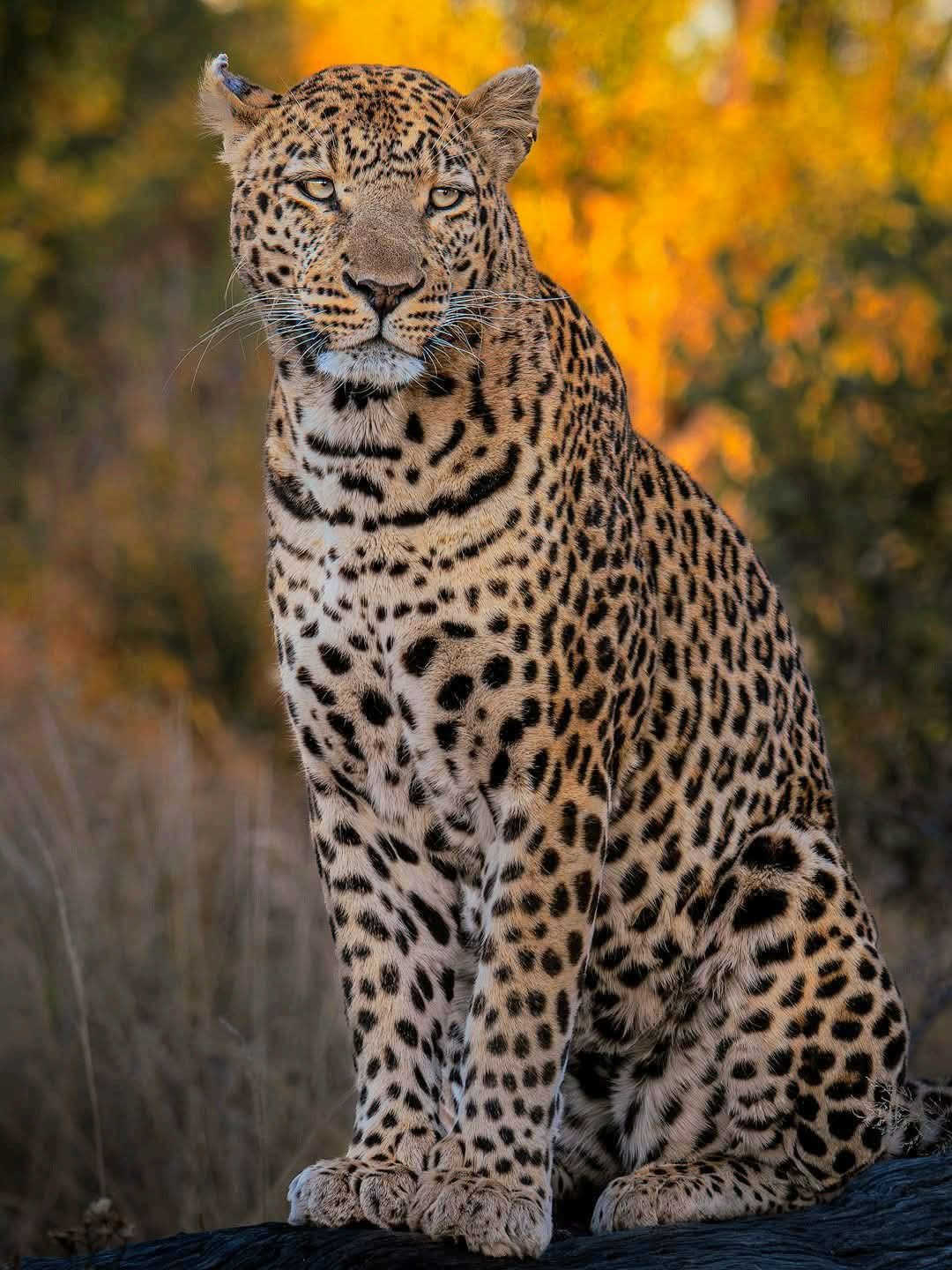
Reading the country: Riverine leopard in the rains is a different animal from the dry-season one: active, vocal, moving in daylight between showers. Fig-tree lines after rain hold the month's best birding too. Leopard here are genuinely difficult to see in thick cover, and this habitat asks for patience rather than distance. Sightings are possible on any morning and cannot be promised.
Comfort and breaks: Rain covers stay out all day, and the afternoon opens up again on the plains edge washed clean. Overnight on the plains side of the riverine belt, keeping the leopard ground within reach.
How this day is judged: Everything is done on foot with an armed park ranger on softening circuits, with a strict safety protocol the guide follows without exception. Distances stay short and the pace stays slow enough to read new grass, fresh rain pools and the herds pushing south. The day is not measured by how many animals are ticked off but by whether the time spent in the country was used properly, which is why the afternoon session matters as much as the dawn one.
Morning movement: The group leaves camp in the cool of the morning with an armed park ranger and walks a short, approved circuit around the kopje country. Distances are deliberately short and the pace is slow enough to read the ground, because the point is to be on foot inside the habitat rather than to cover it. The ranger sets the route for the day and it is followed without exception.
The session: On foot the circuit is worked slowly, stopping often where tracks and signs are worth reading. Fresh spoor, dung and the small movements in the grass that a vehicle would pass straight over are a normal part of the morning, and it is the ranger's knowledge of the residents that turns a walk into a productive one rather than a stroll. Standing still on foot also brings you closer to ground-level behaviour than any drive can.
The species question: November kopjes concentrate everything the flush brings: grazers on new grass, predators following them in, raptors riding the storm thermals. A wet-looking block of granite is often the most productive ground on the itinerary. Resident cats are never predictable, and a quiet-looking block of rock can stay empty all morning. The tracking effort is what usually pays, not the waiting.
Pacing the day: Waterproofs and a dry change ride in the vehicle, and the group returns late enough to catch storm light on the rock faces. Overnight in the kopje or plains position that produced the best session of the day.
How this day is judged: Everything is done on foot with an armed park ranger on softening circuits, with a strict safety protocol the guide follows without exception. Distances stay short and the pace stays slow enough to read new grass, fresh rain pools and the herds pushing south. The day is not measured by how many animals are ticked off but by whether the time spent in the country was used properly, which is why the afternoon session matters as much as the dawn one.
Driving and repositioning: The group leaves camp in the cool of the morning with an armed park ranger and walks a short, approved circuit around the lake channels and wetland edge. Distances are deliberately short and the pace is slow enough to read the ground, because the point is to be on foot inside the habitat rather than to cover it. The ranger sets the route for the day and it is followed without exception.
Watching and waiting: On foot the circuit is worked slowly, stopping often where tracks and signs are worth reading. Fresh spoor, dung and the small movements in the grass that a vehicle would pass straight over are a normal part of the morning, and it is the ranger's knowledge of the residents that turns a walk into a productive one rather than a stroll. Standing still on foot also brings you closer to ground-level behaviour than any drive can.
Landscape and game: November pools are the fastest-changing water of the year: a dry pan on Monday can hold a hundred birds by Friday. The day is built around that renewal rather than any fixed point. Water levels change with the rains and channels that are drivable in one week may be soft or closed in another, so the lake work is planned around what is actually passable.
Logistics: Midday may include a proper shower, taken in the vehicle with the engine off and the birds for company. The group returns to camp on roads checked for soft spots. Overnight close to the new water, where the dawn session starts from the fresh shoreline.
How this day is judged: Everything is done on foot with an armed park ranger on softening circuits, with a strict safety protocol the guide follows without exception. Distances stay short and the pace stays slow enough to read new grass, fresh rain pools and the herds pushing south. The day is not measured by how many animals are ticked off but by whether the time spent in the country was used properly, which is why the afternoon session matters as much as the dawn one.
The transfer: The group is up before first light for one final session, and the drive back to Arusha begins after breakfast in the field. November returns run on roads that may be soft in patches, broken properly at the Ngorongoro viewpoint.
What the morning is for: The last session is short and unhurried, usually an hour to two. The return runs from greening central plains to the cool cloudy highlands in half a day.
What is out there: Early light on the last morning is often the best light of the trip, especially after overnight rain. November highlands are cool and showery, and waterproofs stay out all the way home. Walking is permitted only in designated areas, only with an armed ranger, and only on routes approved by park authorities. Routes change with season, and no walking itinerary can promise a specific animal at close range. Departure day is exposed to the same rain and road conditions as arrival, so the return is timed with slack in it.
Breaks and overnight: Breakfast in the field, a long drive back through the highlands, and arrival in Arusha in the afternoon. Lunch is packed and taken on the road. No overnight on safari; the trip ends on arrival back in Arusha for onward travel or a night in town.
Safety and the walking protocol: On any walking day the party moves with an armed park ranger on an approved route, keeps to the agreed limit and returns the same day. Routes are set by park authorities and can change with season, so this itinerary treats them as flexible rather than fixed.
Why a November Walking Safari?
Walking is a different product, not a slower version of the same one. Here is the case, honestly.
Detail You Cannot Otherwise Get
Small mammals, tracks, spoor, the insects, the birds on the boulders, the individual plants that make a plain a plain. At walking pace a square kilometre contains a hundred times the information it contains at driving pace.
A Green Month Is the Best Month to See It
The new growth is short enough that you can see animals before they react to you, and there is water and insect life around rather than the stark, dry landscape of the dry months.
Spread Herds Instead of a Wall
Because the animals are moving, a foot day in November gives you several different groups rather than one enormous aggregation, and the variety of behaviour is much wider.
The Cats Are in Reach
A foot day through the kopje and woodland country is the single best way to be in leopard and cheetah habitat, and the small animals and birds of that country are almost entirely a walking experience.
Light Worth Walking In
The combination of low sun and building afternoon cloud in November gives some of the most rewarding light of the year, and you are in it rather than watching it from a windscreen.
Honest About the Trade
You will see fewer animals per hour. You will be walking for three days out of five. And if your knees, back or boots are not up to it, a driving itinerary is a better decision and we will tell you so.
Your Route: Arusha → Central Circuits → New Pools → Wet Kopjes → Arusha
Foot circuits and pool vehicle days braided for the rains, with the support vehicle shadowing every step.
You are collected from Arusha after an early breakfast and the day runs the familiar road into a changing park: the highlands cool and cloudy, the Serengeti floor showing the first green flush where the short rains have already passed.
The group leaves camp in the cool of the morning with an armed park ranger and walks a short, approved circuit around the open short grass.
The group leaves camp in the cool of the morning with an armed park ranger and walks a short, approved circuit around the riverine and drainage lines.
The group leaves camp in the cool of the morning with an armed park ranger and walks a short, approved circuit around the kopje country.
The group leaves camp in the cool of the morning with an armed park ranger and walks a short, approved circuit around the lake channels and wetland edge.
Return road to Arusha, timed so you arrive with the afternoon still ahead.
Interactive Safari Map — November Walking Circuit
The walking country, the kopje circuit and the vehicle day, on one compact route.
- Arusha
Start and finish
Road transfers both ends - Seronera & the Kopjes
Resident lions, leopard and cheetah
Central Serengeti - Western Lakes & Drainage
Waterbirds and general game
Western corridor - Western Corridor
Column and column-crossing country
Only while the herds push
Why Choose Kizza Adventures?
Walking safaris are only as good as the guide on the ground, and that is the whole argument for us.
Our walking guides do not do driving days between walking days. They know the kopje circuit, the north-grass drainages and the woodland margin as ground rather than as viewpoints, and that is the difference the whole product rests on.
Session lengths, terrain and footing are stated before you book. A walking safari sold without that information is a walking safari that ends at a vehicle three hours early with somebody disappointed.
A foot day becomes a drive when conditions require it and nobody is negotiated out of. Rigidity in a walking operation is just a worse walking operation.
The vehicle is close, in radio contact, and driven by someone who will come and collect you. Some operators treat support as a theoretical arrangement; ours is a scheduled vehicle on the same track.
Numbers are limited to what a guide can hold together safely and keep quiet. Smaller groups move at a genuinely different speed and get more out of the same ground.
No promised leopard, no animal list written as though it were a contract. You get the right ground in the right hours and an honest account of what you did and did not see.
The itinerary includes foot days and vehicle days on purpose. Most travellers discover that the combination is far better than either, and the evening drive after a walking day is quietly one of the highlights.
Property, room type, meal plan, group size and the walking plan are confirmed in writing before you travel, with nothing left to guess at on arrival.
What Animals Will You See?
What a November foot day actually finds: fresh sign, new water life and green-flush grazers. Honestly assessed.
The main event and the year's best: soft mud recording overnight movement in perfect detail. November circuits read like freshly printed news.
Out in force on the new grass: dwarf mongoose troops, hyrax colonies active, and springhares at dusk on foot circuits.
The rains chorus in full voice at every pool. Worth stopping for in their own right, and the surest water-finders on the circuit.
Late southbound groups met at strict distance with an armed ranger. Thin, purposeful, and well worth meeting on foot.
Denning loud with the year's clearest approach tracks in mud. Dawn circuits pass dens at exactly the right hour.
Riverine lines waking wet and active. Mud tracks show where leopards walked hours ago; sightings need patience as always.
On new grass and fresh pools in family herds, met under strict rules on margin circuits.
Constant on the flushing margins, drawn out by new growth within days of rain.
The fastest-changing bird list of the year: returning waterbirds daily plus the first Palearctic migrants arriving on the new water.
Harder in new grass than on dry floor, stated honestly. Open patches between flush zones are the honest window.
Fewer kettles as kills spread with the herds; each one precisely locatable from fresh sign.
From Our Guide's Notebook: What Walking Actually Teaches You
The practical notes from the guides who run these days, including the things that cannot be put in a brochure.
Mud has a clock
Best spot: Track edges dry and crumble on a timetable the guide reads to the hour. Fresh sign glistens; old sign dusts. The circuit follows the glisten.
Ageing mud sign
Pools are born overnight
Best spot: A dry pan at dusk holds birds by dawn. The guide checks new water first every morning because game does.
First light on new water
Flush pulls grazers visibly
Best spot: Greenest patch draws the morning's herds from kilometres. Watch where heads point at first light and walk that way.
Following the flush
Showers are information
Best spot: Each storm resets scent, tracks and positions. Post-shower hours are the month's finest walking and the guide plans around them.
Playing the reset
Wildlife Sighting Checklist
Realistic potential on a 6-day November walking itinerary in central Serengeti.
| Animal | Potential Encounter | Best Viewing Context | Best Area |
|---|---|---|---|
Tracks & Spoor | Strong | Perfect detail in soft mud | Circuits and pools |
Small Mammals | Strong | Out in force on new grass | Flushing margins |
Frogs & Insects | Strong | Full chorus at new pools | Fresh water |
Birdlife | Strong | Changing daily with migrants | Pools and riverine |
Giraffe & Zebra | Strong | Drawn out by new growth | Flushing margins |
Elephant | Strong | Family herds, rules apply | New pools margins |
Hyena | Strong | Clearest approach tracks | Kopje margins |
Vultures | Strong | Precisely locatable kills | Anywhere on route |
Wildebeest Stragglers | Strong | Thin purposeful groups | Southbound trails |
Leopard | Possible | Wet tracks, patient work | Riverine lines |
Cheetah | Possible | Harder in new grass, honest | Open patches |
No sighting is guaranteed. Soft tracks slow the going and showers convert foot days to drives; tracking quality is the compensation.
Meet Your Safari Guide
The person walking at the front of the group, reading spoor, and deciding when the ground is not worth continuing on.
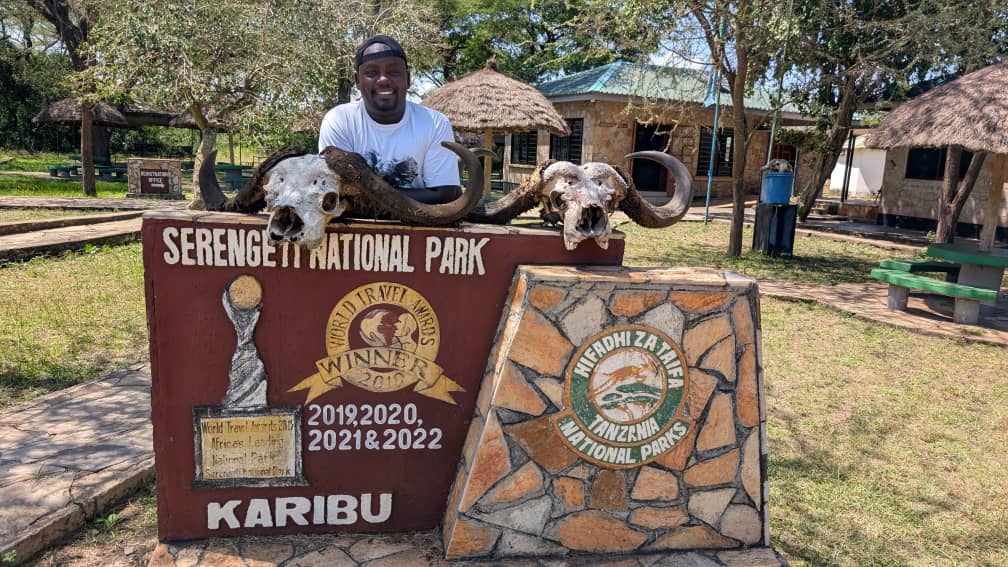
Your Kizza Adventures Guide
Your guide walks at the front and does not hand you off to a driver. In November that means mud literacy as a core skill: which tracks are hours old, which pools filled overnight, which flush is newest, and whether the ground ahead will hold a group safely.
You will be told distances and going conditions before setting out, and the guide shortens or converts the day the moment mud, rain or animal rules require it. Expect slow going, frequent reading stops, and the finest tracking education of the walking year.
Where November Walking Travellers Sleep
The position has to serve the walking country and the vehicle country, so properties are confirmed against your dates rather than chosen for atmosphere.
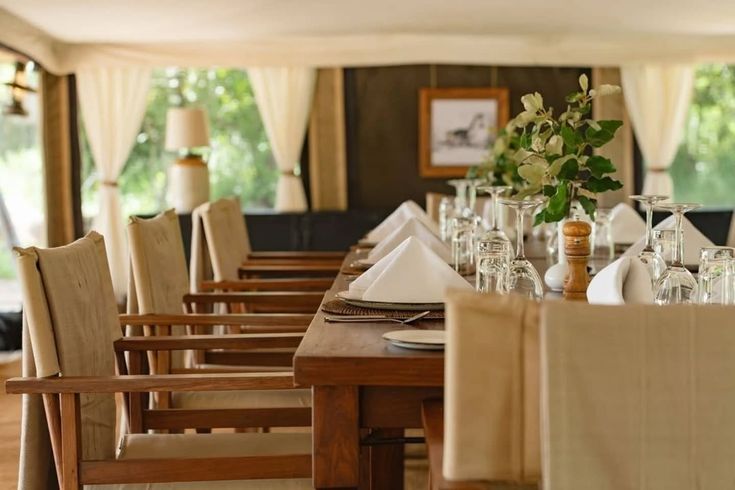
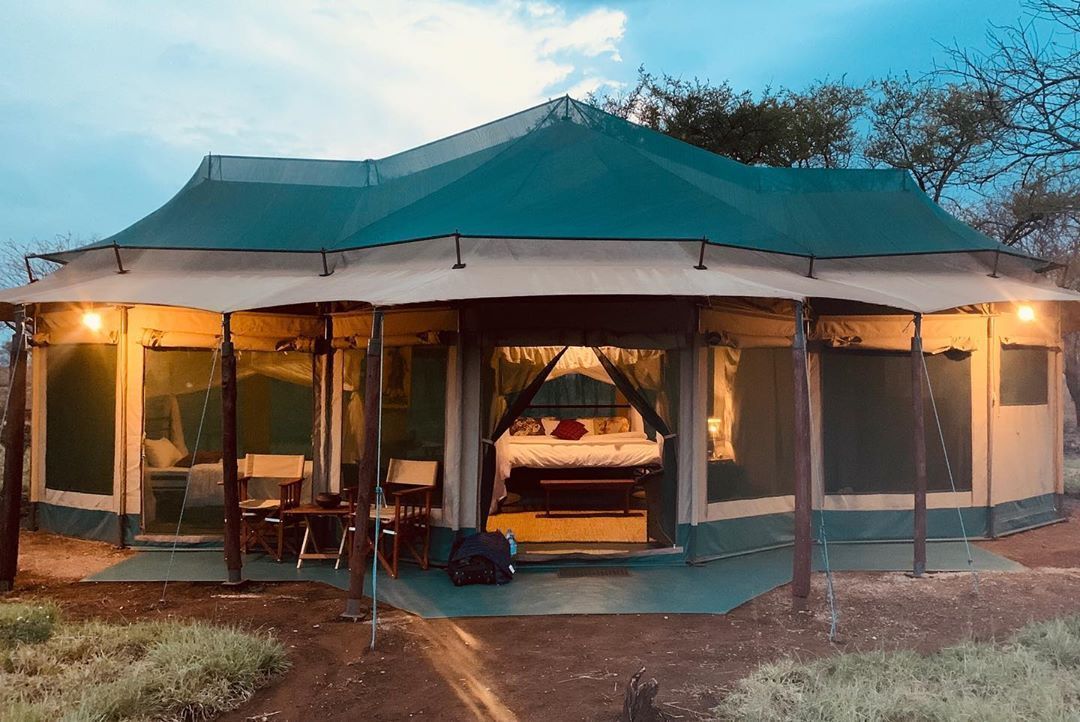
Circuit Camp (Nights 1 & 2)
Placed at walking distance of the kopje and drainage circuits so foot days start on foot, with frog chorus audible on still nights.
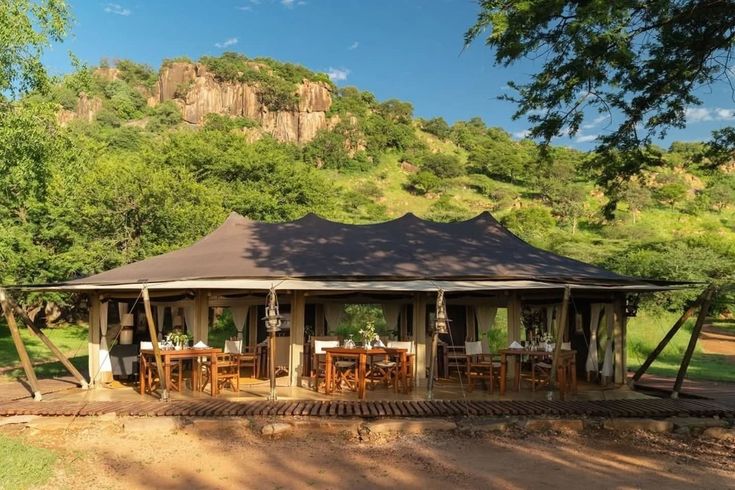
Pool-Side Overnight (Nights 3 & 4)
For the full pool-watching vehicle day and the wet-kopje circuits, chosen for first-light reach to the newest water.
Extra Nights & Zanzibar Extension
An extra tracking day after rain is the finest walking extension. Add one, or finish on the coast.
Lodges subject to availability. Equivalent or superior alternatives november be used. Contact us for the current lodge selections for your dates.
Getting to the Flushing Circuits
A half-day drive to greening ground, with rain-aware routing all trip.
The Arusha Run
Roughly four to five hours each way to Seronera via the Ngorongoro rim, with weather watched the whole way. Day one is a short orientation circuit near camp, never a full session after that road.
Why the Base Comes First
Foot days live or die on start time and ground condition. The base sits on the circuits so the group steps off within minutes, on mud the guide has already checked.
The Vehicle Shadows the Walk
Support vehicle a few hundred metres back on the same soft tracks, in radio contact, ending any session within minutes. Soft ground slows extraction too, which is planned for.
Soft Tracks, Rain Protocol
November mud is the walking surface and the walking subject. Gaiters, rain covers and spare socks ride standard; routes favour circuits that drain between showers.
Roads and Surfaces
Graded dirt varying daily with rain. Walking ground is used more than roads here, so ankle-supporting waterproof shoes matter most of the year.
Flights and Arrival Times
Land the day before. The orientation circuit sets pace, protocol and kit for rain, and arriving fresh matters more than arriving early.
Your Safari Vehicle & Walking Support
The vehicle has two jobs here: covering the ground a foot day cannot, and staying close enough to end a walk.
Used on the driving days and to follow the walking group. Standing height matters on the plains, and the ground on foot days is not reliably passable in a saloon car.
The most important feature of a walking safari. The vehicle follows the walking track at a distance, carries the water, the seats and the first-aid kit, and can end a session within minutes.
The same person all week. No handing you to a driver between foot days, which is what keeps the standard of the walking high.
Carried on the vehicle and available on the rest stops, which is how the heat is managed on a full foot day.
Power for cameras and phones, which matters on a walking day because you are out for six hours away from camp.
A pair in the vehicle and a recommendation to bring your own. On a foot day the guide usually carries spares, which is normal and not a substitute for your own glass.
Best Time to Join a November Walking Safari
November is the richest tracking month and the softest going. Here is the honest trade.
November gives perfect mud sign, new pools daily, green flush pulling grazers out, and the year's thinnest company. The costs are soft slow tracks, shower conversions, and the least predictable weather of the walking year. No dry month tracks like this; no other rains month walks this empty.
Where the Herds Are, Month by Month
The annual loop, and why November foot circuits sit on the year's newest ground.
November Walking Safari Photography Guide
Tracks, textures, storm light and new grass: walking photography at its most tactile.
Mud detail, rain beads, new grass blades: the walking portfolio of November. Animals met on circuits are the bonus frames.
The finest light of the safari year lasts minutes after rain. Be out, positioned and ready; it does not wait.
Fresh tracks in soft mud photograph beautifully and teach constantly. Shoot the story the ground tells first.
November rain arrives fast. Covers on the kit all day, dry bags in the vehicle, full clean nightly.
What to Pack for a November Walking Safari
Footwear, footing and the practicalities of six hours on foot in green-season grass.
Clothing for November Foot Days
- Proper rain shell plus warm mid-layer: November delivers real rain, not drizzle
- Quick-dry neutrals; cotton stays wet all day
- Waterproof ankle-supporting boots plus gaiters for slick mud; camp sandals for evenings
- Dry bags for everything electronic, rain cover for the daypack
- Warm hat for wet dawns and sun hat for the bright hours between
Camera and Field Kit
- Mid-range zoom carried all day; heavy glass stays vehicle-bound
- One body plus spare battery in dry storage; wet cold drains cells
- Blower and cloths as survival kit; wet dust is abrasive
- Quiet soft-sided waterproof daypack; hard cases bang on granite
- Personal binoculars: migrants and fresh sign reward glass constantly
Essential Travel Information
The practicalities worth reading before you book, including the fitness and health points that decide whether a walking safari is right for you.
Your passport needs a valid margin beyond your travel dates, and the Tanzania visa is arranged before you arrive rather than at the border.
Warm showery days, cooler wet dawns, brilliant bright hours between storms. Pack for all three daily.
Armed ranger, approved circuits, single file, silence on signal. Soft ground adds slip and route limits; the briefing covers both.
Land the day before. The orientation circuit sets pace, protocol and rain kit, and arriving fresh matters most.
Tanzanian shillings for small expenses; the tip custom for guides, rangers and camp staff is explained properly on booking.
Honeymoon & Family Options
How a walking safari works for a honeymoon or a family group, including where it does not suit.
A November Honeymoon on Foot in the Serengeti
A walking safari is a genuinely distinctive choice for a honeymoon, and it is one almost nobody makes. Six hours on foot through granite kopjes and new grass, with the guide pointing out the leopard spoor on a boulder, is not a week anybody else is having, and the low traffic of a green-season month means the foot days frequently feel as though the country belongs to you.
We arrange private walking where the group size allows it, sundowners away from other tables where the camp permits, and a private dinner or bush breakfast as a quoted add-on. The honest trade is effort: a honeymoon that includes three days of walking is only a good honeymoon if both of you want to walk. If one of you would rather drive, say so before you book and we will quote the driving version instead without any argument.
Family Safari With November Walking
Children around ten and up get the best-value walking education in November: readable mud, new water daily, green flush pulling animals out. Tracking games land perfectly on fresh sign.
Circuits shorten for young legs without apology and the vehicle shadows close. Rainy middays are rest and pool time; nothing about the trip rewards suffering.
Verified Guests on This 6-Day November Walking Safari
Verified traveller reviews live on our public TripAdvisor profile rather than being reproduced here.
Every review for this safari is published on our own TripAdvisor profile rather than reprinted here, so what you read is what other travellers actually posted.
Running a November trip? Send us your question and we will answer it from the same trip, with the same guide, on WhatsApp.
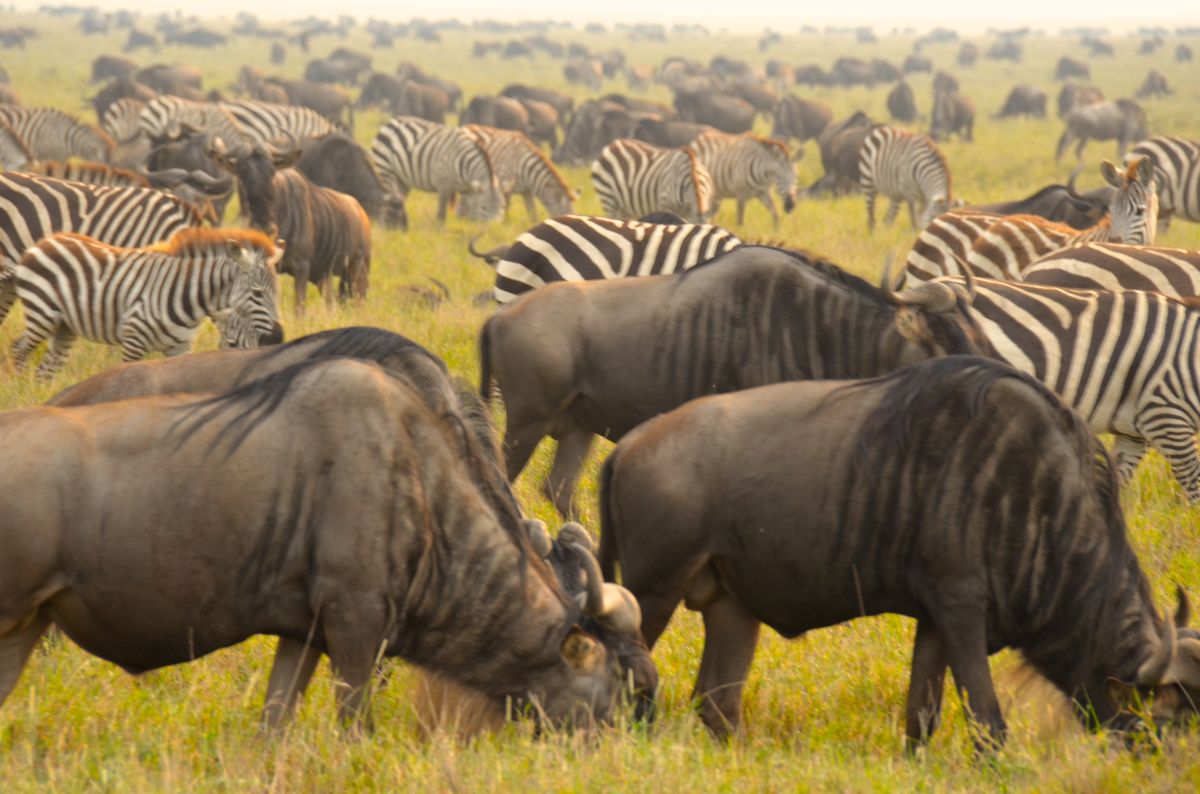
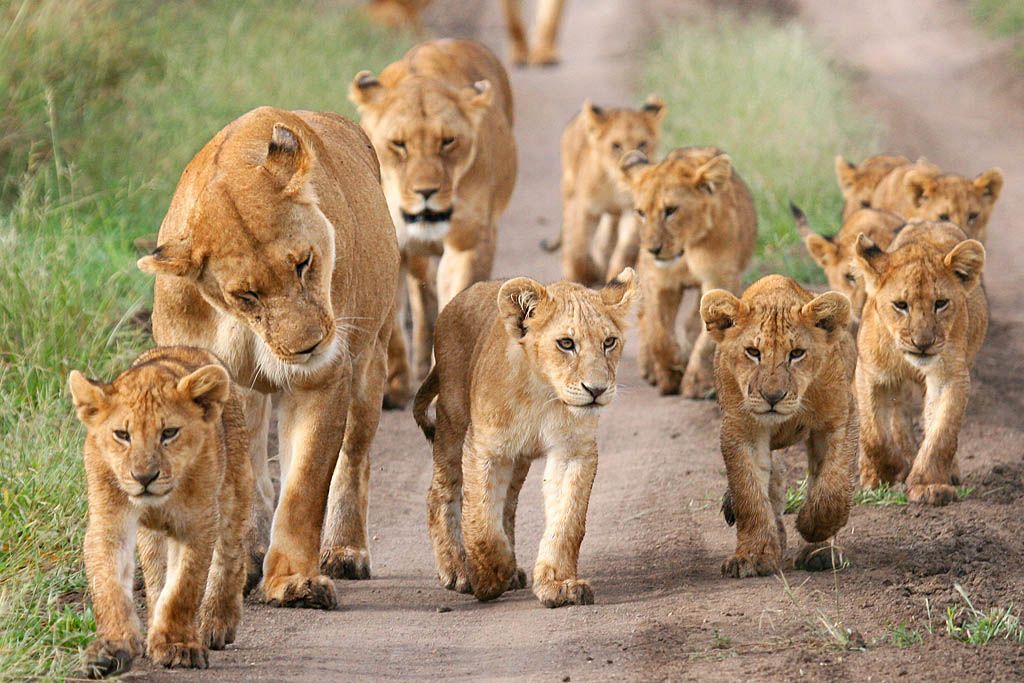
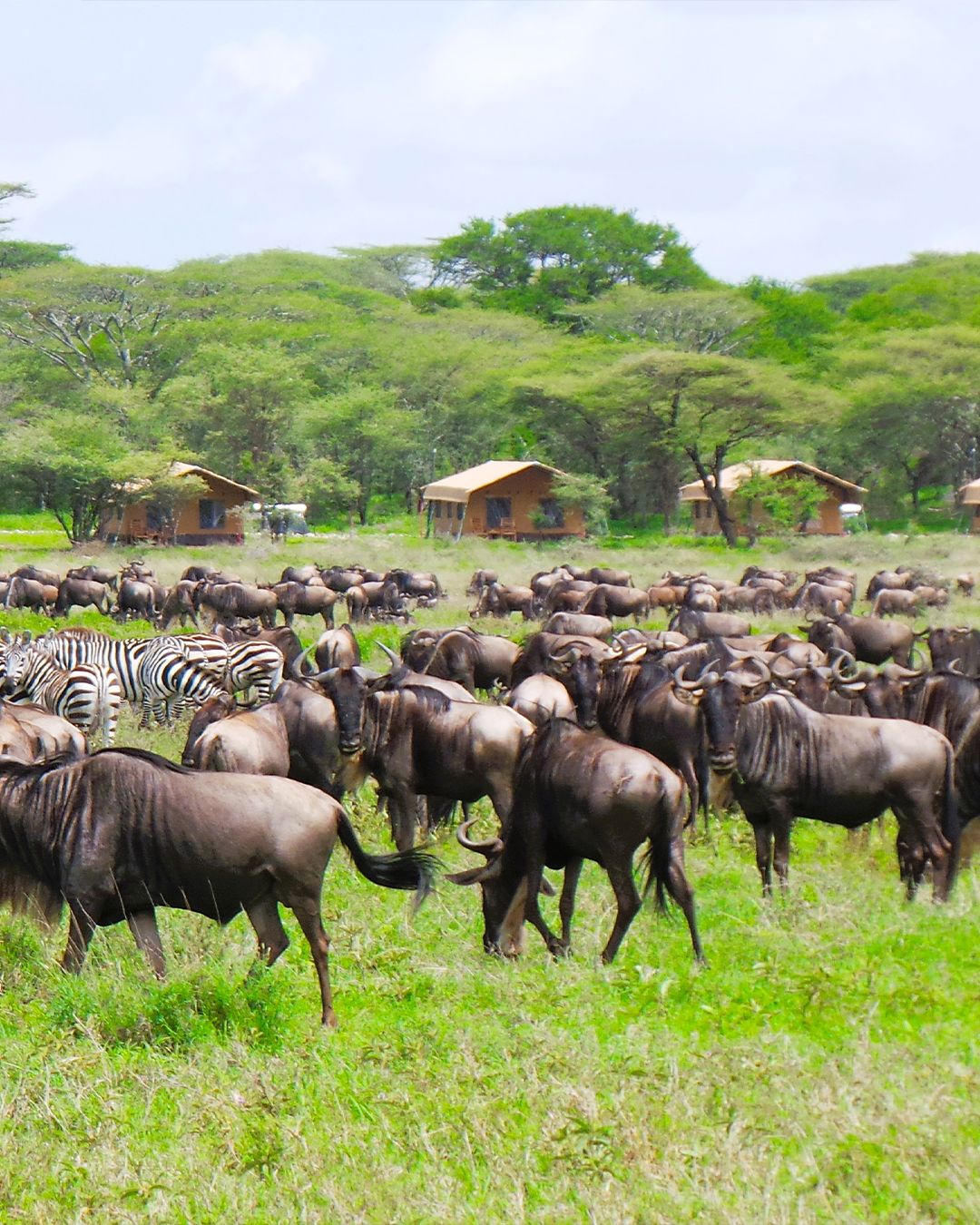
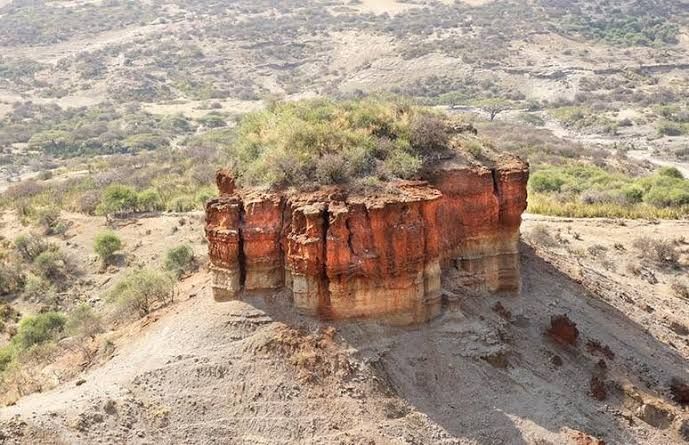
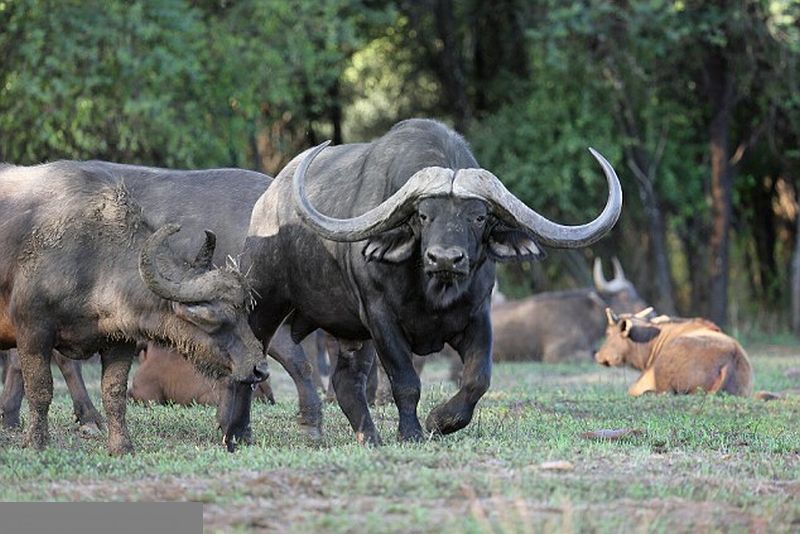
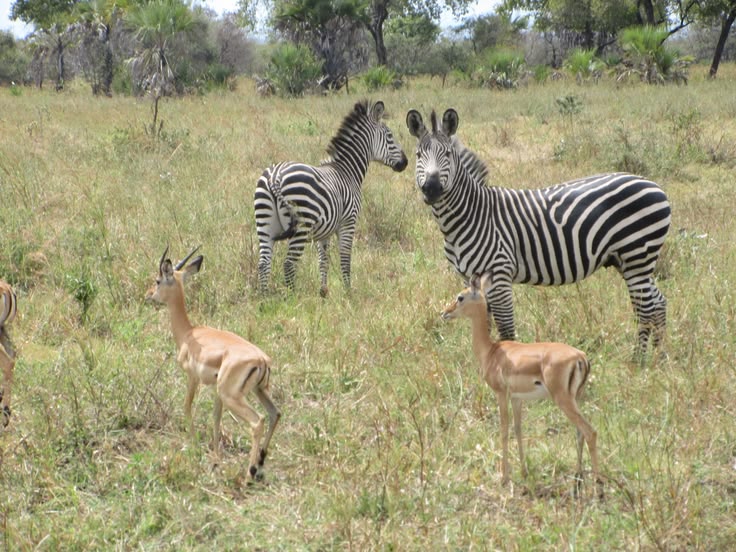
Frequently Booked Together
Additions travellers most often pair with a November walking safari.
November Walking Safari Gallery
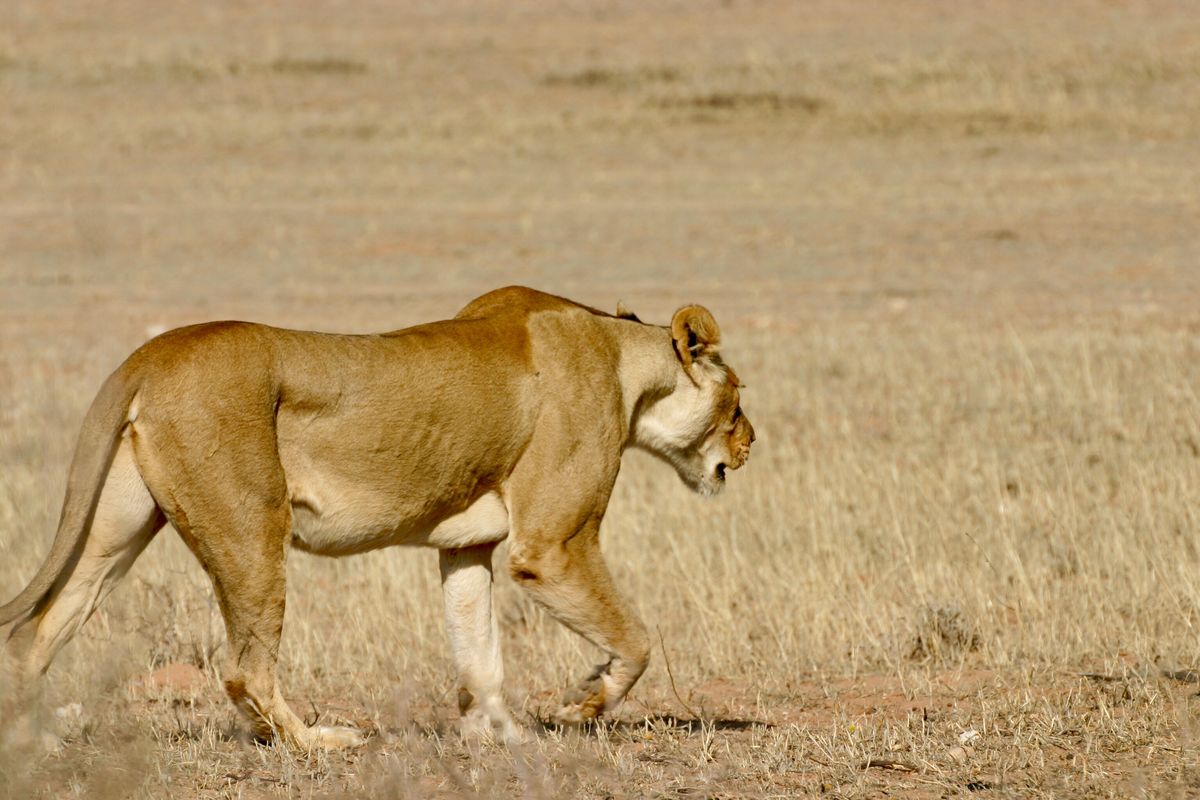
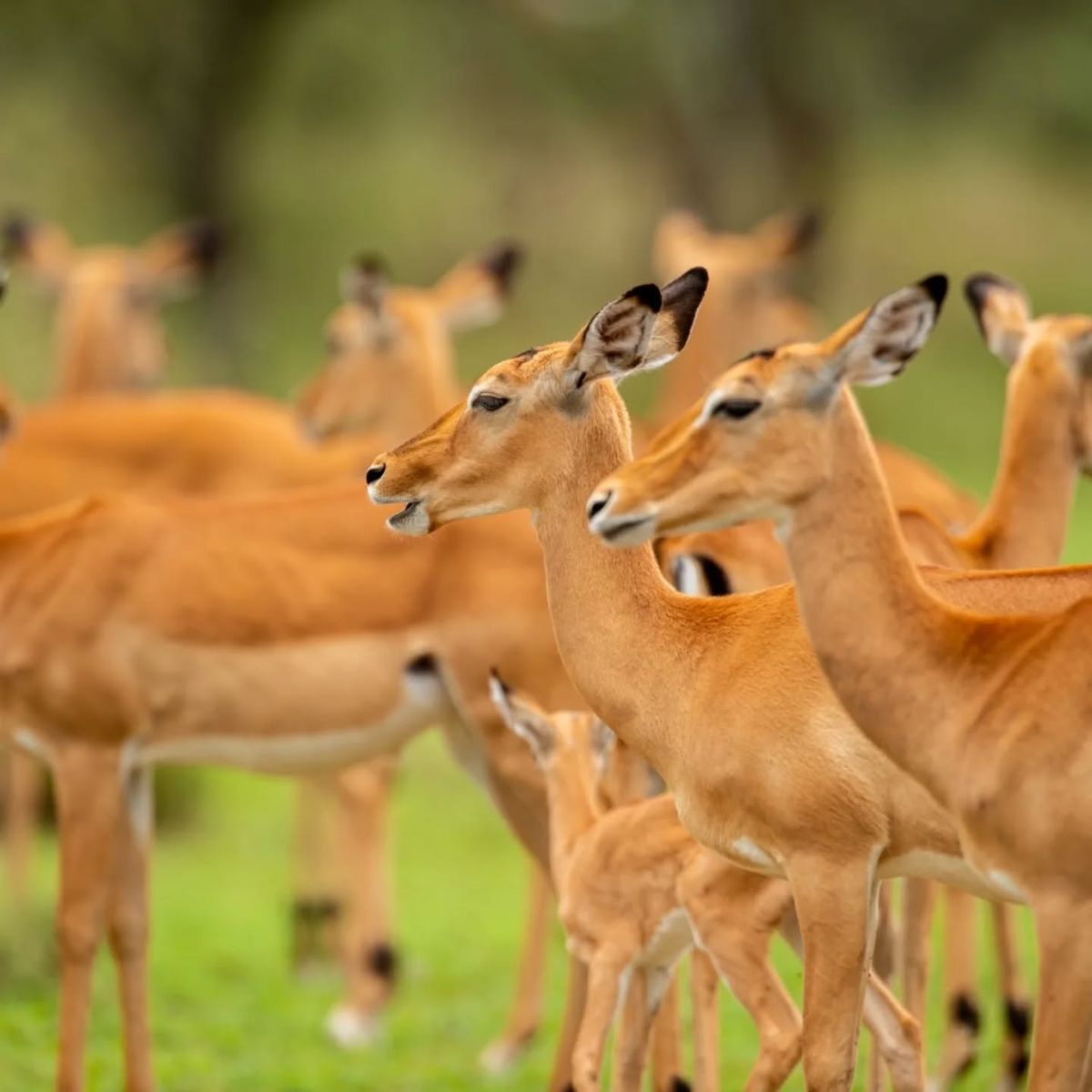
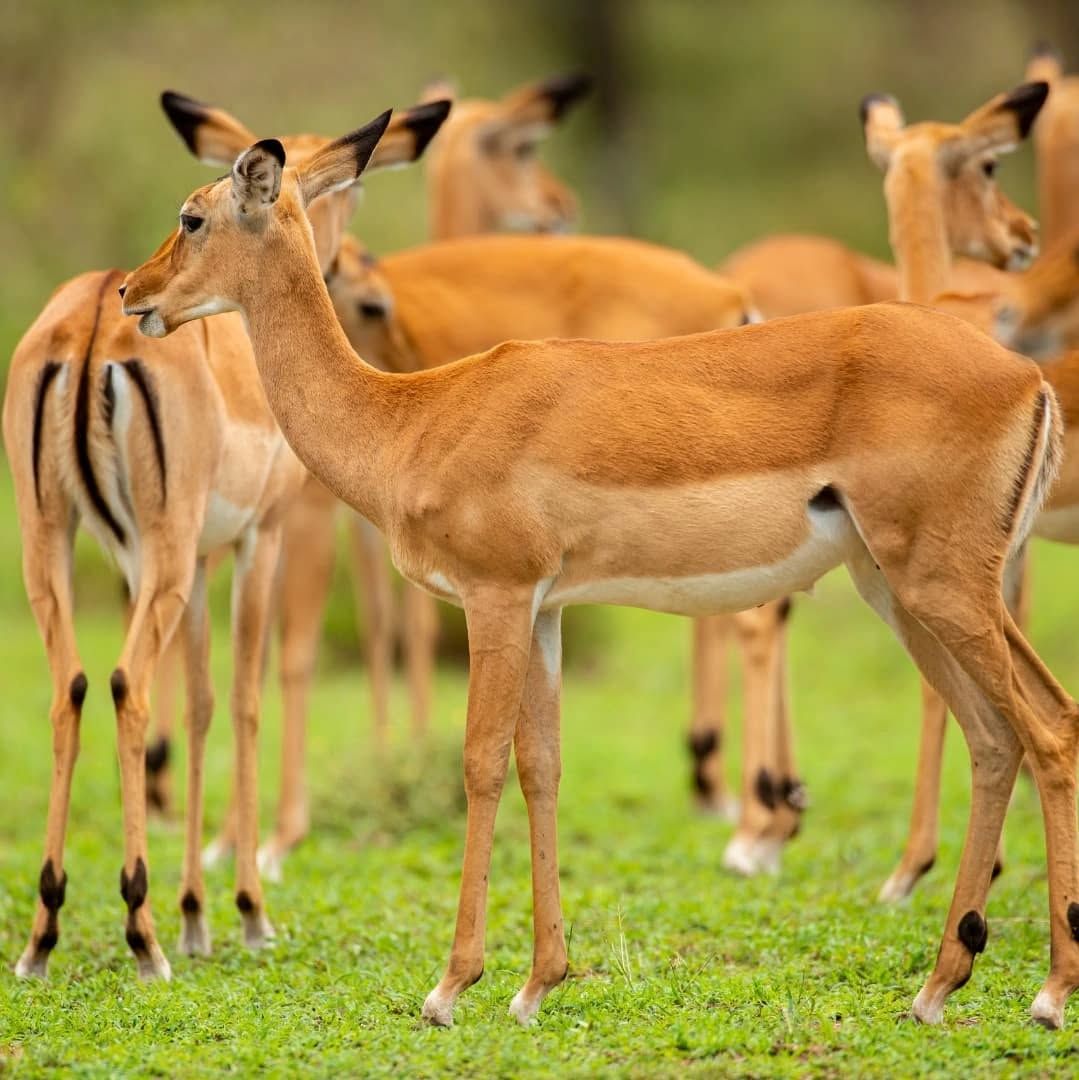
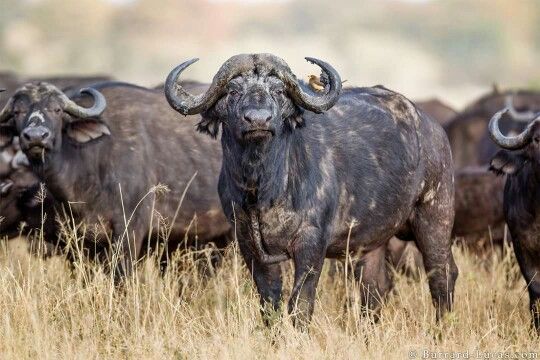
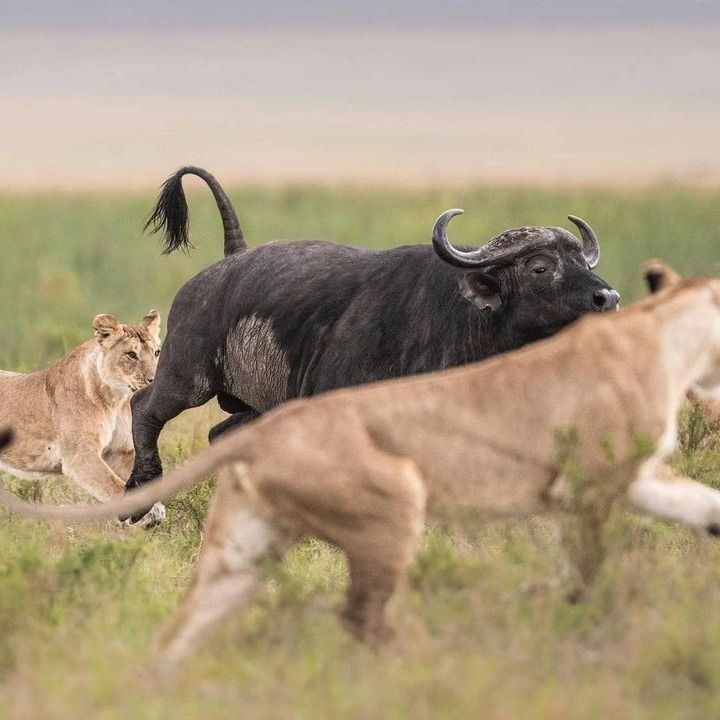
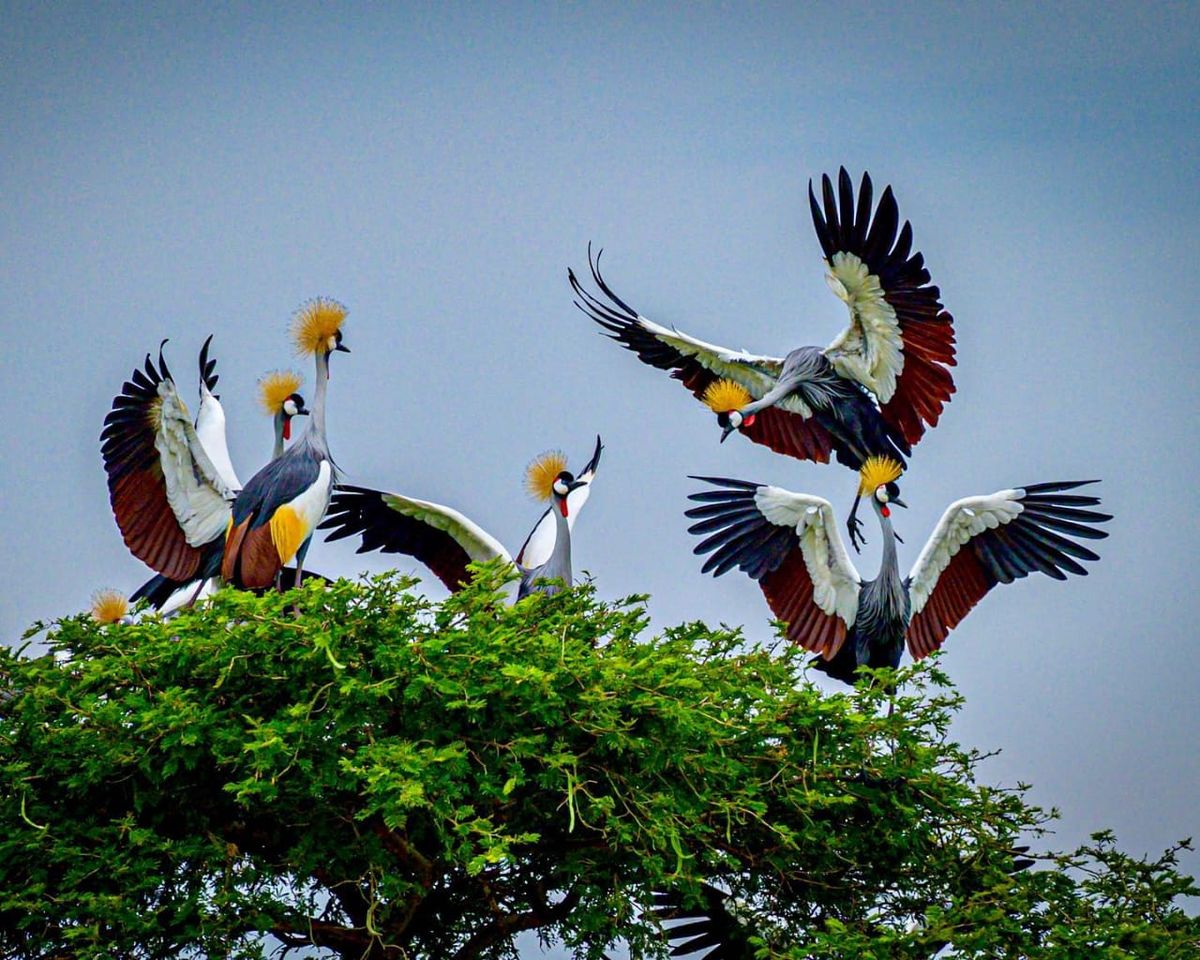
Frames from the foot days: the ground, the spoor, the small animals and the people who made the walk work. View complete gallery →
How Does This Safari Compare?
Where a 6-day walking safari sits against a driving itinerary of the same length.
| Feature | 6-Day November Walking | 5-Day November Game Drive |
|---|---|---|
| Ground time | six days on the ground that suits this category | Five full driving days |
| What you see | Small mammals, spoor, birdlife, leopard habitat | Large mammals in volume |
| Sightings per hour | Lower, and deliberately so | Higher |
| Fitness required | Reasonable general fitness and sound footwear | None |
| Best for | Travellers with 6 days wanting walking | Travellers who want the largest animal list |
Experience on Film
A visual summary of a November walking week, from the pre-dawn start to the last evening drive.
Video highlights are shared with confirmed bookings. Ask for the current footage when you enquire, so you are seeing this season rather than an old clip.
Inclusions & Your Quote
What this arrangement covers, and what it does not.
Included
- Safari vehicle with pop-up roof and a dedicated walking guide throughout
- Vehicle support following the walking group on foot days
- Four nights' accommodation per the confirmed plan
- Meals per the confirmed meal plan, including packed water on foot days
- Park and conservation fees as applicable
- Round-trip road transfer from Arusha
Not Included
- International flights
- Tanzania visa
- Travel insurance covering walking activity
- Tips for guides, trackers and camp staff
- Personal expenses and premium drinks
- Optional night drive and cultural evening, quoted separately
Your Quote, Built Around Your Dates
| Quote Field | Your Arrangement |
|---|---|
| Per Person | Current price — confirmed in your quote |
| Accommodation | Category and position confirmed on booking |
| Guide | Dedicated walking guide, small group |
| Optional Extras | Night drive and cultural evening, on request |
* The total depends on travel dates, group size and accommodation category. Session lengths and terrain are confirmed in your itinerary so you know exactly what each foot day asks of you. No fixed price is shown here — request your current quote below.
How to Book Your Safari
Six steps, and how long each one realistically takes. Walking camps are small, so the dates that suit you november go quickly.
Tell us your dates, group size, fitness level and rain tolerance. November circuits suit most walkers who accept soft going.
A full breakdown with circuits described day by day, support and rain protocol stated, and pool vehicle days itemised.
Once the quote is right we hold accommodation and ranger slots while you confirm. November ranger pressure is the year's lightest.
A deposit secures the booking with the balance due before arrival, stated plainly in your confirmation.
Final vouchers, guide details, circuit plan, rain-kit list and transfer arrangements in writing before you travel.
Collected from Arusha or the airport, briefed that evening on mud, rain and protocol, and on foot at first light next morning.
Frequently Asked Questions About the November Walking Safari
The questions we are actually asked about a walking safari, including the fitness and terrain ones people hesitate to ask.
Ready to Walk the New Grass?
Soft recording mud at dawn, new pools by vehicle between, and the richest tracking of the walking year throughout.
Enquire now for current availability — no deposit requested at this stage