


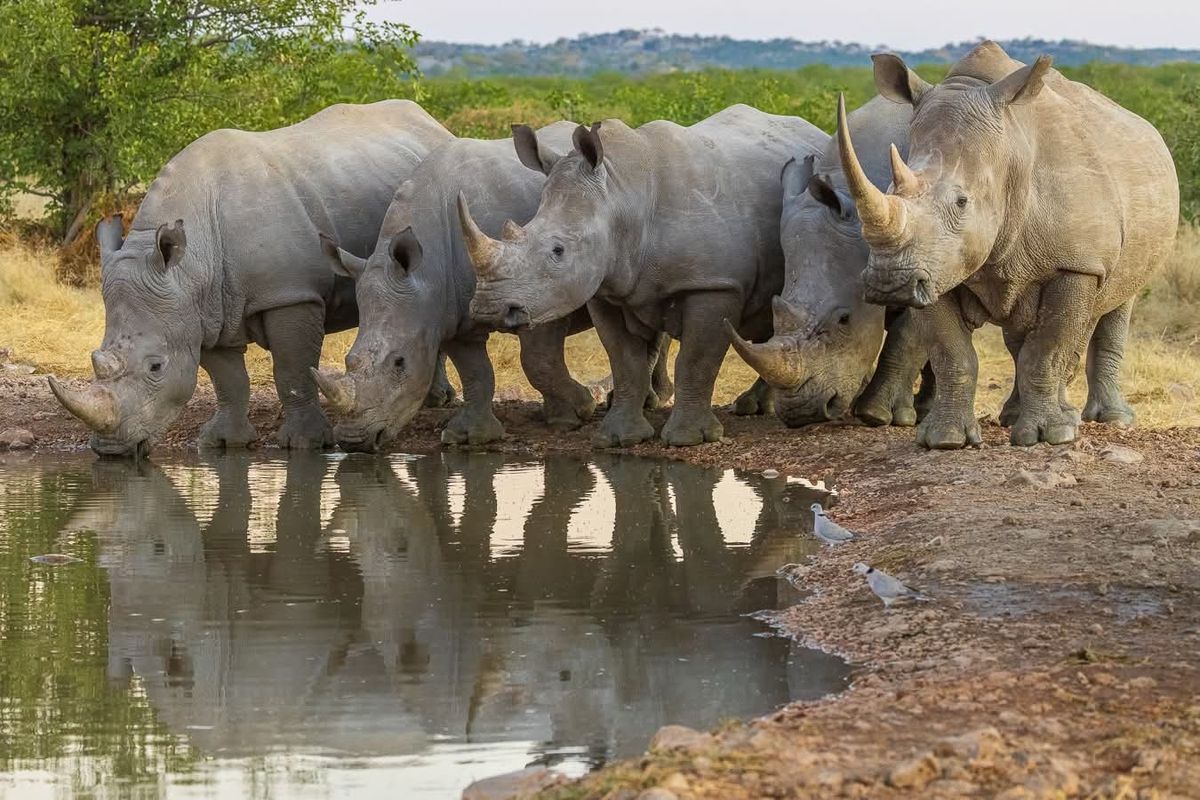
November Serengeti Safari Guide: Short Rains & Green Skies — Seronera Cats as the Herds Move South
A November Serengeti safari catches the turning point: short rains green the Serengeti, the migration drifts south through the east and centre, and the Seronera valley's resident big cats anchor every drive. Fewer vehicles, fresh light and the year's quietest energy.
The November Serengeti Safari: Turning Season
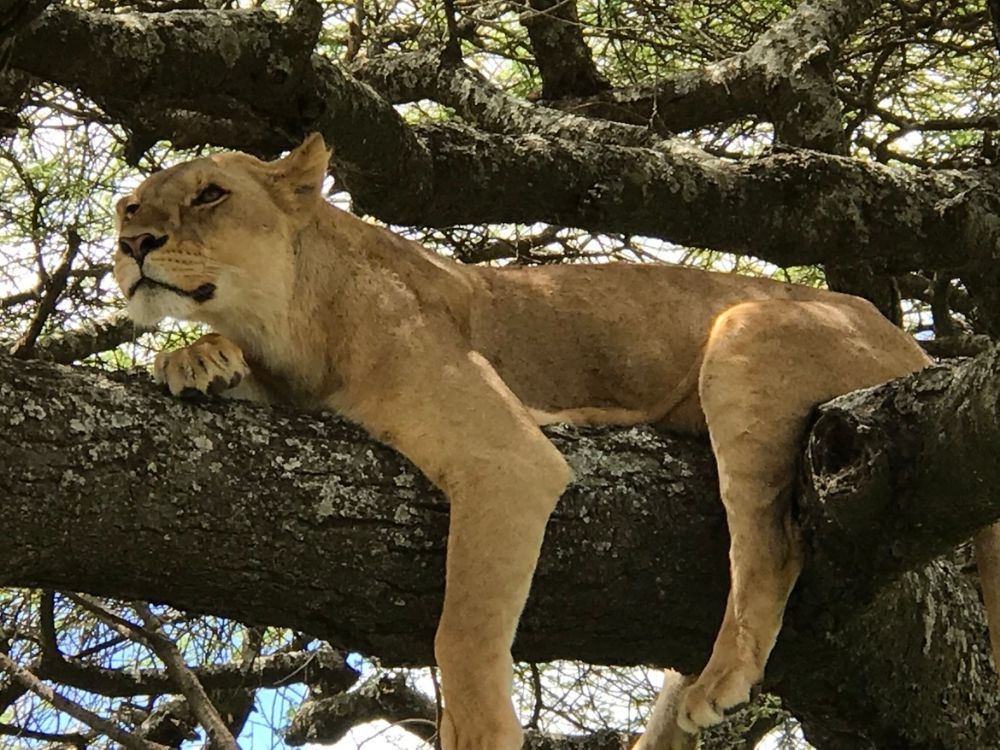
November opens the short-rains transition. New clouds build daily, the dust settles, the plains begin to green, and the migration — restless in the north — begins its long drift south through the park's interior. The Seronera valley sits perfectly in the middle of the movement, with resident lions, leopards and cheetahs on permanent duty.
Valley days work the river lines, Moru Kopjes and hippo pools between showers, with the eastern grass a short arc away on the migration's path. Longer loops add a crater descent or a Zanzibar beach finale. Availability, camps and prices are confirmed against your dates at booking.
Everything You Need to Know at a Glance
Central Serengeti
The central valley sits on the migration's southward drift — November's crossing point for herds and people alike.
Resident Focus
Lions, leopards and cheetahs hold the valley; migrant herds pass through on their southern turn.
Seasonal Timing
November mixes dry-season residue with the first dependable green-building rains.
Valley Landmarks
Seronera river lines, Moru granite and Retima pools frame November valley days.
How You Travel
Arusha road transfers plus in-valley game drives in a private 4WD with an English-speaking guide-driver.
Field Time
Full days arranged around the rain with early starts and flexible valley routes.
When to Go
November suits travellers who want the season turning without the peak crowds.
Price on Request
Pricing depends on season, group size, nights and accommodation. A confirmed quote follows your dates.
Where Novembers Take You: River Lines to Green Transition
Each stage works one November priority — valley water lines, kopje rocks, hippo pools and the eastern grass the herds are crossing.
Region stage: November is the turning point of the year, when the migration starts drifting south through the park's interior and the valley sits on that route.
Safari activity: Dawn sessions on the river lines, then loops east onto the open grass where the columns are passing through.
Wildlife focus: Resident valley lions and leopards, migrating herds on the move, elephants and the dry-season residents still holding.
Destination context: The valley's position in the middle of the park's geography is what makes November a genuine crossroads month.
Meals and timing: The first short-rains build-ups give the month its own light, and dry spells are used for the plains chapters.
Overnight and logistics: Valley camps are well placed for the transition, and the green arriving early makes them comfortable.
Travel reality: Rains build through November, and the herd movement follows the grass, so the routing is deliberately flexible.
Region stage: The kopjes are the most reliable chapter of a November itinerary, because granite and rock art do not move with the weather.
Safari activity: Kopje climbs in the first light, then rock-art walks and terrace work through the middle of the day.
Wildlife focus: Kopje lions, klipspringers on the rock, and the ancient surfaces that have drawn people here for centuries.
Destination context: Green arriving around the granite is what makes November photographs differently from the dry months.
Meals and timing: The kopjes are best in the first and last light, and the granite holds shade for the middle hours.
Overnight and logistics: Kopje-side positions make the early sessions easy to reach.
Travel reality: Climbing access depends on recent rain, and the workable faces are confirmed each season.
Region stage: The pools keep working while the herds move, which is why a November itinerary pairs the two rather than choosing.
Safari activity: Slow pool sessions in the morning, then long grassland drives to find wherever the columns have settled.
Wildlife focus: Hippo pods, crocodiles, elephants, and moving wildebeest and zebra columns on the open grass.
Destination context: Fixed water and moving herds in the same week is the defining feature of a transition month.
Meals and timing: Water work belongs in the morning, and the open grassland suits the improving afternoon light.
Overnight and logistics: Pool-side positions make the water chapters short and repeatable.
Travel reality: Green-season grass and the first rains change track conditions, so the grassland loops flex.
Region stage: The longer November plans follow the season south, adding the eastern grass and the rim, or flying on to the coast.
Safari activity: Valley days, an eastward leg onto the migration's path, a rim night and optional island flights.
Wildlife focus: Resident cats, migrating columns, eastern cheetah country and crater species on one turning-season arc.
Destination context: November rewards a plan that accepts movement, which is why the longer loops are built to follow the herds.
Meals and timing: Full board in the bush, with a lighter highland rhythm on the rim nights and beach-standard board on the island.
Overnight and logistics: Valley, eastern, rim and beach arrangements are all confirmed as one chain.
Travel reality: Rain timing in November is genuinely uncertain, so the arc is built to work in either direction.
Your November: Rivers → Rocks → Pools → East
A valley-to-east circuit that fishes each habitat in its best hour, from Arusha and back — with an island option on the grand loop.
Meet at your hotel or airport and drive west into the park.
Resident cats and the herds drifting south.
Granite, rock art and the November light.
Hippo water while the herds move.
Following the migration south.
Rim light and a crater descent, or flights to the coast.
Interactive Safari Map
Follow the Arusha → Seronera → Moru → east grass circuit stop by stop.
- Arusha
Safari capital gateway
Start and return by road - River Lines
Resident cats and moving herds
Dawn water sessions - Moru Kopjes
Granite and rock art
First-light climbs - Retima Pools
Reliable hippo water
Morning circuits - Eastern Grass
The migration's southward path
Long driving days
Best Time to Visit in November
November is the turning month: green skies, drifting herds and a nearly empty park.
Wildlife of Your November Safari
Valley residents under transition skies, with southern movement overhead.
Columns drifting south through the park interior.
Moving with the same southward flow.
Resident prides holding the valley all year.
Riverine and kopje leopards in the green.
Eastern grass as the herds pass through.
Families at the valley water points.
Pods in the rising pool levels.
Back on the banks as water rises.
Herds moving with the season.
Browsing the greening woodland.
Rock antelope on the kopje faces.
Abundant as the rains establish.
| Animal | Potential Encounter | Best Viewing Context | Best Area |
|---|---|---|---|
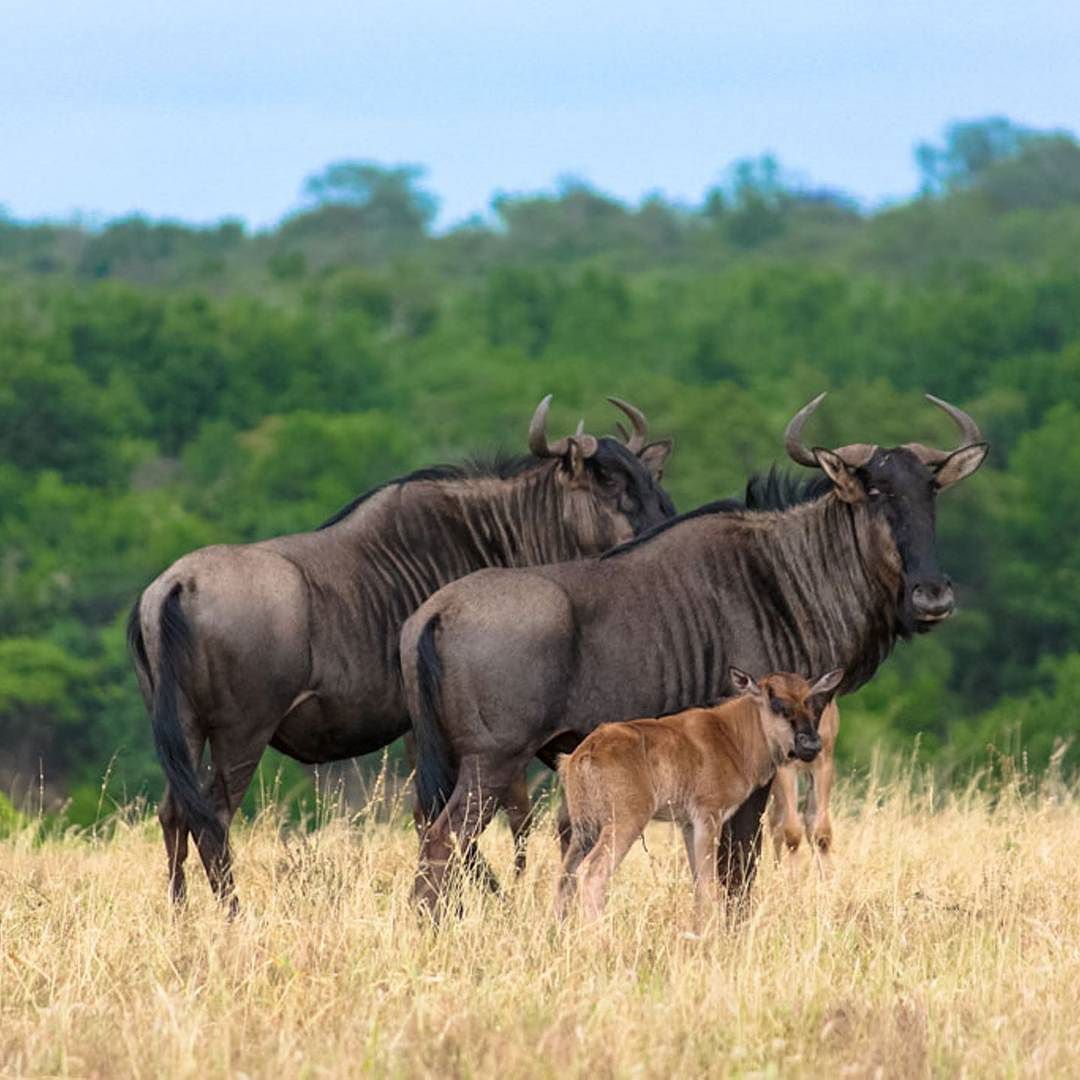
Wildebeest | Strong | Columns drifting south through the interior | Central & eastern grass |
Zebra | Strong | Moving with the same flow | Central & eastern grass |
Lion | Strong | Resident prides on the river lines | Seronera valley |
Leopard | Possible | Riverine and kopje cover | Valley & kopjes |
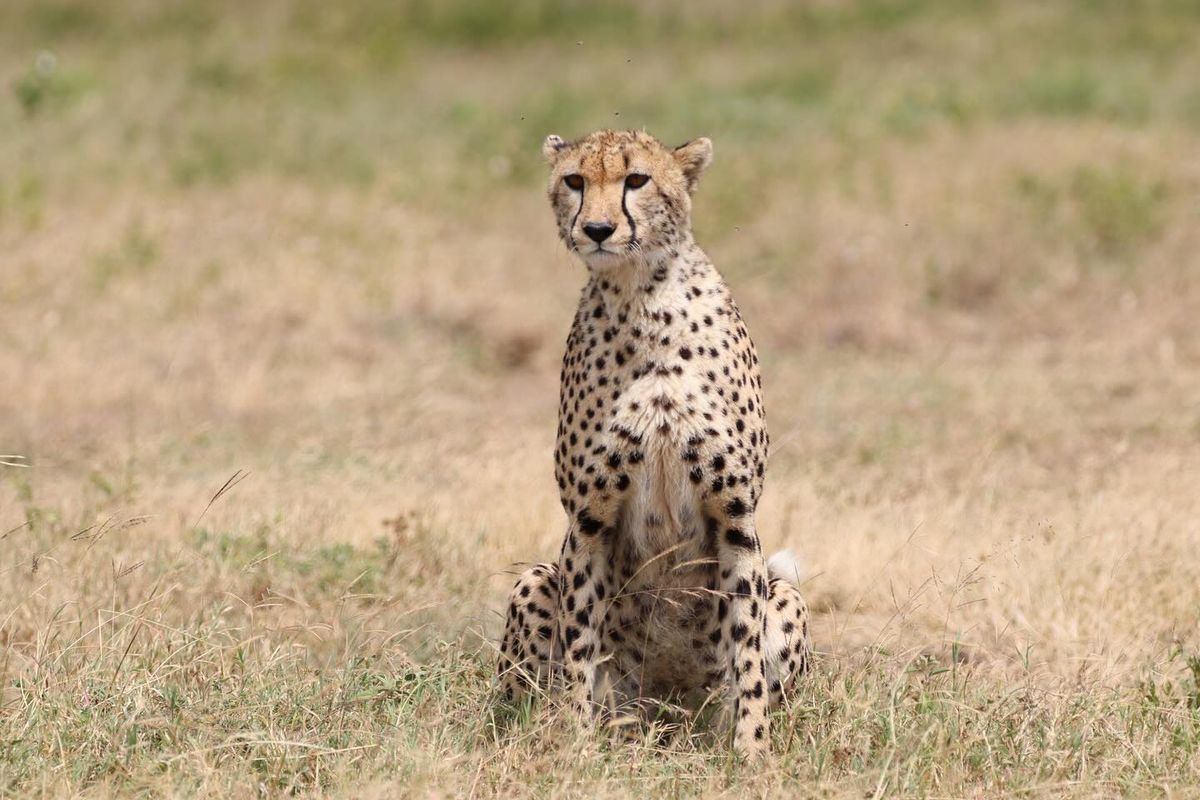
Cheetah | Possible | Eastern grass as herds pass | Eastern blocks |
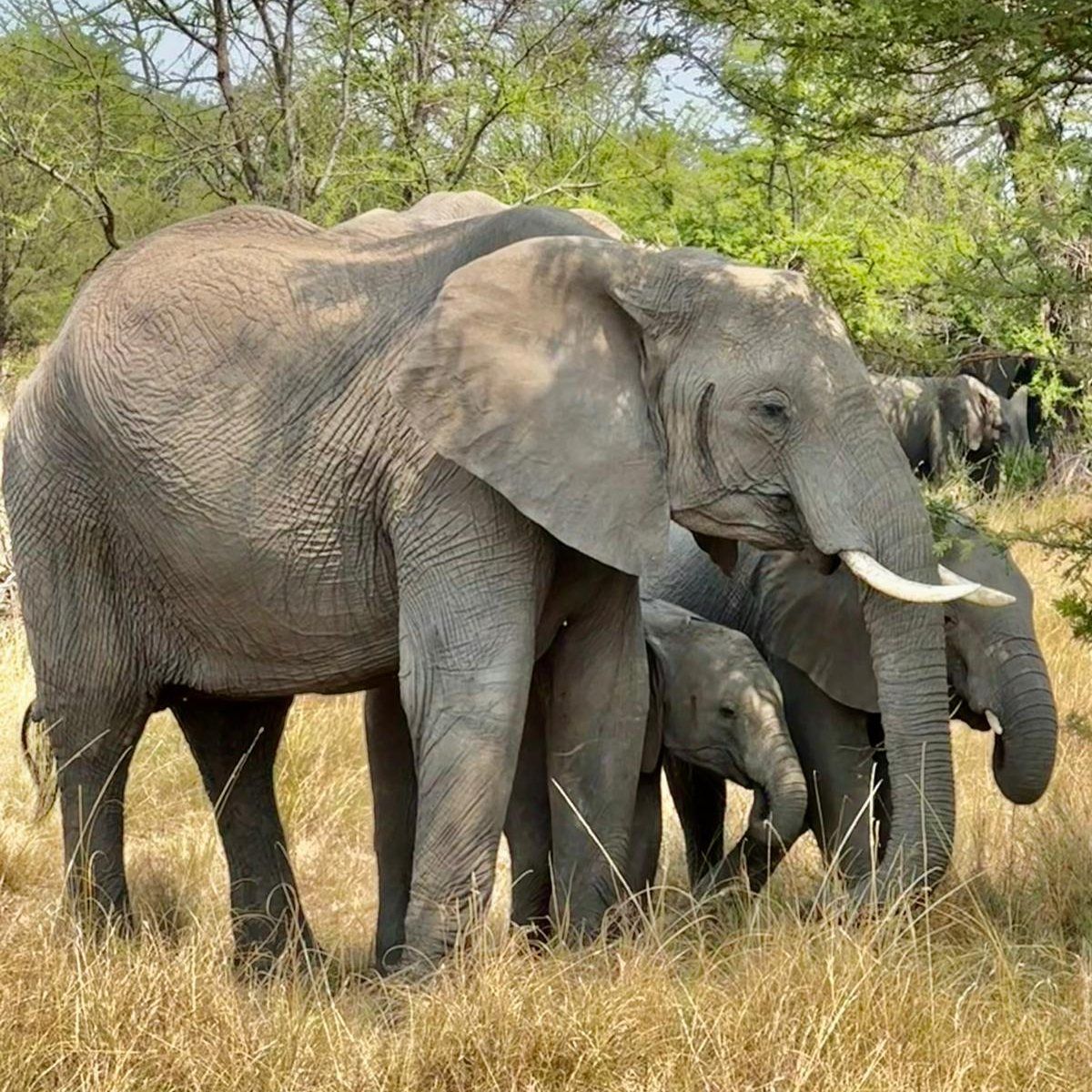
Elephant | Strong | Families at the valley water | Water points |
Hippo | Strong | Pods in rising pool levels | Retima pools |
Crocodile | Possible | Back on the banks as water rises | Pools & channels |
Giraffe | Possible | Greening woodland browsing | Woodland |
Klipspringer | Possible | Kopje faces in early light | Moru kopjes |
Green-Season Birds | Strong | Wetland and woodland edges | Water & wood |
No sighting is guaranteed. Animal movement varies with weather, season, food, water and the day-to-day conditions of the ecosystem.
Tanzania Safari Packages for November
Every itinerary below works the valley's rivers, rocks, pools and grass from Arusha — or flies to Zanzibar on the grand loop. Compare the three-day highlights loop, the four-day kopjes loop, the six-day predator week, the seven-day extended week and the twelve-day valley-to-island expedition, then request the current quotation for your dates.
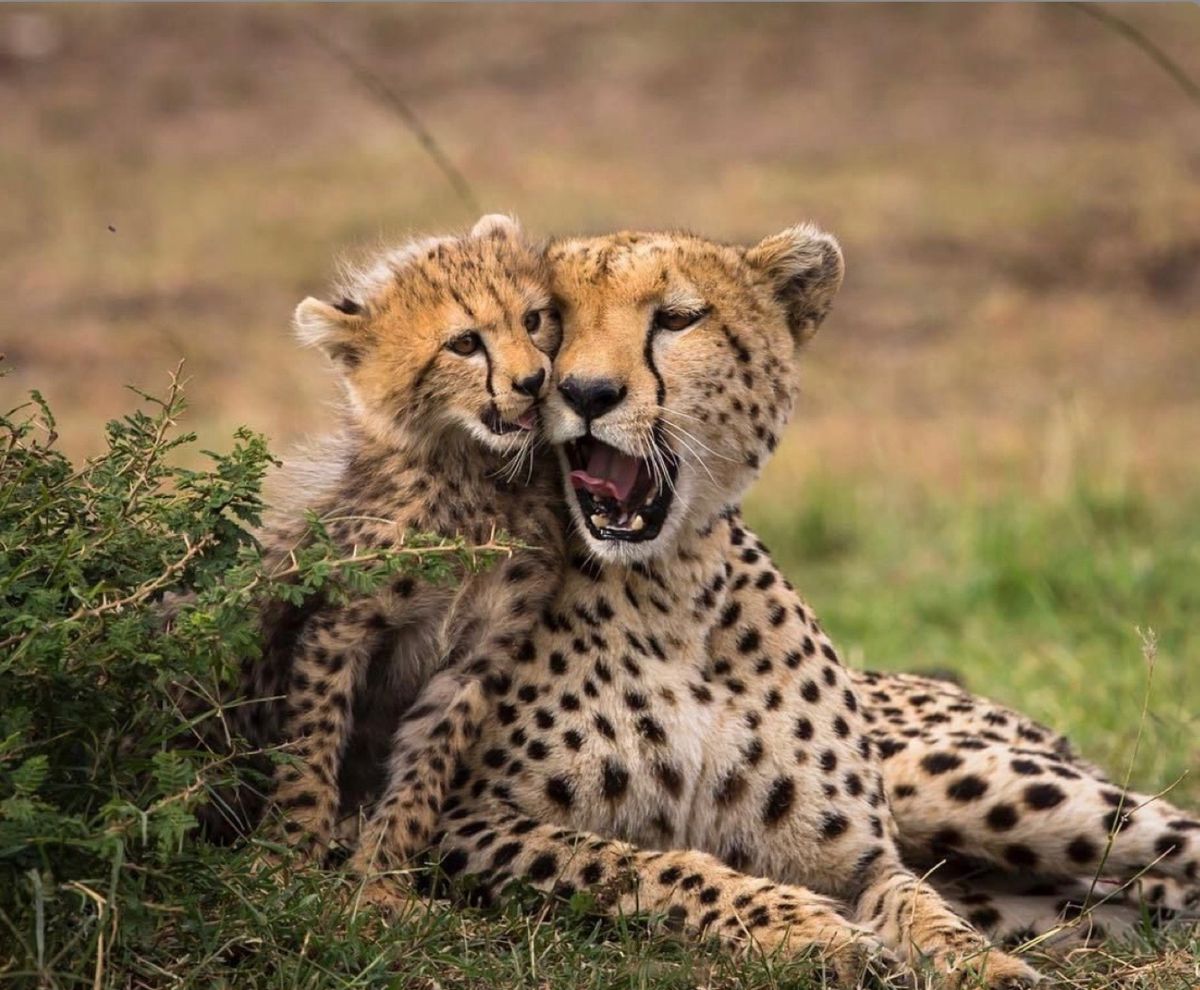
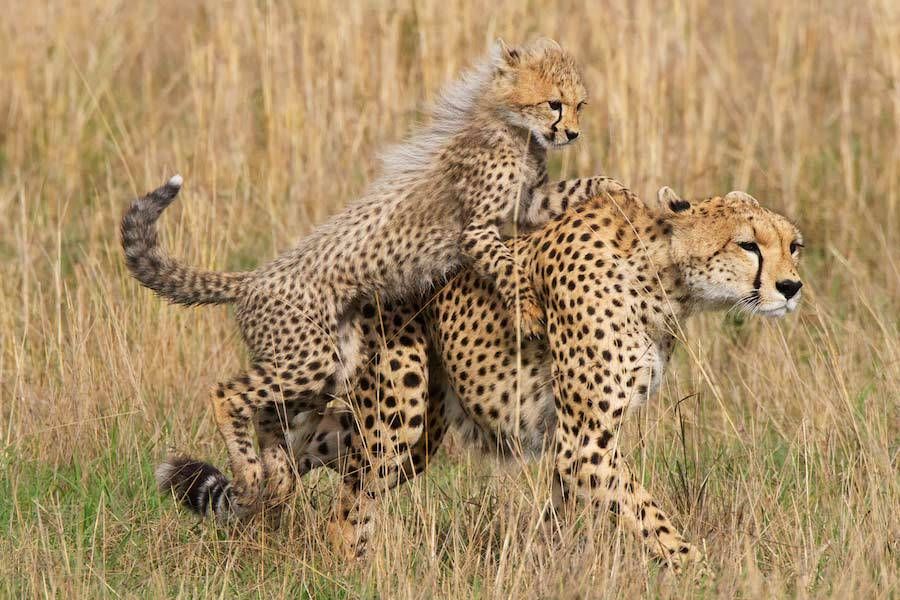
Prices are on request and confirmed against dates, group size, gates, accommodation and transfers. Equivalent or superior properties may be substituted when necessary.
Why Choose Kizza Adventures for November?
Your November safari is planned around rain-flexible routes, transition-season light and maximum valley time with a wildlife-first approach.
November routes are built to follow movement rather than to fight it.
The month is planned around new light on granite and greening ground.
Fixed pools and moving columns are worked in the same week, not as alternatives.
Routes are built to work whether the rains arrive early or late.
Lower traffic is used to run longer loops and slower circuits.
Pricing is confirmed against dates, group size, gates, accommodation and inclusions.
Wildlife is observed to park rules, with no guaranteed sightings advertised.
The safari team answers current availability and quotation questions directly.
November Transition Safari vs Peak-Season Safari
November is the season turning over. It is a genuinely different safari from the peak, and cheaper and quieter besides.
| Feature | November Transition (This Page) | Peak-Season Southern Safari |
|---|---|---|
| Timing | Short rains beginning, herds turning south | Calving peak, herds in the south |
| Headline | Movement, green light and residents | Newborn herds at maximum density |
| Vehicle numbers | Low, shoulder-season levels | The highest of the year |
| Landscape | Greening with cloud build-up | Dry short grass and dust |
| Best for | Value, quiet and photography | First-time migration trips |
Essential Safari Travel Information
Operational requirements vary by nationality and travel date, so use official Tanzanian sources and your final booking documents for current November requirements.
Carry a passport valid for the required period and confirm current Tanzanian entry requirements for your nationality before departure.
Green-season gate operations are confirmed at booking, and extra time is wise once the rains build.
Speak to a qualified travel-health professional about vaccines, malaria prevention and any personal medical preparation.
Comprehensive travel insurance is strongly recommended for medical treatment, evacuation, cancellation and baggage disruption.
Valley camps have usable signal, but coverage between drives remains intermittent.
Stay on designated tracks, remain in the vehicle when required, and follow guide and park instructions.
Safari Gallery — See November Before You Arrive
River lines, granite kopjes and greening plains of the November transition season.
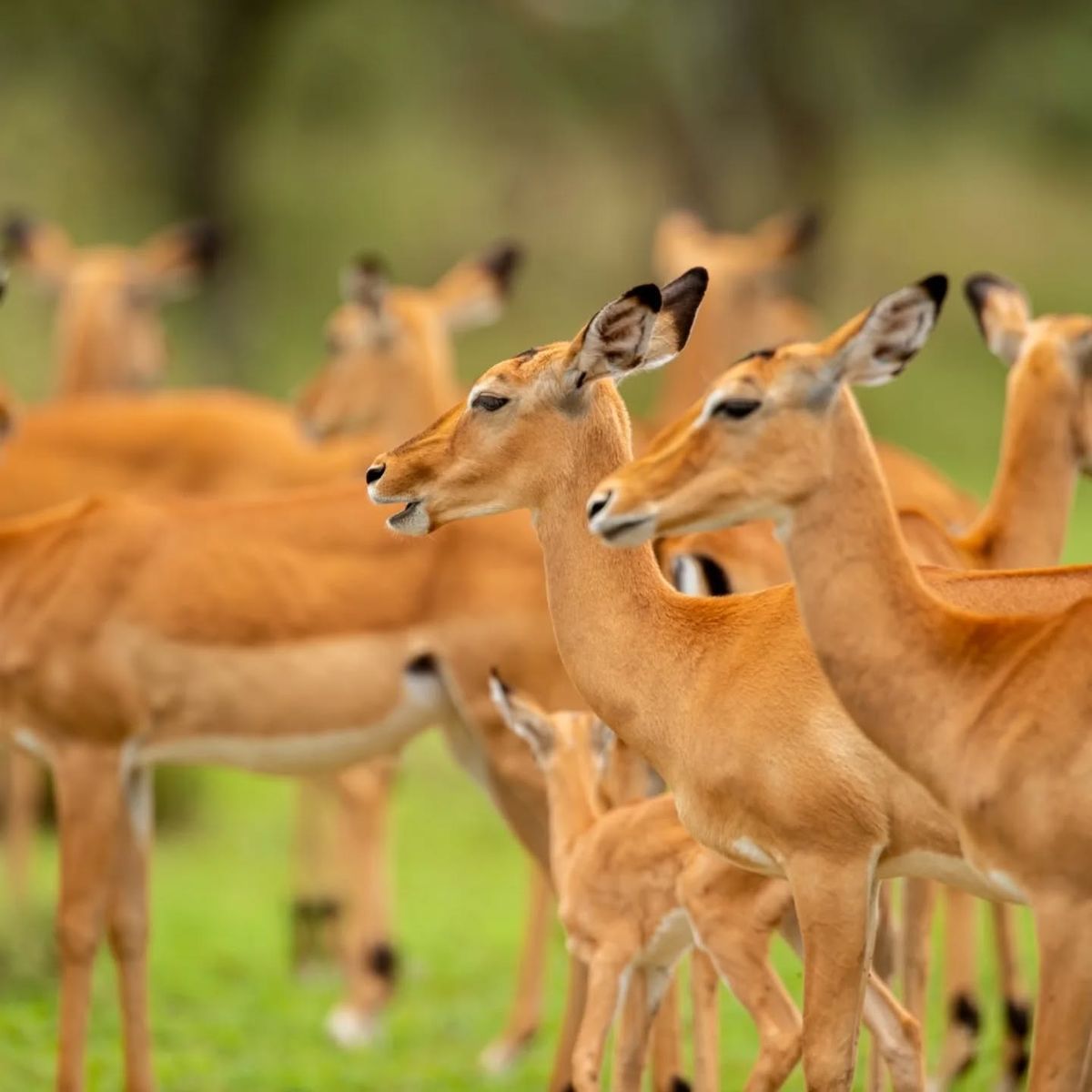
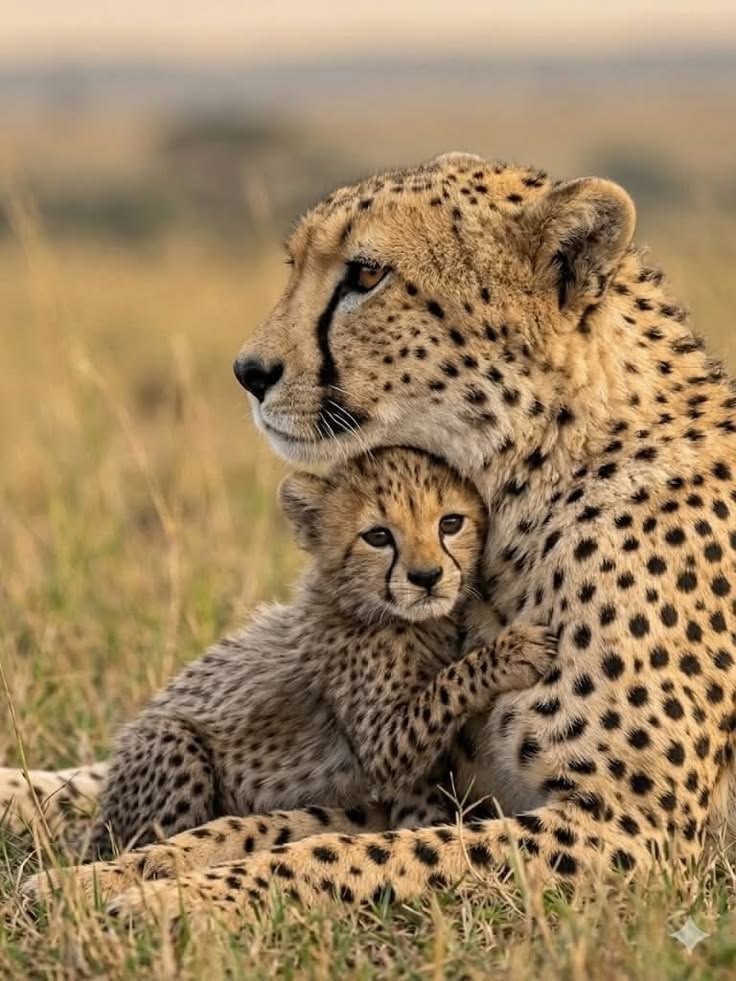
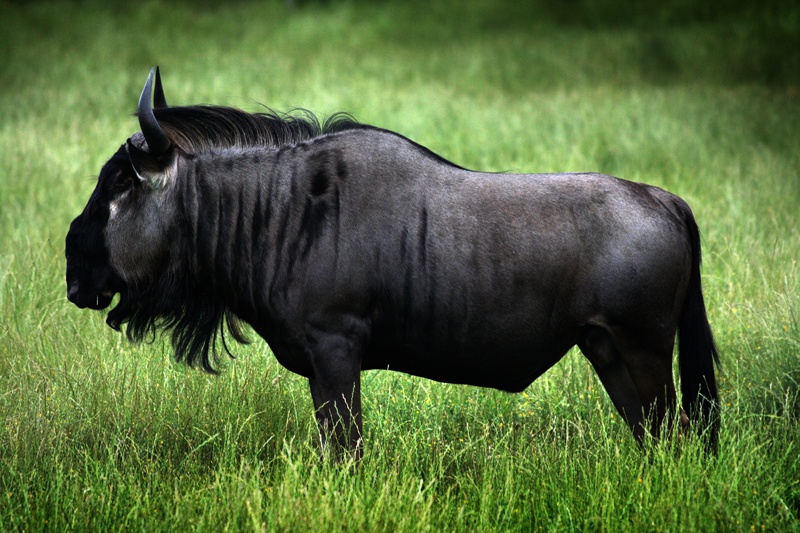
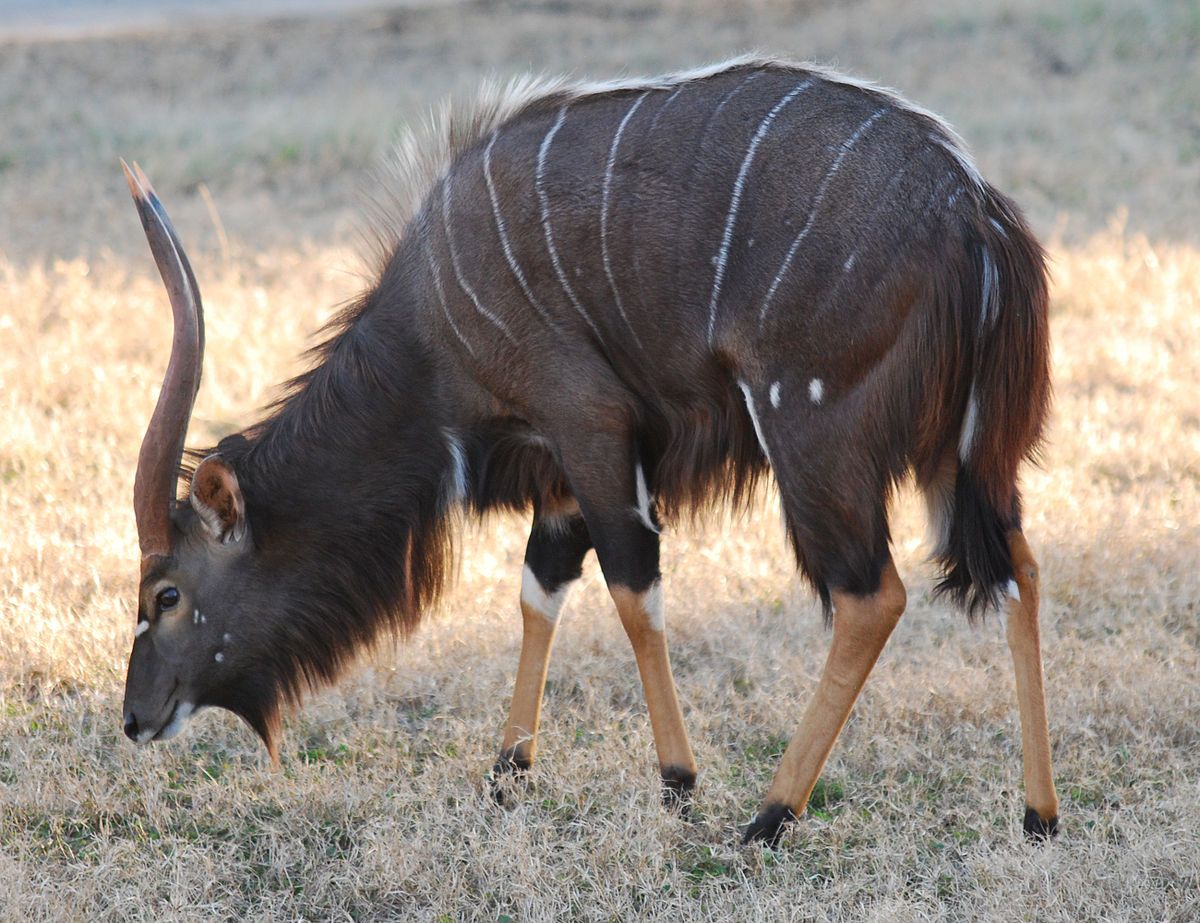
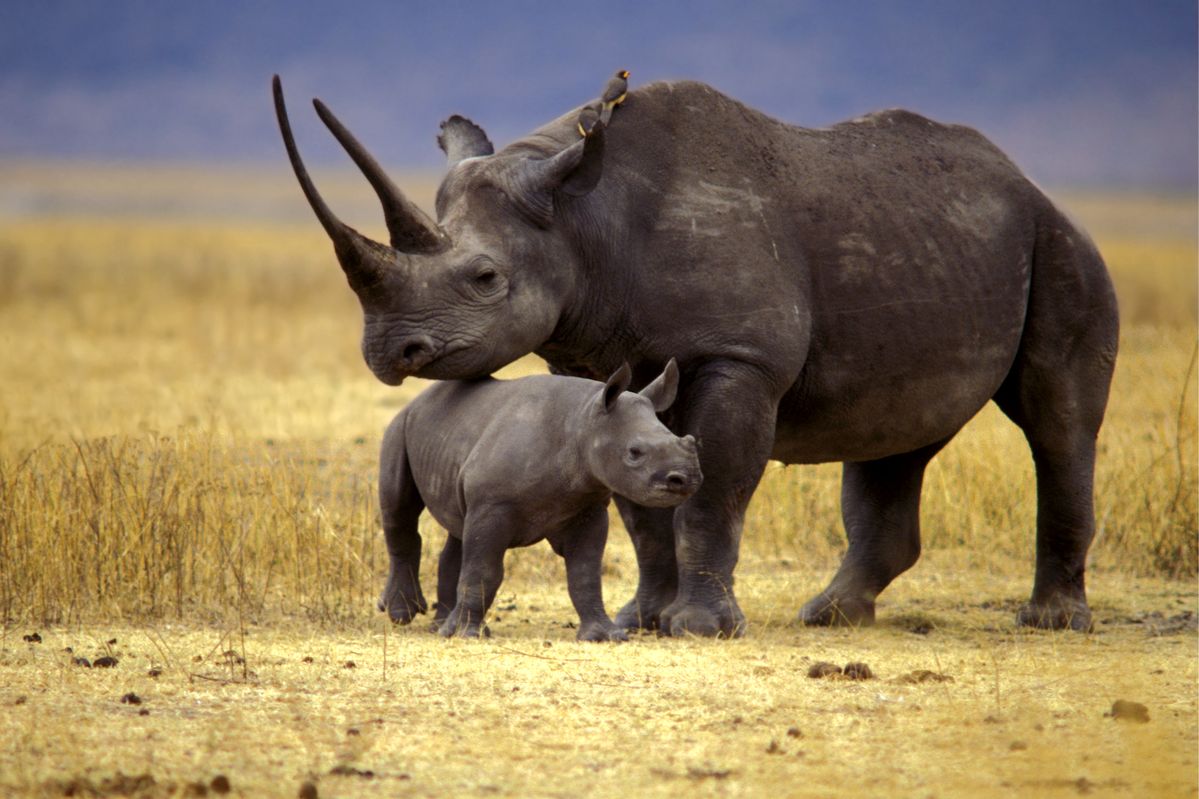
Frames from the Seronera river, Moru and the eastern arc. View complete gallery →
Frequently Asked Questions About November Serengeti Safari
Practical answers for travellers planning a safari in November, as the Serengeti turns green and the herds move south.
How to Book a Safari in November
Booking a November safari is straightforward: send your dates and group details, then confirm valley availability and the correct current quotation.
Share your preferred start date, Arusha hotel and number of travellers.
Decide between the 3, 4, 6, 7 or 12-day valley and eastern plan.
Lock camps and routing against current herd-movement reports.
Look over the proposed camps and any rim or beach nights.
Get the current price, inclusions, park charges and payment instructions.
Receive the operational itinerary and packing list for your Arusha arrival.
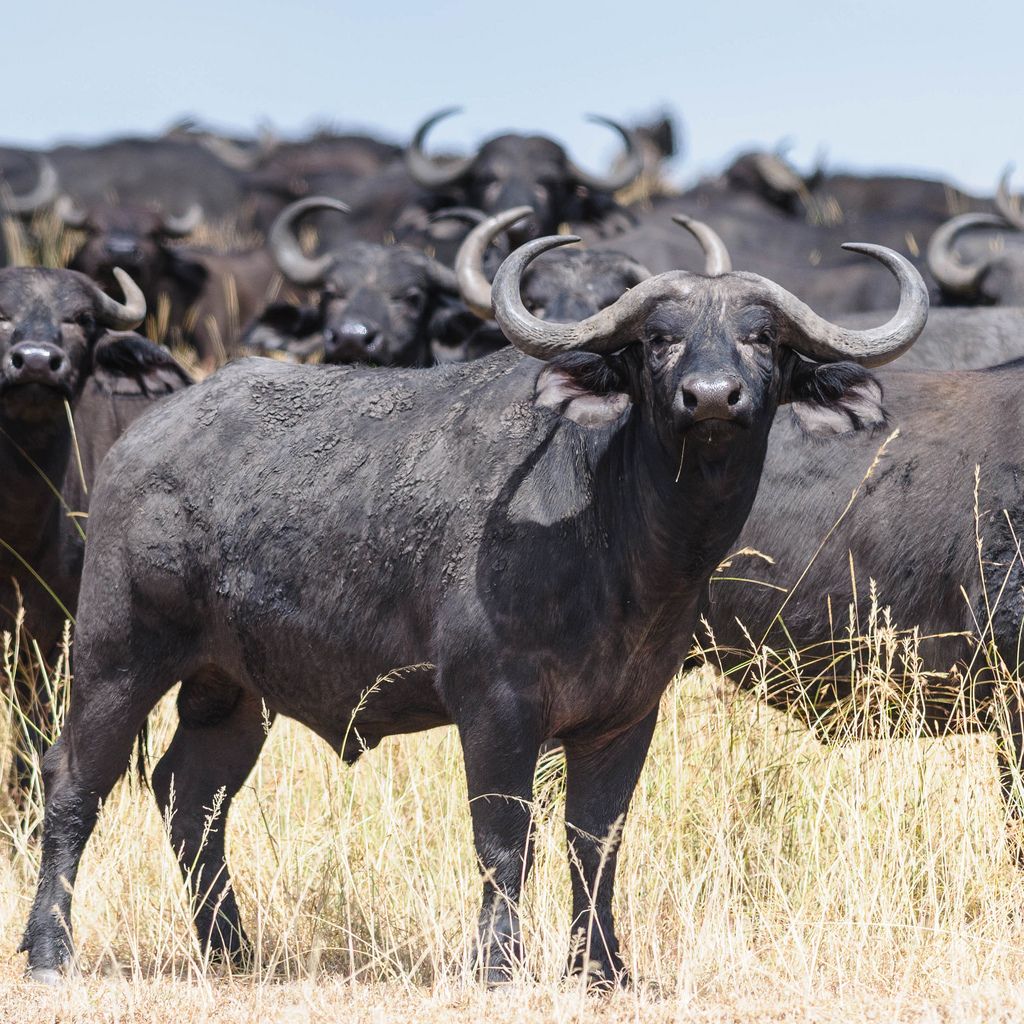
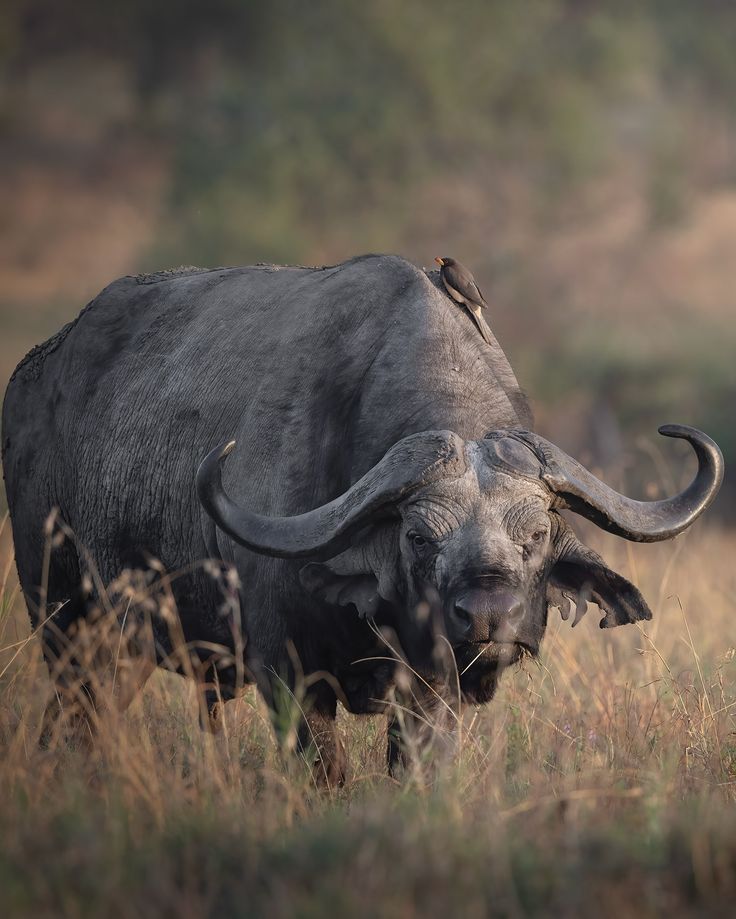
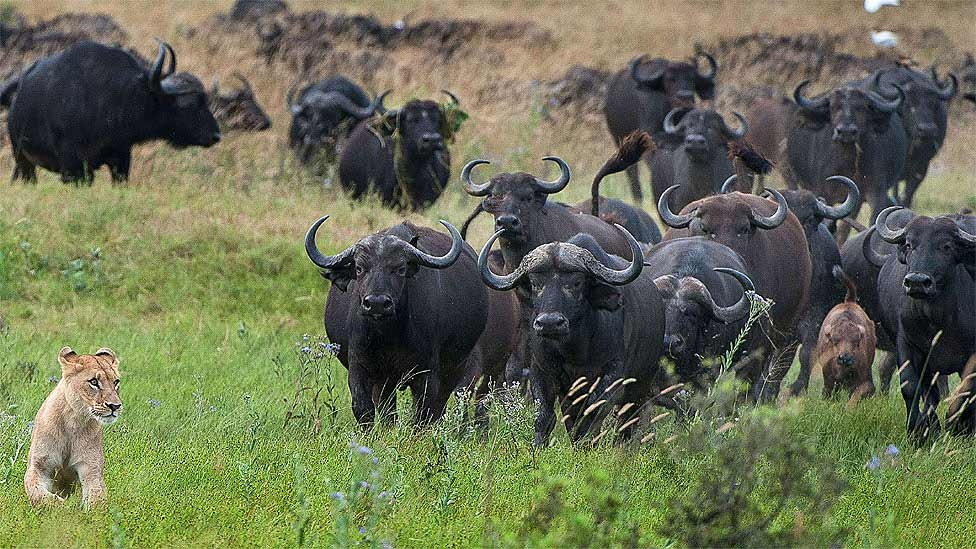
Ready for the November Transition?
Plan a November Serengeti safari in the green-shifting Seronera valley — choose a 3, 4, 6, 7 or 12-day itinerary, confirm valley availability for your dates and request the current quotation.
Valley availability, nights and pricing are confirmed on booking.