


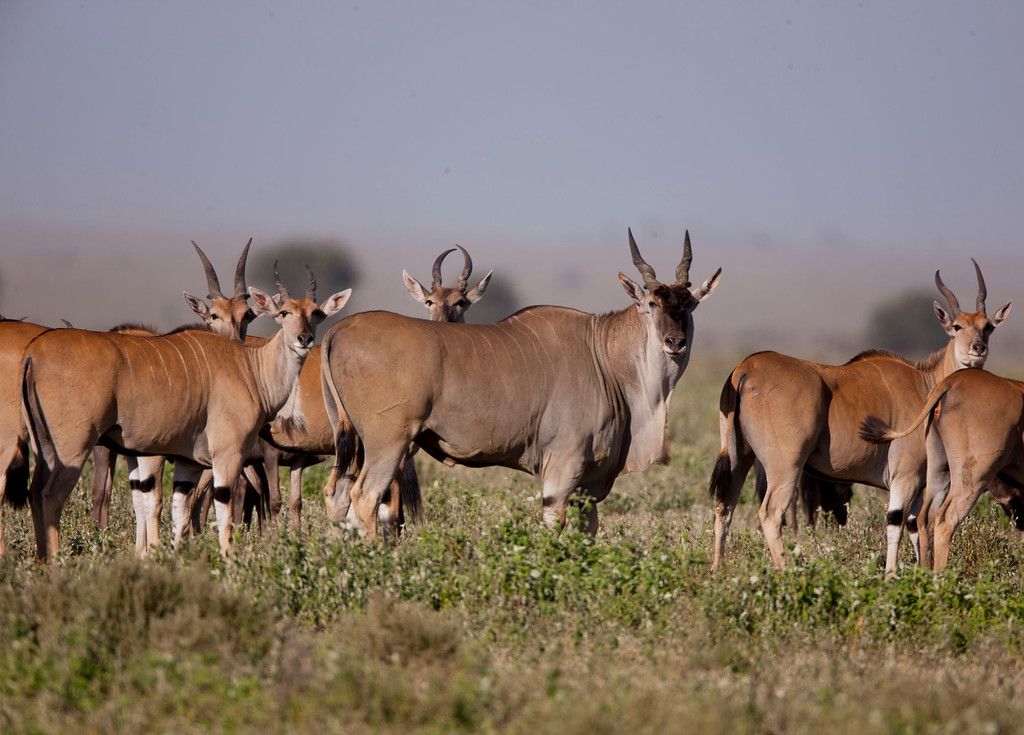
8-Day January Luxury Serengeti Calving Safari — Thousands of New Arrivals and the Grass That Carries Them
Book the 8-Day January Luxury Serengeti Calving Safari in the Serengeti: calves on the ground, herd behaviour, and the predators working the edges. January in the South: Calving Building, Not Yet Peaking
The herds arrive through January and the first weeks of calving begin on the Ndutu short grass, but the peak of the season still lies ahead in February and March. This 8-day safari is built for that honest window: long dawn sessions on the nursery ground, newborn calves still unsteady on their legs, predators working the herd edges, and the flamingo lakes and woodland margins that fill the middle of the day. Whether you are searching for a 8 day calving safari, a calving Serengeti safari, or a private departure for two, the operating rhythm is the same: an early start, a full day on the plains, and an honest account at the end of it about what you actually saw. Every departure is run out of Arusha with a licensed Tanzanian guide, a private 4x4, and an overnight confirmed against your dates.
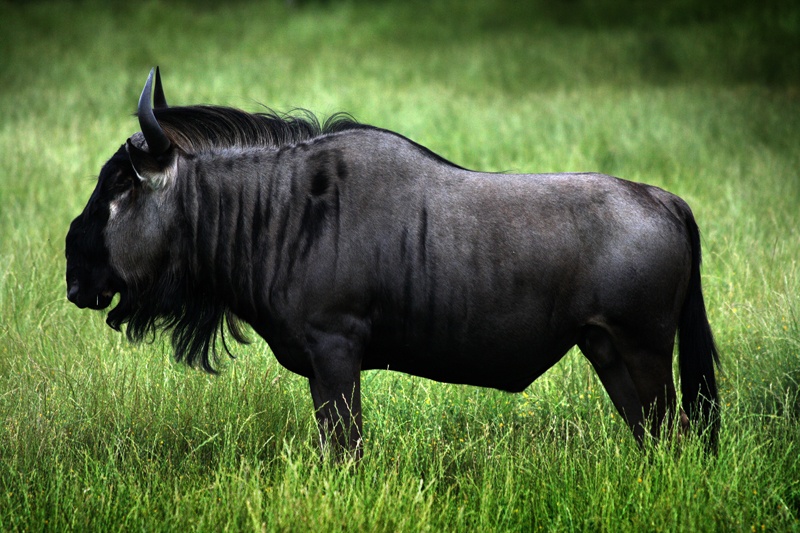
January on the Ndutu Nursery Ground
Early January sits at the start of the southern calving window. Herds are still completing their move down from the Seronera and Moru areas onto the short grass, so the plains change shape from day to day and the best viewing ground shifts with them. Calving is genuinely under way, though the busiest weeks fall later in the season.
Our 8 days are built around that movement rather than a fixed coordinate. We work the nursery ground at first light when the air is soft and calves are easiest to find, then use the long middle hours for the lake margins, the woodland edge and predator tracking. Nothing here is guaranteed — the herds follow rain, and we say so before you book rather than after you arrive.
- 8 days on the southern short grass where the herds are calving
- Dawn-to-dusk flexibility while the herds finish arriving
- Flamingo lake channels and woodland leopard margins in the middle of the day
- No promised calving dates, crossings or predator encounters
- Accommodation category, property and meal plan confirmed on booking
8-Day January Calving Safari at a Glance
The practical shape of the trip before any detail. Accommodation category, property and meal plan are confirmed on booking.
How the eight days are used
The days are shaped around herd position rather than a fixed route, with the best hours held for the dawn session and the middle of the day given to heat and rest. A shorter trip has to choose, and choosing usually means dropping the middle-of-the-day sessions that produce most of the images. 8 days keeps a dawn and a late-afternoon session on every day of the safari and still leaves room to work the same ground twice rather than only passing it.
Why January works for this
January is the opening of the southern calving window. You arrive as the herds settle rather than at the crowded peak, which means lighter vehicle pressure on the nursery ground and a genuine chance of quiet sessions among the newborn.
Where the days are spent
The southern short grass around Ndutu, with the lake systems to the west and the woodland margins to the north. It is open country, so sighting distances are long and the light is unobstructed.
How we build the day plan
We build each day around where the herds actually are that morning. If the nursery ground has shifted, the day shifts with it, and the afternoon may be spent on the lake channels instead of the open plain.
How the vehicle is arranged
A private vehicle with your own driver-guide is the default arrangement for this itinerary because the hours are decided on the ground. Shared departures can be requested and are quoted against live availability.
Why the pace changes
The best calving viewing happens in the first two hours after sunrise. Midday is hot and still, so the middle of the day is used for movement, the lake systems and a rest rather than hours of glassing.
How predator pressure shows
Predators work the outer edge of a calving herd rather than the middle. Cheetah and hyena take the weak, lions hold territory near water. Which of these you see depends entirely on where the herds settle.
What the birding adds
The shallow lakes to the west carry flamingo and pelican flocks, while the wooded margins away from the plain bring a different list again. Birding here is a genuine bonus rather than the main event.
What January weather does
Warm days build toward afternoon cloud, and short storms can pass through. Storms move animals, which is a reminder that the plains rarely hold still for a fixed plan.
How the light behaves
Low morning sun gives side-light on the herds and long shadows across the short grass. Soft storm light later in the day can be spectacular, but it arrives with rain and unpredictable access.
What the stay depends on
Property, room type and meal plan are confirmed in the booking system against your dates and budget, from camping and tented camps through to lodges and luxury camps. No property is named before that.
What moves the quote
The quote depends on dates, group size, accommodation category, vehicle arrangement and any add-ons such as a Zanzibar beach extension. Send your dates and we will build the exact arrangement.
Sample January Calving Itinerary — 8 Days
A working shape for the trip. The order of these days changes with the herds, and we will tell you why when we adjust them.
Getting there: You are collected from Arusha after an early breakfast and climb into the Ngorongoro highlands, with the usual stops at the rim viewpoint and a coffee stop where the road allows it. The first day is kept honest on purpose: the job is arrival and positioning, not a full game drive forced into the last two hours.
The safari activity: By mid-afternoon you are down on the short grass with the vehicle already set up for a first evening glassing. The overnight is placed close to the plains so that you are standing on the arrival front before first light instead of driving toward it. The guide is working herd edges and nursery clusters rather than the main flow, because in this season the small groups are where the vulnerable animals are and where the cats are working. Distance is kept as short as the animals will allow.
What you might see: Green season scenery dominates this part of the park: long grass, red soil and very little traffic. Wildebeest, zebra and Thomson's gazelle are already in the southern block, and the predators that will follow the herds through the year have not yet shifted north with them. Road condition, park access and the highland weather can all change the arrival time, and the guide will re-order the day rather than compress it if the drive runs long.
Meals and timing: Lunch is taken on the road, dinner is served at camp, and lights-out is early because the group will be moving well before dawn. First overnight on or near the Ndutu access, chosen for the shortest possible run to the plains at first light.
How this day is judged: The guide is working herd edges and nursery clusters rather than the main flow, because in this season the small groups are where the vulnerable animals are and where the cats are working. Distance is kept as short as the animals will allow. The day is not measured by how many animals are ticked off but by whether the time spent in the country was used properly, which is why the afternoon session matters as much as the dawn one.
Road flow: The vehicle is at the gate before first light so that you are on open ground as the sun comes up rather than watching the light arrive from a distance. The morning is spent low and slow on whatever the herds have left in front of you.
The working part of the day: Late morning is given to the wetland and drainage systems where the birding is genuinely different from the plains, and the afternoon is a long, patient glassing session with the engine off more often than not.
Wildlife context: This is the season when the southern block is holding scattered herds rather than one dense mass, so distances between groups are longer. Cat activity is often easiest to read on the edges where the herds are fragmented. The plains can look extraordinary or simply empty depending on the week's weather and where the herds have actually settled, and the plan moves with them.
Practical rhythm: Breakfast is served in the field on the tailgate, the vehicle carries a cool box and water between drives, and the group is back at camp with an hour of light to spare. Overnight on the southern short grass, in the position that proved best that evening.
How this day is judged: The guide is working herd edges and nursery clusters rather than the main flow, because in this season the small groups are where the vulnerable animals are and where the cats are working. Distance is kept as short as the animals will allow. The day is not measured by how many animals are ticked off but by whether the time spent in the country was used properly, which is why the afternoon session matters as much as the dawn one.
How the day opens: You are back on the plains well before sunrise, and the day is shaped around the herds rather than around a clock. Wherever there is a concentration there is a chance of calves on the ground, and the guide reads the herd's mood before committing the vehicle to a position.
On the ground: The middle of the day is spent low and quiet, because in this heat and on this grass the herds rest, and so does everything that hunts them. Afternoon light on a nursery group is where the strongest images of a January trip are usually made.
Reading the country: Calving clusters are real in January but they are not evenly spread, and a quiet valley can hold nothing at all. Predators are working the herd edges and the drainage lines rather than the centre of the mass. Calving cannot be scheduled and no guide will promise a newborn on the ground; what is predictable in these weeks is herd concentration and the predator activity that follows it.
Comfort and breaks: A long midday break is built in, with water and shade in the vehicle, then a late-afternoon session that runs until the light goes soft. Second overnight on the short grass, positioned against whatever the last drive revealed.
How this day is judged: The guide is working herd edges and nursery clusters rather than the main flow, because in this season the small groups are where the vulnerable animals are and where the cats are working. Distance is kept as short as the animals will allow. The day is not measured by how many animals are ticked off but by whether the time spent in the country was used properly, which is why the afternoon session matters as much as the dawn one.
Morning movement: The day opens at a waterhole rather than on open plain, because in January the southern lakes hold far more than you would expect. Tracks are followed along the channels where the mud is soft enough to hold them.
The session: Late morning and afternoon are spent working the shoreline and the reed edges, which is slower, quieter work and completely different from the plains. Hippo pools, fish eagle perches and wading birds give the middle of the day its shape.
The species question: The lake country during the green season is where bird numbers peak, and the shoreline gives you a completely different set of subjects to the open grass. Predators use the channel lines here too, particularly at the edges of the marsh. Water levels change with the rains and channels that are drivable in one week may be soft or closed in another, so the lake work is planned around what is actually passable.
Pacing the day: Midday is spent in the vehicle or at a lakeside stop with the birds, and the group returns to camp before the last of the heat. Overnight close to the water, where the dawn game viewing starts from the channel edge rather than the plain.
How this day is judged: The guide is working herd edges and nursery clusters rather than the main flow, because in this season the small groups are where the vulnerable animals are and where the cats are working. Distance is kept as short as the animals will allow. The day is not measured by how many animals are ticked off but by whether the time spent in the country was used properly, which is why the afternoon session matters as much as the dawn one.
Driving and repositioning: The vehicle leaves camp early for the kopje country, where granite outcrops break the flat horizon and give both game and photographers something to work with. The circuit is slow because the interesting animals are the resident ones and they move with the shade.
Watching and waiting: Midday is spent on the woodland margins and drainage lines below the kopjes, where the light is broken and the birdlife changes completely. The afternoon can be spent climbing to a kopje viewpoint for the scale of the plains behind it.
Landscape and game: Resident leopard, cheetah and lion hold these kopjes through the year, so a quiet-looking block of granite is often the most productive ground on the itinerary. The herds may be elsewhere; the cats are not. Resident cats are never predictable, and a quiet-looking block of rock can stay empty all morning. The tracking effort is what usually pays, not the waiting.
Logistics: Water and a snack are carried in the vehicle, and the group returns late enough to catch good light on the rock faces. Overnight in the kopje or plains position that produced the best session of the day.
How this day is judged: The guide is working herd edges and nursery clusters rather than the main flow, because in this season the small groups are where the vulnerable animals are and where the cats are working. Distance is kept as short as the animals will allow. The day is not measured by how many animals are ticked off but by whether the time spent in the country was used properly, which is why the afternoon session matters as much as the dawn one.
The transfer: The morning starts on the plains and then turns into the riverine and drainage country, following fig-tree lines and sandy banks that the resident cats use to move between open ground and cover.
What the morning is for: Midday is a waiting game, and the vehicle sits engine-off in the shade for a long time. This is where a leopard sighting is most likely to happen, and it is also where patience is most tested.
What is out there: Leopard country in the Serengeti is defined by structure rather than by open sightlines: figs, drainage cuts and fallen limbs. The bird list in this habitat is richer than anywhere else in the park. Leopard here are genuinely difficult to see in thick cover, and this habitat asks for patience rather than distance. Sightings are possible on any morning and cannot be promised.
Breaks and overnight: A long stationary midday is planned for, with water available, and the afternoon opens up again on the plains edge. Overnight on the plains side of the riverine belt, keeping the leopard ground within reach of the camp.
How this day is judged: The guide is working herd edges and nursery clusters rather than the main flow, because in this season the small groups are where the vulnerable animals are and where the cats are working. Distance is kept as short as the animals will allow. The day is not measured by how many animals are ticked off but by whether the time spent in the country was used properly, which is why the afternoon session matters as much as the dawn one.
Travel and arrival: A longer repositioning day takes the group north toward Seronera, and the drive itself is part of the safari because the western corridor changes from open grass to broken woodland and kopje country as you go.
The core hours: The afternoon is spent in the central Serengeti around Seronera, where riverine forest, granite and permanent water support a different resident population from the south. The last session is a slow one on the kopjes above the river.
Country and characters: Seronera holds a resident lion population through the year and is one of the most reliable places in the Serengeti for a big cat, regardless of where the herds happen to be. It also has excellent general game. Central Serengeti roads carry more traffic than the south, and the resident populations here are reliable but never guaranteed on any single morning.
Meals and timing: The day includes a longer drive, so departure is earlier and the group arrives with time for a proper afternoon session rather than a rushed one. Overnight in the central Serengeti, in the Seronera area.
How this day is judged: The guide is working herd edges and nursery clusters rather than the main flow, because in this season the small groups are where the vulnerable animals are and where the cats are working. Distance is kept as short as the animals will allow. The day is not measured by how many animals are ticked off but by whether the time spent in the country was used properly, which is why the afternoon session matters as much as the dawn one.
Moving into position: The group is up before first light for one final session, and the drive back to Arusha begins after breakfast in the field. There is no need to rush the morning because the road is the same one taken on arrival.
The main event of the day: The last session is short and unhurried, usually an hour to two, because everything worth photographing has already been seen by this stage. The return is broken by the Ngorongoro viewpoint and any stops the guide thinks are worth making.
What you might see: Early light on the last morning is often the best light of the trip, and the animals are used to the vehicle by now. Departure day in January can still involve rain on the highlands. Calving cannot be scheduled and no guide can promise a calf on the ground. What is predictable is the concentration of herds in this block during these weeks and the quality of the predator activity that follows them. Departure day is exposed to the same rain and road conditions as arrival, so the return is timed with slack in it.
Practical rhythm: Breakfast in the field, a long drive back through the highlands, and arrival in Arusha in the afternoon or early evening. Lunch is packed and taken on the road. No overnight on safari; the trip ends on arrival back in Arusha for onward travel or a night in town.
Closing the safari: The days are shaped around herd position rather than a fixed route, with the best hours held for the dawn session and the middle of the day given to heat and rest. Anything not seen in 8 days can be added to a longer itinerary rather than forced into this one, and the guide writes down the ground and the timing that worked so a return trip can start from the same knowledge.
Why a January Calving Safari?
January is the opening of the southern calving season. Here is why the timing is worth choosing even though the peak is still ahead.
You Arrive Before the Crowds
The busiest calving weeks run from February into March. A January visit puts you on the same ground with noticeably fewer vehicles, which changes the texture of every morning session.
Calving Is Genuinely Under Way
Cows do not calve to a calendar. By January the first calves are on the ground, and the number builds through the month. We will be straight with you that the volume keeps rising.
Pups, Calves and Hyenas
January carries its own predator character. Hyena clans exploit the newborn period hard, and cheetah time their cubs alongside the herds where the hunting is easiest.
Long, Low Light
Warm days building into afternoon cloud give some of the softest light of the year, best used in the first two hours after sunrise.
Green Edges, Not Yet Green Plains
The plain stays short and tawny through January while the first flush appears along the drainage lines and margins, giving contrast between dry grass and new growth.
No Crossing Promises
January has no river drama to sell you. What it has is the calving ground itself, and we would rather describe that honestly than dress it up as a crossing season.
Your Route: Arusha → The Southern Short Grass → Arusha
A road safari that stays in the south and lets the herds set the agenda.
You are collected from Arusha after an early breakfast and climb into the Ngorongoro highlands, with the usual stops at the rim viewpoint and a coffee stop where the road allows it.
The vehicle is at the gate before first light so that you are on open ground as the sun comes up rather than watching the light arrive from a distance.
You are back on the plains well before sunrise, and the day is shaped around the herds rather than around a clock.
The day opens at a waterhole rather than on open plain, because in January the southern lakes hold far more than you would expect.
The vehicle leaves camp early for the kopje country, where granite outcrops break the flat horizon and give both game and photographers something to work with.
The morning starts on the plains and then turns into the riverine and drainage country, following fig-tree lines and sandy banks that the resident cats use to move between open ground and cover.
A longer repositioning day takes the group north toward Seronera, and the drive itself is part of the safari because the western corridor changes from open grass to broken woodland and kopje country as you go.
Return road to Arusha, timed so you arrive with the afternoon still ahead.
Interactive Safari Map — January Calving Circuit
The southern block and the edges that matter in early January.
- Arusha
Start and finish
Road transfers both ends - Ndutu & the Short Grass
Calving and plain game
The southern block - Western Lakes & Drainage
Waterbirds and general game
Western corridor - Seronera & the Kopjes
Resident lions, leopard and cheetah
Central Serengeti
Why Choose Kizza Adventures?
Eight reasons travellers come back to us for the southern season specifically.
The single most useful thing a guide can do in January is drop a plan that is no longer working. Our guides are expected to do that rather than protect a fixed route.
A private vehicle is the default here because the day is decided on the ground. Shared departures are available and quoted against live availability.
You get told what is genuinely happening in the south during your window, including when the calving is early, late or simply moderate.
We do not sell calving dates, predator encounters or numbers. What you get is the right ground in the right hours, and an honest account of what you did and did not see.
In the south, knowing where the herds drink at midday and which woodland gives shade at three in the afternoon is worth more than any printed checklist.
Guides who understand low-light and long-lens work will help with positioning, including when to shoot wide landscapes instead of chasing a single frame.
Pacing suits mixed ages and mixed experience, with plenty of unplanned time where the vehicle is simply still and glassing.
Property, room type, meal plan and vehicle are all confirmed in writing before you travel, with nothing left to guess at on arrival.
What Animals Will You See?
The southern short grass in January, honestly assessed.
The reason for the trip. Calves are present from early in the month and the number builds as January progresses, though the volume stays below the February peak.
Large aggregations on the short grass, still completing the move down from the north. Their position shifts with rain through the month.
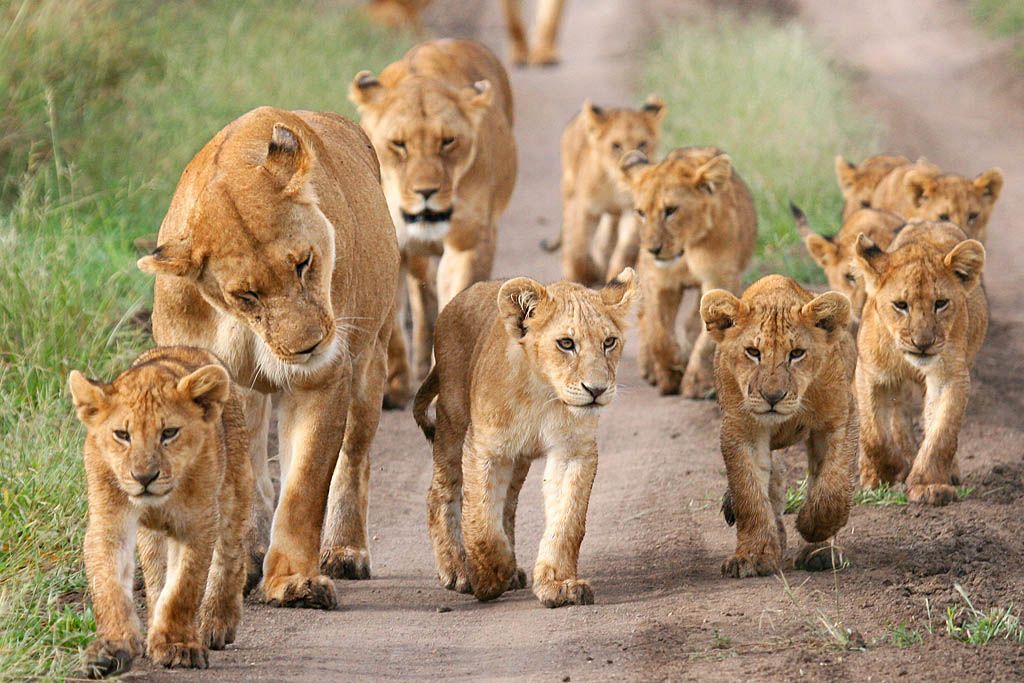
Resident prides hold ground near water and on the open plain. Most activity sits at the herd edges and around dusk.
The most persistent predator at a nursery ground, working the margins of calving herds and often audible long before they are visible.
Often the most visible big cat on the open short grass, where the low vegetation suits hunting and mounds give a vantage point.
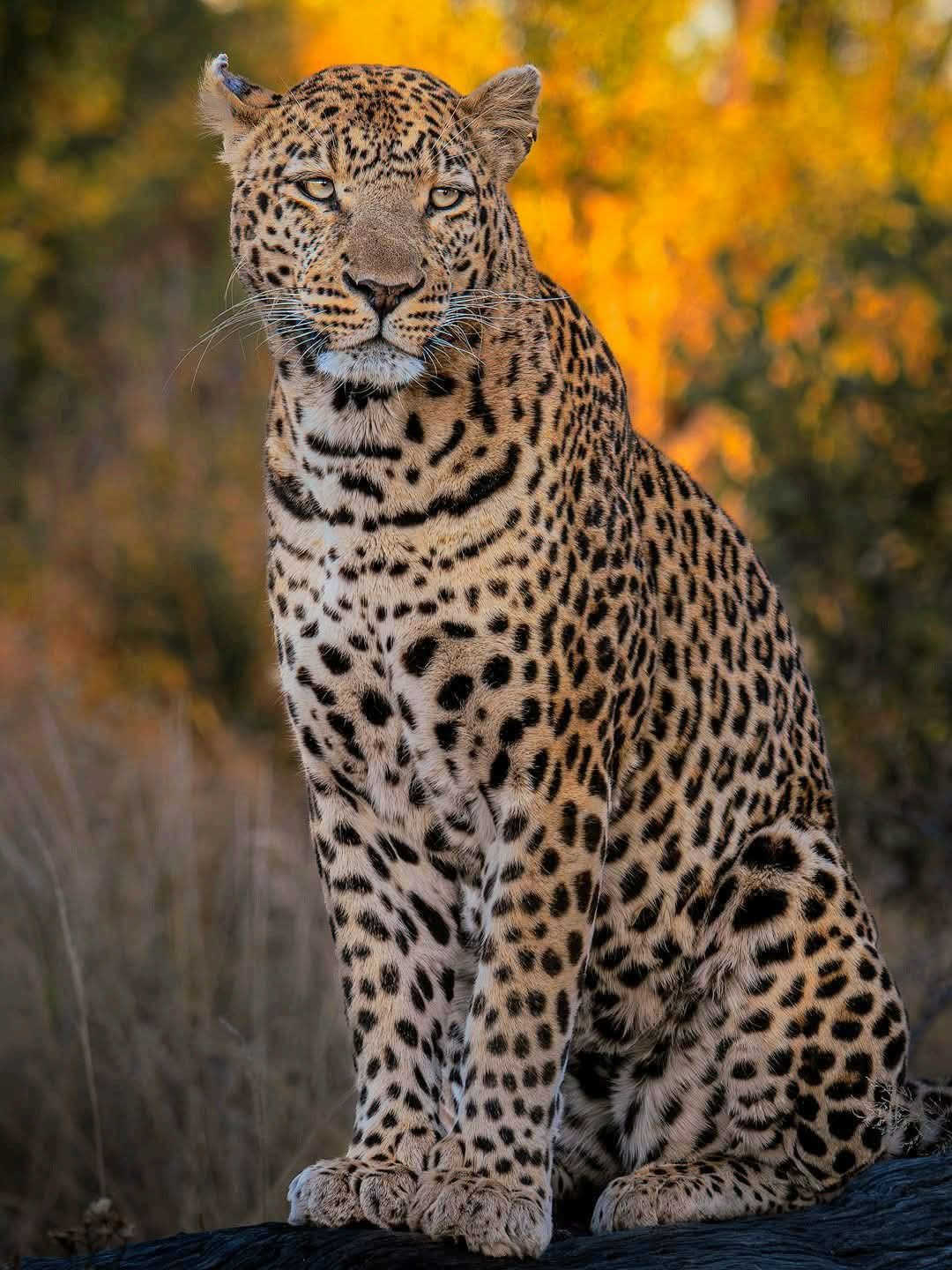
Better prospects in the woodland margins and along drainage lines than out on the bare plain, particularly near fig trees and river edges.
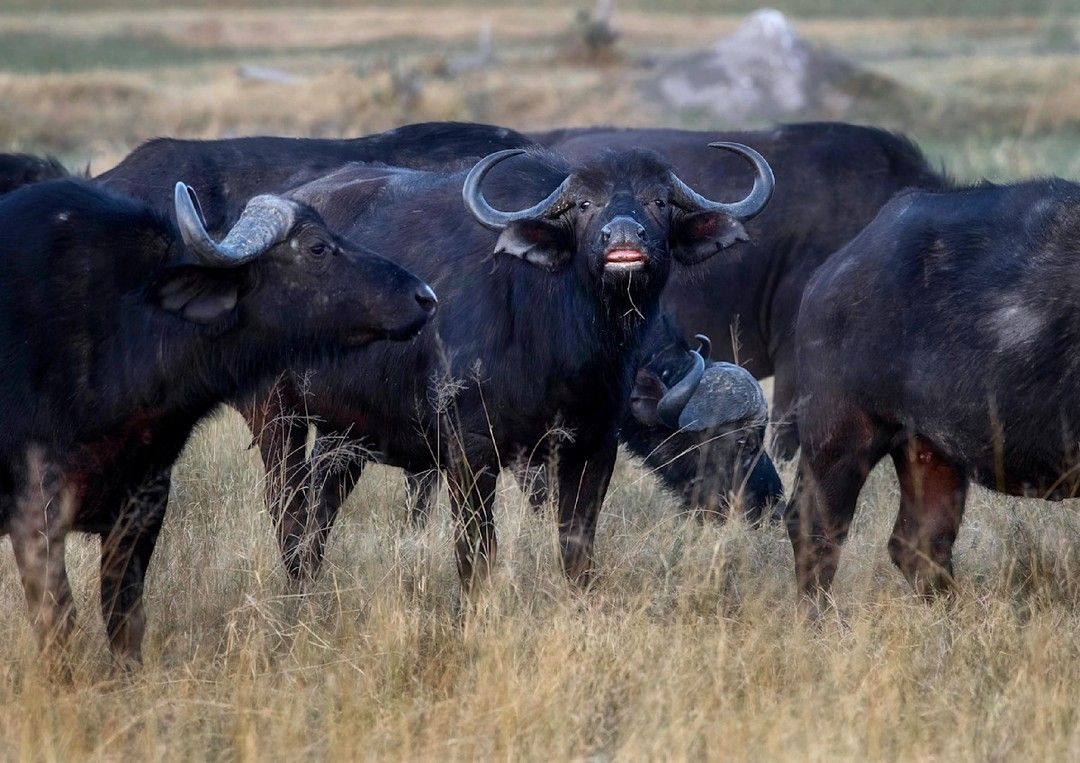
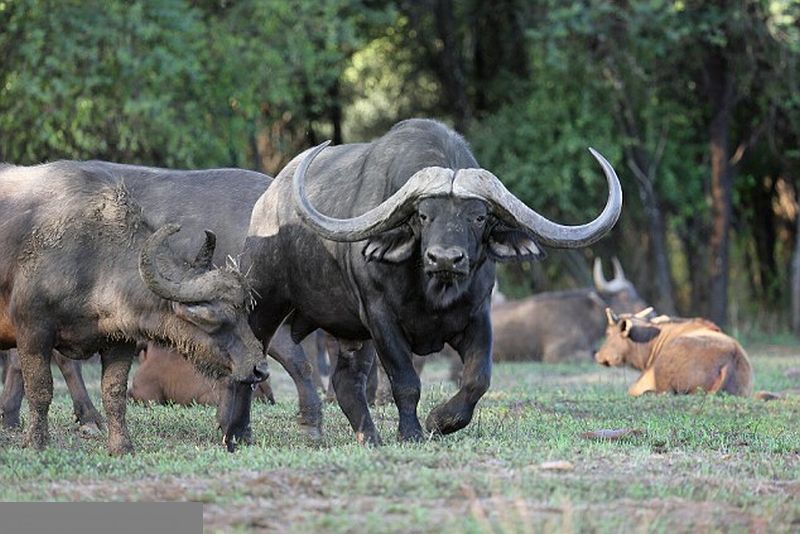
Family herds move between the woodland and the open grass, with good chances of a large herd at a water point.
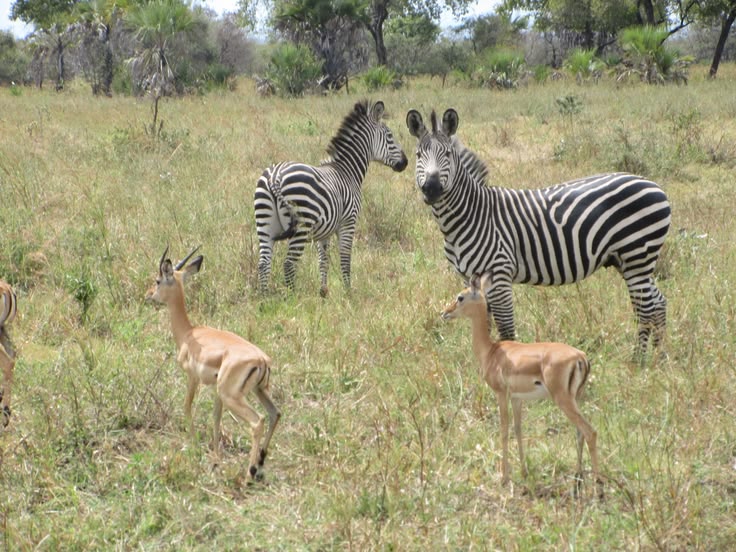
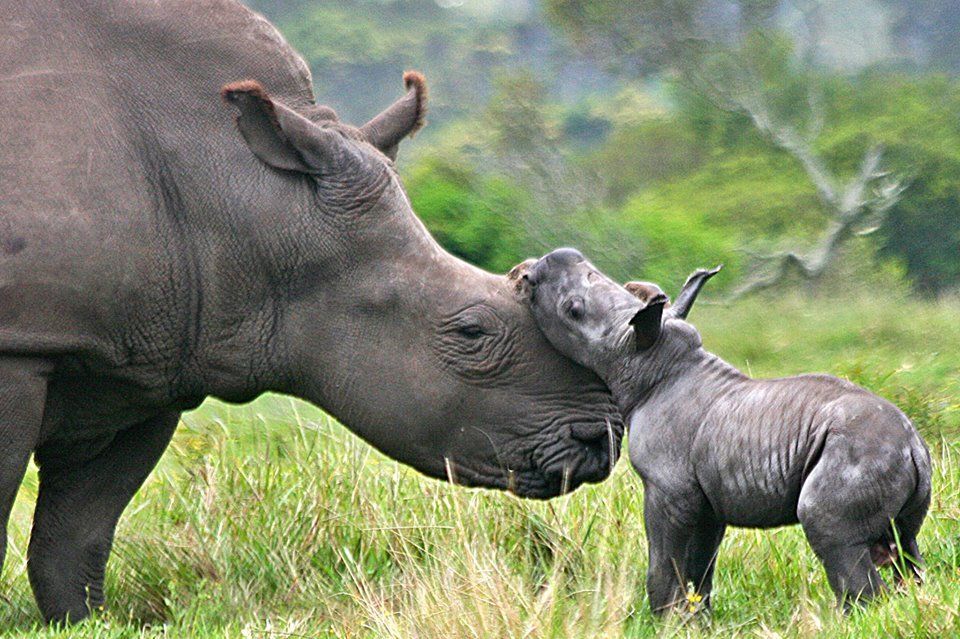
A genuine possibility on the southern short grass, which holds a small but robust population. Sightings are never promised.
Common on the short grass margins and in the transition between open plain and woodland.
Widespread and often the first wild animal of the day, frequently close to the vehicle.
Concentrated on the shallow western lake systems, with flock numbers moving with the water level.
Held in the permanent pools of the lake systems, reliably present in the middle of the day.
From Our Guide's Notebook: Reading a Nursery Ground
What the months of sitting on this ground actually teach you.
Where the calves are
Best spot: Not in the middle of the herd. Look at the edges and at the slightly lagging groups, and keep an eye on the birds — a circling vulture is often the first sign of a kill already under way.
Nursery ground on the open short grass
Why hyenas dominate January
Best spot: Clan members exploit a calving ground in a way solitary lions cannot. They work the perimeter for hours and often take the very youngest calves at first light.
Clan territories around the herd margins
The two-hour window
Best spot: Calving activity concentrates in the first two hours after sunrise and again in the last hour before dark. The long middle of the day is the time to move, not to sit.
First and last light across the plains
Where the leopards are
Best spot: The wooded margins and the drainage lines, not the open short grass. Look for fresh tracks in soft sand at the edge of a tree line while the vehicle is stationary.
Woodland margins and drainage lines
Reading the storms
Best spot: A build-up of cloud in the afternoon is not just weather. It usually means the herds will move overnight, which is why we re-read the plains at dawn rather than trusting yesterday's map.
Afternoon sky over the southern plains
What a quiet morning looks like
Best spot: A blank plain at first light is not a failed morning. It frequently means the herds are still arriving from the north, and the last hour before dark often pays for the wait.
Anywhere on the southern block
Wildlife Sighting Checklist
Realistic potential for an 8-day January window in the southern short grass.
| Animal | Potential Encounter | Best Viewing Context | Best Area |
|---|---|---|---|
Newborn Calves | Strong | Dawn glassing on the nursery ground | Ndutu short grass |
Wildebeest Herds | Strong | Open plains at first and last light | Southern short grass |
Hyena | Strong | Herd margins, audible before visible | Ndutu and lake margins |
Cheetah | Strong | Open grass and termite mounds | Southern plains |
Lion | Strong | Water points and the plain at dusk | Short grass |
Leopard | Possible | Woodland edges and fig-tree lines | Woodland margins |
Elephant | Strong | Woodland and open grass mixed | Southern woodland |
Giraffe | Strong | Plain margins and transition zone | Short grass edges |
Black Rhino | Possible | Solitary and well camouflaged | Southern short grass |
Flamingo | Strong | Shallow lake systems | Western lakes |
Hippopotamus | Strong | Permanent pools in the middle of the day | Lake systems |
No sighting is guaranteed. Movement varies with weather, grass condition, water and the day-to-day decisions of the herds themselves.
Meet Your Safari Guide
The person deciding where the vehicle goes each morning.
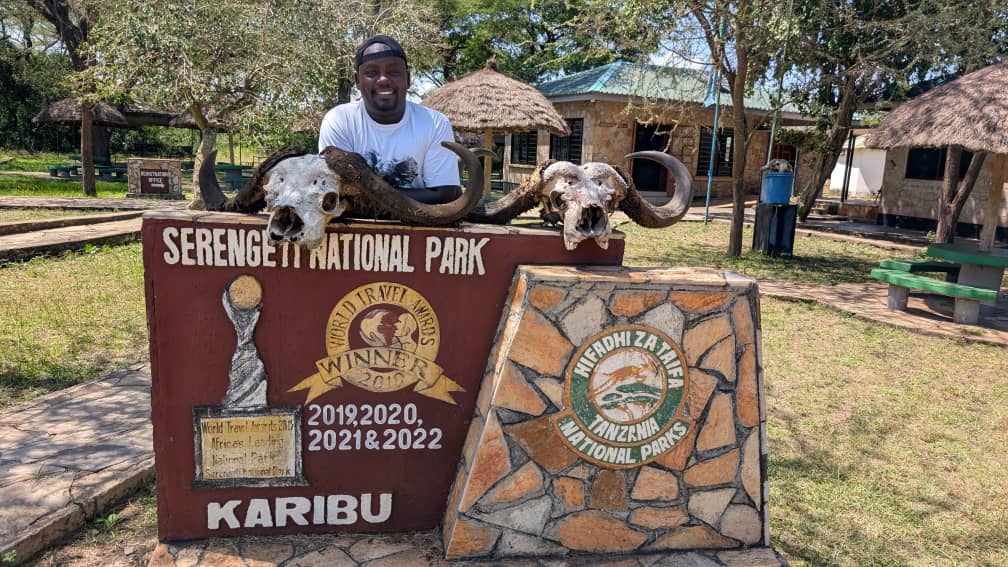
Your Kizza Adventures Guide
Your guide is with you from the Arusha pickup to the return, and this itinerary is planned around the idea that the guide makes the final call each morning. On a January calving safari that matters, because the difference between a productive dawn and a wasted one is usually a decision made the night before.
Expect to be told when a plan has changed and why. Guides here spend their working lives on this ground, and the most useful thing they can pass on is not a list of animals but a way of reading the plains: where the herds are drinking, which ridge the game is using as a corridor, and when the wind is going to decide the morning.
Where January Travellers Sleep
Position matters more than category in the south, so we place you close to the herds and confirm the property against your dates.
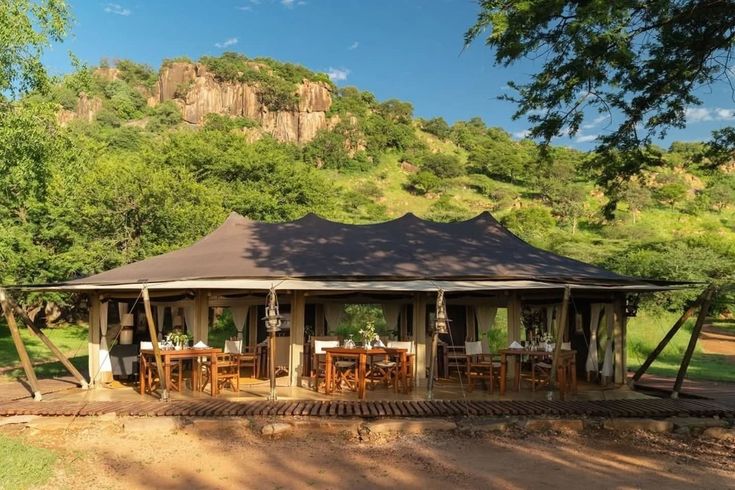
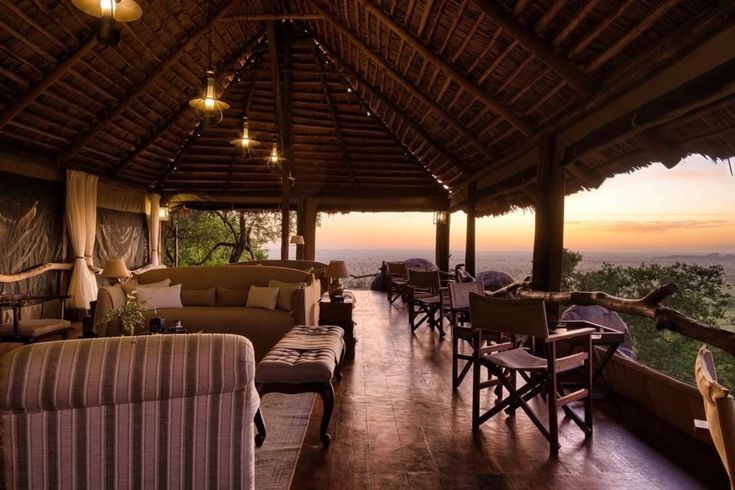
Southern Plains Overnight (Night 1)
Placed as close to the nursery ground as the available options allow, so the first dawn position is a short drive rather than a long one. Accommodation type, property, room and meal plan are all confirmed in the booking system.
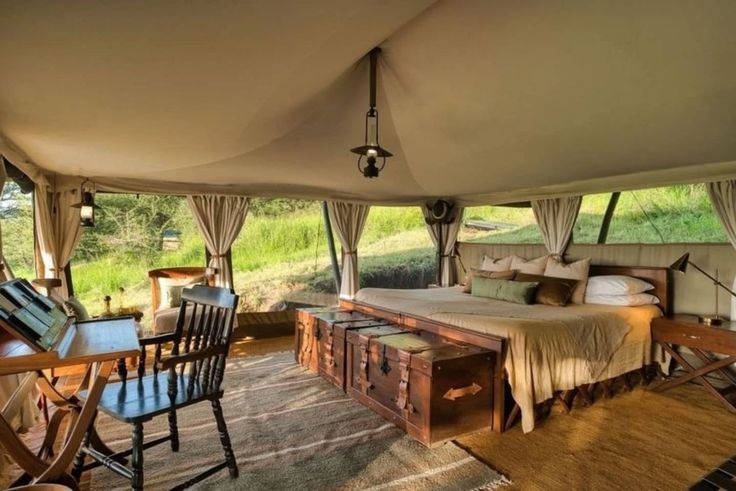
Woodland Edge Alternative
Useful if the group wants shade and leopard country in the afternoon, or if the herds have moved north of the short grass. Availability and exact location are confirmed with your booking.
Extra Nights & Zanzibar Extension
Add a night to hold the herds a further day, or finish on the coast. Every add-on is quoted against live availability for your specific dates rather than a fixed rate.
Lodges subject to availability. Equivalent or superior alternatives may be used. Contact us for the current lodge selections for your dates.
Getting to the Southern Serengeti
Where the driving actually goes, and what it costs you in time.
The Arusha Run
Roughly four to five hours each way depending on road and roadworks, with a stop at the Ngorongoro rim. This is the single biggest time commitment of the trip and it sits on both ends.
Why Day One Is Short
Because of the drive, day one is arrival and orientation. Trying to add a full game drive makes the group tired before the calving ground has been read even once.
Roads and Surfaces
Main tracks are graded dirt, with softer sections on the plains. Slow speeds protect the undercarriage and, frankly, the experience — this is not a safari where covering ground quickly helps.
Park Fees
Conservation and area fees are payable on entry and are handled as part of your quote rather than charged unexpectedly on arrival.
Flights and Arrival Times
Most guests land into Kilimanjaro the day before. Flying the same morning as the pickup is possible but leaves little margin if the flight is delayed.
A note on Distances
The southern block looks small on a map and feels large in a vehicle. Plan on counting kilometres honestly rather than expecting quick hops between sightings.
Your Safari Vehicle
On open short grass with long sighting distances, the vehicle and the roof matter more than usual.
The standard requirement here. On a nursery ground the animals are often far away and low, and standing height is the difference between watching a herd and photographing it.
Private vehicle is the default on this itinerary, so the person reading the herds is the person driving you to them, and the day stays flexible.
Available on request for long-lens work. Bring your own bean bag if you have one you prefer.
Power for cameras and phones in the vehicle, which matters more on an 8-day trip than it sounds.
Water and soft drinks carried through the driving day, with the hot middle hours best spent resting rather than circling.
A pair in each vehicle. Bring your own if you are particular about glass, and you will be using it constantly.
Best Time to Join a January Calving Safari
January is a real window, and knowing exactly where it sits in the season matters more than usual.
January sits at the opening of the southern calving window: the herds are arriving, calves are on the ground, and the peak is still ahead. If your priority is the highest possible volume of newborn herds, February and March are stronger. If your priority is the same ground with fewer vehicles and a season that feels like it is just beginning, January is the better pick.
Where the Herds Are, Month by Month
Where the migration sits across the year, and where January falls on it.
January Calving Photography Guide
Working the low light and the long lens on a nursery ground.
The first two hours hold the best light and the easiest view of newborn activity. A late start means shooting in flat midday light.
Low sun across the short grass gives dimension to the herds. Midday flattens everything, so adjust the hours rather than the settings.
A 200-400mm lens is usually the right tool here. Cropping distant frames is acceptable; a long lens is not always necessary on open ground.
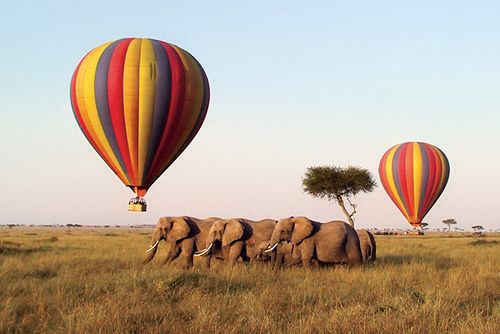
If you want the aerial perspective, a separate balloon flight is the route to it. Ground-based vehicles cannot replicate that height or angle.
Predation, nursing and the most interesting behaviour happen at the herd margins, which also gives you a cleaner foreground.
The western lake systems offer still water and bird life, a useful change of subject for a day that otherwise stays on the plains.
What to Pack for a January Calving Safari
For long dawns on the short grass, where the cold is brief but the sun is not.
Clothing for Early Mornings
- Soft-sided duffel bag rather than a hard suitcase
- Warm fleece or a light jacket for pre-dawn departures
- Neutral-coloured layers: khaki, beige, olive
- A rain shell for afternoon storms
- Comfortable boots that handle soft ground
Camera, Lens and Field Kit
- Telephoto lens, ideally 200-400mm or longer
- Spare batteries and a charging bank
- Bean bag or support for long dawn sessions
- Dust and rain cover for the body
- Binoculars, if you prefer your own glass
Essential Travel Information
The practicalities worth reading before you book.
Your passport needs a valid margin beyond your travel dates, and the Tanzania visa is arranged before you arrive rather than at the border.
Malaria prophylaxis is advised for the Serengeti region and should be started before you travel. Bring repellents and cover up at dusk.
Coverage follows the main camps and towns rather than the plains. Offline maps and a downloaded photo backup are worth setting up before you arrive.
Tanzanian shillings for the smaller expenses, and a tip custom for guides and camp staff that we will explain properly on booking.
Tanzania runs on East Africa Time, and the daily driving rhythm here is built around darkness and light rather than the clock.
Drink only treated or sealed water, and carry oral rehydration salts for the long road days.
Honeymoon & Family Options
How this safari works for a honeymoon or a family group.
A January Honeymoon on the Nursery Ground
January is quietly one of the better months for a honeymoon here, precisely because it is not the peak. The southern short grass at dawn, with nobody else on the plain, is a genuinely private kind of morning, and the days are unhurried enough to actually talk to each other.
We arrange private vehicle time, sundowners away from other tables where the camp allows it, and a bush breakfast or dinner as a quoted add-on. Anything specific is arranged in advance against confirmed availability rather than promised in advance.
Family Safari in January
The calving ground is a good family destination. Calves are one of the most absorbing things a child can watch, the days are slow, and the vehicle is a classroom in the best sense. Most of our family groups are made up of mixed ages travelling together.
Junior ranger tasks, sketching and tracking activities can be built into the long middle-day hours, and we will adjust the daily pace to the youngest person in the vehicle. Lodge and room configurations are confirmed with your booking rather than assumed.
Verified Guests on This 8-Day January Calving Safari
Verified traveller reviews live on our public TripAdvisor profile rather than being reproduced here.
Every review for this safari is published on our own TripAdvisor profile rather than reprinted here, so what you read is what other travellers actually posted.
Running a January trip? Send us your question and we will answer it from the same trip, with the same guide, on WhatsApp.
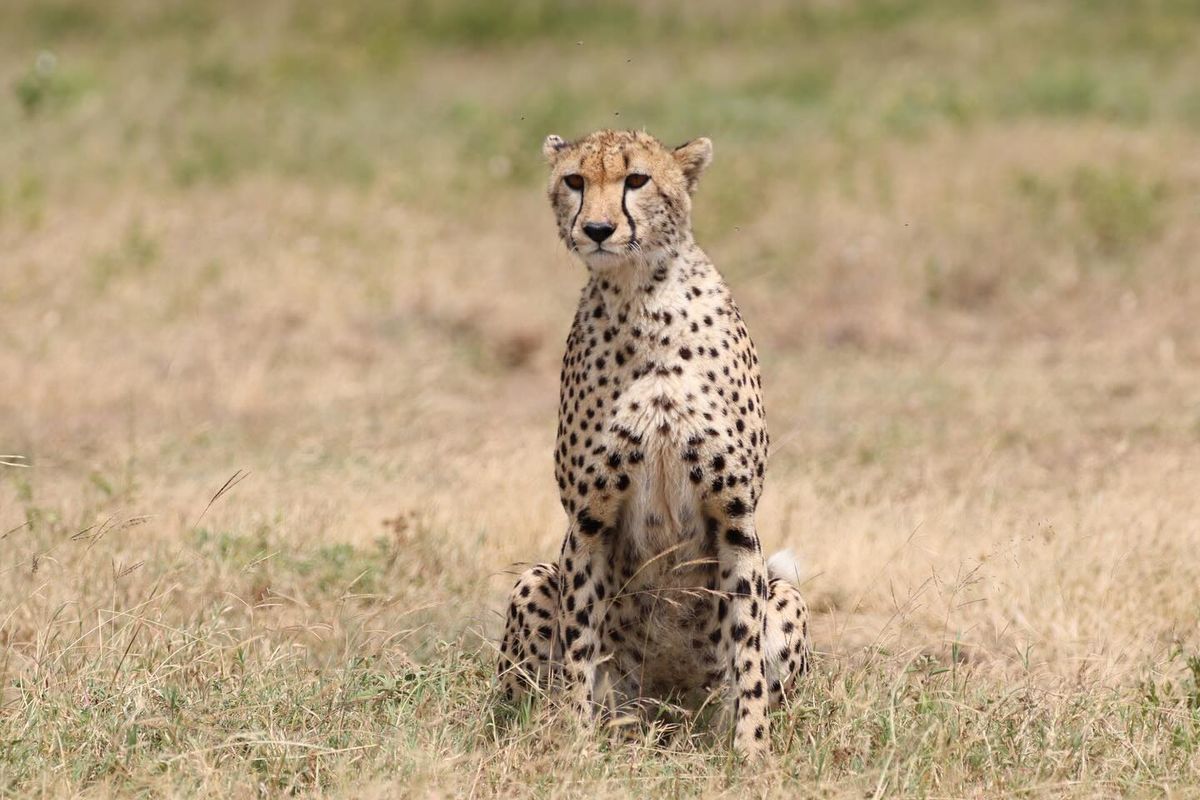
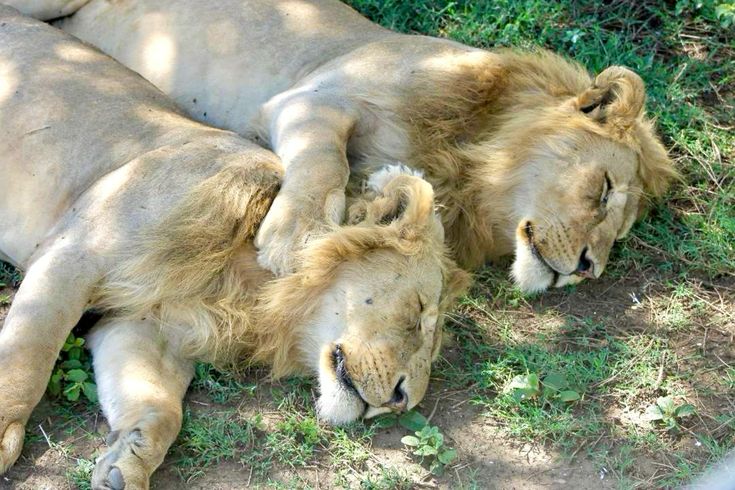
Frequently Booked Together
Additions travellers most often pair with a January calving safari.
January Calving Safari Gallery
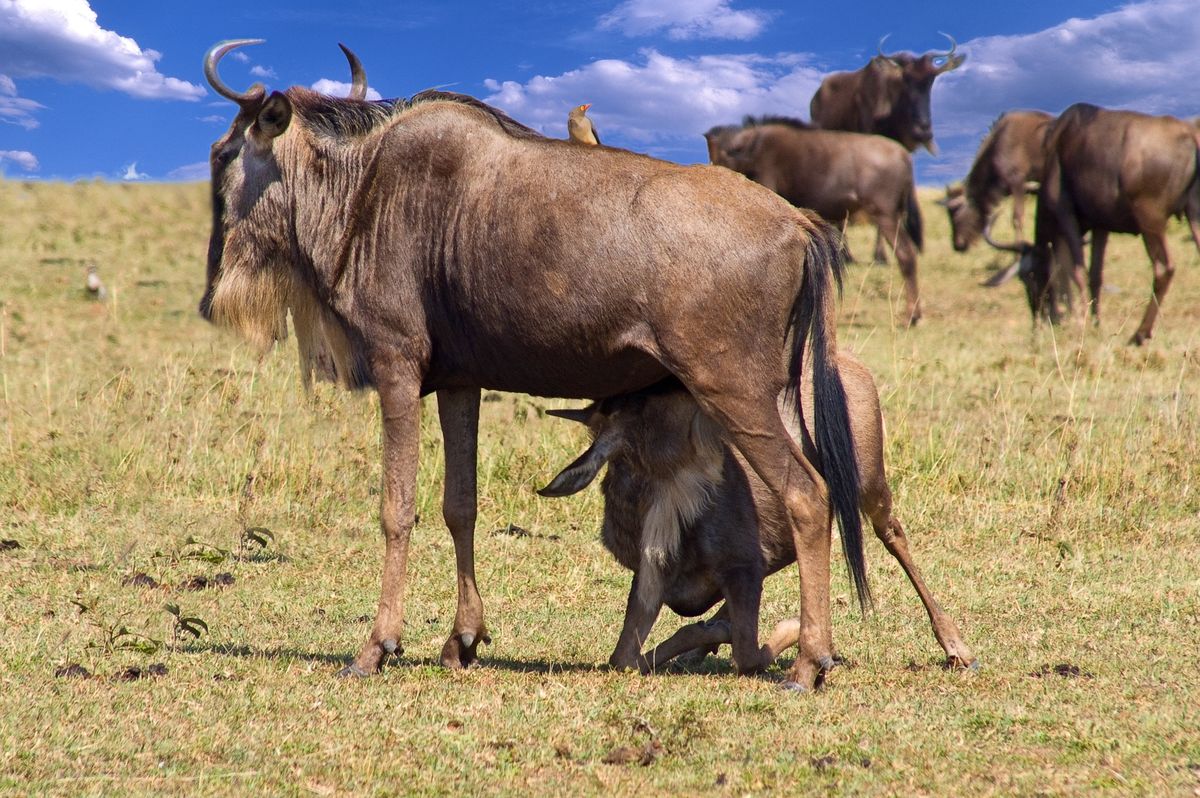
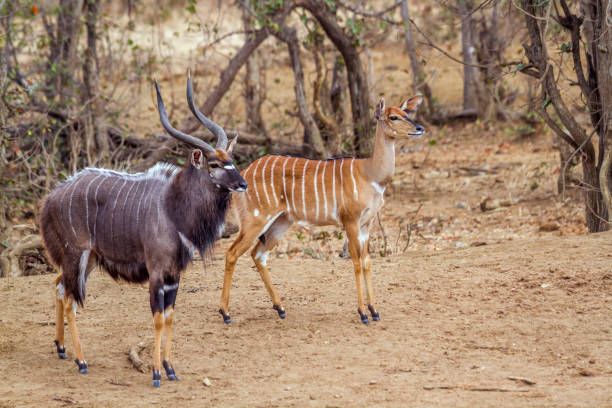
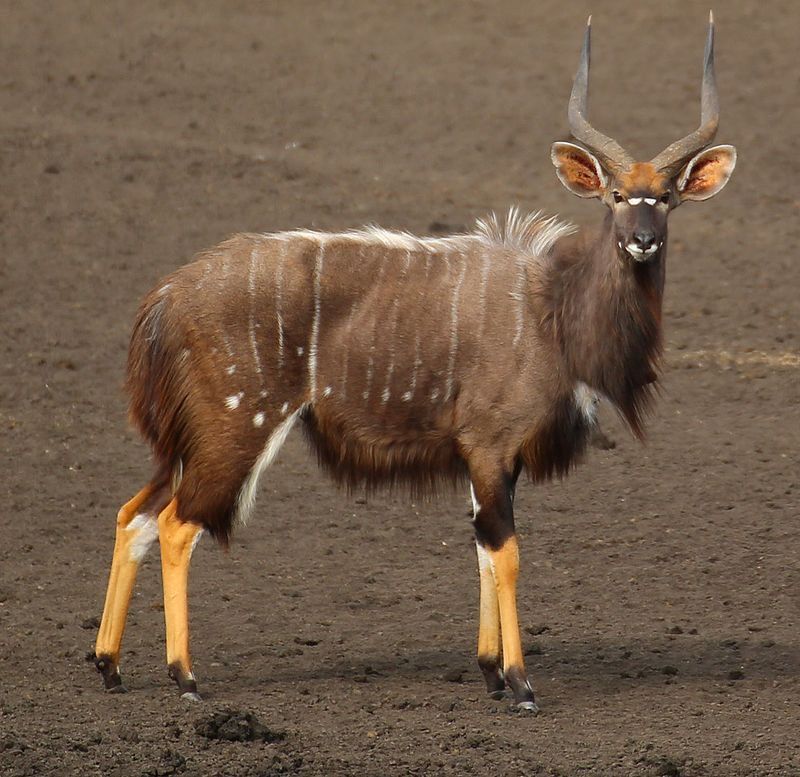
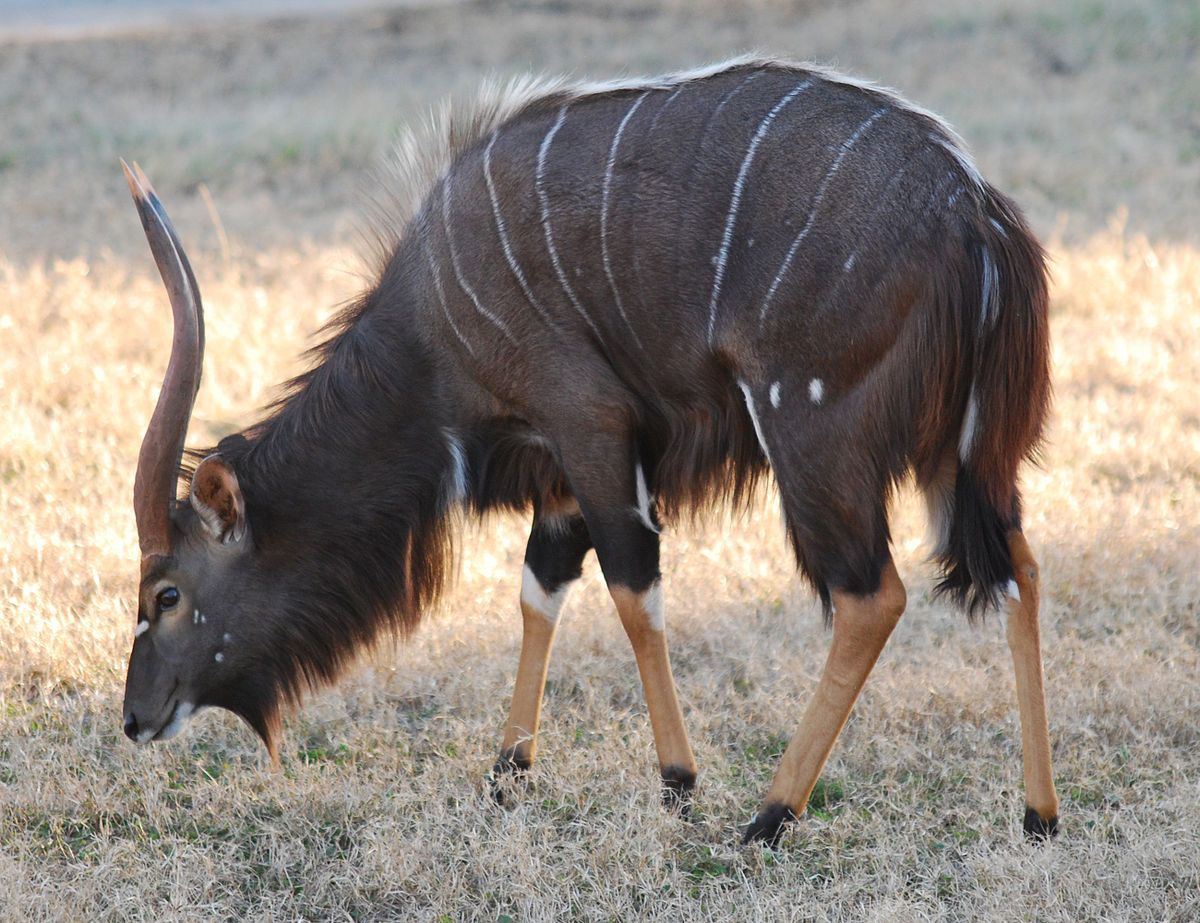
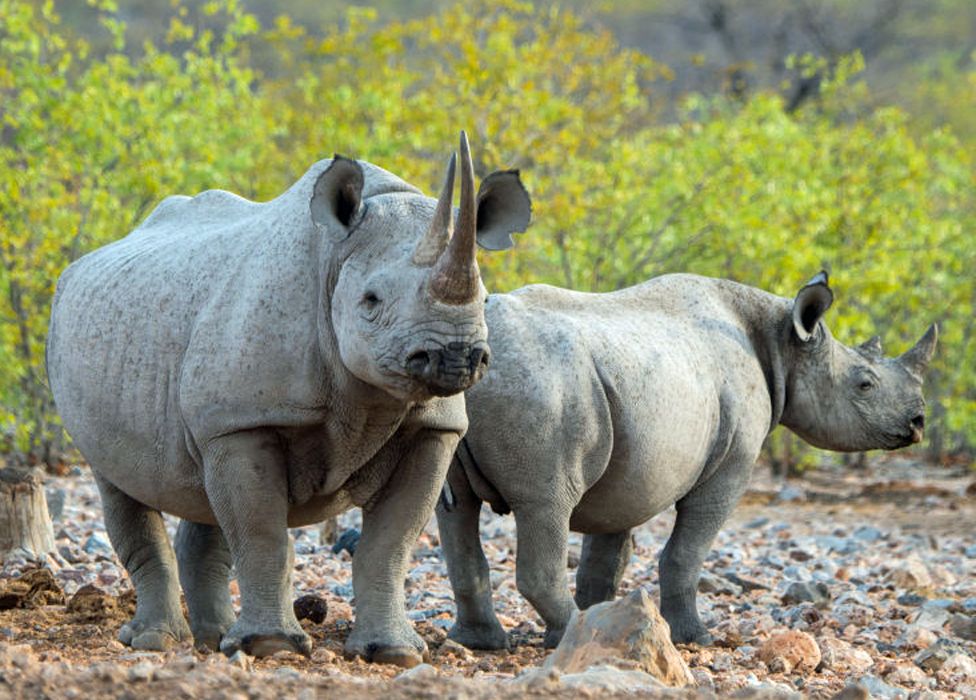
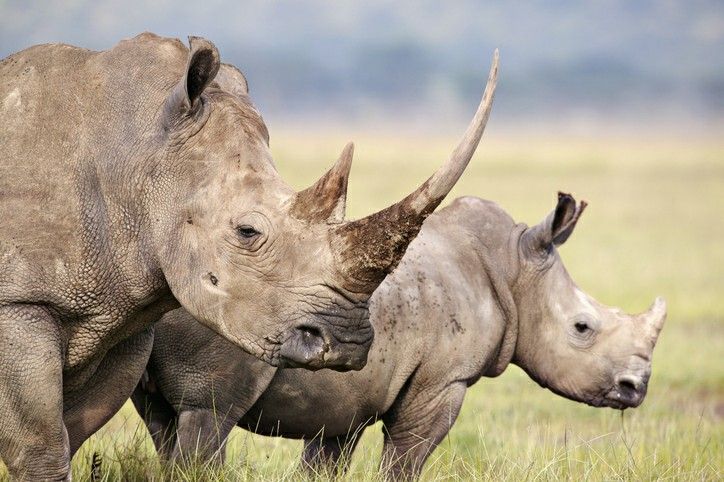
Frames from the southern short grass, the lake margins and the woodland edge. View complete gallery →
How Does This Safari Compare?
Where an 8-day January calving safari sits against the alternatives.
| Feature | 8-Day January Calving | Longer Southern Calving Safari |
|---|---|---|
| Time on the calving ground | eight days on the ground that suits this category | Seven days with more repositioning time |
| Vehicle | Private, flexible hours | Private, with a wider route spread |
| Peak calving exposure | Good — the season is building | Highest possible volume |
| Lake and woodland time | Included in the middle of the days | More substantial |
| Best for | Travellers with 8 days wanting calving | Anyone able to stay a full week |
Experience on Film
A visual summary of what the week actually looks like.
Video highlights are shared with confirmed bookings. Ask for the current footage when you enquire, so you are seeing this season rather than an old clip.
Inclusions & Your Quote
What this arrangement covers, and what it does not.
Included
- Safari vehicle with pop-up roof and your own driver-guide
- Four nights' accommodation per the confirmed plan
- Meals per the confirmed meal plan
- Park and conservation fees as applicable
- Southern short-grass game drives as described
- Round-trip road transfer from Arusha
Not Included
- International flights
- Tanzania visa
- Travel insurance
- Tips for guides and camp staff
- Personal expenses and premium drinks
- Pre- or post-safari nights in Arusha
Your Quote, Built Around Your Dates
| Quote Field | Your Arrangement |
|---|---|
| Per Person | Current price — confirmed in your quote |
| Flights | Included or quoted separately — confirmed at booking |
| Accommodation | Category confirmed on booking |
| Vehicle | Private as standard on this itinerary |
* The total depends on travel dates, group size, accommodation category, vehicle arrangement and the add-ons you select. No fixed price is shown here — request your current quote below.
How to Book Your Safari
Six steps, and how long each one realistically takes.
Tell us your travel dates, group size and where you are flying from. That is enough for us to start building a real quote rather than a generic one.
You get a full breakdown: accommodation category, vehicle arrangement, inclusions and exclusions, with the park fees shown separately.
Once the quote is right we place a courtesy hold on the accommodation while you confirm, so the property does not disappear while you decide.
A deposit secures the booking. The balance is due before arrival, and the schedule is stated plainly in your confirmation.
Final vouchers, your confirmed property and room type, transfer arrangements and a day by day outline for the guide to work from.
You are collected from Arusha as planned. The WhatsApp thread stays open through the trip for anything that changes on the ground.
Frequently Asked Questions About the January Calving Safari
The questions we are actually asked about an early-season southern calving safari.
Ready to Meet the January Calving Season?
8 days on the southern short grass, with a guide who will move you to whatever the herds are actually doing.
Enquire now for current availability — no deposit requested at this stage