


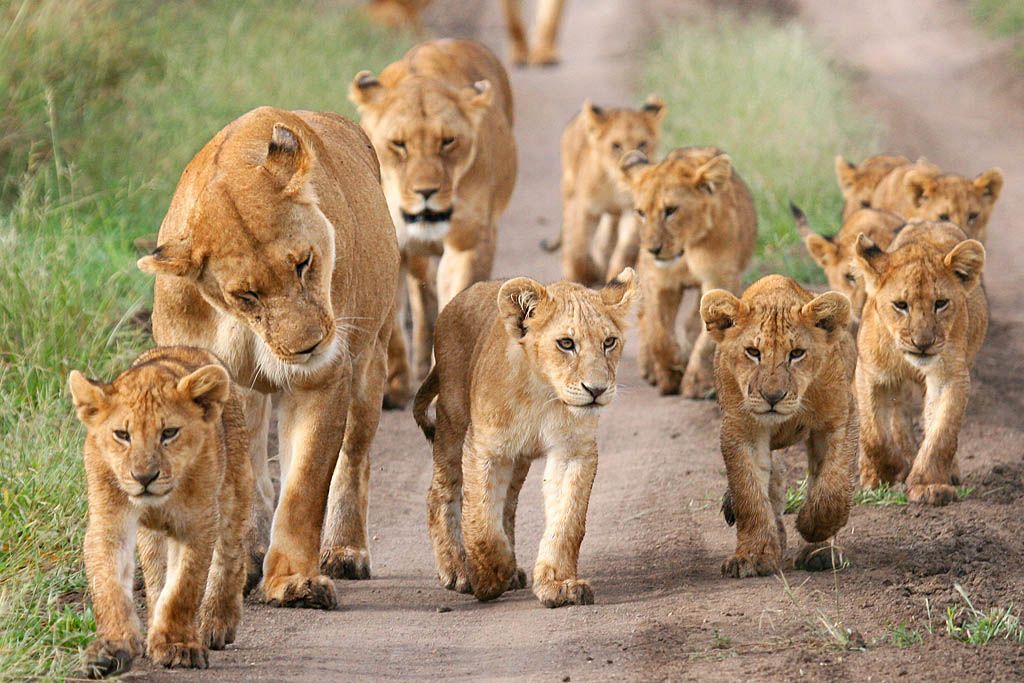
6-Day January Luxury Serengeti Photography Safari — Position, Backlight and Patience Across the Southern Plains
Book the 6-Day January Luxury Serengeti Photography Safari in the Serengeti: light quality, backgrounds, behaviour and the frames you cannot get in one visit. A photography trip built around light, not a game drive with cameras
This 6-day January photography safari is planned the way a photographer plans a week: around the first hour of light, the two hours after sunrise when the herds are settled and readable, the flat middle of the day when you rest or reposition, and the last warm hour before dark. You are in the southern Serengeti, where the short grass gives long sightlines and huge skies, newborn herds are arriving, and the light runs from hard gold to soft storm grey within a single day. We do not promise wildlife, and we will not tell you what you will get a picture of until your guide is looking at the same ground you are. Whether you are searching for a 6 day photography safari, a photography Serengeti safari, or a private departure for two, the operating rhythm is the same: an early start, a full day on the plains, and an honest account at the end of it about what you actually saw. Every departure is run out of Arusha with a licensed Tanzanian guide, a private 4x4, and an overnight confirmed against your dates.
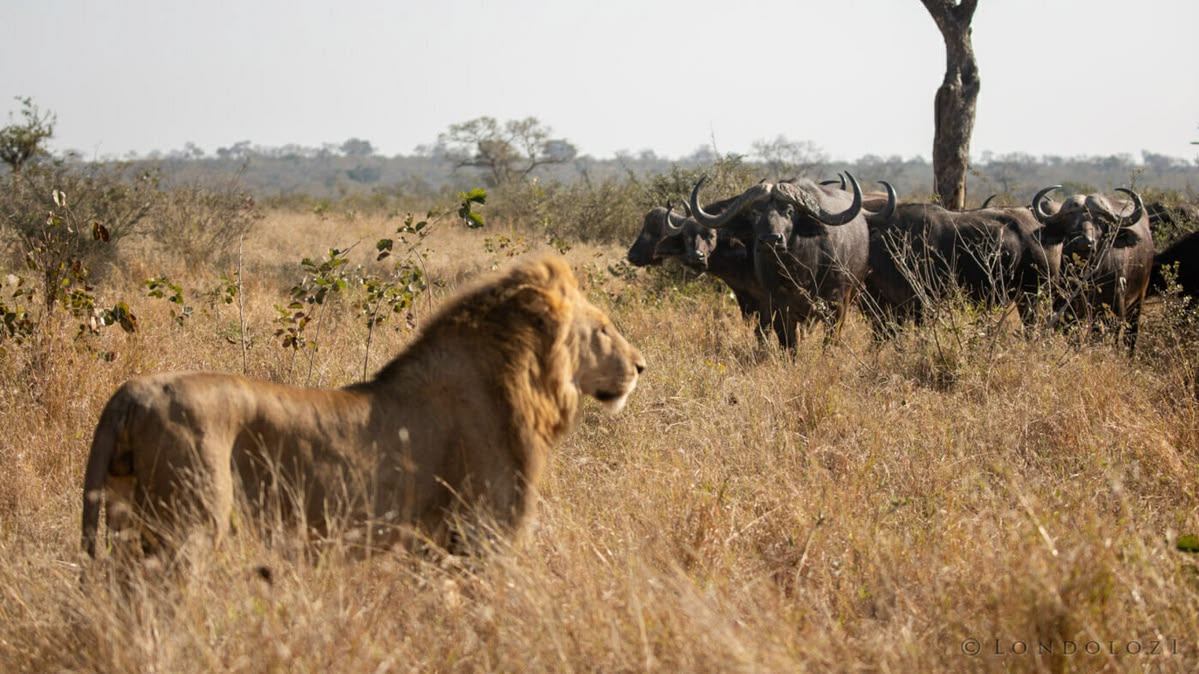
A January Built Around the Light
January gives you two different kinds of light in one day. Dawn is low, warm and directional, which gives dimension to a herd and separates animals from grass. Late afternoon does the same thing from the other side, and the storms that build through the afternoon produce the grey, soft, high-contrast light photographers travel hours to find. Both happen on the southern short grass without any extra driving.
The trip is therefore built around light rather than around a checklist. Mornings are given to the nursery ground and the herd edges, the long middle hours to repositioning, a field breakfast and rest, and the last two hours to the plains again. Your guide is on the same ground as you and is watching for the same things you are, which is the difference between a photography trip and a safari with a camera.
- Dawn-first scheduling, built so you are on the ground before the light is good
- Southern short grass, open sightlines and wide horizon compositions
- Newborn herds and predator activity at the herd edges during the season
- Field breakfasts and middle-day rest so the light is not wasted
- No promised photographs, sighting counts or camera results
6-Day January Photography Safari at a Glance
The practical shape of a photography-led week. Equipment, vehicle and accommodation arrangements are confirmed on booking.
How the six days are used
Days without repositioning are the point of this trip. Familiarity with an area produces shorter distances and calmer animals, and both improve the frames. A shorter trip has to choose, and choosing usually means dropping the middle-of-the-day sessions that produce most of the images. 6 days keeps a dawn and a late-afternoon session on every day of the safari and still leaves room to work the same ground twice rather than only passing it.
Why January works for this
Photographers who want both subject matter and setting, and who would rather return with forty strong frames than four hundred similar ones. Also suits anyone who simply wants a slower, quieter safari pace.
Where the days are spent
The southern short grass and its margins, with the western lake systems for reflections and birds and the woodland edge for a different set of species in different light.
How shooting time is used
The first two hours after sunrise and the last two before dark are the productive blocks. Midday is hot, flat and hard on both photographer and subject, and we use it to move, eat and rest.
How the vehicle is arranged
A private vehicle with your own driver-guide is standard, because a photographer needs the vehicle to stop where the light is, not where a schedule says.
Why it is unhurried
The vehicle is stationary for long stretches while you work. That looks like doing nothing from the outside and is in fact the most productive part of the day.
What January does with light
Clear mornings give low warm side-light. Build-up cloud gives soft even light and dramatic skies. Both are photogenic, and neither is in our control.
Where the frames are
Predators work the edges of a calving herd rather than the middle, which also gives a cleaner foreground. The open ground suits wide compositions and low-angle portraits.
How you get sharp frames
A raised roof for high and low angles, bean bags or window mounts for long lenses, and the option to switch off the engine so the vehicle does not shake the frame.
What January weather does
Warm days building into afternoon cloud, with the occasional short storm passing through. A storm can end a session and produce the best light of the day, sometimes in the same hour.
What the stay depends on
Property, room type and meal plan are confirmed in the booking system against your dates and budget. Position is chosen for dawn access before category.
What moves the quote
The quote depends on dates, group size, accommodation category, vehicle arrangement and any add-ons such as a Zanzibar beach extension. Send your dates and we will build the exact arrangement.
Sample January Photography Itinerary — 6 Days
A working shape for a photography week. The order changes with the herds, the weather and what your guide sees at dawn, and we will tell you why when we adjust it.
Getting there: You are collected from Arusha after an early breakfast and climb into the Ngorongoro highlands, with the usual stops at the rim viewpoint and a coffee stop where the road allows it. The first day is kept honest on purpose: the job is arrival and positioning, not a full game drive forced into the last two hours.
The safari activity: By mid-afternoon you are down on the short grass with the vehicle already set up for a first evening glassing. The overnight is placed close to the plains so that you are standing on the arrival front before first light instead of driving toward it. The guide is thinking in terms of light and background rather than in terms of sightings, and the vehicle is deliberately positioned low and with a clean background whenever possible.
What you might see: Green season scenery dominates this part of the park: long grass, red soil and very little traffic. Wildebeest, zebra and Thomson's gazelle are already in the southern block, and the predators that will follow the herds through the year have not yet shifted north with them. Road condition, park access and the highland weather can all change the arrival time, and the guide will re-order the day rather than compress it if the drive runs long.
Meals and timing: Lunch is taken on the road, dinner is served at camp, and lights-out is early because the group will be moving well before dawn. First overnight on or near the Ndutu access, chosen for the shortest possible run to the plains at first light.
How this day is judged: The guide is thinking in terms of light and background rather than in terms of sightings, and the vehicle is deliberately positioned low and with a clean background whenever possible. The day is not measured by how many animals are ticked off but by whether the time spent in the country was used properly, which is why the afternoon session matters as much as the dawn one.
Road flow: The vehicle is at the gate before first light so that you are on open ground as the sun comes up rather than watching the light arrive from a distance. The morning is spent low and slow on whatever the herds have left in front of you.
The working part of the day: Late morning is given to the wetland and drainage systems where the birding is genuinely different from the plains, and the afternoon is a long, patient glassing session with the engine off more often than not.
Wildlife context: This is the season when the southern block is holding scattered herds rather than one dense mass, so distances between groups are longer. Cat activity is often easiest to read on the edges where the herds are fragmented. The plains can look extraordinary or simply empty depending on the week's weather and where the herds have actually settled, and the plan moves with them.
Practical rhythm: Breakfast is served in the field on the tailgate, the vehicle carries a cool box and water between drives, and the group is back at camp with an hour of light to spare. Overnight on the southern short grass, in the position that proved best that evening.
Camera and timing: The guide is thinking in terms of light and background rather than in terms of sightings, and the vehicle is deliberately positioned low and with a clean background whenever possible. The hours either side of that session are the ones that matter most for images, and the middle of the day is deliberately left loose for rest, review and moving quietly into the next position.
How the day opens: You are back on the plains well before sunrise, and the day is shaped around the herds rather than around a clock. Wherever there is a concentration there is a chance of calves on the ground, and the guide reads the herd's mood before committing the vehicle to a position.
On the ground: The middle of the day is spent low and quiet, because in this heat and on this grass the herds rest, and so does everything that hunts them. Afternoon light on a nursery group is where the strongest images of a January trip are usually made.
Reading the country: Calving clusters are real in January but they are not evenly spread, and a quiet valley can hold nothing at all. Predators are working the herd edges and the drainage lines rather than the centre of the mass. Calving cannot be scheduled and no guide will promise a newborn on the ground; what is predictable in these weeks is herd concentration and the predator activity that follows it.
Comfort and breaks: A long midday break is built in, with water and shade in the vehicle, then a late-afternoon session that runs until the light goes soft. Second overnight on the short grass, positioned against whatever the last drive revealed.
Camera and timing: The guide is thinking in terms of light and background rather than in terms of sightings, and the vehicle is deliberately positioned low and with a clean background whenever possible. The hours either side of that session are the ones that matter most for images, and the middle of the day is deliberately left loose for rest, review and moving quietly into the next position.
Morning movement: The vehicle leaves camp early for the kopje country, where granite outcrops break the flat horizon and give both game and photographers something to work with. The circuit is slow because the interesting animals are the resident ones and they move with the shade.
The session: Midday is spent on the woodland margins and drainage lines below the kopjes, where the light is broken and the birdlife changes completely. The afternoon can be spent climbing to a kopje viewpoint for the scale of the plains behind it.
The species question: Resident leopard, cheetah and lion hold these kopjes through the year, so a quiet-looking block of granite is often the most productive ground on the itinerary. The herds may be elsewhere; the cats are not. Resident cats are never predictable, and a quiet-looking block of rock can stay empty all morning. The tracking effort is what usually pays, not the waiting.
Pacing the day: Water and a snack are carried in the vehicle, and the group returns late enough to catch good light on the rock faces. Overnight in the kopje or plains position that produced the best session of the day.
Camera and timing: The guide is thinking in terms of light and background rather than in terms of sightings, and the vehicle is deliberately positioned low and with a clean background whenever possible. The hours either side of that session are the ones that matter most for images, and the middle of the day is deliberately left loose for rest, review and moving quietly into the next position.
Driving and repositioning: The morning starts on the plains and then turns into the riverine and drainage country, following fig-tree lines and sandy banks that the resident cats use to move between open ground and cover.
Watching and waiting: Midday is a waiting game, and the vehicle sits engine-off in the shade for a long time. This is where a leopard sighting is most likely to happen, and it is also where patience is most tested.
Landscape and game: Leopard country in the Serengeti is defined by structure rather than by open sightlines: figs, drainage cuts and fallen limbs. The bird list in this habitat is richer than anywhere else in the park. Leopard here are genuinely difficult to see in thick cover, and this habitat asks for patience rather than distance. Sightings are possible on any morning and cannot be promised.
Logistics: A long stationary midday is planned for, with water available, and the afternoon opens up again on the plains edge. Overnight on the plains side of the riverine belt, keeping the leopard ground within reach of the camp.
Camera and timing: The guide is thinking in terms of light and background rather than in terms of sightings, and the vehicle is deliberately positioned low and with a clean background whenever possible. The hours either side of that session are the ones that matter most for images, and the middle of the day is deliberately left loose for rest, review and moving quietly into the next position.
The transfer: The group is up before first light for one final session, and the drive back to Arusha begins after breakfast in the field. There is no need to rush the morning because the road is the same one taken on arrival.
What the morning is for: The last session is short and unhurried, usually an hour to two, because everything worth photographing has already been seen by this stage. The return is broken by the Ngorongoro viewpoint and any stops the guide thinks are worth making.
What is out there: Early light on the last morning is often the best light of the trip, and the animals are used to the vehicle by now. Departure day in January can still involve rain on the highlands. No itinerary can deliver a specific frame. What this trip does is put you in the right place at the right hour with the right equipment, for long enough to be patient about it. Departure day is exposed to the same rain and road conditions as arrival, so the return is timed with slack in it.
Breaks and overnight: Breakfast in the field, a long drive back through the highlands, and arrival in Arusha in the afternoon or early evening. Lunch is packed and taken on the road. No overnight on safari; the trip ends on arrival back in Arusha for onward travel or a night in town.
Closing the safari: Days without repositioning are the point of this trip. Familiarity with an area produces shorter distances and calmer animals, and both improve the frames. Anything not seen in 6 days can be added to a longer itinerary rather than forced into this one, and the guide writes down the ground and the timing that worked so a return trip can start from the same knowledge.
Why a January Photography Safari?
January is a genuinely good month for images, and not only for the calving. Here is why the timing is worth choosing over the busier peak.
Fewer Vehicles on the Best Ground
The busiest calving weeks run from February into March. A January photographer has the same subject matter with noticeably less traffic on the ground, which is the difference between a clean frame and one with a roof-rack in it.
Two Light Types in One Day
Low directional sunrise light and soft storm light within the same twenty-four hours is unusual, and the short grass gives you long sightlines to use it on.
Newborn Subject Matter
Calves are on the ground from the start of the month, and the number builds through it. Nursing, running and the vulnerability of a newborn are photographs you cannot stage anywhere else.
Predators on Open Ground
Cheetah and hyena both work the open short grass where visibility is good and a low-angle frame is possible, which is not true of most predators on most landscapes.
Dust, Tracks and Scale
The short grass takes vehicle tracks, and a fresh track line running to the horizon is a landscape photograph in its own right, available most mornings.
A Slower, Quieter Safari
The pace on a photography-led week is genuinely slower. If you have photographed on crowded, fast itineraries before, the difference is the single most common thing people tell us about this trip.
Your Route: Arusha → Southern Short Grass → Arusha
A road safari that stays in the south, keeps close to the best light, and lets the herds and the weather set the order of the days.
You are collected from Arusha after an early breakfast and climb into the Ngorongoro highlands, with the usual stops at the rim viewpoint and a coffee stop where the road allows it.
The vehicle is at the gate before first light so that you are on open ground as the sun comes up rather than watching the light arrive from a distance.
You are back on the plains well before sunrise, and the day is shaped around the herds rather than around a clock.
The vehicle leaves camp early for the kopje country, where granite outcrops break the flat horizon and give both game and photographers something to work with.
The morning starts on the plains and then turns into the riverine and drainage country, following fig-tree lines and sandy banks that the resident cats use to move between open ground and cover.
Return road to Arusha, timed so you arrive with the afternoon still ahead.
Interactive Safari Map — January Photography Circuit
The southern block and the edges that give you a different subject in a different light.
- Arusha
Start and finish
Road transfers both ends - Ndutu & the Short Grass
Calving and plain game
The southern block - Seronera & the Kopjes
Resident lions, leopard and cheetah
Central Serengeti - Western Lakes & Drainage
Waterbirds and general game
Western corridor
Why Choose Kizza Adventures?
Eight reasons photographers come back to us for a week that is organised around light.
Our guides understand what a frame needs, not just what a sighting feels like. That changes where the vehicle stops and how close it gets, and it is the single biggest difference on a photography week.
We build the day backwards from first light. A photography itinerary that starts at nine in the morning is not a photography itinerary, whatever else it is.
The vehicle switches off when the shooting is stationary. Vibration is the most common cause of a soft frame at long focal lengths, and it costs nothing to fix.
We do not sell sighting counts, image expectations or camera results. You get the right ground in the right light, and an honest account of what the day actually held.
Where you sleep is decided by how close you can be to the dawn session, not by which property has the best pool.
The hot middle hours are used for eating, moving and resting. This is the part of a photography trip most operators compress, and it is where the day is actually won.
Breakfast on the plains rather than in camp is how the dawn hours are protected, and it gives you one more session in good light.
Property, room type, meal plan and vehicle are confirmed in writing before you travel, with nothing left to guess at on arrival.
What Animals Will You Photograph?
The southern short grass in January, honestly assessed as photographic subject matter.
The reason many photographers come in this month. Calves are present from early January and the number builds, though the volume stays below the February peak.
Large aggregations on open short grass, ideal for herd-and-sky landscape work and for scale. Their position shifts with rain through the month.
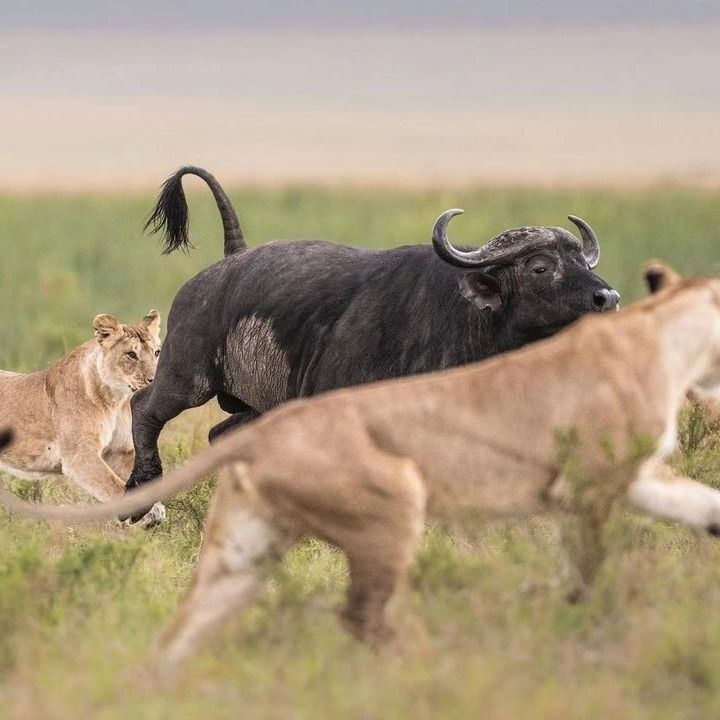
Resident prides hold ground near water and on the open plain. Good low-angle portrait subject in early light, and most active around dusk.
The most persistent predator at a nursery ground, working the herd margins and often audible long before it is visible, which is a good story for a frame.
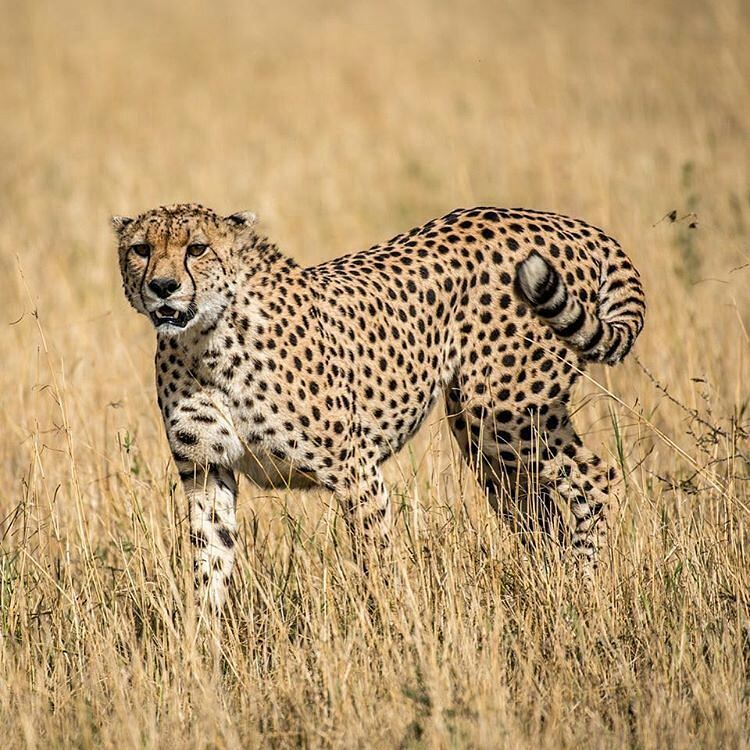
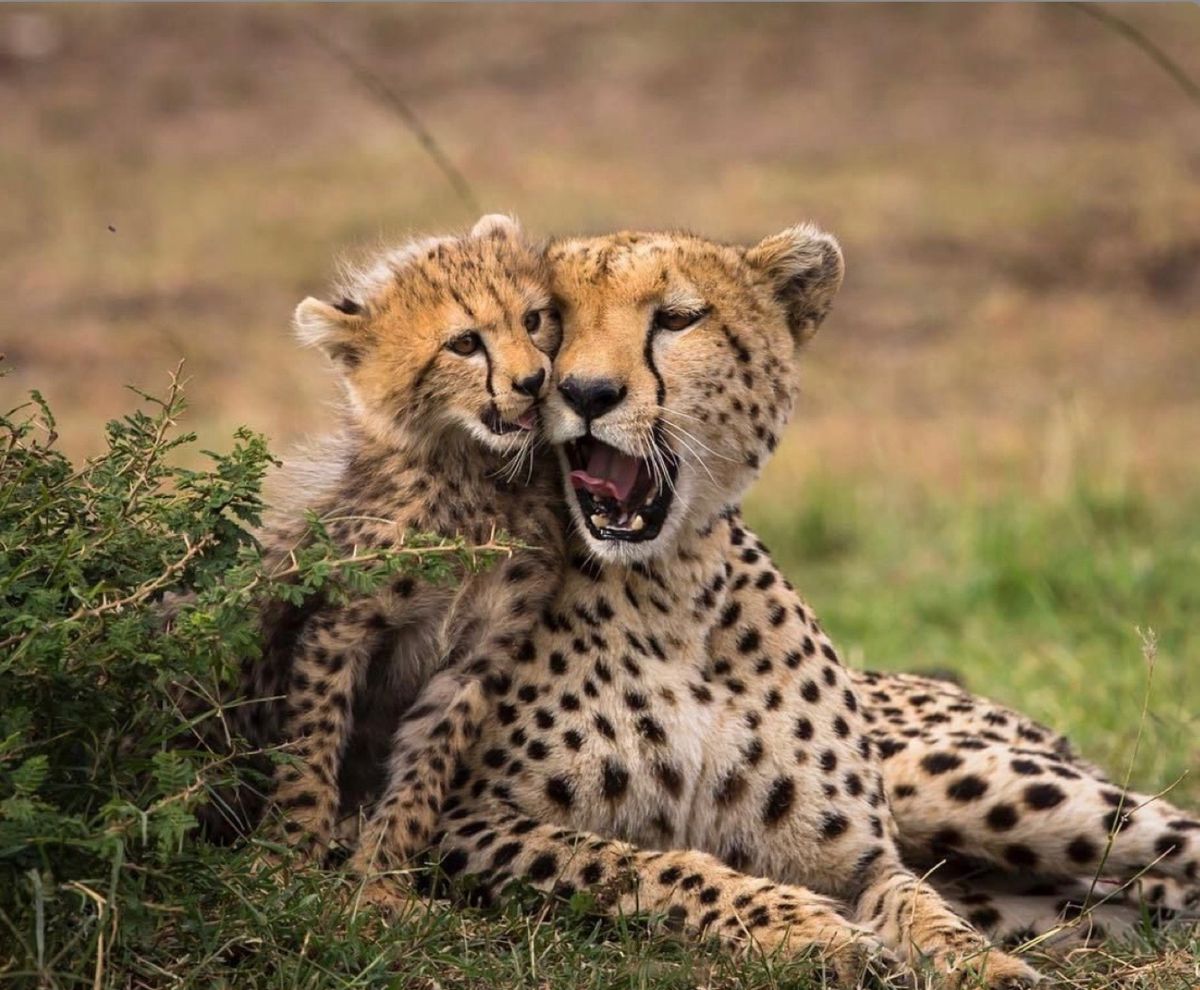
Often the most photographable big cat on open short grass, where the low vegetation suits hunting and termite mounds give a natural high point.
Better prospects in the woodland margins and along drainage lines than out on the bare plain. Grainy, low-contrast subject that rewards a fast lens and steady hands.
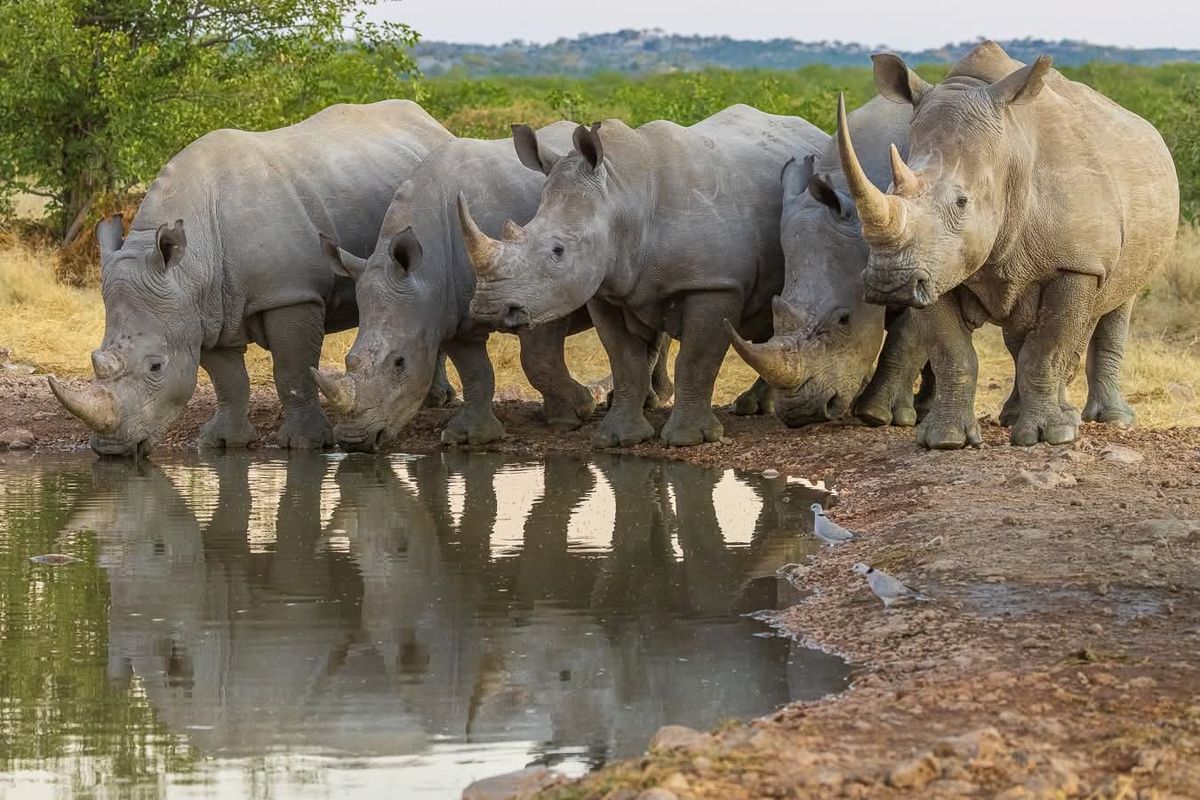
Family herds move between woodland and open grass, with good chances of a large herd at a water point in softer afternoon light.
A genuine possibility on the southern short grass, which holds a small but robust population. Sightings are never promised.
Common on the short grass margins and in the transition between open plain and woodland, and a reliable subject when the light turns warm.
Widespread and often the first wild animal of the day, frequently close enough for a wide-angle frame rather than a telephoto one.
Concentrated on the shallow western lake systems, with flock numbers moving with the water level and excellent against still water.
Held in the permanent pools, reliably present in the middle of the day when the plains light is at its worst and the water light is at its best.
From Our Guide's Notebook: Photographing the Southern Short Grass
What the months of sitting on this ground teach you about making photographs here.
Wait for the herd to choose the background
Best spot: On open ground the background is whatever is behind the animals, and you do not get to move them. Repositioning the vehicle a hundred metres is often the difference between a cluttered frame and a clean one.
Anywhere on the open short grass
Get low for predators
Best spot: A cheetah photographed from a raised roof looks like a distant sighting. The same animal at ground level with sky behind it is a portrait. Ask to shoot from ground level; the ground is soft, so be guided on where to stand.
Open grass and termite mounds
Photograph the tracks, not only the animals
Best spot: Fresh tracks in short grass, dust hanging behind a herd, and the line of a trail running to the horizon are the frames most people do not think to take, and they are the ones that make a set look like a place.
Dawn across the southern plains
Storm light is a gift, not a lost session
Best spot: When cloud builds in the afternoon, the light softens and even out. Photographers are disappointed and then, twenty minutes later, they are getting the frames of the trip. Bring a rain cover and wait it out.
Afternoon sky over the plains
Shoot the middle of the day at water
Best spot: Overhead light ruins a mammal portrait and does very little to a lake. The western systems are worth the middle of a day precisely because the light there is kind.
Western lake channels
Know when to stop
Best spot: The most common mistake in a photography week is leaving when something is happening. We build in the discipline of sitting still after the obvious moment, which is usually where the real frame is.
Anywhere the vehicle can hold position
Wildlife Sighting Checklist
Realistic photographic potential for a 6-day January window in the southern short grass.
| Animal | Potential Encounter | Best Viewing Context | Best Area |
|---|---|---|---|
Newborn Calves | Strong | Dawn and late light on the nursery ground | Ndutu short grass |
Wildebeest Herds | Strong | Open plains, herd-and-sky frames | Southern short grass |
Cheetah | Strong | Open grass, low angle, termite mounds | Southern plains |
Hyena | Strong | Herd margins, often audible before visible | Ndutu and lake margins |
Lion | Strong | Water points and the plain at dusk | Short grass |
Flamingo & Pelican | Strong | Still water and shallow lake systems | Western lakes |
Leopard | Possible | Woodland edges and fig-tree lines | Woodland margins |
Elephant | Strong | Woodland and open grass mixed | Southern woodland |
Hippopotamus | Strong | Permanent pools in the middle of the day | Lake systems |
Giraffe | Strong | Plain margins and transition zone | Short grass edges |
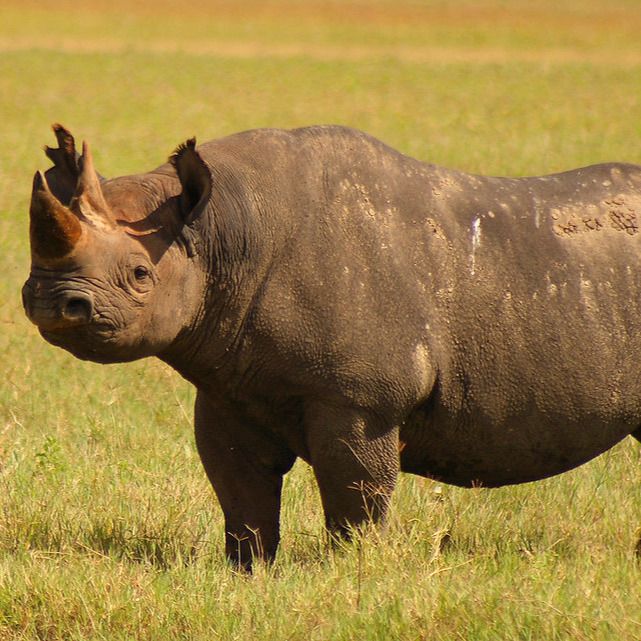
Black Rhino | Possible | Solitary and well camouflaged | Southern short grass |
No sighting is guaranteed and no photograph is promised. Movement varies with weather, grass condition, water and the day-to-day decisions of the herds themselves.
Meet Your Safari Guide
The person deciding where the vehicle goes each morning, and the light conditions you will work in.
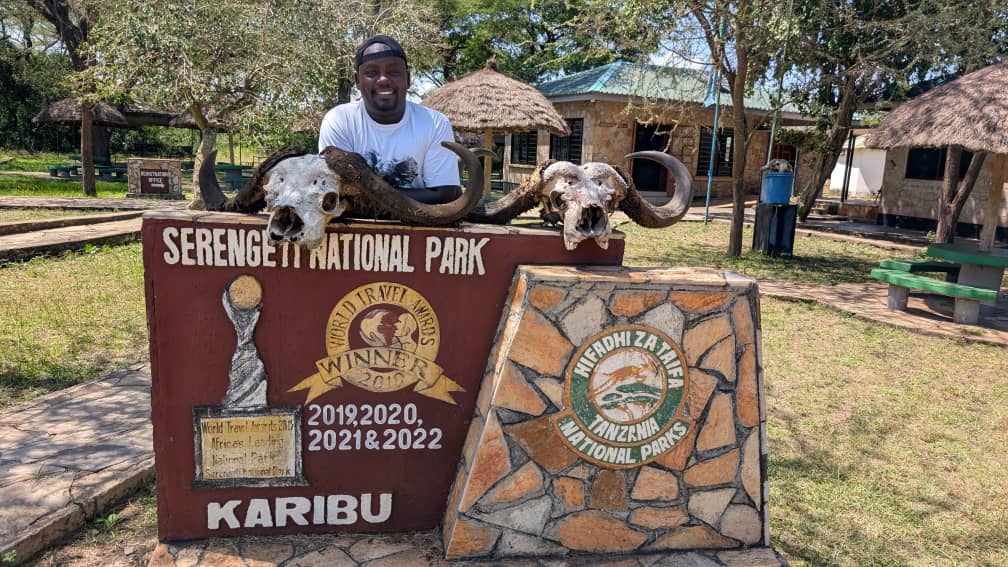
Your Kizza Adventures Guide
Your guide is with you from the Arusha pickup to the return, and on a photography-led week their job is slightly different from a standard safari. They are deciding where the vehicle stops, how close it can safely get, and when the light is worth waiting for, rather than simply covering ground.
That means they are watching for the same things you are: the light direction, the animal's angle to it, the background, and the moment before it moves. It also means they will occasionally tell you to wait, and that advice is worth taking. A quiet explanation of why a frame works is something you will take home with you, and it is more valuable than any number of sightings.
Where January Photographers Sleep
On a photography week, position matters more than category, so we place you as close to the dawn session as the available options allow.
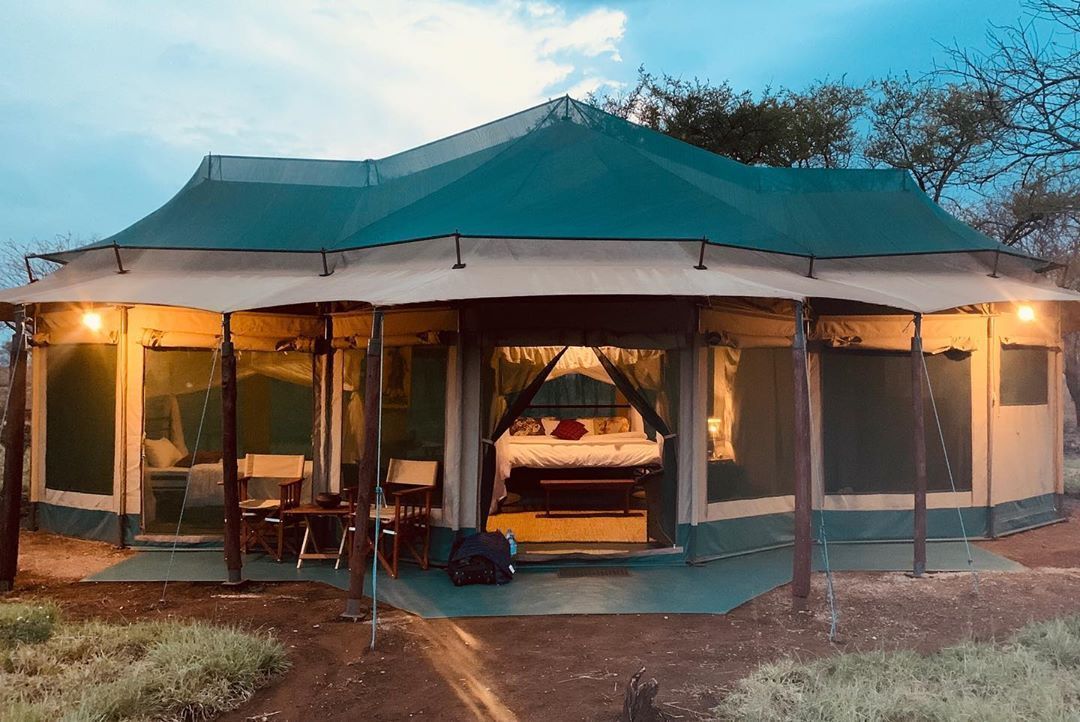
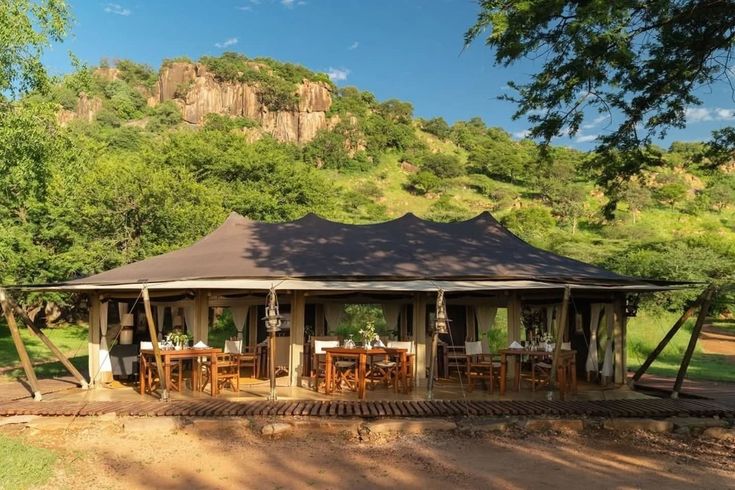
Southern Plains Overnight (Night 1)
Placed as close to the nursery ground as the available options allow, so the first dawn position is a short drive rather than a long one. Accommodation type, property, room and meal plan are all confirmed in the booking system.
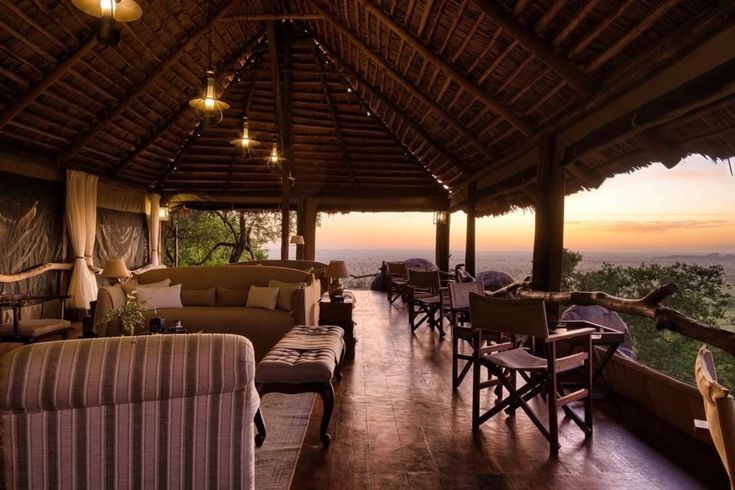
Woodland Edge Alternative
Useful if you want a change of light and subject in the afternoon, or if the herds have moved north of the short grass. Availability and exact location are confirmed with your booking.
Extra Nights & Zanzibar Extension
Add a night to give yourself a second chance at a good morning, or finish on the coast. Every add-on is quoted against live availability for your specific dates rather than a fixed rate.
Lodges subject to availability. Equivalent or superior alternatives may be used. Contact us for the current lodge selections for your dates.
Getting to the Southern Serengeti
Where the driving actually goes, and what it costs you in time.
The Arusha Run
Roughly four to five hours each way depending on road and roadworks, with a stop at the Ngorongoro rim. This is the single biggest time commitment of the trip and it sits on both ends.
Why Day One Is Short
Because of the drive, day one is arrival and orientation. A photography week cannot afford a late start on day two, and day one is how you get a good night's sleep before the first dawn.
Roads and Surfaces
Main tracks are graded dirt, with softer sections on the plains. Slow speeds protect the undercarriage, and on a photography week the slow speed is not a cost, it is the pace the work needs.
Park Fees
Conservation and area fees are payable on entry and are handled as part of your quote rather than charged unexpectedly on arrival.
Flights and Arrival Times
Most guests land into Kilimanjaro the day before. Flying the same morning as the pickup is possible but leaves little margin if the flight is delayed, and on a photography week the margin matters.
A note on Distances
The southern block looks small on a map and feels large in a vehicle. Repositioning for light takes time, and the day plan has to allow for that.
Your Safari Vehicle
A photography week has harder equipment requirements than a normal safari. The vehicle is the photographic platform.
Standard requirement here. High and low angles are both needed, and standing height is the difference between a sighting and a photograph.
Available on request for long-lens work. Bring your own bean bag if you have one you prefer, because they are personal equipment.
Private vehicle is the default on this itinerary, so the person reading the herds and the light is the person driving you to them.
Power for cameras and laptops in the vehicle, which matters more over five dawn starts than it sounds on paper.
Water and soft drinks carried through the driving day, with the hot middle hours best spent resting rather than circling.
A pair in each vehicle. Bring your own if you are particular about glass, and you will be using it constantly.
Best Time to Join a January Photography Safari
January is a real photographic window, and knowing exactly where it sits in the season matters.
January, February and March are all strong photographic months for different reasons. January has the lowest vehicle pressure of the three, the season visibly beginning, and two reliable light types in one day. February and March carry far more newborn subject matter but noticeably more traffic on the best ground. If you want clean frames and variety, January is the pick; if you want calving volume, aim later.
Where the Herds Are, Month by Month
Where the migration sits across the year, and where January falls on it.
January Photography Guide
Working the light on open short grass, where the subject is cooperative and the background is not.
The first two hours hold the best light and the easiest view of newborn activity. A late start means shooting in flat overhead light for the rest of the day.
Low sun across the short grass gives dimension to a herd. Midday flattens everything, so adjust the hours rather than the settings.
A 200-400mm lens is usually the right tool here. Cropping distant frames is acceptable; carrying a huge lens you will not use is not, and it affects where the vehicle can go.
Photographing a cheetah from a raised roof gives you a distant sighting. Ask your guide to find safe ground level, and take the shot from there.
Overhead light is unkind to mammals and excellent on water. Plan the middle of a day around the western lake systems rather than around a rest stop.
The light arrives with the storm. The photographers who are still shooting when the cloud builds are the ones with the frames from that afternoon.
What to Pack for a January Photography Safari
For long dawns on the short grass, where the cold is brief but the sun is not, and where equipment decides the day.
Camera, Lens and Field Kit
- Telephoto lens, ideally 200-400mm or longer
- A second body if you have one; dust on the front element is common
- Spare batteries and a charging bank, charged every night
- Bean bag or support for long dawn sessions
- Dust and rain cover for the body and lens
- Memory cards formatted and cleared in the field, not in a hurry
Clothing for Early Mornings
- Soft-sided duffel bag rather than a hard suitcase
- Warm fleece or a light jacket for pre-dawn departures
- Neutral-coloured layers: khaki, beige, olive
- A rain shell for afternoon storms, and a cover for your gear
- A cloth for cleaning lens dust, which short grass produces constantly
- Comfortable boots that handle soft ground
Essential Travel Information
The practicalities worth reading before you book.
Your passport needs a valid margin beyond your travel dates, and the Tanzania visa is arranged before you arrive rather than at the border.
Malaria prophylaxis is advised for the Serengeti region and should be started before you travel. Bring repellents and cover up at dusk.
Coverage follows the main camps and towns rather than the plains. A second memory card for a daily field backup is worth carrying, along with offline maps.
Tanzanian shillings for the smaller expenses, and a tip custom for guides and camp staff that we will explain properly on booking.
Tanzania runs on East Africa Time, and the daily driving rhythm here is built around darkness and light rather than the clock.
Drink only treated or sealed water, and carry oral rehydration salts for the long road days.
Honeymoon & Family Options
How a photography-led week works for a honeymoon or a family group.
A January Honeymoon With Cameras
January is quietly one of the better months for a honeymoon here, precisely because it is not the peak. The southern short grass at dawn, with nobody else on the plain, is a genuinely private kind of morning, and a photography-led pace is naturally unhurried enough to actually talk to each other.
We arrange private vehicle time, sundowners away from other tables where the camp allows it, and a bush breakfast or dinner as a quoted add-on. Anything specific is arranged in advance against confirmed availability rather than promised in advance.
Family Safari in January
The calving ground is a good family destination. Calves are one of the most absorbing things a child can watch, the days are slow, and the vehicle is a classroom in the best sense. Most of our family groups are made up of mixed ages travelling together.
Junior ranger tasks, sketching and tracking activities can be built into the long middle-day hours, and we will adjust the daily pace to the youngest person in the vehicle. Lodge and room configurations are confirmed with your booking rather than assumed.
Verified Guests on This 6-Day January Photography Safari
Verified traveller reviews live on our public TripAdvisor profile rather than being reproduced here.
Every review for this safari is published on our own TripAdvisor profile rather than reprinted here, so what you read is what other travellers actually posted.
Running a photography trip? Send us your question and we will answer it from the same trip, with the same guide, on WhatsApp.
Frequently Booked Together
Additions travellers most often pair with a January photography safari.
January Photography Safari Gallery
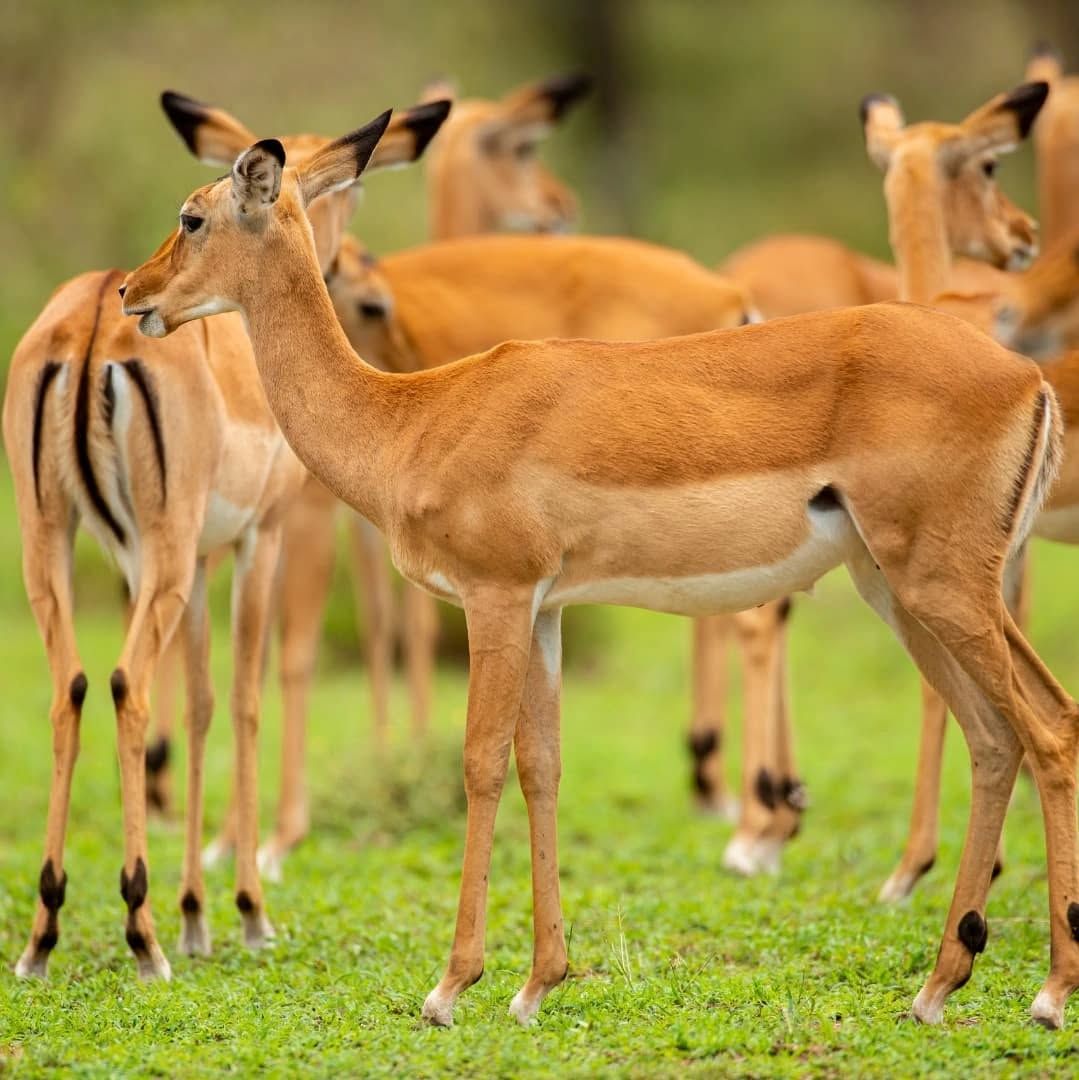
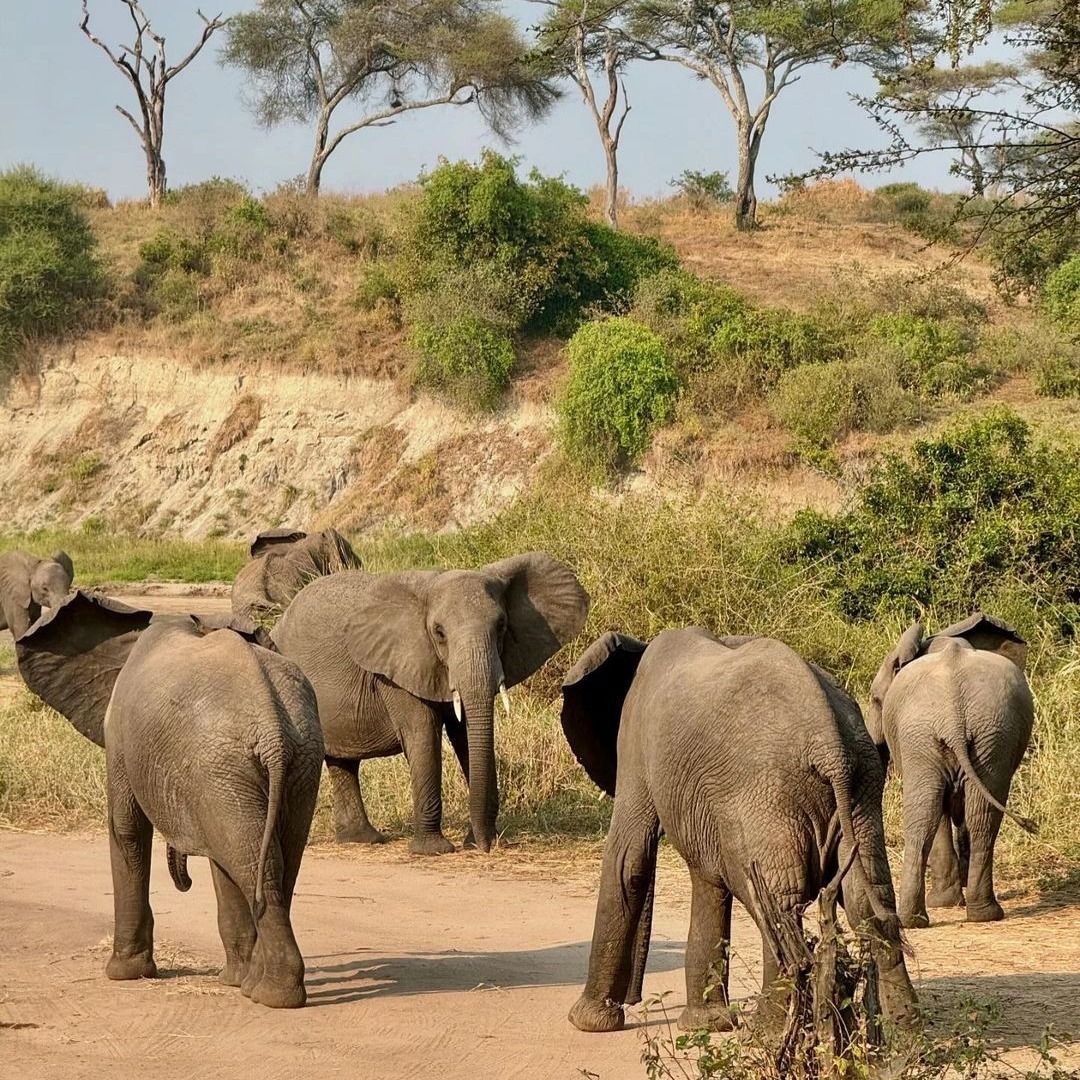
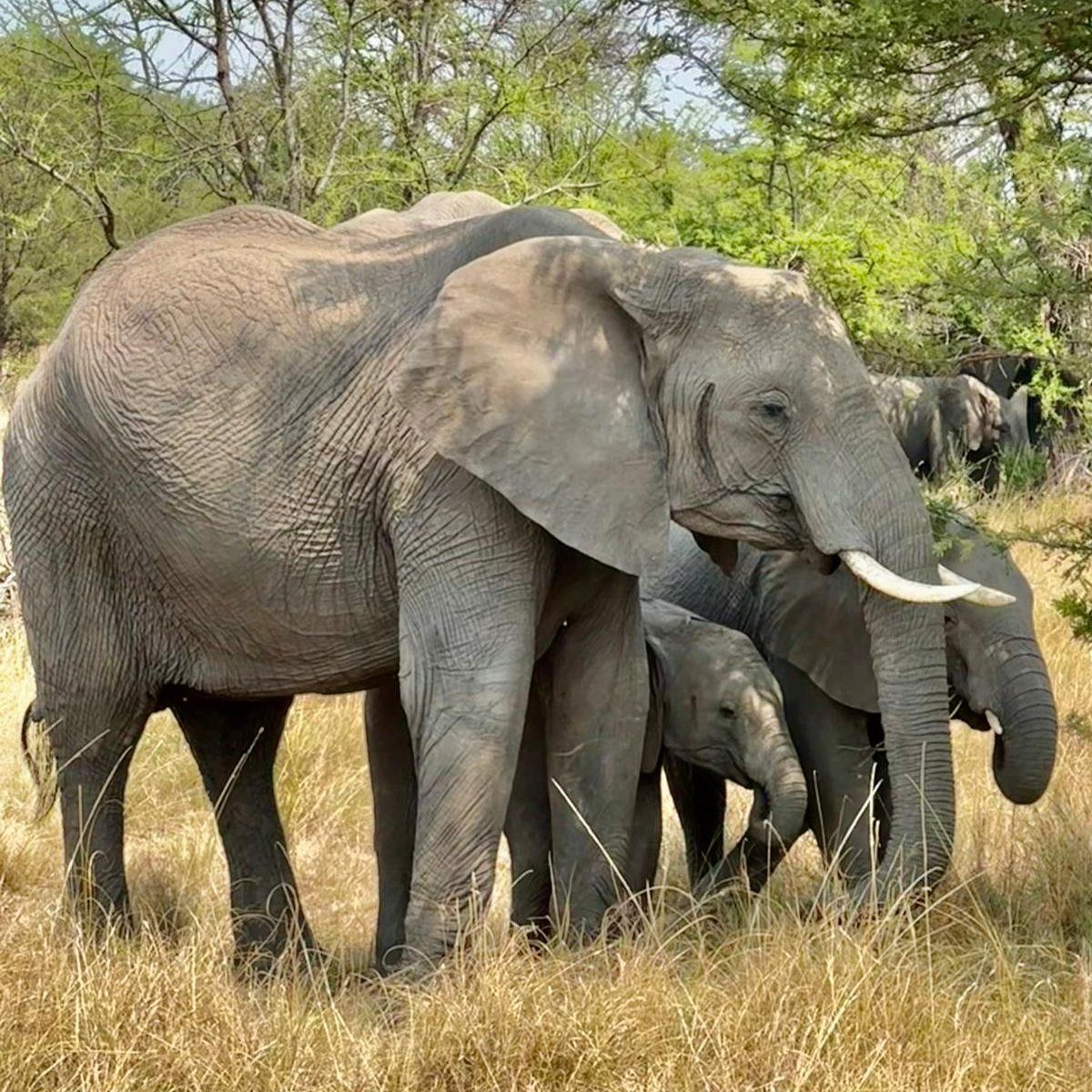
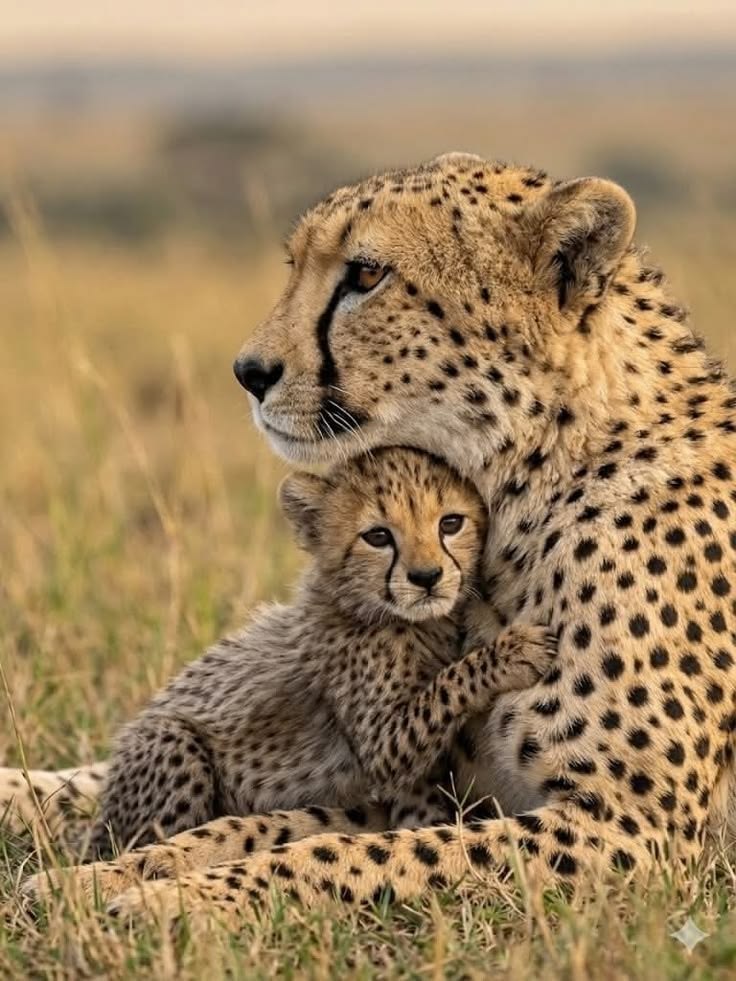
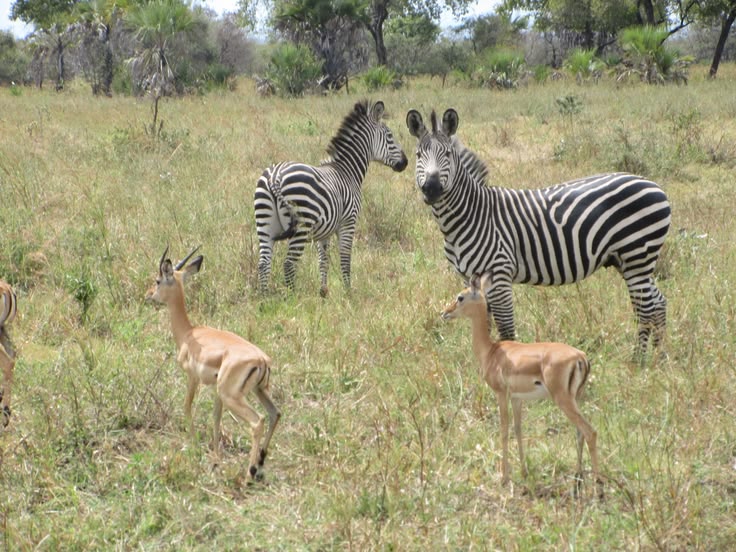
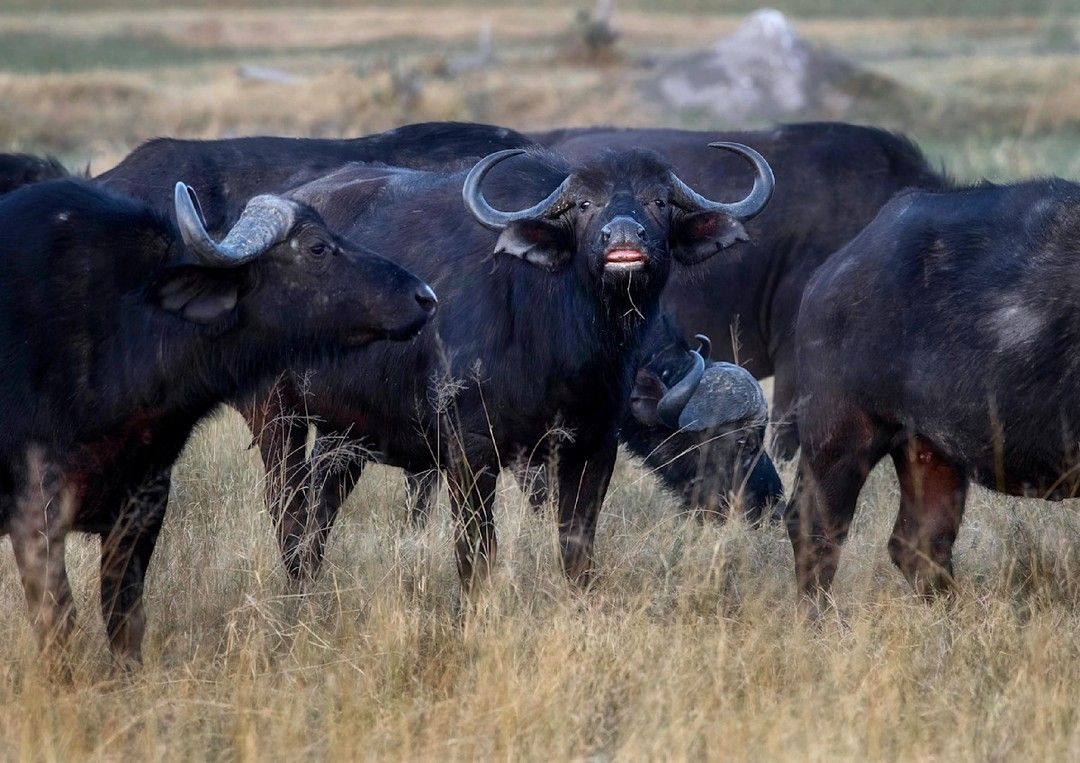
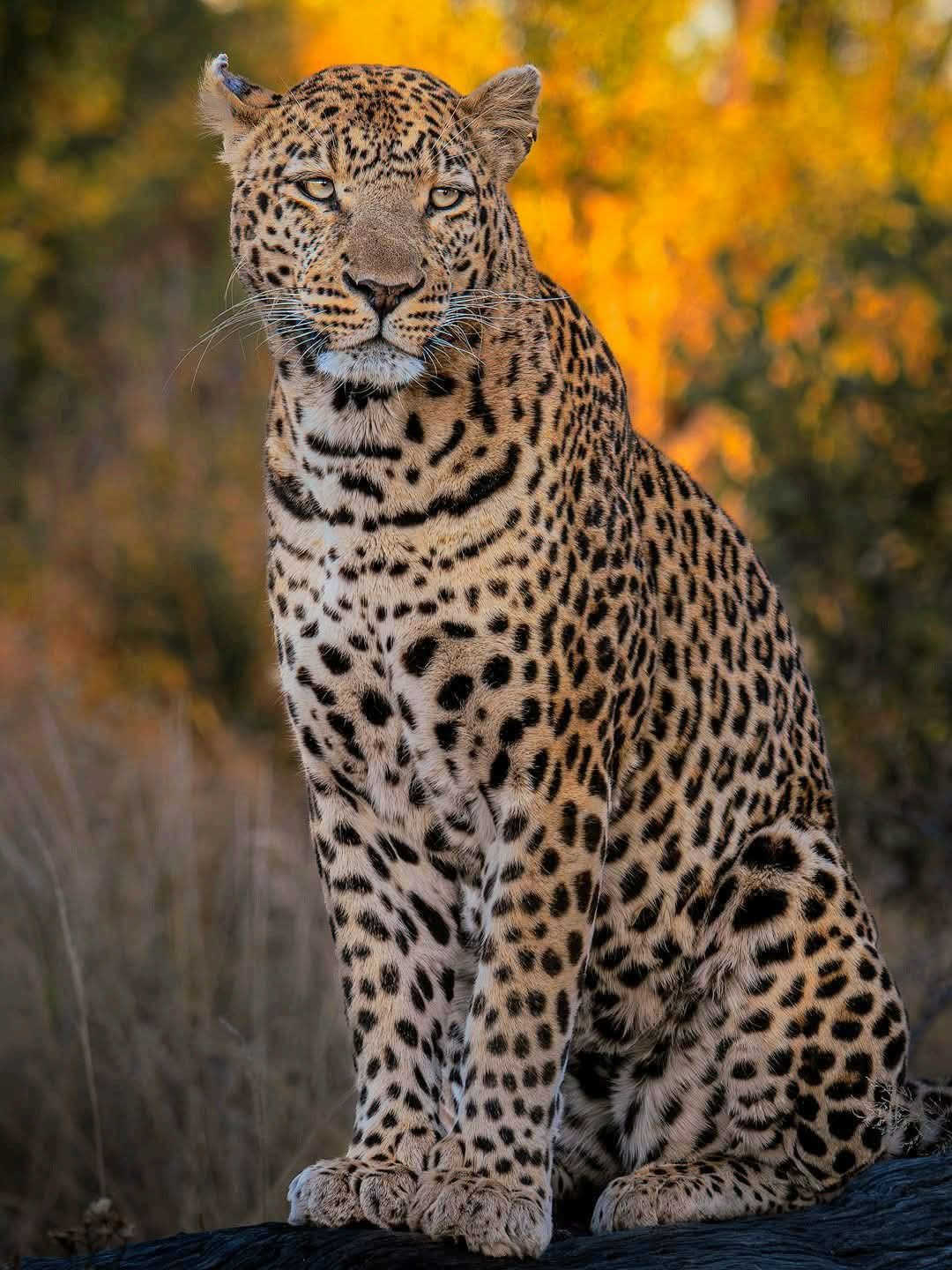
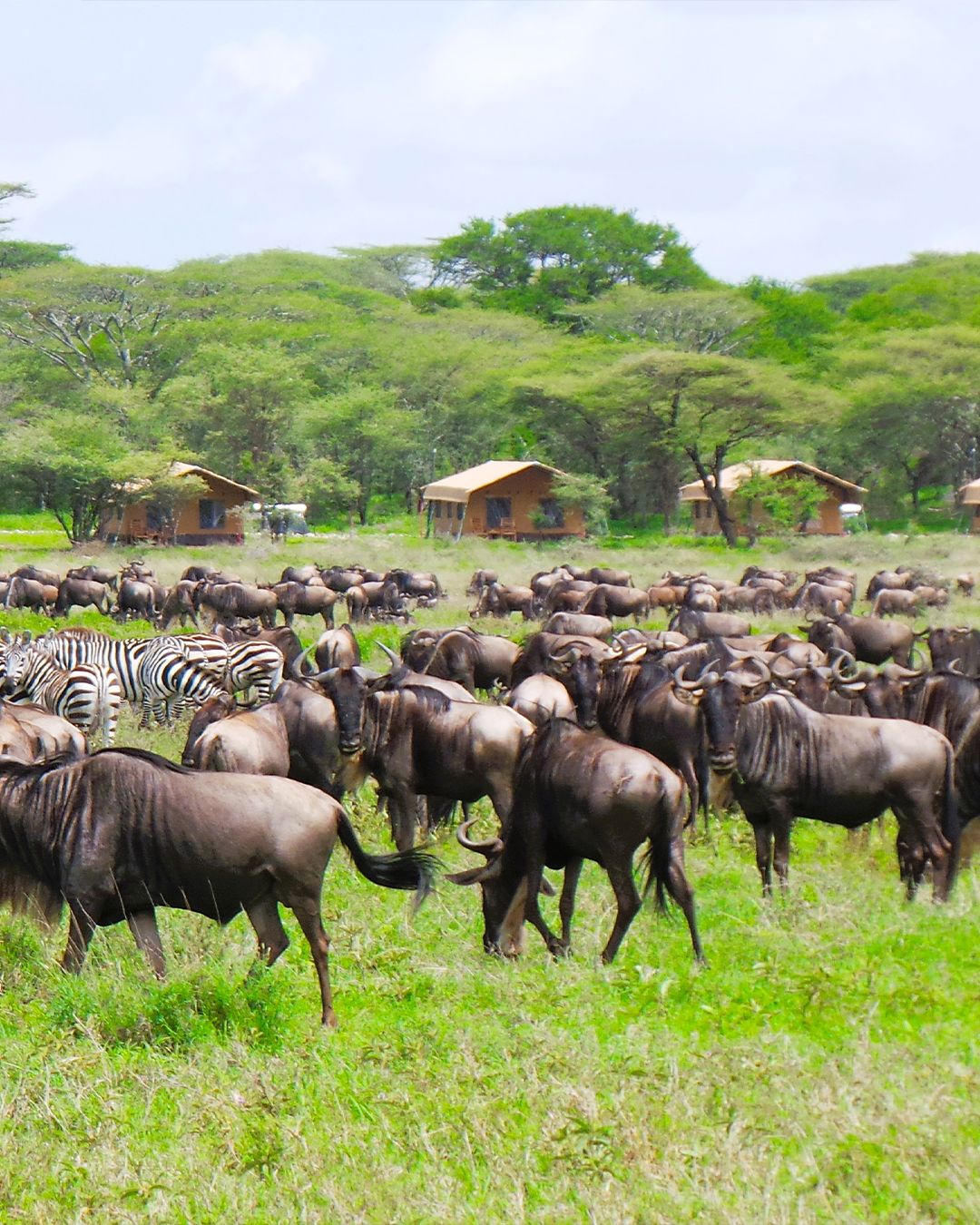
Frames from the southern short grass, the lake margins and the woodland edge. View complete gallery →
How Does This Safari Compare?
Where a 6-day January photography safari sits against the alternatives.
| Feature | 6-Day January Photography | Longer Photography Safari |
|---|---|---|
| Dawn sessions | six days on the ground that suits this category | Six or more, across a wider route spread |
| Vehicle | Private, positioned for light | Private, with more repositioning time |
| Subject matter | Calves, predators and open-plains landscape | Wider species range, less time per subject |
| Light exposure | Two strong blocks a day | More chances to wait out weather |
| Best for | Travellers with 6 days wanting photography | Anyone able to stay a full week or more |
Experience on Film
A visual summary of what a photography-led week actually looks like.
Video highlights are shared with confirmed bookings. Ask for the current footage when you enquire, so you are seeing this season rather than an old clip.
Inclusions & Your Quote
What this arrangement covers, and what it does not.
Included
- Safari vehicle with pop-up roof and your own driver-guide
- Bean bags or window mounts for long-lens work, on request
- Four nights' accommodation per the confirmed plan
- Meals per the confirmed meal plan, including field breakfasts where arranged
- Park and conservation fees as applicable
- Southern short-grass game drives as described
- Round-trip road transfer from Arusha
Not Included
- International flights
- Tanzania visa
- Travel insurance, and it should cover your equipment
- Tips for guides and camp staff
- Personal expenses and premium drinks
- Pre- or post-safari nights in Arusha
Your Quote, Built Around Your Dates
| Quote Field | Your Arrangement |
|---|---|
| Per Person | Current price — confirmed in your quote |
| Flights | Included or quoted separately — confirmed at booking |
| Accommodation | Category confirmed on booking |
| Vehicle | Private with photographic positioning as standard |
* The total depends on travel dates, group size, accommodation category, vehicle arrangement and the add-ons you select. No fixed price is shown here — request your current quote below.
How to Book Your Safari
Six steps, and how long each one realistically takes.
Tell us your travel dates, group size and where you are flying from. If you photograph, tell us what you shoot, which helps us position the vehicle and confirm the right lens setup.
You get a full breakdown: accommodation category, vehicle arrangement, equipment notes, inclusions and exclusions, with the park fees shown separately.
Once the quote is right we place a courtesy hold on the accommodation while you confirm, so the property does not disappear while you decide.
A deposit secures the booking. The balance is due before arrival, and the schedule is stated plainly in your confirmation.
Final vouchers, your confirmed property and room type, transfer arrangements, an equipment checklist and a day by day outline for the guide to work from.
You are collected from Arusha as planned. The WhatsApp thread stays open through the trip for anything that changes on the ground.
Frequently Asked Questions About the January Photography Safari
The questions we are actually asked about a photography-led January safari.
Ready to Photograph the Southern Plains?
6 days built around first light, with a guide who understands what a frame needs and is watching the same ground you are.
Enquire now for current availability — no deposit requested at this stage