


February Serengeti Safari Guide: Peak Calving on the Ndutu Plains — Predators at Full Strength
A February Serengeti safari meets the migration at its densest: calving peaks on the southern Ndutu plains, and predator action runs day and night. Build the trip around full plains days, add Seronera's resident big cats, then choose a crater run or a Zanzibar finale.
The February Serengeti Safari: Peak Calving
February is widely regarded as the calving peak of the great migration. The southern short-grass plains hold the largest concentration of wildebeest on the planet, and with every morning come fresh calves. The predator court is at full strength too: lions hunt from kopjes, cheetahs accelerate across open pans and hyena clans shadow the herds.
Days ground out on the plains from first light, with marsh and lake circuits for variety and a Seronera day for the valley's resident cats. Longer loops descend into Ngorongoro Crater or end on a Zanzibar beach. Everything is confirmed against your dates at booking.
Everything You Need to Know at a Glance
Ndutu & Southern Plains
Ndutu anchors the February calving ground where the migration's southern concentration peaks.
Newborn Focus
Peak birth numbers drive lions, cheetahs, hyenas and jackals to hunting ground courts.
Seasonal Timing
February is the classic peak of the late-December-to-March birth window.
Plain & Wetland
Plains, pans, seasonal lakes and acacia woodland margins hold the February photography.
How You Travel
Arusha road transfers plus in-plains game drives in a private 4WD with an English-speaking guide-driver.
Field Time
Full-day circuits keep you on the grass through the busiest hunting windows.
When to Go
February sits at the peak of the southern calving season.
Price on Request
Pricing depends on season, group size, nights and accommodation. A confirmed quote follows your dates.
Where Februaries Take You: Calving Plains to Big-Cat Valley
Each stage works one February priority — peak births on the pans, lakeside birdlife, Seronera's resident cats and a crater or island finale.
Region stage: February is generally the density high point of the birth window, and the southern short grass is holding the largest concentration of wildebeest on the continent.
Safari activity: Long dawn-to-dusk circuits on the central pan blocks, working slowly and letting the herds come to the vehicle rather than chasing them.
Wildlife focus: Peak numbers of calves and foals, with lions, cheetahs and hyena clans all feeding off the same rich movement.
Destination context: The same short-grass mineral draw that stages January holds through February, with more animals packed into less space.
Meals and timing: Full field days carry picnic lunches, with the best light on the herds running from first sun to the late afternoon.
Overnight and logistics: Camp positions in February are held tightly around the densest blocks, so a second dawn is usually a short drive.
Travel reality: February is often billed as the peak, but the exact peak week moves with the rains and is only confirmed closer to your dates.
Region stage: As the dry season firms up, the water margins start doing more of the work, and the herds bunch along the marsh edges rather than spreading the plains.
Safari activity: Water circuits built around the channel mouths, with slow passes along the reed line and long stops where the herds compress.
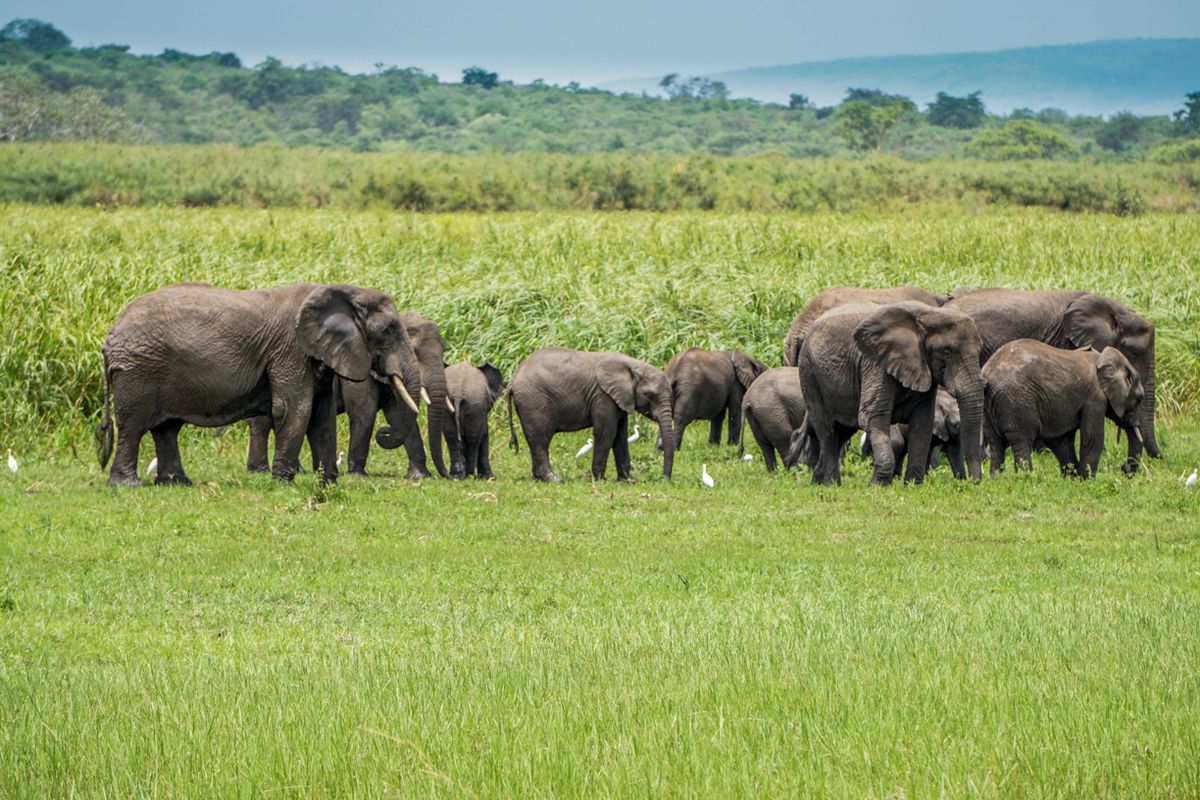
Wildlife focus: Elephant families drinking, buffalo at the same edges, hippos in the channels and wbirds working the shallows.
Destination context: The marsh edge is where open-plains and water wildlife overlap, which is why February routes weight it heavily.
Meals and timing: The middle of the day sits well in the marsh shade, with the best glassing on the edges late in the afternoon.
Overnight and logistics: Water-side camps make the February circuits short, which matters when the herds are the reason you came.
Travel reality: As water levels fall through the month the margin shifts, so the same circuit is a different drive a week later.
Region stage: The acacia belt and fig-tree lines earn their own days in February, because this is where the safari changes register after the plains hours are done.
Safari activity: Afternoon loops that slow into evening, then patient glassing on the leopard ground until the light goes.
Wildlife focus: Leopards on patrol, serval in the grass, bushbuck at the edge and a rich small-bird cast in the last hour.
Destination context: Shade and cover are the reason the woodland belt holds its own cast even while the plains are at maximum density.
Meals and timing: Late afternoon is the productive window, and the cool part of the evening often pays better than the heat before it.
Overnight and logistics: Woods-edge positions make the dusk sessions a short run rather than a long transfer.
Travel reality: Leopards are never predictable, but the edge habitat is consistent, so time on it is the reliable investment.
Region stage: The longer February plans use the peak of the season to justify a wider loop, adding the Seronera valley and the Ngorongoro rim or ending on the coast.
Safari activity: Repeat southern days build the season picture, a Seronera stretch adds valley big cats, and island flights close the trip.
Wildlife focus: Season peak on the plains, valley lions and cheetahs, crater density and optional reef and beach wildlife.
Destination context: February is the easiest month to sell a longer loop, because the southern and central chapters both perform at once.
Meals and timing: Full board in the bush, with beach-standard board taking over on the island chapter.
Overnight and logistics: Camps, the rim night and the beach rooms are confirmed as one chain so the sequence holds together.
Travel reality: Peak-season demand is the real constraint here, so February loops need the earliest confirmation of the year.
Your February: Plains → Water → Cats → Finish
A southern circuit that fishes each habitat in its best hour, from Arusha and back — with crater or island options on the grand loop.
Meet at your hotel or airport and drive out on the southern road.
The densest calf drop of the birth window.
Herds compressing along the water edges.
Leopards, serval and the dusk small-bird cast.
Valley cats and a rim night on the longer loops.
Island flights to the coast, or the highland road home.
Interactive Safari Map
Follow the Arusha → Ndutu → lakes → Seronera → finale circuit stop by stop.
- Arusha
Safari capital gateway
Start and return by road - Peak Calving Plains
February's densest ground
Dawn to dusk circuits - Marsh Margins
Herds at the water edges
Midday water loops - Woodland Belt
Leopards after dark
Evening glassing - Seronera & Crater
Valley cats and rim light
Longer loop chapters
Best Time to Visit in February
February is the purest calving month of the year on the southern plains.
Wildlife of Your February Safari
Peak newborn numbers and the strongest predator concentration of the year.
February's peak drop across the short grass.
Foals keeping pace with the moving herds.
Prides feeding hard through the birth peak.
Coursing singles picking off stragglers.
Clans boldest while births are at maximum.
Fig-line patrols through the evening.
Families drinking along the marsh channels.
Shorelines still holding good numbers.
Browsing the acacia margin above the herds.
Pods holding the deeper channel water.
Big herds on the same grass as the migration.
Peak passage still running through the wetlands.
| Animal | Potential Encounter | Best Viewing Context | Best Area |
|---|---|---|---|
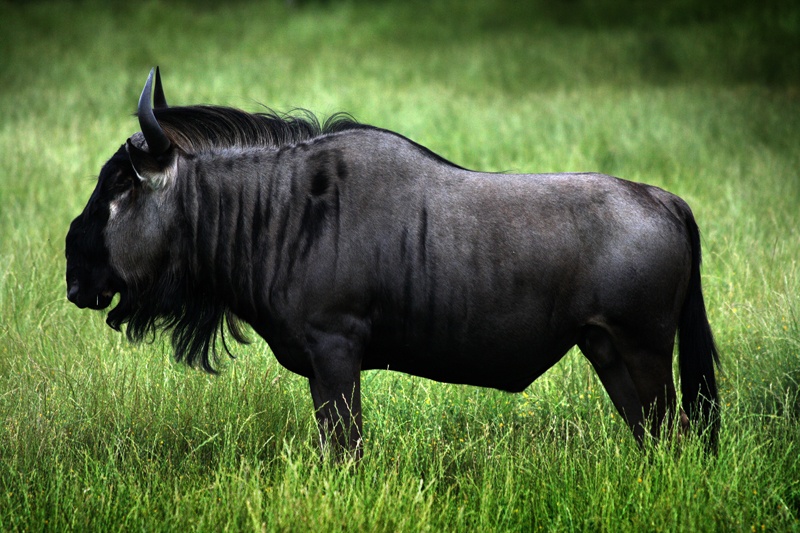
Wildebeest Calves | Strong | Dense central pan blocks at dawn | Peak calving plains |
Zebra Foals | Strong | Moving with the herd centres | Pans & grass |
Lion | Strong | Feeding prides at first light | Grounds & woods |
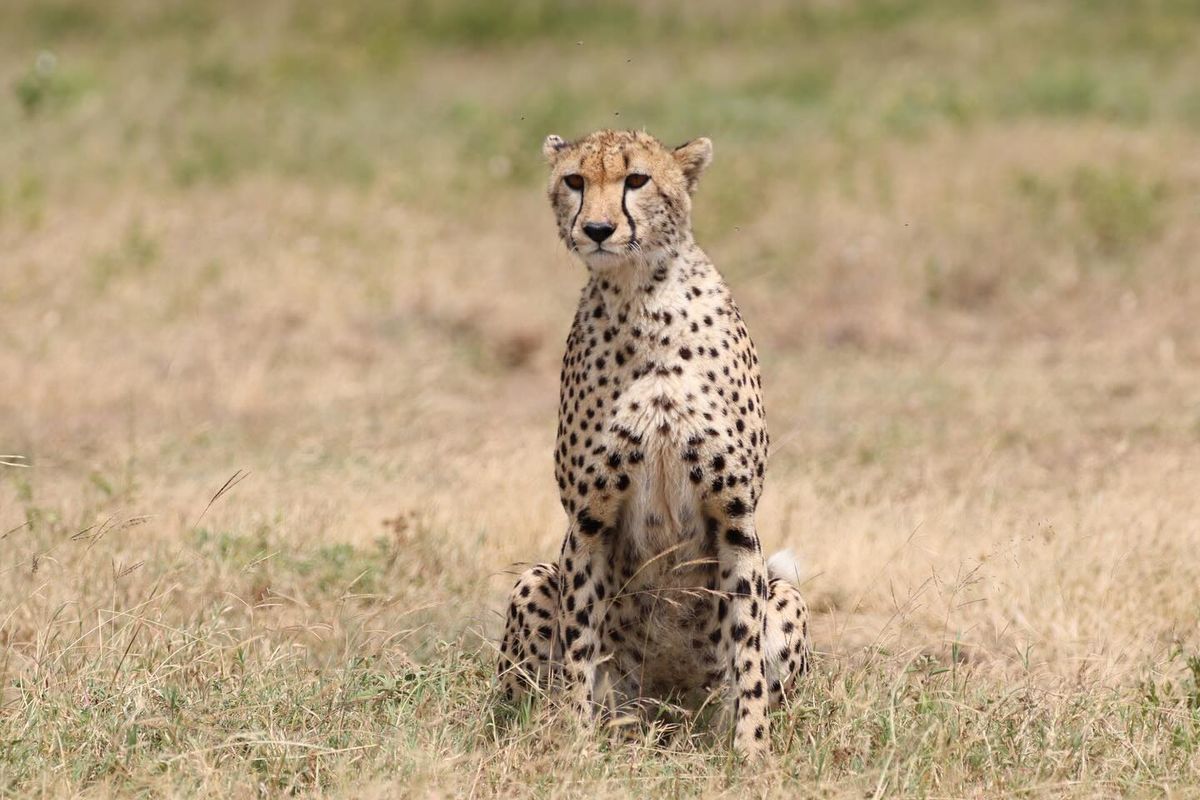
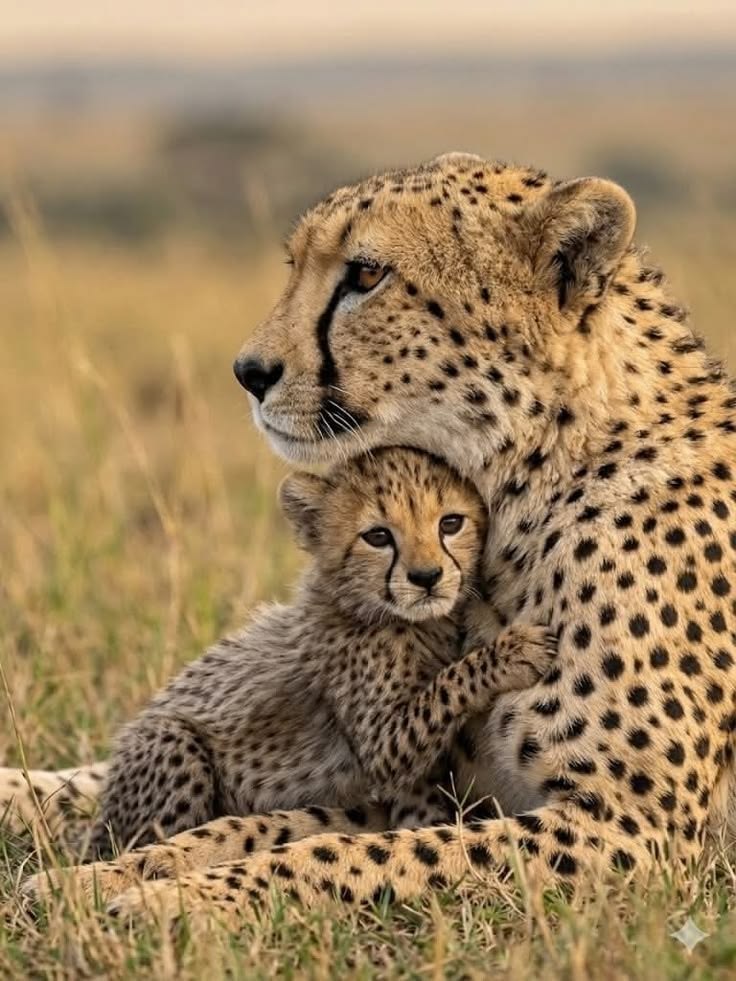
Cheetah | Possible | Open short grass mid-morning | Short grass |
Spotted Hyena | Strong | Clan activity around kills | Around herds |
Leopard | Possible | Fig lines at dusk | Woodland belt |
Elephant | Strong | Drinking families at the channels | Marsh margins |
Flamingo | Strong | Shoreline feeding flocks | Lakes & shallows |
Giraffe | Possible | Acacia margin browsing | Woods & margin |
Hippo | Strong | Channel pods in the heat | Marsh channels |
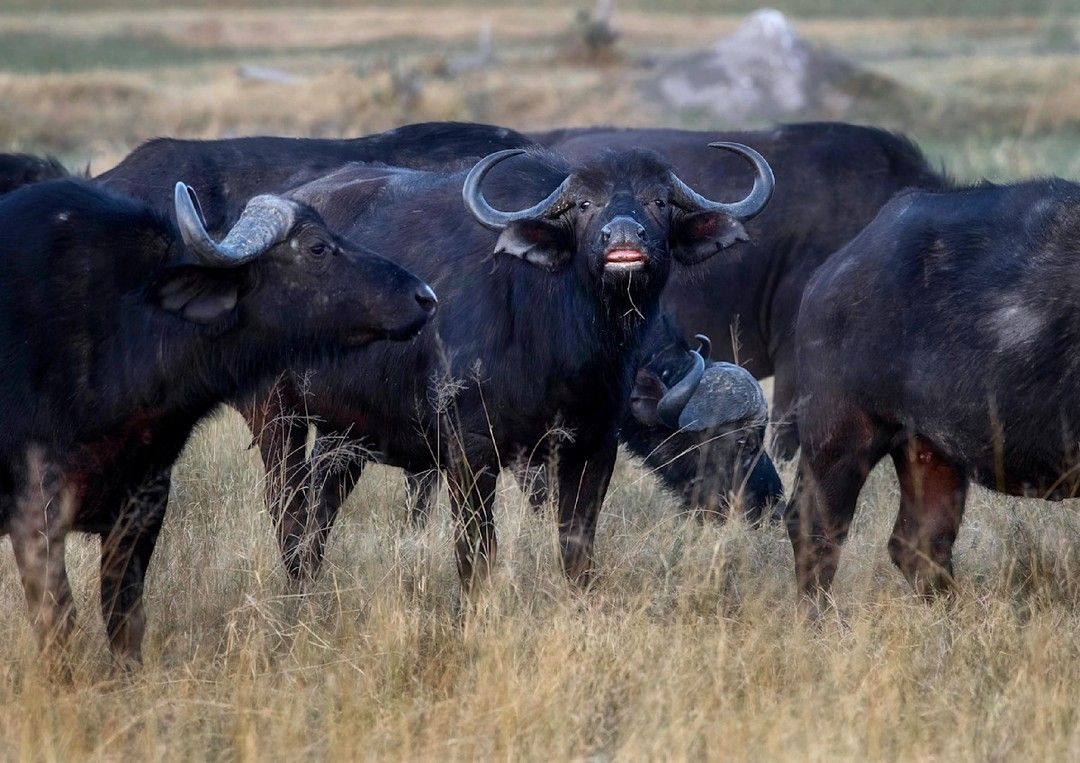
Buffalo | Strong | Large herds on open grass | Water & grass |
No sighting is guaranteed. Animal movement varies with weather, season, food, water and the day-to-day conditions of the ecosystem.
Tanzania Safari Packages for February
Every itinerary below works the February calving plains from Arusha — or flies to Zanzibar on the grand loop. Compare the three-day calving dash, the four-day plains loop, the six-day herds circuit, the seven-day season week and the twelve-day south-to-island expedition, then request the current quotation for your dates.
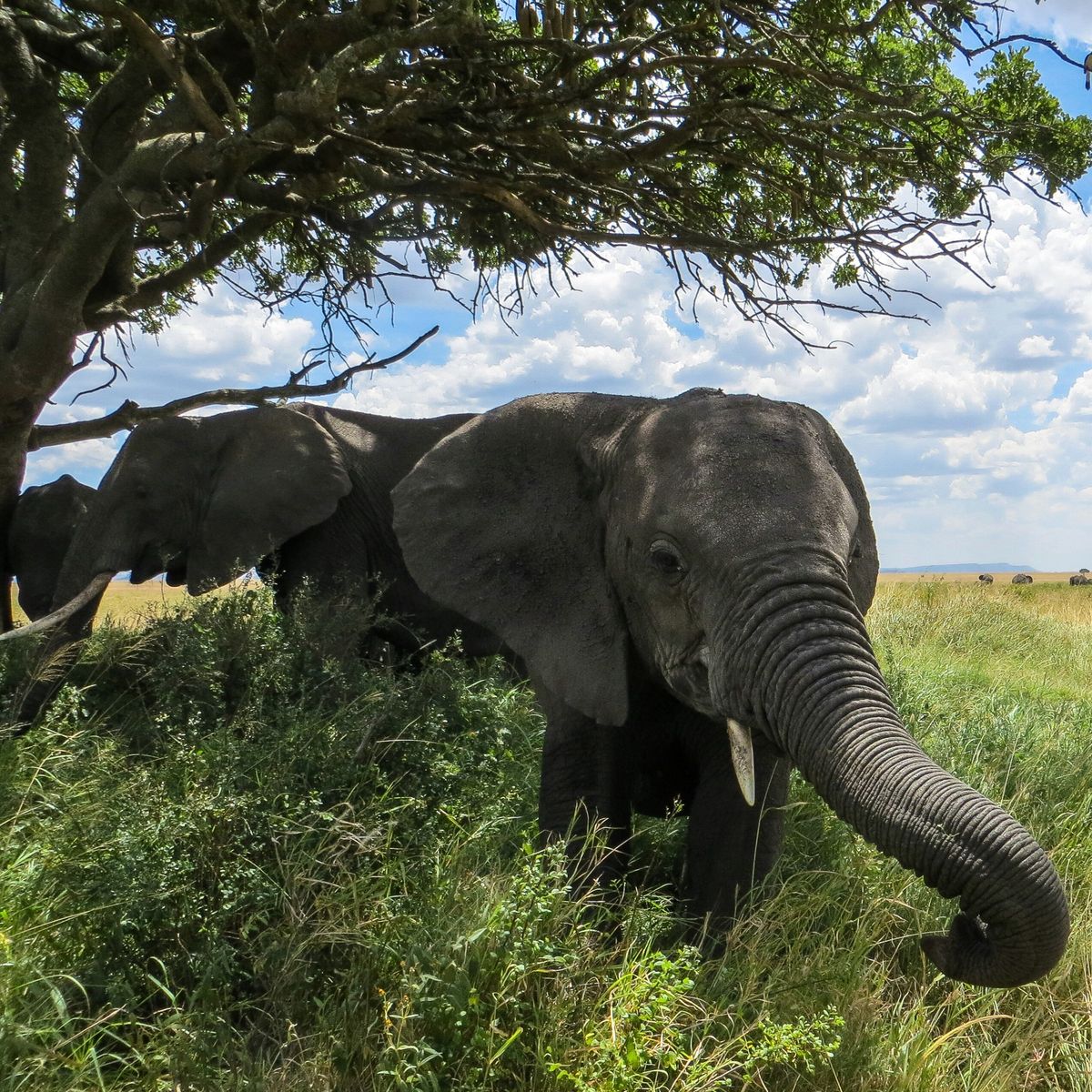
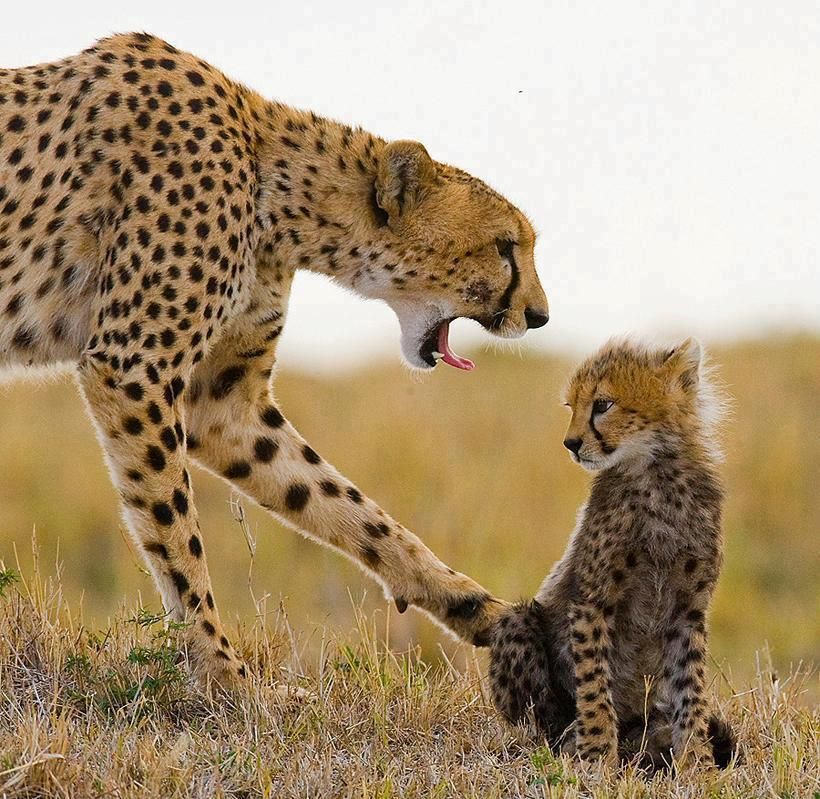
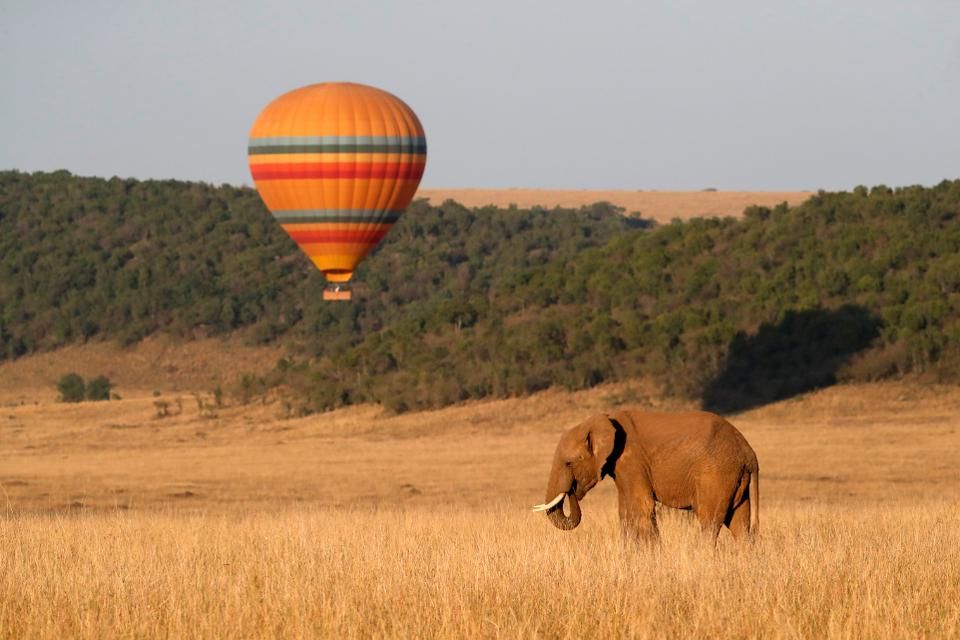
Prices are on request and confirmed against dates, group size, gates, accommodation and transfers. Equivalent or superior properties may be substituted when necessary.
Why Choose Kizza Adventures for February?
Your February safari is planned around southern herd reports, predator behaviour hours and maximum calving-plains time with a wildlife-first approach.
February dates are checked against the current birth peak before any camp is held.
Plans are built so the densest ground is worked at first light on more than one day.
The plains are joined with marsh margins and the acacia belt, not left as a single habitat.
February is a peak month, not a guarantee, and the quote is written that way.
Peak-season positions around the densest blocks are secured early and repositioned if herds shift.
Pricing is confirmed against dates, group size, gates, accommodation and inclusions.
Wildlife is observed to park rules, with no guaranteed sightings advertised.
The safari team answers current availability and quotation questions directly.
February Peak Safari vs Year-Round Seronera
February is the busiest and densest month of the calving window. If your dates are flexible, it is worth weighing that against the year-round valley option.
| Feature | February Calving Peak (This Page) | Seronera Year-Round |
|---|---|---|
| Timing | The core of the December to March window | Resident cats in every month |
| Headline | Maximum herd density and active predation | Kopje lions and river lines |
| Herd volumes | Season maximum | Residents plus passing columns |
| Best for | Density, drama and full plains days | Reliable big cats without the crowds |
| Typical start | Arusha by road into the peak blocks | Arusha by road or fly-in to Seronera |
Essential Safari Travel Information
Operational requirements vary by nationality and travel date, so use official Tanzanian sources and your final booking documents for current February requirements.
Carry a passport valid for the required period and confirm current Tanzanian entry requirements for your nationality before departure.
February traffic is heavy at the southern gates, so buffer time and keep documents ready at the checkpoint.
Speak to a qualified travel-health professional about vaccines, malaria prevention and any personal medical preparation.
Comprehensive travel insurance is strongly recommended for medical treatment, evacuation, cancellation and baggage disruption.
Coverage on the southern plains is intermittent, and busier camps share whatever signal exists.
Stay on designated tracks, remain in the vehicle when required, and follow guide and park instructions.
Safari Gallery — See February Before You Arrive
Peak-density plains, marsh margins and the woodland belt of the February southern Serengeti.
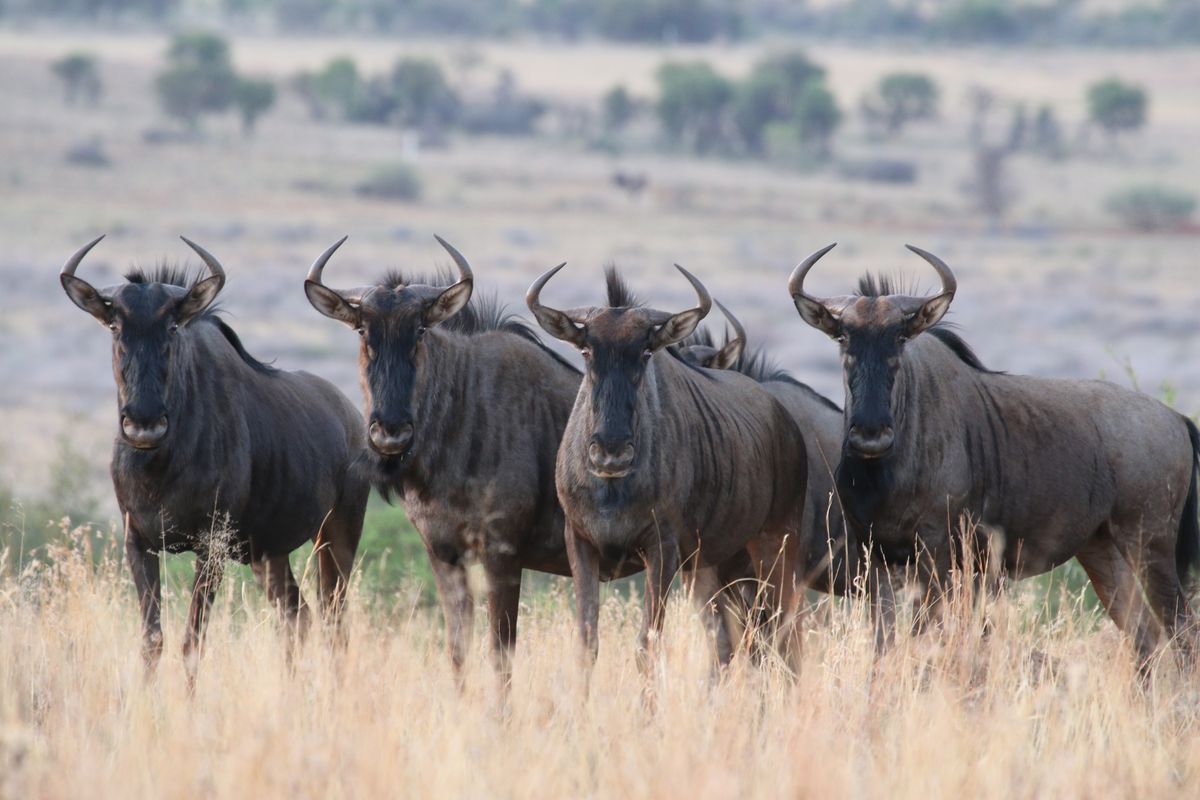
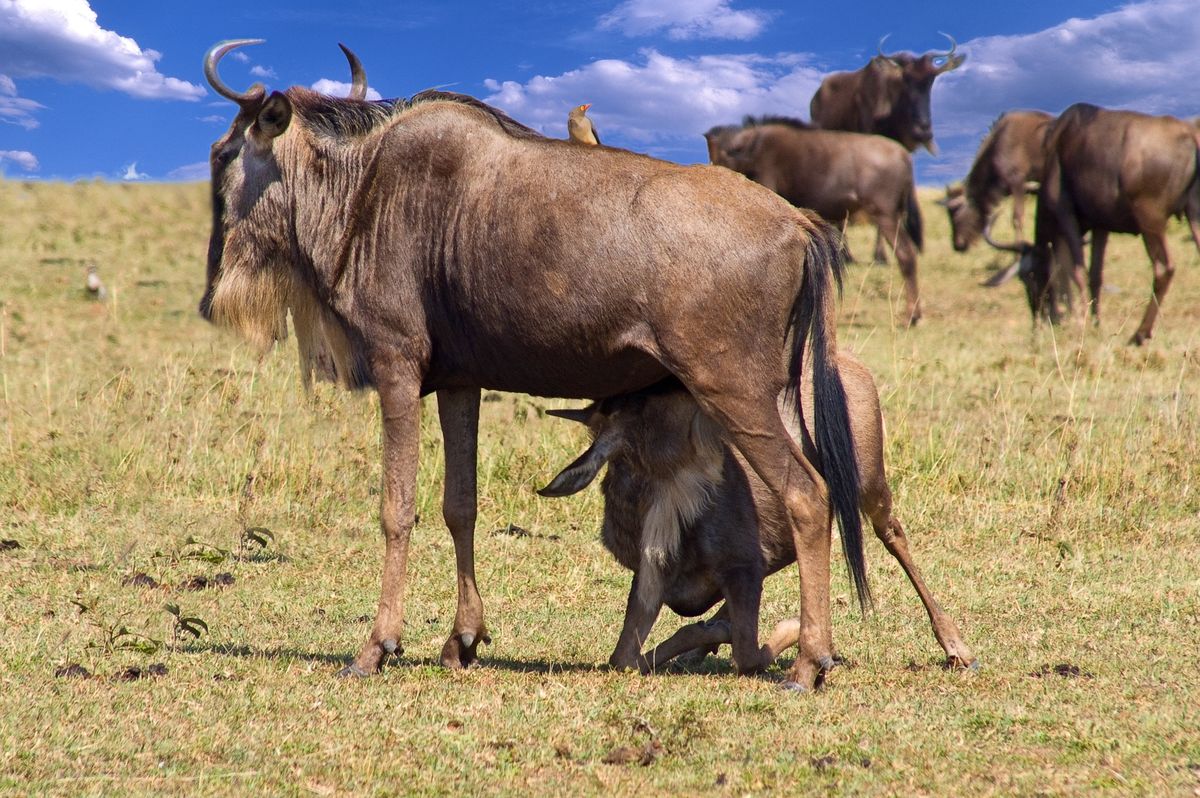
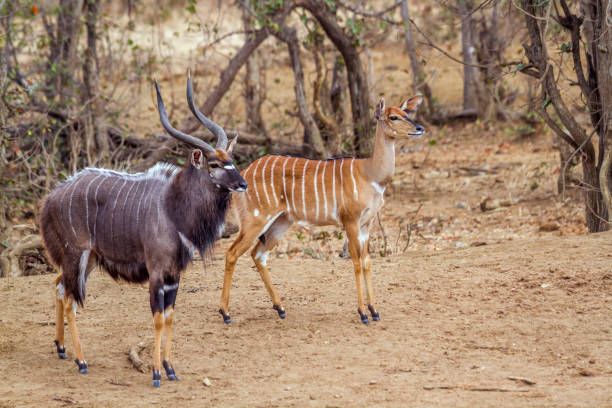
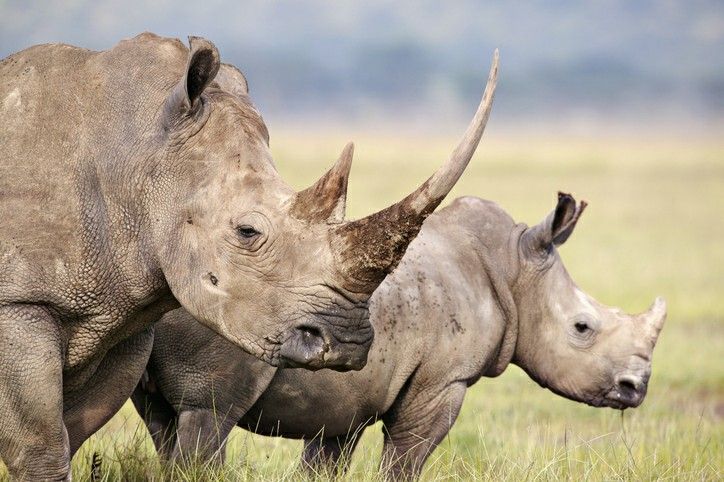
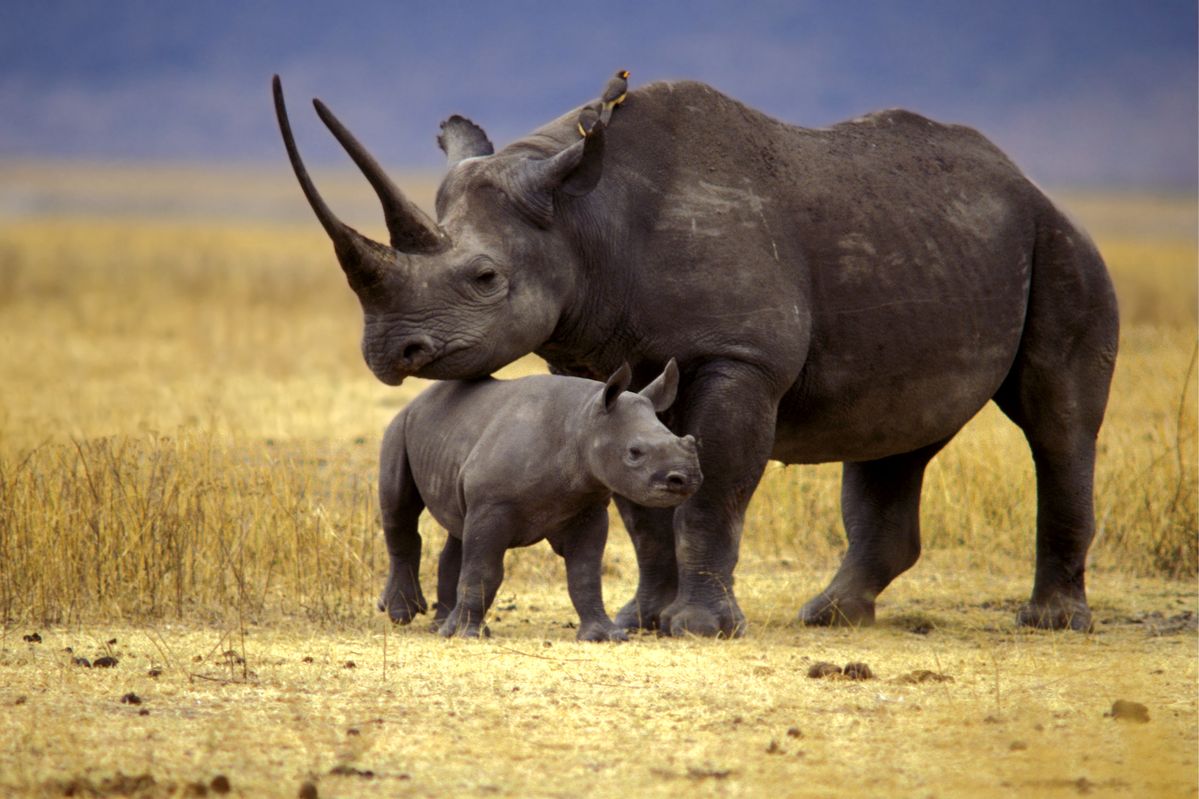
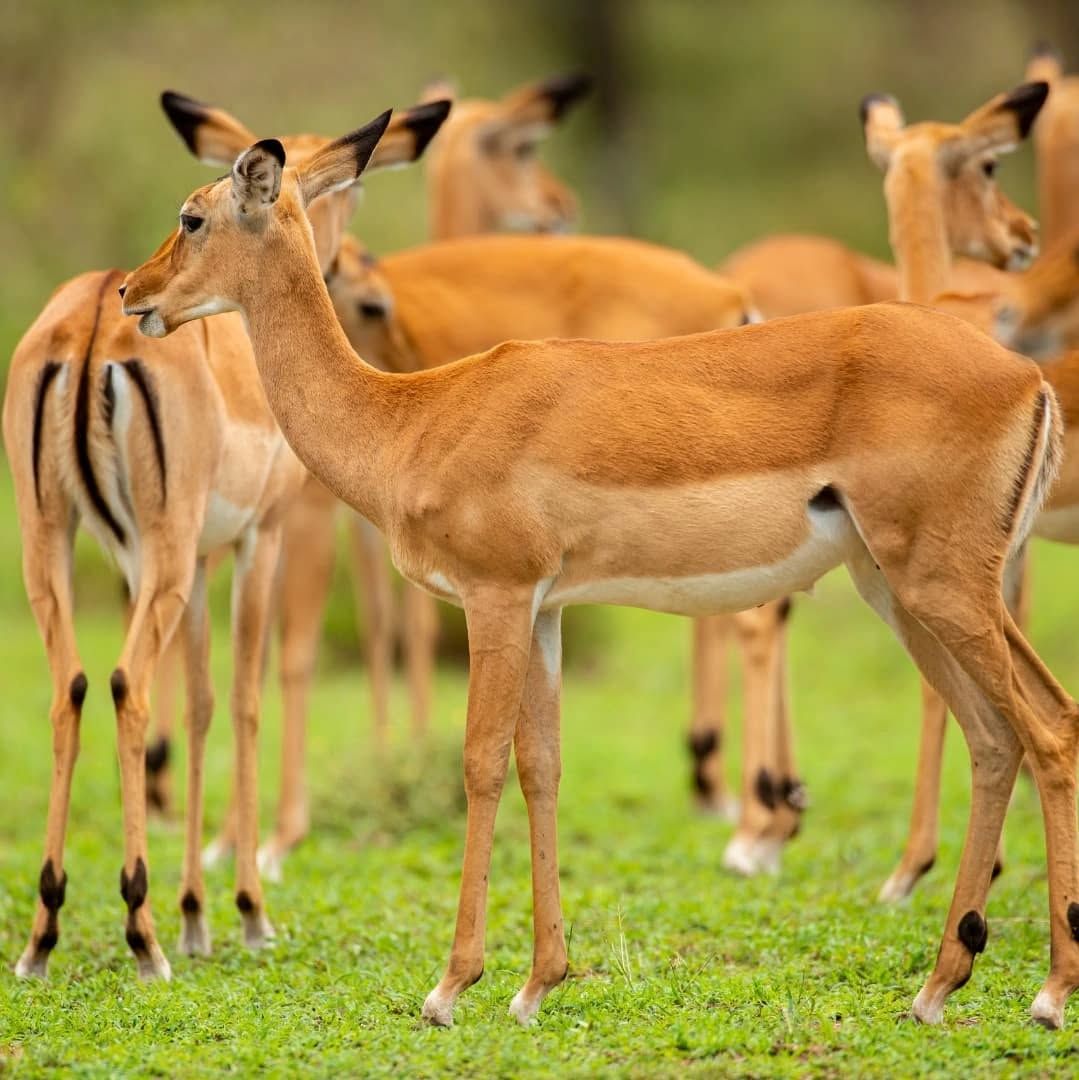
Frames from the peak blocks, the water margins and the acacia belt. View complete gallery →
Frequently Asked Questions About February Serengeti Safari
Practical answers for travellers planning a safari in February, the peak of the southern calving season.
How to Book a Safari in February
Booking a February safari is straightforward: send your dates and group details, then confirm Ndutu camp availability and the correct current quotation.
Share your preferred start date, Arusha hotel and number of travellers.
Decide between the 3, 4, 6, 7 or 12-day February plan.
Lock the plains block and camp placement against current season reports.
Look over the proposed seasonal camps and any beach nights on the longer plans.
Get the current price, inclusions, park charges and payment instructions.
Receive the operational itinerary and packing list for your Arusha arrival.
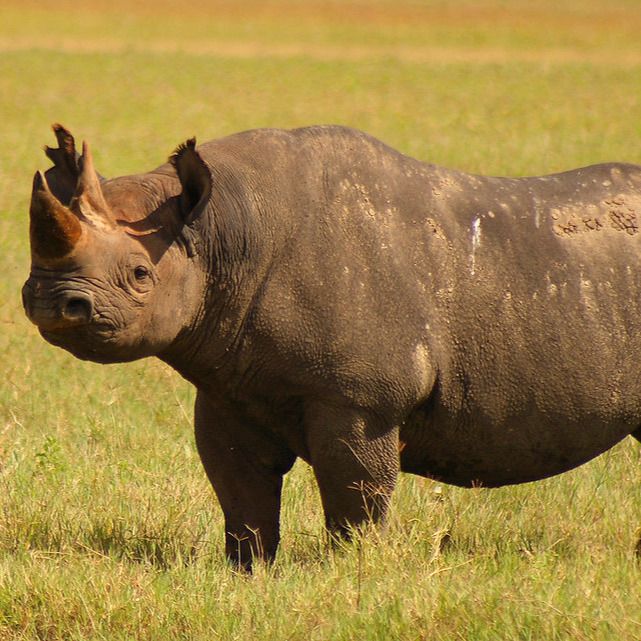
Ready for the February Calving Peak?
Plan a February Serengeti safari on the Ndutu plains — choose a 3, 4, 6, 7 or 12-day itinerary, confirm plains availability for your dates and request the current quotation.
Ndutu availability, nights and pricing are confirmed on booking.