


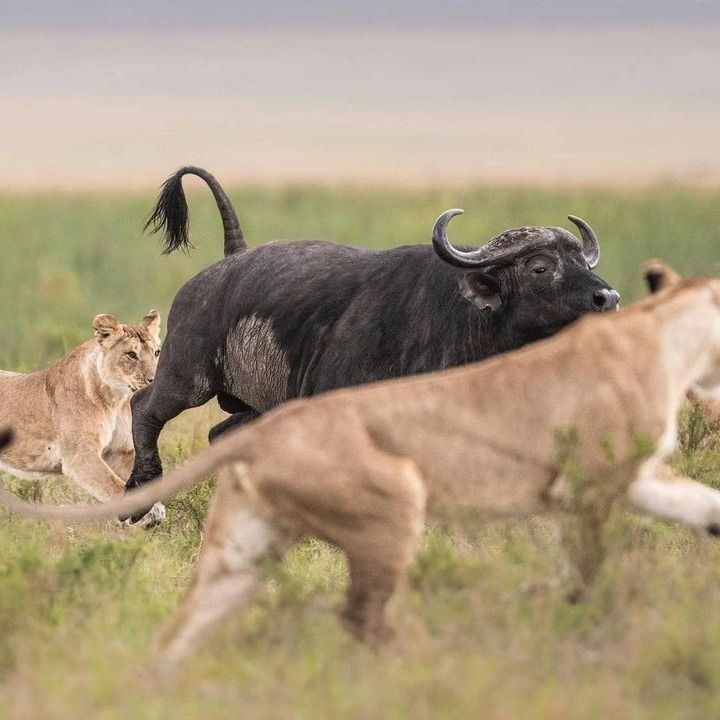
Eastern Serengeti Safari Guide: Ultimate Remote Cheetah Plains, Gazelle Seas & Big-Sky Solitude
Explore the Eastern Serengeti Safari region — the park's remote cheetah plains: Namiri open grass, coursing cheetahs, gazelle thousands and huge empty skies, with few vehicles in every month. Compact three-day expresses extend to four-, six-, seven- and twelve-day safaris with a Zanzibar finale.
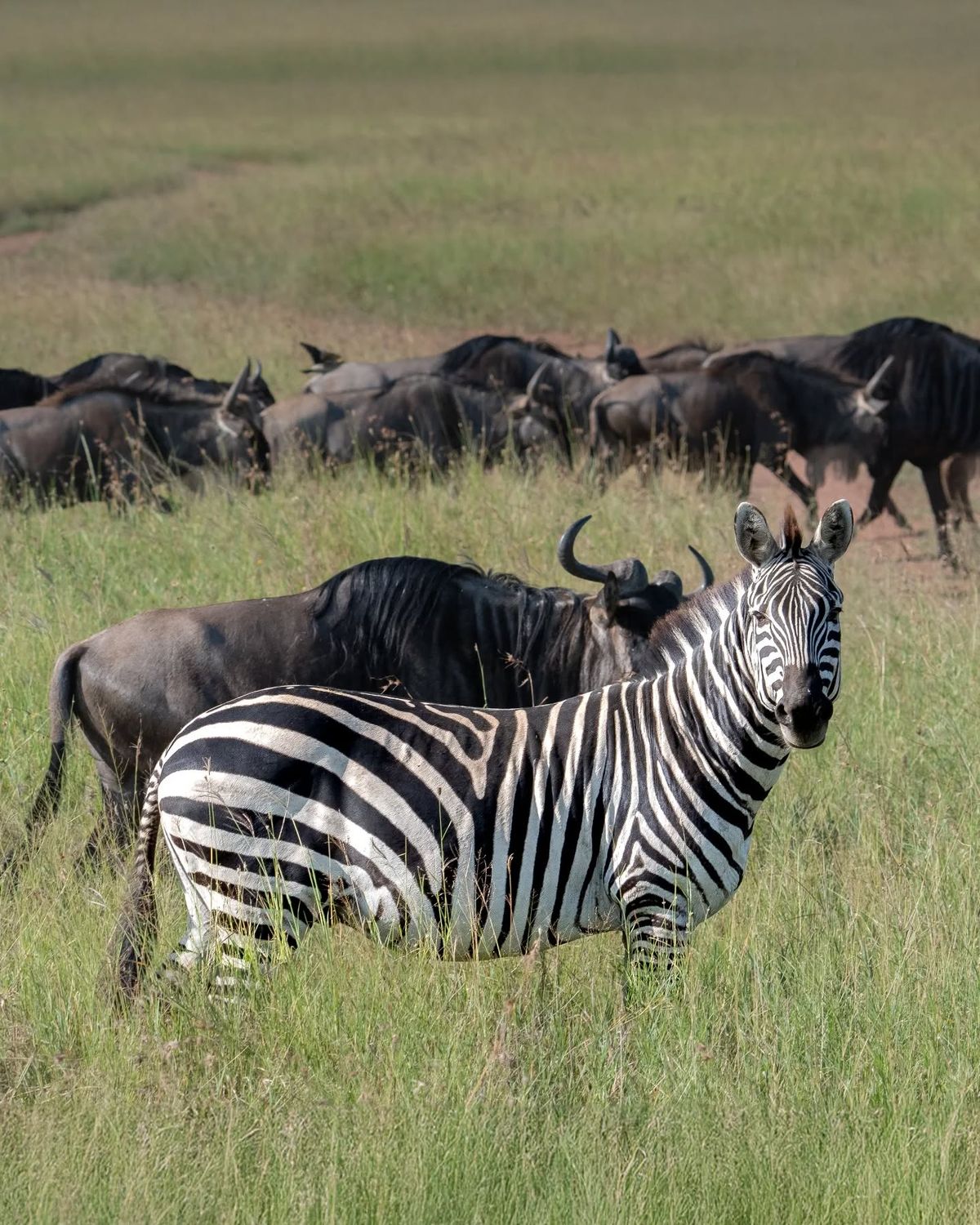
The Eastern Serengeti Safari Region
The Eastern Serengeti Safari region is the park's open secret: vast remote grass around Namiri where cheetahs course Thomson's gazelles across empty horizons, lions shadow the herds, and vehicles number in single figures. No rivers, no forests — just speed, space and sky.
Compact three-day expresses taste the grass; the four-day doubles cheetah time; six- and seven-day plans run circuits and remote weeks; and the twelve-day loop closes on Zanzibar. Every mound, herd line and session is confirmed in writing at booking.
- Cheetah hunting grounds
- Gazelle seas
- Big-sky horizons
- Kopje edges
- Few-vehicle solitude
- From 3-day expresses to island finales
Everything You Need to Know at a Glance
Remote East
The region spans the Namiri open grass, far eastern blocks and kopje edges, reached by road from Arusha past Seronera.
Speed Specialists
Coursing cheetahs, gazelle thousands, grass lions and big-sky raptors headline every eastern day.
Length is Flexible
Three days express the grass; four double cheetah time; six and seven run circuits and remote weeks; twelve close on Zanzibar. Your exact plan is confirmed when you book.
Stakeout Method
Termite-mound viewpoints and long glassing sessions beat mileage on open grass — patience over distance throughout.
How You Travel
Long Arusha road transfers plus open-grass game drives in a private 4WD with an English-speaking eastern guide.
Open Secret
The east runs quieter than any other Serengeti sector — sightings without crowds as standard.
Best Time to Go
Cheetahs course year-round; dry months bunch gazelle herds for drama, green months add colour and calves.
Price on Request
Pricing depends on group size, nights and camp tier. A confirmed quote is sent after you share your dates.
Eastern Serengeti Safari, Explained
Each stage works one open-country character. Follow cheetah grass at mid-morning, gazelle seas at midday, kopje edges in golden light and big skies throughout.
Region stage: Open Namiri grass stages the region's headline act: cheetahs coursing gazelles across empty horizons at mid-morning.
Safari activity: Termite-mound stakeouts with the engine off, scanning far grass in slow quarters for hours.
Wildlife focus: Coursing singles, mothers with cubs, gazelle stampedes and hovering raptors.
Destination context: Namiri's openness is the point — sightlines for kilometres in every direction.
Meals and timing: Full grass days carry picnic lunches; mid-morning is the hunting window.
Overnight and logistics: Eastern grass camps sit minutes from the mounds for repeat dawns.
Travel reality: Hunts ignite unpredictably; stakeouts outfish mileage.
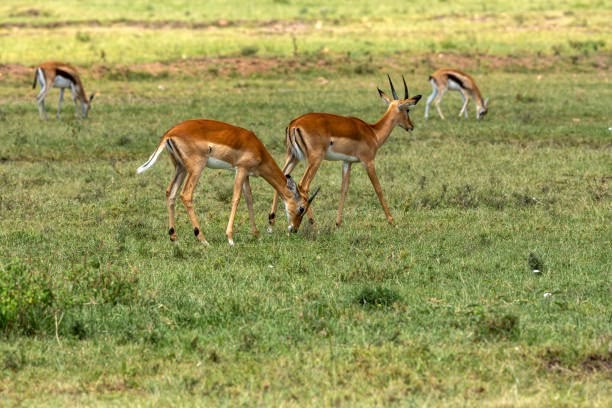
Region stage: Thomson's and Grant's gazelles mass in their thousands on the short grass, with nursery herds, stallion lines and fawns in season.
Safari activity: Slow herd-line circuits with long-lens stops and a grass picnic among the grazers.
Wildlife focus: Gazelle seas plus the jackals, hyenas and raptors that shadow them.
Destination context: The east's gazelle biomass rivals the migration herds of busier sectors.
Meals and timing: Midday herd light suits photography; dawn starts catch stallion clashes.
Overnight and logistics: Grass camps serve herd dawns without long commutes.
Travel reality: Herd positions drift with rain; circuits flex with fresh reports.
Region stage: Kopje edges hold lions and shade while raptors ride the thermals overhead and horizons run empty to every compass point.
Safari activity: Kopje glassing at midday, raptor watching through the heat, herd lines in golden evening light.
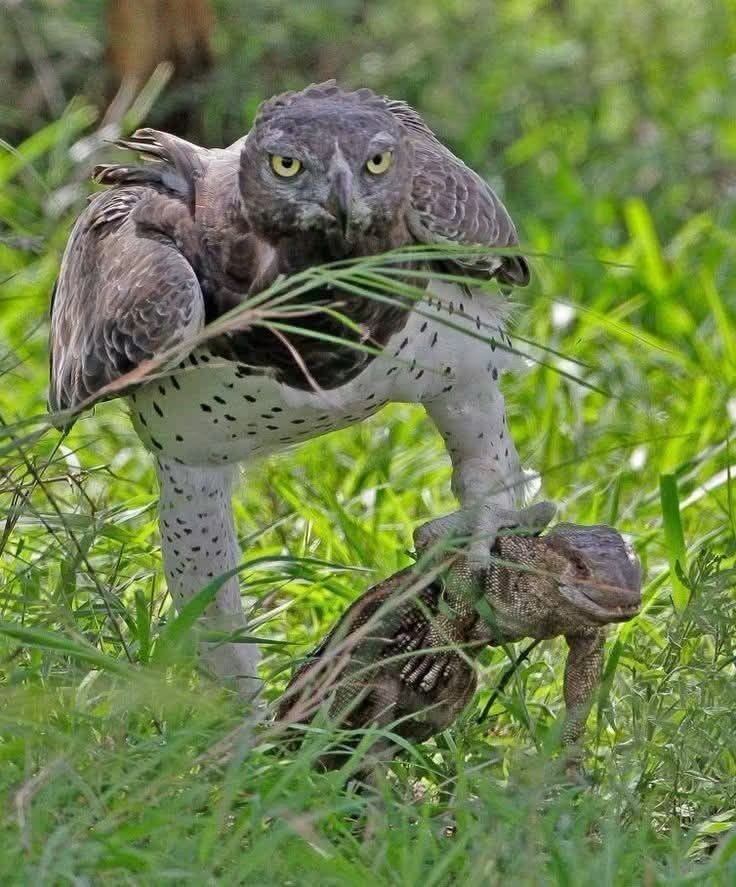
Wildlife focus: Kopje lions, martial eagles, bustards and sunset gazelle lines.
Destination context: Edges concentrate the east's variety where grass meets granite.
Meals and timing: Kopje picnics with big-sky views; evening lines fish the golden hour.
Overnight and logistics: Edge camps serve granite dawns and grass dusks alike.
Travel reality: Edges reward slow glassing; rushing them wastes the habitat.
Region stage: Longer plans add Seronera big-cat days to the grass program, run full remote weeks across blocks, or close on Zanzibar's beaches.
Safari activity: Revisit days replay the best grass; circuits extend west; island flights close the grand loop.
Wildlife focus: Grass depth plus cats, then reef life on the island chapter.
Destination context: The east opens every larger loop — circuits, weeks and beach finales all start on the grass.
Meals and timing: Full board in the bush; beach-standard board on the island chapter.
Overnight and logistics: Multi-position grass camps, plains camps and beach hotels confirmed per itinerary.
Travel reality: Longer chains need early holds on camps, flights and beach rooms alike.
Your Region: Grass → Herds → Edges → Horizons
An eastern circuit that fishes each open-country character in its best hour, from Arusha and back — with island options on the grand loop.
Meet at your hotel or airport and drive east.
Mound stakeouts at hunting hours.
Thousands on short grass.
Granite lions and raptors.
Horizons empty to every point.
Long road home, or island flights.
Interactive Safari Map
Follow the Arusha → Namiri → far blocks → kopje edges circuit stop by stop.
- Arusha
Safari capital gateway
Start and return by road - Namiri Grass
Cheetah hunting grounds
Mid-morning windows - Gazelle Seas
Thousands on short grass
Nursery herds - Kopje Edges
Granite lions and raptors
Golden-hour glassing - Big Skies
Empty horizons
Solitude standard
Best Time to Visit Eastern Serengeti Safari
The grass hunts year-round; seasons tune the supporting cast.
Wildlife of Eastern Serengeti Safari
Speed, numbers and big skies in every month.
Mothers, cubs and coursing singles on open grass.
Thousands strong on the short grass.
Larger herds on mixed grass.
Grass lions shadowing the gazelle seas.
Dawn callers on the tracks.
Night cleaners of the grass.
Booming males displaying on the pans.
Striding hunters behind the herds.
Heavyweight birds stalking the grass.
Perched hunters on the few trees.
Apex raptor over the grass sea.
Larks, pipits, rollers, cranes and raptors in volume.
| Animal | Potential Encounter | Best Viewing Context | Region Area |
|---|---|---|---|
Cheetah | Strong | Open grass at mid-morning | Namiri plains |
Thomson's Gazelle | Strong | Thousands on short grass | Open grass |
Grant's Gazelle | Strong | Larger herds, mixed grass | Open grass |
Lion | Strong | Grass shadows at dawn and dusk | Grass & kopjes |
Jackal | Strong | Dawn track callers | Tracks & grass |
Hyena | Strong | Night cleaners | Grass & pans |
Ostrich | Possible | Pan displays | Open pans |
Secretary Bird | Possible | Behind herds | Grass lines |
Kori Bustard | Possible | Stalking birds | Open grass |
Tawny Eagle | Possible | Perched hunters | Few trees |
Martial Eagle | Rare | Soaring apex raptor | Big skies |
No sighting is guaranteed. Animal movement varies with weather, season, food, water and the day-to-day conditions of the ecosystem.
Tanzania Safari Packages in Eastern Serengeti Safari
Every itinerary below works the remote eastern grass from Arusha — or flies to Zanzibar on the grand loop. Compare the three-day express, the four-day cheetah loop, the six-day grass circuit, the seven-day remote week and the twelve-day grass-to-island expedition, then request the current quotation for your dates.
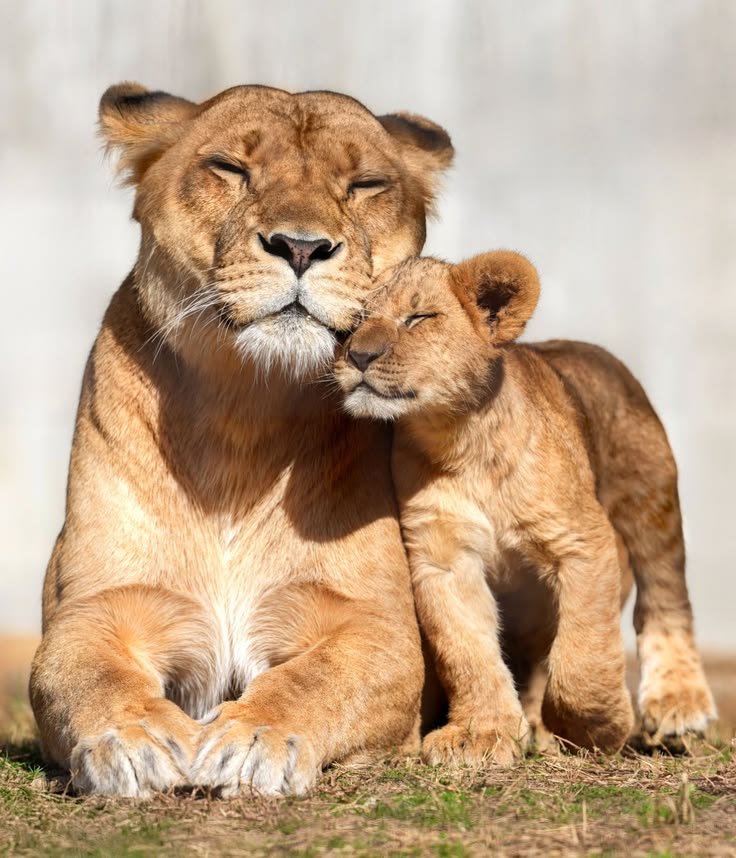
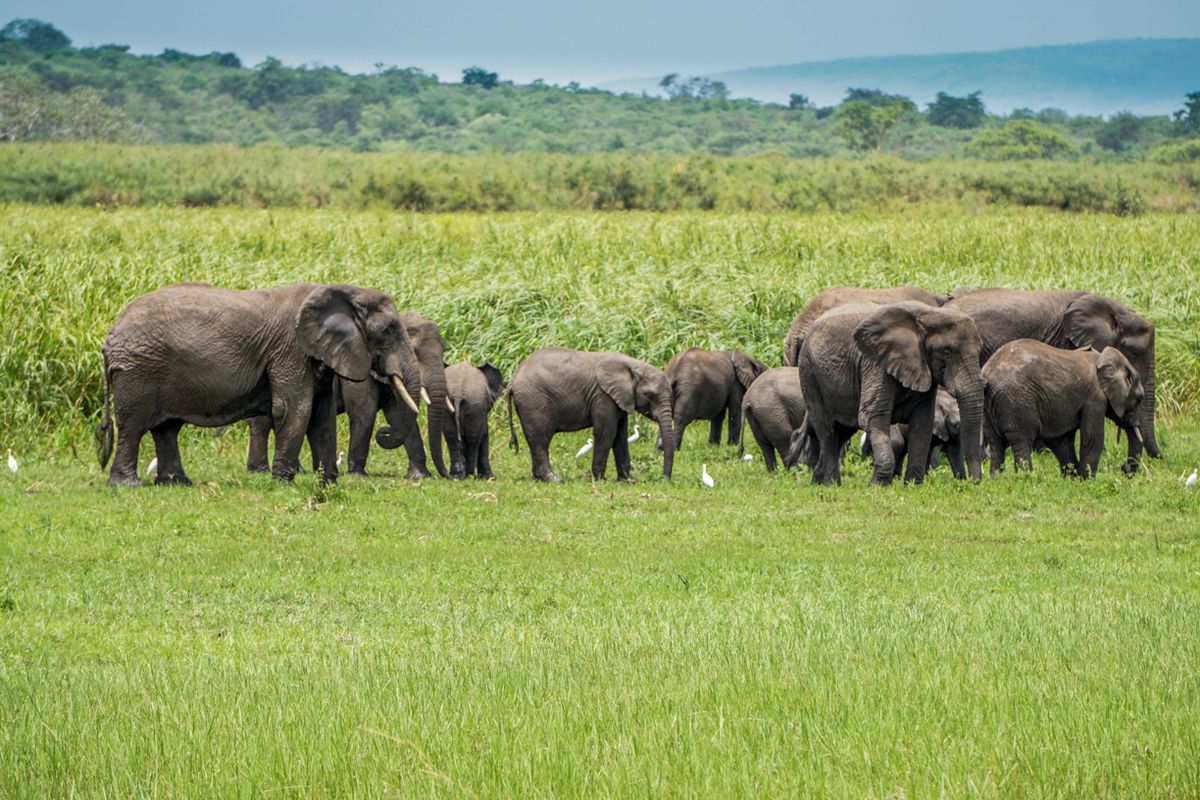
Prices are on request and confirmed against dates, group size, gates, accommodation and transfers. Equivalent or superior properties may be substituted when necessary.
Why Choose Kizza Adventures for This Region?
The Eastern Serengeti Safari region is planned around grass windows, herd reports and maximum open-country time with a wildlife-first approach.
Drives run on cheetah hunting hours, not on mileage targets.
Termite-mound viewpoints and long glassing sessions beat driving.
Guides reposition with fresh gazelle reports every evening.
Hunts ignite unpredictably; quotes state the odds plainly, never guaranteed.
The east stays empty — routes avoid the busy circuits by design.
Pricing is confirmed against dates, group size, gates, accommodation and final inclusions.
Wildlife is observed according to park rules, with no guaranteed sightings advertised.
Contact the safari team directly for current availability and the correct current quotation.
Photography Safari vs Game Viewing Safari
This page covers open-grass game viewing. A dedicated photography safari runs slower with specialist positioning.
| Feature | Game Viewing (This Page) | Photography Focus |
|---|---|---|
| Pace | Full grass days with picnic lunches | Dawn-to-dusk stakeouts, same subjects |
| Positioning | Best-available vehicle angles | Low angles, beanbags, golden light priority |
| Timing | Classic dawn-to-dusk field days | First and last light extended |
| Best For | Wildlife watchers and general photographers | Portfolio builders with long glass |
| Typical Start | Arusha by road | Arusha by road, slower schedule |
Essential Safari Travel Information
Operational requirements vary by nationality and travel date, so use official Tanzanian sources and your final booking documents for current requirements.
Travel with a passport valid for the required period and verify Tanzanian entry requirements for your nationality before departure.
Eastern entries and exit times are confirmed at booking. Keep your documents ready at the gate window.
Consult a qualified travel-health professional for vaccines, malaria prevention and any personal medical preparation.
Comprehensive travel insurance is strongly recommended for medical treatment, evacuation, cancellation and baggage disruption.
Mobile coverage is thinnest in the far east. Treat wilderness connectivity as intermittent rather than guaranteed.
Stay on designated tracks, remain in the vehicle when required and follow guide and park instructions.
Safari Gallery — Experience the Region Before You Arrive
Cheetah grass, gazelle seas, kopje edges and big skies of Eastern Serengeti Safari.
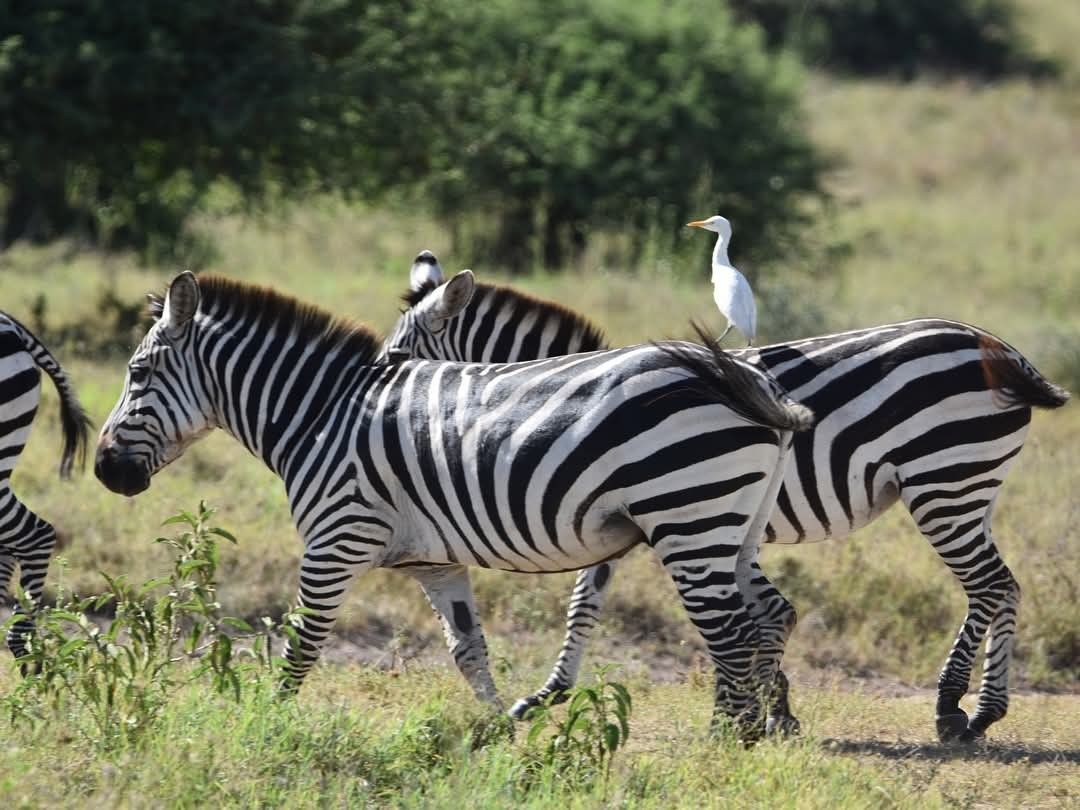
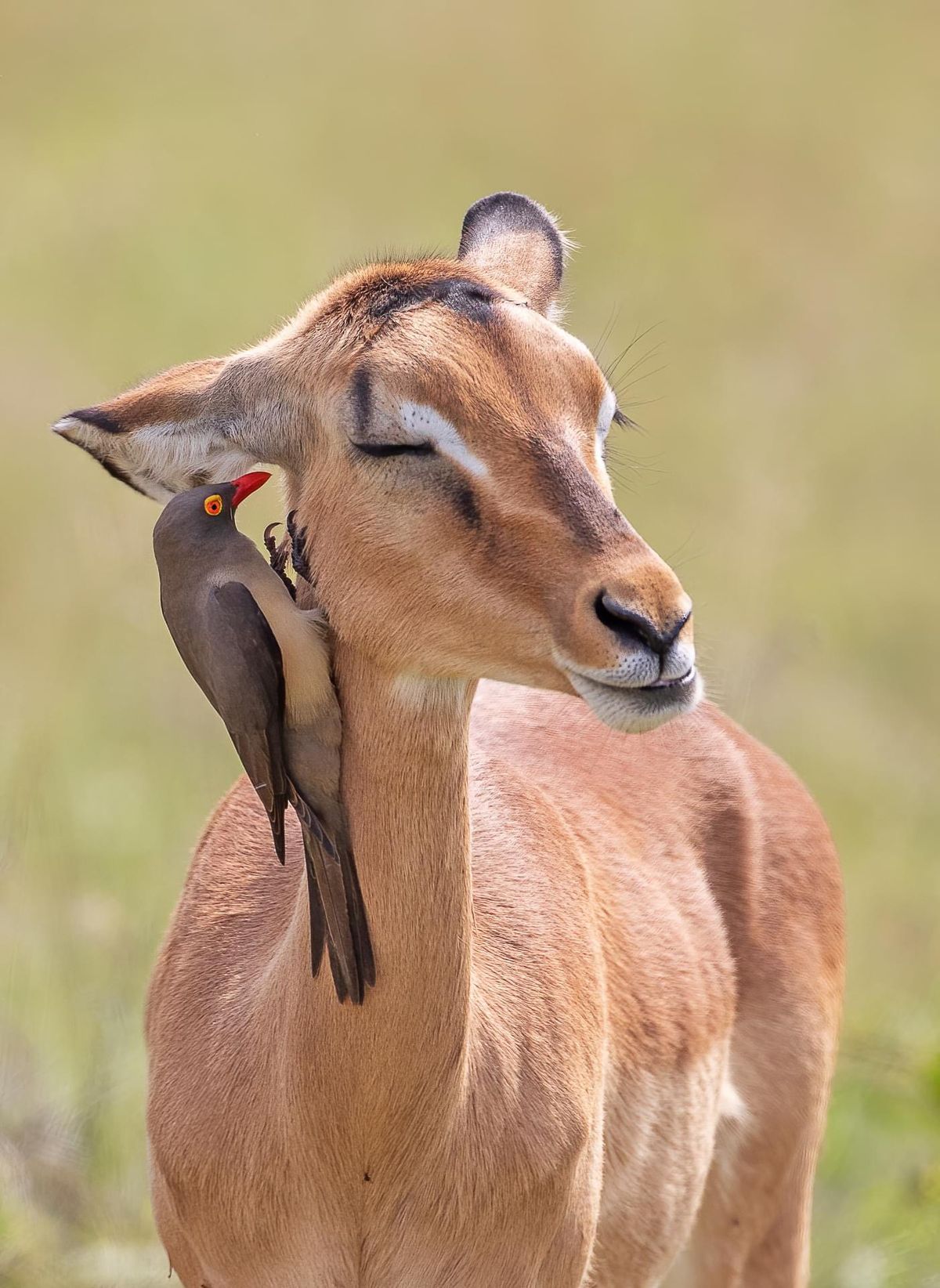
Frames from the grass, herds, edges and horizons. View complete gallery →
Frequently Asked Questions About Eastern Serengeti Safari
Practical answers for travellers planning a safari on the remote eastern grass.
How to Book a Safari in This Region
Requesting this region is straightforward: send your dates and group details, then confirm grass availability and the correct current quotation.
Share your preferred start date, Arusha hotel and number of travellers.
Decide between the 3, 4, 6, 7 or 12-day eastern plan.
Lock cheetah-ground camps and mound positions for your dates.
Review the proposed grass camps and any beach nights.
Get the current price, inclusions, park charges and payment instructions.
Receive the operational itinerary and packing list for your Arusha departure.
Ready for Cheetahs at Full Speed?
Plan the Eastern Serengeti Safari from Arusha across remote grass, gazelle seas and kopje edges — choose a 3, 4, 6, 7 or 12-day itinerary, confirm grass availability for your dates and request the current quotation.
Grass availability, nights and pricing are confirmed on booking.