Best time to visit Tanzania safari
★ Safari Guide · Tanzania · Kizza Adventures

Best Time to Visit Tanzania for Safari
Weather, Wildlife & Seasons

Discover the best time to visit Tanzania for safari. Learn about Tanzania's weather, safari seasons, Great Wildebeest Migration, Ndutu calving season and the best months to explore Serengeti, Ngorongoro and Tarangire with Kizza Adventures.

✓ June to October Best✓ Ndutu Calving Jan-Mar✓ Migration Crossings Jul-Sep✓ Year-Round Destination✓ Local Safari Experts
★
Private 4x4
Safari Land Cruisers
♥
Expert Guides
Throughout Your Journey
✈
100% Custom
Tailor-Made Itineraries
⛳
Local Experts
Born & Raised in Tanzania
☎
24/7 Support
Before & During Travel
Best Time To Visit Tanzania

When Is The Best Time To Visit Tanzania For Safari?

The best time to visit Tanzania for safari is generally June to October, when dry weather creates favourable conditions for wildlife viewing across Serengeti National Park, Ngorongoro Crater, Tarangire National Park and Lake Manyara National Park. However, January to March is the best period for experiencing the Great Wildebeest Migration calving season in Ndutu, while July to September offers opportunities to follow migrating herds in northern Serengeti during the Mara River crossing season.

At Kizza Adventures, we recommend choosing your Tanzania safari travel dates according to the wildlife activities you want to experience, the national parks you plan to visit and the amount of time available for your safari. Our experienced safari guides understand how seasonal changes influence wildlife movements, vegetation, road conditions and game-viewing opportunities across Tanzania's northern safari circuit.

Tanzania is a year-round safari destination, but each month offers different opportunities. Some months are better for following the Great Wildebeest Migration, others provide excellent conditions for spotting elephants, lions and other wildlife, while the green season offers opportunities for birdwatching and photography. Understanding Tanzania's safari seasons helps you choose the right travel period and plan a safari that matches your expectations.

At a Glance

Tanzania Safari Seasons — Quick Overview

Planning your dates? Here is the easiest way to understand Tanzania's safari seasons, the top months for every safari interest, and when to travel for the experience you want.

Best Overall
June to October
Wettest
April & May
Green Season
November to May
Calving Season
January to March
River Crossings
August & September
Most Affordable
April & May
Wildebeest Migration
January–March (Ndutu calving) and July–September (Mara River crossings)
Big Five Safari
June to October, especially Ngorongoro Crater for black rhino and big cats
Elephant Viewing
July to October in Tarangire as elephants gather at the river
Birdwatching
November to April when migratory birds arrive in the parks
Family Safari
June to October when dry weather makes travel between parks easier
Photography Safari
January–March (calves) and June–October (big herds) for the best light
Tanzania Safari Seasons

Tanzania Safari Seasons: Month-by-Month Guide

Tanzania has two main Seasons, dry and rainy periods, and each season influences wildlife distribution, vegetation, road conditions and safari activities. The table below provides an overview of what travellers can expect throughout the year and the months we recommend for different safari interests.

MonthWeatherWildlife and MigrationKizza Adventures Recommendation
JanuaryGenerally warm, with occasional showersWildebeest gather in Ndutu and calving activity beginsGood for Ndutu and southern Serengeti safaris
FebruaryWarm, with seasonal rainfallPeak wildebeest calving and increased predator activityOne of the best months for Ndutu calving season
MarchWarm, with increasing rainfall towards the end of the monthCalving continues, and herds begin preparing for seasonal movementGood for calving-season wildlife photography
AprilLong rainy seasonMigration movement through the Serengeti; green landscapesSuitable for flexible travellers and photography
MayLong rainy season, with improving conditions towards the endHerds move towards central and western SerengetiGood for quieter safaris and green-season scenery
JuneDry season beginsMigration moves through western Serengeti towards the northExcellent for general wildlife viewing
JulyGenerally dry and cool morningsHerds move towards northern Serengeti; river crossing opportunities beginGood for northern Serengeti migration safaris
AugustDry seasonMara River crossing opportunities in northern SerengetiExcellent for migration-focused safaris
SeptemberDry season, with limited rainfallContinued northern Serengeti migration and river crossing opportunitiesExcellent for general wildlife and migration viewing
OctoberGenerally dry, with changing seasonal conditionsSome herds begin moving southwardsGood for Tarangire, Ngorongoro and Serengeti
NovemberShort rainy season beginsMigration gradually moves towards central and southern SerengetiGood for birdwatching and green-season photography
DecemberGenerally warm, with occasional showersSome herds return towards southern Serengeti and NdutuGood for festive-season safaris and green landscapes

At Kizza Adventures, we recommend confirming the expected migration location before selecting accommodation, particularly for travellers interested in Ndutu calving season or Mara River crossings. The location of your accommodation can make a significant difference to the time spent on game drives.

Great Wildebeest Migration

Best Time for the Great Wildebeest Migration

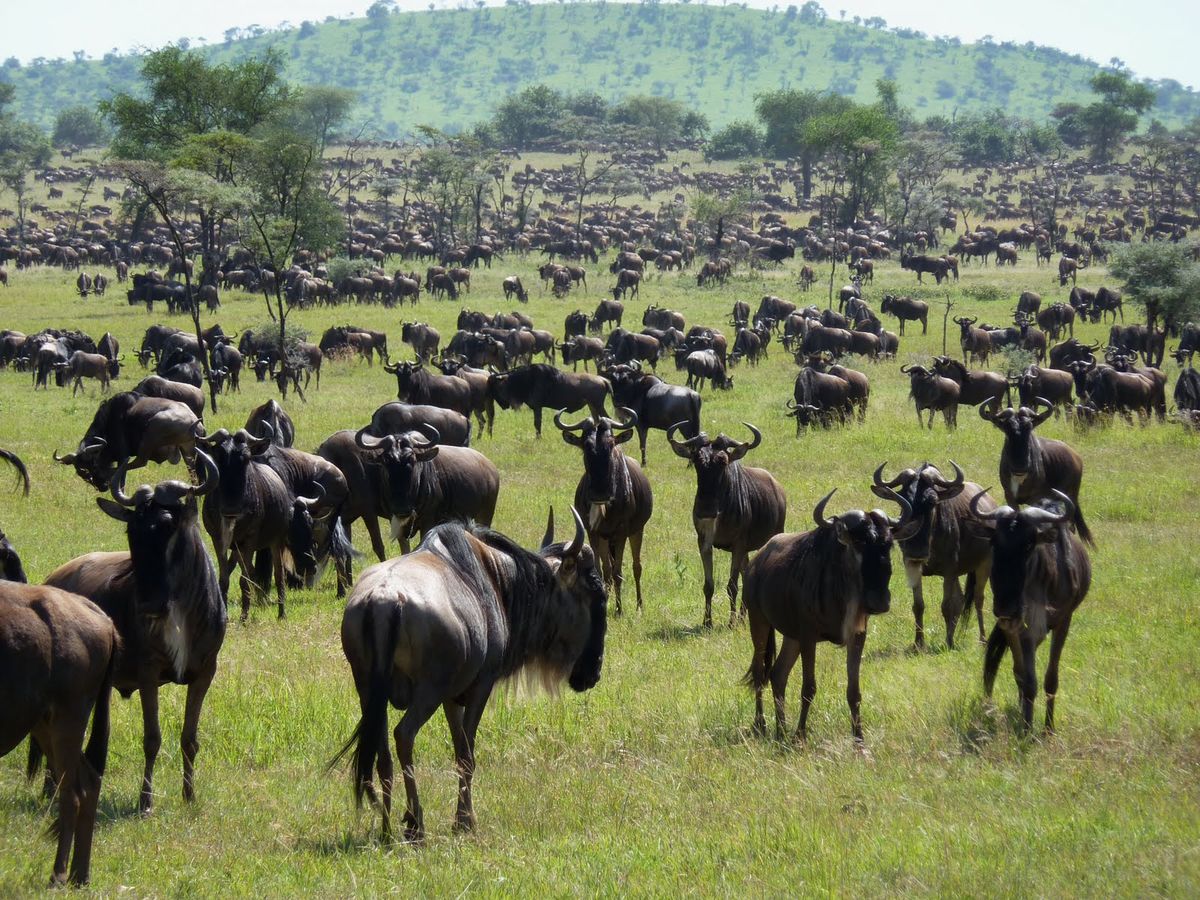
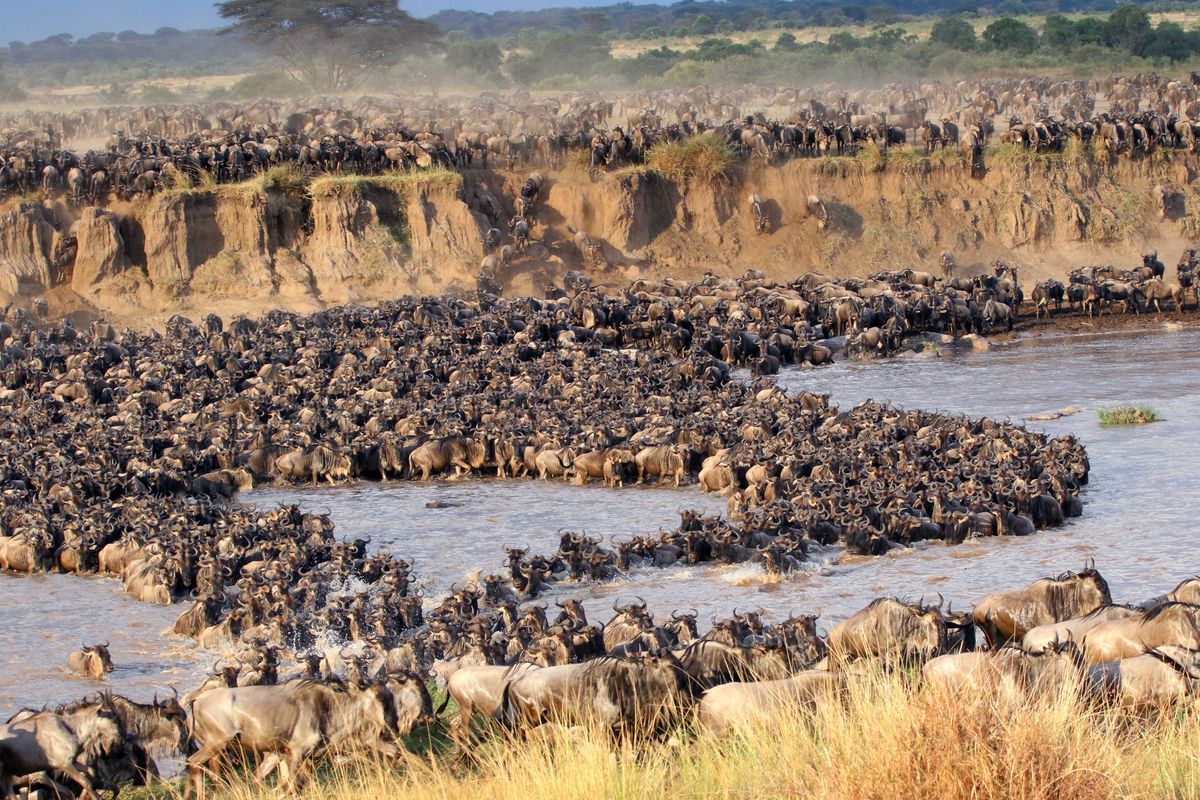
January to March is the best time to visit Tanzania for the Great Wildebeest Migration calving season in Ndutu, while July to September is the best period to follow the migration in northern Serengeti for opportunities to witness Mara River crossings. February is particularly good for seeing thousands of newborn wildebeest and increased predator activity, while August and September offer opportunities to observe large herds gathering along the Mara River.

At Kizza Adventures, we recommend January and February for travellers interested in wildebeest calving, and August and September for those whose main interest is the Mara River crossings. For June and July, we recommend considering the western and northern Serengeti, where migrating herds move towards the northern crossing areas. Our safari guides consider seasonal wildlife movements when recommending the best locations and accommodation for each travel period.

The exact timing and location of the migration can change depending on rainfall and grazing conditions, so we advise allowing flexibility when planning your safari.

January to March: Best Time for Ndutu Calving Season

January to March is the best time to visit Ndutu for the Great Wildebeest Migration calving season, with February generally being the peak month when large numbers of wildebeest give birth across the southern plains. Ndutu is located between the southern Serengeti and the Ngorongoro Conservation Area and provides important grazing grounds for migrating herds during this period.

February is particularly suitable for travellers interested in seeing newborn wildebeest, large herds grazing across the plains and predator activity. Lions, cheetahs, hyenas and jackals are commonly associated with the calving grounds because the availability of newborn animals attracts predators.

At Kizza Adventures, we recommend spending at least two to three nights in Ndutu if your main objective is to experience the wildebeest calving season. This gives our safari guides enough time to explore different areas, follow wildlife movements and search for predator activity around the grazing plains.

January and March are also good months for visiting Ndutu, although the number of newborn wildebeest and the distribution of herds vary throughout the season. Travellers should therefore avoid assuming that all wildlife activity will occur in exactly the same location every year.

April to May: Migration Movement Through the Serengeti

April and May are important transition months for the Great Wildebeest Migration as herds gradually move away from the southern plains towards the central and western Serengeti. The long rainy season brings fresh grass across different parts of the ecosystem, influencing where migrating animals gather and feed.

The green season provides opportunities for wildlife photography, especially for travellers interested in landscapes, grazing herds and birdlife. However, rainfall can affect road conditions, particularly in remote areas where tracks become muddy after heavy showers.

At Kizza Adventures, we recommend these months for travellers who have flexible schedules and prefer a quieter safari environment. Proper route selection is important because some accommodation locations may be less convenient depending on rainfall and the expected movement of migrating herds.

June to July: Best Time for Western and Northern Serengeti Migration

June and July are good months to follow the Great Wildebeest Migration as herds move through the western corridor and gradually approach northern Serengeti. The Grumeti River is an important obstacle along this route, where migrating wildebeest and zebras may gather before crossing.

By July, some herds begin reaching the northern Serengeti, particularly around Kogatende. However, the timing of migration activities depends on rainfall and grazing conditions, meaning that the exact location of the herds can vary between years.

We recommend June for travellers interested in the western Serengeti and July for those planning to explore the northern Serengeti. Travellers interested in river crossings should allow flexibility in their itinerary because these events cannot be scheduled according to fixed dates.

August to September: Best Time for Mara River Crossings

August and September are among the best months to visit northern Serengeti for opportunities to witness the Great Wildebeest Migration crossing the Mara River. During this period, large herds may gather along the riverbanks before attempting to cross towards the Masai Mara ecosystem in Kenya.

The Mara River crossings are unpredictable. Wildebeest can gather along the river for hours or days before crossing, and some crossings happen suddenly. Crocodiles inhabit the river, making the crossing a challenging part of the migration journey.

At Kizza Adventures, we recommend spending at least three nights in northern Serengeti if witnessing a Mara River crossing is your main safari objective. A longer stay provides more opportunities to follow the herds and allows our guides to adjust game-drive plans according to wildlife movements.

October to December: Migration Returns Towards Southern Serengeti

October to December is a transition period when many migrating herds gradually move from northern Serengeti towards the central and southern parts of the ecosystem. The movement is influenced by seasonal rainfall and the availability of fresh grazing.

November marks the beginning of the short rainy season in many northern Tanzania safari areas. By December, some herds may already be returning towards the southern Serengeti and Ndutu plains in preparation for the next calving season.

We recommend these months for travellers interested in following the migration away from the main northern river-crossing areas. However, exact herd locations should be assessed closer to the travel date because rainfall patterns differ from year to year.

Park-by-Park

Best Time to Visit Tanzania National Parks

The best time to visit Tanzania for safari also depends on the national parks you intend to explore. Each destination has different landscapes, wildlife populations and seasonal characteristics. Selecting the right travel period helps you get more from your safari itinerary.

Best Time to Visit Serengeti National Park

June to October is the best overall period to visit Serengeti National Park for dry-season wildlife viewing, while January to March is ideal for experiencing the Great Wildebeest Migration calving season in Ndutu and the southern Serengeti. July to September is particularly important for travellers interested in northern Serengeti and Mara River crossing opportunities.

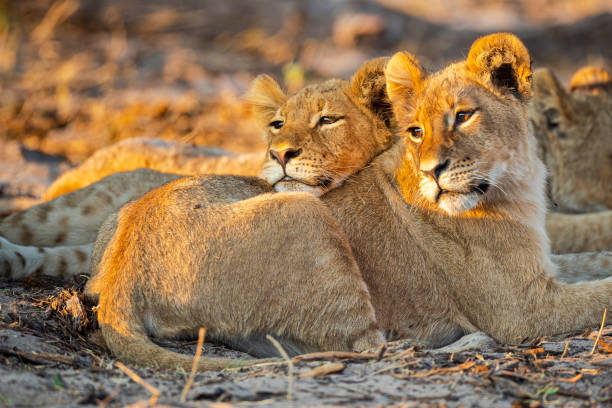
Serengeti is one of Tanzania's most important wildlife destinations because it supports large populations of lions, elephants, leopards, cheetahs, giraffes, zebras and other animals. Its extensive plains also provide the main grazing grounds for the Great Wildebeest Migration.

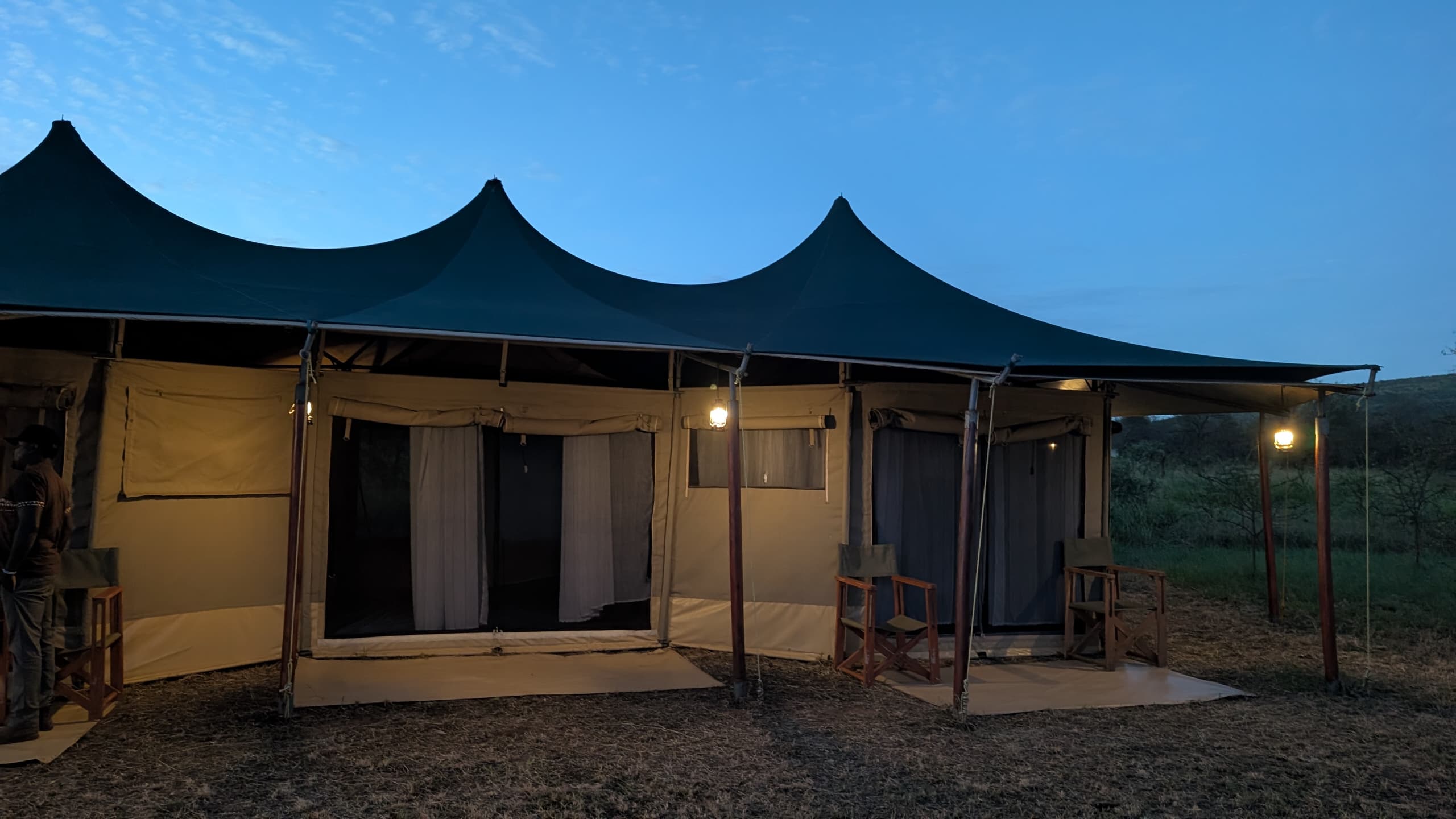
At Kizza Adventures, we recommend choosing Serengeti accommodation according to the expected migration location rather than selecting a lodge simply because it is located within the national park. Serengeti covers a vast geographical area, and travelling between the southern, central, western and northern regions can take several hours.

Best Time to Visit Ngorongoro Crater

June to October is an excellent period to visit Ngorongoro Crater because dry-season conditions generally support good road access and wildlife viewing. However, Ngorongoro Crater offers opportunities to see wildlife throughout the year, making it one of the most reliable destinations on the northern Tanzania safari circuit.

The crater floor supports a high concentration of wildlife, including lions, elephants, buffaloes, zebras, hippos and the endangered black rhino. Its relatively compact geographical area allows visitors to encounter several wildlife species during a single game drive.

At Kizza Adventures, we recommend including Ngorongoro Crater in both short and extended Tanzania safari itineraries. Its year-round wildlife population makes it a suitable destination regardless of whether you are visiting during the dry or rainy season.

Best Time to Visit Tarangire National Park

June to October is the best time to visit Tarangire National Park, when elephants and other wildlife gather around the Tarangire River and remaining water sources. As seasonal water sources disappear, the river becomes increasingly important for animals living within and around the park.

Tarangire is particularly known for its large elephant populations, ancient baobab trees, lions, giraffes, zebras and diverse birdlife. During the dry season, animals are often easier to locate because they depend on fewer available water sources.

At Kizza Adventures, we recommend visiting Tarangire between August and October for travellers interested in elephant viewing and general wildlife photography. The park is also an excellent addition to a northern Tanzania safari that includes Serengeti and Ngorongoro Crater.

Best Time to Visit Lake Manyara National Park

June to October is generally a good period to visit Lake Manyara National Park for dry-season wildlife viewing, while November to April can offer good birdwatching opportunities depending on water levels and seasonal conditions.

Lake Manyara is known for its groundwater forest, elephants, large baboon troops, hippos and diverse bird species. The park is also associated with tree-climbing lions, although sightings are not guaranteed.

We recommend Lake Manyara for travellers exploring the northern Tanzania safari circuit, particularly those with additional time before or after visiting Tarangire and Ngorongoro. Its different landscape and forest environment provide a contrast to the open plains of Serengeti.

Tanzania Safari Weather

Tanzania Safari Weather: What to Expect Throughout the Year

Tanzania's safari weather varies according to geographical location, altitude and seasonal rainfall. The northern safari circuit generally experiences warm daytime temperatures, cooler mornings and evenings, and seasonal changes in rainfall that influence wildlife movements and road conditions.

During the dry season, daytime temperatures in many northern Tanzania safari areas commonly range between 20°C and 30°C, although temperatures vary with altitude and location. Ngorongoro Highlands can be considerably colder, particularly during early morning game drives.

The rainy season brings increased vegetation and changing road conditions. Rainfall is not necessarily continuous throughout the day, but heavy showers can affect travel in some remote safari areas. Travellers should therefore pack suitable clothing for both warm daytime conditions and cold early mornings.

At Kizza Adventures, we advise travellers to carry comfortable safari clothing, a warm jacket, closed shoes, sunglasses and sun protection regardless of their travel month. Temperatures in the Ngorongoro Highlands can be surprisingly cold compared with the lower-lying areas of Tarangire and Serengeti.

Safari Experiences

Best Time to Visit Tanzania for Different Safari Experiences

The best time to visit Tanzania depends not only on the weather but also on the wildlife activities you want to experience. Some travellers prioritise the Great Migration, while others are interested in seeing the Big Five, photographing elephants, enjoying birdwatching or combining a wildlife safari with a Zanzibar holiday.

Best Time for a Big Five Safari in Tanzania

Throughout the year you can experience Big Five safari in Tanzania, But June to October is an excellent period for a Big Five safari in Tanzania because dry-season conditions generally improve wildlife visibility in several national parks. Ngorongoro Crater is particularly suitable for travellers interested in seeing lions, elephants, buffaloes, leopards and black rhinos.

At Kizza Adventures, we often recommend combining Ngorongoro Crater with Serengeti National Park because these destinations provide different wildlife environments and opportunities. However, the Big Five cannot be guaranteed during any safari, and sightings depend on animal movements and luck.

Best Time for Elephant Viewing in Tanzania

July to October is the best period for elephant viewing in Tarangire National Park because elephants and other wildlife gather around the Tarangire River as seasonal water sources become limited. Large elephant herds can be encountered moving through the park and around its characteristic baobab landscapes.

We recommend including Tarangire in a dry-season northern Tanzania safari, particularly for travellers interested in elephant photography and wildlife observation.

Best Time for Birdwatching in Tanzania

November to April is a good period for birdwatching in Tanzania because migratory birds arrive from different regions, increasing the variety of species present in the country's national parks and conservation areas.

Lake Manyara, Serengeti and Ngorongoro offer different birdwatching environments, including forests, lakes, grasslands and highland habitats. The availability of water and seasonal vegetation also influences bird distribution.

At Kizza Adventures, we recommend this period for travellers whose main interest is birdwatching and nature photography.

Best Time for a Tanzania Family Safari

June to October is an excellent period for a Tanzania family safari because relatively dry weather makes travelling between national parks easier. Families can explore Tarangire, Serengeti and Ngorongoro within a single itinerary while enjoying generally favourable game-drive conditions.

We recommend planning family safaris with reasonable driving distances, suitable accommodation and sufficient time in each destination. The right itinerary should consider the ages of children, preferred activities and the amount of time available for travel.

Best Time for a Tanzania Photography Safari

January to March and June to October are excellent periods for a Tanzania photography safari, depending on the wildlife subjects and landscapes you want to capture. Ndutu offers opportunities to photograph newborn wildebeest and predator activity, while the dry season provides good conditions for photographing large herds, elephants and other wildlife.

We recommend selecting accommodation close to your preferred photography locations to reduce unnecessary driving and allow more time for game drives. Travellers interested in the Great Migration should also allow flexibility because wildlife activity can change from one day to another.

Low Season

Is Tanzania Worth Visiting During the Low Season?

Yes, Tanzania is worth visiting during the low season, particularly in April and May when the long rainy season brings green landscapes and fewer visitors to many safari destinations. Although rainfall can affect road conditions and accommodation availability, wildlife viewing remains possible in several national parks.

The green season also provides opportunities for birdwatching, landscape photography and observing animals against greener backgrounds. Some accommodation providers offer lower seasonal rates during this period, making it an option for travellers looking to manage their safari budget.

At Kizza Adventures, we do not automatically discourage travellers from visiting Tanzania during the rainy season. Instead, we consider their travel dates, preferred destinations, accommodation choices and wildlife interests before recommending a suitable safari route.

Duration

How Many Days Do You Need for a Tanzania Safari?

Five to seven days is a good duration for exploring the main destinations on the northern Tanzania safari circuit, while eight to ten days provides more time to explore different regions of Serengeti and follow the Great Wildebeest Migration.

A shorter safari can cover Tarangire and Ngorongoro Crater, but travellers who want to explore Serengeti should allow enough time for driving and wildlife viewing. The distance between different safari destinations can be considerable, particularly when travelling to northern Serengeti.

At Kizza Adventures, we recommend spending more time in the park that matches your main wildlife interest rather than visiting too many destinations within a limited number of days. Travellers interested in Ndutu should allow at least two to three nights in the area, while those targeting Mara River crossing opportunities should consider three or more nights in northern Serengeti.

Booking

When Should You Book Your Tanzania Safari?

Booking your Tanzania safari six to twelve months in advance is advisable for peak-season travel, especially if you plan to visit northern Serengeti during the migration season or Ndutu during February. Early booking gives you more accommodation choices and makes it easier to secure lodges and camps in the locations that match your safari interests.

July, August and September are particularly popular because of the dry season and the possibility of witnessing Mara River crossings. January and February also attract significant interest from travellers planning to experience the wildebeest calving season.

At Kizza Adventures, we recommend confirming your travel dates and preferred wildlife activities before choosing accommodation. The location of your camp or lodge is an important part of safari planning because staying close to the expected wildlife area can reduce driving time and provide more opportunities for game drives.

We also encourage travellers to remain flexible when planning migration safaris. The Great Wildebeest Migration follows rainfall and grazing conditions rather than fixed calendar dates. Although our safari guides can use seasonal knowledge to recommend suitable locations, exact river-crossing dates and wildlife sightings cannot be guaranteed.

FAQs

Frequently Asked Questions About the Best Time to Visit Tanzania for Safari

Answers to the most common questions about the best time to visit Tanzania for safari.

What is the best time to visit Tanzania for safari?
June to October is the best overall time to visit Tanzania for safari because it generally offers dry weather, good wildlife visibility and favourable game-drive conditions. January to March is particularly good for the Great Wildebeest Migration calving season in Ndutu.
What is the best month to visit Tanzania for wildlife?
September is one of the best months for general wildlife viewing in Tanzania because dry-season conditions continue across many safari destinations. February is particularly good for wildebeest calving, while August offers opportunities to follow migrating herds in northern Serengeti.
When is the Great Migration in Tanzania?
The Great Wildebeest Migration takes place throughout the year in the Serengeti ecosystem. January to March is the calving season in Ndutu, June and July are important migration months in the western and northern Serengeti, while August and September offer opportunities to witness Mara River crossings.
What is the best time to visit Ndutu for wildebeest calving?
January to March is the best time to visit Ndutu for the wildebeest calving season, with February generally being the peak month. During this period, large numbers of wildebeest give birth across the southern plains, attracting predators such as lions, cheetahs and hyenas.
What is the best time to visit Serengeti National Park?
June to October is the best overall period for dry-season wildlife viewing in Serengeti National Park. January to March is ideal for the calving season in southern Serengeti and Ndutu, while August and September are important months for migration activities in northern Serengeti.
What is the best time to see the Big Five in Tanzania?
June to October is an excellent period for a Big Five safari in Tanzania. Ngorongoro Crater is particularly suitable for wildlife viewing because it supports populations of lions, elephants, buffaloes, leopards and black rhinos throughout the year.
Is January a good time for a Tanzania safari?
Yes, January is a good month for a Tanzania safari, particularly in Ndutu and southern Serengeti, where wildebeest begin gathering for the calving season. It is also a suitable period for birdwatching and wildlife photography.
Is February a good time to visit Tanzania?
Yes, February is one of the best months to visit Tanzania for the Great Wildebeest Migration calving season. Large numbers of wildebeest give birth across the Ndutu plains, creating opportunities to observe newborn calves and predator activity.
Is August a good month for a Tanzania safari?
Yes, August is one of the best months for a Tanzania safari, particularly for travellers interested in northern Serengeti and possible Mara River crossings. It is also a good period for elephant viewing in Tarangire and general wildlife viewing in Ngorongoro Crater.
Is September better than August for a Tanzania safari?
Both August and September are excellent months for a Tanzania safari. September offers continued dry-season conditions and further opportunities to follow migrating herds in northern Serengeti. The better choice depends on the expected migration location and accommodation availability.
Can I visit Tanzania during the rainy season?
Yes, Tanzania is open for safari throughout the year. March to May is the main rainy season, but visitors can still enjoy wildlife viewing, green landscapes and birdwatching. Proper safari planning is important because rainfall can affect road accessibility in some areas.
What is the cheapest time to visit Tanzania for safari?
April and May are often among the more affordable months for a Tanzania safari because they fall within the long rainy season. Some accommodation providers offer lower seasonal rates, although prices and availability vary between properties.
How many days are enough for a Tanzania safari?
Five to seven days is a good duration for exploring Tarangire, Serengeti and Ngorongoro Crater. Travellers interested in the Great Wildebeest Migration should consider eight to ten days to allow more time in the relevant Serengeti regions.
How far in advance should I book a Tanzania safari?
We recommend booking approximately six to twelve months in advance for peak-season safaris, particularly for July to September and the February calving season. Early booking provides more accommodation choices in popular safari areas.
Our Recommendation

What We Recommend at Kizza Adventures

At Kizza Adventures, we recommend choosing your Tanzania safari dates based on the national parks you plan to visit and the wildlife experiences you want to enjoy, rather than assuming that June to October is the best time for every destination. For travellers planning a classic safari combining Serengeti National Park, Ngorongoro Crater and Tarangire National Park, we recommend June to October because the dry-season conditions often make wildlife easier to spot as animals gather around reliable water sources and vegetation become less dense. However, January to March is particularly suitable for visiting the Ndutu area in the southern Serengeti ecosystem during the wildebeest calving season. For Tarangire, July to October offers good opportunities to see large elephant herds around the Tarangire River, while Ngorongoro Crater provides wildlife viewing throughout the year, with June to October generally offering drier conditions. Lake Manyara is also worth visiting during the dry season, although the green season from November to May offers lush scenery and good birdwatching opportunities. Our recommendation is to plan your safari around the wildlife you most want to see, as animal movements and seasonal conditions vary throughout the year. Our team at Kizza Adventures can help you choose suitable travel dates and design an itinerary that matches your interests.

🏆 Start Your Safari Journey

Ready for the Adventure of a Lifetime?

Get a free, personalised safari quote in under 24 hours. No commitment. No pressure. Just your dream itinerary, crafted by people who love Tanzania as much as you will.

✓ Free Custom Itinerary
✓ No Booking Fee
✓ Reply Within 24 Hours
✓ Flexible Cancellation

Welcome to Kizza Adventures!

Embark on unforgettable journeys through Tanzania's breathtaking landscapes!

Discover the magic of Kilimanjaro, the Serengeti, and beyond. Our expert guides ensure safe, thrilling adventures tailored just for you.

Message Us on WhatsApp