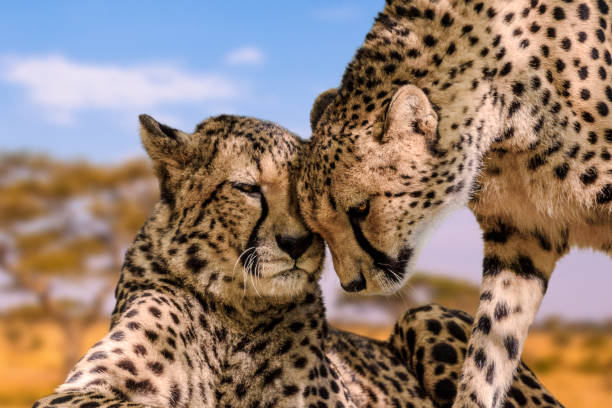
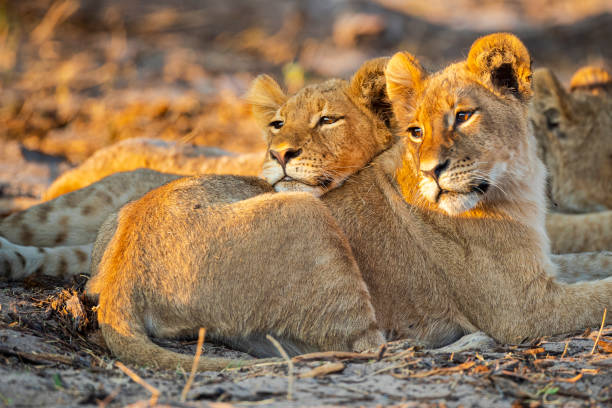
Cheetahs in the Serengeti
Kenya & Tanzania — 10 Days

10-Day All-Inclusive 5-Star Maasai Mara & Serengeti Beach Safari

Discover the beaches of Zanzibar after the Maasai Mara and Serengeti — luxury lodges and premium camping with Kizza Adventure, all-inclusive and private throughout.

✓ Maasai Mara & Serengeti✓ Zanzibar Beach Finish✓ Lodges & Premium Camping✓ Private 4x4 & Guides
Quick Facts

Mara & Serengeti at a Glance

The journey on one screen — route, rhythm, stays and seasons before you read a single day plan.

10 Days, 2 CountriesKenya, Tanzania & Zanzibar
2 Iconic EcosystemsMaasai Mara + Serengeti
Cross-Border FinishIsebania crossing, then the Indian Ocean
Luxury & Premium CampingPrivate, couples, family or custom
The luxury safari concept

One Journey. Two Legendary Wildlife Landscapes.

This safari is designed for travellers who want to experience the Maasai Mara, Serengeti and Zanzibar in one East African safari instead of choosing only one destination. The result is a richer wildlife journey: the Mara's open grasslands and predator-rich plains paired with the vast Serengeti ecosystem in northern Tanzania.

Rather than treating luxury as a hotel room alone, the experience is built around the entire journey — private or carefully matched safari planning, comfortable road or flight logistics where selected, well-positioned game drives, refined accommodation, premium tented camping options, excellent time in the bush and clear support from enquiry through departure.

Built around your dates. Migration timing, preferred accommodation, border logistics, trip pace, photography priorities, family needs and travel style can all be considered when the final itinerary is prepared.

What “all-inclusive” means here

The final quotation is the source of truth for the exact package. A tailored all-inclusive design can bring together accommodation, safari transport, game drives, guiding, selected meals, park/reserve arrangements, cross-border assistance and other agreed services.

Luxury lodgingPremium campingGame drivesSafari guideMeal planBorder support
Two destinations, two moods

Maasai Mara & Serengeti — Different Landscapes, One Connected Safari

The Mara–Serengeti system is a connected cross-border wildlife landscape, with the two famous protected areas forming part of a larger ecosystem.

Maasai Mara safari Kenya luxury wildlife landscape
Kenya

Maasai Mara National Reserve

Open savanna, big cats, dramatic wildlife encounters and the Kenyan side of the Mara–Serengeti ecosystem. Plan morning and afternoon game drives around the light, wildlife movement and your accommodation location.

Maasai Mara safariMasai Mara safariLuxury Mara
Keep exploring — Maasai Mara safaris
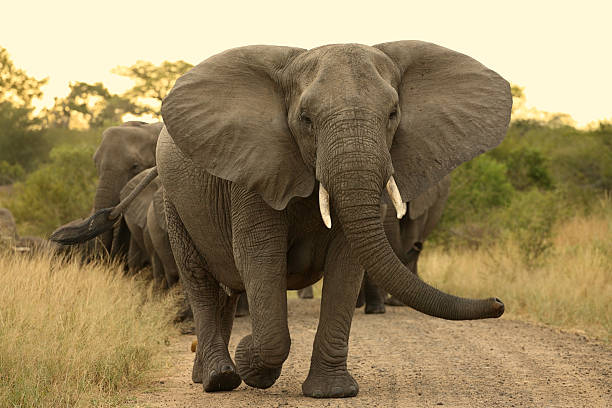
Elephants in the Serengeti
Tanzania

Serengeti National Park

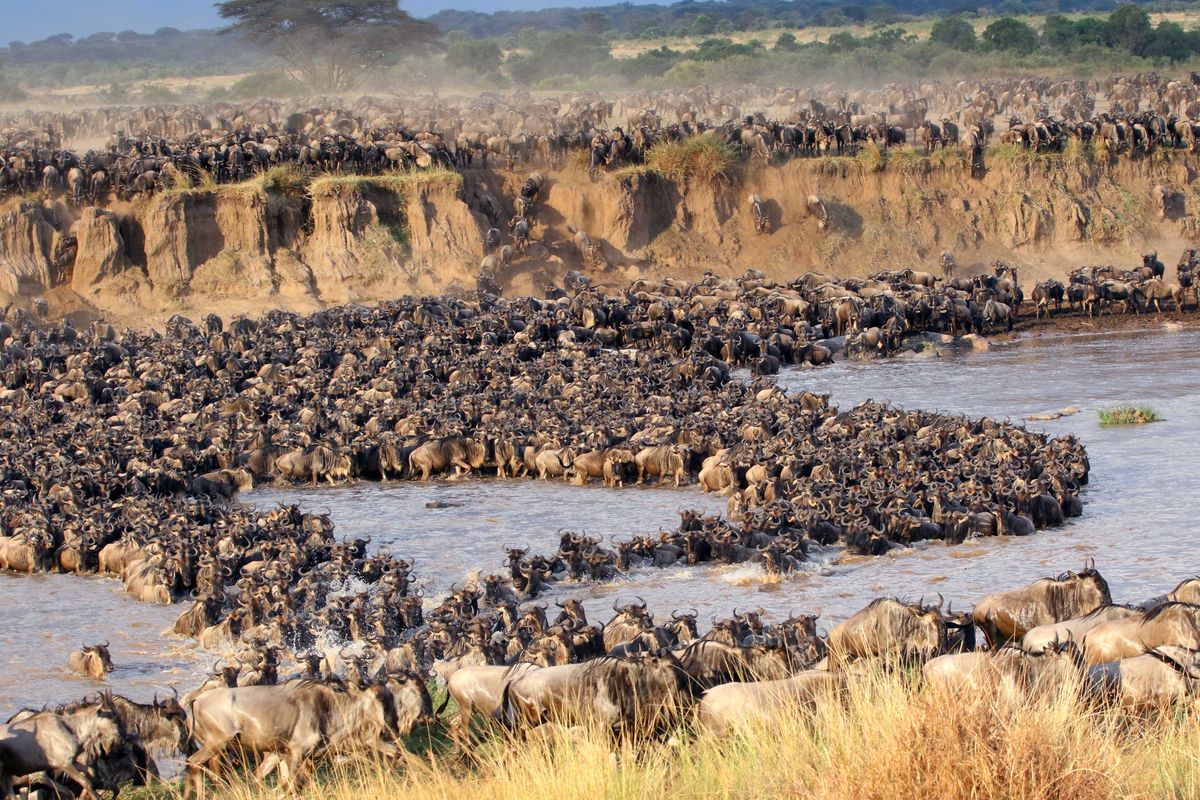
Endless plains, major predator habitat and one of Africa's best-known migration landscapes. TANAPA describes the Great Migration and the park's exceptional wildlife concentrations among its major attractions.

Serengeti safariGreat MigrationLuxury Serengeti
Keep exploring — Serengeti safaris
Premium safari details

What Makes This a 5-Star Safari Experience?

Luxury is not just the room. It is the quality of the planning, the comfort of the journey, the rhythm of the game drives, the standard of the accommodation and the care taken with every transition.

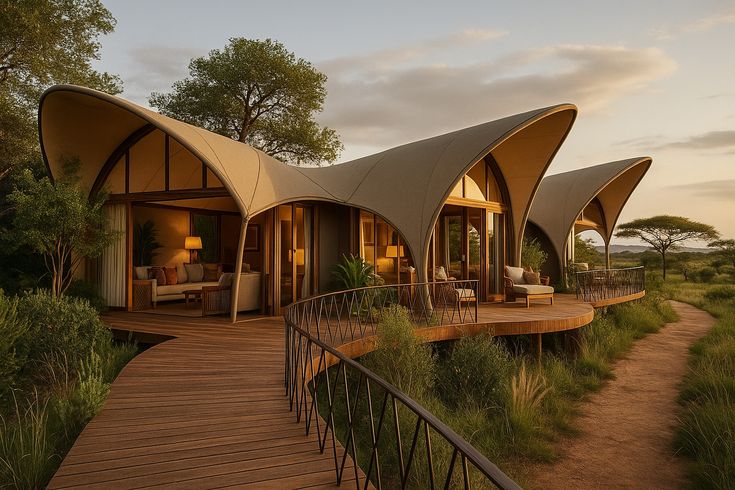
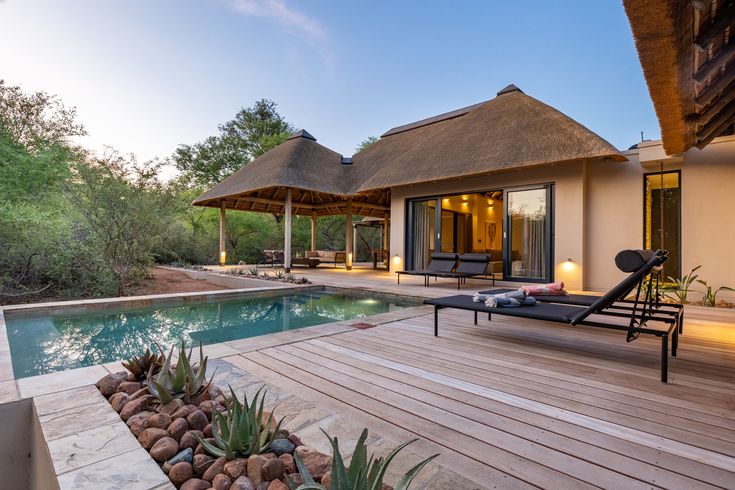
Premium safari lodge exterior

Luxury Lodges

Elegant rooms or suites, strong locations, thoughtful service, dining and the comfort expected from a premium safari stay. The exact property depends on availability, season and the selected budget level.

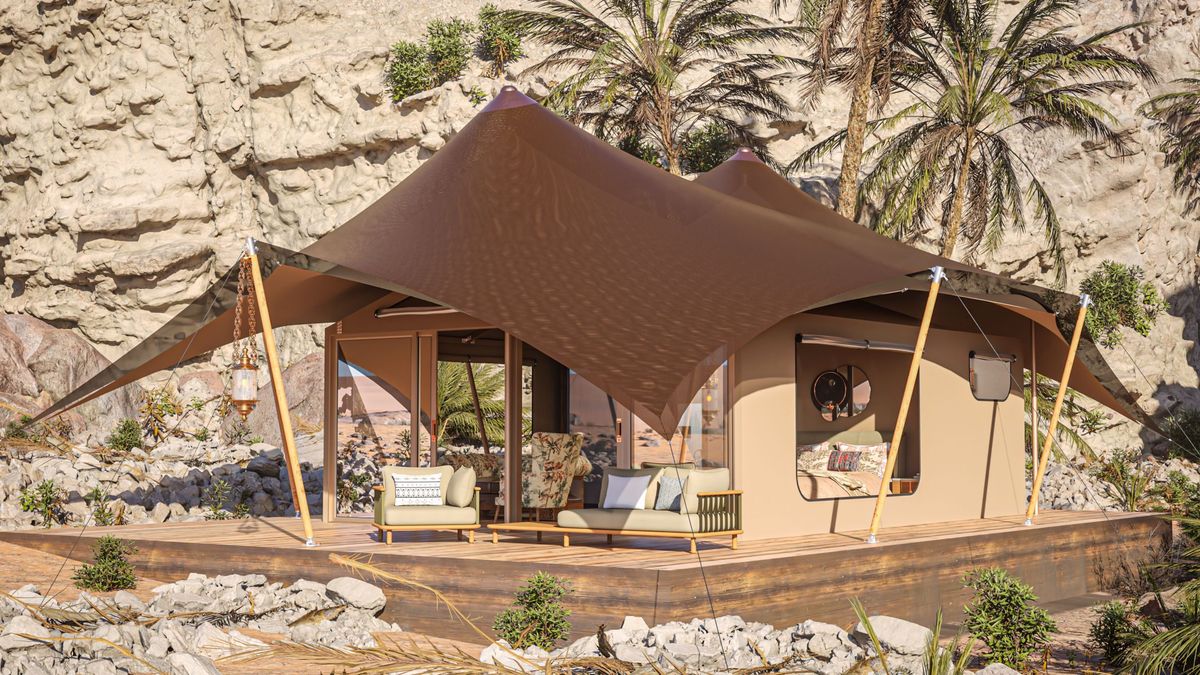
Luxury tented camp suite

Premium Tented Camping

For guests who want a closer-to-nature feeling, premium tented camps can deliver en-suite comfort, proper beds, dining and an immersive bush atmosphere without sacrificing the spirit of a luxury safari.

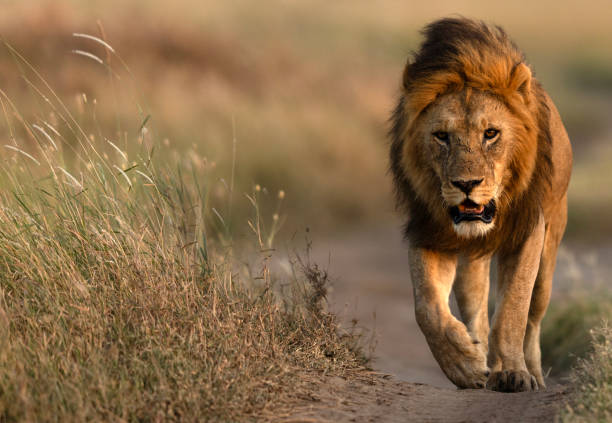
Male lion walking in the bush

Wildlife-Focused Game Drives

Time in the field is structured around wildlife behaviour, photography light, seasonal movement and the destination. The goal is not simply to drive through a park but to experience it attentively.

Acacia tree on the savanna

Seamless Logistics

A cross-border safari needs more planning than a single-country circuit. Routes, vehicle arrangements, immigration steps and timing are considered together so the itinerary reads as one journey.

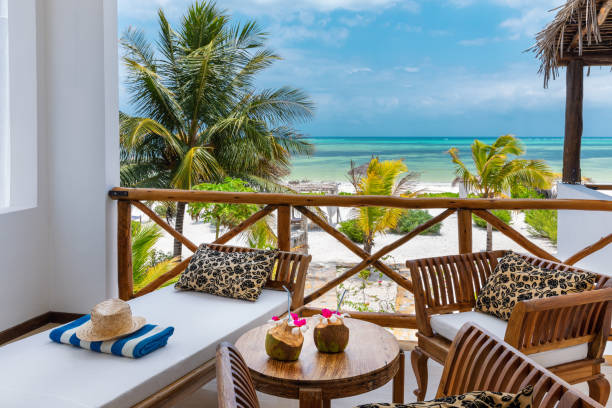
Beach resort deck with fresh coconuts

Dining & Bush Moments

Depending on the selected stay, the experience may include lodge dining, camp dining, packed safari meals or special bush-style meal arrangements where permitted and appropriate.

Cheetahs in golden light

Photography-Friendly Rhythm

Sunrise and late-afternoon light, longer game-drive windows and optional photography priorities can be incorporated into the plan for travellers who want more than a checklist of sightings.

Model journey

A Detailed Cross-Border Safari Flow

Because travellers choose different trip lengths, this is a planning framework rather than a promise of fixed dates. The ten-day flow below runs Nairobi to the Maasai Mara, across the Isebania border into the Serengeti, and finishes with two nights in Zanzibar. The final itinerary is adjusted around flights, border timing, accommodation, season and the beach time you actually want.

DAY 01

Day 1 — Nairobi Arrival, Private Welcome & Luxury Safari Briefing

Airport welcome, safari orientation, document check, luggage preparation, route briefing, and a calm first evening before the Mara.

ROUTEJomo Kenyatta International Airport / Nairobi → selected luxury city hotel or airport-area luxury hotel
ACCOMMODATIONLuxury hotel in Nairobi, selected according to arrival time, room availability and the confirmed onward safari routing.
MEALSDinner where arrival timing permits; otherwise the confirmed late-arrival meal arrangement at the selected hotel.
KenyaNairobiWelcome & briefingLuxury overnight
01

Arrival with a calm luxury rhythm

Your first day is designed to remove unnecessary pressure from an international arrival. Rather than treating the airport as a simple transfer point, the day gives you room to land, meet the safari team, settle into your accommodation and understand the journey ahead. Once you arrive in Nairobi, the confirmed pickup plan can be coordinated around your flight timing. The aim is to keep the first hours smooth: luggage collection, transfer support, hotel check-in, time to freshen up and a clear explanation of what happens next. For travellers coming from a long-haul flight, that rhythm matters because the following morning begins the wildlife portion of the itinerary. The day is therefore about preparation, comfort and confidence rather than trying to squeeze a rushed sightseeing programme into the schedule.

02

Route and transfer experience

The practical route on Day 1 is deliberately simple: arrival at the selected Nairobi gateway, transfer into the city or to an airport-area property, then rest and briefing. The exact hotel position can be chosen to suit the confirmed departure route on Day 2. A traveller who arrives earlier may have more time at the hotel or can request a gentle city-oriented add-on subject to timing, while a late arrival should be allowed to proceed directly to rest. Your safari coordinator can use this first evening to confirm departure time, the next day's route, contact details, luggage arrangements and any outstanding travel documents. The priority is not to add distance for its own sake. It is to create a clean handover between international travel and safari travel so that the Maasai Mara experience begins with energy rather than fatigue.

03

Safari briefing: understand the journey before it begins

A proper safari briefing should explain more than where you are going. You should know the order of destinations, the expected rhythm of game drives, the kind of vehicle arrangement selected, how meals are handled, what happens during long road transfers and how the Kenya–Tanzania border day later in the itinerary will work. This is also a useful moment to discuss your priorities. A honeymoon couple may want slower mornings, privacy and photography time. A family may prefer a flexible schedule, easier breaks and accommodation with practical family room arrangements. A photography traveller may request longer time at selected sightings. A first-time safari traveller may simply want to understand what a normal game-drive day feels like. Building those preferences into the briefing helps the itinerary feel personal rather than generic.

04

Accommodation and what your first night should feel like

The accommodation for Day 1 is planned as a genuine luxury reset between flights and safari days. The property category should match the premium level selected for your final quotation, with emphasis on a comfortable room, dependable service, a practical location and a good night's rest. The point of the first night is not to make the hotel itself the main attraction. It is to give you a polished base from which the safari can start smoothly. Depending on the chosen routing, the hotel may be positioned for an early onward departure rather than for city-centre sightseeing. That decision is made from the logistics of your confirmed journey. A well-planned first night also provides a secure place to check luggage, charge cameras and phones, organise personal items and prepare clothing for the first full wildlife day.

05

Food and dining on Day 1

Meal arrangements should be treated as part of the travel plan, not as an afterthought. An arrival day can involve a flight delay, immigration queues and unpredictable baggage timing, so the realistic approach is to keep dining flexible. If you arrive in good time, dinner at the selected hotel can become the first relaxed meal of the trip. If your international arrival is late, the team can use the property's confirmed late-arrival options or another agreed meal solution. Guests should not be promised a specific menu unless the property is confirmed. The broader idea is comfort: a proper meal, water, time to recover from travel and no unnecessary pressure. It is also a useful evening to confirm dietary requirements, allergies and any food preferences that should be carried into the lodge and tented-camp portion of the safari.

06

The personal safari setup

Before turning in for the night, this is an ideal time to prepare the items you will use repeatedly on safari. Keep camera batteries charged, memory cards organised, binoculars accessible and essential documents together. Pack a small day bag separately from the main luggage if your transfer plan makes that useful. The safari coordinator can confirm what time luggage should be ready for collection, what time breakfast begins and when the vehicle is scheduled to depart. It is often the small operational details that make a luxury safari feel polished. Knowing the morning meeting point, departure time and meal plan removes uncertainty and allows you to enjoy the journey instead of repeatedly checking what happens next.

07

Evening briefing: from Nairobi to the Mara

The final conversation of the day should connect the city arrival to the wildlife story that follows. You will move from a metropolitan setting into open-country landscapes, then into the Maasai Mara where game drives become the main daily activity. The guide can explain how wildlife viewing differs from a city tour: there is no fixed script, animals move on their own schedule and the route adapts to what is happening in the landscape. This is also a good time to discuss safari etiquette, responsible wildlife viewing, maintaining appropriate distance, keeping voices low around animals and following protected-area rules. The safari experience becomes richer when everyone in the vehicle understands that patience is part of the adventure.

08

What makes Day 1 specific to this journey

This is not a generic Nairobi hotel night added to a package simply to fill a calendar box. It creates the operational foundation for the Kenya–Tanzania luxury safari. The team uses the day to verify the Kenya portion first, while also preparing you for the more complex cross-border movement later in the journey. Your route is not just Nairobi to a lodge; it is the first chapter of a two-country wildlife itinerary that eventually continues into the Serengeti. That means the briefing can also introduce the border day, the importance of keeping your travel documents accessible and the reason for leaving buffer time around international land procedures. The better the first day is organised, the more space you have to focus on wildlife once the actual safari begins.

09

Photography, rest and personal time

Photography begins the moment the safari begins, but Day 1 is mostly about preparing the photographer rather than chasing wildlife. The evening can be used to clean lenses, charge batteries, check camera settings and create a simple folder system for the trip. Travellers with phones or compact cameras can do the same. At the same time, rest is valuable. A premium safari should not encourage guests to start exhausted. Use the evening to hydrate, enjoy the hotel environment, speak with the team if you have questions and get proper sleep. The next days will reward patience, and patience is easier when the body has recovered from long travel.

10

Daily summary and what comes next

Day 1 closes the gap between international arrival and safari departure. The route is intentionally straightforward, the accommodation is selected for comfort and logistics, the meal plan is confirmed rather than assumed, and the safari briefing gives you a clear understanding of the days ahead. Tomorrow changes the scenery completely: roads leave Nairobi behind and the journey enters the Maasai Mara landscape. That is when the trip moves from preparation into wildlife viewing. The goal for this first day is therefore simple but important—arrive well, rest well, understand the plan and be ready for the first game drive.

DAY 02

Day 2 — Nairobi to Maasai Mara: Enter the Wild & First Big-Game Drive

Scenic transfer, Mara arrival, orientation game drive, first predator and plains-wildlife opportunities, and settling into the bush.

ROUTENairobi → Great Rift Valley / western Kenya safari corridor → Maasai Mara National Reserve area
ACCOMMODATIONLuxury lodge or premium tented camp in or near the Maasai Mara, selected around the final route and availability.
MEALSBreakfast in Nairobi; lunch en route or at the lodge/camp according to arrival timing; dinner at the selected safari property.
KenyaNairobi → Maasai MaraFirst game driveLuxury lodge / tented camp
01

Leaving Nairobi for the safari landscape

Day 2 is the physical beginning of the wildlife journey. After breakfast, the safari vehicle leaves Nairobi and the landscape begins to change from urban development into open countryside and agricultural areas, followed by the wider Rift Valley and the western approach toward the Mara. The route itself is part of the experience because it shows how dramatically East African landscapes can change within one travel day. Rather than rushing directly to a checklist of animals, the guide can use the drive to introduce the geography, local communities, changing vegetation and the logic of safari movement. Your final departure time should be matched to the agreed itinerary so that enough time remains for a meaningful first game drive after arrival.

02

Route, road rhythm and practical comfort

The drive toward the Maasai Mara is designed with comfort in mind. Breaks should be built around the needs of the travellers, the condition of the road, the season and the actual vehicle plan. A premium journey does not mean pretending every kilometre is smooth. It means managing the reality of a long safari road day well: comfortable seating, sensible stop points, hydration, luggage arranged so that important items remain accessible and a clear explanation of what to expect next. The guide can identify suitable viewpoints or rest stops where appropriate, but the route remains primarily a transfer into the wildlife area. The journey becomes more exciting as the environment opens up and the Mara landscape begins to feel close.

03

Arrival in the Maasai Mara

The first arrival into the Mara has a different emotional quality from the airport transfer on Day 1. The road narrows into safari country, vegetation changes, and the possibility of wildlife begins to feel immediate. Depending on the selected camp or lodge location and the timing of arrival, the guide can either take you directly to check-in or combine the arrival with a short game-viewing session. The exact sequence should follow the confirmed property rules and park access arrangements. Once at the accommodation, the team can complete check-in, explain meal times, show the room or tent facilities and give you time to settle before the next activity.

04

First game drive: learning how safari actually works

The first game drive is not simply about finding the biggest animal as quickly as possible. It is your introduction to the rhythm of reading the landscape. Your guide may look at fresh tracks, bird alarm calls, vehicle movement, animal behaviour and the condition of grazing areas to decide where to travel. You may encounter zebra, wildebeest, gazelles, giraffes, buffalo or other plains species, and there may be opportunities to observe larger predators where conditions bring them together. Sightings are never guaranteed, and a responsible guide will adjust expectations to the reality of the day. The most valuable lesson is that the Mara rewards patience.

05

Wildlife focus for the first Mara afternoon

Because this is your first Mara drive, the guide can focus on building an understanding of the ecosystem rather than covering huge distances. Open grasslands often create long sight lines, but animals may be spread out. The vehicle can pause when wildlife is behaviourally interesting, not only when an iconic species appears. A herd moving slowly, a giraffe feeding near a ridge, a raptor scanning the plains or a group of antelope responding to a distant alarm call can all become important parts of the story. The first drive establishes the photographic style for the trip: observe, wait, understand the scene and let the guide position the vehicle responsibly.

06

Lunch and the transition into the bush

Food on Day 2 should support the long travel day without becoming unnecessarily complicated. Breakfast is normally taken before departure in Nairobi, with lunch organised around the route and arrival time. It may be a lodge meal, a packed safari lunch or another confirmed arrangement. The important point is that the meal plan is agreed in advance, including dietary requirements. Once you reach the Mara, the first lodge or camp meal becomes part of the bush experience. Dinner can be a chance to review the first sightings, ask questions about wildlife behaviour and prepare for the more expansive full-day safari that follows.

07

Luxury accommodation after the first wildlife day

The accommodation is deliberately positioned as the base for the Mara chapter. Whether the final selection is a luxury lodge or premium tented camp, the emphasis is on comfort between drives: a proper bed, suitable private facilities, dining arrangements, a calm place to rest and a setting that allows you to feel connected to the landscape. The exact property name should only be inserted once availability is confirmed. That protects the page from promising a hotel that may be sold out in a particular month. The accommodation decision should also consider drive time to the areas that matter most for your travel season.

08

Guide-led briefing after the first drive

After the first game drive, the guide can help interpret what you have seen and plan the next morning. If predators are the priority, the following drive can focus on known habitat and current reports. If photography matters most, the team can discuss light and positioning. If this is a family trip, the guide can help pace future drives around the children. The same destination can feel completely different depending on how the safari is managed. A personalised itinerary therefore treats the guide as part of the premium experience, not merely as a driver.

09

Evening at the Mara

As darkness settles over the Mara, the safari changes pace. The evening is for dinner, storytelling, rest and preparation for a longer wildlife day. Guests can review photographs, charge equipment and ask the team about the next day's departure time. A well-paced luxury safari does not need every minute to be filled. Some of the best parts of the experience happen when the vehicle is parked, the landscape becomes quiet and you have time to process the first day in the bush. That is also when the difference between a rushed sightseeing trip and a carefully planned safari becomes most visible.

10

Daily summary: your first full step into Kenya safari country

Day 2 connects Nairobi to the Maasai Mara and introduces you to the core safari rhythm: route, arrival, accommodation, meal timing, guide-led wildlife viewing and evening recovery. It is a complete travel day, but the journey is designed so that you still receive a real first taste of the Mara rather than waiting until tomorrow to begin. The next day opens the itinerary up. Without a long inter-destination transfer, Day 3 can be focused almost entirely on wildlife, allowing the guide to follow conditions instead of simply following a road.

DAY 03

Day 3 — Full-Day Maasai Mara: Big Five Habitat, Photography & Flexible Game Viewing

Longer wildlife hours, predator habitat, plains herds, photography, seasonal movement and a slower premium safari rhythm.

ROUTEMorning and afternoon game-drive circuits across selected Maasai Mara sectors, based on current wildlife movement and final accommodation location
ACCOMMODATIONSecond night at the selected Maasai Mara luxury lodge or premium tented camp.
MEALSBreakfast before the morning drive; lunch as a lodge meal, packed safari lunch or permitted bush-style arrangement; dinner at camp/lodge.
KenyaMaasai MaraFull-day game driveBush lunch / lodge meal
01

Why a full day in the Mara matters

A full day removes one of the biggest weaknesses of rushed safari programmes: the feeling that every sighting must happen immediately. With a dedicated wildlife day, your guide has more room to respond to the landscape. If a promising wildlife concentration develops in one sector, you do not have to abandon it quickly simply because a transfer is scheduled. If the morning is slow, the team can change direction. If photography light becomes exceptional late in the day, the itinerary can allow time for it. The Mara rewards that flexibility. Day 3 is therefore designed as the deep-dive wildlife day of the Kenyan chapter, with less emphasis on distance travelled and more emphasis on what is actually happening around you.

02

Pre-dawn preparation and breakfast

The day begins early because early light can be particularly valuable for photography and animal activity. The exact wake-up time depends on the accommodation, park access arrangements and the season. Breakfast can be taken before departure or organised in a way that fits the property's safari routine. Guests should have water, camera equipment, binoculars, sunscreen and a light layer accessible in the vehicle. The guide can brief everyone on the first sector to be explored, but the plan remains flexible. The key difference between a fixed sightseeing excursion and a genuine wildlife day is that the route can change after the first fresh observation.

03

Morning safari: predators, grazers and the language of the plains

The first major safari window is dedicated to reading the Mara while the temperatures remain relatively comfortable. Depending on current conditions, the guide may explore open grassland, riverine areas or locations where prey species are concentrated. Lions, cheetahs and leopards are among the animals that can make the Mara famous, but the ecosystem is much more than predators. Buffalo, giraffe, zebra, wildebeest, gazelles and many bird species create the wider ecological picture. The guide can help you understand the connection between predator and prey behaviour, grazing patterns, water availability and the movement of herds. The objective is a deeper safari experience rather than a simple list of species.

04

A premium approach to wildlife photography

Photography on Day 3 is helped by time. Instead of taking a quick frame and immediately moving on, the guide can allow a little longer when a sighting is behaviourally interesting and when doing so is safe and consistent with park rules. Photographers can work with changing light, vehicle positioning and lens choice. The best photographs are not always the closest photographs. A wide scene showing a predator within the landscape can tell more of the Mara story than a tight portrait alone. Non-photographers benefit too, because the slower rhythm creates time to watch animal behaviour rather than constantly anticipating the next stop.

05

Lunch: keep the middle of the day comfortable

Lunch depends on the final property, route and park regulations. Some itineraries may use a packed safari lunch prepared by the lodge or camp, while others may return closer to the accommodation or use a permitted dining arrangement. The exact food should never be invented before the property is confirmed. What can be planned is the standard: adequate food, hydration, dietary requirements respected and enough time to eat without turning the middle of the day into a rushed stop. For a long full-day drive, the guide can also help identify practical comfort breaks and keep the group informed about the afternoon plan.

06

Afternoon exploration: follow the best information available

After lunch, the safari enters a second viewing window. The route can be influenced by what was learned in the morning. If a pride of lions was active in one area, the guide may assess whether returning there makes sense. If large herds were moving through another sector, the route can follow them. This is where local knowledge becomes valuable. The guide is constantly combining current observations with understanding of habitat. It is also important to keep the trip realistic: there is never a guarantee that an animal seen yesterday will be in the same place today. The privilege of safari is accepting that uncertainty while making intelligent choices.

07

Maasai Mara and the wider migration landscape

If your travel dates overlap with a period of significant herd movement, the Mara can form part of the broader Mara–Serengeti migration system. Even when migration is not the main focus, the open plains remain biologically rich and rewarding. A strong Day 3 therefore avoids presenting migration as a single guaranteed spectacle. Instead, the guide can explain what seasonal grazing, rainfall and herd movement mean for the landscape you are currently driving through. This approach keeps expectations realistic and makes the wildlife story more informative. It also prepares you for the Serengeti chapter, where the same ecosystem continues under a different national park administration and a different set of routes.

08

Return to the lodge or camp

The final drive back toward the accommodation should be timed so that the group arrives comfortably. This is a useful moment to switch from active game viewing into reflection. Cameras can be checked, wildlife notes made and tomorrow's border day discussed. Because Day 4 is the operationally more complex day of the journey, the guide or safari coordinator should use the evening to confirm what documents must be accessible, what time departure is expected and how the Kenya–Tanzania handover will work. The luxury element is partly about reducing uncertainty, and this is one of the moments where good planning matters.

09

Dinner, comfort and the second night in the Mara

Dinner at the accommodation marks the end of the dedicated Kenya wildlife day. The meal plan should match the confirmed property and dietary needs. Guests may want an early night because Day 4 involves both travel and border procedures. Others may prefer to sit with the guide and discuss the best sightings. Either approach is valid as long as the next day's schedule is respected. The second night also means less packing and unpacking: the Mara chapter feels established rather than transient, and the following morning becomes a transition from one ecosystem to the next.

10

Daily summary: the Mara chapter at its fullest

Day 3 is the day that gives the Kenyan side of the itinerary depth. It is built around time rather than distance: early wildlife viewing, deliberate photography, a flexible midday plan, a second game-drive window and a comfortable return to the lodge or camp. Accommodation remains the same, meals are integrated into the safari rhythm and the guide uses current wildlife conditions to refine the route. With the Mara experience established, the journey can now move toward its cross-border transition. The next day is intentionally different: less about covering wildlife territory and more about managing the Kenya–Tanzania connection correctly.

DAY 04

Day 4 — Maasai Mara to Isebania: Cross-Border Transition from Kenya into Tanzania

Efficient border transition, document readiness, western Tanzania orientation, route continuity and a calm first Tanzanian evening.

ROUTEMaasai Mara area → western Kenya transfer corridor → Isebania OSBP → Tanzania border procedures → confirmed western Tanzania / Serengeti-side overnight area
ACCOMMODATIONLuxury lodge or premium tented camp selected for the confirmed Tanzania entry route and the following Serengeti plan.
MEALSBreakfast before departure; lunch arranged around the transfer and border timing; dinner at the confirmed Tanzania accommodation.
Kenya → TanzaniaIsebaniaCross-border dayTanzania overnight
01

Why the border day deserves its own design

Day 4 is one of the most important operational days in a two-country safari because it changes the national administration of the journey. The wildlife story continues, but the travel process has a different rhythm. The route moves away from the Maasai Mara and toward the Isebania One Stop Border Post, where the Kenya–Tanzania land crossing requires immigration and border procedures. The purpose of this day is not to pretend the crossing is instantaneous. A premium safari should build in appropriate buffer, keep documents accessible and avoid creating a chain of promises around a procedure that can vary by date, traffic, traveller circumstances and official requirements. The smoothness of the experience comes from preparation, not from pretending there is no process.

02

Morning departure from the Mara

The day starts with breakfast at the lodge or tented camp, followed by luggage preparation and departure at the time agreed in the final itinerary. The route back toward the western Kenya border corridor becomes the priority, so the guide can explain that the wildlife schedule is intentionally lighter than the previous full-day Mara experience. You may still see wildlife during parts of the route, but the day should be managed as a transition day. This distinction matters. A luxury itinerary is not simply a collection of long game drives; it is a balanced journey where transfer days, wildlife days and rest days are given the time they need.

03

Route planning toward Isebania

The transfer from the Mara toward Isebania is influenced by the exact accommodation location, road conditions and border requirements. Your safari team should confirm where the vehicle handover or crossing arrangements occur and what you need to carry with you. Keep passports and any required travel documents readily accessible rather than packed deep in luggage. The guide can brief the group before arrival at the border so that everyone knows what to expect. The practical sequence may include leaving the vehicle at an agreed point, completing immigration and other official processes and then continuing with the confirmed Tanzania-side arrangement.

04

Isebania border procedures: a realistic luxury approach

The Isebania crossing is one of the official Kenya–Tanzania land points, and the day should be planned around the fact that border processing can take time. A good safari operator does not promise an exact number of minutes. Instead, the itinerary protects a reasonable buffer and makes the process understandable. Immigration checks, document validation and other official requirements must be followed as directed by authorities. Your role as a traveller is to keep the necessary documentation close, answer questions clearly and stay with the agreed process. The role of the safari team is to coordinate the transfer, explain the handover and keep the rest of the journey organised once the crossing is complete.

05

Lunch during a cross-border travel day

Food on Day 4 should be flexible because border timing is not entirely predictable. Breakfast is normally the stable meal anchor, while lunch can be arranged as a packed meal, a confirmed stop along the route or another appropriate arrangement depending on how the transfer unfolds. The goal is to avoid a situation where the group expects a fixed dining reservation while border procedures are still underway. Dietary information should already be known to the safari coordinator. Hydration is particularly important on a transfer-heavy day, so guests should keep water available rather than relying entirely on a later meal stop.

06

Entering Tanzania: a change of travel rhythm

Once border procedures are completed, the journey enters Tanzania and the story changes again. The landscape, road environment and safari logistics may feel different from the Kenyan side even though the broader Mara–Serengeti ecosystem continues across the international boundary. Depending on the final routing, the Tanzania-side vehicle and guide arrangement may continue the safari or a coordinated handover may take place. The exact method should be specified in the final quote rather than assumed. Your first objective after crossing is simply to reach the planned overnight location comfortably so that Day 5 can begin as a genuine Serengeti day rather than another long transition.

07

Western Tanzania orientation

The first Tanzanian evening can be used to explain the Serengeti chapter. The guide can introduce the difference between western, central and northern Serengeti sectors and explain why the final game-drive emphasis depends on the season. If the trip is designed around migration, the route may favour the sector where current herd movement is most relevant. If the focus is general wildlife, the plan can prioritise the most practical wildlife areas along the route. The strength of a flexible luxury safari is that the route is informed by geography and season instead of forcing every guest through one identical sequence.

08

Accommodation: your first Tanzanian night

Your Day 4 accommodation should be selected with the Day 5 route in mind. A property that is beautiful but poorly positioned can waste time in a short itinerary. A good choice balances comfort with access. The exact lodge or premium tented camp can be confirmed only after availability is checked for your travel dates. Once you arrive, the team can explain the property's meal schedule, room or tent facilities, safety guidance and early-morning departure plan. This is also a useful night to recharge batteries, back up photos and prepare a smaller vehicle day bag for the first proper Serengeti drive.

09

Dinner and the transition briefing

Dinner on Day 4 should feel like the beginning of the Tanzania chapter rather than the end of the Kenya chapter. The guide can review the day, confirm the next morning's departure and discuss what sector the safari is likely to explore. It is important that guests understand that Serengeti routing is seasonal. A plan described as 'western' today may need adjustment tomorrow if conditions or wildlife movement suggest another sector. That flexibility is a positive feature, not a failure of planning. In fact, a premium safari is stronger when it has a clear framework and enough flexibility to respond to the landscape.

10

Daily summary: the bridge between two countries

Day 4 is the bridge that makes the Kenya–Tanzania concept possible. It combines a final Mara departure, the Isebania cross-border process, a Tanzania-side transfer and an overnight designed to position you well for the Serengeti. Accommodation, meals and route planning are all organised around the realities of the border rather than hidden behind vague language. By the time you finish dinner, you should know exactly what tomorrow is intended to look like: a wildlife-focused Tanzanian day, with the route shaped by the selected Serengeti sector, the season and the experience priorities you set before the trip.

DAY 05

Day 5 — Western / Northern Serengeti Orientation: First Tanzanian Wildlife Day

First deep Serengeti game drive, landscape interpretation, wildlife tracking and sector-specific safari orientation.

ROUTETanzania-side overnight area → selected Serengeti western / northern / central access route based on season and final itinerary
ACCOMMODATIONLuxury Serengeti lodge or premium tented camp chosen for wildlife access and the next-day routing.
MEALSBreakfast before the drive; lunch at camp, lodge, packed safari lunch or confirmed field arrangement; dinner at accommodation.
TanzaniaSerengetiOrientation game driveLuxury lodge / camp
01

The Serengeti chapter begins

Day 5 is the first day when the Serengeti becomes the main subject rather than simply the next destination on a map. The experience should begin with a clear understanding of where you are and why the selected sector matters. The Serengeti is vast, and a route labelled simply 'Serengeti' does not explain the actual travel pattern. Your guide should therefore identify the sector being explored—western, northern or central depending on the season and the final itinerary—and use that geography to shape the day. The result is more meaningful than driving randomly across a giant protected area. You are not only seeing wildlife; you are learning how different parts of the ecosystem fit together.

02

Morning route and terrain reading

After breakfast, the vehicle moves into the chosen Serengeti sector. The morning route may follow open plains, woodland edges, riverine habitats or other landscapes appropriate to the area. The guide can point out changes in vegetation and explain how these influence wildlife movement. In a wildlife reserve or national park, the route is never a guarantee of a particular species. Instead, the guide works from current information, field observation and experience. The morning is a chance to begin understanding the Serengeti's scale. Long horizons and open space create a different feeling from the Mara, even though the two form part of the same broader ecological system.

03

Wildlife focus: predators and prey together

The Day 5 safari focus can be broad. You may look for lions, cheetahs, leopards, elephants, buffalo, giraffes, zebra, wildebeest, gazelles and many bird species depending on the habitat. The guide can also shift attention toward animal behaviour: resting predators, grazing herds, social interactions, territorial displays or alarm calls. This behavioural approach is especially useful in the Serengeti because the landscape can be expansive. When animals are not immediately visible, the story becomes the interpretation of tracks, birds, vegetation and distant movement. The guide's role is therefore part naturalist, part route planner and part storyteller.

04

Photography and the value of the first Serengeti light

The first Tanzanian wildlife day is a strong opportunity to establish your photography rhythm. Morning light can create long shadows and depth across the grassland, while animals may be more active before the heat of the day. Photographers can work with the full landscape rather than focusing only on portraits. The guide can position the vehicle where this is appropriate and maintain respectful wildlife distances. Travellers using phones can also create excellent environmental images because the Serengeti is often as much about scale as it is about individual animals. The premium experience comes from having time to compose, observe and move deliberately rather than hurrying from one sighting to the next.

05

Lunch in the Serengeti

Lunch should be practical, comfortable and planned around the actual game-drive route. The accommodation may provide a packed safari lunch, or the itinerary may allow return to a lodge or camp depending on location and the day's wildlife strategy. A confirmed meal plan should account for dietary requirements and the long duration of the day. The guide can choose a suitable place to stop in accordance with park rules and the property's procedures. The middle of the day is also an opportunity to review the morning: what did you see, what was missed, and what sector might make more sense in the afternoon?

06

Afternoon sector-specific exploration

The afternoon drive should build on the morning instead of repeating it mechanically. If the selected region is western Serengeti, the team may explore landscapes associated with that corridor. If northern Serengeti is the priority, the route can focus on the plains and river country that make that sector distinctive. If conditions favour central Seronera, the guide may work the resident wildlife habitat there. The actual sector is determined by your confirmed itinerary and travel season. The key principle is that the safari plan should respond to the geography. This keeps the trip flexible while still giving it a clear structure.

07

Accommodation and the role of location

Your Serengeti accommodation should be selected around the route you are actually trying to experience. A premium lodge or tented camp is valuable not only because the room or tent is comfortable, but because its location can reduce unnecessary transfer time and create more room for wildlife viewing. The exact property should be confirmed according to date and availability. At check-in, the team can explain meal times, safety guidance, hot-water or power arrangements where relevant, and the next day's schedule. Luxury in the Serengeti includes knowing where you will sleep, how the day will start and how quickly you can return to your base after the final drive.

08

Evening wildlife interpretation

Evening is a useful time to transform sightings into knowledge. The guide can explain why certain species were encountered in particular habitats, how seasonal movement changes the region and what tomorrow's route might prioritise. Guests can review photographs, compare tracks and ask questions that were difficult to raise while an animal was in view. For children, this can become a memorable natural-history lesson. For photographers, it is a chance to identify image patterns and decide which focal lengths will be useful tomorrow. The safari becomes more valuable when guests leave each day understanding more than they did when they started.

09

Dinner, rest and preparing for a longer wildlife day

Dinner at the lodge or camp should support recovery. A long game-drive day can be physically tiring even when the vehicle is comfortable, so guests benefit from a proper meal, hydration and enough time to sleep. The evening briefing should clarify the next morning's departure and whether the group is moving accommodation or staying in place. If the plan involves following wildlife movement, that should be explained as a flexible element. The aim is to keep expectations realistic and preserve the sense of discovery rather than turning the safari into a promise of specific animals.

10

Daily summary: Serengeti, properly introduced

Day 5 gives the Serengeti its own identity within the cross-border journey. The route is sector-led, wildlife viewing is guided by current conditions, meals fit the drive plan and the luxury accommodation acts as a comfortable base rather than a disconnected hotel stop. By the end of the day, you should have experienced the visual scale of the Tanzanian plains and begun to understand why the Serengeti cannot be reduced to one single game-drive loop. Day 6 can now move beyond orientation into a fuller, more deliberate wildlife day.

DAY 06

Day 6 — Full-Day Serengeti Safari: Big Five Search, Migration Context & Deep Game Viewing

Dedicated wildlife day with time for predators, plains herds, migration interpretation and photography.

ROUTEFull-day circuit from the confirmed Serengeti base, with central / western / northern sectors adjusted to seasonal conditions and wildlife priorities
ACCOMMODATIONSecond night at the selected Serengeti luxury lodge or premium tented camp, unless the final itinerary specifies a sector move.
MEALSEarly breakfast; field lunch or lodge lunch; dinner at the selected Serengeti property.
TanzaniaFull-day SerengetiBig Five / migration focusLuxury stay
01

A full Serengeti day without unnecessary transfers

Day 6 is designed to give you what many travellers value most on safari: a full day in the landscape with enough time to stay focused on wildlife rather than packing and unpacking again. The final route depends on the selected Serengeti sector, but the guiding principle is simple—use the available hours for meaningful game viewing. A full day also allows the guide to respond to information gathered during the previous evening. If wildlife has moved, the route can change. If a promising area develops, the guide can consider staying longer. If photography is a priority, the day can allow more deliberate stops. This is where the premium nature of the safari becomes tangible.

02

Early breakfast and first wildlife window

The day begins before the main heat of the afternoon. After breakfast, the vehicle moves into the chosen circuit. The guide can use the first hours to search for active predators and plains animals. Even when the goal is the Big Five, the safari should remain broader than a checklist. The Serengeti is a functioning ecosystem in which birds, insects, grazing animals and smaller predators matter too. Early morning is often a good time to watch behaviour because the landscape has not yet entered the hotter middle of the day. The result can be a deeper experience even when no single iconic sighting dominates the morning.

03

Big Five viewing: understand the phrase, then move beyond it

Many travellers arrive in East Africa with the phrase 'Big Five safari' in mind. Day 6 can certainly give that priority space, but a knowledgeable guide should also explain what the term actually represents and why a wildlife day is more interesting than five ticks on a list. Lions may be resting after feeding, elephants may move through woodland, buffalo may form large herds, leopards may remain difficult to locate and rhinoceros sightings may be highly habitat-dependent. The guide's job is to use experience and current information without making guarantees. The thrill comes from the search and the behaviour observed along the way.

04

Migration planning: follow the landscape, not the headline

For travellers interested in the Great Migration, Day 6 can be shaped around current seasonal information. The movement of wildebeest and associated grazing animals is influenced by rainfall, pasture and water, so the best sector is not identical every month. A responsible itinerary therefore describes migration in terms of current location and conditions rather than promising a specific river crossing on a specific date. If your dates align with northern or other seasonal movements, the guide can focus the route accordingly. If not, the Serengeti remains a rich wildlife destination in its own right, with resident animals, predators and plains life creating a strong safari experience throughout the year.

05

Lunch: stay in the field when it improves the day

A full-day itinerary often benefits from lunch that does not force an unnecessary return transfer. Where the property's plan and park rules allow, a packed safari lunch can keep the vehicle in a productive wildlife area. Other itineraries may return to the lodge for lunch and rest. Both can work. What matters is that the meal plan is aligned with the safari objective. The final quotation should identify the expected meal structure, and dietary requirements should be communicated before travel. Lunch is also an opportunity to pause, hydrate and let the guide reassess the afternoon plan from the morning's observations.

06

Afternoon wildlife strategy

The afternoon is where the full-day model earns its value. The guide now has information from two days of observation in the region, and the group can decide whether to continue exploring the current sector, move toward another habitat or spend longer with a specific sighting if conditions allow. The route should not be measured by kilometres. A slower day with three strong behavioural observations may be more rewarding than a long circuit with many brief stops. For photographers, late-afternoon light can be particularly attractive. For families, the guide can monitor energy levels and adjust the return time accordingly.

07

Accommodation and comfort between drives

Because Day 6 is focused on wildlife rather than a transfer, the selected lodge or premium tented camp functions as a comfortable base. Guests can return for a short rest where the itinerary allows, or they can stay in the field for longer. The exact decision depends on location, season and wildlife priorities. Accommodation quality matters most when it supports the larger experience: good sleep, reliable meals, a place to organise equipment and a calm environment at the end of a demanding wildlife day. The property should not be described as a fixed five-star brand unless it is confirmed; the page instead positions the travel experience as premium and lets the final quotation identify the actual property.

08

Dinner and wildlife debrief

At dinner, the guide can revisit the day's strongest moments: tracks, predator behaviour, herd movement, bird sightings or landscape changes. This debrief adds educational value because guests often remember the story around an animal longer than a checklist entry. It also prepares the group for Day 7, when a second deep Serengeti day can be used to explore areas that were not reached or to slow down and focus on photography, behaviour and seasonal movement. In a longer safari, repetition is not necessarily a weakness. Returning to the same landscape can reveal different behaviour and different light.

09

Daily logistics and the next day

Before bed, the team can confirm whether the next day remains in the same accommodation or moves to another sector. If the itinerary is migration-led, the route may be adjusted to improve access to current wildlife movement. If the trip is built around a general Serengeti experience, staying put can often preserve more wildlife time. Guests should know breakfast time, vehicle departure time and what personal items need to remain accessible. Small details create the sense that the safari is professionally managed without overloading the traveller with unnecessary information.

10

Daily summary: one day devoted to the wild

Day 6 is the core full-day Serengeti experience: early breakfast, long wildlife hours, a flexible lunch arrangement, Big Five and migration context, late-afternoon viewing and a premium overnight base. It is intentionally slower than a transfer day and more detailed than a simple 'game drive' label. The route remains seasonal and sector-specific, the food plan is tied to the actual property and the guide's role is central to interpreting the ecosystem. The next day can go deeper still, with more room for photography, a sector change or a deliberately slower wildlife rhythm.

DAY 07

Day 7 — Deep Serengeti Wildlife Day: Photography, Resident Wildlife & Seasonal Flexibility

Slower wildlife observation, photography, resident predators, herd movement and preparation for departure day.

ROUTESelected Serengeti sector → wildlife-focused circuit → optional sector transition depending season and final itinerary
ACCOMMODATIONLuxury lodge or premium tented camp in the selected Serengeti sector; final-night placement depends on departure plan.
MEALSBreakfast before departure; packed or lodge lunch; dinner at the confirmed property.
TanzaniaSerengetiExtended wildlife dayPhotography
01

Why the second deep Serengeti day is different

Day 7 is not simply Day 6 repeated. After several days in the Mara–Serengeti ecosystem, you now understand the safari rhythm, the guide's style and the landscape. That allows the day to become more selective. Instead of trying to cover everything, the guide can focus on what matters most to you: photography, predator behaviour, elephants, plains herds, birds, migration context or simply spending time in beautiful landscapes. The route can also shift according to current conditions. If your travel season calls for a northern focus, the day can emphasise that region. If central Serengeti is more suitable, the route can stay around the resident wildlife areas that make the region productive.

02

Early morning: photography and behavioural observation

The morning begins with the possibility of soft light and wildlife movement. Photographers can use the early hours to work on environmental images, silhouettes, backlighting and low-angle scenes where the vehicle position permits. Other travellers can simply watch. The key is that the day is not rushed. A group of elephants moving through open country, a lion resting before the heat of the day, a giraffe crossing a ridge or a large herd shifting direction can become a sustained observation rather than a ten-minute stop. This is where a premium safari can feel almost documentary in style: you are observing a living system, not collecting isolated snapshots.

03

Resident wildlife and why the Serengeti is more than migration

Migration is one of the reasons the Serengeti is famous, but the park also supports resident wildlife beyond the migratory cycle. Day 7 therefore provides space to appreciate the broader ecosystem. Predators, herbivores, birds and smaller species can all remain part of the day. This matters for travellers who want to understand the Serengeti as a destination rather than only as a migration stage. Your guide can interpret how different habitats support different species and how the absence of a particular herd at one time of year does not make the park empty. The landscape itself becomes a key part of the experience.

04

Route choice and seasonal intelligence

The route on Day 7 should be based on what the guide knows at the time, not only on what was written months earlier. Rainfall can change road quality and wildlife distribution; grass conditions influence grazing; water availability affects movement. This does not mean abandoning the itinerary. It means using the itinerary intelligently. The confirmed sector provides structure, while the guide's local knowledge determines the best practical circuit within it. For travellers, that creates a useful balance: you know where you are going broadly, but you retain the possibility of discovering something unexpected.

05

Lunch and the luxury of time

A slower day makes lunch more flexible. A packed meal can be useful if the group is far from camp and wildlife viewing is productive, while a lodge lunch may be preferable when the route allows a return. The premium element is not a particular sandwich or menu. It is the ability to match the meal break to the experience. Guests with dietary restrictions should have those details carried through from booking to property. Lunch also becomes a useful checkpoint: the guide can discuss the afternoon plan, check whether the group wants more time for photography and decide whether an additional sector movement is worthwhile.

06

Afternoon photography and storytelling

The afternoon often creates the visual transition from bright overhead light into warmer tones. Photographers can use this period to revisit earlier habitats with a different visual goal. Wildlife may also behave differently as temperatures ease. The guide can help position the vehicle responsibly and choose whether to stay with a sighting or continue exploring. For non-photographers, the same period is simply a chance to slow down and enjoy the landscape. The guide can point out distant animal movement, bird calls, tracks and other details that become easier to notice once the group is no longer focused solely on finding famous species.

07

Accommodation: making the final wildlife night comfortable

The Day 7 accommodation should be selected with Day 8 in mind. If tomorrow's departure requires a flight or a long road transfer, the property location may influence the choice. If the safari continues into another Tanzanian destination, a different sector may be more efficient. The room or tent should provide a comfortable final Serengeti night, with clear dinner and breakfast arrangements and enough time to organise luggage. Guests may also choose this evening to back up photographs, charge devices and prepare one small carry-on bag for the next day's transfer.

08

Final Serengeti dinner and trip reflection

Dinner on Day 7 is the ideal moment to look back on the full Kenya–Tanzania journey. The guide can help guests compare the Mara and Serengeti landscapes, the differences in safari rhythm and the way the ecosystem connects across borders. This reflection can be especially meaningful for photographers and first-time safari travellers because it turns individual sightings into one coherent story. The evening should also include a practical departure briefing: what time to wake up, when the final game drive is possible, how luggage will be handled and where the trip ends.

09

Departure preparation without losing the safari atmosphere

The fact that Day 8 is the final day does not mean the safari should stop early on Day 7. It simply means the group needs to prepare intelligently. Keep passports and essential items accessible, protect camera equipment and separate anything that will be needed during the next transfer. If the departure is by air, the schedule may require a more conservative morning. If the trip finishes by road, a final dawn game drive may be possible. The exact plan should be set around your onward travel rather than using a generic departure time.

10

Daily summary: the final deep wildlife chapter

Day 7 is about depth, not distance. The route is shaped by season and sector, the day gives extra time for photography and wildlife interpretation, meals remain aligned with the field strategy and accommodation is selected with tomorrow's departure in mind. It is also the final opportunity to experience the Serengeti without the pressure of a cross-country transfer. Day 8 then changes the rhythm again, offering a final dawn game drive where practical before the journey ends through the chosen Tanzanian gateway or onward connection. The evening also gives you the chance to confirm the exact departure sequence, luggage collection, breakfast timing and onward travel arrangements with the safari team.

DAY 08

Day 8 — Serengeti Finale: Dawn Game Drive, Farewell Breakfast & Flexible Tanzania Departure

Final wildlife moments, relaxed departure handling, luggage coordination and handover to the next part of your Tanzania journey.

ROUTESerengeti accommodation → final dawn game drive where timing permits → selected Tanzania gateway such as Arusha / Kilimanjaro Airport or onward connection
ACCOMMODATIONNo scheduled overnight unless your onward itinerary extends beyond the safari; optional extra night can be added separately.
MEALSEarly tea/coffee or light pre-drive arrangement where offered; breakfast after the dawn drive; lunch only if timing and routing require it.
TanzaniaSerengeti finaleDawn game driveDeparture
01

A final morning in the Serengeti

Day 8 should not feel like an abrupt end. Where the departure schedule permits, the day begins with one final dawn game drive so that the Serengeti has a chance to tell one last story before you leave. Early mornings can be visually different from the previous days, with changing light, cooler air and wildlife activity that may create memorable final observations. The exact length of the drive depends on the departure method. If a flight connection is time-sensitive, the guide should prioritise a shorter route near the accommodation. If a road transfer is planned, there may be more flexibility. The principle is simple: use the available time well without creating avoidable stress.

02

The final wildlife drive: closure rather than a checklist

The final drive is not a promise to find a final Big Five animal. It is an opportunity to experience the landscape one more time. Perhaps you see a familiar species behaving differently, perhaps you encounter birdlife that you overlooked earlier, or perhaps the morning is simply quiet and beautiful. Good safari design recognises that nature does not schedule a farewell performance. The guide can use current information to choose the most sensible circuit, but the value of the drive comes from observation, not from pressure. That approach also helps the group enjoy the final hours rather than becoming frustrated by unrealistic expectations.

03

Route back toward the selected departure gateway

After the final game drive, the route changes from wildlife exploration to transfer management. Depending on your confirmed plan, the journey may continue by road toward Arusha or another Tanzanian gateway, or the team may coordinate a flight or other onward connection from the relevant Serengeti airstrip. The exact airport or route should be written into the final itinerary because Serengeti departure logistics depend on the sector where you are staying and the connection you have booked. A premium safari leaves enough time for the transfer instead of assuming every connection will run exactly to the minute.

04

Breakfast and the last meal in the bush

Breakfast after the final game drive is a natural moment to slow down. Depending on the property's schedule, this may be a full lodge breakfast or a more compact arrangement designed around the transfer. Guests should be able to eat comfortably, hydrate and confirm that personal belongings are packed. If the morning started very early, the team can also organise a simple pre-drive tea or coffee arrangement where the accommodation offers one. Again, the page should not invent a fixed menu. The final meal plan is based on the confirmed property and departure schedule.

05

Luggage and departure coordination

Before leaving the accommodation, the guide or lodge team can assist with luggage loading and the final room check. Travellers should confirm passports, phones, cameras, chargers and any medication are packed into accessible bags. The safari vehicle should be organised so that frequently needed items remain easy to reach during the transfer. These practical details are small, but they are part of what makes the final day feel premium. There is little value in ending an otherwise excellent trip with a rushed scramble for a passport or forgotten camera battery.

06

The final drive as part of the safari story

Once the vehicle leaves the lodge or camp, the safari may technically be ending, but the landscape is still part of the experience. The route toward the departure gateway can provide a final view of the Serengeti environment. Guests may continue to see plains wildlife or changing landscapes, depending on the route. The guide can use this period to answer final questions, explain onward connections and help travellers understand how the Kenya–Tanzania journey connected the Mara and Serengeti. The ending should therefore feel like a story reaching its final chapter rather than a simple transport service.

07

Onward travel: Arusha, Kilimanjaro or another Tanzania plan

The final destination can be tailored around what comes next. Some travellers may continue to Arusha for another safari circuit, a cultural experience or a rest night. Others may connect toward Kilimanjaro Airport for an international flight. Some may continue toward Zanzibar as a beach extension. The exact next step is not assumed on this page because the safari can be customised. What matters is that the departure point is confirmed before booking so the final day has enough time. A good itinerary creates a clean handover between safari and onward travel rather than leaving the last connection vague.

08

Optional extension after the safari

Although Day 8 completes the model safari, the journey does not have to end in Tanzania. Guests who want a slower finish can add a luxury Arusha night, additional Serengeti nights, a Zanzibar beach extension or another agreed travel experience. These should be treated as separate confirmed components rather than assumed inclusions. For honeymooners, an extra rest night can make the transition from bush to beach especially comfortable. For photographers, more Serengeti time may be valuable during a strong seasonal period. For families, a quieter overnight can make international departure less rushed.

09

Final farewell and what the trip has delivered

By the time the final transfer begins, the safari has covered two famous East African wildlife landscapes, a cross-border transition and multiple styles of wildlife viewing. The Mara introduced the Kenyan side of the ecosystem; the Serengeti expanded the story through a much larger Tanzanian landscape. The combination of luxury accommodation, premium tented camping options, detailed route planning, meals arranged around the day and guide-led wildlife viewing creates a journey that is about more than moving between named places. It is about understanding how the landscape, animals, accommodation and travel logistics fit together.

10

Daily summary: end with the same care with which you began

Day 8 closes the itinerary with a dawn wildlife opportunity, a final breakfast, organised luggage handling and a carefully timed departure. The precise route depends on your confirmed Tanzanian gateway, but the philosophy stays the same: no unnecessary rush, no invented guarantees and no hidden assumptions about transport. The safari ends when you are safely handed over to the next part of your journey. That might be an airport, another destination, a hotel or a beach extension. The final day is therefore flexible by design, but detailed in the planning that makes that flexibility work. The same attention should carry through the final handover: confirm the next driver's contact details where relevant, check the vehicle for forgotten belongings, keep essential documents together, and make sure any onward hotel or airport transfer has been clearly communicated. That final organisation protects the relaxed feeling of the trip right through the moment you leave the safari vehicle.

DAY 09

Day 9 — Serengeti to Zanzibar: Airstrip Departure, Island Transfer & Beach Arrival

The bush gives way to the Indian Ocean — a light flying day, a short transfer and a soft landing on the coast.

ROUTESerengeti accommodation → nearest Serengeti-sector airstrip → connection via Zanzibar gateway → Zanzibar airport or port → selected beach hotel or resort
ACCOMMODATIONSelected Zanzibar beach hotel, villa or resort on the agreed coastline. Category, location and room type are confirmed at quotation.
MEALSBreakfast where offered, light in-flight catering depending on the carrier and sector, and a relaxed lunch or dinner arrival plan based on the transfer time.
ZanzibarIsland transferBeach arrivalIndian Ocean
01

A slow, well-timed morning in the Serengeti

Day 9 is a transition day, and the best itineraries treat it that way. There is rarely a need for a long game drive because the day belongs to travel rather than to wildlife. After a relaxed breakfast, the team handles luggage loading and the drive to the appropriate Serengeti-sector airstrip. The distance is not dramatic, but unpaved sections can take longer than expected, so leaving with a sensible buffer protects the whole day. Guests who want one last short drive can usually be accommodated if the departure schedule allows, but the priority is a calm check-in rather than squeezing in another sighting that has to be rushed.

02

Short-sector flying over the Serengeti plateau

Light aircraft flying out of the Serengeti often give a completely different perspective from the road. The windows, the low altitude and the scale of the plains can be genuinely memorable, and it is a useful contrast to the previous eight days. Flying times are short and the sectors are well established, but the exact routing depends on the airstrip closest to your accommodation, the scheduled services on the day and the onward connection into Zanzibar. Because schedules change seasonally, the itinerary should be treated as a planning framework rather than a fixed timetable. The final routing is confirmed at booking.

03

Connection logistics and the honest reality of island transfers

Zanzibar is served mainly through Abeid Amani Karume International Airport, with a small domestic network to the Pemba and other outlying islands. Depending on your origin, the journey may involve a connection in Dar es Salaam or Arusha, and occasionally a sea transfer instead of a flight. Schedules, luggage allowances and connection protection all matter more on an island routing than on a straightforward point-to-point sector. Kizza confirms the practical connection details for your specific dates so that the day is not left to guesswork, and any schedule risk is explained rather than hidden behind optimistic timing.

04

Zanzibar airport, immigration and the drive to the coast

On arrival in Zanzibar, the normal sequence is immigration, baggage collection, then a meet-and-greet with a representative who transfers you to the hotel or resort. The drive to the coast is short by safari standards, and it is the first time the trip shifts into holiday pace. Zanzibar airport can be busy, and process times vary, so the schedule should allow for a realistic arrival window. If a private transfer, a shared shuttle or a boat transfer suits your plan better, that is agreed in advance. The aim is to reach the coast without unnecessary waiting.

05

Choosing where to stay on the island

Zanzibar accommodation varies enormously in style. The northern coast around Nungwi and Kendwa is known for lively beach bars and sunset energy. The east and southeast, including areas such as Jambiani, Paje and Michamvi, suits travellers who want more space, windsurfing, kitesurfing or longer stretches of sand. Stone Town and the central plantation belt are better for markets, history and heritage. The correct choice depends on your pace, your budget and your priorities, and it is not something to decide on the day. Kizza can quote several verified options once you tell us what matters most to you.

06

First evening: the sea arrives before dinner

Most Zanzibar properties can arrange a late or early dinner depending on your arrival time, and most will hold luggage if the room is not yet ready. Many coastal hotels will also set up a simple private arrival meal so you are not immediately hunting for a restaurant after a full travel day. Ask about this at booking rather than assuming it. Some properties require a minimum stay during high season, and some operate on a half-board or full-board basis rather than breakfast only. These are the details that determine what your final quote actually includes, which is why they are confirmed in writing before payment.

07

Sunset on the Indian Ocean

There is not much more to say about a Zanzibar sunset than that it is genuinely beautiful, and that it is a very different ending to a trip than an airport drop-off. After eight days of early starts, road dust and vehicle time, the contrast is part of the appeal. Many travellers use this evening simply to eat, swim and reset their sense of time. If the light is good, a short dhow or reef-boat ride can be arranged, though it is optional and weather-dependent. Nothing about the first evening should feel like a requirement. It is simply the beginning of the beach part of your journey.

DAY 10

Day 10 — Zanzibar Beach Day, Free Time & Departure

A deliberately open day on the coast, with only as much structure as you want and a departure handled at the right pace.

ROUTESelected Zanzibar beach hotel → free time or a chosen excursion → Zanzibar airport or port for the onward connection
ACCOMMODATIONFinal night on the island unless your onward itinerary extends the stay. Extra beach nights can be added at the quoted nightly rate.
MEALSBreakfast, and lunch or dinner depending on the meal plan of the selected property and on your departure time.
ZanzibarFree timeOptional excursionDeparture
01

A deliberately unstructured morning

After the intensity of a safari, the most valuable thing a final day can offer is time. A late breakfast on the sand, a slow swim, a book and no alarm is a perfectly good use of the morning. If you prefer activity, the island has options, but they work best when they are chosen the night before and the tide is on your side. This is also the practical moment to confirm the departure details, check that your passport and travel documents are in hand and repack for a flight rather than a dusty vehicle. Small tasks are much easier to complete calmly than in a rush later on.

02

What can honestly be done in a Zanzibar day

Popular activities include the Stone Town heritage walk, the For UNESCO market and old slave-trade history sites, a visit to a spice plantation, the Ngorongoro viewpoint for dhow views over the channel, and the famous snorkelling and diving on the east and north coasts. Each has its own practical caveat. The market is busiest in the morning. The heritage walk suits most people, though the lanes are narrow. Snorkelling depends on visibility, which varies with the tide, season and recent weather. Rather than promoting a fixed list, Kizza matches one or two activities to your interests and checks the conditions with the operator before you commit.

03

Tides, weather and why plans move

Zanzibar is a tidal island, and this affects more than snorkelling. Beach shape and usable sand can change noticeably between high and low tide, boat transfers depend on water level, and some excursions simply make more sense earlier in the day. Weather can also shift plans quickly, particularly during the long and short rains. A good operator tells you honestly on the morning whether the sea conditions are good rather than pressing you into an activity that will be disappointing. Treat the island portion of this safari as flexible. It is the beach that you came for, not a second timetable.

04

Departure timing from Zanzibar

Zanzibar Airport is small and international departures are often scheduled outside standard daylight hours, which means many travellers spend the final day or the previous evening near the terminal. The practical rule is to treat the last evening as partly a travel day. Depending on your flight, a late checkout, a day-use room or a light lunch near the airport can make the departure far less tiring. The team confirms the exact flight schedule, the transfer time and the check-in window before you arrive on the island, so that nothing important depends on guessing.

05

If your flight is tomorrow, extend the island

The most common improvement to a ten-day itinerary is simply staying one or two more nights in Zanzibar. Extra beach days are easier to arrange than extra safari days, because there is no border, no migration window and no park schedule to work around. Additional nights can be quoted at the property's current rate for your dates, and the same property can usually hold your room so you are not repacking. Many travellers add three to five nights when the total budget allows. If that interests you, mention it early, because Zanzibar is popular and beachfront room categories sell out well before the season.

06

Luggage handling and a final check

Beach travel and safari travel want different luggage, which is a small problem worth solving properly. Cameras, binoculars, field clothing and boots stay together in the safari bag. Swimwear, sun protection, light clothing and a cover for the flight sit in a smaller bag that travels with you. Soft bags and inflatable pillow supports are more forgiving for boat and short-flight transfers than rigid cases. On departure morning, allow time to check out, settle the property account, confirm that your passport is with you rather than in a checked bag on a separate vehicle, and take a final look at the tide before you go.

07

Looking back at a two-country journey

A ten-day itinerary like this is genuinely unusual. It asks a traveller to move from a Kenyan city night, through the open plains of the Maasai Mara, across a land border into Tanzania, into the Serengeti, and then out over the Indian Ocean, all inside a single trip. That sequence is the reason people choose this style of safari rather than a standard single-country itinerary. When the final flight leaves Zanzibar, the last thing you will remember is rarely the schedule. It will be the two full days in the Mara, the quiet of a Serengeti morning, and the sound of the ocean on the last night.

Route architecture

Maasai Mara → Isebania → Serengeti → Zanzibar

The direct cross-border journey needs more thought than a normal one-country safari because Kenya and Tanzania operate separate immigration, park and vehicle systems, and the island finish adds a third transfer leg on top of that.

NairobiKenya start
Maasai MaraWildlife days
IsebaniaBorder procedures
SerengetiTanzania wildlife
ZanzibarTwo beach nights
DepartureIsland, then onward
Important route note: Do not market the Sand River/Bologonja connection as a normal tourist road crossing. Current Kenyan border information lists Sand River as not operational, while Isebania is an official Kenya–Tanzania land crossing point.
Wildlife

What Can You See on a Maasai Mara & Serengeti Safari?

Wildlife is wild, not guaranteed. Your actual sightings depend on season, location, weather, animal behaviour and time spent in the field.

Lions

Both landscapes support strong lion habitat, with opportunities for pride behaviour, territorial encounters and dawn or dusk activity.

Leopards

Best treated as a patient sighting: a guide may use tracks, trees, prey behaviour and local knowledge to search likely areas.

Elephants

Large herbivores are an essential part of both ecosystems and often create memorable photography opportunities in open landscapes.

Hippos

River and wetland habitats can bring a completely different pace to the safari, especially during slower midday hours.

Buffalo

Often encountered in herds, buffalo add scale and energy to the grassland experience and are among the classic Big Five species.

Wildebeest

Central to the broader Mara–Serengeti migration system and one of the defining species for seasonal wildlife travel in the region.

Zebra & Gazelle

Mixed plains wildlife can add constant movement and variety to game drives, especially when herds gather around fresh grazing.

Birdlife

Raptors, ground birds, waterbirds and seasonal migrants can turn a mammal-focused safari into a broader wildlife experience.

Great Migration

Plan Around the Migration — Not a Single Calendar Date

The annual wildebeest movement is not a fixed parade. TANAPA describes more than 1.5 million wildebeest moving with associated zebra, gazelles and other animals in a recurring search for grazing and water.

Calving Season

Southern Serengeti and Ndutu are often associated with the calving cycle. Exact timing shifts with rainfall and grazing conditions.

Western Corridor

The Grumeti region can become important as the herds move west and north. A longer safari creates more opportunities to follow the landscape rather than chase one event.

Northern Serengeti & Mara

Later-season travel can be planned around the northern ecosystem and Mara River country, while remembering that crossings are naturally unpredictable.

Keep exploring — migration safaris
Wildebeest river crossing6-Day Wildebeest MigrationView tour →Lioness in a treeSouthern Serengeti Ndutu MigrationView tour →Cheetahs on safariGreat Migration in SerengetiView tour →
Accommodation

Luxury Lodges or Premium Tented Camping?

Choose one style for the full trip or combine both. The final properties are selected around location, season, availability and your preferred level of comfort.

Premium safari lodge exterior

Luxury Lodge Safari

A polished stay with permanent architecture, comfortable rooms or suites, dining spaces and easy downtime between game drives. This style works well for couples, families and travellers who prioritise hotel-style comfort.

Suites / roomsPremium diningRelaxationGreat for couples
Luxury tented camp suite

Luxury Tented Camp

A more immersive safari atmosphere, often combining canvas accommodation with proper beds, private bathrooms or en-suite facilities and communal dining. The experience feels closer to the landscape without becoming basic camping.

Canvas suitesBush atmospherePremium comfortImmersive
Keep exploring — stay-style safaris
Beach resort deck5-Day Serengeti Luxury GlampingView tour →Luxury tented camp5-Day Serengeti Luxury Safari from MoshiView tour →Premium safari lodge6-Day Private Luxury Serengeti SafariView tour →
Safari styles

Who Is This Kenya & Tanzania Luxury Safari For?

Honeymoon Safari

Slow mornings, premium accommodation, private moments and a safari rhythm built for two.

Family Safari

Flexible days, age-appropriate pacing, comfortable accommodation and practical transfer planning.

Photography Safari

More time in the field, better light, patience at sightings and room for longer wildlife sessions.

Friends & Private Groups

Custom routing and rooming arrangements can be built around the group rather than a generic package.

Timing & preparation

When Should You Travel?

The best month depends on what you want to see and how you want to travel. Dry-season travel can favour easier road conditions and wildlife concentration in some areas; migration-focused travel needs a more location-specific plan because the herds respond to rainfall and grazing.

A luxury Kenya–Tanzania safari is also affected by border timing, flight schedules, lodge availability and the exact sectors you choose. For that reason, Kizza should build the final route from your dates rather than force every traveller into the same calendar.

Best practice: Tell us your travel month, preferred comfort level, number of travellers and whether your priority is migration, Big Five, photography, family travel, honeymoon or a balanced first-time safari.

Seasonal planning questions

January safariFebruary safariMarch safariApril safariMay safariJune safariJuly safariAugust safariSeptember safariOctober safariNovember safariDecember safari
All-inclusive planning matrix

Build the Safari Around What Matters Most

By destination

Maasai Mara safari • Serengeti safari • Maasai Mara & Serengeti safari • Kenya Tanzania safari • Tanzania Kenya safari • East Africa safari.

By accommodation

Luxury lodge safari • five-star lodge safari • luxury tented camp • premium camping safari • lodge and camp combination • private luxury safari.

By travel goal

Great Migration safari • Big Five safari • honeymoon safari • family safari • wildlife photography safari • first-time Africa safari.

By route

Nairobi to Maasai Mara safari • Maasai Mara to Serengeti safari • Serengeti to Maasai Mara safari • Isebania cross-border safari • Kenya to Tanzania safari.

By style

Private safari • luxury safari • all-inclusive safari • custom safari • premium safari • small group safari where appropriate.

By traveller

Luxury couples safari • honeymoon in Kenya and Tanzania • family safari Kenya Tanzania • friends safari • private group safari • photography-focused safari.

Search intents covered naturally

One Safari Page. Many Ways Travellers Search.

This page is structured to serve related search intent without repeating the same keyword unnaturally. It covers destination, route, accommodation, season, traveller type and experience combinations.

Included planning areas

What We Can Build Into Your Final Quote

The final quote should clearly identify every included and excluded item before you confirm.

Accommodation

Selected luxury lodge, premium tented camp or a combination based on your preferred standard and route.

Safari transport

Road or selected flight connections, with vehicle arrangements matched to the cross-border routing.

Guiding & game drives

Safari driving, guiding and the planned wildlife schedule for each protected area.

Meals & practical details

Meal plan and agreed safari services shown transparently in the final quotation.

Always check the quote. International flights, visas, travel insurance, personal drinks, gratuities and other extras are not assumed to be included unless they are expressly listed.
Responsible travel

Luxury Without Losing the Meaning of the Wild

A premium safari should still respect wildlife, protected-area rules, local communities and the realities of travelling through two countries.

Respect wildlife space

Keep appropriate distance, avoid disruptive behaviour and follow guide and protected-area instructions around animals.

Respect local communities

Choose cultural experiences thoughtfully and treat local people, guides, hosts and service teams with respect.

Travel thoughtfully

Use the final itinerary to understand what is being conserved, what is protected and how your travel choices affect the landscape.

Gallery

Safari & Hotel Moments

Real wildlife, camps, lodges and beach scenes from this journey.

Wildebeest river crossing during the Great MigrationElephants on the safari trailLioness resting in an acacia treeCheetahs in the SerengetiLuxury tented camp suiteLuxury tented camp under the night skyPremium safari lodge exteriorLuxury safari lodge pool at duskBeach resort deck with fresh coconuts on ZanzibarPalm beach on Zanzibar
Fun Safari Quiz

Test Your Safari Knowledge

Seven quick questions from this guide — play, score, and plan your trip.

Frequently asked questions

Maasai Mara & Serengeti Safari FAQ

Can I combine Maasai Mara and Serengeti in one safari?+

Yes. Kenya and Tanzania are connected by designated international border points, and Isebania is one official Kenya–Tanzania land crossing. The exact routing depends on the vehicle plan, border procedures, travel dates and whether you choose road, air or a combination.

Is the Maasai Mara the same as the Serengeti?+

No. They are separate protected areas in Kenya and Tanzania, but they form part of a wider connected Mara–Serengeti ecosystem.

When is the Great Migration in the Maasai Mara and Serengeti?+

The migration is seasonal and dynamic rather than tied to one guaranteed date. Planning should follow the current herd location, rainfall, grazing conditions and the region you want to visit.

Can I stay in both a luxury lodge and a luxury tented camp?+

Yes. A combination can be built into a custom itinerary where the selected properties and routing make sense.

Is this a private safari or a group safari?+

This page is designed as a luxury safari planning hub. A private itinerary can be created, and group-joining options may be considered where they match the requested route and travel dates.

Is everything included in the all-inclusive safari price?+

The exact included items must be listed in the final quotation. Do not assume international flights, visas, insurance, tips or personal expenses are included unless they are written into the quote.

Can I start in Nairobi and finish in Tanzania?+

Yes, the route can be designed as a one-way Kenya-to-Tanzania journey, subject to the confirmed border/vehicle plan and your onward travel arrangements.

Does the itinerary finish in Zanzibar, and can I stay longer on the island?+

Yes. The ten-day version of this journey ends with two nights in Zanzibar after the Serengeti, reached from a Serengeti-sector airstrip and a connection through a Zanzibar gateway. Because the island has no migration window or park schedule, extra beach nights are usually easier to arrange than extra safari days and can be quoted at the property rate for your dates. Beaches on the north and east coasts suit different priorities, so tell us whether you want lively sunset spots or quieter, more spacious coastline.

Is wildlife guaranteed?+

No. Safari sightings are never guaranteed. Guides can use experience, current conditions and wildlife behaviour to improve opportunities, but nature remains unpredictable.

Start planning

Request Your Luxury Maasai Mara & Serengeti Safari

Tell Kizza Adventure your travel dates, number of travellers, preferred accommodation, whether you want private or group travel, and your priorities — Great Migration, Big Five, photography, honeymoon, family or a balanced first-time safari.

Welcome to Kizza Adventures!

Embark on unforgettable journeys through Tanzania's breathtaking landscapes!

Discover the magic of Kilimanjaro, the Serengeti, and beyond. Our expert guides ensure safe, thrilling adventures tailored just for you.

Message Us on WhatsApp