


Arusha – Manyara – Ngorongoro – Serengeti Safari Route: Lakeshore Flamingos, Crater Floor & Endless Plains
Follow the classic northern Tanzania road safari from Arusha to the Serengeti via Lake Manyara National Park and the Ngorongoro Crater — the Arusha – Manyara – Ngorongoro – Serengeti route that links rift valley woodland, flamingo-lined lakeshore, a crater ecosystem and the endless Serengeti plains, with real safari packages for every budget and pace.
The Classic Arusha – Manyara – Ngorongoro – Serengeti Safari Route
The Arusha – Manyara – Ngorongoro – Serengeti route is a definitive northern Tanzania road safari circuit. It begins in Arusha, the safari gateway beneath Mount Meru, and threads three of the country's best-known wildlife areas into one continuous journey: the rift valley woodland, lakeshore wildlife and birdlife of Lake Manyara National Park, the concentrated wildlife of the Ngorongoro Crater, and the open plains of the Serengeti.
Because the route links very different habitats, the scenery changes constantly as the road descends to the rift valley floor at Lake Manyara, climbs into the Ngorongoro highlands and then opens onto the Serengeti plains. Safari packages on this route range from compact three-day shared departures to week-long mid-range and luxury itineraries, and the route can also be travelled privately or extended to Zanzibar.
- Arusha start and finish
- Manyara lakeshore wildlife & birds
- Ngorongoro Crater wildlife drive
- Serengeti plains game drives
- Shared, private & mid-range options
- Extendable to Zanzibar
Everything You Need to Know at a Glance
Start & Finish
This route starts and finishes in Arusha, Tanzania, the standard base for northern circuit safaris.
The Route
The planned driving route is Arusha → Lake Manyara → Ngorongoro → Serengeti. Road conditions, park access and border processing are confirmed at booking.
Length is Flexible
This route runs as anything from a short 3-day safari to a longer 12-day tour. Your exact number of days and nights is confirmed when you book.
Core Wildlife Areas
The core wildlife areas are lake manyara • ngorongoro • serengeti. Each offers a different habitat, and actual sightings depend on season, wildlife movement and luck.
How You Travel
Road safaris use a safari vehicle as standard, with a fly-in alternative available on request.
Safari Format
This route operates as a shared, small-group or private safari. The format and group size are confirmed when you book.
Best Time to Go
Safaris run year-round. The dry season is the most popular window, while the green season brings greener scenery and quieter parks.
Price on Request
Pricing depends on season, group size, days travelled and accommodation level. A confirmed quote is sent after you share your dates.
Arusha – Manyara – Ngorongoro – Serengeti, Explained
Each stage of the route has its own landscape, wildlife focus and practical rhythm. Follow the journey from the safari gateway in Arusha, through Lake Manyara and the Ngorongoro Crater, and on to the Serengeti plains before the return road journey.
Route stage: Arrive in Arusha, meet the safari team, confirm the plan and prepare for the northern circuit road journey toward the Rift Valley lakes, the Ngorongoro highlands and the Serengeti plains beyond.
Safari activity: There is usually no game drive in Arusha itself; the town is the organising ground. Briefings cover the confirmed route, picnic logistics, park etiquette and the lake-road departure order, and the vehicle is readied for the Manyara descent.
Wildlife focus: The town offers no game viewing — the wildlife account opens at Lake Manyara's forest and shoreline. Travellers with a spare day sometimes add a town tour or coffee-plantation visit, only where separately arranged.
Destination context: Arusha sits beneath Mount Meru and acts as the gateway to Tanzania's northern safari circuit. Kilimanjaro International Airport and Arusha airport feed a town built around safari logistics, markets and outfitters.
Meals and timing: Meals depend on your pre-safari accommodation arrangement. Departure times vary with hotel pickups, road traffic and the confirmed schedule for the lake-road drive.
Overnight and logistics: Most travellers sleep in Arusha before the lake-road departure or arrive straight off an inbound flight. Pre-safari hotel nights are arranged only where separately confirmed.
Travel reality: Arrival sequencing, traffic out of town and lake-road timing all flex the first day. The schedule firms up on the ground rather than on paper.
Route stage: Leave Arusha and descend toward Lake Manyara National Park, where the northern circuit's first wildlife chapter begins beneath the dramatic Rift Valley escarpment and along the lake's flamingo-lined shore.
Safari activity: A game drive explores Lake Manyara's mosaic of groundwater forest, open grassland and lakeshore habitats. Because much of the park hugs the alkaline lake, routes swing between closed canopy and wide floodplain views in a single afternoon.
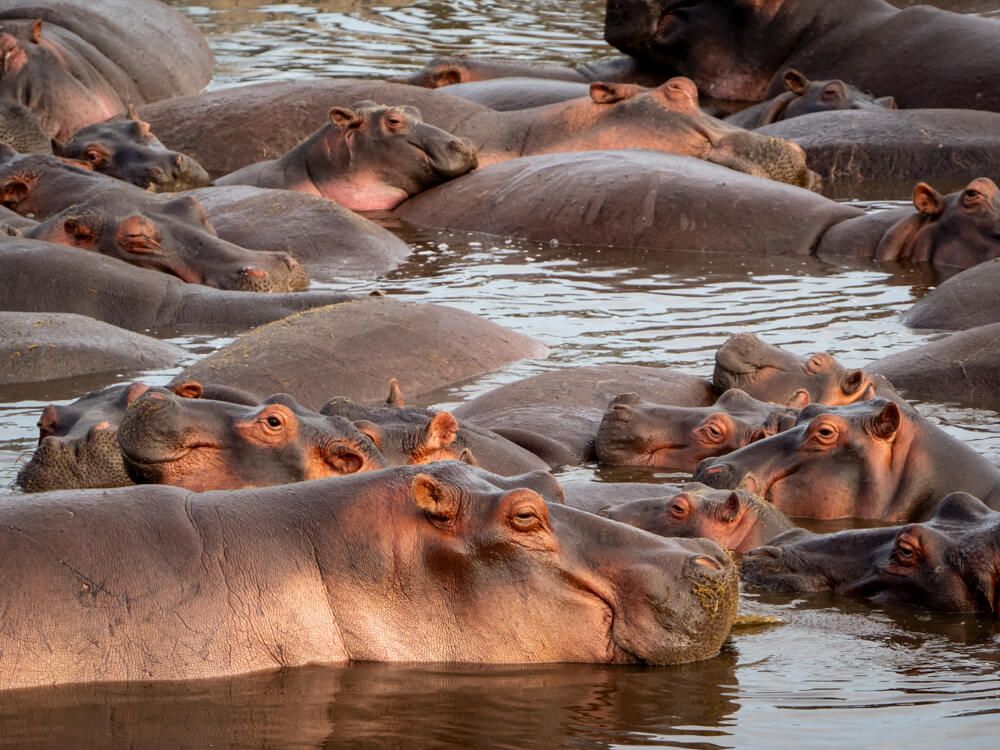
Wildlife focus: Manyara is lakeshore wildlife at its most varied: elephants drifting through the forest, hippos in permanent water, masses of flamingos and pelicans on the shallows, vast baboon troops and forest birds. Tree-climbing lions are the park's legend but stay far from guaranteed.
Destination context: A narrow park squeezed between escarpment wall and soda lake, Manyara compresses huge habitat variety into a small area — mahogany and fig forest, hot springs, marsh and open flats. Its compact size makes it the gentlest first park of the circuit.
Meals and timing: A picnic or packed safari lunch is planned for the day's route where the confirmed operation permits it. Lunch timing flexes around the forest drive and the lakeshore light.
Overnight and logistics: Many itineraries continue after Lake Manyara to the Mto wa Mbu and Karatu corridor for an overnight in the Karatu or Ngorongoro area, staged for the crater day. Stays follow the product tier confirmed at booking.
Travel reality: Lake Manyara's water levels, birdlife, forest and escarpment conditions vary seasonally, and park entry procedures all affect the day's rhythm. Flamingo masses and lake views shift with the rains.
Route stage: Travel from the lake road and Karatu highlands into the Ngorongoro Conservation Area, climb to the rim and descend the 600 m wall onto the crater floor.
Safari activity: A crater game drive usually forms the main wildlife portion of the morning. The guide reads the floor's zones — open grass, swamp fringe, lake margin — and paces the loops inside the fixed climb-out window.
Wildlife focus: Dense resident populations reward the early descent: lion and buffalo on the grass, hippo pods grunting in the pools, hyena, jackal and the flamingo wash of Lake Magadi. Rhino are the floor's famous rarity — best-documented ground in Tanzania, still uncommon, never promised.
Destination context: The caldera's enclosed bowl explains its abundance: some 25,000 large animals live inside a natural boundary of forested wall. Gorigor Swamp, the Lerai fever-tree forest and the soda lake each anchor different residents.
Meals and timing: Lunch is normally handled as a picnic or packed meal under the confirmed operation and park rules. The descent slot and ascent deadline frame everything else.
Overnight and logistics: Crater access is subject to park access, permits and capacity limits, so the exact descent time and duration are confirmed with your booking. Highland or Karatu overnights position the route for the Serengeti climb.
Travel reality: Crater permits, wildlife viewing and road conditions can all affect timing on this stage. The floor delivers density, not checklists — patient loops beat rushed coverage.
Route stage: Climb out of the highlands and enter the Serengeti ecosystem, trading forest and farmland for the open plains, kopjes and predator country around Seronera.
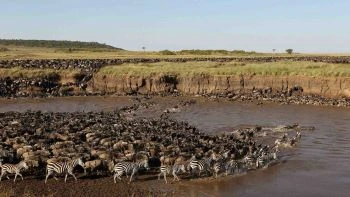
Safari activity: Game drives follow water, grazing and the season's herds. Travellers typically combine the Seronera river circuit, kopje lookouts and — when reports place them near — the migration's grazing lines.
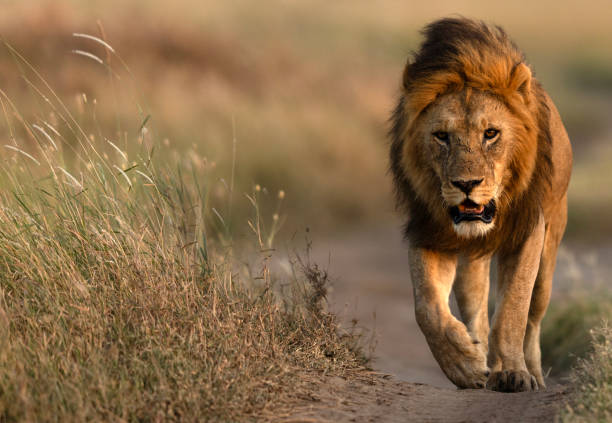
Wildlife focus: Big cats define this stage: lion prides on the plains and kopjes, leopards along the riverine figs, cheetah on open ground, plus elephant, giraffe and buffalo in the woodlands. Migration herds add spectacle in season without ever being guaranteed.
Destination context: Central Serengeti is the ecosystem's beating heart — short-grass seas, granite islands, and a river that never dries. After the enclosed crater and the narrow lake park, its scale lands with real force.
Meals and timing: Meals follow the confirmed lodge or camp schedule, with packed options used when dawn starts or long transfers rule out fixed meal times.
Overnight and logistics: Most itineraries overnight in or near Central Serengeti before the return to Arusha. The homeward road is long, so the final morning usually pairs a last drive with an early exit.
Travel reality: Serengeti rewards travellers who accept its scale: herds move with rain and pasture, predators with the herds. Ranger reports and guide tracking — not fixed circuits — decide the day.
Your Route: Arusha → Lake Manyara → Ngorongoro → Serengeti → Arusha
A classic northern Tanzania road circuit designed to reach the Serengeti while still experiencing Lake Manyara's rift valley wildlife and the Ngorongoro Crater.
Arrive in Arusha, meet the safari team and prepare for the northern circuit road journey.
Game drive through lakeshore flats, groundwater forest and rift-valley woodland, then onward toward the Karatu / Ngorongoro area.
Descend to the crater floor for a concentrated wildlife drive before climbing to the highlands.
Enter the Serengeti ecosystem for game drives shaped by season, water and predator movement.
Final morning game drive, then the return road journey east toward Arusha and your drop-off.
Interactive Safari Map
Follow the Arusha → Lake Manyara → Ngorongoro → Serengeti road circuit stop by stop, with each leg matched to the route stages above.
- Arusha
Safari gateway
Start and finish - Lake Manyara
Rift valley lakeshore & woodland
First wildlife chapter - Ngorongoro
Crater wildlife drive
Concentrated game viewing - Central Serengeti
Open-plains wildlife zone
Main Serengeti time
Best Time to Travel the Arusha – Manyara – Ngorongoro – Serengeti Route
The route works year-round, but each area changes character with rainfall, grazing, seasonal wildlife movement and Lake Manyara's shifting lakeshore birdlife.
Wildlife Along the Manyara–Ngorongoro–Serengeti Route
Three ecosystems create a broad wildlife experience, from rift valley lakeshore birds and possible tree-climbing lions to crater-floor grazers and Serengeti predators.
Lake Manyara woodland and Serengeti river areas; elephants move with water and season.
Lake Manyara permanent pools and the Ngorongoro Crater are strong hippo areas.
Possible in Lake Manyara's escarpment woodland; sightings occur but are never guaranteed.
Possible across Lake Manyara, Ngorongoro and Serengeti; sightings depend on daily movement.
More elusive, often associated with trees, riverine habitat and quiet viewing moments.
Large herds may be encountered in suitable grazing and water-rich areas.
Possible in the Ngorongoro ecosystem, but sightings are uncommon and never guaranteed.
Regularly seen across the grasslands and open habitats of the northern circuit.
Seasonal movement and resident herds contribute to the Serengeti wildlife spectacle.
Woodland along the rift and open Serengeti savanna; giraffe are regularly recorded.
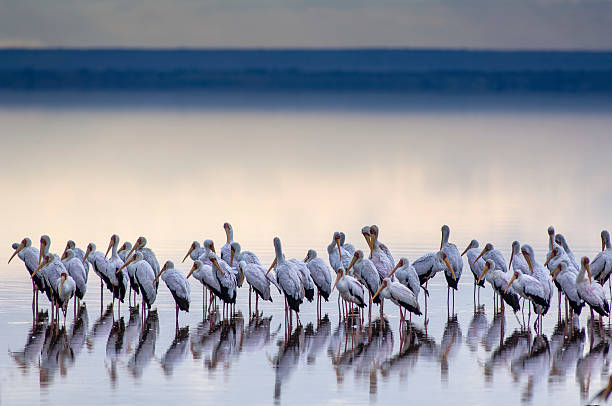
Seasonal flocks gather on Lake Manyara's alkaline shallows when water and food align.
Lake Manyara is especially notable for waterbird diversity; the wider circuit adds raptors and savanna birds.
| Animal | Potential Encounter | Best Viewing Context | Route Area |
|---|---|---|---|
Elephant | Strong | Woodland, water areas, dry-season concentration | Lake Manyara / Serengeti |
Hippo | Strong | Permanent pools and lakeshore water | Lake Manyara / Ngorongoro |
Tree-Climbing Lion | Possible | Escarpment woodland along the rift | Lake Manyara |
Lion | Strong | Open plains and predator-rich habitats | Ngorongoro / Serengeti |
Leopard | Possible | Riverine trees and quiet areas | Serengeti / Manyara |
Buffalo | Strong | Grazing areas and water-rich habitats | Ngorongoro / Serengeti |
Black Rhino | Rare | Protected crater habitat | Ngorongoro |
Zebra | Strong | Open grasslands | All three areas |
Wildebeest | Strong | Grasslands and seasonal migration zones | Serengeti / Ngorongoro |
Flamingo | Possible | Lakeshore shallows when water and food align | Lake Manyara |
Birds | Strong | Lakeshore, woodland, wetland and open country | Especially Lake Manyara |
No sighting is guaranteed. Animal movement varies with weather, season, food, water and the day-to-day conditions of the ecosystem.
Tanzania Safari Packages on the Arusha – Manyara – Ngorongoro – Serengeti Route
Every itinerary below follows this northern circuit road route. Compare shared, budget, mid-range and honeymoon options, then request the current quotation for your dates.
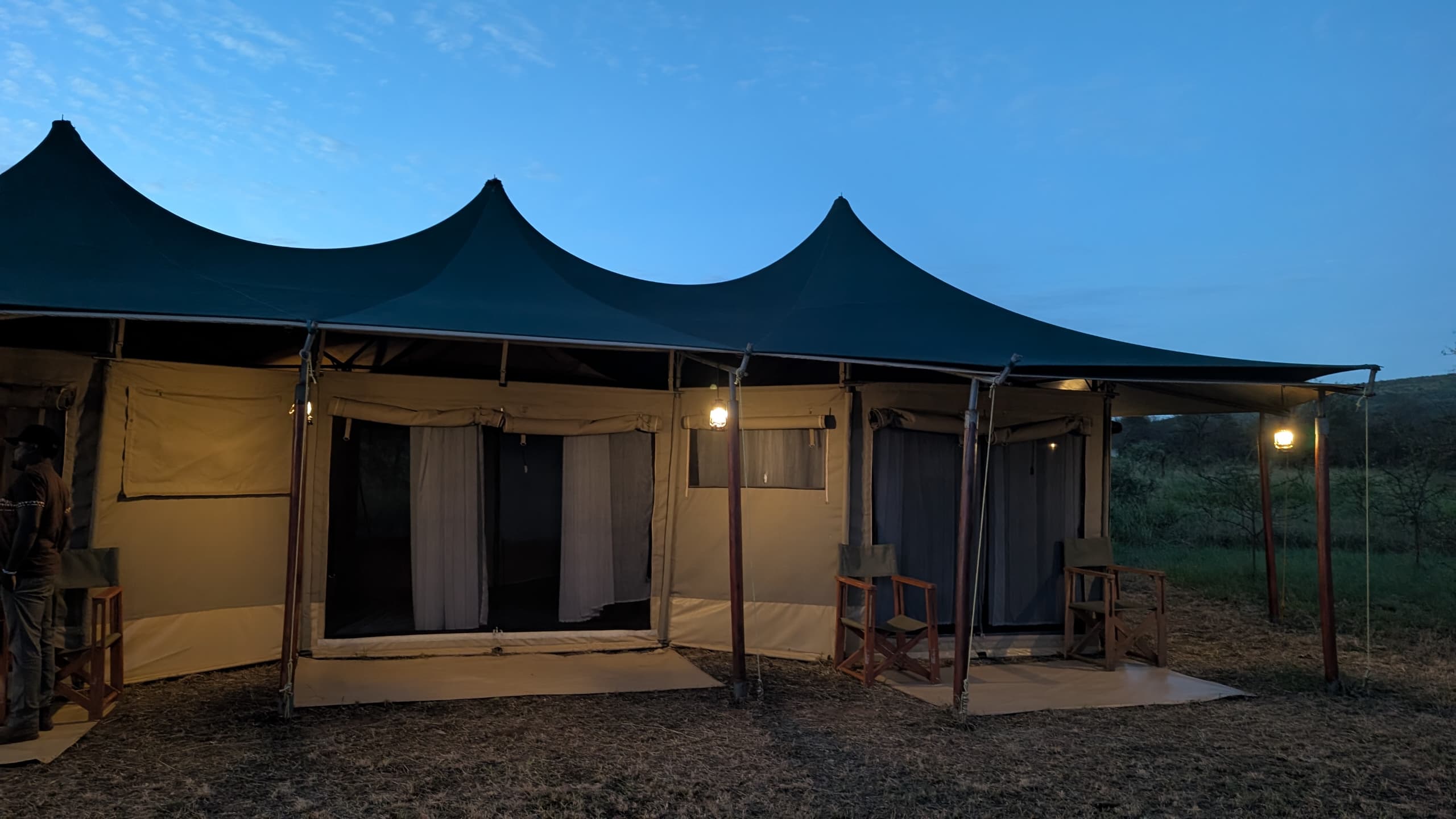
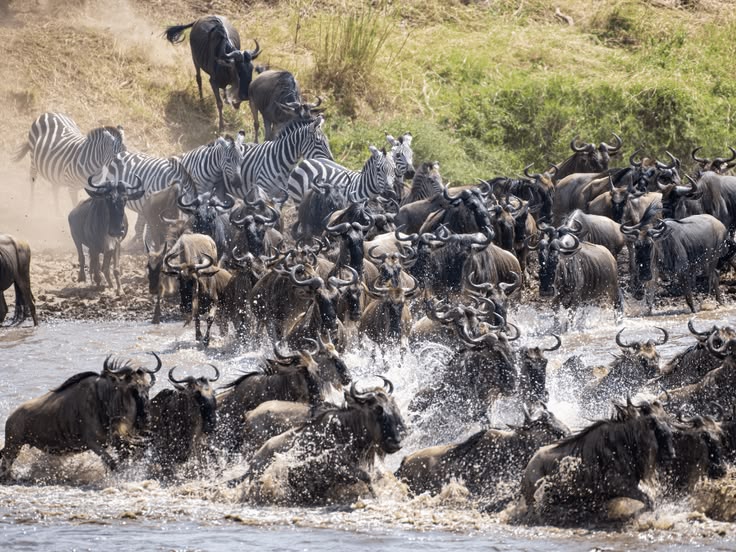
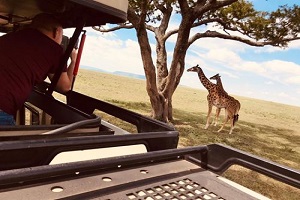

Prices are on request and confirmed against dates, group size and accommodation. Equivalent or superior properties may be substituted when necessary.
Why Choose Kizza Adventures for This Route?
The route is planned around clear sequencing, practical road logistics and a broad northern Tanzania wildlife experience from the rift valley to the Serengeti.
Route planning and wildlife interpretation are built around Tanzania's northern safari landscape.
Shared, budget, mid-range and honeymoon options all follow the same classic route.
Lake Manyara, Ngorongoro and Serengeti are shown in the actual sequence of travel.
Extra Serengeti nights, Zanzibar or other northern circuit destinations can be requested.
Pricing is confirmed against dates, group size, accommodation and final inclusions.
Wildlife is observed according to park rules, with no guaranteed sightings advertised.
Guests receive a clear operational plan before departure, including packing and travel details.
Contact the safari team directly for current availability and the correct current quotation.
Road Route vs Fly-In Serengeti Safari
This page covers the road circuit. A fly-in safari is a separate product with its own flight, baggage and cost rules.
| Feature | Road Route (This Page) | Fly-In Serengeti Safari |
|---|---|---|
| Transport | Road safari through Lake Manyara & Ngorongoro | Scheduled or light aircraft flight |
| Landscape | Full overland transitions | Serengeti-focused, less road time |
| Road Time | High | Low |
| Best For | Classic circuit + value | Time-saving + convenience |
| Typical Route | Arusha → Lake Manyara → Ngorongoro → Serengeti | Arusha / Zanzibar → Serengeti airstrip |
Essential Tanzania Safari Travel Information
Operational requirements vary by nationality and travel date, so use official Tanzania sources and your final booking documents for current requirements.
Travel with a passport valid for the required period and verify Tanzania visa or entry requirements for your nationality before departure.
Consult a qualified travel-health professional for vaccines, malaria prevention and any personal medical preparation.
Comprehensive travel insurance is strongly recommended for medical treatment, evacuation, cancellation and baggage disruption.
Carry a practical combination of payment methods. Remote safari areas may not offer dependable ATM access.
Mobile coverage varies across the route. Treat wilderness connectivity as intermittent rather than guaranteed.
Stay on designated tracks, remain in the vehicle when required and follow guide and park instructions at all times.
Safari Gallery — Experience the Route Before You Arrive
Baobab country, the crater floor and the endless Serengeti plains — a preview of the landscapes along this route.
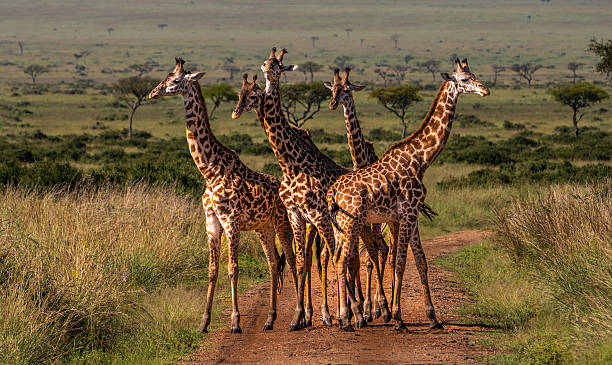
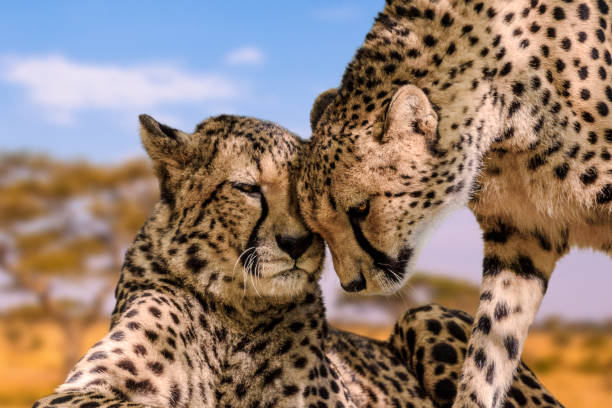
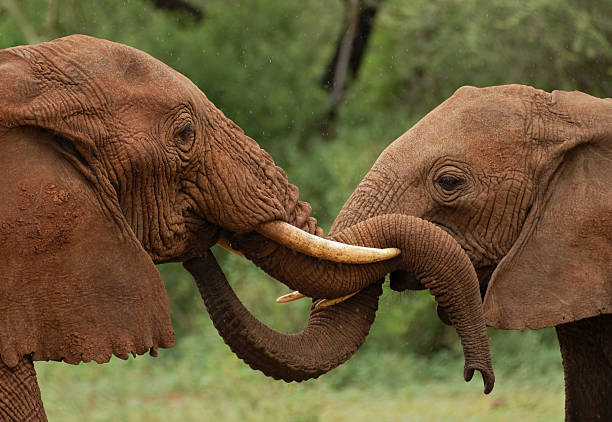
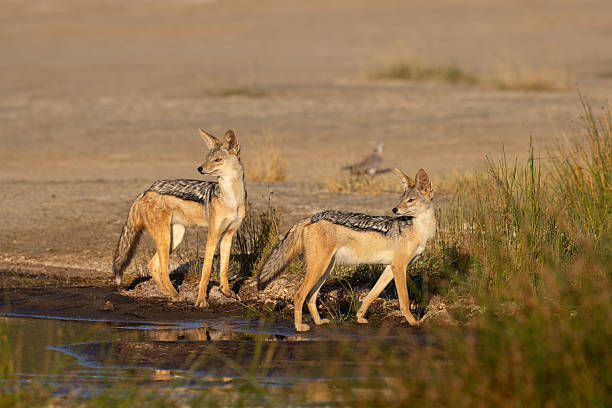
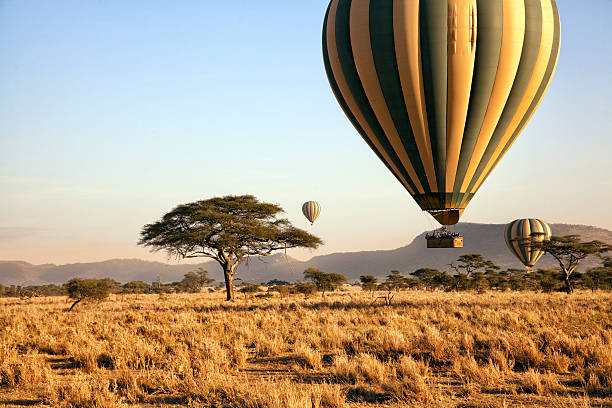
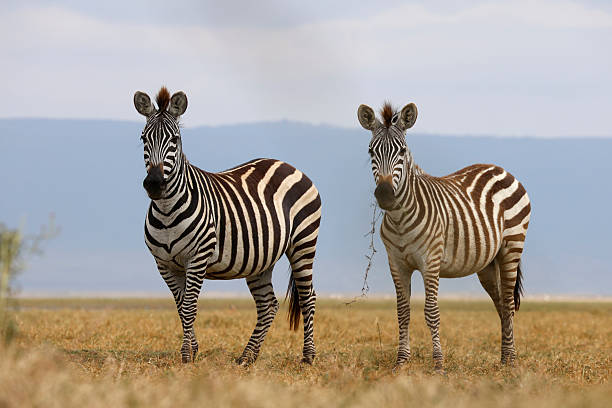
Frames from Tarangire, Ngorongoro and the Serengeti. View complete gallery →
Frequently Asked Questions About the Arusha – Manyara – Ngorongoro – Serengeti Route
Practical answers for travellers planning a northern Tanzania road safari on this classic circuit.
How to Book a Safari on This Route
Requesting this route is straightforward: send your dates and group details, then confirm current availability and the correct current quotation.
Share your preferred start date and number of travellers.
Decide between shared, small-group or private travel and your preferred budget tier.
Confirm whether your dates can operate on the Arusha – Manyara – Ngorongoro – Serengeti route.
Review the proposed lodges or camps along the route.
Get the current price, inclusions, park charges and payment instructions.
Receive the operational itinerary and prepare for your Arusha departure.

Ready to Travel the Arusha – Manyara – Ngorongoro – Serengeti Route?
Plan the classic northern Tanzania road safari from Arusha through Lake Manyara and the Ngorongoro Crater to the Serengeti plains — choose a shared, budget, mid-range or honeymoon itinerary and request the current quotation for your dates.
Availability, group size and pricing are confirmed on booking.