


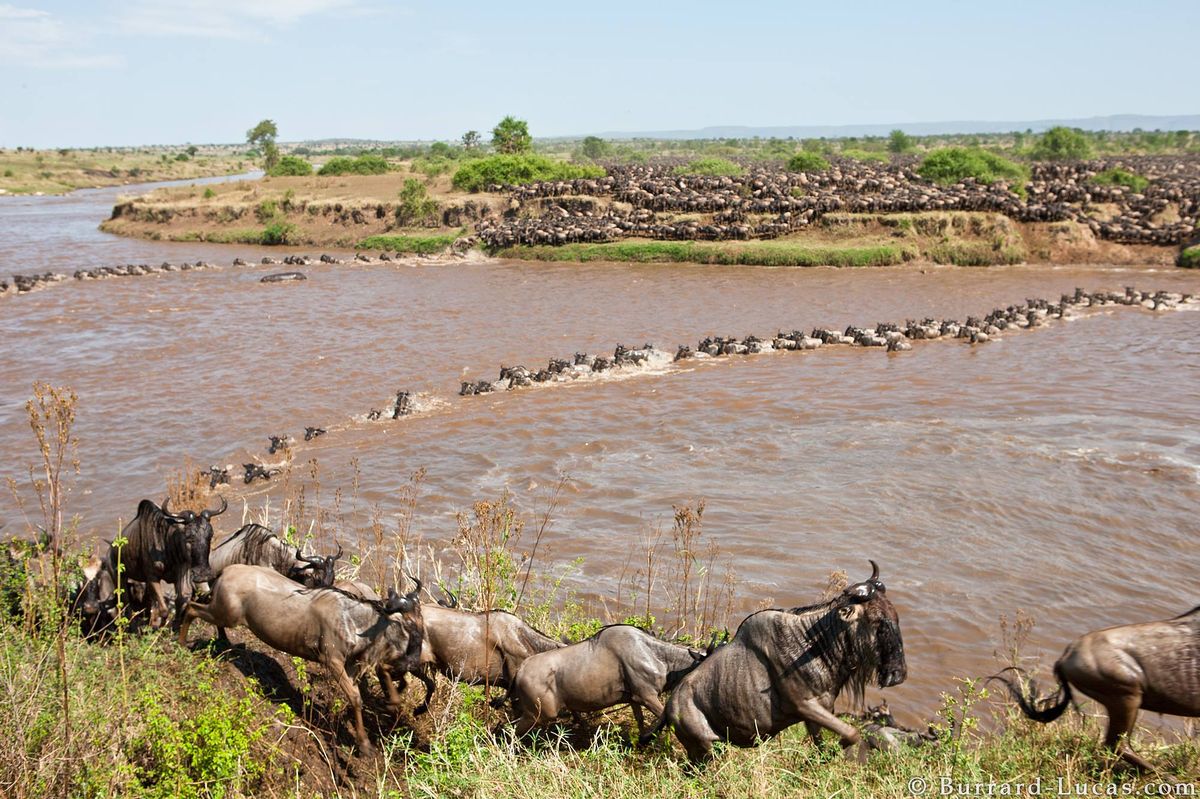
July Serengeti Safari Guide: Herds Reach the North — Mara River Crossing Season Opens
A July Serengeti safari meets the migration as it pours into the far north: Kogatende's Mara River crossings ignite, hippo pools and springs hold the river cast, and the north's resident lions and leopards work the banks. Dry-season clarity all the way.
The July Serengeti Safari: North Arrival
July delivers the migration to the far north. As the columns clear the Grumeti, they push toward Kogatende and the Mara River — and the crossing season opens. Vehicles line the banks before dawn, waiting on a drama that ignites in minutes after hours of nothing; the river itself unpacks hippos, crocs and elephants regardless.
Northern days rotate the main crossing banks, the Bologonja springsystem and Lobo's quieter woodlands, with rest rhythms built around stakeout patience. Longer loops arc through Seronera and the crater, or fly on to Zanzibar. Availability, camps and prices are confirmed against your dates at booking.
Everything You Need to Know at a Glance
Northern Serengeti
The far-north river system around Kogatende hosts the July opening of the Mara crossing season.
Crossing Focus
Crossing columns, hippo pods, crocs, elephants, lions and leopards working the river banks and springs.
Seasonal Timing
July opens the northern crossing window as herds settle around the Mara River.
River & Spring
Key crossing banks, the Bologonja springs and the Lobo woodlands frame the July field plan.
How You Travel
Long Arusha road transfers plus northern game drives in a private 4WD with an English-speaking guide-driver.
Field Time
Full days rotate crossing-bank stakeouts, springs circuits and woodland sweeps.
When to Go
July opens the primary northern crossings window.
Price on Request
Pricing depends on season, group size, nights and accommodation. A confirmed quote follows your dates.
Where Julys Take You: Crossing Banks to Springs
Each stage works one July priority — crossing-bank stakeouts, hippo pools, Bologonja springs and Lobo's quieter woodlands.
Region stage: July opens the northern crossing season, when the columns clear the corridor and arrive at the Mara River country around Kogatende.
Safari activity: Bank stakeouts before dawn, holding a crossing front and staying put through the long middle hours.
Wildlife focus: Crossing columns, the crocodile and hippo cast in the river, and lions waiting on the northern approach.
Destination context: The Mara narrows and steepens at Kogatende, which is exactly why this is where the season's crossings concentrate.
Meals and timing: Stakeouts are long and still, so a wide-brim hat, patience and a good spotting scope earn their place.
Overnight and logistics: Kogatende camps sit close to the bank fronts, which is what makes a pre-dawn position possible at all.
Travel reality: Early-season crossings are as unpredictable as any other, and the July position is confirmed against same-week reports.
Region stage: The springs are the second act of a July northern itinerary, and they give the river a wider cast than the crossing banks alone.
Safari activity: Spring circuits through the cooler hours, with slow loops on the pools and long glassing on the clearings.
Wildlife focus: Hippo pods, crocs, elephant families drinking, and a rich bird cast concentrated on permanent water.
Destination context: Permanent springs mean animals keep coming regardless of whether a crossing happens, which is the point of a no-crossing day.
Meals and timing: The springs work in the morning and late afternoon, with the middle of the day better spent in the vehicle.
Overnight and logistics: Spring-side positions make the circuits short and give a genuine early start.
Travel reality: The springs dry and refill on a seasonal cycle, so the same pools shift character across the crossing season.
Region stage: Lobo is the calm counterweight to the crossing banks, and a July itinerary that includes it is a better-balanced one.
Safari activity: Woodland and kopje circuits at a walking pace, with elephant and small-antelope work rather than stakeouts.
Wildlife focus: Elephant herds, kudu, eland, kopje lions and leopards in the riverine cover.
Destination context: Lobo's low traffic is the reason it feels wild, and it is the natural break between two heavy river days.
Meals and timing: The woodland hours are the comfortable ones in the dry, and light comes late in the morning.
Overnight and logistics: Lobo-side camps are remote and quiet, which is part of what the stop is for.
Travel reality: Lobo access arrangements shift with park management, so the exact blocks are confirmed for each season.
Region stage: The longer July plans add the valley and the rim to the north, which is also where the migration's next stage is heading.
Safari activity: Northern river days, then a southbound leg to Seronera and a rim night, with a crater descent where the itinerary allows.
Wildlife focus: Crossings, river wildlife, valley big cats and crater species on a single arc.
Destination context: July is the natural month to see the migration move, so the itinerary follows that movement south.
Meals and timing: Full board in the north, with a lighter highland rhythm on the rim nights.
Overnight and logistics: Northern camps, the valley block and rim nights are confirmed as one chain.
Travel reality: The July road arc is long, so the transfer days are planned honestly rather than compressed.
Your July: Banks → Pools → Springs → Woods
A northern circuit that fishes each water character in its best hour, from Arusha and back — with island options on the grand loop.
Meet at your hotel or airport and drive north through the highlands.
The northern season's opening crossings.
Hippos, crocs and permanent water.
Elephants, kopjes and the quiet corner.
The valley and rim on the longer arcs.
The long road south, or a flight out of the north.
Interactive Safari Map
Follow the Arusha → Kogatende → Mara River → Lobo circuit stop by stop.
- Arusha
Safari capital gateway
Start and return by road - Kogatende Banks
July's opening stakeouts
Pre-dawn waiting - Bologonja Springs
Permanent water cast
Morning circuits - Lobo Woodlands
Elephants and quiet
Cooler-hour loops - Seronera & Crater
Valley and rim
Longer arc chapters
Best Time to Visit in July
July opens the northern Mara crossing season with dry-season clarity across the far north.
Wildlife of Your July Safari
Crossing masses at the banks and a full river cast on permanent water.
Holding position in the Mara channels.
Pods across the Mara and its springs.
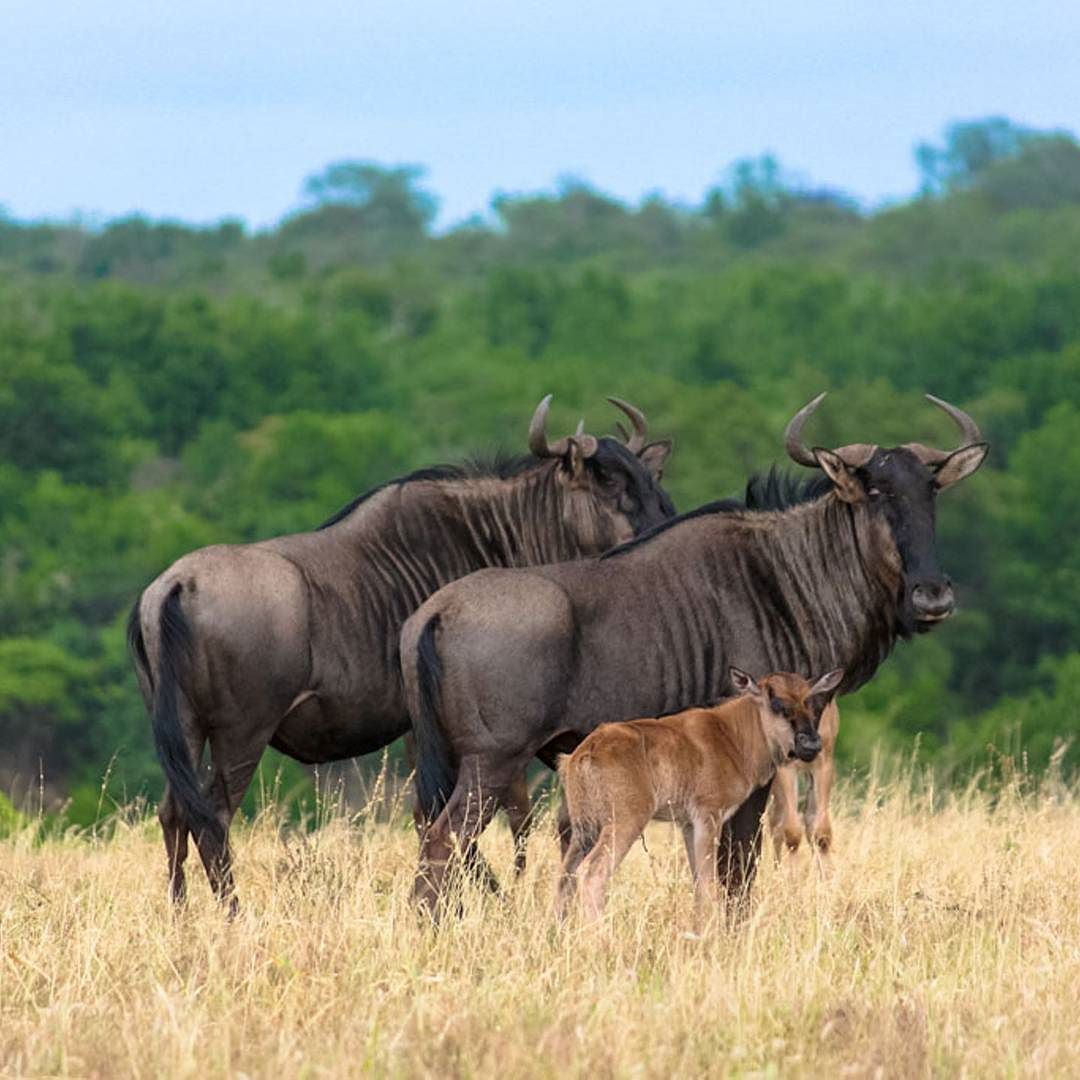
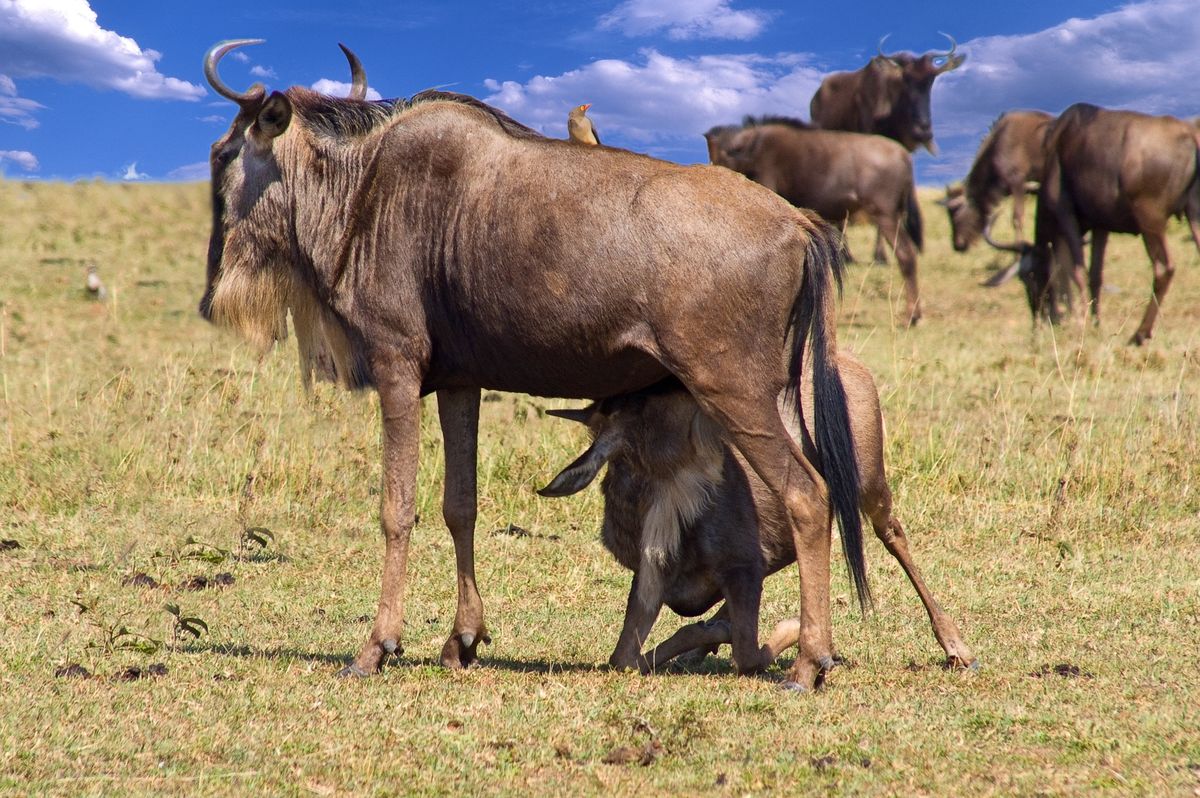
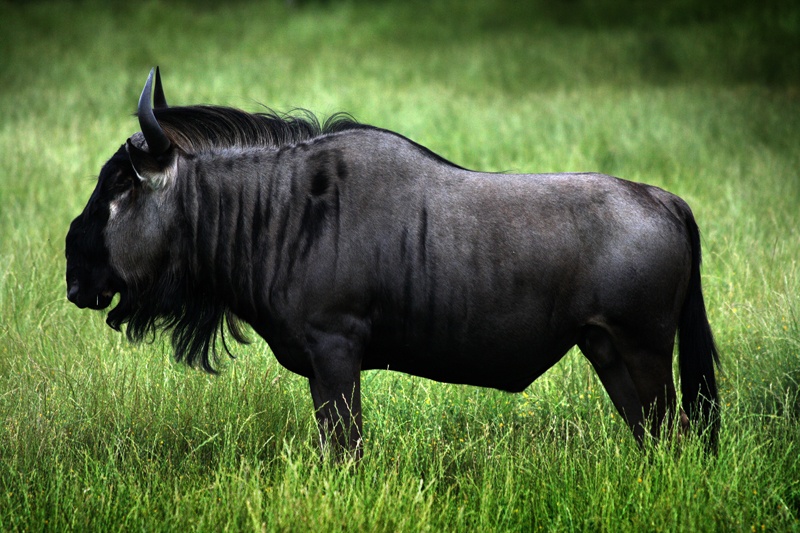
Staging and crossing at the northern banks.
Crossing in the same columns as the wildebeest.
Northern prides working the banks and islands.
Riverine and island leopards in the far north.
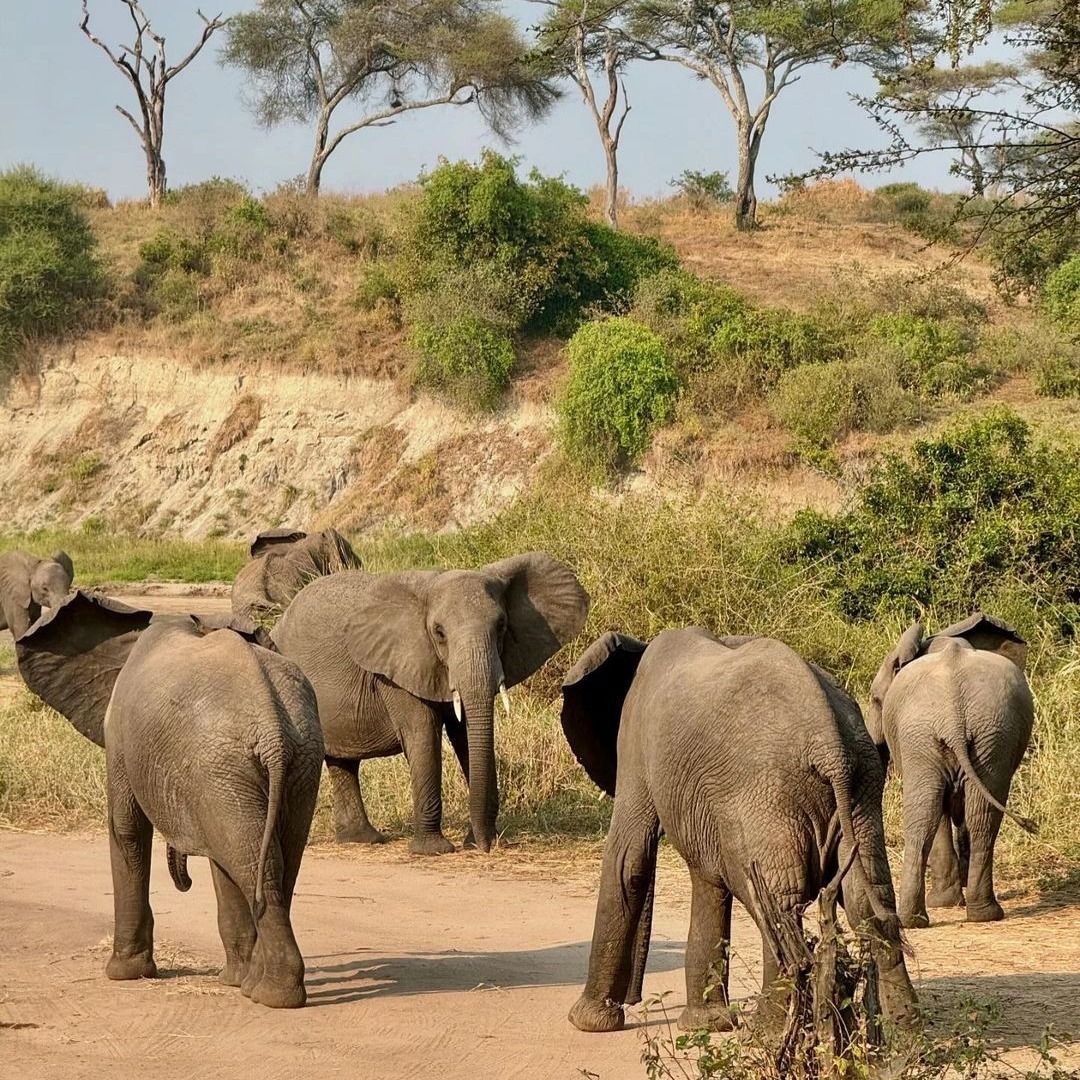
Family herds through the northern woodland.
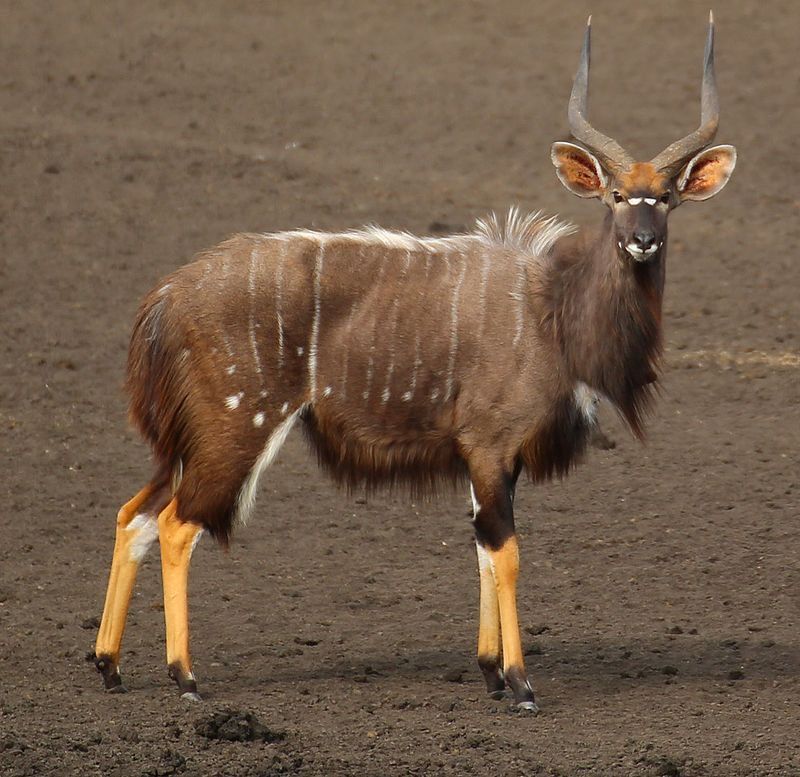
Northern woodland and brush antelope.
Large antelope in the far-north open blocks.
Scattered through the northern acacia.
Herds at the northern water points.
A strong cast on the marshes and sandbars.
| Animal | Potential Encounter | Best Viewing Context | Best Area |
|---|---|---|---|
Nile Crocodile | Strong | Mara channels below the banks | Kogatende river |
Hippo | Strong | Pods across the river and springs | Northern water |
Wildebeest | Strong | Staging and crossing at the banks | Crossing points |
Zebra | Strong | Crossing with the columns | Crossing points |
Lion | Possible | Banks and islands in the far north | Northern Serengeti |
Leopard | Possible | Riverine and island cover | Northern woodland |
Elephant | Strong | Family herds in the north | Woodland & springs |
Kudu | Possible | Northern woodland and brush | Woodland |
Eland | Possible | Far-north open blocks | Open grass |
Giraffe | Possible | Northern acacia browsing | Woodland |
Buffalo | Strong | Northern water points | River & springs |
No sighting is guaranteed. Animal movement varies with weather, season, food, water and the day-to-day conditions of the ecosystem.
Tanzania Safari Packages for July
Every itinerary below works the northern river system from Arusha — or flies to Zanzibar on the grand loop. Compare the three-day express, the four-day river loop, the six-day north circuit, the seven-day crossing week and the twelve-day north-to-island expedition, then request the current quotation for your dates.
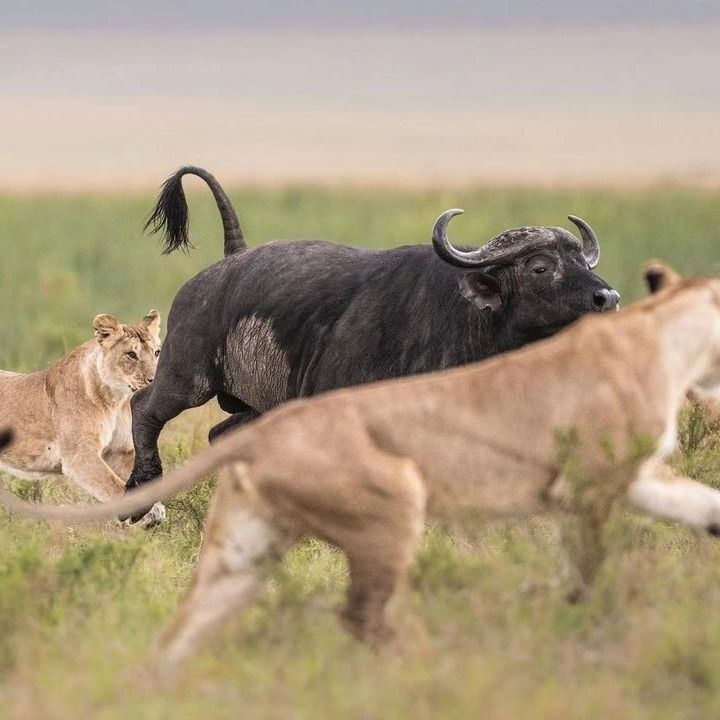
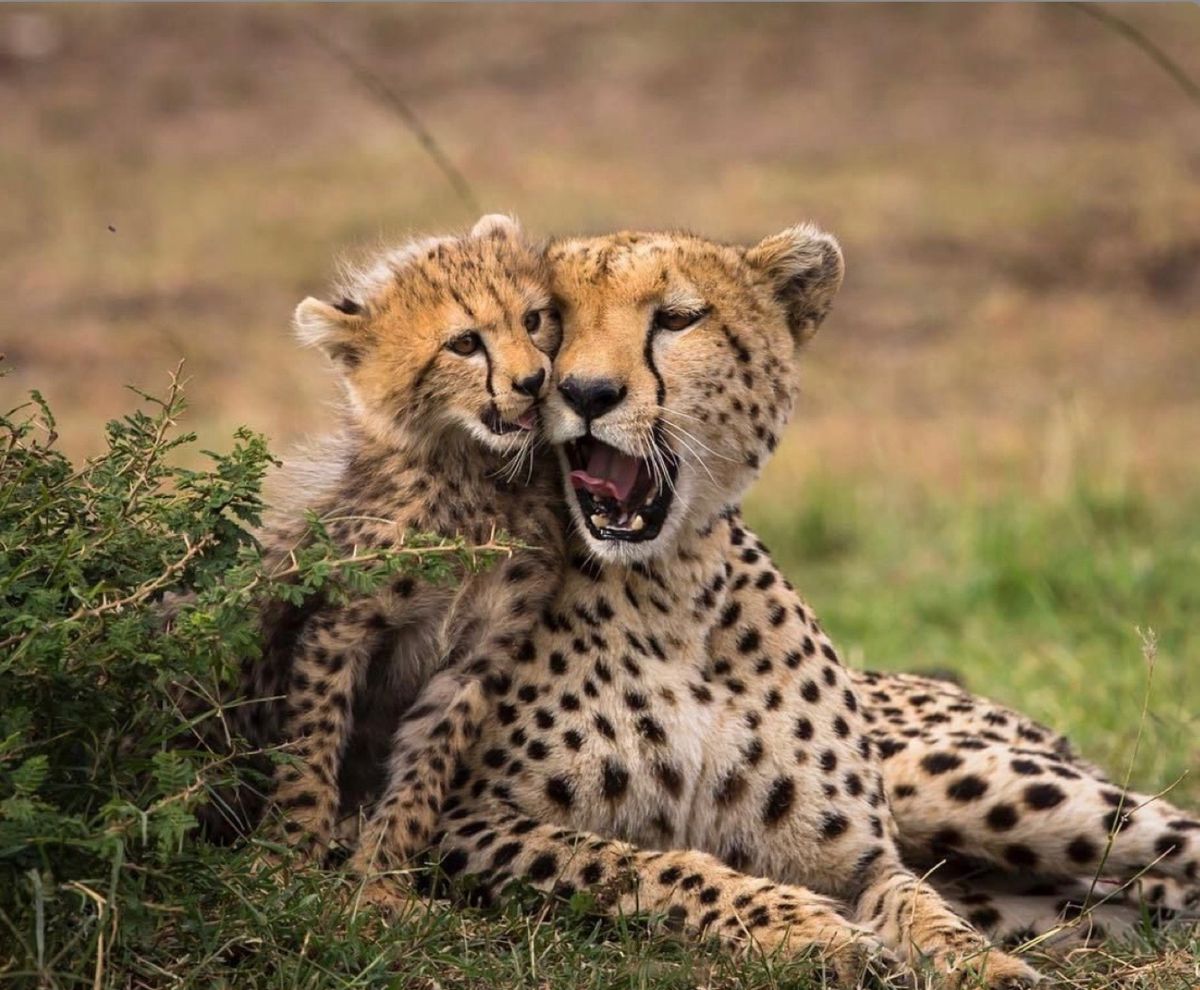
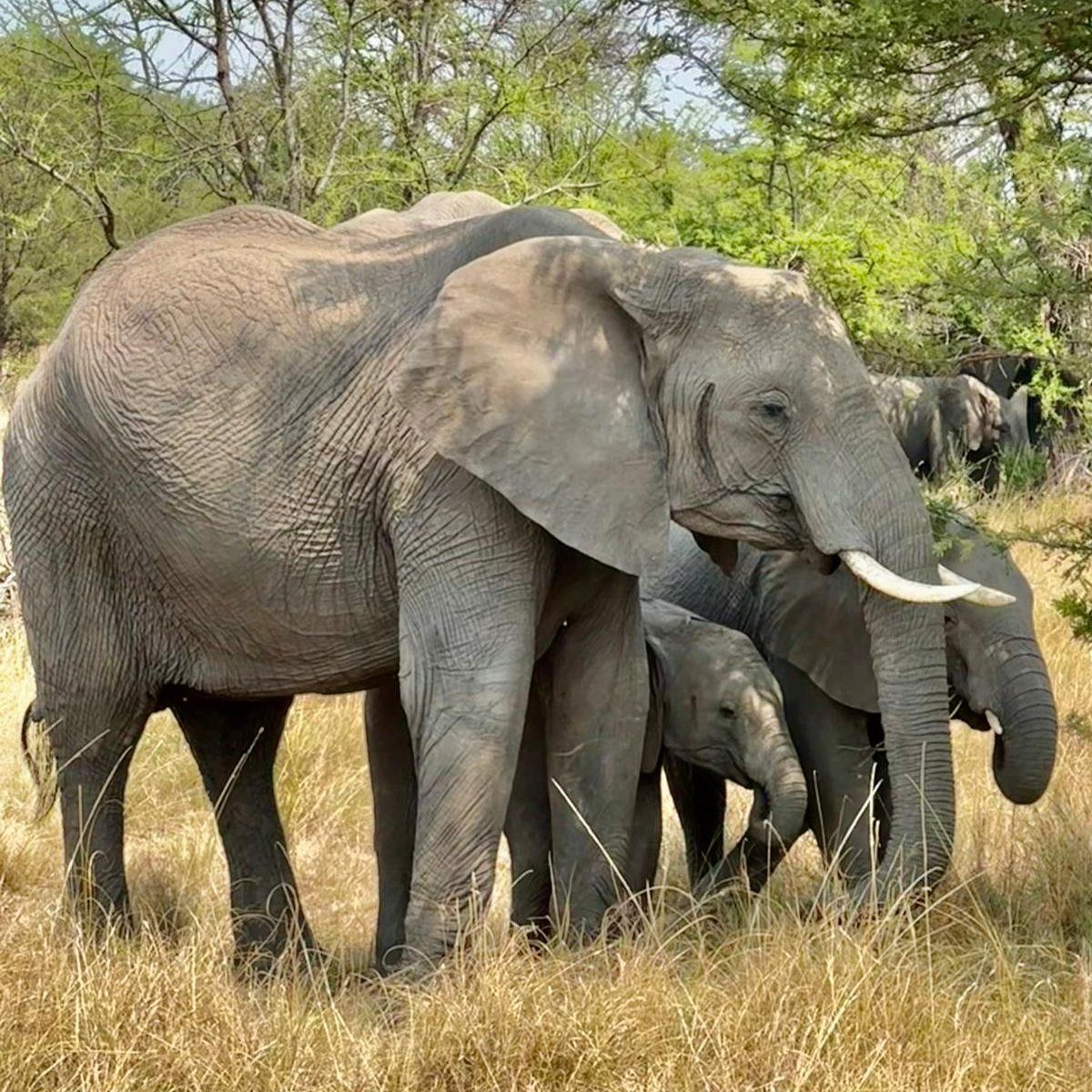
Prices are on request and confirmed against dates, group size, gates, accommodation and transfers. Equivalent or superior properties may be substituted when necessary.
Why Choose Kizza Adventures for July?
Your July safari is planned around river-season timing, bank intelligence and maximum water time with a wildlife-first approach.
July camps are held at the bank fronts where crossings actually form.
Field days are built to support long, still waits rather than constant moving.
The river banks and the spring system are combined, so a quiet day still delivers.
The northern season is described as opening, not guaranteed, and the plan works either way.
A quieter woodland chapter is built in to stop the itinerary becoming all stakeout.
Pricing is confirmed against dates, group size, gates, accommodation and inclusions.
Wildlife is observed to park rules, with no guaranteed crossings or sightings advertised.
The safari team answers current availability and quotation questions directly.
July Northern Opening vs August Crossing Peak
July opens the northern season and August is its peak. The river is the same river, but the density is not the same.
| Feature | July Crossing Season Opens (This Page) | August Crossing Peak |
|---|---|---|
| Where the herds are | Far north at the Mara River | Far north at maximum density |
| Headline | Opening of the northern season | The migration's greatest stage |
| Herd volumes | Building strongly | Season maximum |
| Bank traffic | Moderate and rising | Heavy at the popular fronts |
| Typical start | Arusha by road or flight to Kogatende | Arusha by road or flight to Kogatende |
Essential Safari Travel Information
Operational requirements vary by nationality and travel date, so use official Tanzanian sources and your final booking documents for current July requirements.
Carry a passport valid for the required period and confirm current Tanzanian entry requirements for your nationality before departure.
Northern gate and airstrip arrangements are confirmed per itinerary, including the Ndabaka approach from the lake.
Speak to a qualified travel-health professional about vaccines, malaria prevention and any personal medical preparation.
Comprehensive travel insurance is strongly recommended for medical treatment, evacuation, cancellation and baggage disruption.
The far north has patchy coverage, so the bank days are largely offline.
Stay on designated tracks, remain in the vehicle when required, and follow guide and park instructions.
Safari Gallery — See July Before You Arrive
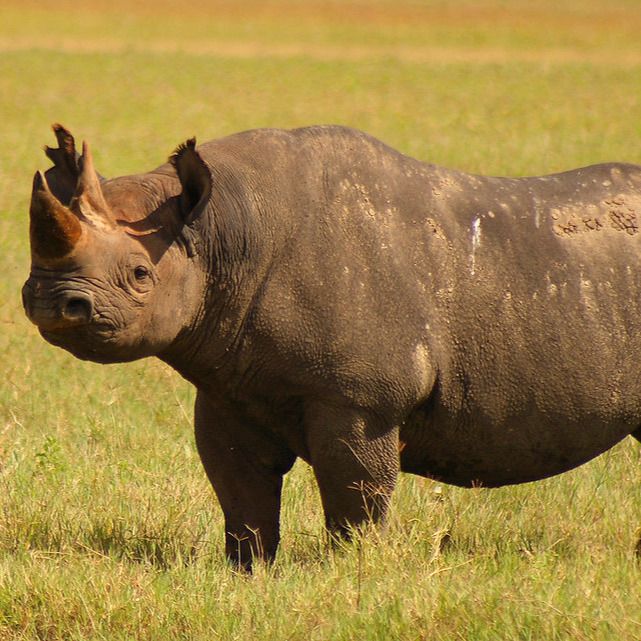
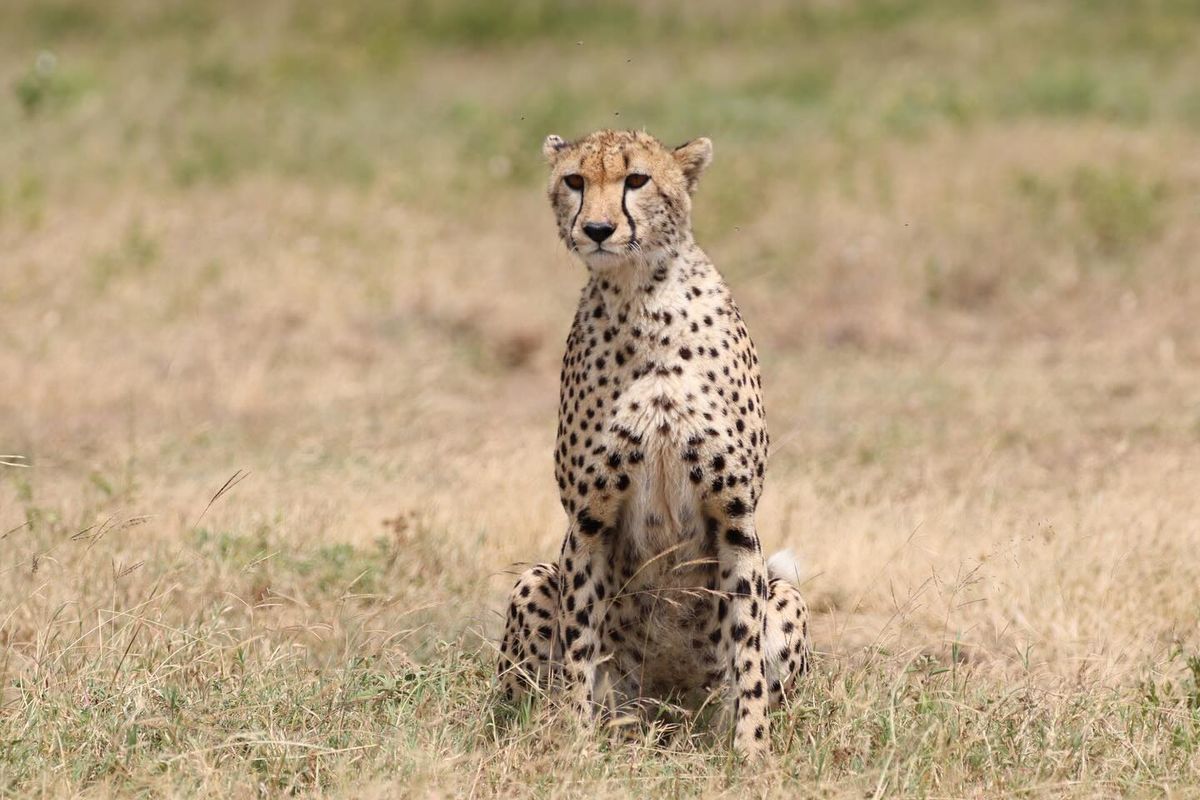
Crossing banks, spring water and the Lobo woodlands of the July northern Serengeti.
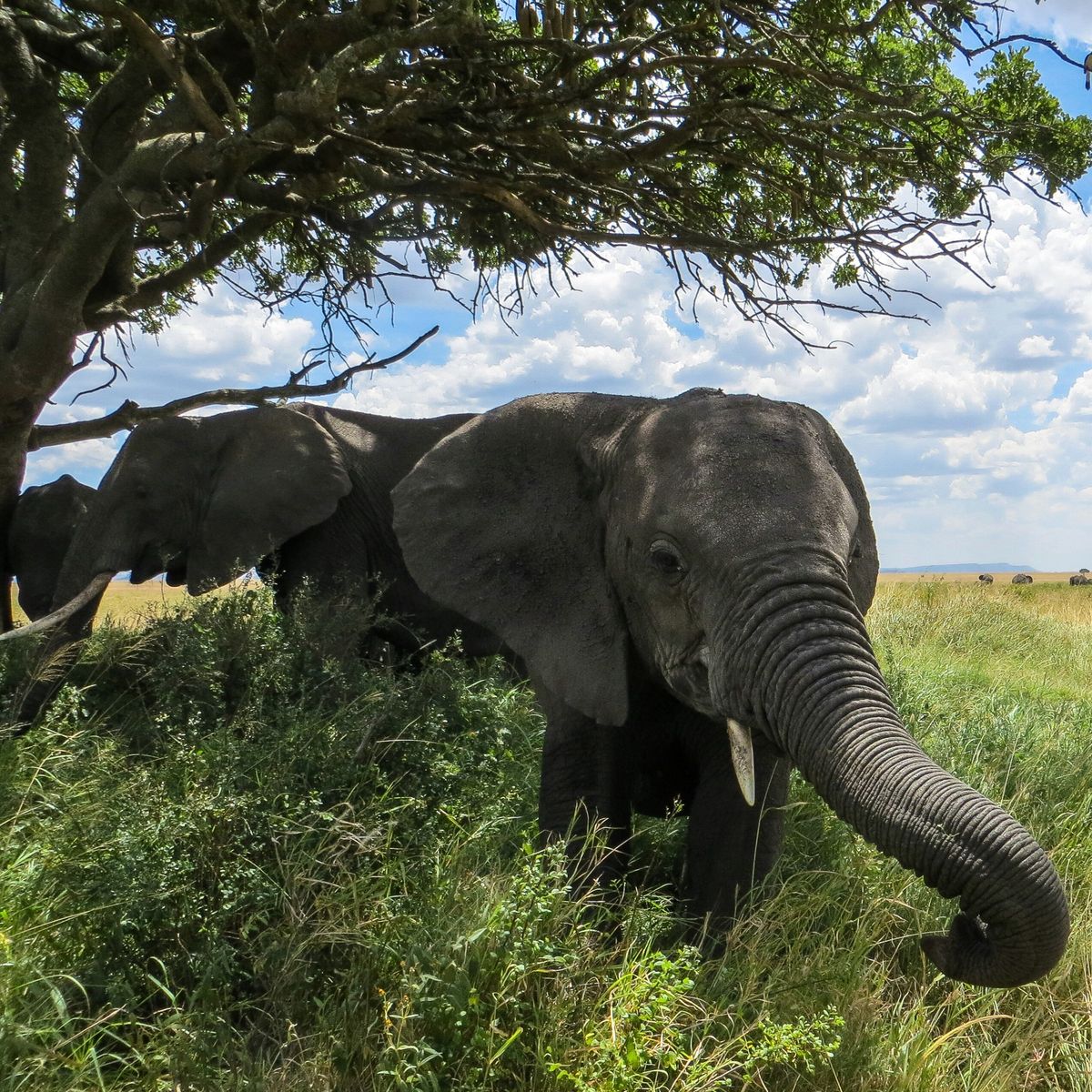
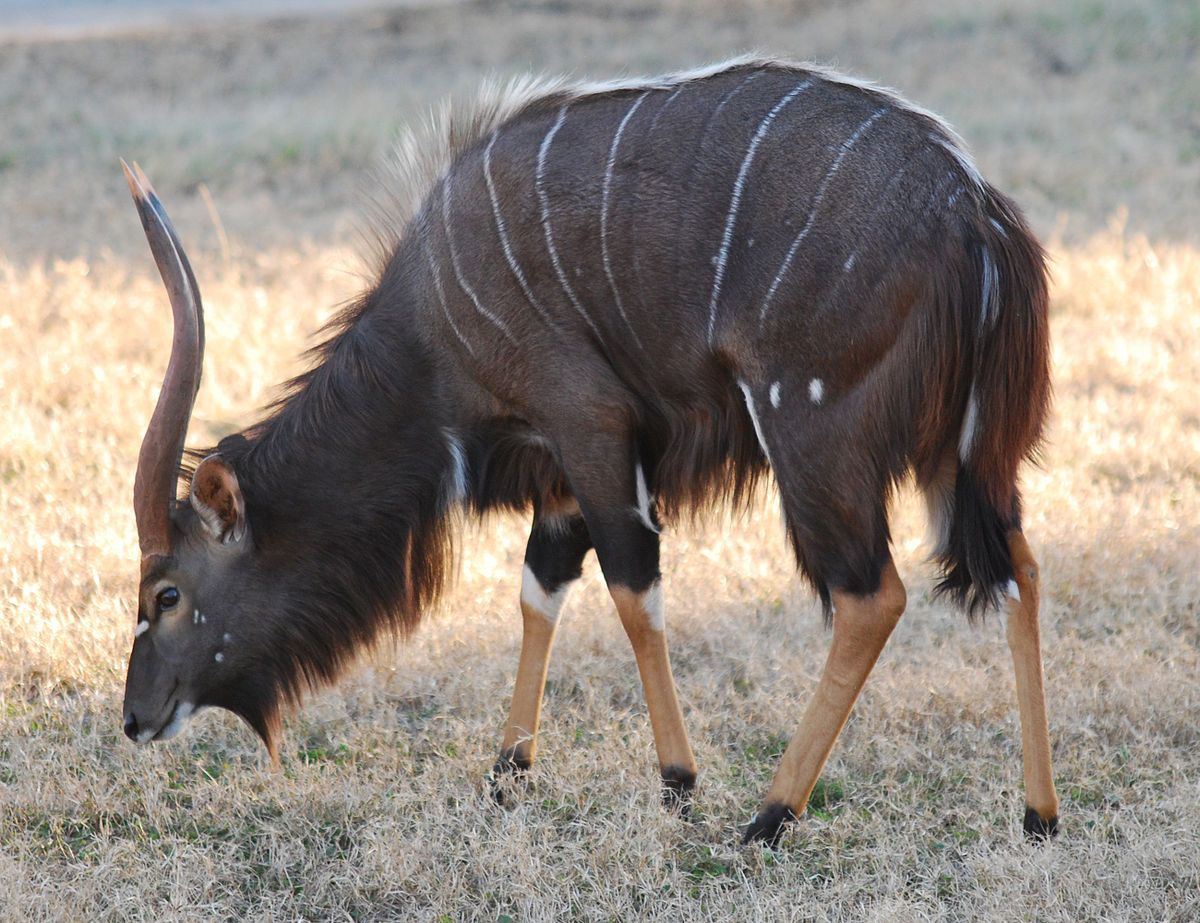
Frames from Kogatende, the springs and the far north. View complete gallery →
Frequently Asked Questions About July Serengeti Safari
Practical answers for travellers planning a safari in July, as the migration opens its Mara River season.
How to Book a Safari in July
Booking a July safari is straightforward: send your dates and group details, then confirm Kogatende availability and the correct current quotation.
Share your preferred start date, Arusha hotel and number of travellers.
Decide between the 3, 4, 6, 7 or 12-day northern plan.
Lock camps and bank positions against current crossing reports.
Look over the proposed camps and any valley or rim nights.
Get the current price, inclusions, park charges and payment instructions.
Receive the operational itinerary and packing list for your Arusha arrival.
Ready for the July Mara Crossings?
Plan a July Serengeti safari on the north Mara River — choose a 3, 4, 6, 7 or 12-day itinerary, confirm northern availability for your dates and request the current quotation.
Northern availability, nights and pricing are confirmed on booking.