


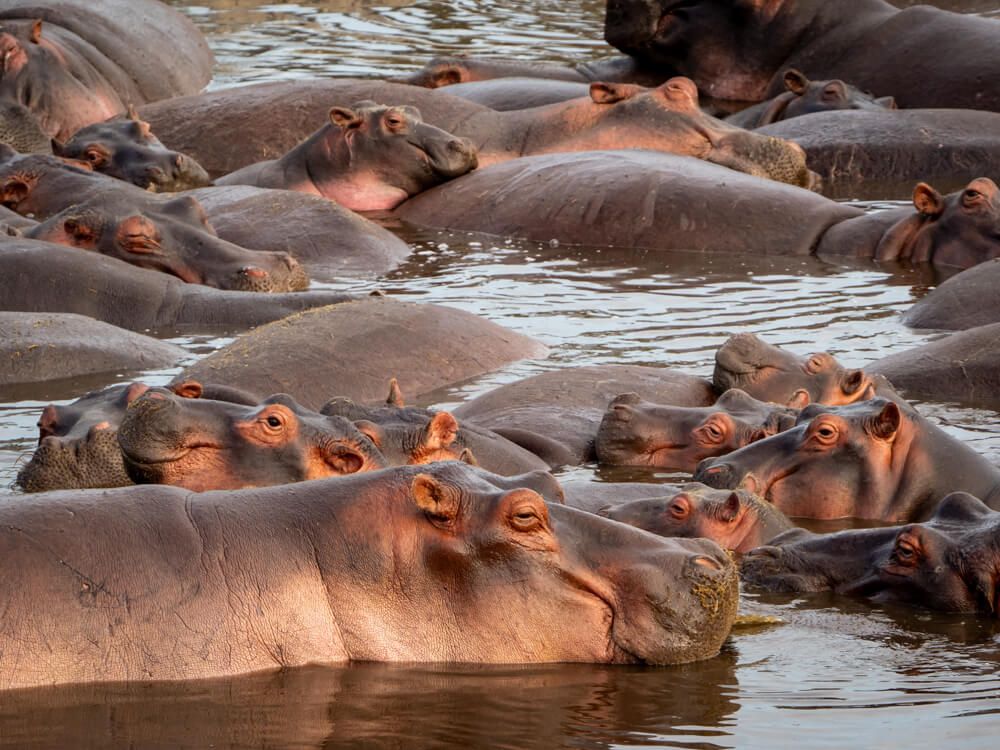
4-Day April Luxury Serengeti Birding Safari — The Bird List of a Green-Season Serengeti
Book the 4-Day April Luxury Serengeti Birding Safari in the Serengeti: raptors, waterbirds, plains species and the short-rain pools that draw them in. April Is the Birder's Green-Season Month
Few people know that the Serengeti sits on one of the world's great raptor migration corridors, and April is the window when the bulk of it passes. Add permanent water at the pools after the short rains, nesting season for a long list of resident species, and vehicle numbers at a fraction of February's, and you have 4 days of very good birding in a park that is famous for something else entirely. This 4-day April birding safari is run for people who came for the list. Whether you are searching for a 4 day birding safari, a birding Serengeti safari, or a private departure for two, the operating rhythm is the same: an early start, a full day on the plains, and an honest account at the end of it about what you actually saw. Every departure is run out of Arusha with a licensed Tanzanian guide, a private 4x4, and an overnight confirmed against your dates.
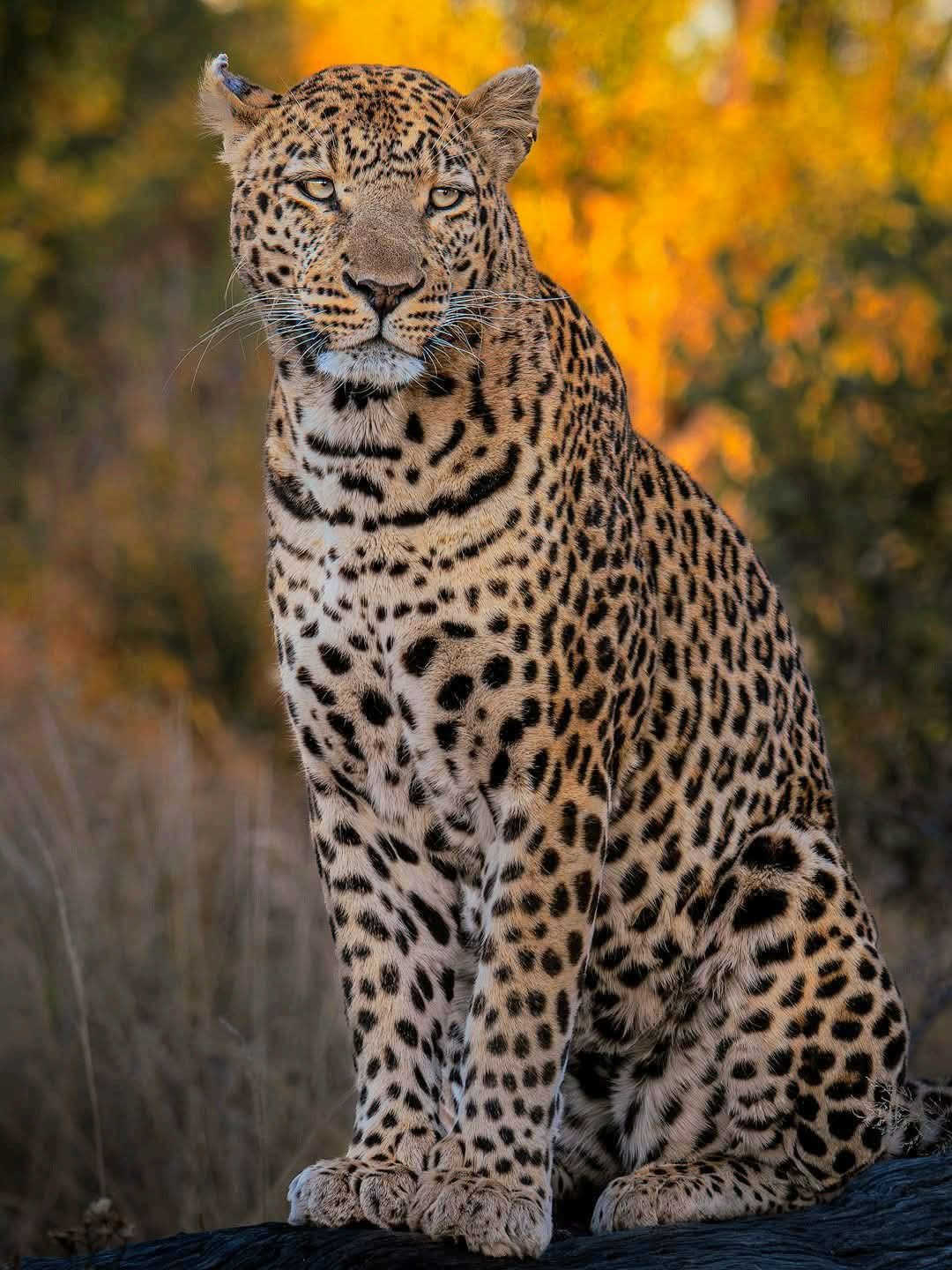
A Park on a Flyway, in the Month It Is Quiet
The Serengeti is crossed by raptors on their way between Europe, Asia and southern Africa, and the bulk of that passage moves through in March and April. In April you will see large numbers of eagles, buzzards and kites moving through over the plains, often in thermals visible as stacked lines of birds several thousand feet up. That is a spectacle in its own right, and it is entirely separate from the wildebeest, which is why almost nobody on a migration itinerary sees it.
The second half of the case is the residents. After the short rains there is standing water in places that are dry for most of the year, which creates temporary wetland habitat for herons, storks, shorebirds and kingfishers. April also sits inside the nesting season for a substantial list of resident species, so the birds you find are often birds with a nest rather than birds passing through. Low traffic means you will often be the only people listening.
- Peak raptor passage, the bulk of it moving through during March and April
- Temporary wetland habitat created by the short rains
- Resident nesting species, including several that are difficult elsewhere
- Very low vehicle traffic for unhurried listening and photography
- No promised species count, list total or encounter record
4-Day April Birding Safari at a Glance
The practical shape of a birding week, including how the days are timed around bird activity rather than mammal activity. Accommodation is confirmed on booking.
How the four days are used
The days are built around specific habitats and specific water, and they are short because the productive hours in birding are the first and last few of the day rather than all of them. A shorter trip has to choose, and choosing usually means dropping the middle-of-the-day sessions that produce most of the images. 4 days keeps a dawn and a late-afternoon session on every day of the safari and still leaves room to work the same ground twice rather than only passing it.
When the birding happens
Most species feed actively in the first and last hours, are still in the middle of the day, and vocalise at dawn. The itinerary is timed to those hours rather than to a general game-drive rhythm.
What April delivers
The bulk of the raptor movement, post-rain wetland habitat, and breeding activity among resident species. The cost is rain and soft tracks.
What the guide brings
Guides who identify by call as well as by sight, know the seasonal movement of the resident and migrant populations, and can find nests and territories rather than merely birds.
Vehicle arrangement
A private vehicle is standard, and it matters here because birding requires stopping often, sitting, and being able to move a short distance without packing up a whole vehicle.
How many birders share the vehicle
Limited so that everybody has a window and a chance at the call. On a birding vehicle the person who spots first decides where you go, and that should not be a scrum.
What the stay depends on
Position has to serve both the raptor-passage ground and the water, so properties are confirmed against your dates rather than chosen for the bird list they advertise.
What moves the quote
Dates, group size and accommodation category, with an option to extend for species that are difficult in 4 days. Send your dates and we will itemise the arrangement.
Sample April Birding Safari Itinerary — 4 Days
A week timed around bird activity rather than mammal activity, with long listening sessions and frequent short stops.
Getting there: Early departure from Arusha and a climb through the Ngorongoro highlands, dropping into the central Serengeti by early afternoon. April roads are busy, so this day is for transfer and a first look rather than for covering ground.
The safari activity: The group settles into the central Serengeti and takes an evening session on arrival, which is useful in April because the resident cats are active in the cool of the evening. The overnight is placed against what that first hour reveals. The guide is working to a species list rather than to a sighting count, scanning by habitat and by call as much as by eye, and stopping the vehicle for birds that most drivers would drive past.
What you might see: April is deep green season with the first short rains beginning, water is appearing in new places, and the resident predator population is the main draw rather than the herds. Birding is excellent as pools and puddles form. Road condition, park access and the highland weather can all change the arrival time, and the guide will re-order the day rather than compress it if the drive runs long.
Meals and timing: Lunch on the road, dinner at camp and an early night because the rains can start without much warning. First overnight in the central Serengeti, in the position that gave the best evening session.
How this day is judged: The guide is working to a species list rather than to a sighting count, scanning by habitat and by call as much as by eye, and stopping the vehicle for birds that most drivers would drive past. The day is not measured by how many animals are ticked off but by whether the time spent in the country was used properly, which is why the afternoon session matters as much as the dawn one.
Road flow: The day is spent in the riverine and drainage-line country, which is where leopard are found in the central Serengeti. The vehicle works the fig-tree belts and sandy banks slowly because these are the routes the cats actually use.
The working part of the day: Midday is a waiting game and the vehicle sits engine-off in the shade for a long period. April's green vegetation means leopard are well concealed, and patience is what produces the sighting rather than distance.
Wildlife context: Fig trees, drainage cuts and fallen limbs define leopard country here. The bird list in this habitat is the richest of any habitat in the park, and April water attracts fish eagle and kingfisher in numbers. Leopard here are genuinely difficult to see in thick cover, and this habitat asks for patience rather than distance. Sightings are possible on any morning and cannot be promised.
Practical rhythm: A long stationary midday is planned with water available, and warm layers are worth carrying for open vehicle time. Overnight in the riverine or central position, within a short drive of the leopard ground.
How this day is judged: The guide is working to a species list rather than to a sighting count, scanning by habitat and by call as much as by eye, and stopping the vehicle for birds that most drivers would drive past. The day is not measured by how many animals are ticked off but by whether the time spent in the country was used properly, which is why the afternoon session matters as much as the dawn one.
How the day opens: A day on the water, working the lake channels and the temporary pools that the first April rains leave across the plains. These short-lived pools pull in species that are otherwise difficult to find anywhere in the park.
On the ground: Midday is spent on the shoreline and in the channels, with hippo pools, wading birds and perching raptors as the main subjects. The afternoon works whichever pool has held the most interesting birds during the day.
Reading the country: April is one of the best birding months in the Serengeti because the short rains create temporary water in places that are dry for most of the year. Predators use the channel edges at drinking time. Water levels change with the rains and channels that are drivable in one week may be soft or closed in another, so the lake work is planned around what is actually passable.
Comfort and breaks: Waterproof layers carried for open water at dawn, and a proper seated lunch stop during the day. Overnight close to the water, where the dawn session begins at the channel edge.
How this day is judged: The guide is working to a species list rather than to a sighting count, scanning by habitat and by call as much as by eye, and stopping the vehicle for birds that most drivers would drive past. The day is not measured by how many animals are ticked off but by whether the time spent in the country was used properly, which is why the afternoon session matters as much as the dawn one.
Morning movement: One last early session at the best available ground rather than the closest, then breakfast in the field and the road back to Arusha. The drive follows the same route as the arrival day, with a viewpoint stop if the morning is clear.
The session: The final session is deliberately short, usually an hour or two, because the trip has already delivered and the priority is a comfortable return. The highlands are completely different country from the plains below them.
The species question: Last-morning light is often the best of the trip, and the residents are entirely used to the vehicle by this stage. April weather on the return road can include rain, which adds time. Species lists vary year to year with the rains, and no itinerary can guarantee any bird. What this trip does is put you in the right habitat at the right hour with someone who can identify what is in front of you. Departure day is exposed to the same rain and road conditions as arrival, so the return is timed with slack in it.
Pacing the day: Breakfast in the field, packed lunch on the road, and arrival in Arusha in the afternoon or early evening. No overnight on safari; the trip ends on arrival back in Arusha.
Closing the safari: The days are built around specific habitats and specific water, and they are short because the productive hours in birding are the first and last few of the day rather than all of them. Anything not seen in 4 days can be added to a longer itinerary rather than forced into this one, and the guide writes down the ground and the timing that worked so a return trip can start from the same knowledge.
Why an April Birding Safari?
The Serengeti is one of the world's great raptor corridors and almost nobody comes for the birds. Here is the case.
You Are on a Flyway
Large numbers of eagles, buzzards and kites cross the Serengeti between Europe, Asia and southern Africa, and the bulk of that movement passes in March and April. Watching a stacked line of raptors several thousand feet up is a genuine spectacle, and it happens in a park where almost every other vehicle is looking at wildebeest.
The Wetlands Only Exist Now
The short rains leave standing water in places that are dry for most of the year. That temporary habitat brings herons, storks, waders and insect-eating passerines to ground where they are simply absent in the dry months. April birding here is not a lesser version of dry-season birding; it is a different list.
Nesting Season
April sits inside the breeding period for a substantial number of resident species, so the birds you find are birds with nests, displaying, or feeding young. That is a different kind of observation from the migrants passing overhead.
Almost No Other Vehicles
Traffic collapses after the calving season, and birding in April is frequently done in complete silence on ground that is busy a month later. For anyone who wants to actually hear a bird rather than record a distant call, that matters enormously.
Good Light for Bird Photography
Low warm sun on the plains, new green backgrounds, and the still-water reflections that April weather provides after a shower. April bird photographs are frequently better-lit than the same species photographed in the dry months.
The Honest Limits
This is not a birding destination in the sense that a specialist African forest or a coastal estuary is, and a birder with a hard target list should check it against the local checklist before booking. What April offers is a spectacular raptor passage, genuine wetland habitat, and very low traffic, in one of the world's great landscapes.
Your Route: Arusha → Southern Plains → Short-Rain Pools → Western Country → Arusha
A birding circuit built around raptor passage, water and woodland, with sessions timed to bird activity rather than to mammal hours.
Early departure from Arusha and a climb through the Ngorongoro highlands, dropping into the central Serengeti by early afternoon.
The day is spent in the riverine and drainage-line country, which is where leopard are found in the central Serengeti.
A day on the water, working the lake channels and the temporary pools that the first April rains leave across the plains.
Return road to Arusha, timed so you arrive with the afternoon still ahead.
Interactive Safari Map — April Birding Circuit
The raptor ground, the short-rain pools, the woodland and the western water.
- Arusha
Start and finish
Road transfers both ends - Seronera & the Kopjes
Resident lions, leopard and cheetah
Central Serengeti - Western Lakes & Drainage
Waterbirds and general game
Western corridor - Ndutu & the Short Grass
Calving and plain game
The southern block
Why Choose Kizza Adventures?
Birding is a specialist product and the guide's bird knowledge is the whole argument for us.
Our birding guides work from call as well as sight. On open Serengeti plain that is the difference between finding a bird and seeing a bird, and it is a skill that cannot be improvised on the day.
Guides know which species are resident, which are passing through in April, and which will not arrive until later in the year. That distinction saves enormous amounts of time and is the difference between a productive week and an optimistic one.
Good birding guides find the nest, the roost, the display site and the favoured feeding patch. Those are fixed points you can return to, and they are what turns a week of stops into a productive list.
Birding needs many short stops, and a vehicle that cannot stop without everyone getting out has already lost the session. Ours works as a listening platform, and the vehicle stays put.
In April you will often be the only people listening. That is not a luxury for a birder; it is the difference between hearing a song and recording one from two hundred metres.
No promised species, no invented checklist total, no promise that a difficult bird will appear. You get the right habitat at the right time and an accurate record of what was actually seen, which is what a serious list needs.
Bean bags, window mounts, charging points and dust management, plus the patience to sit still on a roost or a pool while the light improves.
Property, room type, meal plan, vehicle and the session plan are confirmed in writing before you travel, with nothing left to guess at on arrival.
What Birds Will You See?
The groups that make April birding in the Serengeti distinct, with realistic expectations. We publish no checklist total and no encounter figures.
The defining April feature. Large eagles, buzzards and kites crossing in lines and stacked thermals, often high and in numbers. Species composition varies with the weather and the year, and the passage is not on a schedule anybody controls.
The birds that stay, and the ones you can build a list on: fish eagles at water, martial and tawny eagles, batis and roller, and several species that are genuinely difficult to find elsewhere in Africa.
Kestrels on termitaria, harriers quartering low over the grass, and the smaller falcon family, several of which are attracted to the short-rain insect flush.
Concentrated at permanent and temporary water. April adds species to the Serengeti list that are normally absent in the dry months, and their numbers are concentrated in a small area.
The group that benefits most from the post-rain water. Roosts at dusk can hold hundreds in one spot, and April roosts are at their fullest.
Several species at permanent water and, in April, at temporary pools as well. A metre of standstill and a long lens is what this group asks for.
Woodland and fig-tree species, attracted by the fruiting in April. Several are at the edge of their range here and genuinely worth the effort.
Obvious, vocal and often perched, which makes them the most approachable part of the April list and a good introduction for a less experienced birder.
Open-country and bare-ground species, frequently found on the dry lake beds and around temporary water in April.
Colonial breeders, some in display or in active nests during April, which concentrates them in small groups at otherwise unremarkable spots.
Abundant and underappreciated. Circling vultures mark a kill, and the crows and storks that follow them are a reliable source of ground activity.
A night drive, where offered, adds a small but distinctive set including nightjars and, depending on luck, a nightjar display. It is quoted as an add-on rather than assumed.
From Our Guide's Notebook: How to Bird in the Serengeti
What the birding guides do differently, and why April birding here is a distinct product rather than a mammal trip with binoculars.
Stop and shut up
Best spot: The first rule on a birding vehicle is that the engine goes off and the conversation stops. Most species are found by hearing them before they are seen, and both are ruined by an audience.
A silent stop on the open plain at dawn
Thermals are a timetable
Best spot: Raptor passage follows rising air, which in April develops reliably from mid-morning. The morning session is for perched and hunting birds; the afternoon session is for passage. Planning a raptor day any other way wastes half of it.
Stacked lines of raptors in a working thermal
The wet ground is the habitat
Best spot: Short-rain pools are temporary and they will dry out. Guides who know the local drainage keep a mental map of which depressions hold water in April and which held it last year, and that map is worth more than any field guide.
A short-rain pool holding herons and storks
Wind matters more than light
Best spot: For many species, the approach is determined by where the wind is coming from, because that decides whether the bird sees you before you see it. Guides park with the wind behind far more often than they park for the light.
Approach with the wind behind, on the pool edge
Roosts are fixed points
Best spot: The most reliable birding of the week is often at dusk, at a roost where herons, storks and waders gather. Roosts are traditional and re-used, so a guide who has worked the area knows them without needing to search on the day.
The evening roost at a wetland
April adds, it does not replace
Best spot: April's list is not a version of the dry-season list with a few extras. The wetland species are largely absent for the rest of the year, so a birder visiting in August will see a genuinely different set of birds.
Wetland species in a dry-season park
Birdlife Sighting Checklist
Realistic potential across a 4-day April window in the southern and western Serengeti.
| Animal | Potential Encounter | Best Viewing Context | Best Area |
|---|---|---|---|
Raptors in Passage | Strong | Dawn perched birds, afternoon thermals | Open plains |
Resident Large Raptors | Strong | Nests, perches and water | Woodland and permanent water |
Herons, Egrets & Storks | Strong | Feeding by day, roosting at dusk | Pools and permanent water |
Waders & Shorebirds | Strong | Short-rain pools and lake margins | Temporary and permanent water |
Kingfishers | Strong | Still water, low approach, long lens | Pools and rivers |
Rollers & Bee-eaters | Strong | Perched and vocal, easy to find | Open woodland margins |
Hornbills | Strong | Fig trees and woodland | Woodland country |
Sunbirds & Honeyguides | Strong | Fruiting fig trees | Woodland and fig lines |
Crows, Starlings & Vultures | Strong | Abundant, follow vultures to activity | Everywhere |
Weavers & Widowbirds | Possible | Colonial nests and display sites | Woodland and open country |
Nocturnal Species | Possible | Night drive, quoted as an add-on | Open country, evenings |
No species is promised and no checklist total is published. Passage depends on weather, the wetland habitat is seasonal and temporary, and the birds themselves decide where they are on any given morning.
Meet Your Safari Guide
The person identifying birds by ear, knowing which ones are seasonal, and finding the nest.
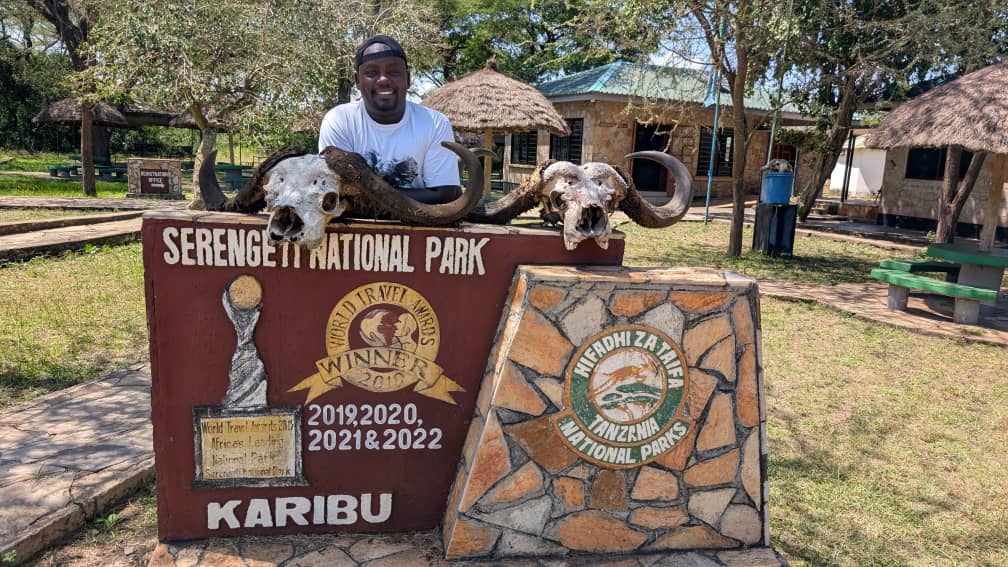
Your Kizza Adventures Guide
Your guide is with you all week and is the reason a birding safari is different from a game drive with binoculars. That person identifies by ear as well as by sight, knows which species are resident and which are passing through in April, and can find nests, roosts and favoured feeding patches rather than merely birds in passing. In April that knowledge is worth several hours a day.
Expect the sessions to be long and the stops to be frequent, and expect the engine to be off a lot of the time. Expect a full list at the end of the week, honestly recorded, including what was not seen. If you arrive with a target list, tell the guide on day one, because the whole week can be planned around it.
Where April Birding Travellers Sleep
The position has to serve the raptor ground, the water and the woodland, so properties are confirmed against your dates rather than chosen for their bird list.
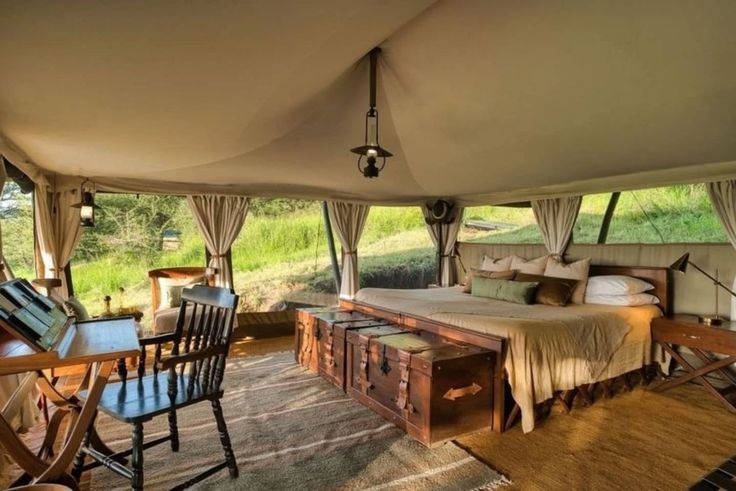
Southern Plains Position (Nights 1 & 2)
Placed for early reach onto the open raptor ground and for a short drive to the short-rain pools, which are the habitat that only exists in this season. Property, room type and meal plan are confirmed in the booking system against your dates.
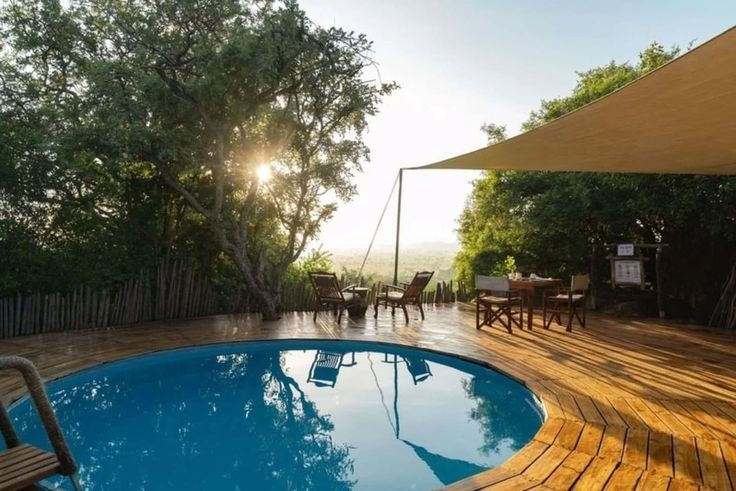
Western Water & Woodland (Nights 3 & 4)
For the woodland and fig-tree list and for the permanent water that holds the waders, the fish-eaters and the evening roost. Availability confirmed with your booking, with equivalent or superior alternatives where a preferred property is full.
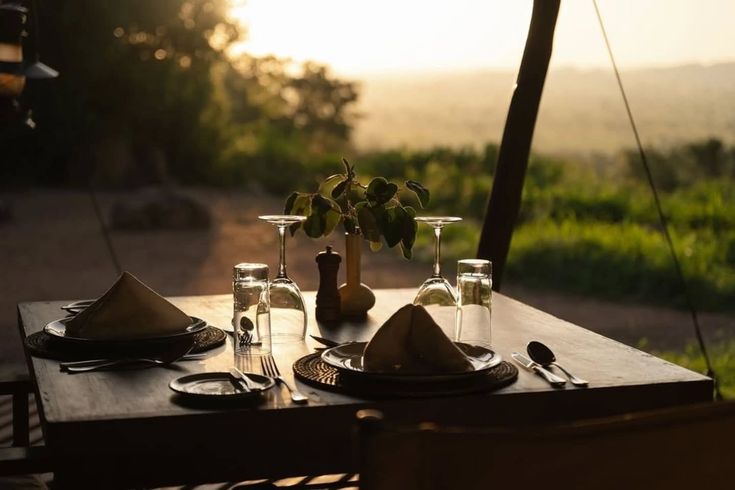
Extra Days & Zanzibar Extension
Birders with a long target list consistently want a sixth and seventh day rather than a different lodge, because the list is what takes the time. Add days, or finish on the coast; every add-on is quoted against live availability for your dates.
Lodges subject to availability. Equivalent or superior alternatives may be used. Contact us for the current lodge selections for your dates.
Getting to the Southern Serengeti
Where the driving goes on a birding itinerary, and why the schedule is built around listening hours rather than viewing hours.
The Arusha Run
Roughly four to five hours each way depending on road and roadworks, with a stop at the Ngorongoro rim. It sits on both ends of the trip, and your guide will use the drive as a briefing on the week's targets.
Driven Around a Listening Schedule
A birding day is not a driving day. The vehicle stops often, sits still and moves short distances, which is why the daily distance covered is modest even though the days are long. Judging the trip by mileage is the wrong measure here.
The Reposition on Day Four
One genuine reposition is planned into the week, through woodland into the western country, with birding sessions at both ends. It is placed in the middle of the day so the dawn and dusk sessions are not spent in the vehicle.
Green-Season Surfaces
April showers are possible and side tracks soften. Birding is sensitive to this because finding a temporary pool after rain may mean a longer drive, so routes are planned to what is open.
Roads and Surfaces
Graded dirt with soft sections. Slow speeds matter for birding as well as for photography, because a rough approach flushes everything before you are in range.
Flights and Arrival Times
Most guests land into Kilimanjaro the day before. A same-morning arrival would cost you the evening raptor session, which in April is one of the better ones in the week.
Your Safari Vehicle
On a birding safari the vehicle is a listening platform and a hide, and it has to work as both.
For the perched species and for the woodland work, where a wide window aperture matters more than standing height.
Standard, and necessary here: the guide who spots the bird must also be driving, and the vehicle must be able to stop and move a short distance without the session ending.
Several pairs in the vehicle rather than one, because a birding week is spent looking rather than photographing. Bring your own if you are particular about glass.
Fitted for the photography half of the day. A roost or a pool is exactly the kind of subject where a bean bag is what makes the frame.
Power for binoculars with illuminators, for phones running a field guide, and for camera batteries used all day.
Water and soft drinks carried through a long day of stops, which adds up to more time standing in the sun than a game drive would.
Best Time to Join an April Birding Safari
April is the month for raptor passage and post-rain wetland habitat. Here is the honest comparison against the rest of the year.
April and May are the window for the raptor passage and for the temporary wetland habitat the short rains create, and November brings a smaller second passage as the birds head south. The dry months give very reliable weather and predictable permanent water, which suits a birder who wants to plan rather than discover. April offers the more interesting list and a real chance of rain.
Where the Herds Are, Month by Month
The annual loop, and why a birder in April is not following it.
April Birding Photography Guide
Bird photography is a different discipline from wildlife photography: small, fast, backlit, and close to water. Here is what April gives you.
Herons, storks, waders and kingfishers are close, fast, backlit and almost always across water. A 400 to 600mm with high frames per second, an aperture wide enough for the light and a support on the window are the toolkit, and the skill is leading a standing bird.
The most effective bird photograph has a wind-blown bird in it: a kingfisher hovering into a headwind, a heron compressing its feathers, a wader leaning. In April the steady trade winds mean you can often choose a position with wind behind you and wait for the bird to work into it.
Low sun behind a bird only works if there is something for the light to come through: mist, dust, spray or the translucent edge of a wing. April gives you rain, haze and green grass, which is why backlit April bird photographs have more colour than dry-season ones.
A sunbird in a fig tree, a kingfisher on a reed, a hornbill draining a fig. All of these need a fixed position and a long wait, which is what a green-season month with low traffic makes possible.
Drone use is restricted in the Serengeti and is not something to improvise on the day. Ask us about current permissions before you fly anything, and note that a vehicle at a wetland is a poor launch platform in any case.
For a birder, a phone recording of a call is often more valuable than a photograph of the bird, and in April the dawn chorus on open ground is recorded from the vehicle with no effort at all. Bring a recorder or a phone with a decent microphone and use it.
What to Pack for an April Birding Safari
Binoculars that suit your eyes, more glass than you think, and protection for standing in the rain.
Clothing for Long Days Out
- Neutral, quiet clothing in khaki, beige and olive: bright colours and patterns are visible at birding distances on open ground
- A warm layer for pre-dawn sessions and a waterproof shell; April showers are possible and birding continues in them
- A wide-brimmed hat and sunglasses that work with binoculars, since both are needed constantly
- Closed shoes with grip: a wetland session involves standing on soft, wet ground for a long time
- Insect repellent, particularly for the wetland and midday sessions
- Soft-sided day bag with a waterproof liner for the optics and the electronics
Optics, Camera and Recording Kit
- Binoculars, ideally 8x42 or 10x42 for general work, plus a second pair if you can share or one for long sessions
- Telephoto lens covering 400-600mm for water birds and perched species; a 300mm is often enough in good light
- Fast frame rate and reliable autofocus matter far more on birds than megapixels do
- Rain cover for the body and lens, and a dry bag in the vehicle
- Spare batteries, kept in the vehicle, because a cold dawn plus a full day of autofocus drains them
- A phone or audio recorder with a decent microphone, for the dawn chorus and for call identification
Essential Travel Information
The practicalities worth reading before you book, including the checklist question serious birders always ask.
Your passport needs a valid margin beyond your travel dates, and the Tanzania visa is arranged before you arrive rather than at the border.
Malaria precautions are advised year-round for the Serengeti region and should be started before you travel. Bring repellents and cover up at dusk, and take the repellent with you to the dawn sessions.
Cold clear mornings, building afternoon cloud and showers, which for a birder is often productive rather than merely inconvenient: rain brings insects up, brings the herons to the pools and softens the light. Wet tracks can close a side road for a morning.
Tanzania runs on East Africa Time and a birding week is built around dawn chorus and dusk roost. Land the day before: the arrival evening is a good session.
Coverage follows camps and towns rather than the plains, so download your field guide, your audio and your target lists before you arrive. Data for uploading from the field is worth arranging in advance.
Tanzanian shillings for the smaller expenses, and a tip custom for guides and camp staff that we will explain properly on booking.
Honeymoon & Family Options
How a birding safari works for a honeymoon or a family group, and where it does not suit.
A Birding Honeymoon on the Raptor Corridor
A birding week is an unusual honeymoon format and a good one for a particular kind of couple. The days are quiet, unhurried and full of small discoveries rather than big logistics, the traffic is low enough that you will often have a wetland or a woodland edge to yourselves, and the evening roost is genuinely beautiful to sit and watch. Sundowners and a private dinner are arranged as quoted add-ons.
The honest trade is patience and repetition. A birding week involves long periods of sitting, listening and waiting for a bird that may or may not appear, which some couples find meditative and others find slow. If either of you needs stimulation every hour, we will quote a mixed itinerary with game-drive days and an evening bush meal instead, and tell you honestly which is better for you.
Family Birding Safari
Birding works reasonably well for families with older children, roughly eight and up, because it is activity that rewards patience rather than size or fitness. Children who are interested in animals are usually delighted by a wetland session, because something interesting is visible almost continuously, and the dawn sessions are calm rather than strenuous.
Junior ranger activities can be built in, including a species-count challenge, a call-identification game, and a short nest-watching session where a guide knows a nest site. For younger children we would recommend a mixed driving itinerary with a birding session or two added, rather than a full birding week, and we will say so rather than sell you a product that will not engage them.
Verified Guests on This 4-Day April Birding Safari
Verified traveller reviews live on our public TripAdvisor profile rather than being reproduced here.
Every review for this safari is published on our own TripAdvisor profile rather than reprinted here, so what you read is what other travellers actually posted.
Running an April birding trip? Send us your question and we will answer it from the same trip, with the same guide, on WhatsApp.
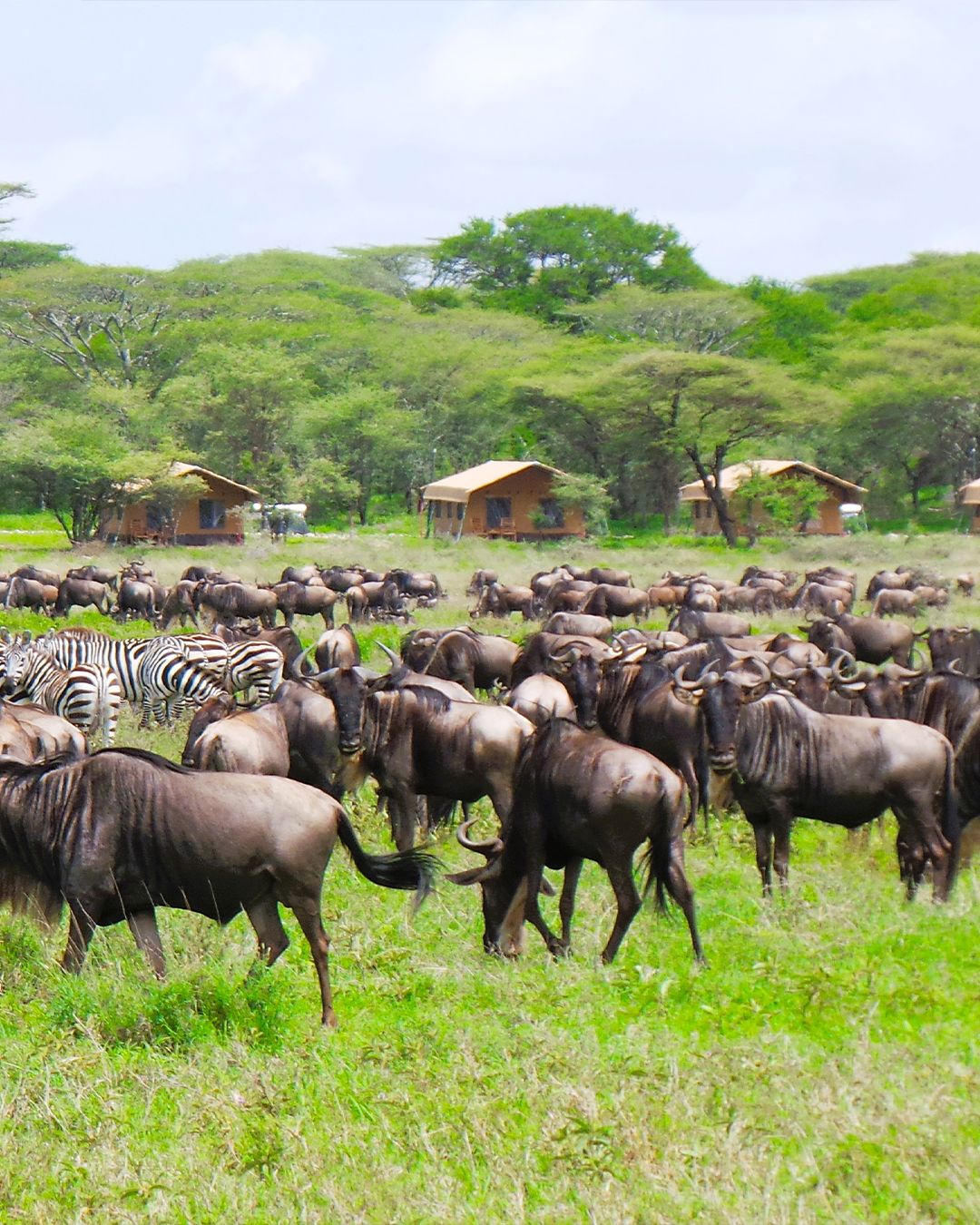
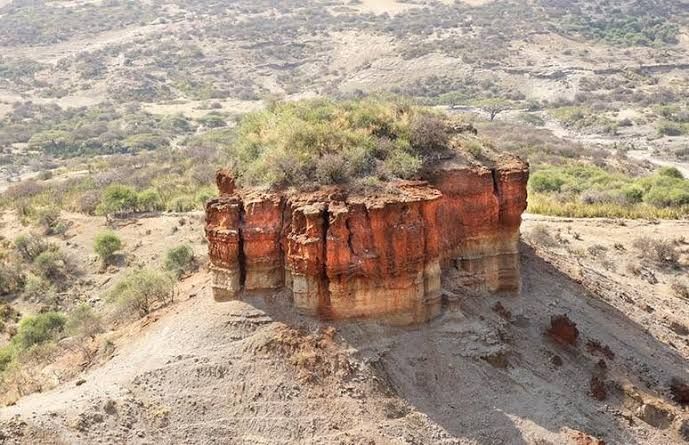
Frequently Booked Together
Additions travellers most often pair with an April birding safari.
April Birding Safari Gallery

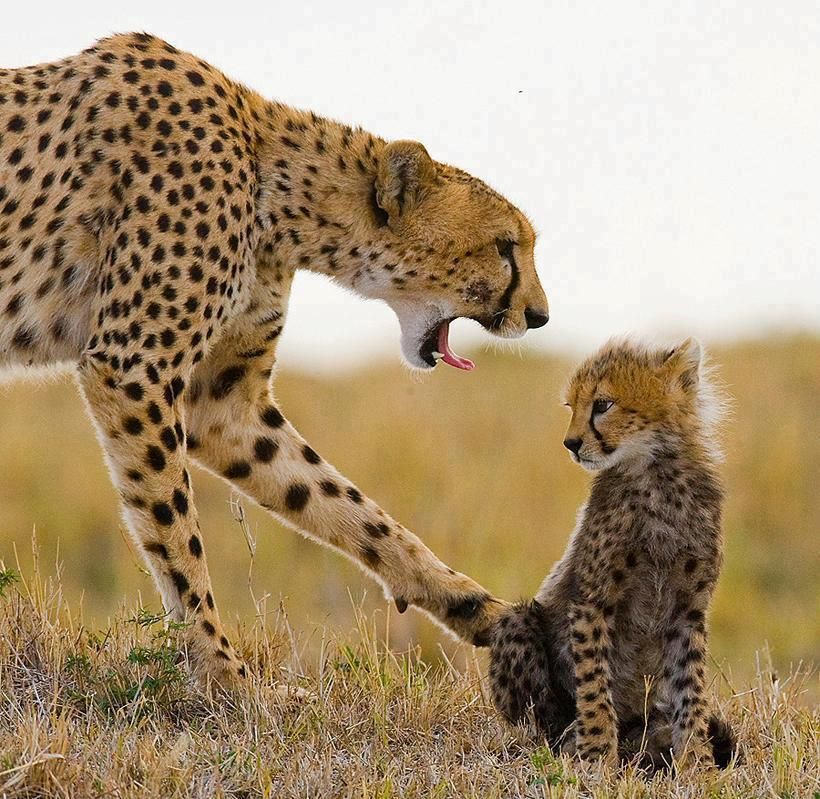
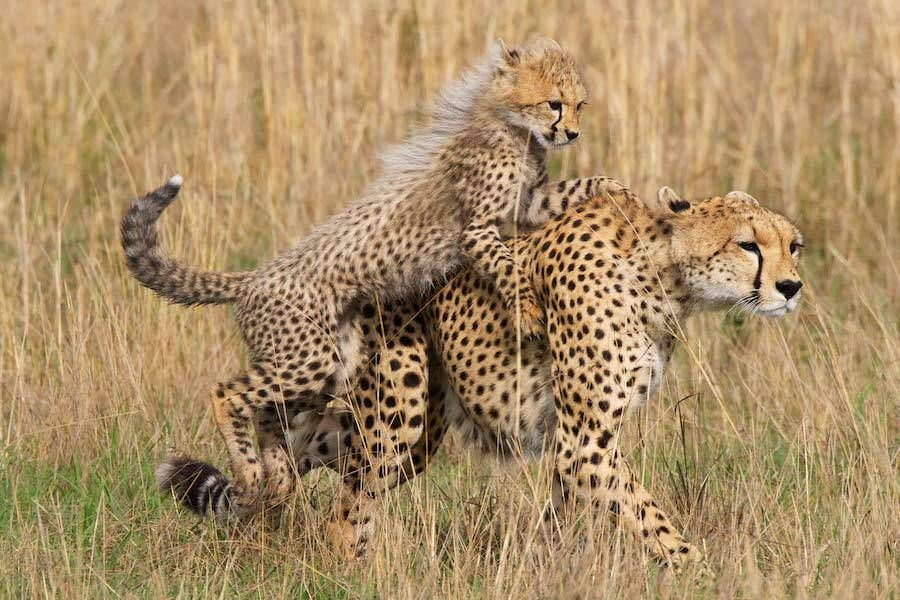
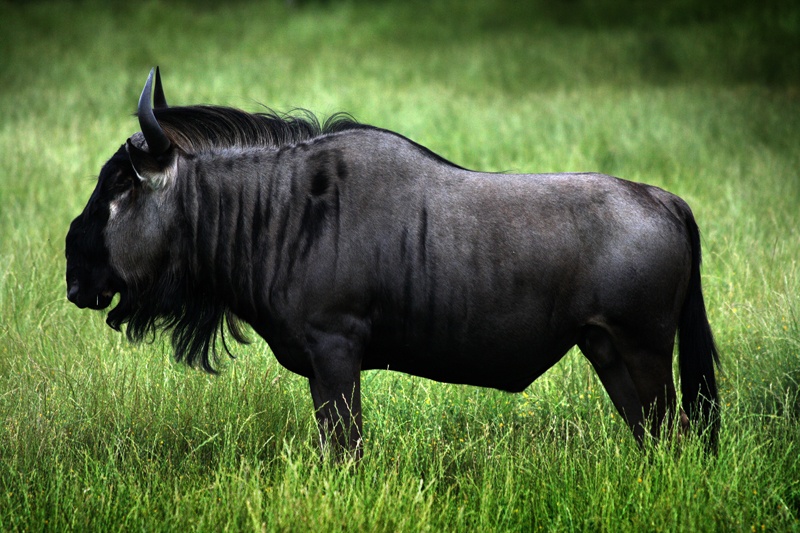
Frames from the passage, the pools, the woodland and the roosts. View complete gallery →
How Does This Safari Compare?
Where an April birding safari sits against a standard driving itinerary for the same 4 days.
| Feature | 4-Day April Birding | 5-Day April Game Drive |
|---|---|---|
| Primary subject | four days on the ground that suits this category | Mammals in volume |
| Daily rhythm | Dawn, mid-morning, dusk around bird activity | Dawn and evening game drives |
| Stops | Many, frequent, long | Few, long, covering distance |
| Pacing | Patient and repetitive | Mobile and varied |
| Best for | Travellers with 4 days wanting birding | Mammal watchers and first-timers |
Experience on Film
A visual summary of an April birding week, from the raptor passage to the evening roost.
Video highlights are shared with confirmed bookings. Ask for the current footage when you enquire, so you are seeing this season rather than an old clip.
Inclusions & Your Quote
What this arrangement covers, and what it does not.
Included
- Safari vehicle with pop-up roof and your own birding-specialist driver-guide
- Shared binoculars and window mounts, with bean bags for photography
- Four nights' accommodation per the confirmed plan
- Meals per the confirmed meal plan
- Park and conservation fees as applicable
- Round-trip road transfer from Arusha
Not Included
- International flights
- Tanzania visa
- Travel insurance
- Tips for guides and camp staff
- Personal expenses and premium drinks
- Optional night drive, quoted separately
Your Quote, Built Around Your Dates
| Quote Field | Your Arrangement |
|---|---|
| Per Person | Current price — confirmed in your quote |
| Guide | Birding specialist throughout |
| Accommodation | Position chosen for habitat access |
| Optional Extras | Night drive and extra days, on request |
* The total depends on travel dates, group size and accommodation category. Positions on this itinerary are selected for reach onto both the passage ground and the seasonal water, which is why the quote varies between date ranges. No fixed price is shown here — request your current quote below.
How to Book Your Safari
Six steps, and how long each one realistically takes. Send your target list if you have one, because it genuinely changes the routing.
Tell us your travel dates, group size, where you are flying from and any species you are specifically looking for. A target list is the single most useful thing you can send us, because the itinerary can be planned around it.
You get a full breakdown with the accommodation category set out, the position logic explained against your targets and the seasonal habitat available in your window, and any optional items itemised separately.
Once the quote is right we place a courtesy hold on the accommodation while you confirm. Birding properties are small and the good positions are few, so early confirmation matters.
A deposit secures the booking. The balance is due before arrival, and the schedule is stated plainly in your confirmation rather than left to be worked out.
Final vouchers, your confirmed property and room type, the session plan with target species noted, transfer arrangements, and a note on the seasonal habitat to expect.
You are collected from Arusha as planned, and the WhatsApp thread stays open through the trip. It is the fastest route to us when the rain changes where the temporary pools are holding water.
Frequently Asked Questions About the April Birding Safari
The questions serious birders actually ask, including the checklist one that decides whether this trip is right for you.
Ready to Bird the Raptor Corridor?
A week on one of the world's great flyways, timed for the April passage and the post-rain pools, with an honest list at the end and no invented figures in the brochure.
Enquire now for current availability — no deposit requested at this stage