


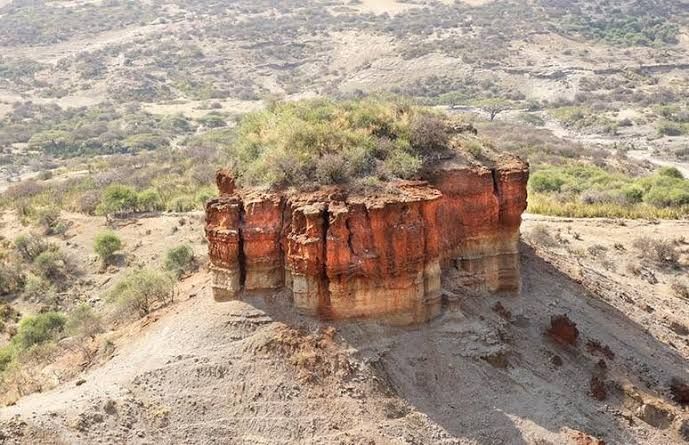
6-Day April Luxury Serengeti Walking Safari — Tracks, Grassland and Bird Life at Walking Pace
Book the 6-Day April Luxury Serengeti Walking Safari in the Serengeti: the ground-level Serengeti: tracks, grassland, bird life and the same game at a different range. What Walking Adds
Every vehicle in the Serengeti sees the Serengeti at two metres. Walking sees it at eye level, and the difference is not romantic: it is the entire small-mammal population, the track patterns, the birds at eye height, and the plant and insect life that nobody photographs from a seat. This 6-day April walking safari is built around kopje exploration and spoor work in a month when the green season has brought the small animals out. Walking in April also means softer ground and short-rain pools, which is genuinely easier underfoot than the dust and hard ground of the dry months. Whether you are searching for a 6 day walking safari, a walking Serengeti safari, or a private departure for two, the operating rhythm is the same: an early start, a full day on the plains, and an honest account at the end of it about what you actually saw. Every departure is run out of Arusha with a licensed Tanzanian guide, a private 4x4, and an overnight confirmed against your dates.
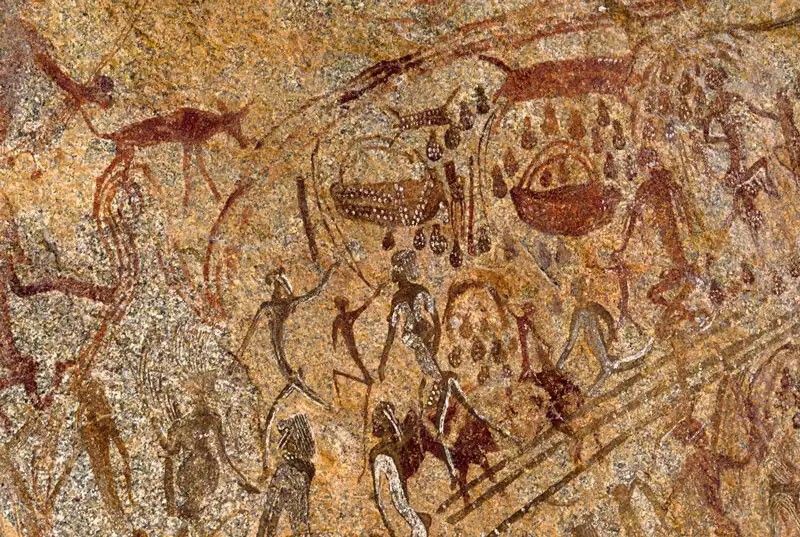
Ground Level, With a Guide Who Reads It
A walking safari is a different product from a game drive and should be sold as one. You cover a few kilometres a day on foot, at a pace set by what is underfoot rather than by a schedule, with a guide whose job is to read the ground. Most of what you find is small. Some of it is only visible because somebody who knows the park knows where to look.
The April version works because the kopjes hold their shade and their moisture while the plains are still drying, and because short-rain pools create temporary habitat that draws birdlife into places that are empty for the rest of the year. Walking is slower and requires more mobility than a game drive, and it suits travellers who want a category of wildlife that vehicles genuinely cannot deliver.
- 6 days of walking with a specialist guide and tracker
- Kopje, riverine and drainage-line exploration on foot
- Small mammals, reptiles, insects and birdlife at eye level
- Spoor work with an interpreter who has read it for years
- Game-drive sessions included so the big animals are not missed
April Walking Safari Facts
The practical requirements of a walking itinerary, stated honestly, including the fitness level you actually need.
How the six days are used
Walking days are shorter than vehicle days by design, and the hours around dawn and dusk are the whole value of the activity. Heat is the main limiting factor, so the middle of the day is spent resting and the walking is split around it. A shorter trip has to choose, and choosing usually means dropping the middle-of-the-day sessions that produce most of the images. 6 days keeps a dawn and a late-afternoon session on every day of the safari and still leaves room to work the same ground twice rather than only passing it.
What you cover on foot
Distance varies enormously with terrain. Rocky kopje work is slow; open drainage lines are faster but hotter.
What you need physically
You need to be comfortable on uneven ground for three or four hours. It is not a hike, and it is not suitable for anyone with limited mobility.
Why the number is small
Six people is the most a guide can keep within earshot and still work the ground properly.
When walking is most comfortable
April sits at the end of the long dry run and the start of the short rains, with long dry mornings and green grass.
What you walk over
Kopje rock requires sensible footwear and a steady footing. Sand is easy. Grass can be wet and deep after rain.
Where the walking happens
Central circuit is the strongest walking ground in the park, with kopje clusters, riverine and the Moru area.
How pricing works
Send your dates and we will itemise the arrangement, including the vehicle and any single supplement.
6-Day April Walking Safari Itinerary
A day-by-day account of where you walk, what you are looking for, and how the vehicle sessions fit around them. Walking distances are approximate and depend entirely on the ground.
Getting there: Early departure from Arusha and a climb through the Ngorongoro highlands, dropping into the central Serengeti by early afternoon. April roads are busy, so this day is for transfer and a first look rather than for covering ground.
The safari activity: The group settles into the central Serengeti and takes an evening session on arrival, which is useful in April because the resident cats are active in the cool of the evening. The overnight is placed against what that first hour reveals. Everything is done on foot with an armed park ranger, on approved circuits and with a strict safety protocol that the guide follows without exception. Walking distances are short and the pace is slow enough to notice everything.
What you might see: April is deep green season with the first short rains beginning, water is appearing in new places, and the resident predator population is the main draw rather than the herds. Birding is excellent as pools and puddles form. Road condition, park access and the highland weather can all change the arrival time, and the guide will re-order the day rather than compress it if the drive runs long.
Meals and timing: Lunch on the road, dinner at camp and an early night because the rains can start without much warning. First overnight in the central Serengeti, in the position that gave the best evening session.
Safety and the walking protocol: On any walking day the party moves with an armed park ranger on an approved route, keeps to the agreed limit and returns the same day. Routes are set by park authorities and can change with season, so this itinerary treats them as flexible rather than fixed.
Road flow: The group leaves camp in the cool of the morning with an armed park ranger and walks a short, approved circuit around the riverine and drainage lines. Distances are deliberately short and the pace is slow enough to read the ground, because the point is to be on foot inside the habitat rather than to cover it. The ranger sets the route for the day and it is followed without exception.
The working part of the day: On foot the circuit is worked slowly, stopping often where tracks and signs are worth reading. Fresh spoor, dung and the small movements in the grass that a vehicle would pass straight over are a normal part of the morning, and it is the ranger's knowledge of the residents that turns a walk into a productive one rather than a stroll. Standing still on foot also brings you closer to ground-level behaviour than any drive can.
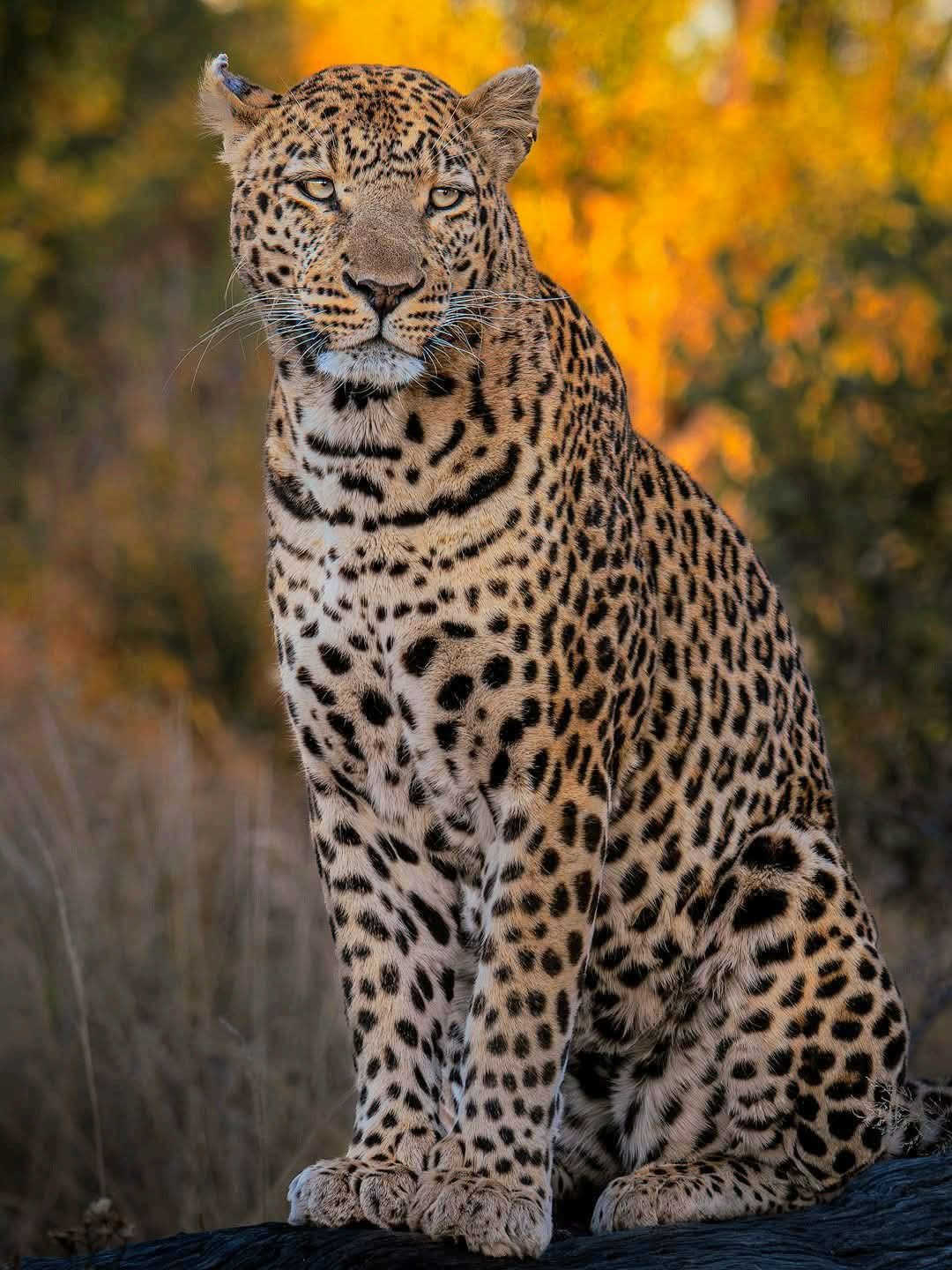
Wildlife context: Fig trees, drainage cuts and fallen limbs define leopard country here. The bird list in this habitat is the richest of any habitat in the park, and April water attracts fish eagle and kingfisher in numbers. Leopard here are genuinely difficult to see in thick cover, and this habitat asks for patience rather than distance. Sightings are possible on any morning and cannot be promised.
Practical rhythm: A long stationary midday is planned with water available, and warm layers are worth carrying for open vehicle time. Overnight in the riverine or central position, within a short drive of the leopard ground.
How this day is judged: Everything is done on foot with an armed park ranger, on approved circuits and with a strict safety protocol that the guide follows without exception. Walking distances are short and the pace is slow enough to notice everything. The day is not measured by how many animals are ticked off but by whether the time spent in the country was used properly, which is why the afternoon session matters as much as the dawn one.
How the day opens: The group leaves camp in the cool of the morning with an armed park ranger and walks a short, approved circuit around the open short grass. Distances are deliberately short and the pace is slow enough to read the ground, because the point is to be on foot inside the habitat rather than to cover it. The ranger sets the route for the day and it is followed without exception.
On the ground: On foot the circuit is worked slowly, stopping often where tracks and signs are worth reading. Fresh spoor, dung and the small movements in the grass that a vehicle would pass straight over are a normal part of the morning, and it is the ranger's knowledge of the residents that turns a walk into a productive one rather than a stroll. Standing still on foot also brings you closer to ground-level behaviour than any drive can.
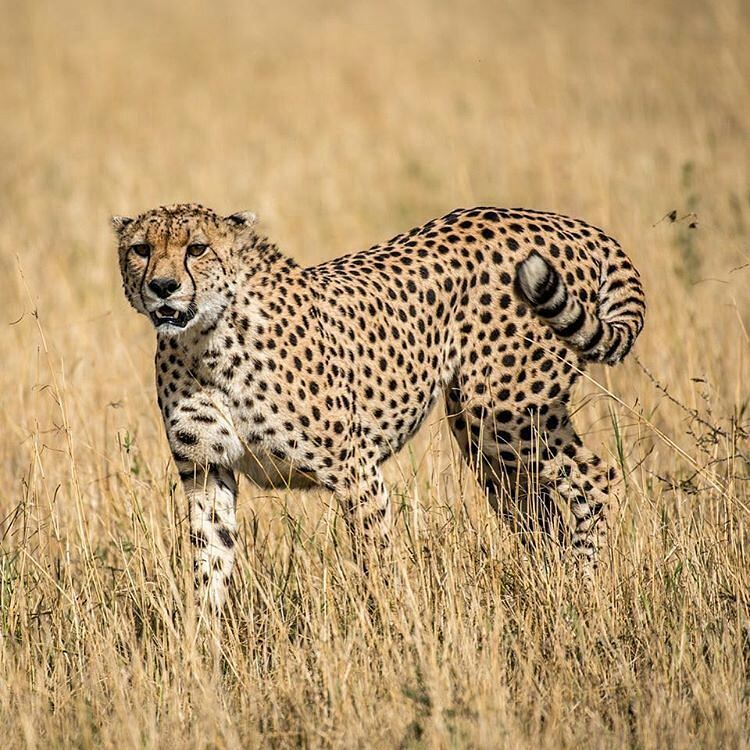
Reading the country: Cheetah on the open plain are the specialist of this habitat, and the eastern corridor is one of the least visited parts of the park. April green season brings excellent general game and reliable water. The plains can look extraordinary or simply empty depending on the week's weather and where the herds have actually settled, and the plan moves with them.
Comfort and breaks: Water carried throughout, a shaded midday stop, and an afternoon that involves a moderate drive rather than a long one. Overnight in the open-plain or eastern position that gave the best session.
How this day is judged: Everything is done on foot with an armed park ranger, on approved circuits and with a strict safety protocol that the guide follows without exception. Walking distances are short and the pace is slow enough to notice everything. The day is not measured by how many animals are ticked off but by whether the time spent in the country was used properly, which is why the afternoon session matters as much as the dawn one.
Morning movement: The group leaves camp in the cool of the morning with an armed park ranger and walks a short, approved circuit around the kopje country. Distances are deliberately short and the pace is slow enough to read the ground, because the point is to be on foot inside the habitat rather than to cover it. The ranger sets the route for the day and it is followed without exception.
The session: On foot the circuit is worked slowly, stopping often where tracks and signs are worth reading. Fresh spoor, dung and the small movements in the grass that a vehicle would pass straight over are a normal part of the morning, and it is the ranger's knowledge of the residents that turns a walk into a productive one rather than a stroll. Standing still on foot also brings you closer to ground-level behaviour than any drive can.
The species question: Resident leopard, cheetah and lion use these kopjes year-round. Being here in April means seeing animals that have not moved with the herds at all, which is a different proposition from the southern plains in January. Resident cats are never predictable, and a quiet-looking block of rock can stay empty all morning. The tracking effort is what usually pays, not the waiting.
Pacing the day: Water and snacks carried, with a shorter drive and longer stationary sessions than on the plains. Overnight near the kopje or plains position that gave the best session of the day.
How this day is judged: Everything is done on foot with an armed park ranger, on approved circuits and with a strict safety protocol that the guide follows without exception. Walking distances are short and the pace is slow enough to notice everything. The day is not measured by how many animals are ticked off but by whether the time spent in the country was used properly, which is why the afternoon session matters as much as the dawn one.
Driving and repositioning: The group leaves camp in the cool of the morning with an armed park ranger and walks a short, approved circuit around the lake channels and wetland edge. Distances are deliberately short and the pace is slow enough to read the ground, because the point is to be on foot inside the habitat rather than to cover it. The ranger sets the route for the day and it is followed without exception.
Watching and waiting: On foot the circuit is worked slowly, stopping often where tracks and signs are worth reading. Fresh spoor, dung and the small movements in the grass that a vehicle would pass straight over are a normal part of the morning, and it is the ranger's knowledge of the residents that turns a walk into a productive one rather than a stroll. Standing still on foot also brings you closer to ground-level behaviour than any drive can.
Landscape and game: April is one of the best birding months in the Serengeti because the short rains create temporary water in places that are dry for most of the year. Predators use the channel edges at drinking time. Water levels change with the rains and channels that are drivable in one week may be soft or closed in another, so the lake work is planned around what is actually passable.
Logistics: Waterproof layers carried for open water at dawn, and a proper seated lunch stop during the day. Overnight close to the water, where the dawn session begins at the channel edge.
How this day is judged: Everything is done on foot with an armed park ranger, on approved circuits and with a strict safety protocol that the guide follows without exception. Walking distances are short and the pace is slow enough to notice everything. The day is not measured by how many animals are ticked off but by whether the time spent in the country was used properly, which is why the afternoon session matters as much as the dawn one.
The transfer: One last early session at the best available ground rather than the closest, then breakfast in the field and the road back to Arusha. The drive follows the same route as the arrival day, with a viewpoint stop if the morning is clear.
What the morning is for: The final session is deliberately short, usually an hour or two, because the trip has already delivered and the priority is a comfortable return. The highlands are completely different country from the plains below them.
What is out there: Last-morning light is often the best of the trip, and the residents are entirely used to the vehicle by this stage. April weather on the return road can include rain, which adds time. Walking is permitted only in designated areas, only with an armed ranger, and only on routes approved by park authorities. Routes change with season, and no walking itinerary can promise a specific animal at close range. Departure day is exposed to the same rain and road conditions as arrival, so the return is timed with slack in it.
Breaks and overnight: Breakfast in the field, packed lunch on the road, and arrival in Arusha in the afternoon or early evening. No overnight on safari; the trip ends on arrival back in Arusha.
Safety and the walking protocol: On any walking day the party moves with an armed park ranger on an approved route, keeps to the agreed limit and returns the same day. Routes are set by park authorities and can change with season, so this itinerary treats them as flexible rather than fixed.
Why Walk in April Rather Than Another Time
The honest case for an April walking itinerary, including the days when it is the wrong choice.
Green-season animal activity
Green grass and emerging insects bring out small mammals, reptiles and birds that are far harder to find in the dry months. The whole point of walking is species density, and April has better density.
Temporary pools
Short-rain pools create wetland habitat in the middle of a dry-season park, drawing waders and kingfishers into places that are empty for the rest of the year.
Cooler mornings
Walking at first light in April is comfortable. In the middle of the dry season the same session starts uncomfortably hot, and most walkers end up doing less.
Kopjes hold their shade
In April the kopjes still hold moisture and shade, so the small-mammal community is active on the surface rather than sheltering deep in the cracks.
The trade you accept
April sits between the dry and the wet, and heavy afternoon rain can make a walk unpleasant if it arrives early. Sessions are placed in the morning for that reason.
The trade that applies all year
Walking is slower than driving, covers far less ground, and will not produce elephants or lions. If big animals are your priority, choose a driving itinerary instead.
Route and Ground Walked
The 6-day walking route moves through the central kopje clusters, the riverine and the southern boulder fields, with vehicle sessions on the open plain alongside.
Early departure from Arusha and a climb through the Ngorongoro highlands, dropping into the central Serengeti by early afternoon.
The group leaves camp in the cool of the morning with an armed park ranger and walks a short, approved circuit around the riverine and drainage lines.
The group leaves camp in the cool of the morning with an armed park ranger and walks a short, approved circuit around the open short grass.
The group leaves camp in the cool of the morning with an armed park ranger and walks a short, approved circuit around the kopje country.
The group leaves camp in the cool of the morning with an armed park ranger and walks a short, approved circuit around the lake channels and wetland edge.
Return road to Arusha, timed so you arrive with the afternoon still ahead.
Where the Walking Safari Goes
The walking route stays in the central and southern Serengeti, where the kopje clusters and riverine country support the on-foot sessions.
- Arusha
Start and finish
Road transfers both ends - Seronera & the Kopjes
Resident lions, leopard and cheetah
Central Serengeti - Ndutu & the Short Grass
Calving and plain game
The southern block - Western Lakes & Drainage
Waterbirds and general game
Western corridor
Why Choose Kizza Adventures for an April Walking Safari
A walking safari depends almost entirely on the guide. These are the things that matter and that are difficult to fake.
Walking guides are a different skill set from driving guides. Ours work on foot all season and read ground rather than reading a road.
Reading a track for direction, age and the animal that made it takes years. It is the core of what you are paying for and it is not something a brochure can deliver.
Six people on foot is the most a guide can keep within earshot and still work the ground properly. Above that, the group fragments and the session loses its point.
A walking itinerary that forgets the big animals is a worse product. The vehicle sessions are part of the format, not an optional extra.
Walking is slow, requires mobility, and does not produce elephants. We set that out before you book rather than after.
Where walking is currently permitted changes, and it is confirmed against your dates rather than assumed to be available.
The pace is set by the group and the ground, not by a schedule. Nobody is left behind and nobody is walked off their feet.
Lodges, transfers, guide allocation and access arrangements are all confirmed in writing before you travel.
What You Will Find on an April Walk
The realistic subject list for a walking itinerary, which is weighted heavily toward species you will not see from a vehicle. None of it is promised.
The two most reliable finds in any kopje. Small, present, and photographable at close range because nothing else is hunting them here.
Several species across the kopje and riverine habitat, active from dusk and early in the morning. The easiest small-animal subject of the week.
Including puff adders, which are common in the boulder fields and are best observed from a distance. Your guide will identify everything and nothing is handled.
Hare, and in the grass the smaller mammals that are effectively invisible from a vehicle. Present but never predictable.
A completely different list from a vehicle safari, including species that are common and never recorded because nobody looks for them.
Seen from below on foot rather than through a roof hatch, which is a genuinely different photographic experience.
Approachable in the kopje and riverine country, and among the most photographic subjects available on foot.
In the larger kopje clusters, and worth time. A well-observed troop in April is one of the most interesting things you will see.
Not sightings, but often the most valuable content of a walking day: the spoor, scrapes and feeding signs of everything large, read by an expert.
April's green season brings out a great deal of invertebrate life, including on the drainage lines after rain.
Waders and kingfishers concentrated at temporary pools, present only for a few weeks of the year and dependent on recent rain.
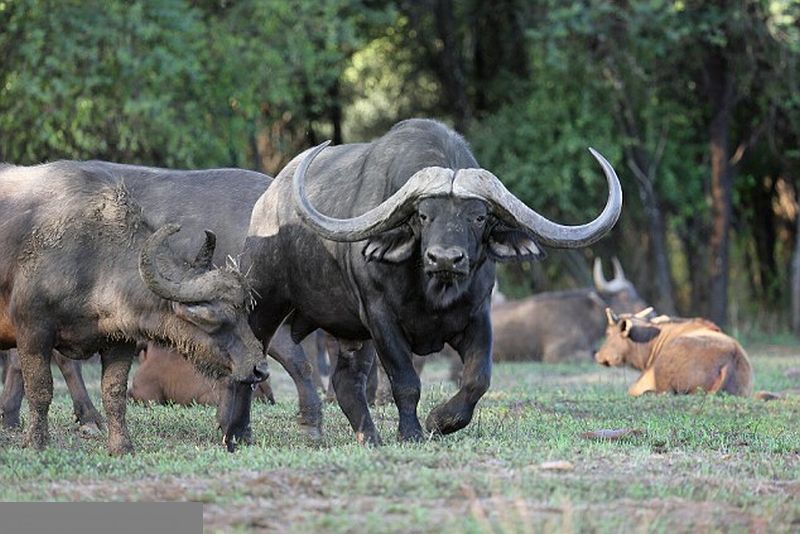
Elephant, lion, cheetah and the plain game are covered on the vehicle sessions, which are part of the itinerary rather than an alternative to it.
What a Walking Guide Knows
The knowledge that a walking itinerary is actually buying, which cannot be found in a brochure.
Track reading
Best spot: A guide can tell you from a footprint whether the animal passed yesterday or this morning, which way it went and roughly how big it was. Every walking day includes this, and it is the part people remember.
Sandy drainage line, fresh track at first light
Rock habitat
Best spot: The cracks and crevices in a boulder field are a map. The reptile and small-mammal density is not uniform across a kopje, and the guide knows where in it to stand.
Boulder-field cracks and shaded crevices
Quiet technique
Best spot: Walking quietly is a technique, not a personality trait. Where you place your feet on gravel, how you move between boulders and when you stop all decide what you see.
Soft gravel approach between the boulders
Layering
Best spot: On foot you get close enough to be in the wind, and that means clothing that works for a cool dawn and a warm hour later. April makes this manageable but not optional.
Exposed kopje position at dawn and mid-morning
Where the animals are at each hour
Best spot: The same habitat is productive at different hours for different species. The guide plans the session order, not just the location.
Fig-tree line and the river bank together
Weather reading
Best spot: Afternoon rain is normal in April and it changes what the morning session should be. The guide adjusts the plan and explains why, rather than quietly altering the day.
Rain front crossing open ground between kopjes
April Walking Sightings Checklist
What to realistically mark off on a 6-day April walking itinerary, with an honest likelihood for each.
| Animal | Potential Encounter | Best Viewing Context | Best Area |
|---|---|---|---|
Rock agama at close range | Strong | Any kopje, first light and dusk | Almost certain in the right boulder field |
Dwarf mongoose | Strong | Kopje margins and grass edge | Present year-round and habituated enough to be watched at distance |
Geckos on rock after dark | Strong | Kopjes, first hour after dusk | Requires a torch and a steady hand |
Puff adder in a boulder field | Strong | Moru and Seronera kopjes | Common; observed from distance and never handled |
Fresh spoor read for age and direction | Strong | Any sandy drainage line | The core of the walking experience |
Roller on a fig-tree line | Strong | Riverine, morning | Approachable and photogenic |
Baboon troop in a kopje cluster | Possible | Larger kopjes | Depends on which clusters are accessible that month |
A leopard in the fig-tree line | Possible | Riverine, morning | You may hear one and never see it, which is normal and worth the walk anyway |
Waders at a short-rain pool | Possible | Drainage lines after rain | Temporary and dependent on recent storms |
A raptor overhead from below | Strong | Open ground between kopjes | A different view from the vehicle version |
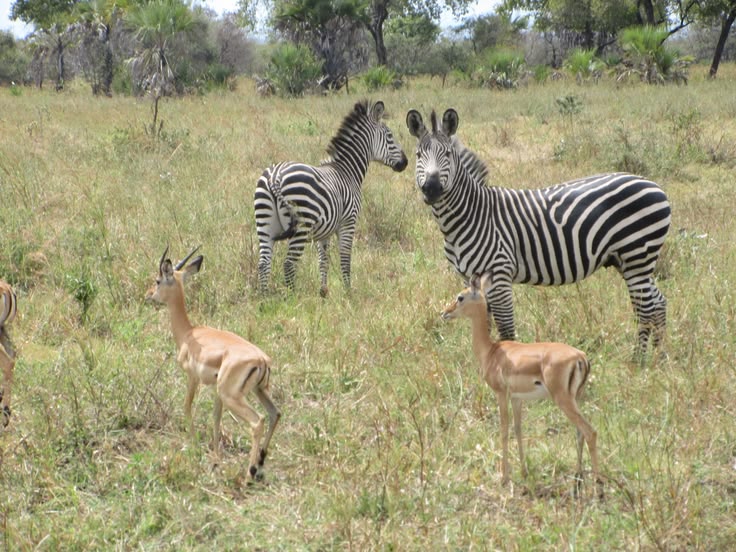
Elephant herd from the vehicle session | Possible | Open plain and woodland | Vehicle session rather than on foot |
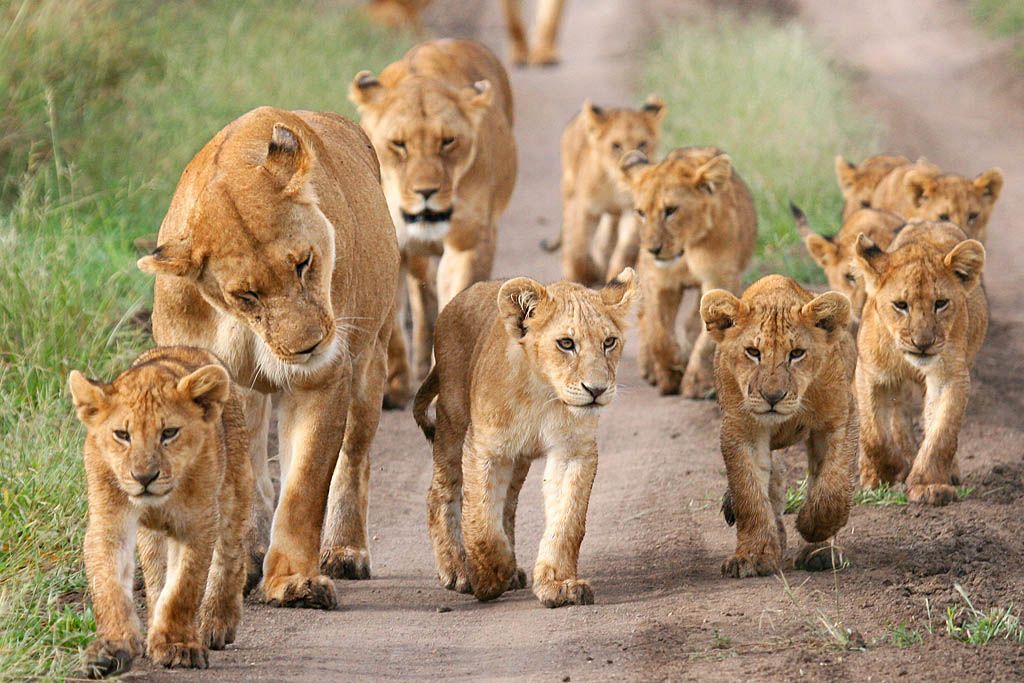
Lion pride on the central plain | Possible | Seronera plain, evening | Vehicle session; territory-holding prides are the most reliable big cat |
This is a planning aid, not a promise. Every item is a possibility and none is arranged in advance. A good April walk typically produces most of the first ten.
Meet Your Guide
On a walking safari the guide is not an addition to the experience. The experience is the guide's knowledge, on foot.
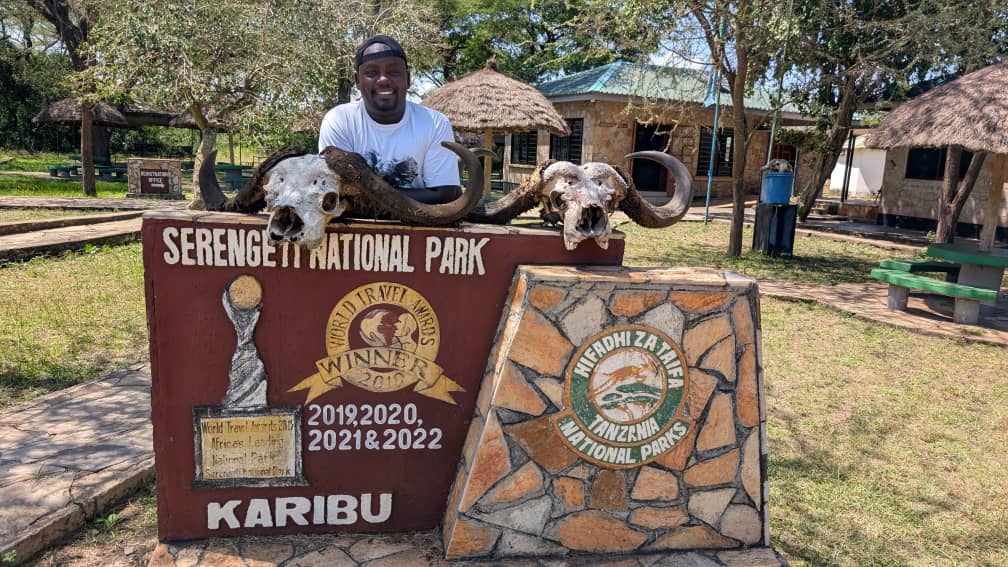
Your Kizza Adventures Guide
Your guide walks with you for all 6 days and works on foot all season, which is a different skill set from driving. That person can read a track for direction, age and the animal that made it, can identify every reptile in a boulder field at a glance, and knows which kopje clusters hold which species in April rather than in July.
The second thing that makes walking guides worth having is how they manage a group on the ground. Nobody is left behind, nobody is walked past the thing they wanted to see, and the pace is set by the weakest person rather than the strongest. If someone needs to sit down for ten minutes, the session pauses, because a walking safari that hurries the slowest participant is not a walking safari.
Walking Safari Accommodation
On a walking itinerary the camp matters in a specific way: it has to be close enough to the kopje ground that you can be on it before it is light.
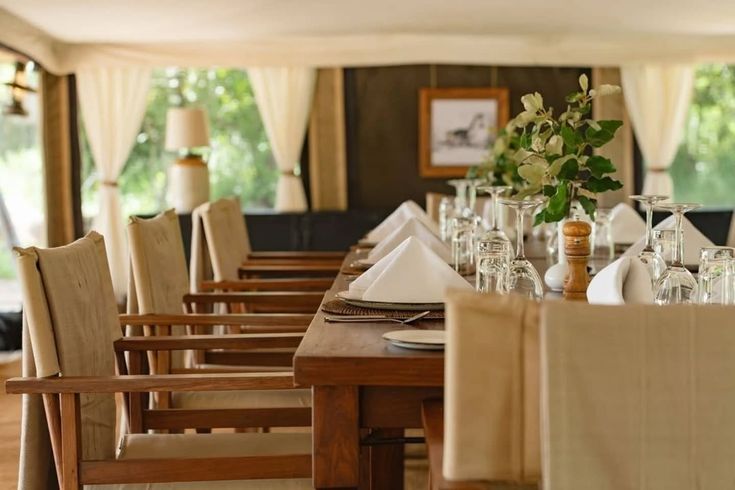
Seronera Kopje Position (Nights 1 & 2)
Placed within a short walk of the kopje clusters around the central circuit, so the dawn session starts from camp rather than from a vehicle. Property, room type and meal plan are confirmed in the booking system against your dates.
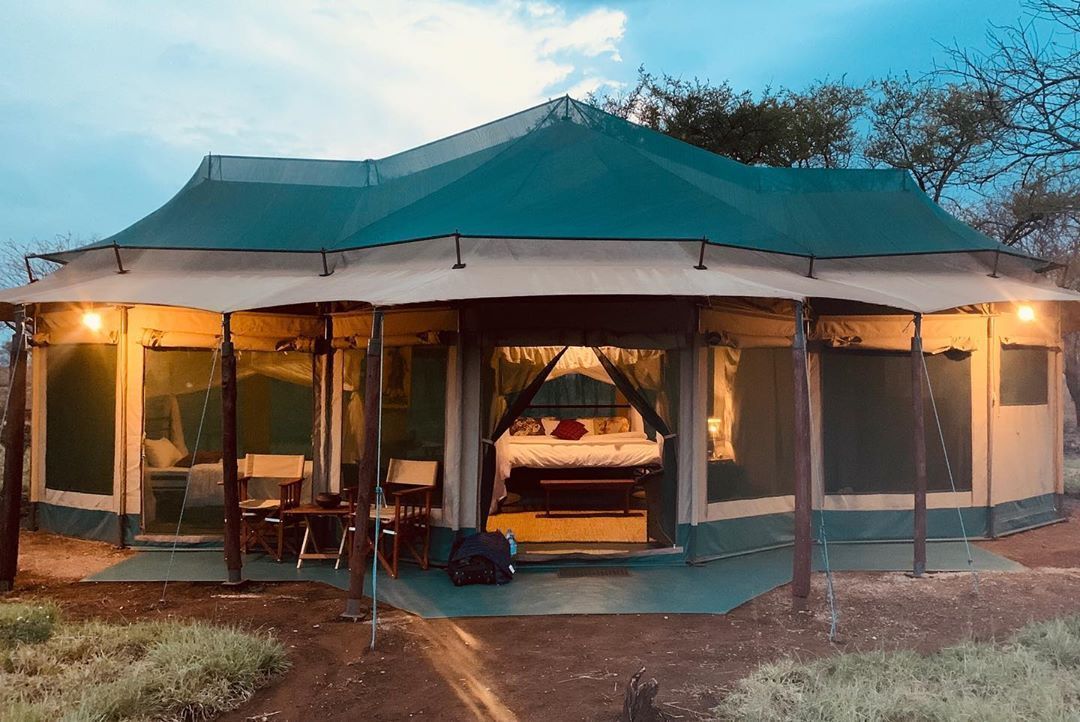
Riverine & Drainage Position (Night 3)
Positioned for the riverine and drainage-line walking day, with the fig-tree habitat and the bird community within reach on foot. Walking distance to the session start is the deciding factor on a walking itinerary.
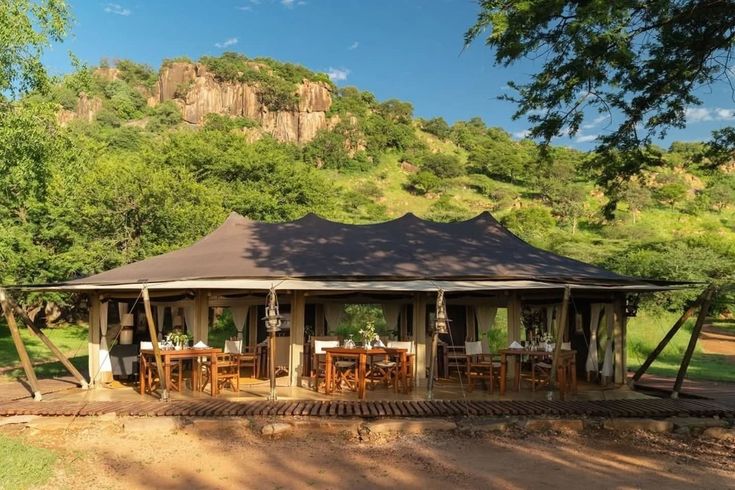
Southern Serengeti Position (Night 4)
Close to the southern boulder fields for the final walking day, and positioned for the vehicle session on the southern plain. Rooms are chosen for early breakfast rather than for the view.
Lodges subject to availability. Equivalent or superior alternatives may be used. Contact us for the current lodge selections for your dates.
Transfers and Moving Between Positions
Walking days cover very little ground, so transfers are short and deliberately timed around the sessions.
Arusha to Seronera
Road transfer, roughly five hours. The longest transfer of the trip, run on the first day with only a short orientation walk on arrival.
Seronera to the Riverine
Short repositioning rather than a walk, because the riverine session is planned to start from camp and the walking is done on foot within the habitat rather than on the way to it.
Seronera to Moru
Repositioning to the south, made mid-week with the walking sessions either side of it so that no walking day is lost to a long drive.
Moru to Arusha
Road transfer on the final day, arranged around your flight or overnight connection with margin for a wet road and a slow climb out of the Ngorongoro highlands.
Between Walk and Vehicle Sessions
Private vehicle, same day, and the same guide. The vehicle is used for the open-plain sessions and to move between kopje clusters when the distance is more than a comfortable walk.
Kilimanjaro Airport Collection
Included on the arrival transfer, arranged against your arrival details before you travel so the vehicle is waiting rather than being found.
The Walking Safari Vehicle
The vehicle supports the walking days rather than replacing them, which changes what it needs to do.
For the open-plain game-drive sessions and for moving between kopje clusters where a walk is impractical.
The same guide and vehicle stay with you for the whole week, which is what makes a walking itinerary coherent.
Several pairs are carried in the vehicle and used constantly on the walking days, particularly for birds.
Useful on the vehicle sessions and for anyone photographing the small mammals at close range.
The vehicle carries the water and the equipment for a walking day, because on foot you carry nothing.
Head torches and camera batteries need power, and both are used hard on a walking itinerary.
Best Time to Walk in the Serengeti
Walking works year-round, but the practical window is narrower than for a driving safari. This is what the surrounding months look like.
We rate March and the cool dry months of June to October as the best walking months, with December to March also strong. April is rated good rather than best for one honest reason: the short rains arrive and an afternoon downpour will cancel an afternoon session. The morning sessions in April are excellent and the green season brings out more small life than any dry month. If your dates are fixed we work with them; if they are flexible we would point you at March or September for walking and at April for photography or big cats.
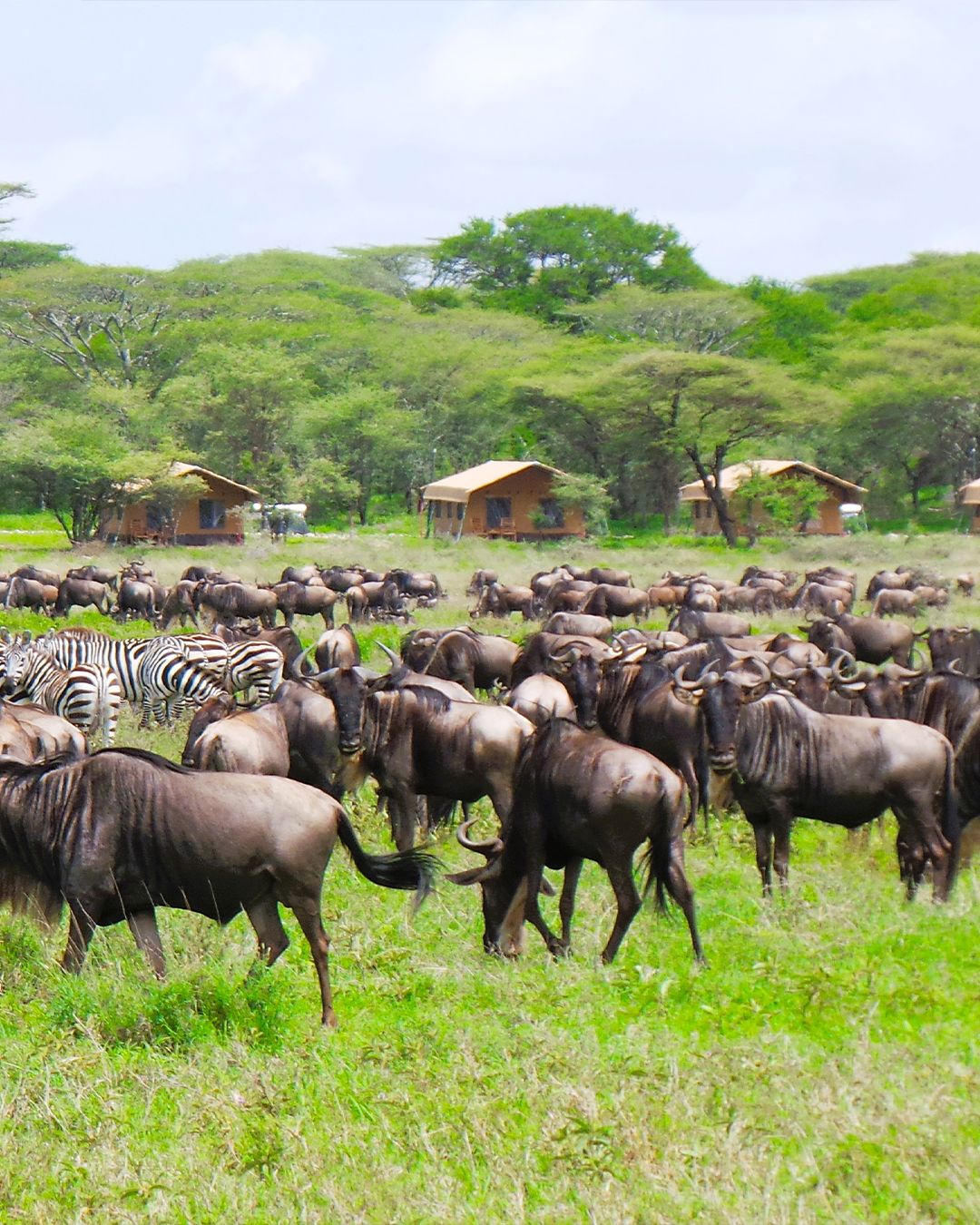
Great Migration Position in April
Where the herds are in April, and why a walking itinerary largely ignores them.
Photography on a Walking Safari
What changes about photography when you are on foot, which is a different discipline from the vehicle version.
The subjects on a walking safari are small and close, so a normal or short telephoto lens is more useful than the long lens a vehicle safari demands.
The gecko and nocturnal species need light. A head torch with a red filter is the single most useful piece of walking-safari equipment for photography.
Much walking-safari photography happens at first light and last light, which means high ISO and a support. A small tripod or a bean bag makes the difference.
On foot you are close enough for your scent to matter. Approach with the wind behind you, which on a walking safari is easier to arrange than from a vehicle.
You will be closer to the ground than on a vehicle itinerary, and the dust and dry grass are correspondingly more of a problem.
On a walking safari there are more species than you can photograph. Write the list down and the day still works as a record, which from a vehicle it does not.
Packing List for an April Walking Safari
Walking carries its own kit requirements, and the difference from a driving itinerary is not subtle.
On-Foot Kit
- Broken-in walking boots with good grip; kopje rock and sand punish anything new
- Neutral layers that work for a cool dawn and a warm mid-morning, because you cannot carry much
- A wide-brimmed hat and at least a litre of water per person, more in April than in the dry months
- A head torch with fresh batteries; the gecko and nocturnal session is worth nothing without one
- Sensible socks and blister plasters, because the distances are short and the ground is rough
Camera and Field Kit
- A camera with a normal or short telephoto lens; long lenses are less useful on foot
- A small tripod or bean bag for the dawn and dusk sessions
- A field notebook and a pen for the species list, which matters more on foot than in any vehicle
- Insect repellent and a tick-check routine; walking through long grass in April is not symbolic
- A waterproof bag for phone, notebook and electronics, because April rain is not always polite
April Travel Tips
Practical notes on weather, terrain, altitude and the daily rhythm of walking in the Serengeti in April.
April rain usually arrives in the afternoon and night, which is why the walking sessions are placed at first light and in the late afternoon. A storm can close a track for the morning.
Rock is slow, hard work and requires a steady head. Sand is easy but hot. Grass is deep after rain. The guide sets the pace to the terrain, not to a distance.
The best sessions start before it is light, which means a head torch for the walk out and coffee at an ungodly hour. That is the honest cost of the format.
Where walking is currently allowed changes, and it is confirmed against your dates. Some kopje clusters are closed seasonally or for research.
The Ngorongoro rim is over 2,000 metres, so the first day can give some people a mild headache. Drink more water than you think you need on a walking day.
Honeymoon & Family Options
How a walking itinerary works for a honeymoon or a family group, and where it does not suit.
A Walking Honeymoon That Is Not About the Vehicle
A walking safari is a genuinely distinctive honeymoon format, because the days are quiet, slow and about small discoveries rather than logistics. You are outside for hours in beautiful country, the traffic is low enough that you will regularly be the only people on the ground, and the evenings are free. A private dinner and bush breakfast are arranged as quoted add-ons, and a walking itinerary photographs unusually well because the subjects are close.
The honest trade is effort and patience. Walking involves three to six kilometres a day on uneven ground, and it rewards the couple who are genuinely interested in the small stuff rather than the couple who want to be driven to the largest animal available. If either of you needs stimulation every hour, we will quote a driving itinerary instead and tell you honestly which is better for you.
Family Walking Safari
Walking works well for families with children roughly ten and up, and in some ways better than a game drive, because a child who is walking through a boulder field looking for lizards is engaged rather than being transported. The vehicle sessions mean the big animals are still part of the week, so nobody is bored. It is an active holiday and children generally come home tired and pleased.
Younger children, and anyone with limited mobility, are a poor fit for this itinerary. For younger children we recommend a driving itinerary with short walks and a junior-ranger element, and we will tell you that rather than sell a walking week that will end in a difficult morning on day two. We will adjust the pace to the youngest person in the group in any case.
Verified Guests on This 6-Day April Walking Safari
What past travellers say about walking with us in the Serengeti.
Every review for this safari is published on our own TripAdvisor profile rather than reprinted here, so what you read is what other travellers actually posted.
Running an April trip? Send us your question and we will answer it from the same trip, with the same guide, on WhatsApp.
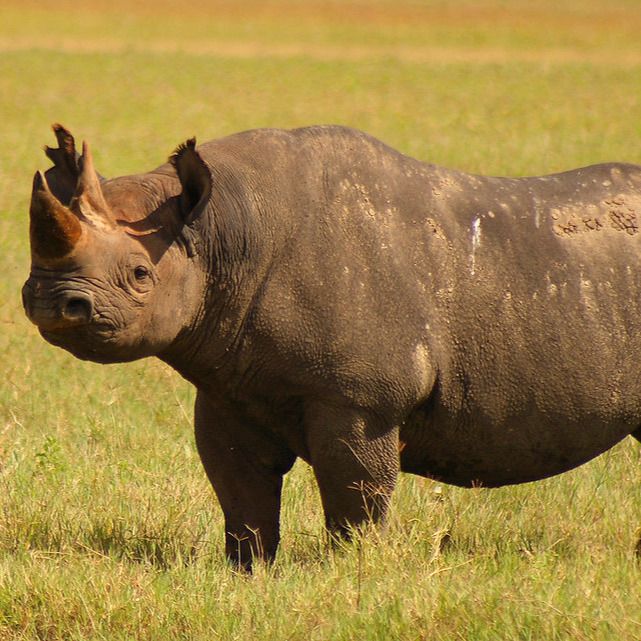
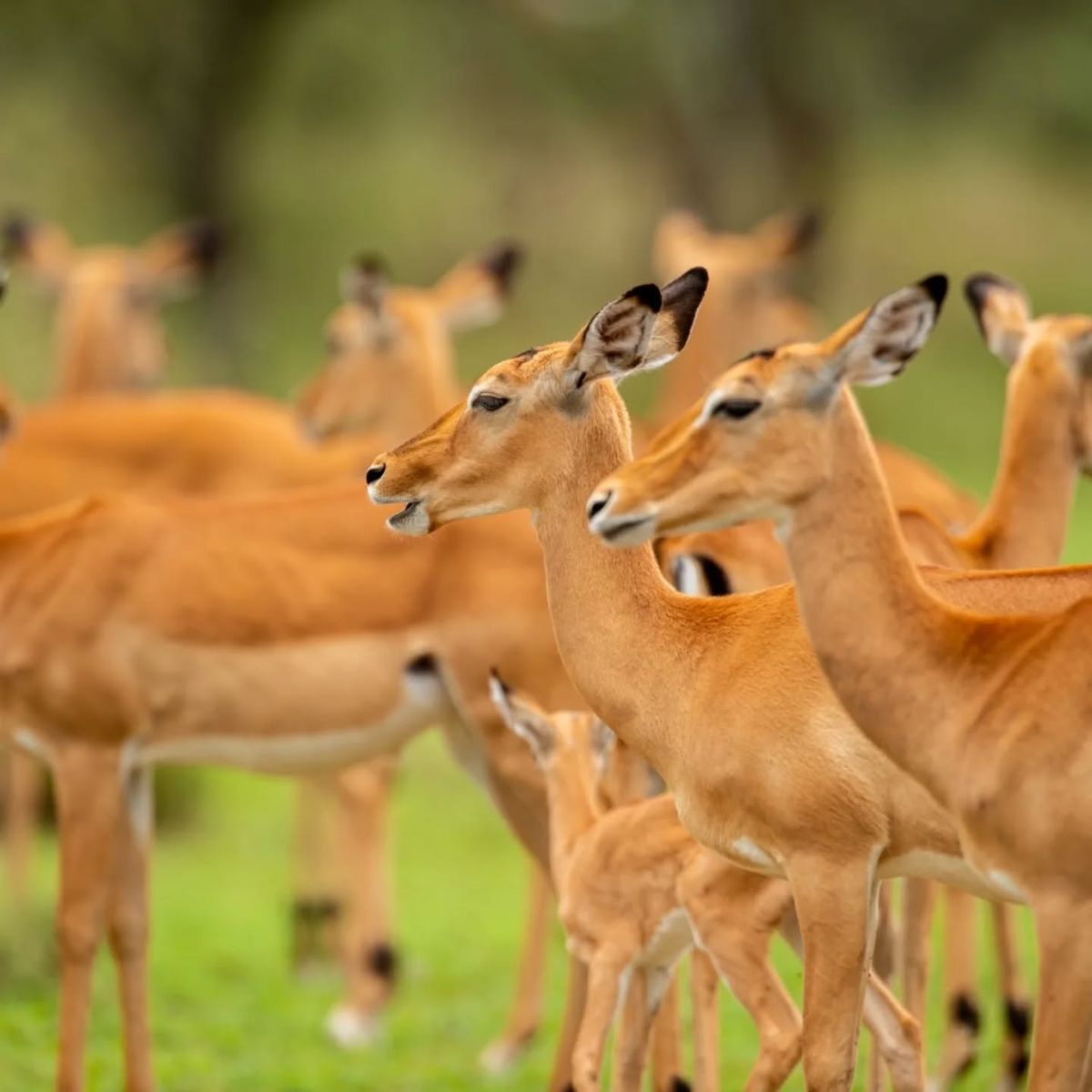
Frequently Booked Together
Add-ons that clients most often combine with an April walking itinerary.
Image Gallery
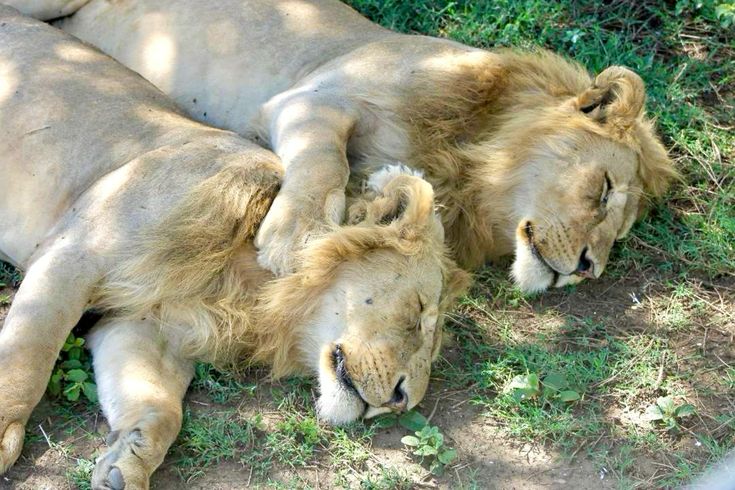
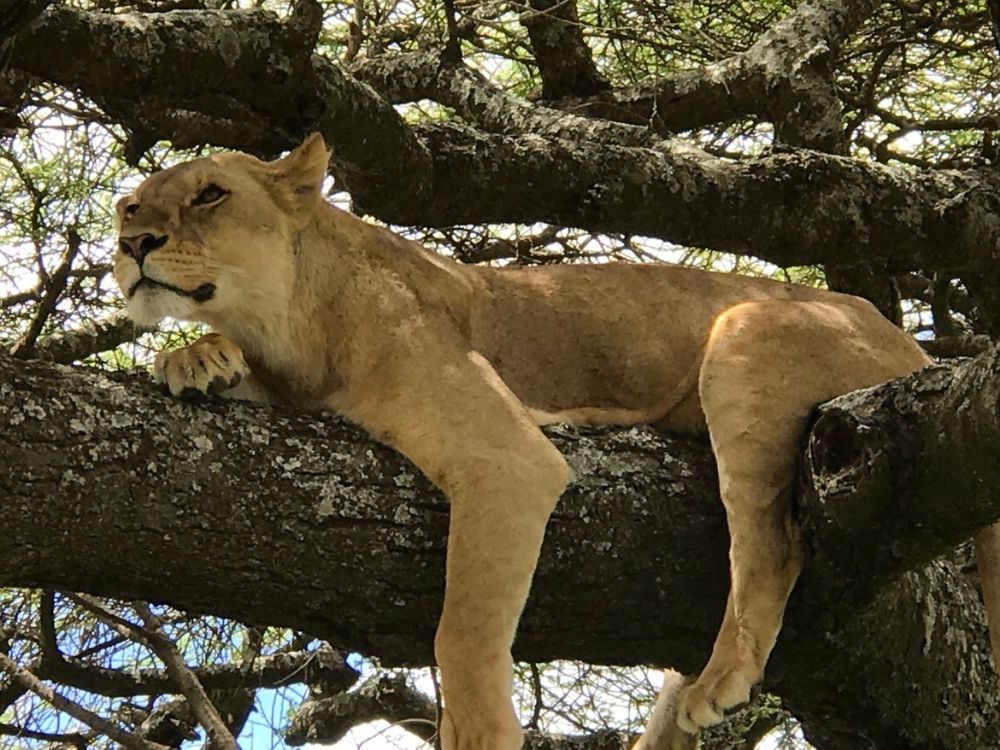
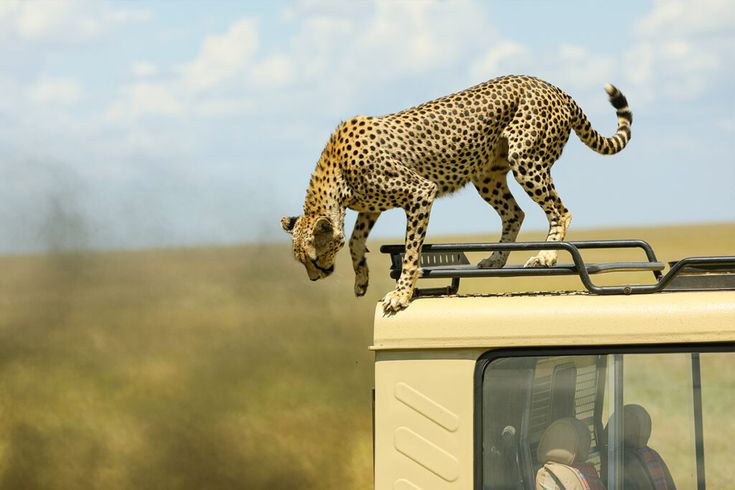
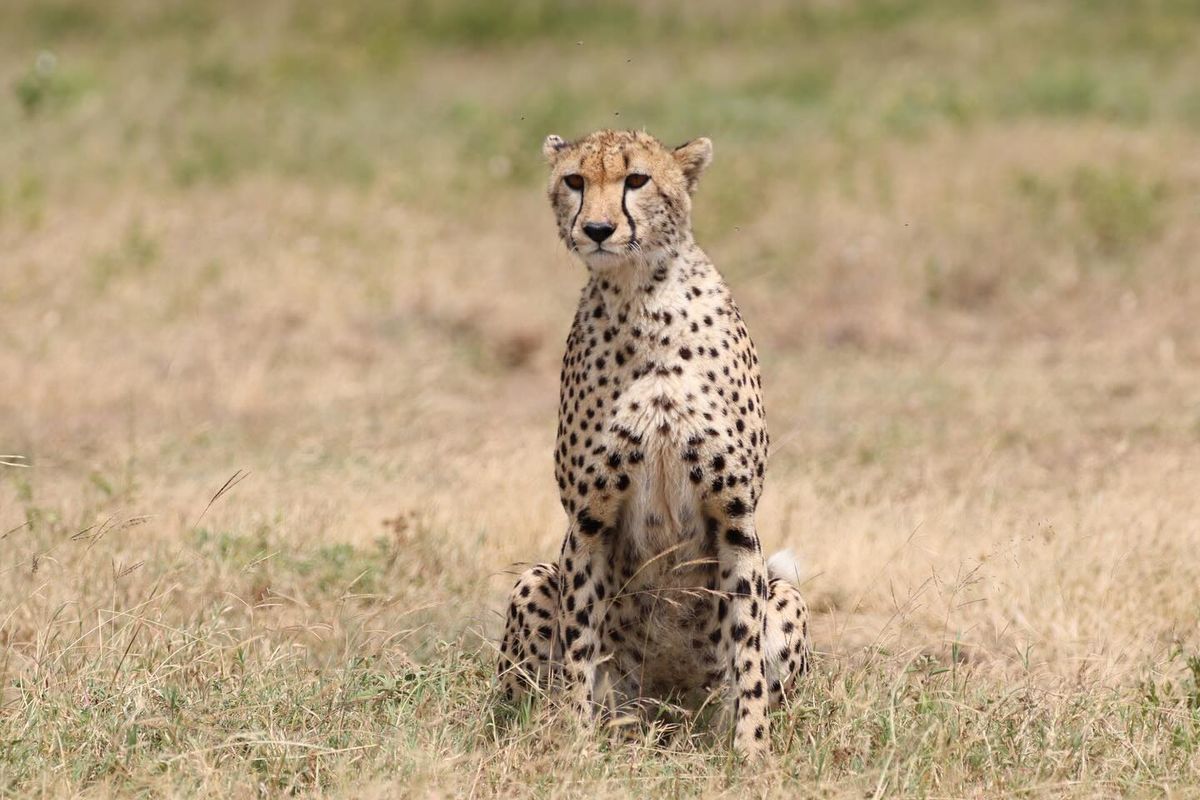
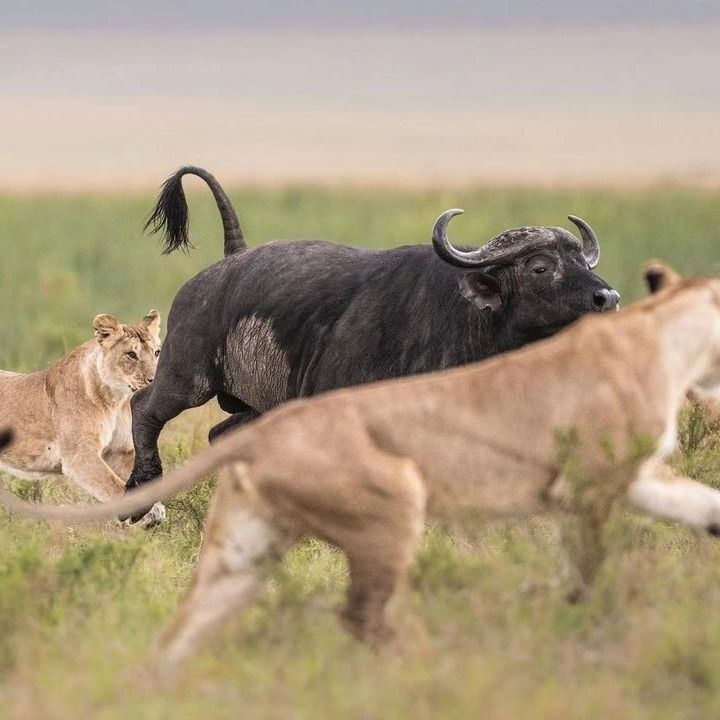
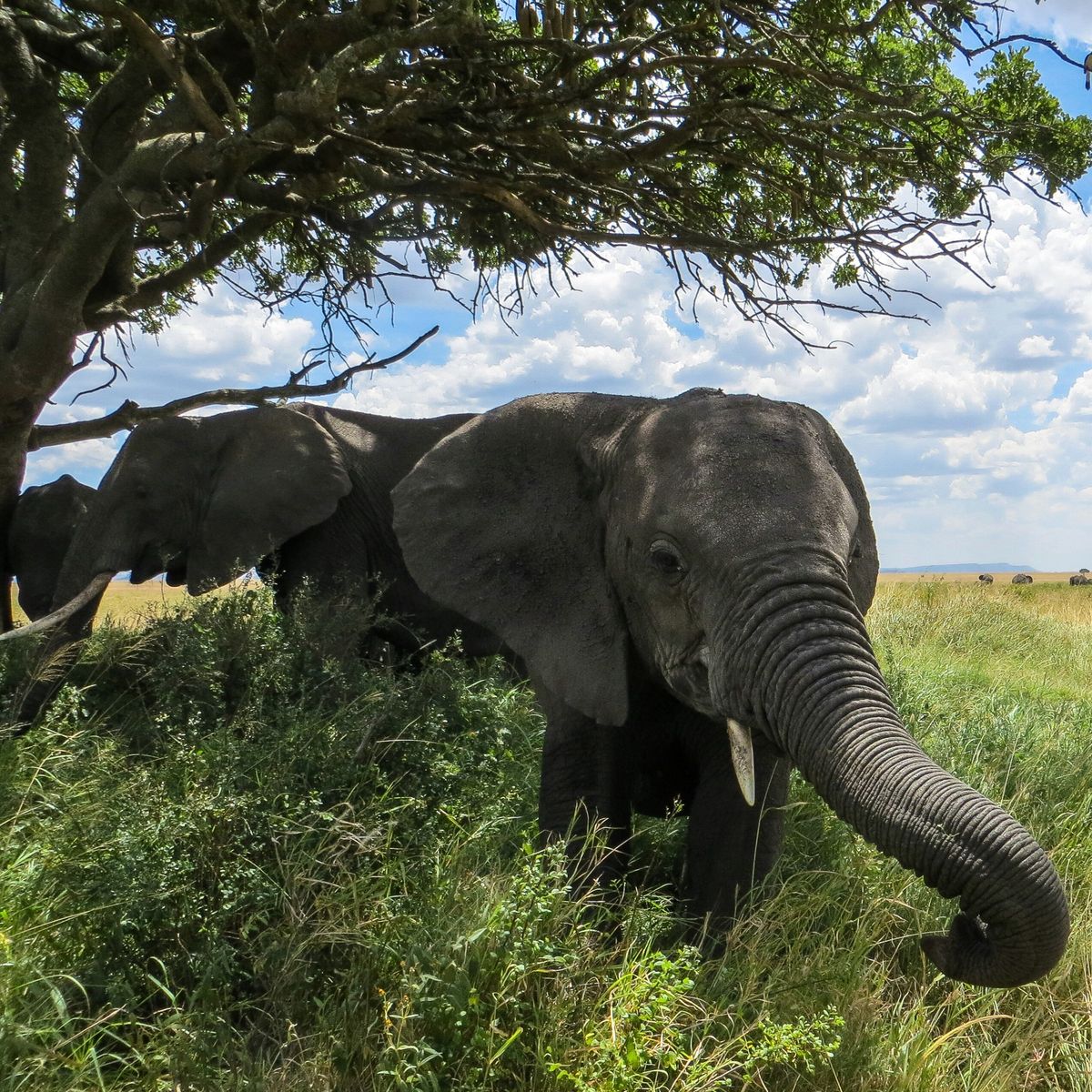
Images are representative of the ground and seasons this itinerary uses, not of a specific walker's trip. View complete gallery →
April Walking Compared
Where a walking itinerary differs from the driving safari most travellers are sold, stated plainly.
| Feature | 6-Day April Walking | Standard Driving Safari |
|---|---|---|
| Primary subject | six days on the ground that suits this category | Large mammals and a broad species list |
| Method | Slow walking, stopping often, working fixed ground | Covering distance in a vehicle |
| Ground covered | A few kilometres a day | Tens of kilometres a day |
| Big cats | Heard and tracked, rarely seen from the vehicle sessions | Seen regularly from the vehicle, including prides |
| Best for | Travellers with 6 days wanting walking | Travellers who want the large animals and a relaxed pace |
Video Section
What walking in the Serengeti looks like in motion, on the ground and at eye level.
Video highlights are shared with confirmed bookings. Ask for the current footage when you enquire, so you are seeing this season rather than an old clip.
Inclusions and Exclusions
What the quotation covers, what it does not, and the items priced separately.
Included
- All walking sessions and vehicle sessions as described in the itinerary
- A specialist walking guide throughout, with a second guide or tracker where group size requires it
- Private vehicle with pop-up roof and a driver-guide for the vehicle sessions
- All accommodation as listed for the itinerary nights
- Park entry fees and all road and activity levies
- Arusha hotel or Kilimanjaro airport arrival and departure transfers
Not Included
- International flights to and from Tanzania
- Tanzania visa, which is arranged before you arrive
- Travel insurance, including medical and evacuation cover
- Personal walking equipment, boots, head torches and binoculars
- Drinks, laundry and items of personal nature
- Gratuities for guides and camp staff
Quoted Separately
| Quote Field | Your Arrangement |
|---|---|
| Per Person | Current price — confirmed in your quote |
| Second Guide | Where the group size requires a tracker |
| Vehicle | Private, for the vehicle sessions and transfers |
| Accommodation | Position chosen for walk-to-kopje access |
Where walking access arrangements change, we will tell you which areas of the itinerary are affected and offer the closest alternative rather than a substitute we think is worse. Photography add-ons such as a dedicated vehicle are quoted separately against your dates.
How to Book
Six steps from first message to departure, with mobility and access confirmed before anything is charged.
Send your dates, group size, mobility level and the month you have in mind, and we reply with availability and a written outline of the walking sessions.
We shape the itinerary: mobility, group size and accommodation category determine the shape, so we adjust the sessions and the vehicle rather than quote a fixed package.
Once the quote is accepted we place the lodges and the guide and send written confirmation, including the walking access arrangements for your dates.
A deposit secures the lodges, the guide and the vehicle, and it is stated plainly in your confirmation.
Final vouchers, your guide's details, the walking plan and the transfer arrangements, including what to bring on foot. Everything is in writing before you travel.
You are collected from Arusha or the airport, and the first briefing explains the pace and the terrain before you set off on foot.
Frequently Asked Questions
The questions we are asked most often about an April walking safari, answered as honestly as we can.
Ready to Walk the Serengeti?
6 days on foot with a guide who reads ground for a living, the small species nobody records from a vehicle, and the mobility and access confirmed before you travel.
Enquire now for current availability — no deposit requested at this stage