


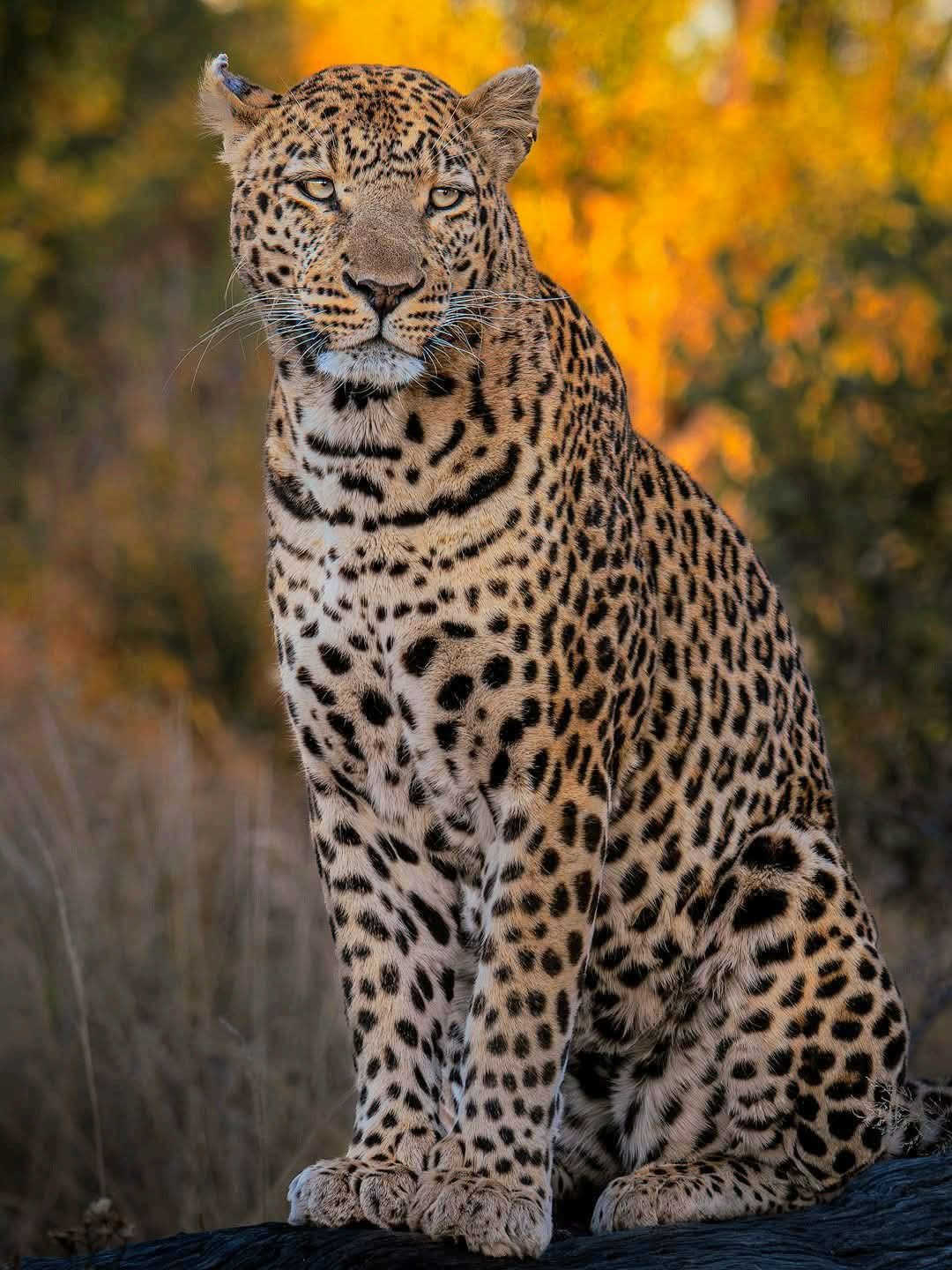
8-Day April Luxury Serengeti Game Drive Safari — Classic Vehicle Safari From Arusha to the Southern Plains
Book the 8-Day April Luxury Serengeti Game Drive Safari in the Serengeti: general game, predators, and the full range of Serengeti habitats. The Serengeti Without the Crowds
April is the month the Serengeti belongs to the people who live in it. The migrating herds have moved north-west, the grass is green, the resident wildlife is at its most concentrated around permanent water, and the road traffic that defines the dry season has collapsed. This 8-day April game drive safari is a classic vehicle safari on that quieter version of the park: the Big Five are all resident and all findable with a good guide and a little patience. What you trade for the calm is the drama of the crossing season, and we would rather you knew that before you booked. Whether you are searching for a 8 day game drive safari, a game drive Serengeti safari, or a private departure for two, the operating rhythm is the same: an early start, a full day on the plains, and an honest account at the end of it about what you actually saw. Every departure is run out of Arusha with a licensed Tanzanian guide, a private 4x4, and an overnight confirmed against your dates.
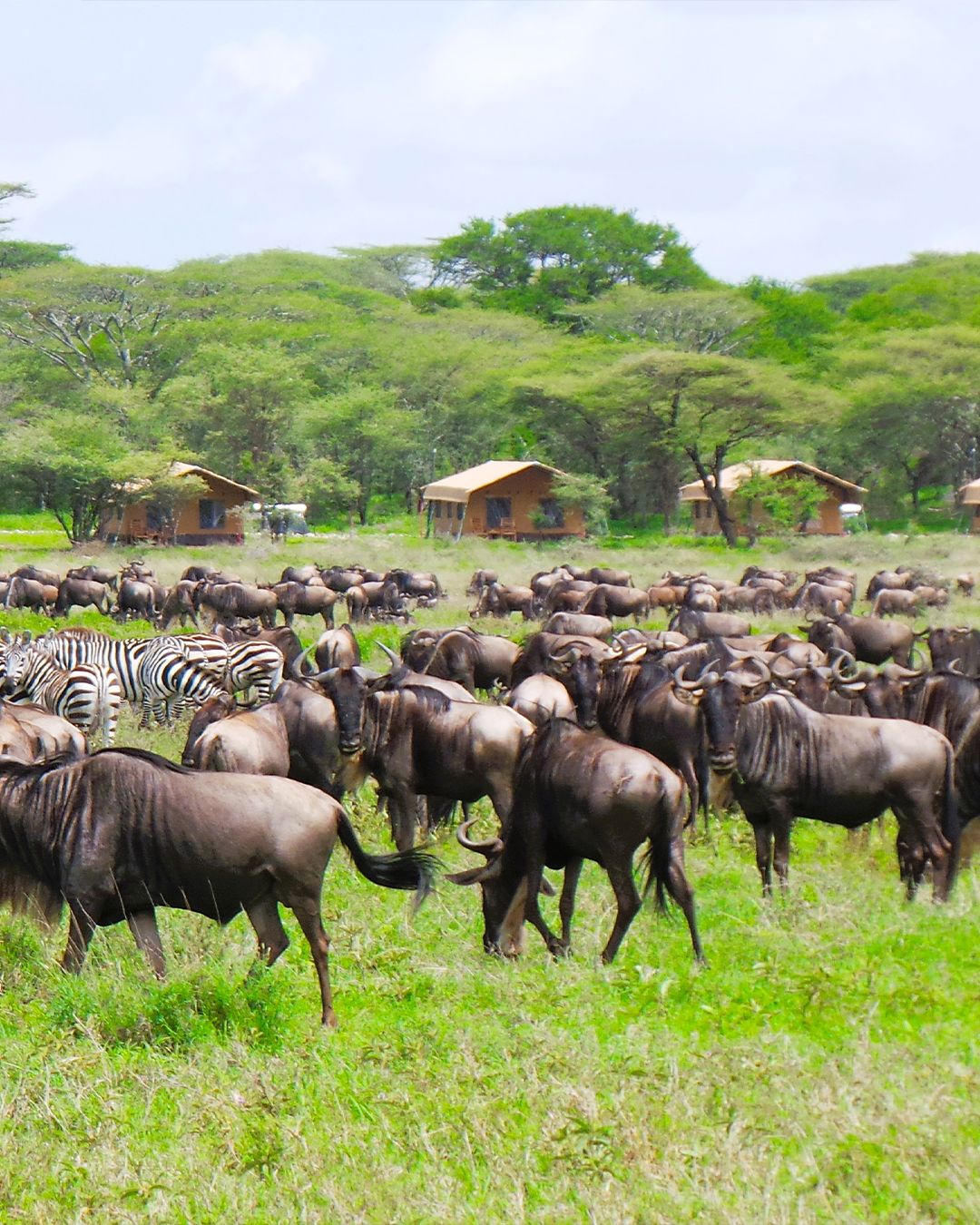
A Full Safari, in Its Quietest Month
A game drive safari is the format most people picture when they say Serengeti, and it is worth being clear about what that means: long days in a vehicle, a guide reading the landscape, and an animal list that builds as the week goes on. April delivers that format in the month with the least company. You will routinely spend a session on a pride or a waterhole with no other vehicle in sight.
The wildlife picture in April is dominated by residents rather than migrants. Lions hold territory, leopards work the riverine, cheetah use the open ground, rhino survive in the east, and the plain game concentrates around water that will dry out in a few months. It is a complete safari in every sense that matters, and it is the version of the park that photographs and remembers alike.
- Private 4x4 with pop-up roof and your own guide throughout
- Dawn and late-afternoon sessions on resident pride territory
- Leopard on the riverine and cheetah on the open plains
- Green-season birding, including migrants and short-rain pools
- Very low April traffic, so sightings are often uncrowded
Game Drive Safari Facts
The practical detail of an 8-day April game drive itinerary, including what is confirmed before you travel rather than assumed.
How the eight days are used
This is a balanced itinerary: not as fixed as a photography trip and not as compressed as a short trip. It suits guests who want to understand the park rather than hunt one subject. A shorter trip has to choose, and choosing usually means dropping the middle-of-the-day sessions that produce most of the images. 8 days keeps a dawn and a late-afternoon session on every day of the safari and still leaves room to work the same ground twice rather than only passing it.
Why a private vehicle is standard
Flexibility to move on a subject, to stay longer on productive ground and to work the quietest areas of the circuit, none of which is possible in a full vehicle.
How pricing is structured
The cost is driven by the vehicle and the guide rather than by a per-person package, so the quotation is built around your dates and group.
Why the day is shaped this way
Animals are most active in the cooler hours, which is when the guides are working and when the light is best. The middle of the day is used to follow movement.
Where the days are spent
Seronera and the riverine for leopard and resident prides, with the southern plains and Ndutu added in April for cheetah and the last of the herds.
What April traffic is like
The herds have largely left the south and traffic follows them, which is why April is one of the quietest months for vehicle sightings.
What to expect in the field
Short-rain showers are most likely from late afternoon, and roads can be soft after a night of rain, which changes drive times.
How pricing works
Send your dates and we will itemise the arrangement, including accommodation category and any single supplement.
8-Day April Game Drive Safari Itinerary
A day-by-day account of the route, the sessions and what each day realistically holds. Drive times and sighting outcomes depend on road conditions, animal movement and weather, all of which change week to week in April.
Getting there: Early departure from Arusha and a climb through the Ngorongoro highlands, dropping into the central Serengeti by early afternoon. April roads are busy, so this day is for transfer and a first look rather than for covering ground.
The safari activity: The group settles into the central Serengeti and takes an evening session on arrival, which is useful in April because the resident cats are active in the cool of the evening. The overnight is placed against what that first hour reveals. The vehicle moves between habitats rather than staying on one, and the guide is looking for the change between them: plains to kopje, open grass to riverine, day to night.
What you might see: April is deep green season with the first short rains beginning, water is appearing in new places, and the resident predator population is the main draw rather than the herds. Birding is excellent as pools and puddles form. Road condition, park access and the highland weather can all change the arrival time, and the guide will re-order the day rather than compress it if the drive runs long.
Meals and timing: Lunch on the road, dinner at camp and an early night because the rains can start without much warning. First overnight in the central Serengeti, in the position that gave the best evening session.
How this day is judged: The vehicle moves between habitats rather than staying on one, and the guide is looking for the change between them: plains to kopje, open grass to riverine, day to night. The day is not measured by how many animals are ticked off but by whether the time spent in the country was used properly, which is why the afternoon session matters as much as the dawn one.
Road flow: The day is spent on pride ground around the central Serengeti, following lions that hold territory through the year rather than following a herd. In April the cats are often found by tracking rather than by waiting at a water point.
The working part of the day: Midday heat is used properly: the vehicle rests near water where the cats also rest, which in this season can produce the closest viewing of the whole safari. The afternoon session returns to the same ground at a different hour.
Wildlife context: Resident lion prides around Seronera and the central kopjes do not move with the migration, so they are reliable regardless of herd position. Green season means thinner visibility, which makes tracking the deciding skill. Central Serengeti roads carry more traffic than the south, and the resident populations here are reliable but never guaranteed on any single morning.
Practical rhythm: Water carried continuously, a long midday stop in the shade, and a relaxed afternoon with no driving pressure. Overnight in the central Serengeti, near the pride ground being worked.
How this day is judged: The vehicle moves between habitats rather than staying on one, and the guide is looking for the change between them: plains to kopje, open grass to riverine, day to night. The day is not measured by how many animals are ticked off but by whether the time spent in the country was used properly, which is why the afternoon session matters as much as the dawn one.
How the day opens: The day is spent in the riverine and drainage-line country, which is where leopard are found in the central Serengeti. The vehicle works the fig-tree belts and sandy banks slowly because these are the routes the cats actually use.
On the ground: Midday is a waiting game and the vehicle sits engine-off in the shade for a long period. April's green vegetation means leopard are well concealed, and patience is what produces the sighting rather than distance.
Reading the country: Fig trees, drainage cuts and fallen limbs define leopard country here. The bird list in this habitat is the richest of any habitat in the park, and April water attracts fish eagle and kingfisher in numbers. Leopard here are genuinely difficult to see in thick cover, and this habitat asks for patience rather than distance. Sightings are possible on any morning and cannot be promised.
Comfort and breaks: A long stationary midday is planned with water available, and warm layers are worth carrying for open vehicle time. Overnight in the riverine or central position, within a short drive of the leopard ground.
How this day is judged: The vehicle moves between habitats rather than staying on one, and the guide is looking for the change between them: plains to kopje, open grass to riverine, day to night. The day is not measured by how many animals are ticked off but by whether the time spent in the country was used properly, which is why the afternoon session matters as much as the dawn one.
Morning movement: The morning works the open grass where cheetah hunt, because in April the short grass gives both the hunters and the photographers a genuine chance. The vehicle keeps to firm ground and moves slowly across the open plain.
The session: Midday is spent near water and the afternoon moves east towards the corridor country, where the drive itself is rewarding and the birding changes as the habitat changes. The last session of the day is usually at a cheetah ground.
The species question: Cheetah on the open plain are the specialist of this habitat, and the eastern corridor is one of the least visited parts of the park. April green season brings excellent general game and reliable water. The plains can look extraordinary or simply empty depending on the week's weather and where the herds have actually settled, and the plan moves with them.
Pacing the day: Water carried throughout, a shaded midday stop, and an afternoon that involves a moderate drive rather than a long one. Overnight in the open-plain or eastern position that gave the best session.
How this day is judged: The vehicle moves between habitats rather than staying on one, and the guide is looking for the change between them: plains to kopje, open grass to riverine, day to night. The day is not measured by how many animals are ticked off but by whether the time spent in the country was used properly, which is why the afternoon session matters as much as the dawn one.
Driving and repositioning: A day south of the central block, on the kopje clusters that break the flat horizon above the plains. The circuit follows the shade around the granite and the vehicle uses the elevation to scan the country below.
Watching and waiting: Midday is spent on the woodland margins and drainage lines below the kopjes, and the afternoon can include a climb to a viewpoint for the scale of the landscape. The rock also holds birds that are difficult to see elsewhere.
Landscape and game: Resident leopard, cheetah and lion use these kopjes year-round. Being here in April means seeing animals that have not moved with the herds at all, which is a different proposition from the southern plains in January. Resident cats are never predictable, and a quiet-looking block of rock can stay empty all morning. The tracking effort is what usually pays, not the waiting.
Logistics: Water and snacks carried, with a shorter drive and longer stationary sessions than on the plains. Overnight near the kopje or plains position that gave the best session of the day.
How this day is judged: The vehicle moves between habitats rather than staying on one, and the guide is looking for the change between them: plains to kopje, open grass to riverine, day to night. The day is not measured by how many animals are ticked off but by whether the time spent in the country was used properly, which is why the afternoon session matters as much as the dawn one.
The transfer: The vehicle works west into the Grumeti corridor, where the road is slower and the country older. Fewer vehicles and heavier vegetation make this the most restful driving of the trip and the best birding of any of the days.
What the morning is for: Time is spent on the western lakes, drainage systems and riverine strips, with an afternoon near permanent water. The general game is consistently good here regardless of what the herds are doing.
What is out there: The western Serengeti holds fewer visitors than the south and a well-established resident predator population. April rains have started to fill the water systems, which improves both game and bird viewing. Western roads are slower and can become soft in the wet, and this is a long enough day's drive that the guide may shorten the afternoon in favour of the morning session.
Breaks and overnight: Longer and slower drives, so fewer movements and more time in one position. Water carried throughout. Overnight in the western or central-western position, chosen against the last session.
How this day is judged: The vehicle moves between habitats rather than staying on one, and the guide is looking for the change between them: plains to kopje, open grass to riverine, day to night. The day is not measured by how many animals are ticked off but by whether the time spent in the country was used properly, which is why the afternoon session matters as much as the dawn one.
Travel and arrival: A day on the water, working the lake channels and the temporary pools that the first April rains leave across the plains. These short-lived pools pull in species that are otherwise difficult to find anywhere in the park.
The core hours: Midday is spent on the shoreline and in the channels, with hippo pools, wading birds and perching raptors as the main subjects. The afternoon works whichever pool has held the most interesting birds during the day.
Country and characters: April is one of the best birding months in the Serengeti because the short rains create temporary water in places that are dry for most of the year. Predators use the channel edges at drinking time. Water levels change with the rains and channels that are drivable in one week may be soft or closed in another, so the lake work is planned around what is actually passable.
Meals and timing: Waterproof layers carried for open water at dawn, and a proper seated lunch stop during the day. Overnight close to the water, where the dawn session begins at the channel edge.
How this day is judged: The vehicle moves between habitats rather than staying on one, and the guide is looking for the change between them: plains to kopje, open grass to riverine, day to night. The day is not measured by how many animals are ticked off but by whether the time spent in the country was used properly, which is why the afternoon session matters as much as the dawn one.
Moving into position: One last early session at the best available ground rather than the closest, then breakfast in the field and the road back to Arusha. The drive follows the same route as the arrival day, with a viewpoint stop if the morning is clear.
The main event of the day: The final session is deliberately short, usually an hour or two, because the trip has already delivered and the priority is a comfortable return. The highlands are completely different country from the plains below them.
What you might see: Last-morning light is often the best of the trip, and the residents are entirely used to the vehicle by this stage. April weather on the return road can include rain, which adds time. Predators are never promised in any category of trip. This itinerary is built to show the whole range of what the park offers in a given week rather than to hang everything on one animal that may not appear. Departure day is exposed to the same rain and road conditions as arrival, so the return is timed with slack in it.
Practical rhythm: Breakfast in the field, packed lunch on the road, and arrival in Arusha in the afternoon or early evening. No overnight on safari; the trip ends on arrival back in Arusha.
Closing the safari: This is a balanced itinerary: not as fixed as a photography trip and not as compressed as a short trip. It suits guests who want to understand the park rather than hunt one subject. Anything not seen in 8 days can be added to a longer itinerary rather than forced into this one, and the guide writes down the ground and the timing that worked so a return trip can start from the same knowledge.
Why April for a Classic Safari
The case for the green season on a standard vehicle itinerary, stated without pretending it beats the dry months for everything.
Very low traffic
The herds have largely left the south and the vehicle numbers fall with them. On good April days you will routinely have a pride or a cheetah to yourselves, which is worth more to the experience than any extra species.
Resident animals are concentrated
With water still in the southern pools and the plain game holding in the drainage lines, April produces high densities of resident wildlife without the migration spectacle crowding them.
Green-season scenery
Green grass, clean skies after rain and a landscape that photographs completely differently from the dry season. It is a legitimately better-looking park, not a consolation prize.
Wildbird bonus
Migrants, short-rain pools and resident raptors add a birding layer that the dry months do not offer, particularly in the south.
The trade you accept
You are giving up the river crossings and the calving. If the migration is your reason for coming, April is the wrong month and we will tell you that in writing before you book.
Roads after rain
Short-rain showers can soften the tracks, close side roads for a morning and add time to every drive. We build the itinerary to work with that rather than pretend it is not there.
Route and Ground Covered
An 8-day loop from the central Serengeti down through the southern plains and back, covering lion, leopard, cheetah and the game concentrations of the southern circuit.
Early departure from Arusha and a climb through the Ngorongoro highlands, dropping into the central Serengeti by early afternoon.
The day is spent on pride ground around the central Serengeti, following lions that hold territory through the year rather than following a herd.
The day is spent in the riverine and drainage-line country, which is where leopard are found in the central Serengeti.
The morning works the open grass where cheetah hunt, because in April the short grass gives both the hunters and the photographers a genuine chance.
A day south of the central block, on the kopje clusters that break the flat horizon above the plains.
The vehicle works west into the Grumeti corridor, where the road is slower and the country older.
A day on the water, working the lake channels and the temporary pools that the first April rains leave across the plains.
Return road to Arusha, timed so you arrive with the afternoon still ahead.
Where the Game Drive Safari Goes
A central circuit loop with a southern extension, chosen because that is where the resident wildlife is in April.
- Arusha
Start and finish
Road transfers both ends - Seronera & the Kopjes
Resident lions, leopard and cheetah
Central Serengeti - Ndutu & the Short Grass
Calving and plain game
The southern block - Western Lakes & Drainage
Waterbirds and general game
Western corridor
Why Choose Kizza Adventures for an April Game Drive
The practical reasons our clients choose us for a central circuit itinerary, none of which depend on the month.
You are not negotiating for a position with seven other people. Moving a short distance, waiting longer on a subject and working the quieter roads are only possible in your own vehicle.
A guide who has driven the Seronera circuit for years knows the pride territories, the leopard lines and the cheetah ground, and works from that knowledge rather than from searching each morning.
Our guides lose a morning to a pride that settles rather than chase something that moves away from them. That is the single biggest difference between a productive day and a busy one.
We put you on ground suited to what you want to see, not on whatever is closest to camp, and we say so when the weather or the road access limits an option.
April travel means soft tracks, afternoon storms and closed side roads. We plan around what is open rather than what is planned.
Bean bags and window mounts are fitted as standard, because a private vehicle that cannot carry a long lens properly is not much use to a photographer.
Property, room type, meal plan and vehicle are all confirmed in writing before you travel, so nothing about the trip is left to guesswork on arrival.
No operator can guarantee a leopard, a cheetah hunt or a pride movement. We tell you what is likely, what is possible and what cannot be promised, before you pay anything.
What You Can Expect to See in April
The April wildlife picture on a central circuit itinerary, with an honest note on how each animal is approached. Nothing on this list is promised or guaranteed.
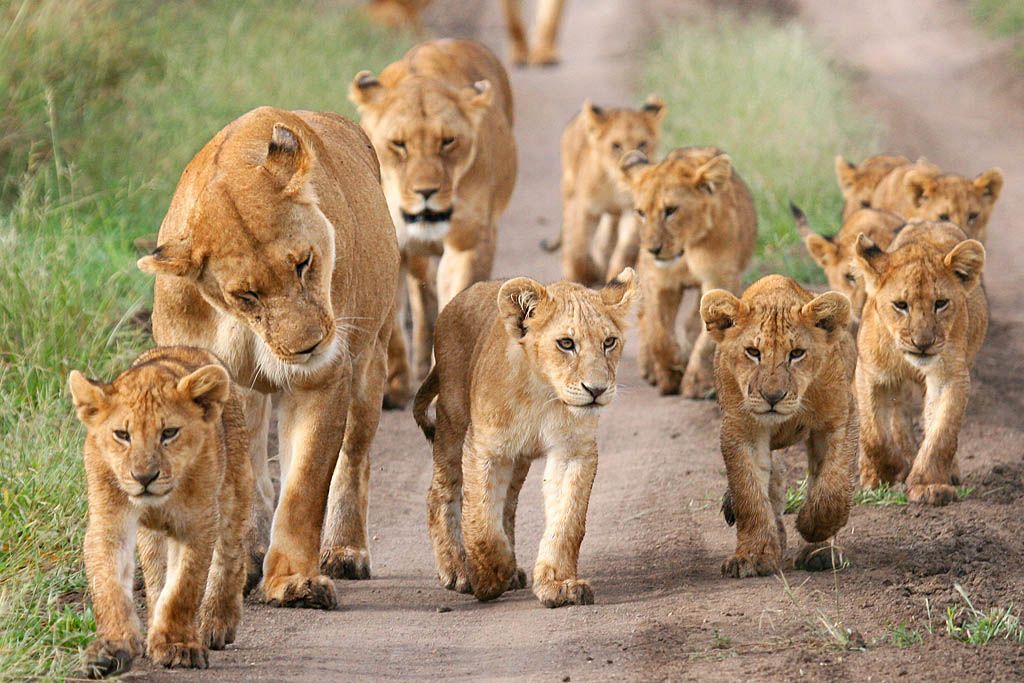
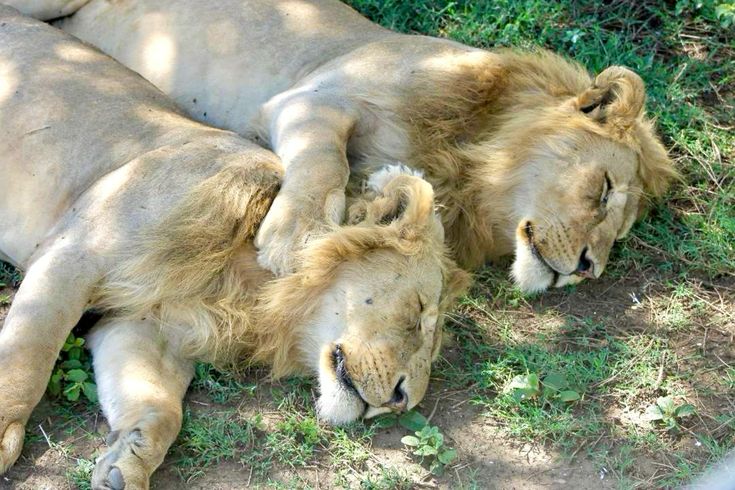
Resident prides holding territory on the Seronera kopjes and the central plain. In April they are the most reliable of the Big Five and are often on the move in the cooler hours.
Riverine country along the fig-tree lines and riverbanks. Harder to find than lion and far more rewarding once located, because a leopard usually settles rather than moving on.
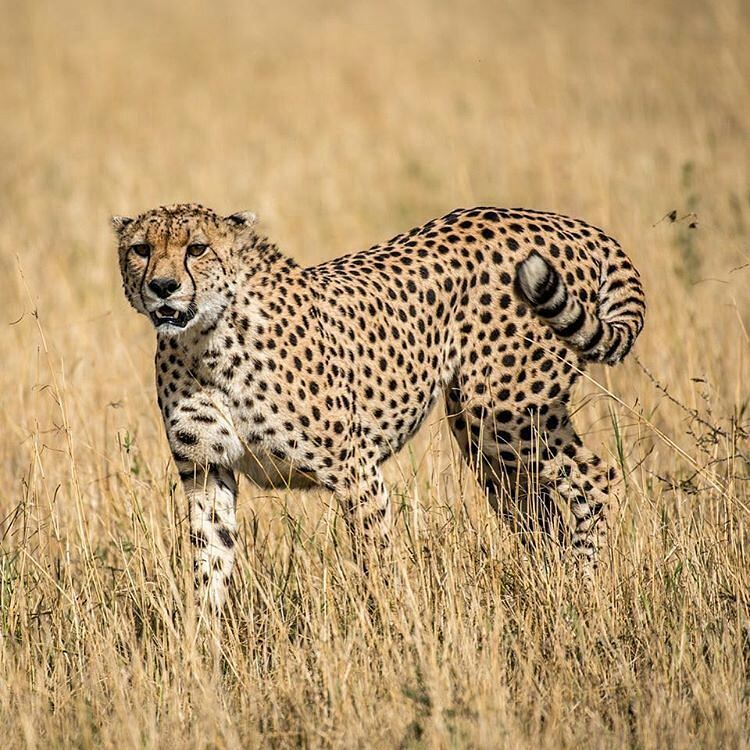
Open grassland in the south, where they hunt in daylight and can be spotted with a guide who knows the ground. Never crowded, never hurried, and always found by searching.
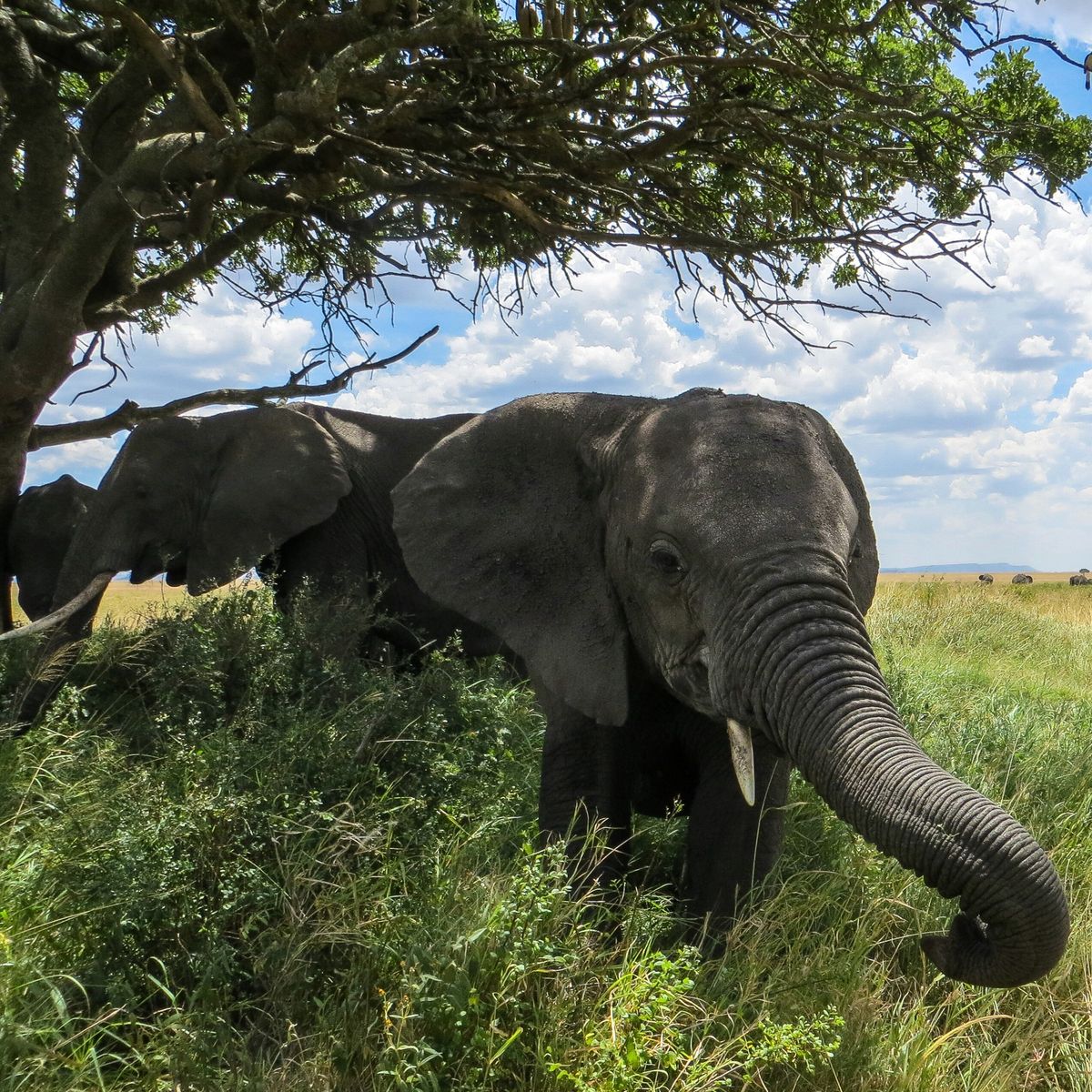
Family herds through the central woodland and around permanent water, with calves present through April in several areas.
Held at the southern pools in April, which are at their fullest early in the month before the drying begins.
Woodland edges and open ground throughout the circuit, frequently the first large animal you see on a dawn start.
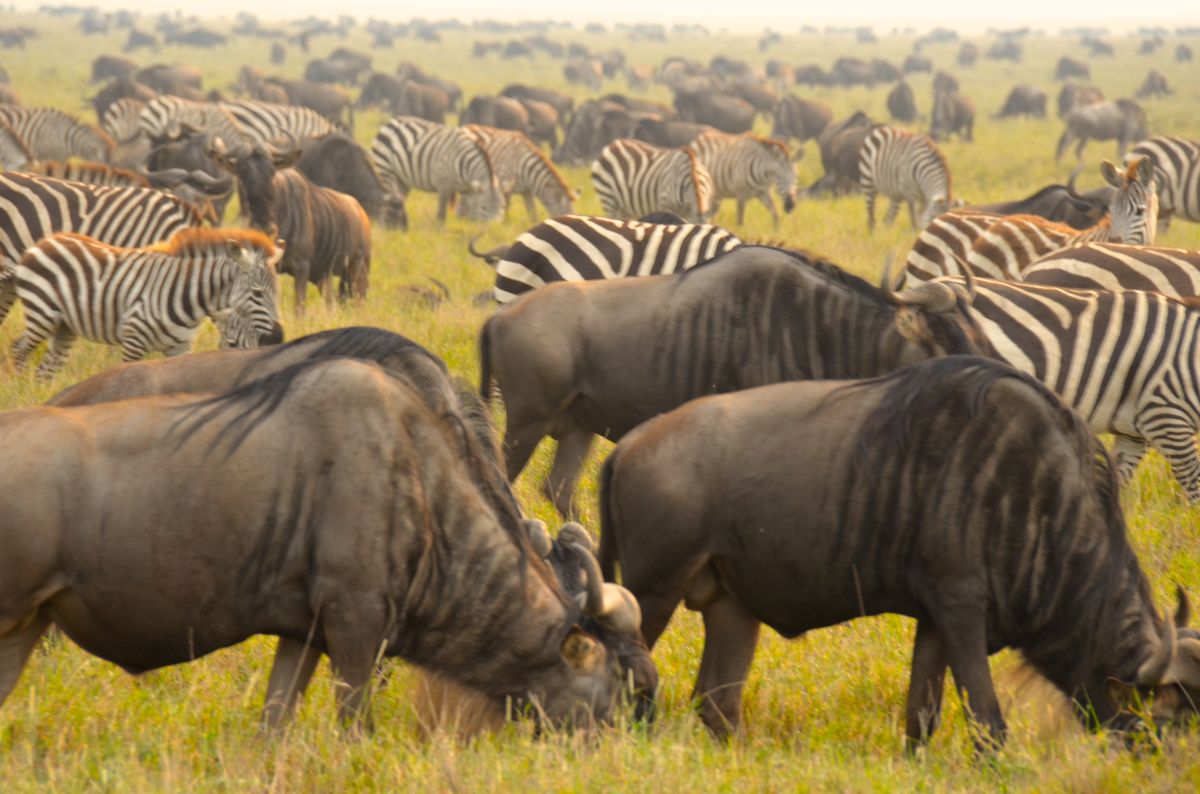
Still present in the central and western Serengeti through April, moving north-west. Numbers in the south fall steadily through the month.
Resident herds in the central woodland and around water, always approached slowly and never without respect for the herd.
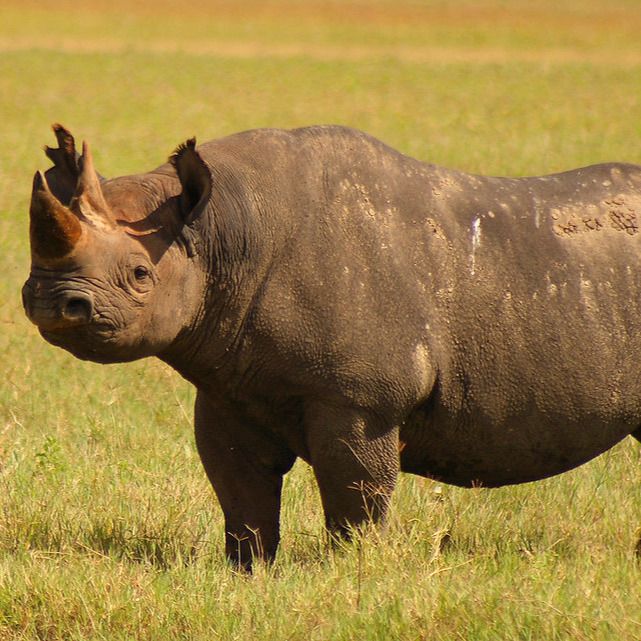
A genuine possibility in the eastern corridor. Slowly approached, on foot only where permitted with an armed ranger, and never promised.
The most persistent predator in the park and the most reliably seen, usually at dens and around kills in the first and last hours of the day.
Resident antelope throughout the circuit, with eland herds a reliable presence on the open plain.
Migrants and short-rain pool species in April, plus resident raptors, hornbills, rollers and kingfishers. Green season is genuinely better for birding than the dry months.
Notes From the Field
The working knowledge a guide applies each morning, which is what actually separates a productive day from a long one in the vehicle.
They will tell you to wait
Best spot: The single biggest difference between a good day and a busy one is whether anyone commits to a subject. Sitting still through the unproductive hour before something happens is how safaris actually work.
Resting shade at the edge of a pride's territory
Leopard country is specific
Best spot: Leopards are found along the fig-tree lines and the riverbanks rather than in open country. Arriving at the right tree line at first light is the entire difference between a sighting and a drive past.
Fig-tree line along a dry riverbank at dawn
Water is where the animals are
Best spot: In April the remaining pools concentrate game, and the pools that hold hippo and crocodile in the morning are the ones worth returning to in the afternoon.
Permanent water on the central circuit
Green season traffic
Best spot: April is one of the least crowded months in the park. If you find a pride or a cheetah with no other vehicle present, that is normal for the month rather than a lucky break.
Open plain, single vehicle, full frame
Patience over pressure
Best spot: Approaches that produce calm animals are the ones that produce behaviour worth photographing. Rushing is what empties a sighting before anything happens.
Vehicle held back, subject undisturbed
Photography support is standard
Best spot: Bean bags and window mounts are fitted in the vehicle as a matter of course, and with rain and dust in the same week, all four matter.
Window mount in use with a long lens
April Game Drive Sightings Checklist
What an 8-day April central circuit itinerary realistically produces, with an honest likelihood for each. This is a planning aid and not a promise.
| Animal | Potential Encounter | Best Viewing Context | Best Area |
|---|---|---|---|
Lion pride on territory | Strong | Seronera kopjes and central plain | Resident and reliable, though no pride can be promised by name or location |
Leopard on the riverine | Possible | Riverine country, dawn and evening | Patient work; a genuine possibility rather than a likely event |
Cheetah on open grass | Possible | Southern plains, morning | Searched for across wide country; several mornings can produce nothing |
Elephant family herd | Strong | Central woodland and permanent water | Present year-round and regularly seen |
Hippopotamus and crocodile | Strong | Southern pools | Most reliable early in April while water is still high |
Black rhino | Possible | Eastern corridor | Genuine possibility, always approached slowly, never promised |
Hyena at a den or kill | Strong | Kopje margins, first and last light | The most persistent predator in the park |
A clean sighting with no other vehicle | Strong | Almost anywhere in April | Low traffic is the defining advantage of the month |
Short-rain pool birding | Possible | Southern drainage lines | Depends on recent rainfall and is genuinely seasonal |
Wildebeest moving north-west | Strong | Central and western Serengeti | Present through April, though south of the Seroneti numbers fall through the month |
Topi and eland herds | Strong | Open plain, throughout | Resident antelope and reliably seen |
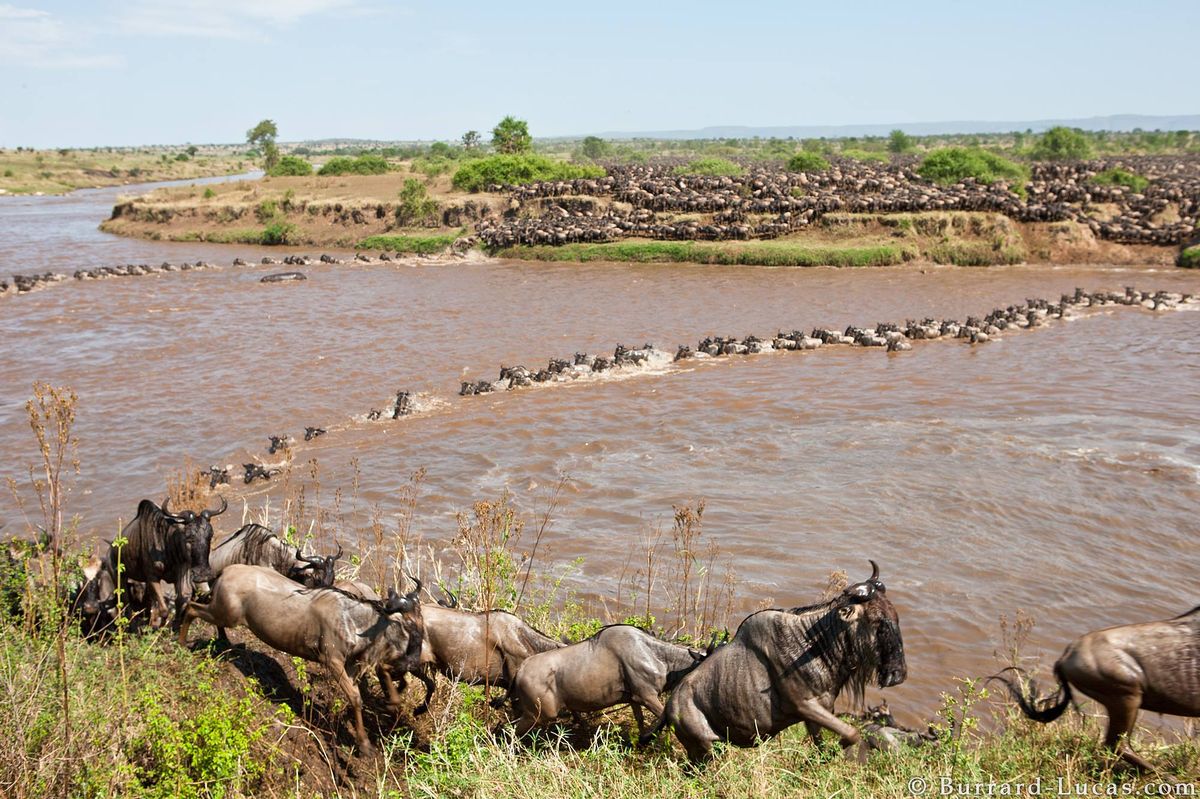
Great Migration crossings | Possible | Northern Serengeti and the Mara | Not an April event; if this is your priority, choose July to October instead |
Every item below is a possibility and none is arranged in advance. A good April game drive normally marks off most of the first eight.
Meet Your Guide
Your guide is with you from the first session to the last, and on a game drive itinerary their knowledge is the trip.
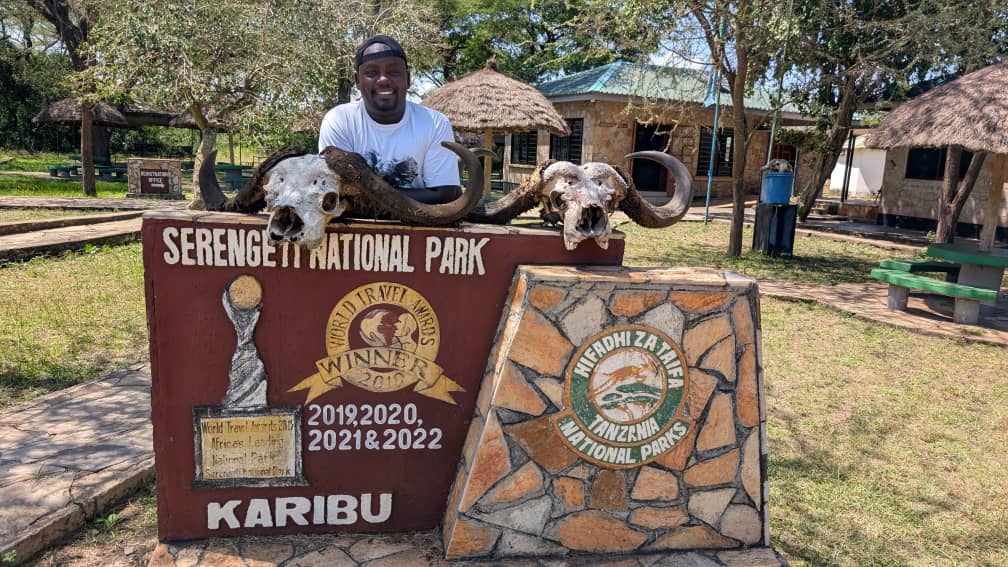
Your Kizza Adventures Guide
Your guide drives and interprets for all 8 days, and they are the reason a central circuit itinerary produces a species list rather than a set of photographs of grass. They work the Seronera circuit year-round, so the pride territories, the leopard lines along the riverine and the cheetah ground in the south are familiar rather than researched each morning.
The second thing that matters on a game drive is judgment about when to stop working. Good guides read a morning quickly: when a pride is worth committing two hours to, when the cheetah ground is worth searching and when it is not. That judgment is what separates a productive day from an expensive shuttle, and it is exactly what you are paying for when you book with an operator rather than a vehicle alone.
Game Drive Safari Accommodation
Position matters more than category on any safari, and in April it matters more still, because you want to be on the right ground within minutes of leaving camp.
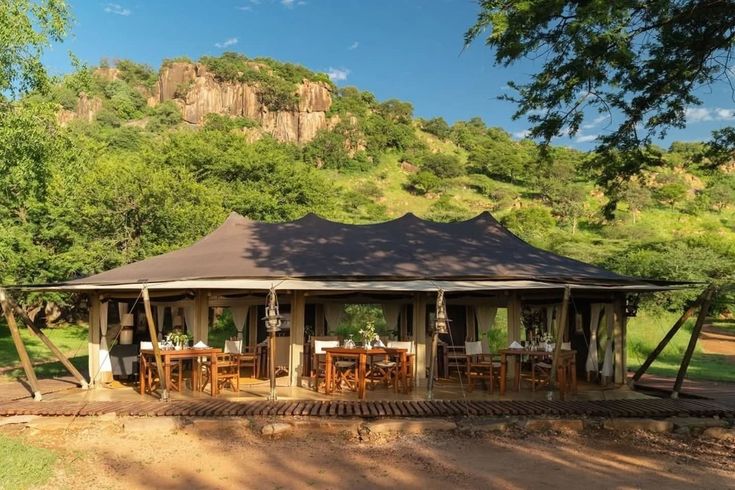
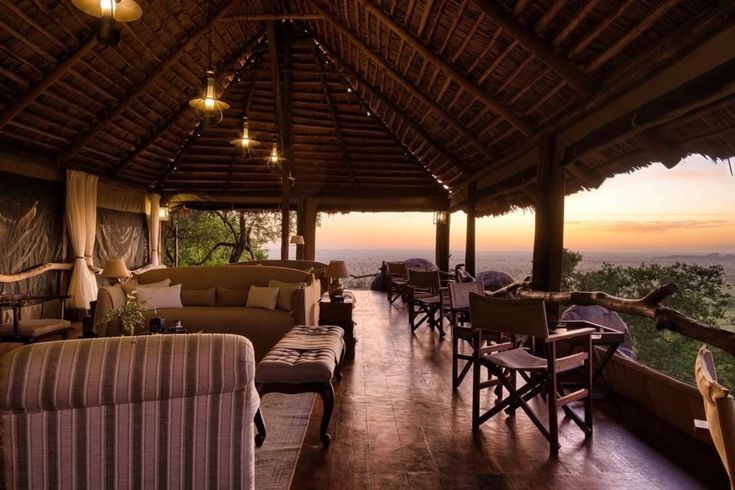
Central Serengeti Position (Nights 1 & 2)
Placed for a quick reach onto the kopje pride territories, the riverine leopard lines and the open cheetah ground at first light. Property, room type and meal plan are confirmed in the booking system against your dates.
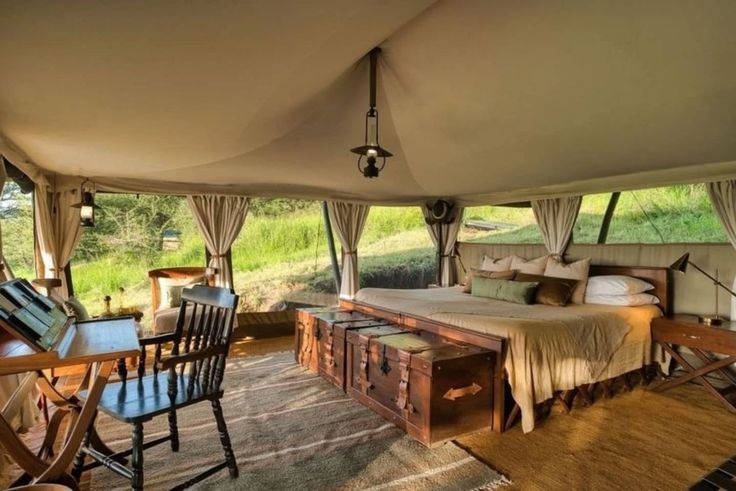
Southern Serengeti Position (Nights 3 & 4)
Close to the cheetah ground, the Moru kopjes and the southern wetland margin, so the repositioning days do not become hours in the vehicle. Position chosen for reach, not for the view.
Return Night Position (Night 5 if required)
A final night positioned either back on the central circuit for a last dawn session, or in Arusha if your onward travel is the following day. We arrange whichever suits your connection.
Lodges subject to availability. Equivalent or superior alternatives may be used. Contact us for the current lodge selections for your dates.
Transfers and Getting Around
Where the driving time goes on this itinerary and how we plan around the roads rather than against them.
Arusha to Seronera
Road transfer, roughly five hours on a good road and longer after rain. The longest single drive of the trip, through the Ngorongoro highlands and down onto the park floor, with a rim stop where the timing allows.
Central circuit, daily
Short repositioning between kopjes, riverine and water. Distances within the central circuit are short, which is why the sessions are long and the driving is kept out of the middle of the day.
Seronera to the Southern Plains
Repositioning day, approximately three hours. The southern move is made in the middle of the itinerary so the cheetah ground and the Moru kopjes get a full working day.
Within a position
Private vehicle with flexible timing. The vehicle stays with you and moves when the guide decides the ground is better, not when the schedule says so.
Return to Arusha
Road transfer on the final day, arranged around your flight or onward connection with margin built in for a wet road and a slow climb out of the highlands.
Kilimanjaro Airport Collection
Included on the arrival transfer, with hotel or airport pickup arranged against your arrival details before you travel.
The Safari Vehicle
A game drive vehicle is a working tool. This is what it is specified as, and why each part of it matters.
The pop-up roof and the drop-down window are what give you the photographic and viewing positions a normal saloon cannot offer, and they are fitted as standard.
Being able to move a short distance and wait without negotiating with a full load is the entire reason a private vehicle is standard here.
A bean bag lets a long lens be worked for six hours without wrecking your arms or losing the subject.
Camera batteries and phones are used hard in the field and cold dawn air drains them faster than you expect.
April brings green season dust and rain in the same week, and a lens cloth cleaned on the move is worth having in the vehicle.
Several pairs are carried for scanning and for birding stops, which in April are more productive than most visitors expect.
Best Time to Visit the Serengeti
April is one of the good months, and this is what the full year looks like for comparison so you can see the trade.
We rate March to June and September to October as the strongest months on the central circuit, with April and May particularly good because the resident wildlife is concentrated and traffic is still low. The differences between months here are about traffic, scenery and birding rather than about whether you will see the Big Five, because in April all five are resident and findable. Short-rain showers are most likely from late afternoon, and roads can be soft after rain, which is why we build extra margin into the drives and plan each day around what is open.
Great Migration Position in April
Where the herds actually are in April, and what this itinerary does and does not follow.
Photography Guide
Technical and practical notes for photographing the Serengeti in April, when the light and the vegetation both differ from the dry months.
Green grass reflects very differently from dry grass, so a frame exposed in February will be wrong in April. Check your histogram on the first morning and the rest of the week takes care of itself.
Mist after rain and low sun at the southern pools are the conditions that make April images distinctive. Plan for them rather than treating them as a disruption.
A 200-400mm is the workhorse on this itinerary, and a bean bag is what makes it usable for a full session.
Green season brings migrants and pool species that appear in no other month. If you photograph as well as you drive, April is stronger here than it looks.
The strongest frames in April usually come from positioning with the sun behind the subject and then being patient, rather than from chasing the closest animal.
Hippopotamus pools, still water and the late-evening sky are all easier to record in April, when the ground is green and the surfaces are clean.
Packing List for an April Game Drive Safari
What to bring for a green-season vehicle safari, and what you can safely leave behind.
Clothing and Layers
- A proper warm layer for pre-dawn sessions; April mornings on open ground in the Serengeti are genuinely cold before the sun clears the horizon
- Neutral, quiet clothing in khaki, beige and olive, with nothing bright or patterned
- A waterproof shell, because short-rain showers are normal from late afternoon
- A wide-brimmed hat and sunglasses for the long middle hours
- Closed shoes with grip, since you will get out of the vehicle more often than you expect
Camera and Field Kit
- A 200-400mm plus a wide or short telephoto; a lens that goes to 70mm will earn its keep on the birding stops
- A second body and several batteries, because cold dawn air drains them faster than expected
- Bean bags are supplied, but bring a lens cloth and a blower for the vehicle
- A field notebook or a bird app, and permission to record birds if that is your interest
- Plenty of card space, so you never have to choose between formatting and shooting
April Travel Tips
Weather, roads, altitude and daily rhythm for a central circuit safari in April.
April rain usually arrives in the afternoon and night, often heavy and occasionally heavy. A storm can close a side track for the morning, which is why we plan to what is open rather than to a fixed timetable.
Main tracks are graded dirt and generally usable, but soft sections develop quickly after rain and every drive time on this itinerary increases as a result. Our ability to be on the ground at first light rather than catching up is what we protect first.
The Ngorongoro rim sits above 2,000 metres, so the first afternoon can give some travellers a mild headache. Drink water, take it slowly on the descent and it passes.
Tanzania runs on East Africa Time and a game drive itinerary is built around darkness. Land the day before if you can: the evening session on arrival is worth having.
Coverage follows the main camps and towns rather than the plains or the kopje country. Offline maps and a downloaded photo backup are worth setting up before you arrive.
Tanzanian shillings for the smaller expenses, and a tip custom for guides and camp staff that we will explain properly on booking.
Honeymoon & Family Options
How a classic game drive itinerary works for a honeymoon or a family group, and where it does not suit.
A Classic Safari Honeymoon, Quietly Done
A game drive safari is a genuinely good honeymoon format because it is unhurried in the way that matters. You are outside every day, in beautiful country, with a guide who handles all of the decisions, and the evenings are free for sundowners and long dinners. April is better than most months for it, because the traffic is low enough that you will regularly have a pride or a waterhole to yourselves on what would otherwise be a crowded viewpoint.
The honest trade is that 8 days of dawn starts are not restful in the way a beach holiday is. A couple who wants stimulation every hour will find the middle of the day slow, and a couple who is willing to sit still on a pride for two hours will have the best honeymoon we have ever arranged. We will tell you honestly which of those you are, rather than sell the wrong week.
Family Serengeti Game Drive Safari
A game drive works well for families with children of almost any age, and for a particular reason: the vehicle is a classroom. Children who are interested in animals can learn to identify species, understand behaviour and take part in the spotting, and the boredom that usually sets in on long transfers does not happen when there is a game to play. The private vehicle makes all of this possible because the guide can stop when something appears.
For younger children we adjust the day rather than the itinerary: shorter sessions, more stops, and an activity planned for the middle hours. Junior ranger tasks work well and cost nothing extra. The only version we would not recommend is a very long driving day with a child who cannot sit still, and we will build around that limitation rather than ask you to cope with it.
Verified Guests on This 8-Day April Game Drive Safari
What past travellers say about running a Serengeti game drive with us.
Every review for this safari is published on our own TripAdvisor profile rather than reprinted here, so what you read is what other travellers actually posted.
Running an April trip? Send us your question and we will answer it from the same trip, with the same guide, on WhatsApp.
Frequently Booked Together
Add-ons and extensions most often combined with an April central circuit itinerary.
Image Gallery
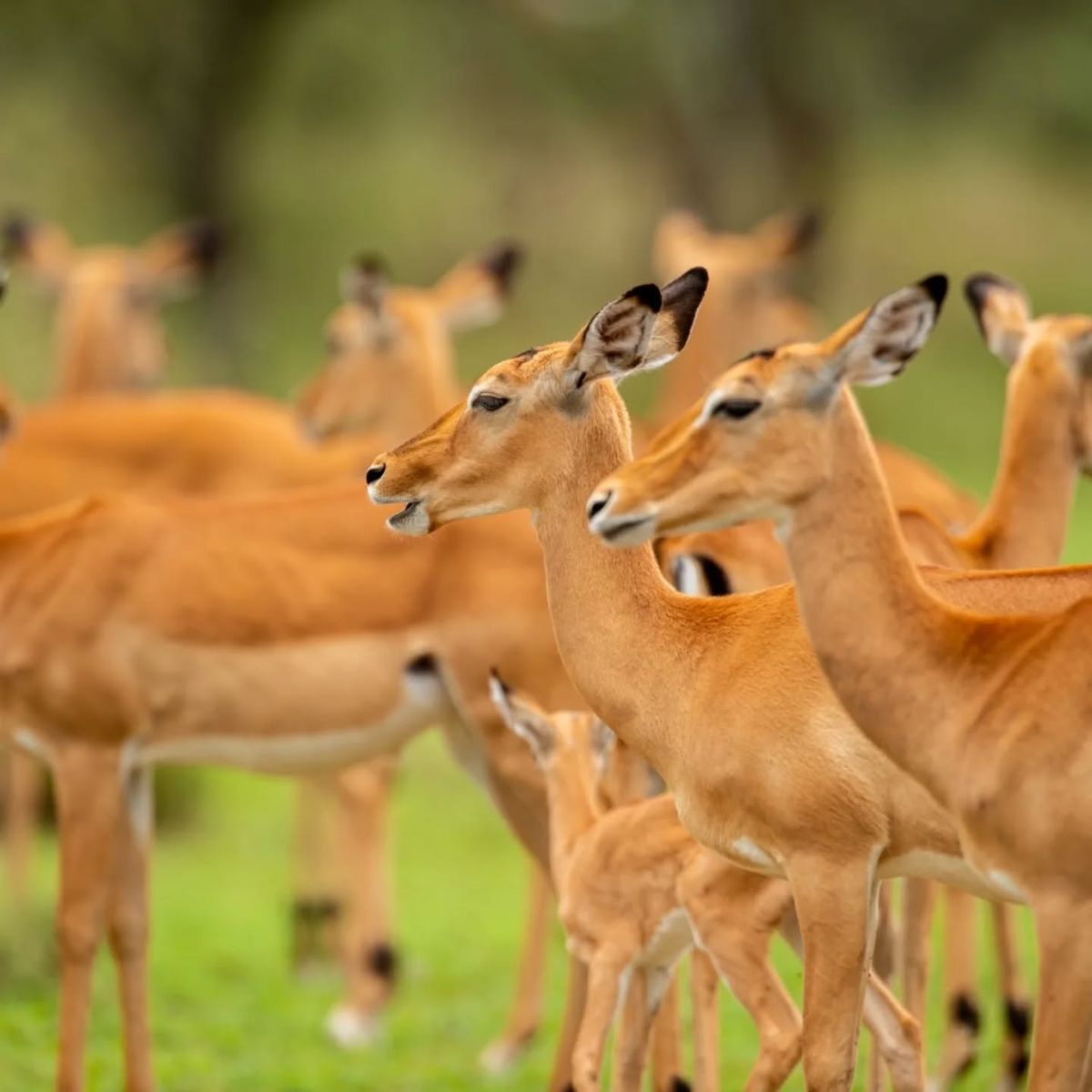
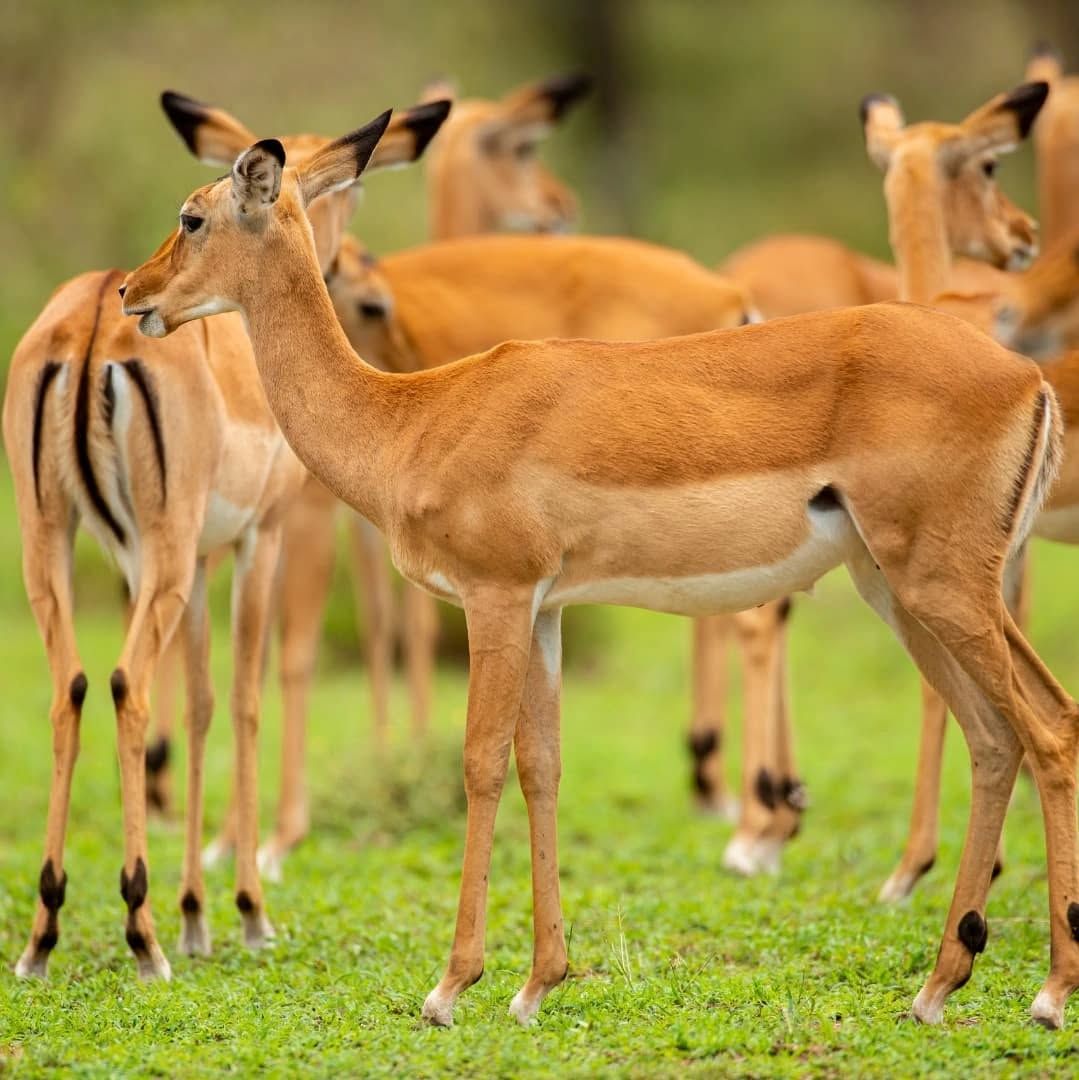
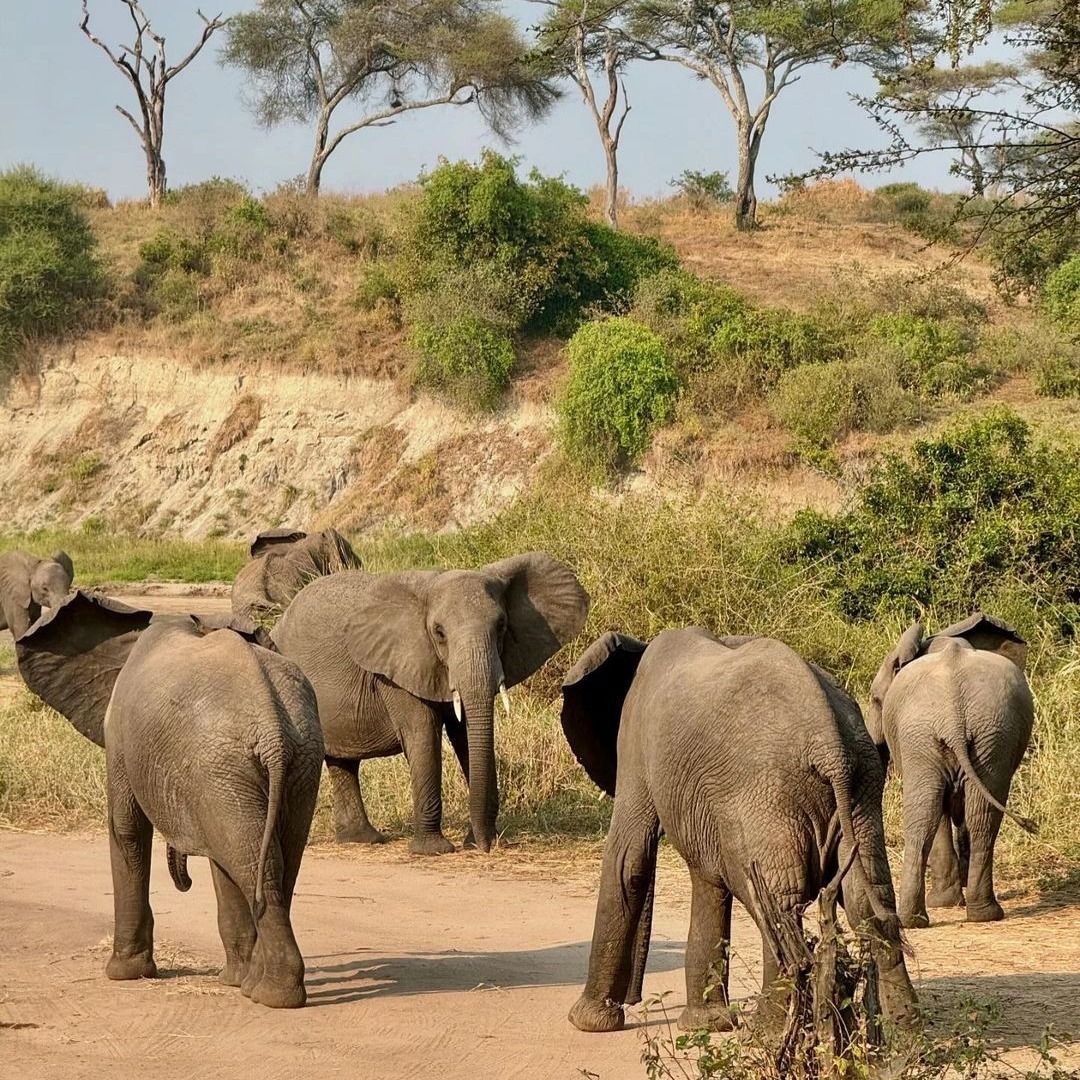
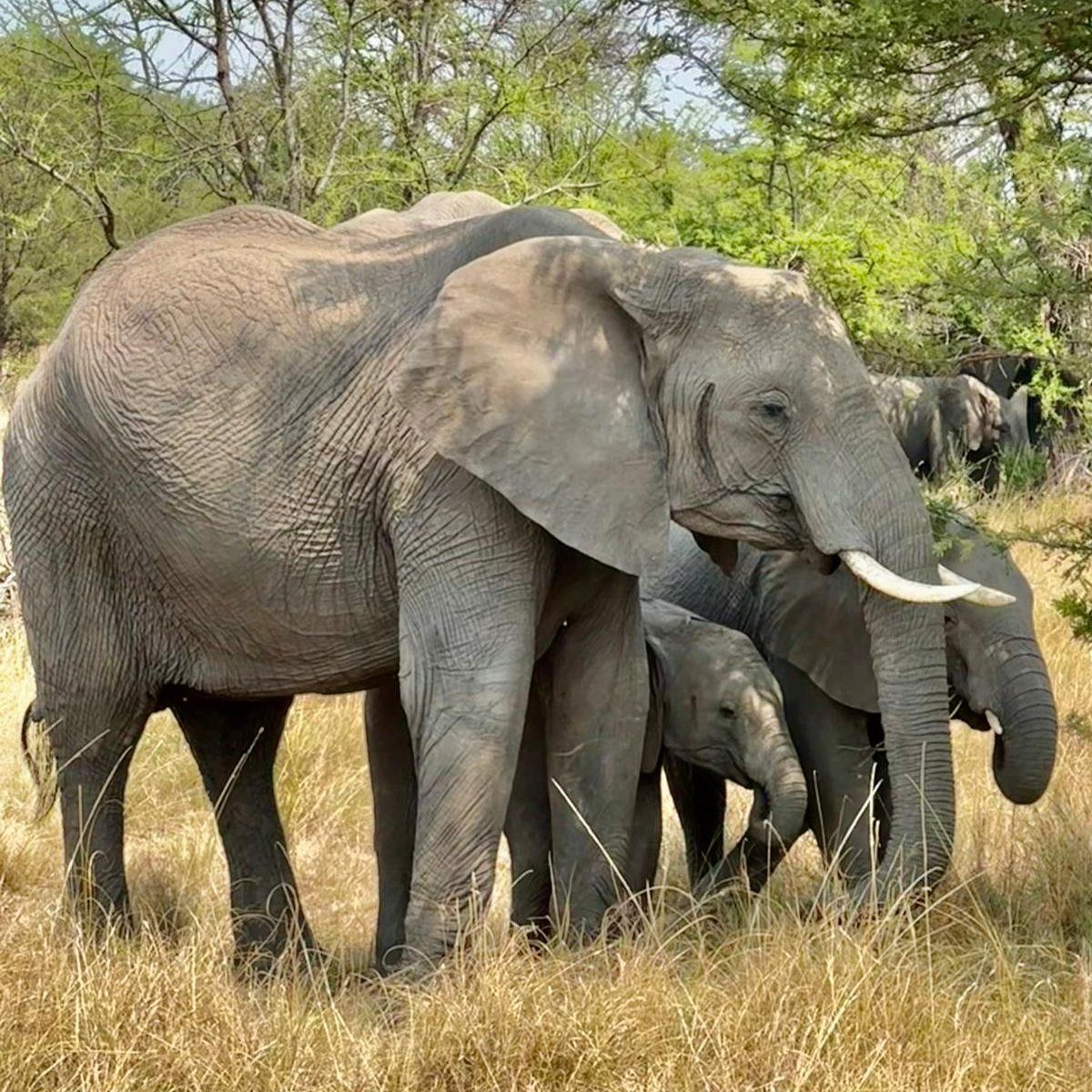
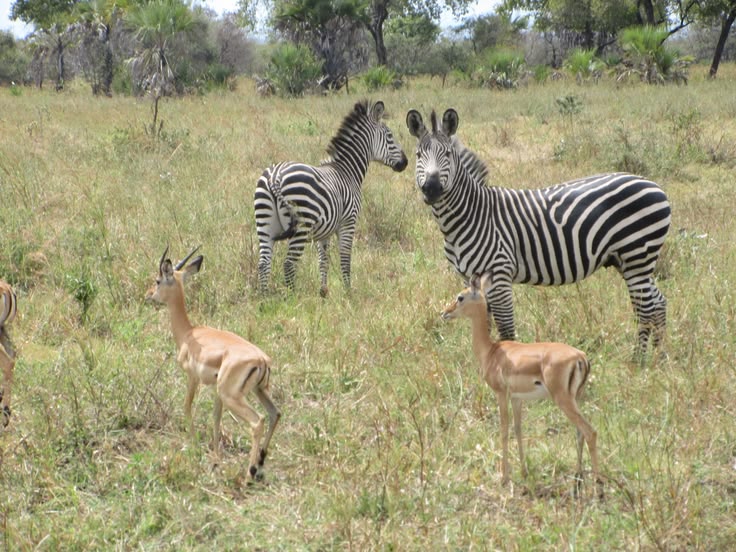
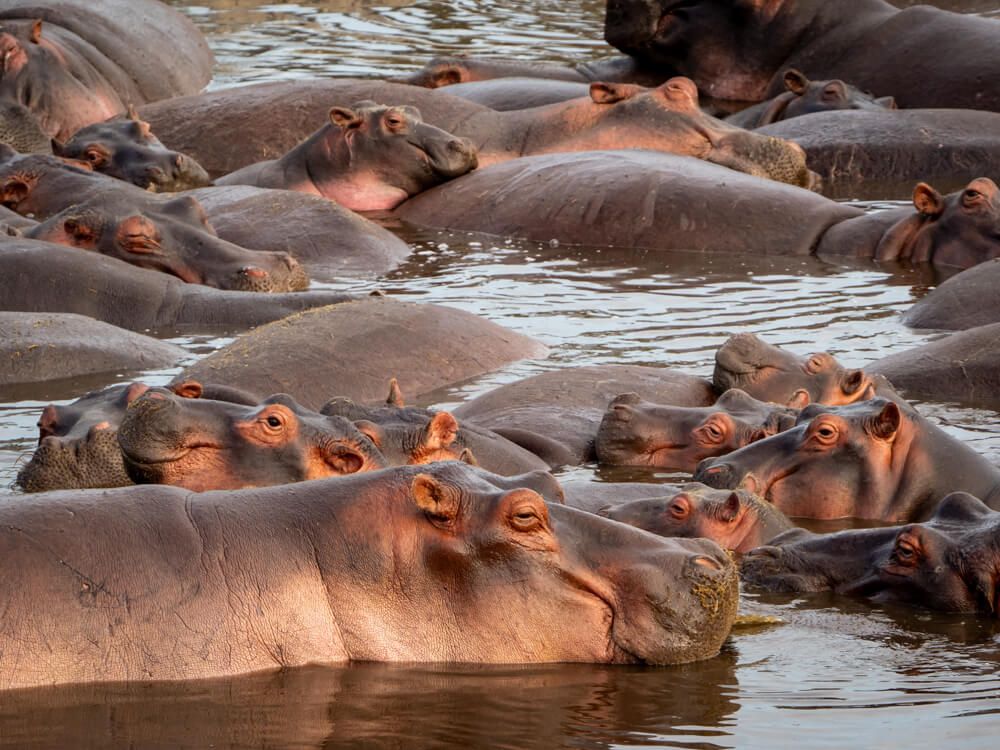
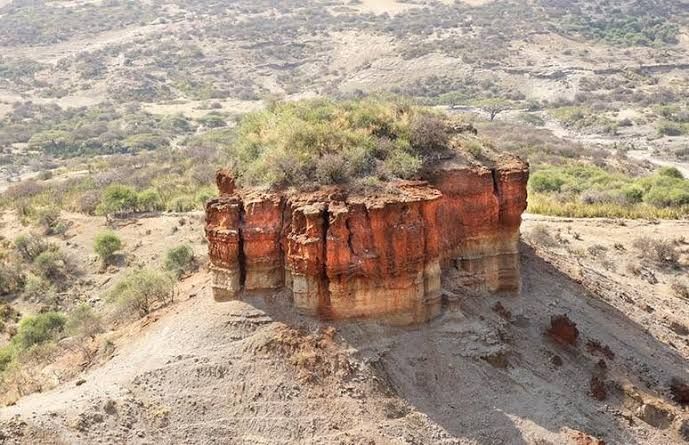
Images are representative of the ground and seasons this itinerary uses, not of a specific traveller's trip. View complete gallery →
April Game Drive Compared
Where a quiet green-season central circuit sits against the busiest months of the year, so you can decide which trade suits you.
| Feature | 8-Day April Game Drive | Peak Dry Season Safari |
|---|---|---|
| Primary subject | eight days on the ground that suits this category | The same Big Five alongside the migrating herds |
| Method | Repetition on fixed ground, repositioning by light | Long drives between fixed positions |
| Traffic | Very low, often alone on good ground | Heavy, especially at crossings and in the calving season |
| Scenery | Green grass, clean skies after rain, mist in the drainage lines | Dust, clear air and long flat horizons |
| Birding | Migrants and short-rain pools add a genuine birding layer | Good dry-season birding without the migrant movement |
| Best for | Travellers with 8 days wanting game drive | Travellers whose priority is the migration and the crossings |
Video Section
What an 8-day April central circuit looks like in motion, at the hours it actually works.
Video highlights are shared with confirmed bookings. Ask for the current footage when you enquire, so you are seeing this season rather than an old clip.
Inclusions and Exclusions
What the quotation covers, what it does not, and the items we price separately.
Included
- Safari vehicle with pop-up roof and your own driver-guide throughout
- Bean bags and window mounts fitted for long-lens work
- All accommodation as listed for the itinerary nights
- All meals per the confirmed meal plan
- Park entry fees and all road and activity levies
- Round-trip road transfer from Arusha or the airport
Not Included
- International flights to and from Tanzania
- Tanzania visa, which is arranged before you arrive
- Travel insurance, including medical and evacuation cover
- Gratuities for guides and camp staff
- Personal expenses, premium drinks and laundry
- Pre- or post-safari nights in Arusha
Your Quote, Built Around Your Dates
| Quote Field | Your Arrangement |
|---|---|
| Per Person | Current price — confirmed in your quote |
| Vehicle | Private, with pop-up roof and fittings |
| Accommodation | Position chosen for reach and first light |
| Guide | Central circuit specialist throughout |
We quote rather than publish prices, because the cost depends on your dates, group size, accommodation category and vehicle configuration. Add-ons such as a night drive, a photographic vehicle upgrade or extra nights are quoted separately, and we will tell you which of them actually changes your trip.
How to Book
Six steps from first message to departure. Nothing is charged until you have seen a written itinerary and confirmed the property.
Send your dates, group size and the month you have in mind, and we reply with availability and a written outline of the itinerary.
We shape the itinerary: dates, group size and accommodation category determine the shape, so we adjust the position and the vehicle rather than quote a fixed package.
Once the quote is accepted we place the accommodation, the vehicle and the guide and send written confirmation.
Pay the deposit: a deposit secures the accommodation, the vehicle and the guide, and it is stated plainly in your confirmation.
Final vouchers, your guide's details, the day-by-day and the transfer arrangements. Everything you need is in writing before you travel.
You are collected from Arusha or the airport, and the evening briefing on the first full day is the most useful message of the trip.
Frequently Asked Questions
The questions we are asked most often about an April game drive safari, answered as honestly as we can.
Ready for a Classic Serengeti Safari?
8 days on the central circuit in one of the quietest, greenest months of the year, with all five of the Big Five resident, low traffic and no sightings promised.
Enquire now for current availability — no deposit requested at this stage