


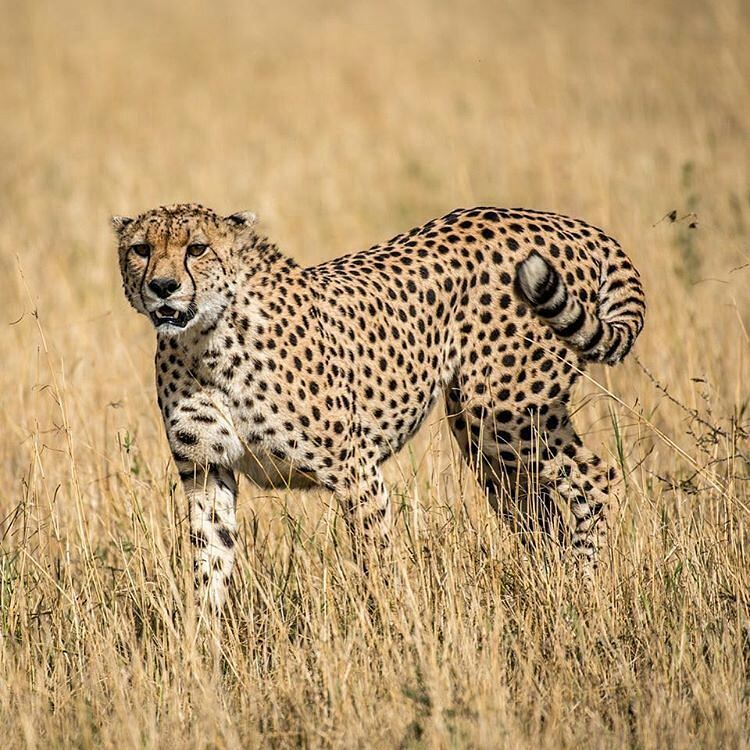
12-Day April Luxury Serengeti Photography Safari — A Photographic Safari Built Around Light Rather Than Sightings
Book the 12-Day April Luxury Serengeti Photography Safari in the Serengeti: light quality, backgrounds, behaviour and the frames you cannot get in one visit. Why April Photographs Differently
The Serengeti in April is not the Serengeti most photographers come for. There is no river crossing to photograph and the herds are thinning out in the south, which is exactly why we built this 12-day April photography safari. What April gives you instead is green grass, soft rain-washed light, birds and small animals that nobody is photographing, and a very small number of other vehicles. Sessions here are worked around the weather and the light rather than around a fixed schedule, and we will tell you honestly what the conditions were on each day. Whether you are searching for a 12 day photography safari, a photography Serengeti safari, or a private departure for two, the operating rhythm is the same: an early start, a full day on the plains, and an honest account at the end of it about what you actually saw. Every departure is run out of Arusha with a licensed Tanzanian guide, a private 4x4, and an overnight confirmed against your dates.
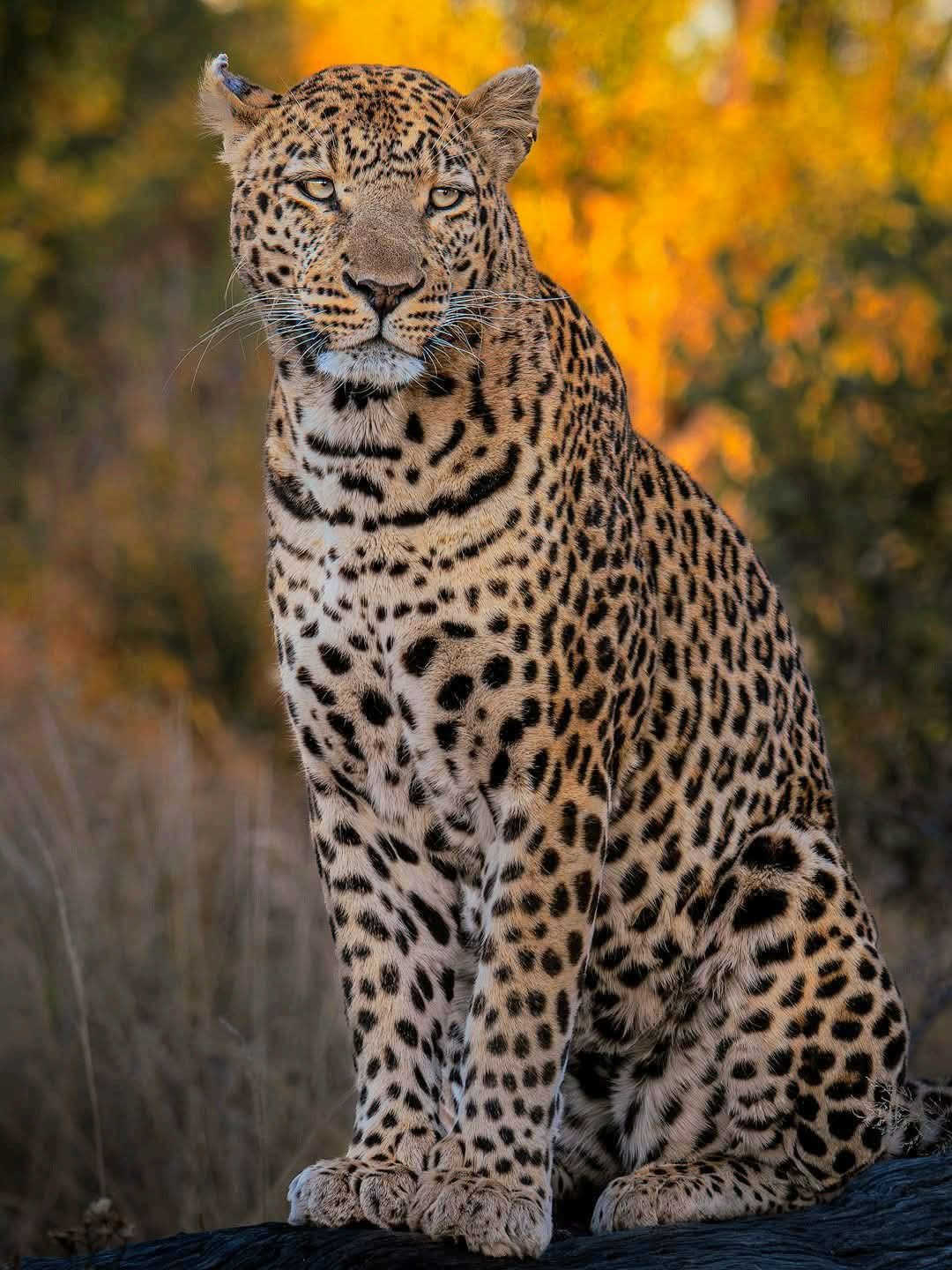
A Camera Itinerary, Not a Schedule
A photography safari is structured differently from a general game drive. The value is not in covering ground, it is in being in one place at one hour repeatedly until the light is right or the animal does something worth recording. April suits that more than almost any month, because the traffic that normally fills the frame is largely elsewhere chasing the last of the migration.
What you get here is quiet, flexible and unhurried. The vehicle is yours for the session, the guide is watching the light and the wind rather than the clock, and the afternoon is spent either moving to the next position or resting until the light improves. Nobody can tell you in advance which frame you will get, and any operator who does is describing something that does not exist.
- Private vehicle and bean bags for the whole itinerary
- Dawn, late-afternoon and post-rain sessions placed by the light
- Low April traffic keeps other vehicles out of the frame
- Flexible movement: stay on productive ground rather than fill a timetable
- No sightings promised; every session worked honestly and reported
Photography Safari Facts
The practical shape of a 12-day April photography itinerary, and the things that are confirmed before you travel rather than assumed.
How the twelve days are used
Days without repositioning are the point of this trip. Familiarity with an area produces shorter distances and calmer animals, and both improve the frames. A shorter trip has to choose, and choosing usually means dropping the middle-of-the-day sessions that produce most of the images. 12 days keeps a dawn and a late-afternoon session on every day of the safari and still leaves room to work the same ground twice rather than only passing it.
Why the vehicle matters here
On a photography itinerary the vehicle is the tool. Moving a short distance, changing position and waiting are only possible when you are not negotiating with seven other people.
What the light demands
Green-season light is soft and the vegetation is dense, so wide apertures and long lenses matter more than reaching for the widest landscape possible.
Why the schedule flexes
Rain moves the light more than any clock does, and April storms can close a side track for a morning. Sessions are placed in the hours that most often work.
What low traffic means for you
Clean frames without waiting, and the freedom to stay at a subject for as long as it is interesting rather than as long as the schedule permits.
How the regions are used
Open grassland for cheetah, kopje and riverine for leopard, and the central plains for the big cats and the plain game.
How we choose where you sleep
Property, room type and meal plan are confirmed in the booking system against your dates. The position matters more than the category on a photography trip.
How pricing works
Send your dates and we will itemise the arrangement, including any single supplement and the vehicle configuration you need.
12-Day April Photography Safari Itinerary
A day-by-day account of where the vehicle goes, what the sessions are for, and what each day can realistically produce. Weather, animal behaviour and road access all change from week to week, so nothing here is fixed beyond the movement between positions.
Getting there: Early departure from Arusha and a climb through the Ngorongoro highlands, dropping into the central Serengeti by early afternoon. April roads are busy, so this day is for transfer and a first look rather than for covering ground.
The safari activity: The group settles into the central Serengeti and takes an evening session on arrival, which is useful in April because the resident cats are active in the cool of the evening. The overnight is placed against what that first hour reveals. The guide is thinking in terms of light and background rather than in terms of sightings, and the vehicle is deliberately positioned low and with a clean background whenever possible.
What you might see: April is deep green season with the first short rains beginning, water is appearing in new places, and the resident predator population is the main draw rather than the herds. Birding is excellent as pools and puddles form. Road condition, park access and the highland weather can all change the arrival time, and the guide will re-order the day rather than compress it if the drive runs long.
Meals and timing: Lunch on the road, dinner at camp and an early night because the rains can start without much warning. First overnight in the central Serengeti, in the position that gave the best evening session.
How this day is judged: The guide is thinking in terms of light and background rather than in terms of sightings, and the vehicle is deliberately positioned low and with a clean background whenever possible. The day is not measured by how many animals are ticked off but by whether the time spent in the country was used properly, which is why the afternoon session matters as much as the dawn one.
Road flow: The day is spent on pride ground around the central Serengeti, following lions that hold territory through the year rather than following a herd. In April the cats are often found by tracking rather than by waiting at a water point.
The working part of the day: Midday heat is used properly: the vehicle rests near water where the cats also rest, which in this season can produce the closest viewing of the whole safari. The afternoon session returns to the same ground at a different hour.
Wildlife context: Resident lion prides around Seronera and the central kopjes do not move with the migration, so they are reliable regardless of herd position. Green season means thinner visibility, which makes tracking the deciding skill. Central Serengeti roads carry more traffic than the south, and the resident populations here are reliable but never guaranteed on any single morning.
Practical rhythm: Water carried continuously, a long midday stop in the shade, and a relaxed afternoon with no driving pressure. Overnight in the central Serengeti, near the pride ground being worked.
Camera and timing: The guide is thinking in terms of light and background rather than in terms of sightings, and the vehicle is deliberately positioned low and with a clean background whenever possible. The hours either side of that session are the ones that matter most for images, and the middle of the day is deliberately left loose for rest, review and moving quietly into the next position.
How the day opens: The day is spent in the riverine and drainage-line country, which is where leopard are found in the central Serengeti. The vehicle works the fig-tree belts and sandy banks slowly because these are the routes the cats actually use.
On the ground: Midday is a waiting game and the vehicle sits engine-off in the shade for a long period. April's green vegetation means leopard are well concealed, and patience is what produces the sighting rather than distance.
Reading the country: Fig trees, drainage cuts and fallen limbs define leopard country here. The bird list in this habitat is the richest of any habitat in the park, and April water attracts fish eagle and kingfisher in numbers. Leopard here are genuinely difficult to see in thick cover, and this habitat asks for patience rather than distance. Sightings are possible on any morning and cannot be promised.
Comfort and breaks: A long stationary midday is planned with water available, and warm layers are worth carrying for open vehicle time. Overnight in the riverine or central position, within a short drive of the leopard ground.
Camera and timing: The guide is thinking in terms of light and background rather than in terms of sightings, and the vehicle is deliberately positioned low and with a clean background whenever possible. The hours either side of that session are the ones that matter most for images, and the middle of the day is deliberately left loose for rest, review and moving quietly into the next position.
Morning movement: The morning works the open grass where cheetah hunt, because in April the short grass gives both the hunters and the photographers a genuine chance. The vehicle keeps to firm ground and moves slowly across the open plain.
The session: Midday is spent near water and the afternoon moves east towards the corridor country, where the drive itself is rewarding and the birding changes as the habitat changes. The last session of the day is usually at a cheetah ground.
The species question: Cheetah on the open plain are the specialist of this habitat, and the eastern corridor is one of the least visited parts of the park. April green season brings excellent general game and reliable water. The plains can look extraordinary or simply empty depending on the week's weather and where the herds have actually settled, and the plan moves with them.
Pacing the day: Water carried throughout, a shaded midday stop, and an afternoon that involves a moderate drive rather than a long one. Overnight in the open-plain or eastern position that gave the best session.
Camera and timing: The guide is thinking in terms of light and background rather than in terms of sightings, and the vehicle is deliberately positioned low and with a clean background whenever possible. The hours either side of that session are the ones that matter most for images, and the middle of the day is deliberately left loose for rest, review and moving quietly into the next position.
Driving and repositioning: A day south of the central block, on the kopje clusters that break the flat horizon above the plains. The circuit follows the shade around the granite and the vehicle uses the elevation to scan the country below.
Watching and waiting: Midday is spent on the woodland margins and drainage lines below the kopjes, and the afternoon can include a climb to a viewpoint for the scale of the landscape. The rock also holds birds that are difficult to see elsewhere.
Landscape and game: Resident leopard, cheetah and lion use these kopjes year-round. Being here in April means seeing animals that have not moved with the herds at all, which is a different proposition from the southern plains in January. Resident cats are never predictable, and a quiet-looking block of rock can stay empty all morning. The tracking effort is what usually pays, not the waiting.
Logistics: Water and snacks carried, with a shorter drive and longer stationary sessions than on the plains. Overnight near the kopje or plains position that gave the best session of the day.
Camera and timing: The guide is thinking in terms of light and background rather than in terms of sightings, and the vehicle is deliberately positioned low and with a clean background whenever possible. The hours either side of that session are the ones that matter most for images, and the middle of the day is deliberately left loose for rest, review and moving quietly into the next position.
The transfer: The vehicle works east along the corridor, which in April is a slow drive through heavier woodland and long grass with very few other vehicles. The reward is that the whole day feels private and the game is not compressed.
What the morning is for: Time is spent at the water points that the corridor is known for, with a midday stop near water where elephant, buffalo and giraffe concentrate. The afternoon works whichever ground produced the best morning session.
What is out there: The eastern corridor is one of the least visited areas of the Serengeti and holds resident predators that are rarely seen by casual visitors. April's first rains are filling new water points across this country. The eastern corridor is slower going and can close after heavy rain, so the day is planned with flexibility rather than on fixed timings.
Breaks and overnight: Longer and slower drives with fewer movements and more time stationary. Water carried continuously for a full day out. Overnight in the eastern or corridor position, chosen against the last session.
Camera and timing: The guide is thinking in terms of light and background rather than in terms of sightings, and the vehicle is deliberately positioned low and with a clean background whenever possible. The hours either side of that session are the ones that matter most for images, and the middle of the day is deliberately left loose for rest, review and moving quietly into the next position.
Travel and arrival: The vehicle works west into the Grumeti corridor, where the road is slower and the country older. Fewer vehicles and heavier vegetation make this the most restful driving of the trip and the best birding of any of the days.
The core hours: Time is spent on the western lakes, drainage systems and riverine strips, with an afternoon near permanent water. The general game is consistently good here regardless of what the herds are doing.
Country and characters: The western Serengeti holds fewer visitors than the south and a well-established resident predator population. April rains have started to fill the water systems, which improves both game and bird viewing. Western roads are slower and can become soft in the wet, and this is a long enough day's drive that the guide may shorten the afternoon in favour of the morning session.
Meals and timing: Longer and slower drives, so fewer movements and more time in one position. Water carried throughout. Overnight in the western or central-western position, chosen against the last session.
Camera and timing: The guide is thinking in terms of light and background rather than in terms of sightings, and the vehicle is deliberately positioned low and with a clean background whenever possible. The hours either side of that session are the ones that matter most for images, and the middle of the day is deliberately left loose for rest, review and moving quietly into the next position.
Moving into position: A day on the water, working the lake channels and the temporary pools that the first April rains leave across the plains. These short-lived pools pull in species that are otherwise difficult to find anywhere in the park.
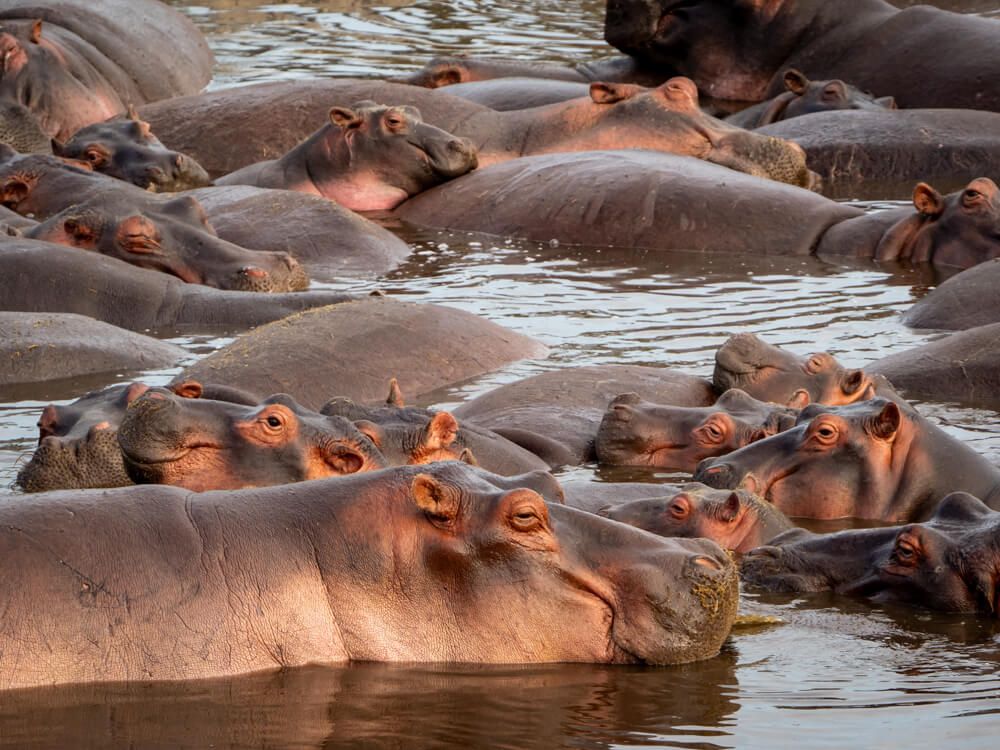
The main event of the day: Midday is spent on the shoreline and in the channels, with hippo pools, wading birds and perching raptors as the main subjects. The afternoon works whichever pool has held the most interesting birds during the day.
What you might see: April is one of the best birding months in the Serengeti because the short rains create temporary water in places that are dry for most of the year. Predators use the channel edges at drinking time. Water levels change with the rains and channels that are drivable in one week may be soft or closed in another, so the lake work is planned around what is actually passable.
Practical rhythm: Waterproof layers carried for open water at dawn, and a proper seated lunch stop during the day. Overnight close to the water, where the dawn session begins at the channel edge.
Camera and timing: The guide is thinking in terms of light and background rather than in terms of sightings, and the vehicle is deliberately positioned low and with a clean background whenever possible. The hours either side of that session are the ones that matter most for images, and the middle of the day is deliberately left loose for rest, review and moving quietly into the next position.
Getting there: No repositioning today. The vehicle goes to the ground that has produced the best sessions and stays, because April is a month of settled residents rather than moving herds and depth is what pays.
The safari activity: One long engagement with a single area, broken only by the heat of the middle hours. Residents are used to the vehicle, and the same individual animals are often found on consecutive days.
Wildlife context: Familiarity is the point of a day like this. The cats that were distant on day two are typically much closer by day eight, and a fixed position produces encounters rather than distant sightings. A day with no repositioning can produce very little, and the value is cumulative rather than immediate. Weather is the usual reason a session is cut short.
Comfort and breaks: Breakfast in the field, water carried through the middle hours, and an easy afternoon with nowhere to be. Overnight at the same camp as the previous night, because the day involves no movement.
Camera and timing: The guide is thinking in terms of light and background rather than in terms of sightings, and the vehicle is deliberately positioned low and with a clean background whenever possible. The hours either side of that session are the ones that matter most for images, and the middle of the day is deliberately left loose for rest, review and moving quietly into the next position.
Road flow: A second stationary day from a slightly different position, so the same area is seen in different light against different backgrounds. In April's green vegetation a small change of angle is often worth more than a change of location.
The working part of the day: Morning on ground that worked yesterday and afternoon on an untried vantage nearby. The pools and channels shift through the day, so the afternoon often works a different water point entirely.
Reading the country: Green-season light through grass is soft and directional, and thick vegetation changes what a background looks like from one kilometre to the next. Bird activity around any single pool changes through the day as species come and go. A day with no repositioning can produce very little, and the value is cumulative rather than immediate. Weather is the usual reason a session is cut short.
Pacing the day: A light pack goes out with the group and the day includes a long deliberate midday pause. Overnight at the same or a very nearby camp, within a short drive of today's ground.
Camera and timing: The guide is thinking in terms of light and background rather than in terms of sightings, and the vehicle is deliberately positioned low and with a clean background whenever possible. The hours either side of that session are the ones that matter most for images, and the middle of the day is deliberately left loose for rest, review and moving quietly into the next position.
How the day opens: The final complete day is left unscheduled so the vehicle can respond to whatever is actually happening on the ground. After a week with the residents, this is usually the day with the clearest picture of how they behave.
On the ground: The group is out from before dawn into the last good light, with the middle hours in one or two proven places. Nothing is rushed and the vehicle stays in position as long as the light allows.
The species question: Animals that were nervous on arrival are relaxed by now, and the guide knows the local movement well enough to be waiting in the right place. April can deliver an afternoon storm, which usually passes quickly. A day with no repositioning can produce very little, and the value is cumulative rather than immediate. Weather is the usual reason a session is cut short.
Logistics: Camp packs quietly in the background so the following morning is a simple breakfast and departure. Last full overnight on safari, at the position that produced the strongest sessions.
Camera and timing: The guide is thinking in terms of light and background rather than in terms of sightings, and the vehicle is deliberately positioned low and with a clean background whenever possible. The hours either side of that session are the ones that matter most for images, and the middle of the day is deliberately left loose for rest, review and moving quietly into the next position.
Morning movement: One last early session at the best available ground rather than the closest, then breakfast in the field and the road back to Arusha. The drive follows the same route as the arrival day, with a viewpoint stop if the morning is clear.
The session: The final session is deliberately short, usually an hour or two, because the trip has already delivered and the priority is a comfortable return. The highlands are completely different country from the plains below them.
Landscape and game: Last-morning light is often the best of the trip, and the residents are entirely used to the vehicle by this stage. April weather on the return road can include rain, which adds time. No itinerary can deliver a specific frame. What this trip does is put you in the right place at the right hour with the right equipment, for long enough to be patient about it. Departure day is exposed to the same rain and road conditions as arrival, so the return is timed with slack in it.
Breaks and overnight: Breakfast in the field, packed lunch on the road, and arrival in Arusha in the afternoon or early evening. No overnight on safari; the trip ends on arrival back in Arusha.
Closing the safari: Days without repositioning are the point of this trip. Familiarity with an area produces shorter distances and calmer animals, and both improve the frames. Anything not seen in 12 days can be added to a longer itinerary rather than forced into this one, and the guide writes down the ground and the timing that worked so a return trip can start from the same knowledge.
Why April Photography Works
Four reasons a photographer should consider April over the months most itineraries recommend, and the reasons it is not for everybody.
Almost no other vehicles
The migration has moved north-west and most of the February traffic went with it. On good ground in April you will frequently be the only vehicle, which means clean frames without waiting for somebody else to move.
Green-season colour
Green grass, clean skies after rain and darker backgrounds give photographs a palette the dry months cannot produce. It also makes low angles and detail work easier, because the vegetation holds the frame.
Soft, rain-washed light
Short-rain cloud gives an even, low-contrast light that is genuinely difficult to photograph well and rewards an aperture-first approach. It flatters wildlife portraits rather than flattening them.
Birds and small animals
The subject list is not only the big five. April brings migrants, short-rain pools, and a great deal of birdlife that nobody is working on a Serengeti itinerary.
The trade you accept
You are giving up the river crossing and the northern calving drama. If those are your subjects, April is the wrong month and we will tell you so rather than sell it.
Flexibility has a cost
Flexible sessions mean longer days and less predictability in the schedule. Photographers who need a fixed programme should choose a different itinerary format.
Route and Ground Used
The 12-day route covers three distinct habitats in the southern and central Serengeti. Distances are approximate road distances and vary considerably with road condition.
Early departure from Arusha and a climb through the Ngorongoro highlands, dropping into the central Serengeti by early afternoon.
The day is spent on pride ground around the central Serengeti, following lions that hold territory through the year rather than following a herd.
The day is spent in the riverine and drainage-line country, which is where leopard are found in the central Serengeti.
The morning works the open grass where cheetah hunt, because in April the short grass gives both the hunters and the photographers a genuine chance.
A day south of the central block, on the kopje clusters that break the flat horizon above the plains.
The vehicle works east along the corridor, which in April is a slow drive through heavier woodland and long grass with very few other vehicles.
The vehicle works west into the Grumeti corridor, where the road is slower and the country older.
A day on the water, working the lake channels and the temporary pools that the first April rains leave across the plains.
No repositioning today. The vehicle goes to the ground that has produced the best sessions and stays, because April is a month of settled residents rather than moving herds and depth is what pays.
A second stationary day from a slightly different position, so the same area is seen in different light against different backgrounds.
The final complete day is left unscheduled so the vehicle can respond to whatever is actually happening on the ground.
Return road to Arusha, timed so you arrive with the afternoon still ahead.
Where the Photography Safari Goes
The itinerary works two positions in the south and two in the central Serengeti, with the route between them on the fourth day.
- Arusha
Start and finish
Road transfers both ends - Seronera & the Kopjes
Resident lions, leopard and cheetah
Central Serengeti - Ndutu & the Short Grass
Calving and plain game
The southern block - Western Lakes & Drainage
Waterbirds and general game
Western corridor
Why Choose Kizza Adventures for an April Photography Safari
What a photography itinerary actually depends on, which is not the vehicle badge or the lodge category.
The itinerary is built around image-making from the first hour to the last, with the vehicle, the timing and the movement all serving the camera.
Positioning a vehicle for a photograph is a different skill from finding game. Our guides work the wind and the sun direction, which is what keeps a background clean and an approach quiet.
Long lenses need support. We carry bean bags in the vehicle so you are not holding a heavy glass on your knees for six hours.
April traffic is genuinely low and we will tell you when it is not. Nobody claims an empty plain on a day when six vehicles are on the same pride.
When the light or the weather changes the plan, we tell you why rather than silently altering the day.
Your guide briefs you on what was seen and what was missed. That feedback is the reason a photographer improves between days.
A photography vehicle is a workspace. You need to be able to stop, move a short distance and wait without negotiating with a full load.
Lodges, room types, vehicle configuration and transfers are all confirmed before you travel, so nothing about the working conditions is left to guesswork.
What You Can Photograph in April
The realistic April subject list for this itinerary, with honest notes on how each is approached. Nothing here is promised, and several of these will only be seen if the week goes your way.
Open grassland on the southern plains, most active in the cooler hours. The subject photographers come for, and the hardest to predict on any given morning.
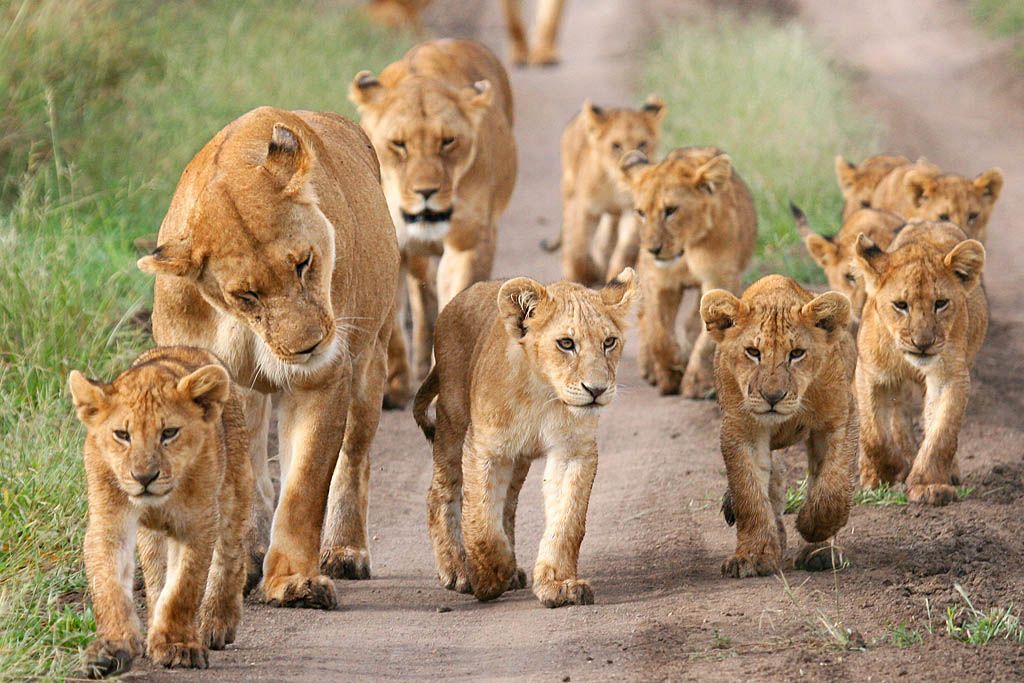
Resident prides using the Seronera kopjes for shade through the middle hours and moving in the evening. Territory-holding behaviour makes them the most reliable big cat of the itinerary.
Riverine and fig-tree country around Seronera, found by working the lines slowly at dawn and in the late afternoon. Present year-round, never arranged.
The most persistent predator in the park and the most under-photographed. Dens and kopje margins are worth an hour in the early light.
Family herds through the central woodland and around permanent water, with calves in April, which makes for photographs that hold attention beyond the obvious.
Held at the wetland margin in the south, where April water levels give reflections and backlight that the dry months cannot produce.
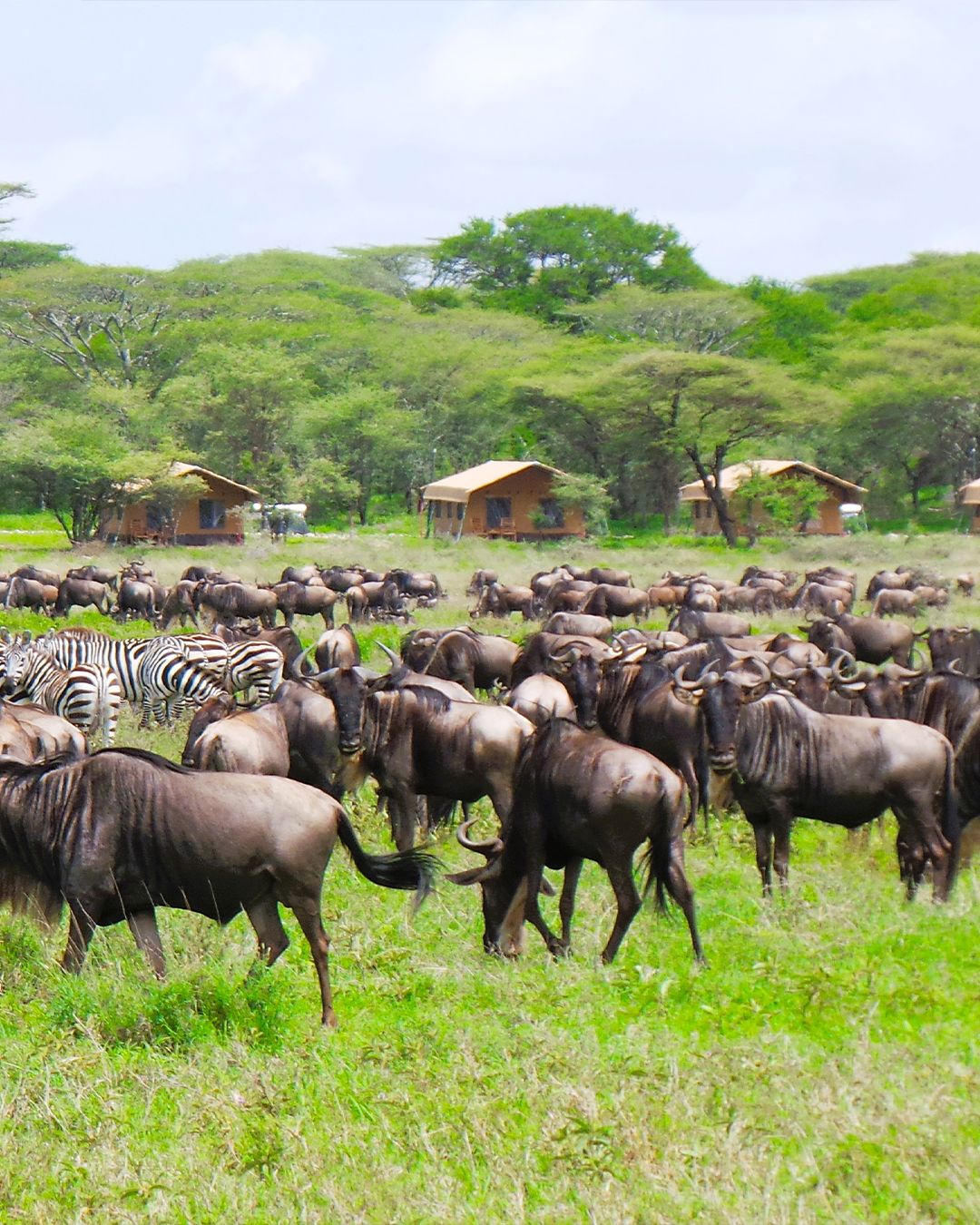
Still present in the central and western Serengeti through April, moving north-west. Numbers are falling but the herds remain a genuine subject.
Resident herds in the central woodland, always approached slowly, and a subject that rewards patience because they are genuinely difficult to photograph well.
Constant where woodland meets open ground, and frequently the easiest large subject of the first morning while the driver is still setting up for the big cats.
The southern calving season is ending in April, so a small number of very young calves remain. They are a real possibility, not a dependable one.
Migrants, waders and pool-specific species concentrated around temporary water that exists only for a few weeks of the year.
A genuine possibility on the eastern side of the central circuit. Always approached slowly, on foot only where permitted, and never promised.
What a Guide Notices That the Camera Does Not
The photography-specific knowledge that makes the difference between a frame and a good frame.
Wind direction, first
Best spot: A leopard coming downwind to water and a cheetah crossing open ground are two completely different photographs depending on which side of the vehicle you sit on. Your guide will position before the animal arrives, not react after it does.
Vantage chosen with the wind behind the subject
Height matters more than zoom
Best spot: A long lens compresses; a lower angle separates. Working below the level of the subject changes the whole frame, and it costs nothing but getting out of the vehicle when it is safe to do so.
Low working angle on the southern plains
Background is half the image
Best spot: April's green grass is an advantage if you use it and a problem if you ignore it. Metering for the background rather than the animal is the single most common improvement in wildlife frames.
Green-season grass at the tree line
The green-season problem
Best spot: A cat in April green is underexposed and blends badly. Meter for the fur, expose for the coat rather than the scene, and check the histogram before you assume the camera is wrong.
Shade and open grass on the central plain
Backlight is the gift
Best spot: Wetland work at dawn is at its best when the sun is behind the subject. Aim into the light, expose for it, and let the water carry the reflection.
Water's edge at first light, sun behind
Patience has a light limit
Best spot: No amount of waiting helps in flat midday light. The honest rule is that the morning and the last hour are the productive ones, and the middle of the day is for moving and resting.
Low-angle position used before the last hour
April Photography Sightings Checklist
What to realistically mark off during a 12-day April photography itinerary, with an honest note on likelihood for each.
| Animal | Potential Encounter | Best Viewing Context | Best Area |
|---|---|---|---|
Cheetah on open grassland | Strong | Southern plains, dawn and late afternoon | Not guaranteed, and hunting success is never predictable |
Resident lion pride in shade | Strong | Seronera kopjes, late afternoon | Territories hold; which pride is where is not knowable in advance |
Leopard on a riverine line | Possible | Seronera riverine, dawn and evening | Patient work, quiet approach, genuine luck |
Backlit wetland reflection | Possible | Ndutu margin, first light | Depends on water level and mist on the morning |
Elephant with calves | Possible | Central woodland and water | Family herds present; calves are a bonus rather than a plan |
Hyena at a den | Possible | Kopje margins, early light | Most persistent predator in the park and easily overlooked |
Fresh cheetah tracks crossing open ground | Strong | Southern plains | Tracks are often more photogenic than the animal and far more reliable |
Short-rain pool with waders | Possible | Southern short grass, after rain | Pools are temporary and their location changes with each storm |
Buffalo herd in woodland light | Possible | Central Serengeti | Approached slowly, always |
A clean frame with no other vehicle | Strong | Almost anywhere in April | The real advantage of this month |
Black rhino | Possible | Eastern central circuit | Genuine possibility, never promised, always approached slowly |
This is a planning aid, not a promise. Every item here is a possibility and none of them is arranged in advance. Marking off five or six of these across 12 days is a good April.
Meet Your Guide
On a photography safari your guide is the photographer you are not. What they are looking for is the frame before the frame.
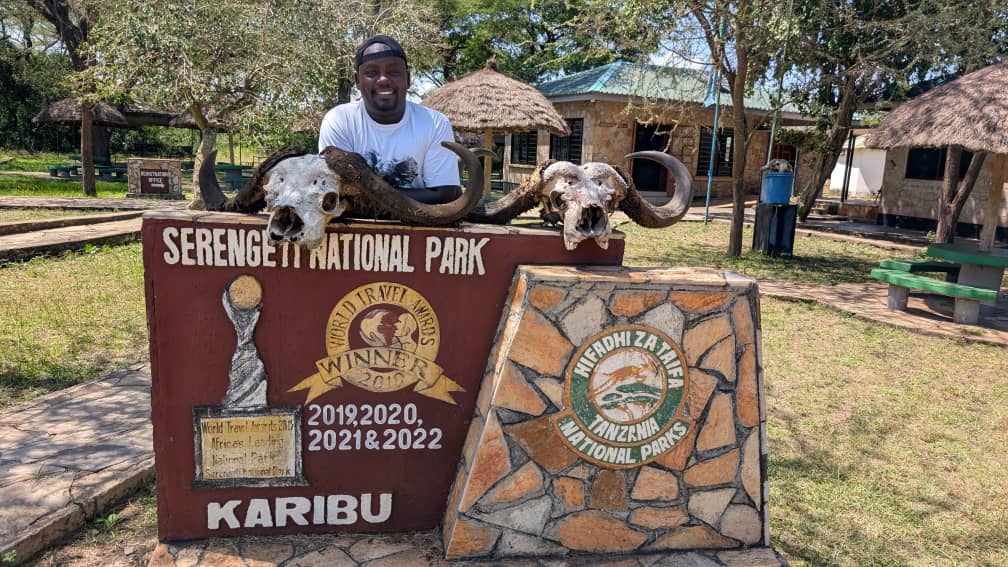
Your Kizza Adventures Guide
Your guide is with you for all 12 days and is the reason a photography itinerary produces usable images rather than a folder of almost-right frames. That person works the southern plains and the Seronera riverine daily, knows where the light falls on that ground at different times of year, and positions the vehicle before the subject arrives rather than following it afterwards.
The second thing that matters on a photography trip is honest reporting. Your guide briefs you each evening on what was seen, what was missed, why the session was placed where it was and where the next day should be spent. If a session produced nothing, you will hear that plainly. It is the only way to plan a photography week rather than simply react to it.
Photography Safari Accommodation
Where you sleep matters more on a photography trip than the category of the room. Position is chosen for reach onto the first session of each day.
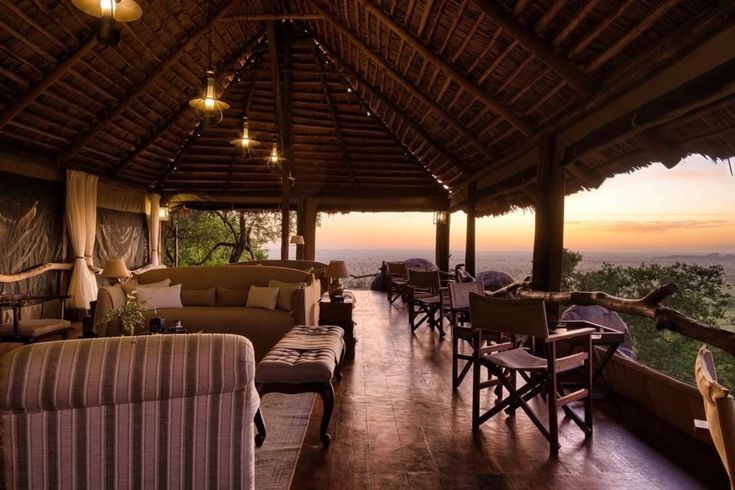
Southern Serengeti Position (Night 1)
Placed for a short reach onto the cheetah grassland at first light, with open ground close and low angles available from the vehicle. Property, room type and meal plan are confirmed in the booking system against your dates.
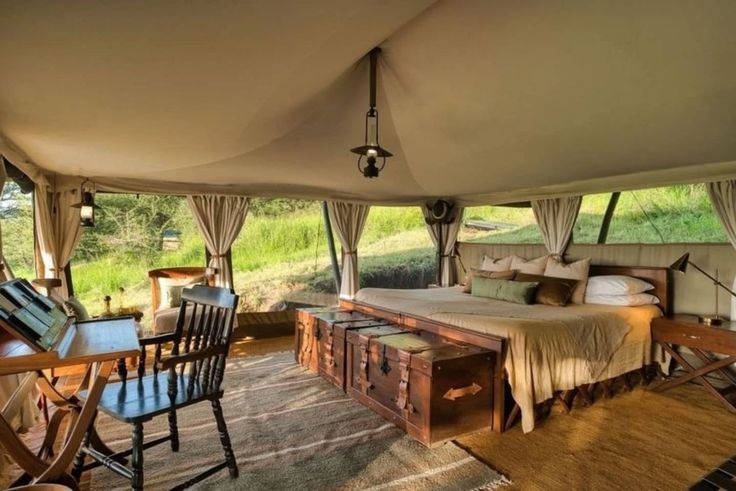
Ndutu & Southern Wetland Position (Night 2)
Positioned at the water's edge so the reflection session can start early without a long drive in the dark. Vehicle access matters more than the view from the tent on a photography itinerary.
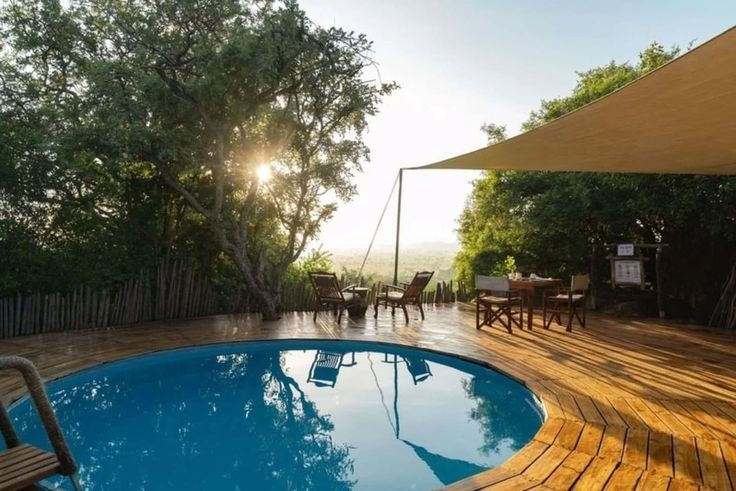
Seronera & Riverine Position (Nights 3 & 4)
Placed for a quick reach onto the riverine lines and the kopje shade, with power and charging for camera batteries. Position chosen for the dawn session, not for the restaurant.
Lodges subject to availability. Equivalent or superior alternatives may be used. Contact us for the current lodge selections for your dates.
Transfers and Getting Around
How you move between positions on this itinerary, and why the timings are what they are.
Arusha to the Southern Serengeti
Road transfer, roughly five hours on a good road. The long transfer runs in the first morning because the southern position has to be reached before the second day's dawn session.
Between Southern Positions
Short repositioning, under an hour on good ground and longer after rain. Moving between the plains and the wetland margin is deliberately kept short so the sessions are not lost to driving.
Southern Serengeti to Seronera
Repositioning day, approximately three hours. The fourth day is built around this move, with the morning session in the south and the evening session at Seronera.
Seronera to Arusha
Road transfer on the final day, arranged around your flight or overnight connection with margin built in for a wet road and a slow climb out of the Ngorongoro highlands.
Within a Position
Private vehicle, repositioning as needed. The vehicle is the workspace on a photography itinerary, so it stays with you and moves when you do rather than returning to camp.
Kilimanjaro Airport Collection
Included on the arrival transfer, arranged against your arrival details before you travel so the vehicle is waiting rather than being found.
The Photography Safari Vehicle
On a photography itinerary the vehicle is a working tool rather than transport, and it is specified accordingly.
Stability at long focal lengths is what makes a usable frame rather than a soft one, so the vehicle is chosen for that first.
Being able to stop, reposition a short distance and wait without negotiating is the whole point of a private vehicle on this trip.
A bean bag is what lets you work a 400mm lens for six hours without wrecking your arms or losing the subject.
Camera batteries used at full capacity in cold dawn air drain faster than in the heat of the afternoon.
April roads produce dust, and a lens front cleaned on the move is worth having in the vehicle rather than in a suitcase.
Several of us carry a pair in the vehicle for scanning; bring your own if you are particular about glass, though on this itinerary you will be using the lens more than the binoculars.
Best Time to Visit for April Photography
April sits in a productive window for this itinerary, and this is what the surrounding months look like for comparison.
March, April and May are the practical peak for this itinerary because the southern grass is still green, the traffic is thinning and the light is soft. We rate April as the best of those three for photography specifically, because you get green colour and low traffic at the same time, which does not happen later in the season. The wet months are not a downside on a photography trip; soft rain light is the reason to come. What the rains do affect is road access, and a side track can close for a morning after a heavy storm, which is why this itinerary flexes rather than runs to a fixed timetable.
Great Migration Position in April
What the herds are actually doing in April, and why this itinerary deliberately follows the photography rather than the migration.
Photography Guide
Technical and practical notes for the light and ground of an April Serengeti photography itinerary.
If you can only choose one, choose a wide aperture. An underexposed frame at 1/1000 is recoverable; a soft one at 1/60 is not.
Mist after rain and backlighting at the wetland margin are the conditions that make April photographs look the way people remember them. Plan for them.
A 200-400mm on a bean bag covers almost everything this itinerary produces. Going wider than 100mm costs you the low angles.
April cloud builds quickly and moves fast. A stack is safer than a single frame when the sky is doing the work.
In April the useful light starts earlier and ends later than the labels suggest. Watch the light rather than the timetable.
Green grass reflects differently to dry grass. Check your histogram on the first morning and you will not have to think about it again.
Packing List for an April Photography Safari
What to bring for green-season photography in the Serengeti, and what you can safely leave behind.
Camera and Lens Kit
- Body plus a second body if you have one; the dust and the rain will find the gaps
- A 200-400mm and a wide zoom; a 70-300mm is workable but tighter than ideal for this itinerary
- Several batteries and a charger, because cold dawn air drains them faster than you expect
- A card wallet and enough cards that you never have to choose between formatting and shooting
- Lens cloths and a blower kept in the vehicle rather than in your pack, where they are actually useful
Clothing and Field Gear
- Neutral layers in khaki, beige and olive; nothing bright or patterned for the open plain
- A warm mid-layer for dawn sessions and a windproof shell for the open grassland
- A waterproof bag or dry bag for the vehicle; April rain is not always polite
- Closed shoes with real grip, because you will get out of the vehicle more often than expected
- A small notebook; the evening briefing is far more useful written down than remembered
April Travel Tips
Practical notes on weather, roads, altitude and daily rhythm that apply to this itinerary in April.
April rain usually arrives in the afternoon and night and is often heavy and occasionally heavy. A storm can close a side track for the morning, so the itinerary is planned around what is open rather than around a clock.
Roads are generally usable but soft sections develop quickly. Two consequences: drive times increase, and the good positions become genuinely difficult to reach before the midday sun dries them.
Tanzania runs on East Africa Time and a photography week is built around darkness. Land the day before: the evening session on arrival is worth having.
Coverage follows the main camps and towns rather than the plains. Offline maps and a downloaded backup are worth setting up before you arrive, and cloud backup of images is not reliable from camp.
Tanzanian shillings for the smaller expenses, and a tip custom for guides and camp staff that we will explain properly on booking.
Honeymoon & Family Options
How a photography-focused week works for a honeymoon or a family group, and where it does not suit.
A Photography Honeymoon That Is Also a Safari
A photography itinerary is an unusual honeymoon format and a good one for a particular kind of couple. The days are quiet, unhurried and full of small discoveries rather than logistics, the traffic is low enough that you will often have a plain or a wetland to yourselves, and the evenings are free. A private dinner and bush breakfast are arranged as quoted add-ons, and the return leg leaves your afternoon free to review images together.
The honest trade is patience. A photography week involves long periods of waiting for light and for a subject, and a couple who wants stimulation every hour will find it slow. If either of you needs constant stimulation, we will quote a driving itinerary with more movement and tell you honestly that the photography week is not the better choice for you.
Family Photography Safari
Photography works well for families with older children, roughly twelve and up, particularly if the children are already interested in cameras. It rewards the same discipline as the adults: you wait, you watch, you do not chase. A child who learns to sit quietly with a long lens on a photography safari learns something genuinely useful, and the low traffic means nobody is crowded at the frame.
Junior tasks work here: finding tracks, logging species into a shared list, choosing the position for the session. We adjust the daily pace to the youngest person in the vehicle. For younger children we would recommend a driving itinerary with short walks instead, and we will say so rather than sell a photography week that will not engage them.
Verified Guests on This 12-Day April Photography Safari
What past travellers say about running a photography-led safari with us.
Every review for this safari is published on our own TripAdvisor profile rather than reprinted here, so what you read is what other travellers actually posted.
Running an April trip? Send us your question and we will answer it from the same trip, with the same guide, on WhatsApp.
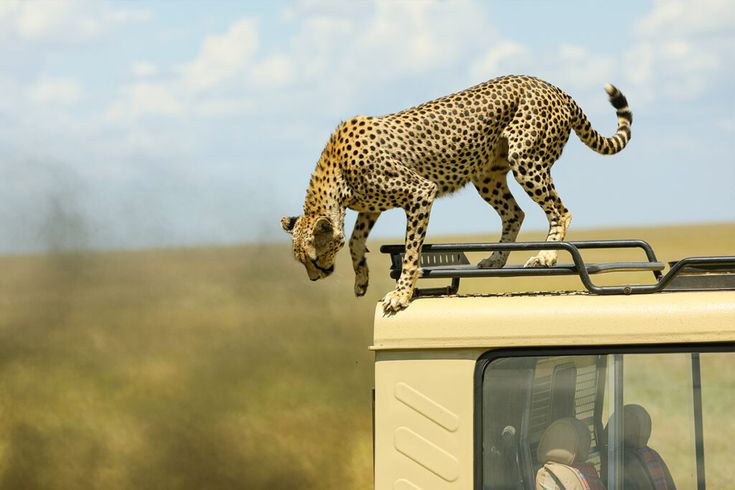
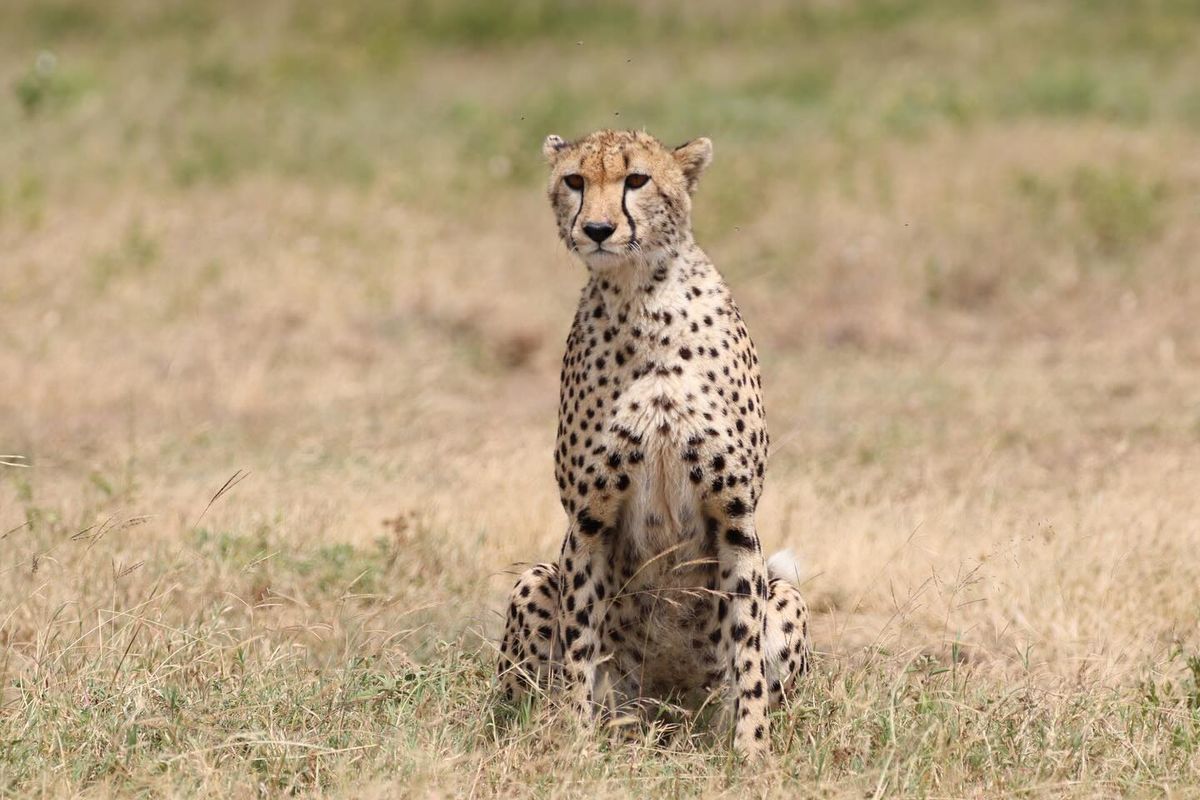
Frequently Booked Together
Add-ons and extensions that clients most often combine with an April photography itinerary.
Image Gallery
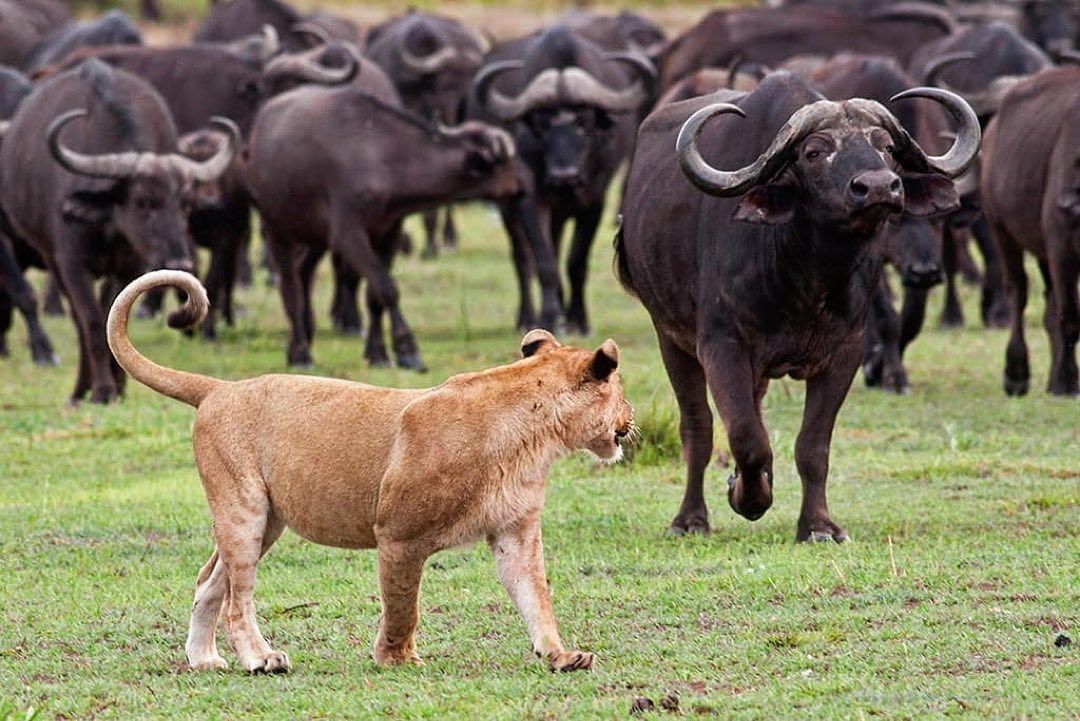
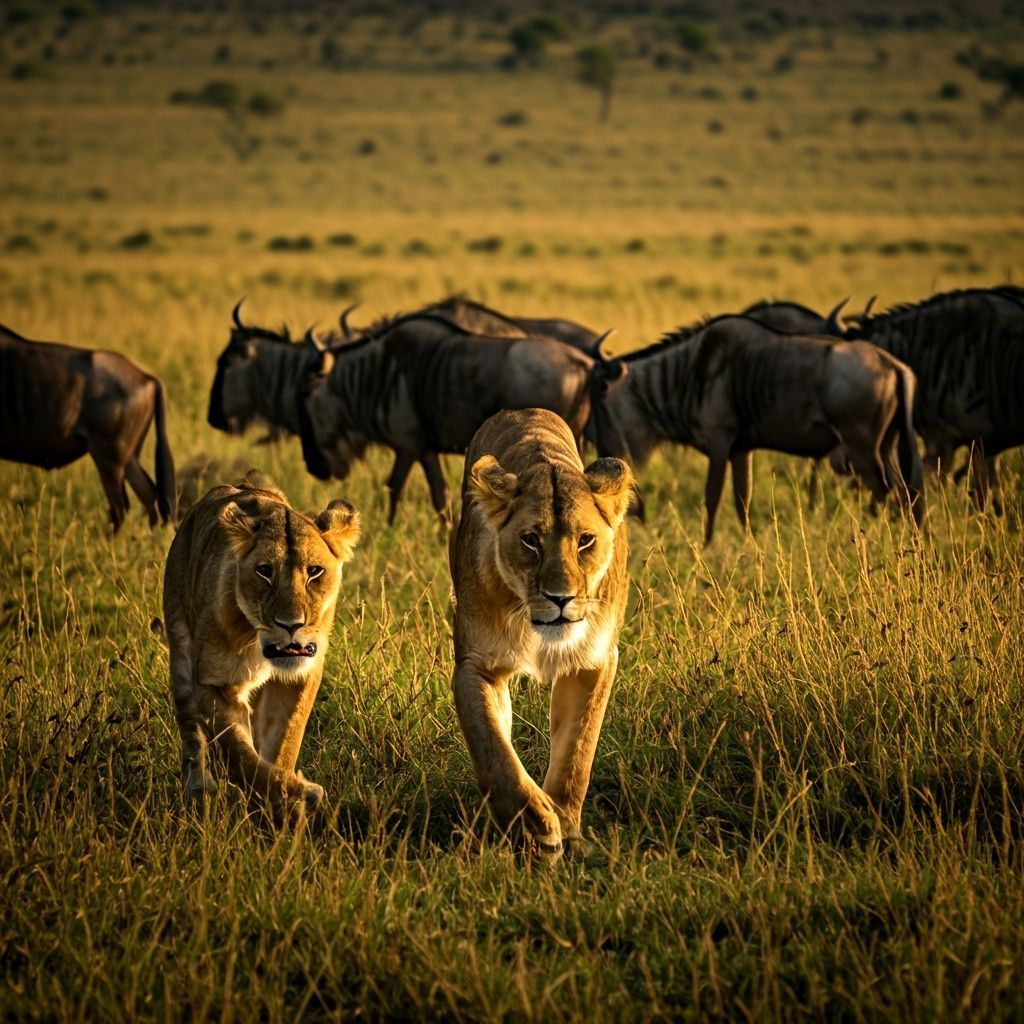
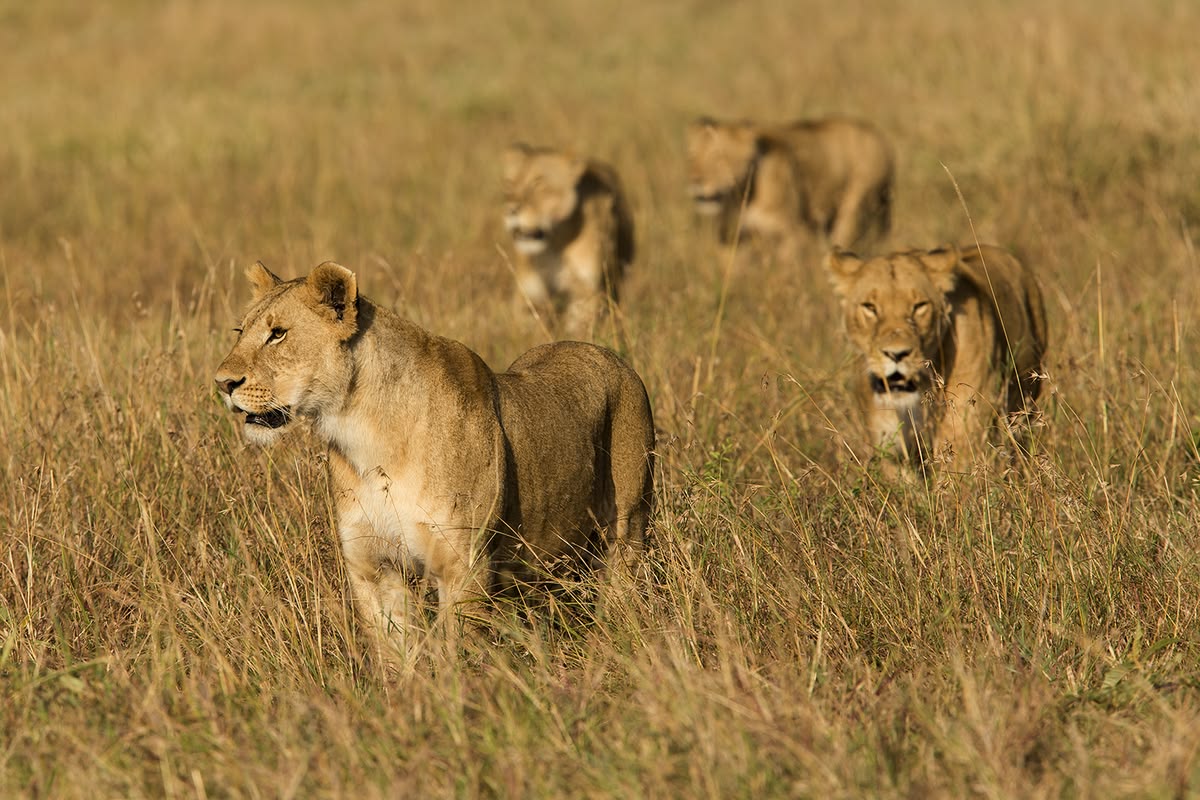
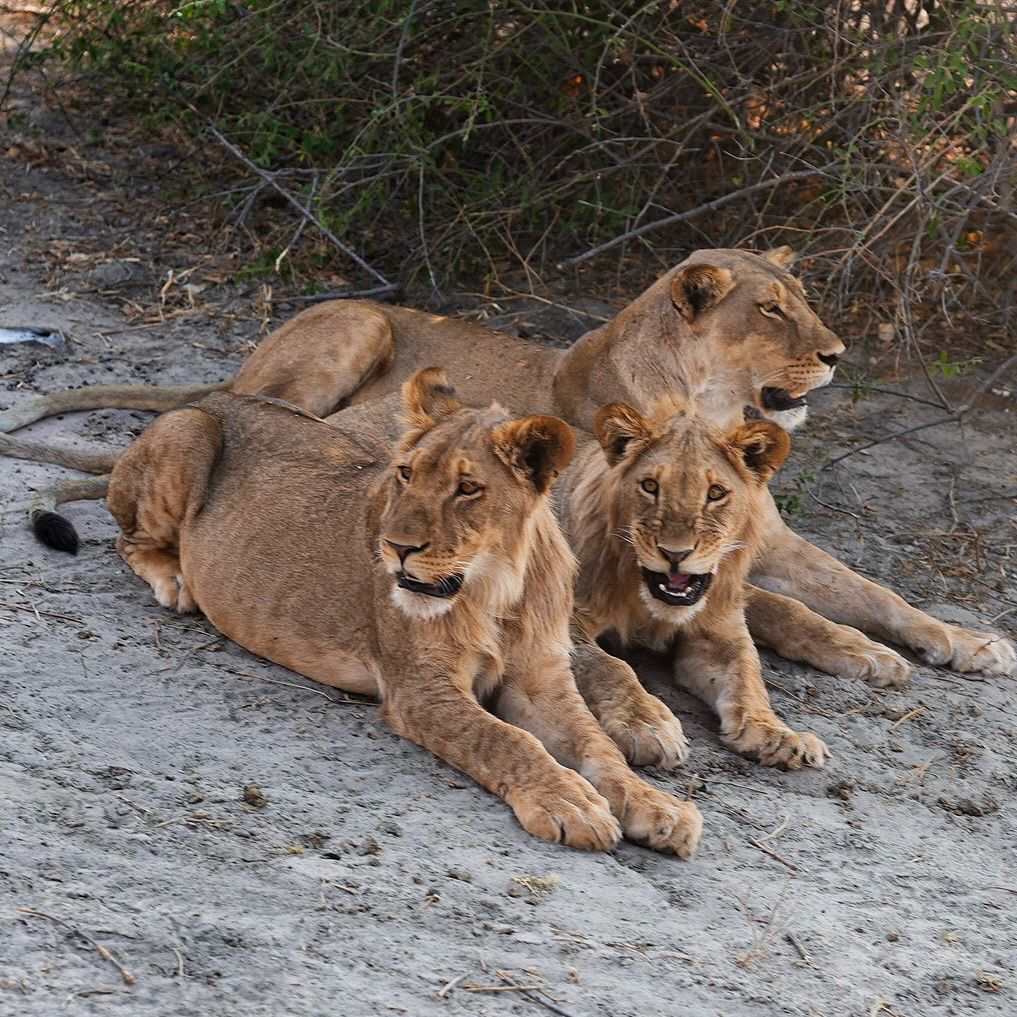
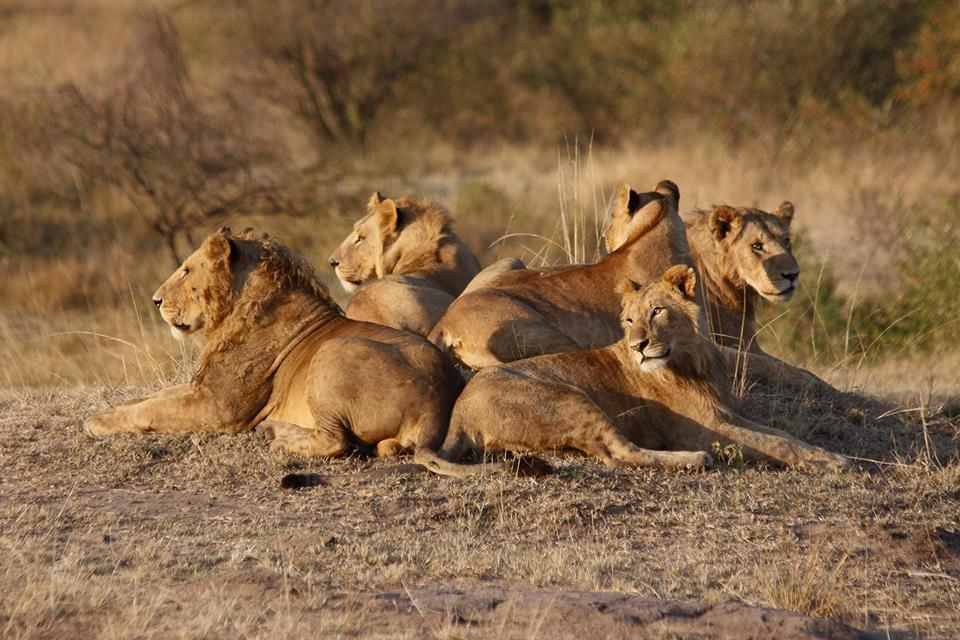
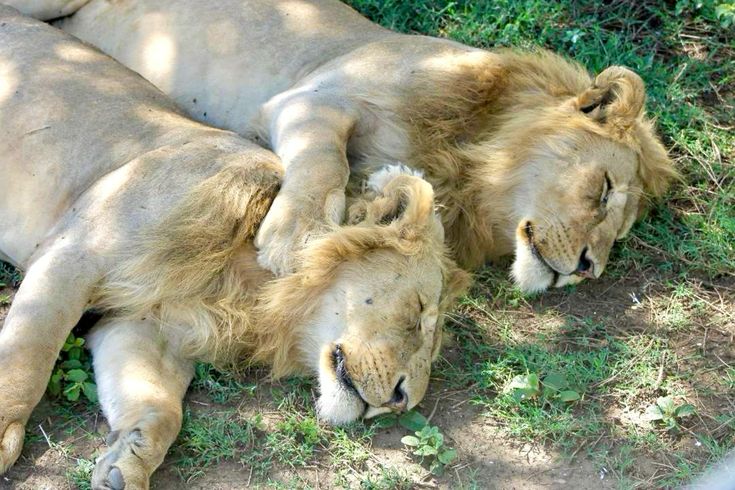
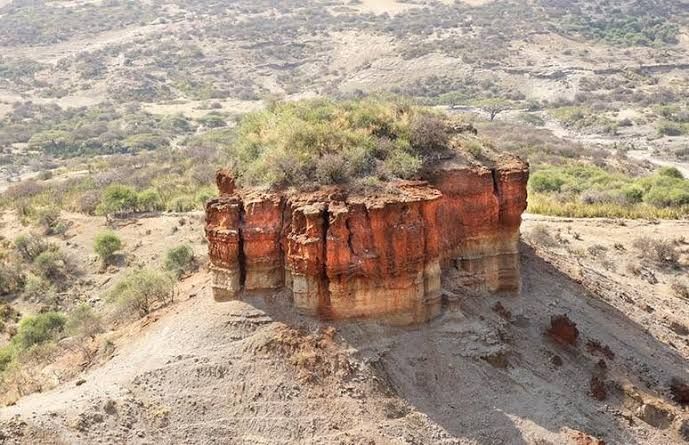
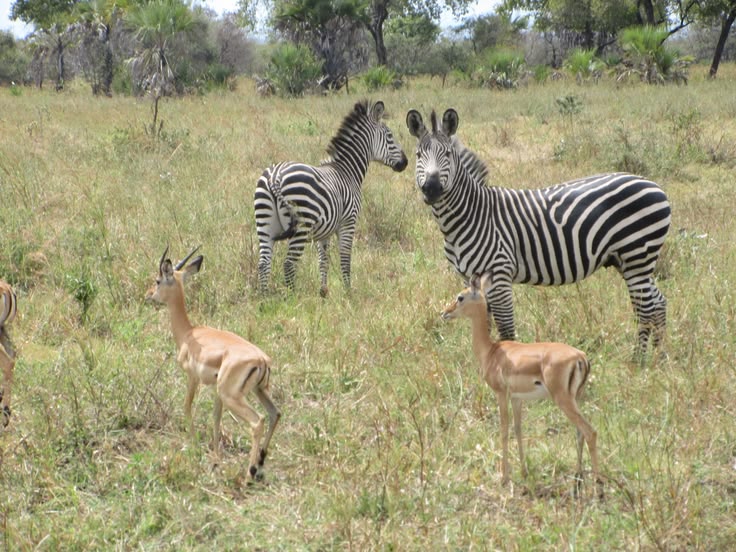
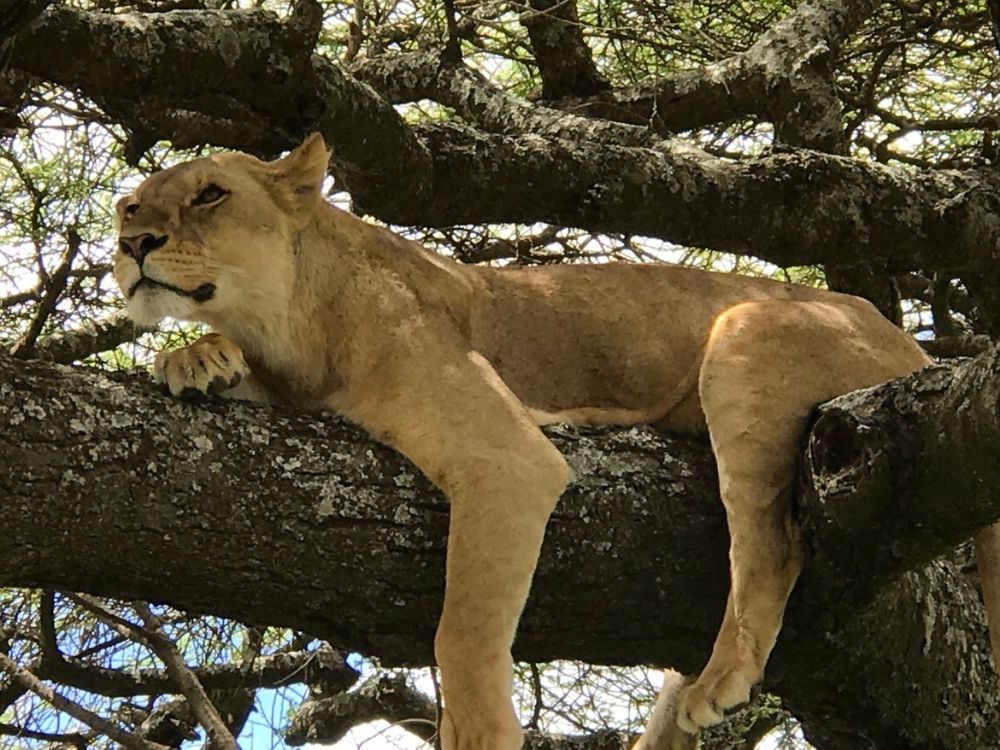
Images are representative of the ground and seasons this itinerary uses, not of a specific photographer's trip. View complete gallery →
April Photography Compared
Where this photography-led April itinerary differs from the standard driving safari most travellers are sold.
| Feature | 12-Day April Photography | Standard Driving Safari |
|---|---|---|
| Primary subject | twelve days on the ground that suits this category | General game viewing and a broad species list |
| Method | Repetition on fixed ground, repositioning by light | Covering distance and covering ground |
| Traffic | Very low; often alone on good ground | Heavy, especially in the crossing months |
| Time horizon | Hours, worked repeatedly | Days, at whatever hour the animal is active |
| Best for | Travellers with 12 days wanting photography | Travellers who want the most species per day and a relaxing pace |
Video Section
What a 12-day April photography itinerary looks like in motion, on the ground and at the hours it actually works.
Video highlights are shared with confirmed bookings. Ask for the current footage when you enquire, so you are seeing this season rather than an old clip.
Inclusions and Exclusions
What the quotation covers, what it does not, and the items we price separately.
Included
- All game drives and photographic sessions as described in the itinerary
- Private vehicle with pop-up roof and a driver-guide throughout
- Bean bags and window mounts carried in the vehicle
- All accommodation as listed for the itinerary nights
- Park entry fees and all road and activity levies
- Arusha hotel or Kilimanjaro airport arrival and departure transfers
Not Included
- International flights to and from Tanzania
- Tanzania visa, which is arranged before you arrive
- Travel insurance, including medical and evacuation cover
- Camera equipment, lenses and personal photography gear
- Drinks, laundry and items of personal nature
- Gratuities for guides and camp staff
Quoted Separately
| Quote Field | Your Arrangement |
|---|---|
| Per Person | Current price — confirmed in your quote |
| Single Supplement | Where a single room is requested |
| Vehicle | Private, configured for long-lens work |
| Accommodation | Position chosen for first light |
Photographic add-ons such as a private vehicle upgrade, a second guide, or a dedicated photography vehicle are quoted separately against your dates. We will tell you which of these actually changes your results and which do not.
How to Book
Six steps from first message to departure. Nothing is charged until you have seen a written itinerary and confirmed the property.
Send your dates, group size and camera setup, and we reply with availability and a written outline of the photography sessions.
We shape the itinerary: dates, group size and accommodation category determine the shape, so we adjust the position and the vehicle rather than quote a fixed package.
Once the quote is accepted we place the lodges, the vehicle and the guide and send written confirmation.
A deposit secures the lodges, the vehicle and the guide, and it is stated plainly in your confirmation.
Final vouchers, your guide's details, the day-by-day and the transfer arrangements. Everything you need is in writing before you travel.
You are collected from Arusha or the airport, and the first evening briefing on the light and the conditions is the most useful message you will get.
Frequently Asked Questions
The questions we are asked most often about an April photography safari, answered as honestly as we can.
Ready for 12 Days With the Camera?
Low traffic, soft light, green grass and an honest account of what each day produced, on ground chosen for the conditions rather than the brochure.
Enquire now for current availability — no deposit requested at this stage